Egg Donation and Egg Freezing: The Medical Side of Things
Egg donation and egg freezing are two increasingly popular methods of fertility preservation for women. These procedures involve retrieving eggs from a woman’s ovaries and preserving them for future use. While they are often used for different reasons, both egg donation and egg freezing have become valuable options for women who wish to have children later in life or face fertility challenges. In this blog post, we will explore the medical side of egg donation and egg freezing, including the process, potential risks, success rates, and ethical considerations.
The Process of Egg Donation and Egg Freezing
Egg donation and egg freezing both involve retrieving eggs from a woman’s ovaries, but the processes differ in several ways. Let’s take a closer look at each procedure.
Egg Donation:
Egg donation is a process where a woman, known as the donor, voluntarily donates her eggs to another woman, known as the recipient. This procedure is typically done for women who are unable to produce healthy eggs or have a genetic condition that could be passed onto their offspring. The donor’s eggs are retrieved through a process called ovarian stimulation, where she is given hormone injections to stimulate the production of multiple eggs. Once the eggs are mature, they are retrieved through a minor surgical procedure known as an egg retrieval. The retrieved eggs are then fertilized with sperm in a laboratory, and the resulting embryos are transferred to the recipient’s uterus for implantation.
Egg Freezing:
Egg freezing, also known as oocyte cryopreservation, is a process where a woman’s eggs are retrieved and frozen for later use. This procedure is often chosen by women who wish to delay childbirth for personal or medical reasons, such as pursuing a career or undergoing medical treatments that could harm their fertility. Similar to egg donation, egg freezing also involves ovarian stimulation and egg retrieval. However, instead of fertilizing the eggs immediately, they are frozen and stored until the woman is ready to use them. When she is ready, the frozen eggs are thawed, fertilized, and transferred to her uterus.
Potential Risks of Egg Donation and Egg Freezing
As with any medical procedure, there are potential risks involved in both egg donation and egg freezing. These risks may include:
1. Ovarian Hyperstimulation Syndrome (OHSS):
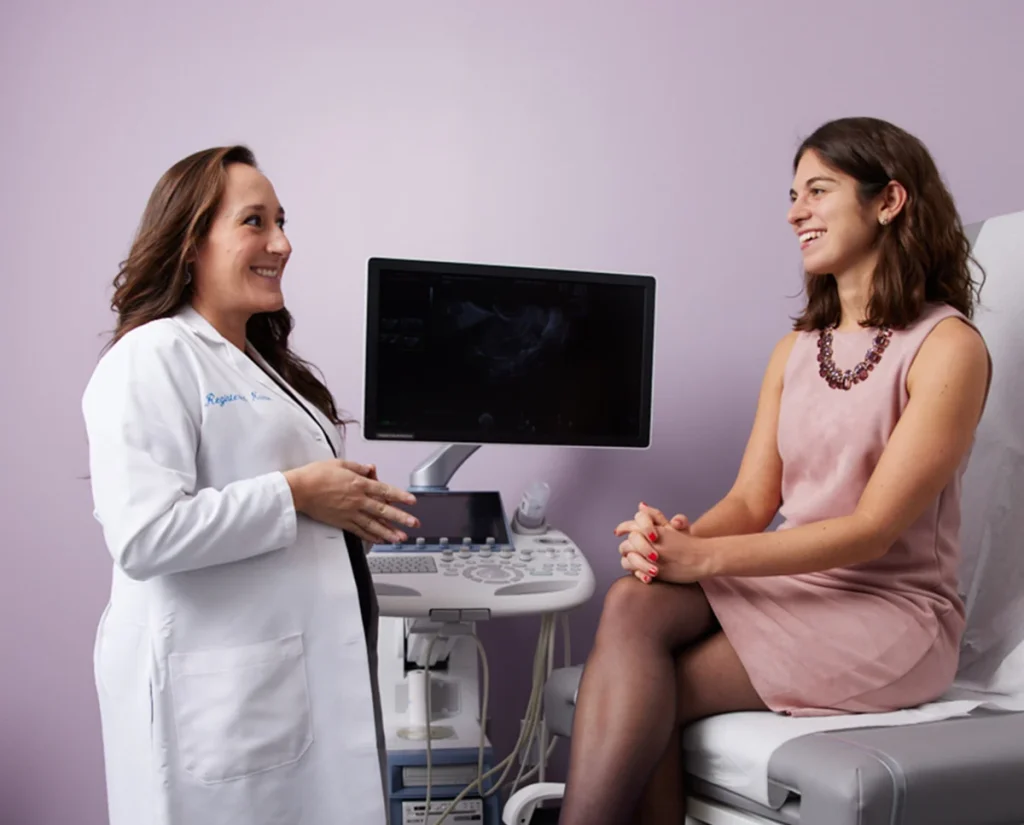
Egg Donation and Egg Freezing: The Medical Side of Things
OHSS is a condition that can occur as a result of the hormonal medications used in egg donation and egg freezing. It causes the ovaries to become swollen and painful, and in severe cases, can lead to fluid buildup in the abdomen and chest, which can be life-threatening.
2. Infection:
The egg retrieval process involves inserting a needle through the vaginal wall to reach the ovaries. This increases the risk of infection, although it is rare.
3. Multiple Pregnancies:
In some cases, more than one embryo may be transferred to the recipient’s uterus, increasing the risk of multiple pregnancies, which can be high-risk and lead to complications for both the mother and babies.
Success Rates of Egg Donation and Egg Freezing
The success rates of egg donation and egg freezing can vary depending on various factors, such as the age and health of the woman, the quality of the eggs, and the expertise of the fertility clinic. Generally, egg donation has a higher success rate than egg freezing, as the eggs have already been fertilized and the resulting embryos can be screened for genetic abnormalities before transfer. According to the American Society for Reproductive Medicine, the success rate for egg donation is around 50%, while the success rate for egg freezing is around 30%.
Ethical Considerations of Egg Donation and Egg Freezing
The use of egg donation and egg freezing has raised ethical concerns, particularly regarding the compensation of egg donors and the potential risks for both the donor and the recipient. Some argue that the financial compensation offered to egg donors can be coercive and may exploit women from lower socioeconomic backgrounds. There are also concerns about the long-term effects of the hormone medications used in these procedures on the donor’s health. On the other hand, proponents of egg donation and egg freezing argue that they provide women with more reproductive options and empower them to make decisions about their own fertility.
In conclusion, egg donation and egg freezing are two medical procedures that have revolutionized fertility preservation for women. While they offer hope to those facing fertility challenges or wishing to delay childbirth, they also come with potential risks and ethical considerations. It is important for women to carefully consider all aspects and consult with their healthcare providers before embarking on either of these procedures.
In summary, egg donation and egg freezing are two methods of fertility preservation that involve retrieving eggs from a woman’s ovaries. Egg donation is when a woman donates her eggs to another woman, while egg freezing is when a woman’s eggs are frozen for her own use in the future. Both procedures involve ovarian stimulation and egg retrieval but differ in the use of the eggs. Potential risks include OHSS, infection, and multiple pregnancies, while success rates can vary depending on various factors. Ethical considerations surround the use of egg donation and egg freezing, but they also offer women more reproductive options. Ultimately, careful consideration and consultation with healthcare providers are crucial when considering these procedures.