Tag: holistic

  • A Holistic Guide to Overcoming Secondary Infertility

    Secondary infertility is a common but often overlooked issue that affects many couples who are trying to conceive. Unlike primary infertility, which is the inability to conceive a first child, secondary infertility refers to the difficulty in conceiving after a previous successful pregnancy. This can be a frustrating and emotional experience for those experiencing it, as they may have assumed that they would have no difficulty getting pregnant again. In this blog post, we will discuss a holistic guide to overcoming secondary infertility, including possible causes, traditional and alternative treatments, and tips for supporting mental health during this journey.

    Possible Causes of Secondary Infertility

    There are several potential causes of secondary infertility, including age, hormonal imbalances, and underlying health conditions. As women age, their fertility naturally decreases, making it more difficult to conceive. Hormonal imbalances, such as irregular ovulation or low progesterone levels, can also affect a woman’s ability to get pregnant. Additionally, underlying health conditions such as endometriosis, polycystic ovary syndrome (PCOS), or uterine fibroids can also contribute to secondary infertility.

    Traditional Treatments for Secondary Infertility

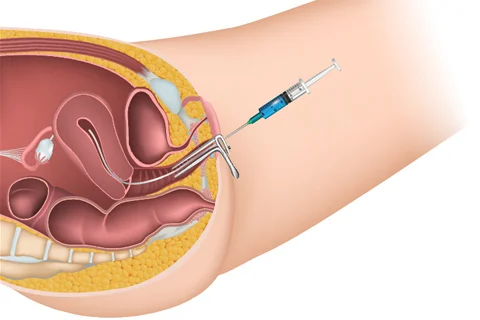
    The most common traditional treatment for secondary infertility is fertility medication, such as Clomid or Letrozole, which can help stimulate ovulation. In some cases, intrauterine insemination (IUI) or in vitro fertilization (IVF) may also be recommended. These treatments can be effective, but they can also be expensive and come with potential side effects. It’s essential to discuss all options with a fertility specialist and understand the potential risks and benefits before moving forward with any treatment.

    Alternative Treatments for Secondary Infertility

    In addition to traditional treatments, there are also alternative approaches that can be used to help overcome secondary infertility. These include acupuncture, herbal remedies, and dietary changes. Acupuncture has been shown to improve fertility by promoting blood flow to the pelvic area and reducing stress levels. Herbal remedies, such as maca root or chasteberry, can help regulate hormones and improve fertility. Dietary changes, such as increasing intake of whole foods and reducing processed foods, can also have a positive impact on fertility.
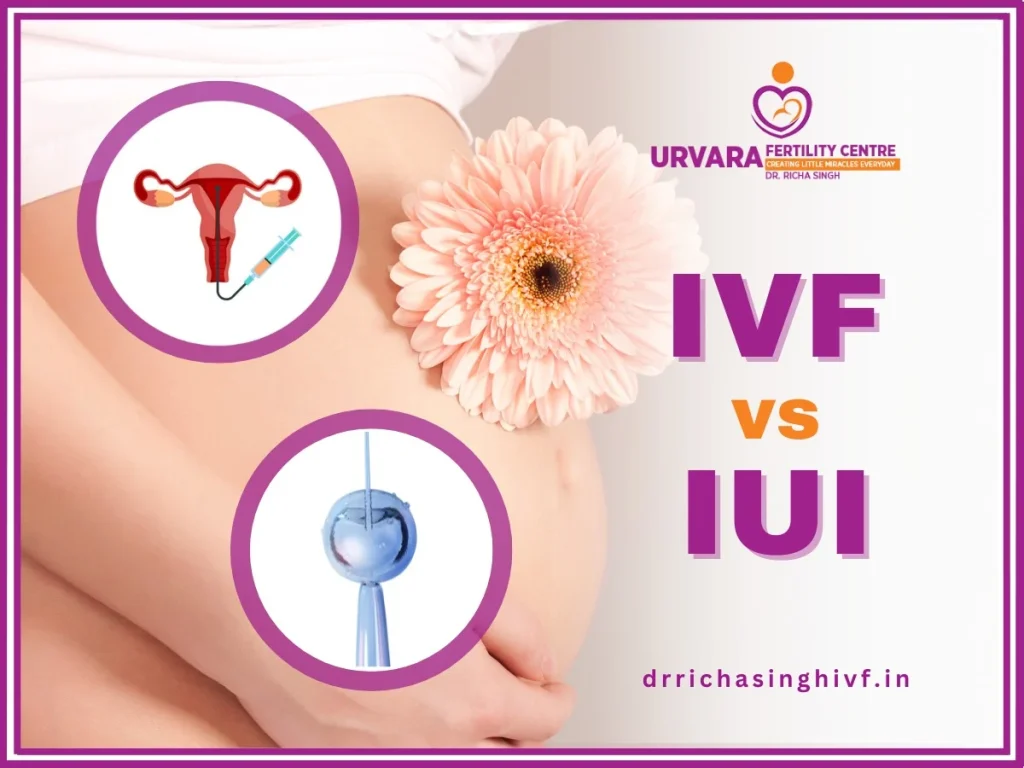
    IVF vs IUI comparison with illustrations of reproductive processes and a flower on a pregnant belly.

    A Holistic Guide to Overcoming Secondary Infertility

    Holistic Approaches to Overcoming Secondary Infertility

    Taking a holistic approach to overcoming secondary infertility means addressing not just the physical aspects but also the mental and emotional aspects of fertility. This includes reducing stress levels, improving overall health and well-being, and creating a supportive environment. Some holistic practices that can be beneficial for those struggling with secondary infertility include yoga, meditation, and journaling. These activities can help reduce stress and promote relaxation, which can have a positive impact on fertility.

    Supporting Mental Health During the Journey

    The journey of overcoming secondary infertility can be emotionally and mentally taxing. It’s crucial for those experiencing it to take care of their mental health and seek support when needed. This can include therapy, support groups, or talking to friends and family. It’s also essential to practice self-care and find healthy ways to cope with the emotions that come with this experience. This can include exercise, spending time in nature, or engaging in hobbies and activities that bring joy.

    In Conclusion

    Overcoming secondary infertility is a challenging and complex journey, but it’s important to remember that there is hope. By understanding the possible causes, exploring traditional and alternative treatments, and taking a holistic approach to fertility, it is possible to overcome secondary infertility and achieve a successful pregnancy. It’s also crucial to prioritize mental health and seek support during this time. By taking care of both physical and emotional well-being, individuals and couples can navigate this journey and come out stronger in the end.

    SEO metadata:
  • Holistic Fertility Treatments for PCOS: Addressing the Root Cause

    Title: Holistic Fertility Treatments for PCOS: Addressing the Root Cause

    Polycystic Ovary Syndrome (PCOS) affects 1 in 10 women of reproductive age, making it one of the most common hormonal disorders in women. It is a complex condition that can cause a range of symptoms, including irregular periods, weight gain, acne, and fertility problems. While conventional treatments may offer relief from the symptoms, they often fail to address the root cause of PCOS. This is where holistic fertility treatments come in – they aim to address the underlying imbalances in the body that are causing PCOS, rather than just treating the symptoms. In this blog post, we will explore some holistic fertility treatments that can help women with PCOS achieve a healthy pregnancy by addressing the root cause of their condition.

    1. Diet and Nutrition
    Diet and nutrition play a crucial role in managing PCOS. Women with PCOS often have insulin resistance, which means that their cells are less responsive to insulin, leading to high levels of insulin in the blood. This results in the ovaries producing excess androgens (male hormones), which can disrupt ovulation and cause other symptoms of PCOS. A diet that is low in sugar and refined carbohydrates and high in healthy fats, protein, and fiber can help manage insulin resistance and balance hormone levels. Foods like green leafy vegetables, lean protein, and healthy fats like avocados, nuts, and olive oil should be incorporated into the diet. Additionally, supplements like inositol, folic acid, and vitamin D can also help improve insulin sensitivity and regulate menstrual cycles in women with PCOS.

    2. Acupuncture
    Acupuncture is an ancient Chinese therapy that involves inserting thin needles into specific points on the body to stimulate energy flow. In the case of PCOS, acupuncture can help regulate hormone levels, reduce inflammation, and promote ovulation. Several studies have shown that acupuncture can improve menstrual regularity, reduce testosterone levels, and increase the chances of pregnancy in women with PCOS. It is a safe and natural treatment with little to no side effects, making it a popular choice among women with PCOS who are trying to conceive.

    3. Herbal Medicine
    Herbal medicine has been used for centuries to treat various health conditions, including PCOS. There are several herbs that have been found to be effective in treating PCOS by balancing hormones, reducing inflammation, and improving insulin sensitivity. Some of the most commonly used herbs for PCOS include cinnamon, spearmint, licorice root, and saw palmetto. However, it is important to consult a qualified herbalist or naturopath before incorporating any herbal remedies into your PCOS treatment plan, as some herbs may interact with medications or have side effects.

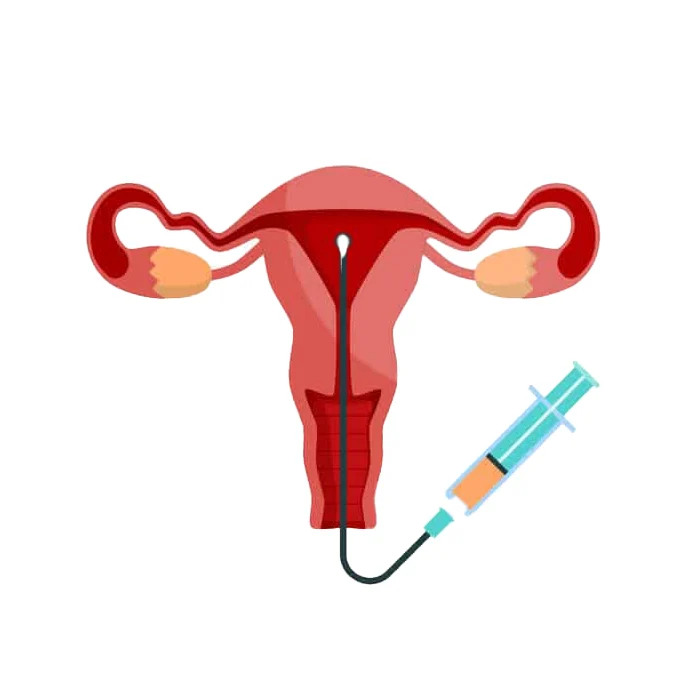
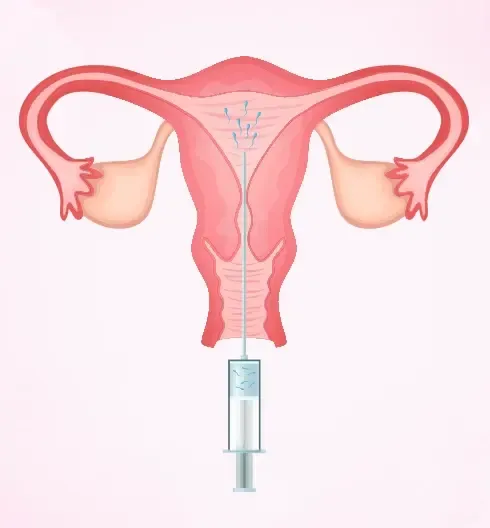
    Illustration of a uterus with a syringe indicating an intrauterine insemination procedure.

    Holistic Fertility Treatments for PCOS: Addressing the Root Cause

    4. Stress Management
    Stress can have a significant impact on hormone levels and ovulation in women with PCOS. Cortisol, the stress hormone, can disrupt the delicate balance of hormones in the body, leading to irregular periods and fertility problems. It is essential to find ways to manage stress and incorporate relaxation techniques into your daily routine. This can include practicing yoga or meditation, going for walks in nature, or spending time doing activities that you enjoy. Reducing stress levels can help regulate hormone levels and improve fertility in women with PCOS.

    5. Exercise
    Regular exercise is crucial for women with PCOS as it can help improve insulin sensitivity, regulate menstrual cycles, and manage weight. Women with PCOS are often advised to engage in moderate to high-intensity exercises like strength training, cardio, and high-intensity interval training (HIIT). These types of exercises can help burn fat, improve insulin sensitivity, and regulate hormone levels. However, it is important to find an exercise routine that works for you and to not over-exercise, as excessive exercise can also disrupt hormone levels.

    6. Mind-Body Therapies
    Mind-body therapies like meditation, mindfulness, and cognitive-behavioral therapy (CBT) can be beneficial for women with PCOS. These therapies can help reduce stress, improve mood, and promote a positive mindset, which can be helpful in managing PCOS. CBT, in particular, can also help address any negative thoughts or beliefs that may contribute to stress and anxiety in women with PCOS. By incorporating mind-body therapies into your PCOS treatment plan, you can improve your overall well-being and increase your chances of conceiving.

    In conclusion, holistic fertility treatments can be highly effective in managing PCOS and improving fertility by addressing the root cause of the condition. By incorporating diet and nutrition, acupuncture, herbal medicine, stress management, exercise, and mind-body therapies into your treatment plan, you can balance your hormones, regulate your menstrual cycles, and increase your chances of conceiving naturally. It is important to work with a qualified healthcare practitioner who can create a personalized treatment plan tailored to your specific needs and monitor your progress along the way. With a holistic approach, women with PCOS can overcome their fertility struggles and achieve a healthy pregnancy.

    Summary:
    Polycystic Ovary Syndrome (PCOS) affects 1 in 10 women and is a common hormonal disorder that can cause fertility problems. Holistic fertility treatments aim to address the root cause of PCOS by balancing hormones, reducing inflammation, and improving insulin sensitivity. These treatments include diet and nutrition, acupuncture, herbal medicine, stress management, exercise, and mind-body therapies. By incorporating these treatments into your PCOS treatment plan, you can improve your overall health and increase your chances of conceiving naturally.

  • The Role of Nutrition in Holistic Fertility Treatments

    Holistic fertility treatments have gained popularity in recent years as more and more women are looking for alternative and natural ways to support their fertility journey. While there are various approaches to holistic fertility treatments, one key aspect that is often overlooked is the role of nutrition. In this blog post, we will explore the importance of nutrition in holistic fertility treatments and how it can improve your chances of conceiving.

    First, let’s define what we mean by holistic fertility treatments. Holistic medicine takes into consideration the mind, body, and spirit when treating health issues. It focuses on treating the root cause of the problem rather than just the symptoms. Holistic fertility treatments encompass a wide range of practices, such as acupuncture, herbal medicine, stress reduction techniques, and nutritional therapy.

    When it comes to fertility, nutrition plays a crucial role in improving overall health and optimizing fertility. Our bodies need a variety of nutrients to function properly, and those same nutrients are essential for reproductive health. A well-balanced, nutrient-dense diet can regulate hormones, support egg and sperm health, and create a healthy environment for conception to occur.

    One of the essential nutrients for fertility is folate, also known as vitamin B9. Folate is crucial for the development of a healthy baby as it helps prevent birth defects in the brain and spine. It is also necessary for the production of red blood cells and DNA synthesis. Good sources of folate include leafy green vegetables, legumes, and fortified grains.

    Another vital nutrient for fertility is omega-3 fatty acids. These healthy fats are necessary for hormone production and regulation, as well as for the development of a healthy uterine lining. They also have anti-inflammatory properties, which can help reduce inflammation in the body, a common underlying cause of fertility issues. Good sources of omega-3s include fatty fish like salmon, chia seeds, and walnuts.

    In addition to specific nutrients, a well-rounded fertility diet should also focus on whole, unprocessed foods. These foods are rich in essential vitamins, minerals, and antioxidants that support overall health and reproductive function. Processed foods, on the other hand, are often high in sugar and unhealthy fats, which can negatively impact fertility by causing inflammation and hormone imbalances.

    illustration of intrauterine insemination procedure with a syringe and catheter in the uterus.

    The Role of Nutrition in Holistic Fertility Treatments

    One aspect of holistic fertility treatments that often goes hand in hand with nutrition is stress reduction. Chronic stress can significantly impact reproductive health by disrupting hormone balance and affecting ovulation. Incorporating stress-reducing practices such as meditation, yoga, or deep breathing can help improve fertility outcomes. Additionally, certain foods and nutrients, such as magnesium and B vitamins, have been shown to have a calming effect on the body and can support stress reduction.

    While nutrition is a crucial aspect of holistic fertility treatments, it’s essential to note that it’s not a quick fix. It takes time for our bodies to respond to dietary changes, and it’s important to be patient and consistent. It’s also essential to work with a qualified healthcare practitioner who can provide personalized nutrition advice based on your specific needs.

    In addition to a healthy diet, incorporating herbal supplements and traditional Chinese medicine can also be beneficial in supporting fertility. Herbs such as red raspberry leaf, nettle, and maca root have been used for centuries to support reproductive health and improve fertility outcomes. Traditional Chinese medicine, including acupuncture, can also help regulate hormones and improve blood flow to the reproductive organs, increasing the chances of conception.

    Ultimately, nutrition is an essential piece of the puzzle when it comes to holistic fertility treatments. By nourishing our bodies with nutrient-dense foods, we are supporting our reproductive health and increasing our chances of conceiving. It’s also important to remember that every person’s fertility journey is unique, and what works for one may not work for another. It’s crucial to listen to your body and work with a healthcare practitioner to find the best approach for you.

    In summary, holistic fertility treatments focus on treating the whole person and addressing the root cause of fertility issues rather than just the symptoms. Nutrition plays a crucial role in supporting fertility by providing essential nutrients, reducing inflammation, and supporting stress reduction. A well-balanced, nutrient-dense diet, along with herbal supplements and traditional Chinese medicine, can help optimize reproductive health and increase the chances of conception.

    SEO metadata:

  • Fertility Acupuncture: A Holistic Approach to Fertility

    Blog Post: Fertility Acupuncture: A Holistic Approach to Fertility

    Fertility is a topic that is often surrounded by myths, misconceptions, and medical treatments. Many couples struggling with fertility issues turn to various fertility treatments, such as in vitro fertilization (IVF) or hormone therapy. However, there is a growing interest in alternative and holistic approaches to fertility, and one of the most popular methods being used is fertility acupuncture.

    Acupuncture has been used for centuries in traditional Chinese medicine to treat various health conditions, including fertility issues. It is a form of alternative medicine that involves the insertion of thin needles into specific points on the body to stimulate energy flow and promote healing. Fertility acupuncture is a specific branch of acupuncture that focuses on supporting reproductive health and increasing the chances of conception.

    So, how does fertility acupuncture work? According to traditional Chinese medicine, the body has a natural flow of energy, known as Qi, and any disruptions in this flow can cause imbalances and health issues. Fertility acupuncture aims to restore the balance of Qi in the body, which can have a positive impact on fertility. By stimulating specific points on the body, acupuncture can improve blood flow, regulate hormones, and reduce stress, all of which can affect fertility.

    One of the main benefits of fertility acupuncture is its ability to reduce stress. Stress can have a significant impact on fertility, as it can disrupt hormone levels and interfere with the ovulation process. Acupuncture can help reduce stress by promoting the release of endorphins, which are feel-good hormones that can help relax the body and mind. By reducing stress levels, acupuncture can improve the chances of conception.

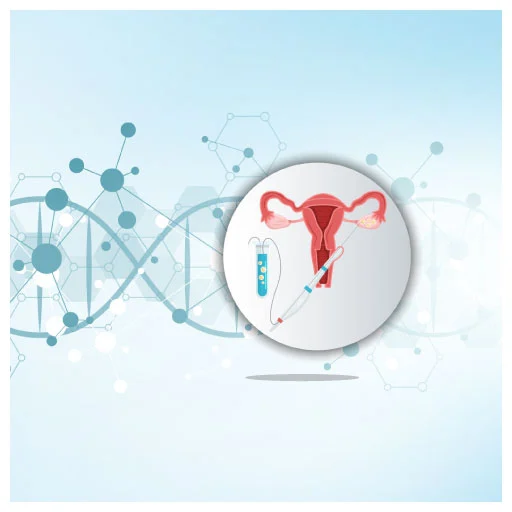
    Illustration of IUI procedure with uterus and syringe against a DNA background.

    Fertility Acupuncture: A Holistic Approach to Fertility

    Another benefit of fertility acupuncture is its ability to improve blood flow to the reproductive organs. This increased blood flow can help thicken the lining of the uterus and improve the quality of eggs and sperm. Acupuncture has also been shown to improve ovarian function, which can increase the chances of ovulation and pregnancy. Additionally, acupuncture can help regulate the menstrual cycle, making it easier to predict the most fertile times for conception.

    Studies have shown that acupuncture can also be beneficial for couples undergoing IVF. It can help improve the success rates of IVF by promoting better blood flow to the uterus, reducing stress and anxiety, and regulating hormone levels. Acupuncture is often used as a complementary therapy alongside IVF, and many fertility clinics now offer acupuncture as part of their treatment options.

    While fertility acupuncture has gained popularity in recent years, it is essential to note that it is not a quick fix or a guaranteed solution for fertility issues. It is a holistic approach that focuses on improving overall health and well-being, which in turn can increase the chances of conception. It is also important to seek a licensed and experienced acupuncturist who specializes in fertility treatments to ensure safe and effective treatment.

    In addition to acupuncture, Chinese herbal medicine is often used in conjunction with fertility acupuncture to support reproductive health. Chinese herbs can help regulate hormones, improve egg and sperm quality, and enhance the overall effectiveness of acupuncture treatments. A skilled acupuncturist will create a personalized treatment plan that may include a combination of acupuncture, Chinese herbs, and lifestyle and dietary recommendations.

    One of the most significant advantages of fertility acupuncture is that it is a natural and non-invasive treatment option. It does not involve any medications or procedures, making it a safe and gentle approach for couples looking to conceive. It also has minimal side effects, with the most common being slight bruising at the site of the needle insertion.

    In summary, fertility acupuncture is a holistic approach to fertility that focuses on improving overall health and well-being to increase the chances of conception. It works by stimulating specific points on the body to regulate hormones, improve blood flow, and reduce stress. While it is not a quick fix, it can be a beneficial treatment option for couples struggling with fertility issues. By promoting a healthy and balanced body, fertility acupuncture can help couples achieve their dream of starting a family.

  • The Natural Fertility Method Puzzle: Putting the Pieces Together

    Title: The Natural Fertility Method Puzzle: Putting the Pieces Together

    Introduction:

    For many couples, starting a family is a dream that they hope to fulfill. However, for some, this dream may not come as easily as they had hoped. Fertility issues can be a major roadblock in the journey towards parenthood. With numerous factors affecting fertility, it can often feel like a complicated puzzle with missing pieces. Fortunately, there is a solution in the form of the Natural Fertility Method. This method focuses on a holistic and natural approach to enhance fertility and increase the chances of conception. In this blog post, we will explore the different pieces of the Natural Fertility Method puzzle and how they all come together to help couples achieve their dream of starting a family.

    Understanding the Natural Fertility Method:

    The Natural Fertility Method is a holistic approach that focuses on both the physical and emotional aspects of fertility. It aims to improve the overall health and well-being of both partners, as well as addressing any underlying issues that may be affecting fertility. This method does not involve any invasive procedures or medications, making it a safe and natural option for couples.

    The Pieces of the Puzzle:

    1. Nutrition and Diet:

    The first piece of the Natural Fertility Method puzzle is proper nutrition and diet. A balanced and nutritious diet is crucial for maintaining overall health and fertility. This includes consuming a variety of fruits, vegetables, whole grains, and lean proteins. It is also important to limit or avoid processed foods, caffeine, and alcohol, as they can negatively impact fertility.

    2. Exercise and Movement:

    Regular physical activity is not only essential for maintaining a healthy weight but also plays a significant role in fertility. Exercise can help regulate hormones, improve circulation, and reduce stress levels, all of which can contribute to fertility. However, it is important to find a balance and avoid overexertion, which can also have a negative impact on fertility.

    3. Stress Management:

    Stress is a common factor that can affect fertility. The Natural Fertility Method emphasizes the importance of stress management techniques such as meditation, yoga, and deep breathing. These techniques can help reduce stress levels and promote relaxation, which is essential for maintaining hormonal balance and improving fertility.

    illustration of a uterus with a syringe for intrauterine insemination (IUI) procedure

    The Natural Fertility Method Puzzle: Putting the Pieces Together

    4. Traditional Chinese Medicine (TCM):

    TCM has been used for centuries to enhance fertility. It focuses on restoring the balance of energy in the body through techniques such as acupuncture, herbal remedies, and dietary changes. TCM can help regulate the menstrual cycle, improve egg quality, and reduce stress levels, all of which can increase the chances of conception.

    5. Supplements and Herbs:

    In addition to a healthy diet, certain supplements and herbs can support fertility. These include folic acid, omega-3 fatty acids, and herbal supplements like Vitex and Maca. However, it is essential to consult with a healthcare professional before taking any supplements, as they may interact with medications or have adverse effects.

    6. Fertility Awareness:

    Understanding your menstrual cycle and fertile window is crucial when trying to conceive. The Natural Fertility Method teaches couples how to track ovulation and identify the most fertile days in a woman’s cycle. This knowledge can help couples time intercourse effectively and increase the chances of conception.

    7. Environmental Factors:

    Environmental factors such as exposure to toxins and chemicals can also affect fertility. The Natural Fertility Method encourages couples to make changes in their environment, such as switching to natural and organic household and personal care products, to reduce exposure to harmful substances.

    Putting the Pieces Together:

    Each of these puzzle pieces alone may not be enough to solve fertility issues. However, when combined, they create a powerful and holistic approach to enhancing fertility. By focusing on nutrition, exercise, stress management, traditional medicine, supplements, fertility awareness, and environmental factors, the Natural Fertility Method addresses all aspects of fertility and increases the chances of conception.

    Summary:

    The Natural Fertility Method is a holistic and natural approach to enhancing fertility. It involves various puzzle pieces such as proper nutrition, exercise, stress management, traditional Chinese medicine, supplements, fertility awareness, and environmental factors. Each piece plays a crucial role in improving overall health and increasing the chances of conception. By combining these pieces, couples can solve the puzzle of fertility and achieve their dream of starting a family.

  • A Holistic Approach: Integrating Fertility Drugs and Natural Methods

    Infertility affects millions of couples around the world, causing heartbreak and stress as they struggle to conceive. In many cases, fertility drugs are the first line of treatment recommended by doctors to help increase the chances of pregnancy. While these medications can be effective in some cases, they often come with side effects and may not always be the best option for everyone. This is where a holistic approach to fertility comes in.

    What is a holistic approach?

    Holistic medicine is an approach that takes into account the physical, mental, emotional, and spiritual aspects of an individual. It focuses on treating the person as a whole rather than just the symptoms of a particular condition. When it comes to fertility, this means looking at all the factors that may be affecting a couple’s ability to conceive, such as diet, lifestyle, stress levels, and overall health.

    Integrating fertility drugs and natural methods

    The conventional medical approach to treating infertility often involves the use of fertility drugs such as Clomid, Letrozole, and Gonadotropins. These medications work by stimulating the ovaries to produce more eggs, increasing the chances of fertilization. However, these drugs can also have negative side effects, such as mood swings, hot flashes, and bloating. In some cases, they may even increase the risk of multiple pregnancies.

    On the other hand, natural methods of enhancing fertility focus on improving overall health and well-being, which in turn can improve the chances of conceiving. These methods include dietary changes, stress management techniques, and the use of supplements and herbs. By incorporating these natural methods into a treatment plan, the side effects of fertility drugs can be minimized, and the chances of success can be increased.

    Dietary changes for fertility

    What we eat can have a significant impact on our overall health and fertility. A diet rich in whole foods, healthy fats, and lean proteins can help balance hormones and promote a healthy reproductive system. On the other hand, a diet high in processed foods, refined sugars, and unhealthy fats can negatively affect fertility. By working with a nutritionist, couples can develop a diet plan that is tailored to their specific needs and can help improve their chances of conception.

    A person administering an injection into their abdomen with a yellow pen-like device.

    A Holistic Approach: Integrating Fertility Drugs and Natural Methods

    Stress management for fertility

    Stress can be a major factor in infertility. When we are stressed, our bodies produce high levels of cortisol, a hormone that can affect the production of reproductive hormones. Additionally, stress can also lead to unhealthy coping mechanisms, such as smoking and excessive drinking, which can further harm fertility. By incorporating stress management techniques such as yoga, meditation, and acupuncture, couples can reduce their stress levels and improve their chances of conceiving.

    Supplements and herbs for fertility

    There are many supplements and herbs that have been shown to improve fertility. These include folic acid, iron, zinc, and vitamin D, which are all essential for a healthy reproductive system. Herbal remedies such as maca, red raspberry leaf, and chasteberry can also help balance hormones and improve fertility. It is important to consult with a healthcare professional before starting any supplements or herbs to ensure they are safe and appropriate for your specific situation.

    The benefits of a holistic approach to fertility

    Integrating fertility drugs and natural methods has many benefits for couples struggling with infertility. Firstly, it can help reduce the side effects of fertility drugs, making the overall treatment process more comfortable. It can also improve the chances of success by addressing all the factors that may be affecting fertility. Additionally, a holistic approach can promote overall health and well-being, which can have a positive impact on the body’s ability to conceive and carry a pregnancy to term.

    In conclusion, a holistic approach to fertility can be a powerful tool for couples struggling to conceive. By combining the use of fertility drugs with natural methods such as dietary changes, stress management, and supplements, couples can improve their chances of success while also promoting overall health and well-being. It is essential to work with a healthcare professional who specializes in integrative medicine to develop a personalized treatment plan that addresses all aspects of fertility. With this holistic approach, couples can increase their chances of achieving their dream of starting a family.

    SEO metadata: