Tag: fresh donor sperm

  • Fresh Donor Sperm vs Frozen Donor Sperm: Which is More Successful for Fertility Treatment?

    Blog Post:

    Fertility treatment has become a common option for couples struggling to conceive. With advancements in medical technology, there are now various options available to help individuals and couples achieve their dream of parenthood. One such option is using donor sperm, which involves using sperm from a donor to fertilize the eggs of the female partner.

    However, when it comes to using donor sperm, there are two main options to consider: fresh donor sperm and frozen donor sperm. While both options have their pros and cons, many people wonder which one is more successful for fertility treatment. In this blog post, we will explore the differences between fresh and frozen donor sperm and analyze which one may be more successful for fertility treatment.

    Fresh Donor Sperm:

    Fresh donor sperm is obtained from a donor who has recently ejaculated and is usually used within a few hours after collection. This option is often preferred by couples as it allows for a more direct and immediate transfer of the sperm to the female partner’s reproductive system.

    One of the main advantages of using fresh donor sperm is the higher concentration and motility of the sperm. This is because the sperm has not been frozen or thawed, which can sometimes cause damage to the sperm cells. With fresh donor sperm, the chances of fertilization and pregnancy may be higher.

    Another benefit of fresh donor sperm is that it allows for the selection of a specific donor based on certain characteristics, such as physical appearance, education, and occupation. This can give couples a sense of control and involvement in the process, which can be reassuring for those undergoing fertility treatment.

    However, there are also some drawbacks to using fresh donor sperm. The first is the limited availability of donors. As fresh donor sperm needs to be collected and used within a short period, there may be a shortage of donors, especially if the couple is looking for a specific type of donor.

    Additionally, fresh donor sperm can be more expensive compared to frozen donor sperm. This is because there are more logistical and administrative costs involved in collecting, testing, and transferring the sperm. The couple may also need to cover the donor’s travel and accommodation expenses if they are located in a different city or state.

    Frozen Donor Sperm:

    Frozen donor sperm, on the other hand, is collected from a donor and then frozen and stored in a sperm bank. This option offers more convenience and flexibility as the sperm can be used at any time and does not require the donor to be present during the fertilization process.
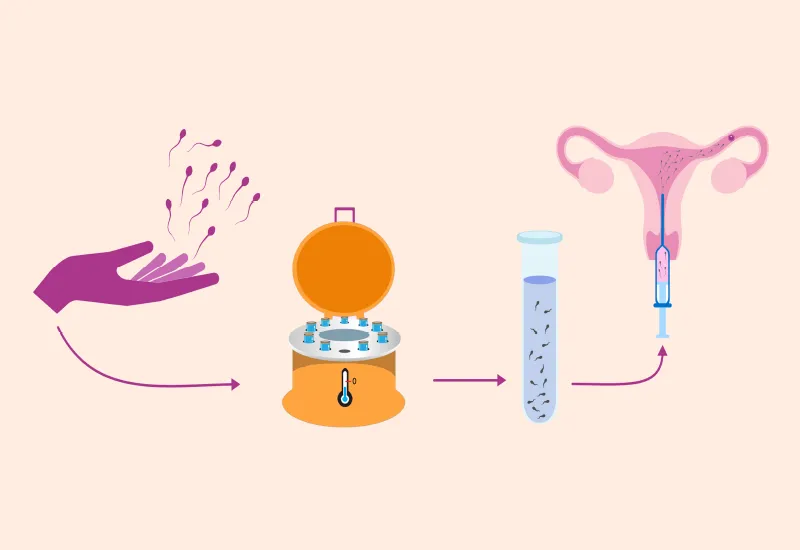
    illustration of the IUI process, showing sperm collection, preparation, and insertion into the uterus

    Fresh Donor Sperm vs Frozen Donor Sperm: Which is More Successful for Fertility Treatment?

    One of the significant advantages of frozen donor sperm is the wider selection of donors available. As the sperm is stored in a sperm bank, there is a larger pool of donors to choose from, giving couples more options to find a suitable match.

    Frozen donor sperm is also more cost-effective compared to fresh donor sperm. As the sperm is already collected and stored, the couple does not need to cover the donor’s expenses, and there are no time constraints for using the sperm, reducing logistical costs.

    Moreover, frozen donor sperm has a longer shelf life, allowing for multiple attempts at fertilization if the first attempt is unsuccessful. This can save couples time, money, and emotional distress in the long run.

    However, there are also some disadvantages to using frozen donor sperm. The main concern is the potential damage to sperm cells during the freezing and thawing process. This may affect the sperm’s quality and reduce the chances of fertilization.

    Another drawback is the lack of control over the selection of a donor. As the sperm is already collected and stored, there is no option to choose a specific donor based on certain characteristics. This may be a deal-breaker for some couples who value this level of involvement in the process.

    Which One is More Successful?

    As with any fertility treatment, the success of using donor sperm depends on various factors, including the female partner’s age and overall health, the quality and quantity of the sperm, and the fertility clinic’s expertise. Therefore, it is challenging to determine which option, fresh or frozen donor sperm, is more successful for fertility treatment.

    However, studies have shown that frozen donor sperm has similar success rates to fresh donor sperm when used in assisted reproductive technologies such as intrauterine insemination (IUI) and in vitro fertilization (IVF). In some cases, frozen donor sperm may even have higher success rates due to the availability of a larger pool of donors and the ability to use multiple samples for fertilization.

    In conclusion, when it comes to using donor sperm for fertility treatment, both fresh and frozen options have their advantages and disadvantages. While fresh donor sperm may offer higher quality and more control over donor selection, it may also be more limited and expensive. On the other hand, frozen donor sperm may be more cost-effective and convenient, but it may also have lower quality and less control over donor selection. Ultimately, the success of using donor sperm depends on individual circumstances, and couples should consult with their fertility specialist to determine which option is best for them.
    Summary:

    Fertility treatment using donor sperm has become a common option for couples struggling to conceive. When it comes to using donor sperm, there are two main options to consider: fresh and frozen. Fresh donor sperm is obtained and used within a few hours, while frozen donor sperm is collected, frozen, and stored in a sperm bank. Both options have their pros and cons, and success rates may vary depending on individual circumstances. While fresh donor sperm may offer higher quality and more control over donor selection, frozen donor sperm may be more cost-effective and convenient. Ultimately, the success of using donor sperm depends on various factors, and couples should consult with their fertility specialist to determine which option is best for them.

  • Fresh Donor Sperm: What You Need to Know Before Making a Decision

    Blog Post:

    When it comes to building a family, there are many paths that individuals and couples can take. One option that has grown in popularity in recent years is the use of fresh donor sperm. This process involves using sperm from a donor who has not been previously frozen, rather than using frozen sperm from a sperm bank. While it may seem like a straightforward decision, there are many factors to consider before moving forward with fresh donor sperm. In this blog post, we will explore what fresh donor sperm is, the process of obtaining it, and what you need to know before making a decision.

    What is Fresh Donor Sperm?

    Fresh donor sperm refers to sperm that is donated by a person and used for insemination within a few hours of collection. This differs from frozen donor sperm, which is collected and stored in a sperm bank for later use. Fresh donor sperm can be obtained through a known donor, such as a friend or family member, or through a sperm donation program.

    The Process of Obtaining Fresh Donor Sperm

    Obtaining fresh donor sperm can be a more involved process than using frozen sperm from a sperm bank. If using a known donor, it is important to have a thorough discussion and understanding of the legal and emotional implications of this decision. It is recommended to consult with a lawyer to draft a legal agreement outlining the rights and responsibilities of both the donor and the recipient.

    If using a sperm donation program, there are several steps involved. The first step is to choose a reputable sperm bank or fertility clinic that offers fresh donor sperm. It is important to research and compare different options to ensure that the sperm donor has been properly screened for infectious diseases and genetic disorders. It is also important to consider the donor’s physical characteristics, education, and other personal preferences to find the best match.

    Once a donor is chosen, the clinic or sperm bank will coordinate with the donor for sperm collection. The sperm is then immediately transported to the clinic or fertility center for insemination. The recipient will undergo fertility treatments, such as intrauterine insemination (IUI) or in vitro fertilization (IVF), to increase the chances of conception.

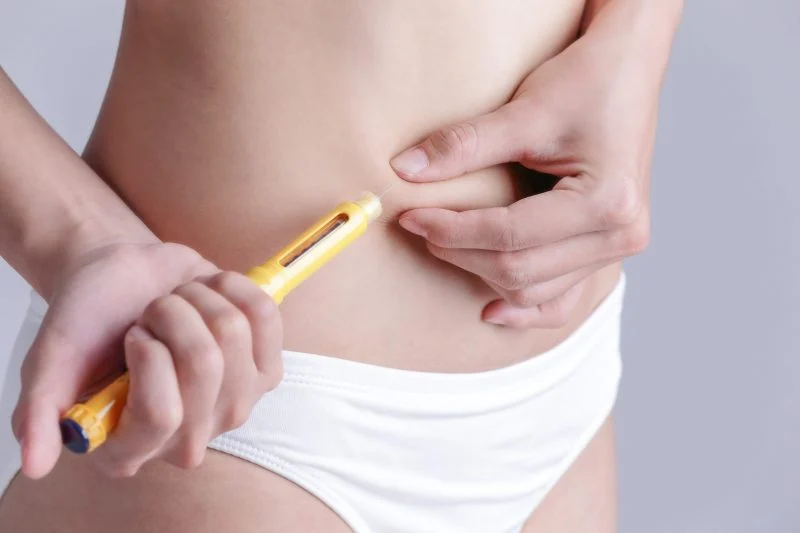
    A person administering an injection into their abdomen with a yellow pen-like device.

    Fresh Donor Sperm: What You Need to Know Before Making a Decision

    What You Need to Know Before Making a Decision

    1. The Legal Implications: Using fresh donor sperm can have legal implications, especially when using a known donor. It is crucial to have a detailed legal agreement in place to protect the rights and responsibilities of all parties involved.

    2. The Screening Process: When using fresh donor sperm from a sperm bank or fertility clinic, it is important to ensure that the donor has been properly screened for infectious diseases and genetic disorders. This is to protect the health of the recipient and any potential offspring.

    3. The Emotional Aspects: Using a known donor can bring up emotional considerations for all parties involved. It is important to have open and honest communication and to seek counseling if needed.

    4. The Success Rates: While fresh donor sperm has been shown to have slightly higher success rates compared to frozen sperm, it is not a guarantee of pregnancy. It is important to have realistic expectations and to be prepared for multiple attempts.

    5. The Cost: Obtaining fresh donor sperm can be more expensive than using frozen sperm from a sperm bank. It is important to consider the financial implications and to budget accordingly.

    6. The Availability: Depending on the location and availability of fresh donor sperm, there may be a limited pool of donors to choose from. It is important to start the process early and to have alternative options in case the desired donor is not available.

    In summary, fresh donor sperm is a viable option for individuals and couples looking to start a family. However, it is important to thoroughly research and consider all aspects of this decision before moving forward. From legal implications to emotional considerations, it is crucial to have a clear understanding of what is involved in using fresh donor sperm.

  • The Battle of the Sperms: Frozen vs Fresh Donor Sperm

    The Battle of the Sperms: Frozen vs Fresh Donor Sperm

    When it comes to assisted reproductive technology, sperm donation plays a crucial role in helping individuals and couples achieve their dream of having a child. However, with the advancement of technology, there are now two types of donor sperm available – frozen and fresh. This has sparked a debate among fertility specialists and recipients, as to which type of sperm is more effective in achieving a successful pregnancy. In this blog post, we will delve into the battle of the sperms – frozen vs fresh donor sperm – and explore the pros and cons of each.

    Frozen Donor Sperm

    Frozen donor sperm is collected from a donor and then cryopreserved (frozen) for later use. This type of sperm is stored in liquid nitrogen at a temperature of -196°C, which helps to preserve its viability and fertility. Frozen donor sperm can be stored for many years, making it a convenient option for those who are not ready to start a family immediately.

    Pros:

    1. Availability: One of the major advantages of frozen donor sperm is its availability. With sperm banks all over the country, there is a wide variety of donors to choose from. This provides recipients with a larger pool of sperm donors to select from, increasing their chances of finding the perfect match.

    2. Reduced risk of disease transmission: Frozen donor sperm is thoroughly screened and tested for any potential genetic diseases and infections. This reduces the risk of disease transmission to the recipient and the resulting child.

    3. Cost-effective: Frozen donor sperm is less expensive compared to fresh donor sperm. This is because it eliminates the need for frequent donations and reduces the cost of testing and screening the donors.

    4. Convenient: As mentioned earlier, frozen donor sperm can be stored for many years. This makes it a convenient option for those who may need multiple attempts at conception or for those who want to have siblings in the future.

    Cons:

    1. Decreased motility: The process of freezing and thawing sperm can result in decreased motility, which can affect the sperm’s ability to fertilize an egg.

    2. Limited genetic information: Frozen donor sperm may not have as much information about the donor’s physical characteristics and family medical history compared to fresh donor sperm. This could be a concern for those who want to have a child with similar physical traits to themselves or their partner.

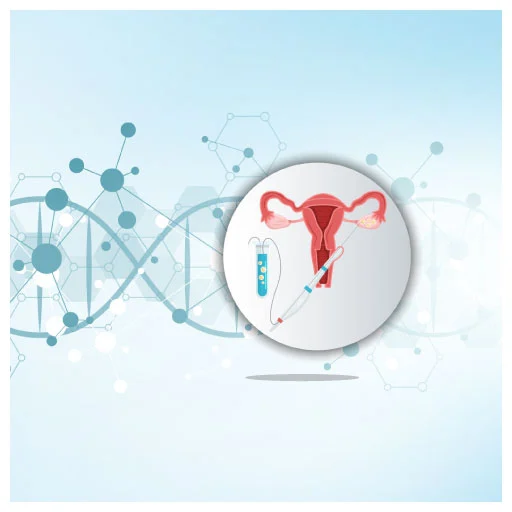
    Illustration of IUI procedure with uterus and syringe against a DNA background.

    The Battle of the Sperms: Frozen vs Fresh Donor Sperm

    Fresh Donor Sperm

    Fresh donor sperm is collected and used immediately, without being frozen. This type of sperm is typically provided by a known donor, such as a friend or family member, or from a sperm bank where donors are required to donate frequently.

    Pros:

    1. Higher motility: Fresh donor sperm has a higher motility rate compared to frozen donor sperm, increasing its chances of fertilizing an egg.

    2. More information about the donor: With fresh donor sperm, recipients have the opportunity to get to know the donor personally and gather more information about their physical characteristics and family medical history.

    3. Personal connection: Some recipients prefer to have a personal connection with the donor, which can be achieved with fresh donor sperm. This can also help with the child’s sense of identity and belonging in the future.

    Cons:

    1. Limited availability: Unlike frozen donor sperm, fresh donor sperm is not readily available. This can be a challenge for those who live in remote areas or have a limited selection of donors to choose from.

    2. Higher risk of disease transmission: Fresh donor sperm may not undergo the same level of testing and screening as frozen donor sperm, increasing the risk of disease transmission to the recipient and the resulting child.

    3. Costly: Fresh donor sperm can be more expensive due to the need for frequent donations and testing.

    Summary:

    The battle of the sperms – frozen vs fresh donor sperm – is ongoing, and it ultimately comes down to personal preference and individual circumstances. Frozen donor sperm offers convenience, a larger pool of donors, and reduced costs, while fresh donor sperm provides a higher motility rate and a personal connection with the donor. It is important for recipients to consider the pros and cons of each type of sperm and consult with their fertility specialist to determine the best option for them.