Tag: financial burden

  • Male vs Female: The Gender Gap in Infertility Treatments

    Male vs Female: The Gender Gap in Infertility Treatments

    Infertility is a common issue affecting many couples, with approximately 1 in 8 couples struggling to conceive. While infertility can affect both men and women, there is a significant gender gap in the treatment options available. In this blog post, we will explore the reasons behind this gender gap and the impact it has on couples trying to overcome infertility.

    The Biological Differences
    The first and most obvious reason for the gender gap in infertility treatments is the biological differences between men and women. In most cases, infertility is caused by issues with the reproductive system, which is different for men and women. Women have a finite number of eggs and a limited window of fertility, while men continuously produce sperm throughout their lives. This difference in biology means that women have a shorter window of opportunity for conception and may require more invasive and time-sensitive treatments.

    Societal Stigma and Pressure
    Another factor contributing to the gender gap in infertility treatments is the societal stigma and pressure placed on women to bear children. From a young age, girls are taught that their ultimate role in life is to become mothers. Therefore, when a woman struggles with infertility, she may feel like she is failing at her most essential purpose. This societal pressure can lead to women feeling ashamed and isolated, making it challenging to seek help and treatment.

    On the other hand, there is less social pressure on men to father children, and infertility is often not seen as a personal failure for them. This societal double standard can lead to men being less likely to seek treatment for their infertility issues, further widening the gender gap in treatment options.

    Diagnostic Bias
    In many cases, infertility is seen as a “woman’s problem,” and as a result, men are often overlooked in the diagnostic process. This bias can lead to men not receiving proper testing and treatment, even though male infertility contributes to about 40% of all cases. This lack of attention towards male infertility can lead to delays in treatment or ineffective treatments, further widening the gender gap.
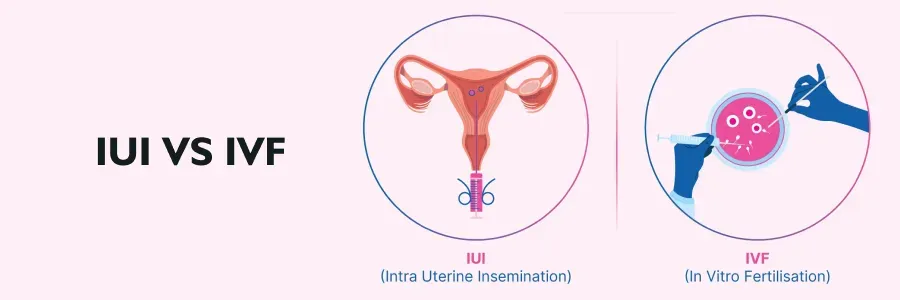
    Comparison of IUI and IVF with illustrations of each procedure.

    Male vs Female: The Gender Gap in Infertility Treatments

    Limited Treatment Options for Men
    When it comes to infertility treatments, women have a wide range of options, including fertility drugs, intrauterine insemination (IUI), and in vitro fertilization (IVF). However, the treatment options for men are limited, with the most common being intrauterine insemination using donor sperm. This limited range of treatments for men can be frustrating and discouraging for couples, as it puts the burden of treatment solely on the female partner.

    Financial Burden
    Infertility treatments can be expensive, and the financial burden often falls on the couple seeking treatment. However, in most cases, the cost of treatment is higher for women than for men. For example, IVF, one of the most common and effective treatments for infertility, can cost upwards of $12,000 for a single cycle. This high cost can be a significant barrier for many couples, especially for those with limited financial resources, further widening the gender gap in treatment options.

    Addressing the Gender Gap in Infertility Treatments
    The gender gap in infertility treatments is a complex issue with no easy solutions. However, there are steps that can be taken to address this gap and provide equal treatment options for both men and women. First and foremost, there needs to be increased awareness and education about male infertility. This includes removing the stigma and shame associated with it and encouraging men to seek treatment.

    Additionally, healthcare professionals need to be trained to recognize and address diagnostic bias, ensuring that both partners receive proper testing and treatment. There also needs to be more research and development into male infertility treatments, providing men with more options and increasing their chances of success.

    Conclusion
    Infertility is a challenging and emotional journey for any couple, and the gender gap in treatment options only adds to the stress and frustration. It is essential to recognize and address the factors contributing to this gap, and take steps towards providing equal and effective treatment options for both men and women. By breaking down societal stereotypes and biases and increasing awareness and research, we can bridge the gender gap in infertility treatments and help more couples achieve their dream of starting a family.

    Summary:
    Infertility is a common issue affecting many couples, but there is a significant gender gap in the treatment options available. This gap is due to biological differences, societal stigma and pressure, diagnostic bias, limited treatment options for men, and the financial burden falling mostly on women. To address this gap, there needs to be increased awareness and education about male infertility, training for healthcare professionals, and more research into male infertility treatments. By breaking down stereotypes and increasing awareness, we can bridge the gender gap in infertility treatments and help more couples achieve their dream of starting a family.
  • The Physical and Emotional Side Effects of Male and Female Infertility Treatments

    Blog Post Title: The Physical and Emotional Side Effects of Male and Female Infertility Treatments

    Infertility is a common struggle for many couples around the world. According to the Centers for Disease Control and Prevention, about 6% of married women aged 15 to 44 years in the United States have difficulty getting pregnant or carrying a pregnancy to term. This has led to the rise of fertility treatments, which aim to help couples conceive and start a family. However, along with the benefits of these treatments, there are also physical and emotional side effects that need to be considered.

    In this blog post, we will discuss the various physical and emotional side effects of male and female infertility treatments. Understanding these potential effects can help couples prepare for the journey ahead and make informed decisions about their treatment options.

    Physical Side Effects:

    1. Hormonal Changes: One of the most common side effects of fertility treatments is hormonal changes. This is because most treatments involve the use of hormones to stimulate ovulation or improve sperm production. These hormonal changes can cause mood swings, headaches, bloating, and breast tenderness.

    2. Multiple Pregnancies: Fertility treatments, especially in-vitro fertilization (IVF), increase the chances of multiple pregnancies. While this may seem like a blessing, carrying multiple fetuses can put a strain on the body and increase the risk of complications during pregnancy and birth.

    3. Ovarian Hyperstimulation Syndrome (OHSS): OHSS is a potential side effect of fertility drugs that stimulate the ovaries to produce multiple eggs. This condition can cause bloating, abdominal pain, and in severe cases, fluid buildup in the chest and abdomen, which can be life-threatening.

    4. Surgical Complications: Some fertility treatments, such as intrauterine insemination (IUI) and IVF, may require minor surgeries. While these procedures are generally safe, there is always a risk of complications, such as infections or damage to the reproductive organs.

    5. Fertility Drug Side Effects: Fertility drugs can have various side effects, including headaches, hot flashes, mood swings, and nausea. In rare cases, they can also cause more severe side effects, such as blood clots, stroke, or ovarian cancer.

    Comparison chart of IUI and IVF treatments, detailing medications, monitoring, procedures, and success rates.

    The Physical and Emotional Side Effects of Male and Female Infertility Treatments

    Emotional Side Effects:

    1. Stress and Anxiety: The process of fertility treatments can be emotionally taxing for couples. The constant monitoring, injections, and uncertainty of success can lead to stress, anxiety, and even depression. This can put a strain on the couple’s relationship and affect their overall well-being.

    2. Financial Burden: Fertility treatments can be expensive, and the cost can add up quickly, especially if multiple cycles are needed. This financial burden can cause stress and put a strain on the couple’s finances, leading to further emotional distress.

    3. Loss of Control: Infertility treatments can make couples feel like they have no control over their bodies and their ability to conceive. This loss of control can be frustrating and emotionally challenging, especially for those who are used to planning and achieving their goals.

    4. Social Isolation: Dealing with infertility can be a lonely and isolating experience. It can be challenging for couples to open up to friends and family about their struggles, which can lead to feelings of loneliness and isolation.

    5. Coping with Failure: Despite the advancements in fertility treatments, there is still no guarantee of success. Couples may go through multiple cycles with no success, which can be emotionally devastating. Dealing with the failure of treatment can take a toll on one’s mental health and well-being.

    In conclusion, while fertility treatments offer hope to couples struggling with infertility, it is essential to understand the potential physical and emotional side effects that come with it. The physical side effects can range from hormonal changes to more severe complications, while the emotional side effects can take a toll on the couple’s mental health and well-being. It is crucial for couples to have open communication with their healthcare provider and each other to cope with these potential side effects and make informed decisions about their treatment journey.

    Summary:

    Infertility treatments, while offering hope to couples struggling to conceive, can also come with physical and emotional side effects. The physical side effects can include hormonal changes, multiple pregnancies, OHSS, surgical complications, and fertility drug side effects. On the other hand, emotional side effects can range from stress and anxiety to financial burden, loss of control, social isolation, and coping with failure. Understanding these potential effects can help couples prepare for their treatment journey and make informed decisions. Open communication with healthcare providers and each other is crucial in coping with these side effects and maintaining overall well-being.

  • The Financial Burden: Artificial Insemination vs Natural Conception

    The decision to start a family is an exciting and life-changing one, but it also comes with a lot of financial considerations. One of the major factors to consider when trying to conceive is the method of conception, whether it be through artificial insemination or natural conception. Both options have their pros and cons, but they also come with a significant financial burden that can greatly impact a couple’s decision.

    Artificial insemination, also known as assisted reproductive technology (ART), is a method of conception that involves the insertion of sperm into a woman’s reproductive tract through methods such as intrauterine insemination (IUI) or in vitro fertilization (IVF). On the other hand, natural conception is the traditional method where a man’s sperm fertilizes a woman’s egg through sexual intercourse.

    The cost of artificial insemination can vary greatly depending on the specific method used and the individual’s needs. IUI, which involves placing sperm directly into the uterus, can cost anywhere from $300 to $1,000 per cycle. IVF, which involves fertilizing eggs in a laboratory and then transferring them into the uterus, can cost upwards of $10,000 per cycle. These costs do not include additional expenses such as medications, testing, and monitoring, which can add thousands of dollars to the overall cost.

    On the other hand, natural conception does not come with any direct costs, as it is free and can be done at any time. However, there are indirect costs associated with natural conception, such as prenatal care, delivery, and postnatal care. These costs can also add up, especially if there are any complications during pregnancy or delivery.

    One of the main reasons why people choose artificial insemination over natural conception is because of infertility issues. Infertility affects approximately 12% of couples in the United States, and the cost of fertility treatments can quickly add up. Many insurance plans do not cover these costs, leaving couples to bear the financial burden on their own. This can cause a significant strain on a couple’s finances and can lead to difficult decisions about whether to continue with treatment or pursue other options.

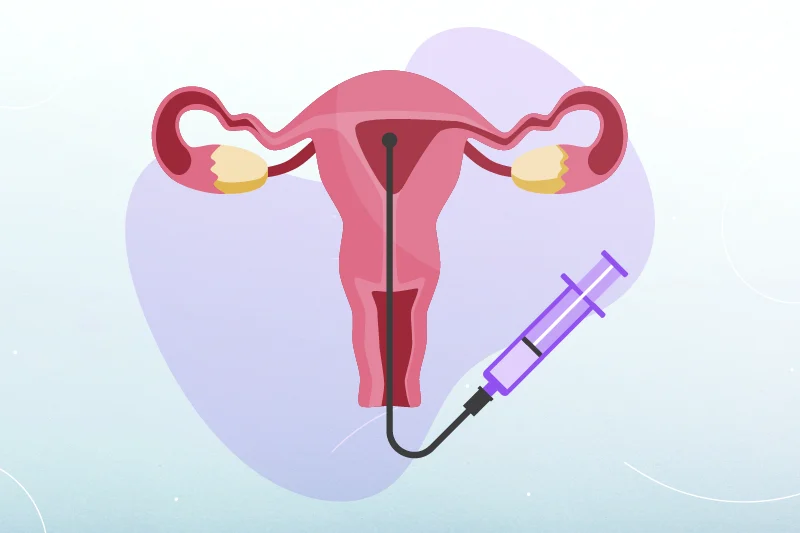
    Illustration of the uterus with a syringe, depicting the intrauterine insemination procedure.

    The Financial Burden: Artificial Insemination vs Natural Conception

    Another factor to consider is the success rates of each method. While artificial insemination can be more expensive, it also has a higher success rate than natural conception. According to the Centers for Disease Control and Prevention, the success rate for IVF in women under 35 is around 40%, while the success rate for IUI is around 10-20%. On the other hand, the success rate for natural conception decreases with age, with women over 35 having a lower chance of getting pregnant each month.

    Aside from the direct and indirect costs, there are other financial burdens that come with both methods of conception. Artificial insemination often requires multiple cycles and can be a long and emotionally draining process. This can result in time off work, which can have a significant impact on a couple’s income. Additionally, there are also costs associated with raising a child, such as childcare, education, and healthcare, that need to be considered.

    In contrast, natural conception may also lead to unexpected financial burdens. With the rise of high deductible health plans, the cost of prenatal care and delivery can be a lot more expensive than expected. Also, if there are any complications during pregnancy or delivery, the medical costs can quickly add up. Furthermore, the cost of raising a child can be unpredictable and can vary greatly depending on factors such as the child’s health and education needs.

    It is essential for couples to carefully consider the financial implications of both artificial insemination and natural conception before making a decision. The decision should not be solely based on cost, but consideration should also be given to the success rates, potential complications, and emotional toll of each method.

    Some couples may opt for a combination of both methods, where they try natural conception first and then pursue artificial insemination if unsuccessful. This can help to spread out the financial burden and give couples a better chance of conceiving.

    In summary, the financial burden of artificial insemination vs natural conception is a significant factor to consider when trying to start a family. While artificial insemination can be more expensive, it also offers higher success rates. On the other hand, natural conception may be cheaper, but it comes with its own set of financial burdens, including potential medical costs and the cost of raising a child. Ultimately, the decision should be based on what is best for the couple’s individual situation, taking into account their financial capabilities and chances of success.

  • The Impact of Insurance: Intrauterine Insemination vs In Vitro Fertilization

    Blog Post Title: The Impact of Insurance: Intrauterine Insemination vs In Vitro Fertilization

    Summary:

    Infertility is a common issue that affects many couples around the world. With advancements in medical technology, there are now various treatments available to help couples conceive. Two of the most popular treatments are Intrauterine Insemination (IUI) and In Vitro Fertilization (IVF). However, these treatments can be costly, and many couples struggle with the financial burden. This has led to the question of whether insurance coverage should be offered for these procedures.

    This blog post will explore the impact of insurance coverage for IUI and IVF. We will discuss the differences between these treatments, their success rates, and the cost associated with them. We will also examine the current state of insurance coverage for these procedures and the potential impact of offering coverage.

    Intrauterine Insemination (IUI) is a fertility treatment where sperm is placed directly into the uterus during ovulation. This procedure is less invasive and less expensive compared to IVF. It is often the first option for couples who are struggling to conceive. The success rate of IUI varies depending on factors such as age and underlying fertility issues, but it is generally lower than IVF.

    On the other hand, In Vitro Fertilization (IVF) involves retrieving eggs from the ovaries and fertilizing them with sperm in a laboratory. The fertilized eggs are then transferred to the uterus for implantation. IVF is a more complex and invasive procedure, and it has a higher success rate compared to IUI. However, it is also significantly more expensive.

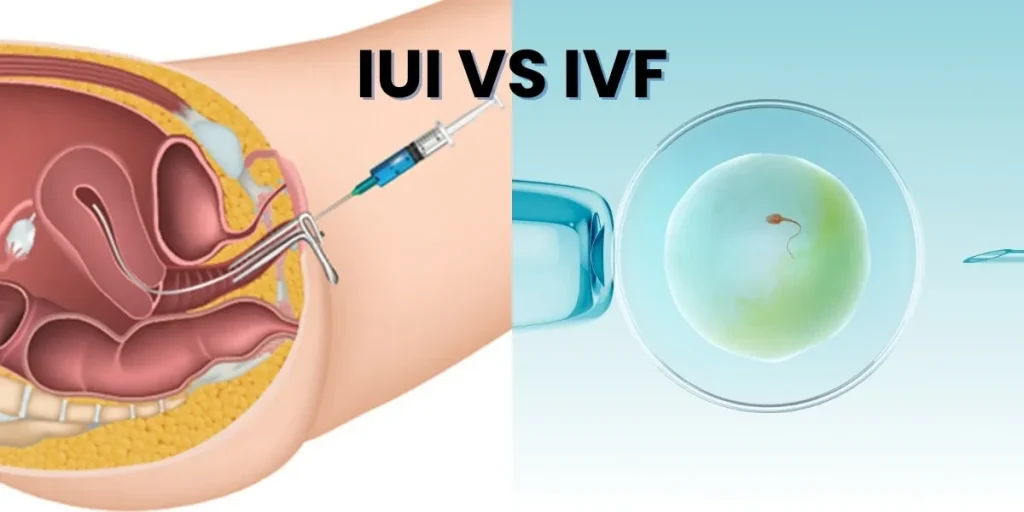
    comparison of IUI and IVF fertility treatments with illustrations of procedures and a petri dish with an egg and sperm

    The Impact of Insurance: Intrauterine Insemination vs In Vitro Fertilization

    The cost of IUI and IVF can be a major barrier for couples seeking these treatments. On average, one cycle of IUI can cost between $500 to $4,000, while a single round of IVF can cost between $10,000 to $15,000. In some cases, multiple cycles of these treatments may be required, increasing the overall cost. This financial burden can cause stress and strain on couples, both emotionally and financially.

    Currently, insurance coverage for fertility treatments varies greatly. Some insurance plans cover a portion of the cost for IUI and IVF, while others provide no coverage at all. This lack of coverage can be frustrating for couples, especially when facing infertility issues. The cost of these procedures can be a significant barrier for many, making it challenging to access necessary treatment.

    The impact of insurance coverage for fertility treatments is significant. Access to these treatments can greatly improve the chances of conceiving for couples struggling with infertility. By offering coverage for IUI and IVF, more couples will have access to these treatments, increasing their chances of success.

    Moreover, offering insurance coverage for fertility treatments can also have a positive impact on society. Infertility can lead to emotional distress, and for many, it is a traumatic experience. By providing coverage for these treatments, couples can focus on their journey to parenthood without the added stress of financial concerns. This can lead to a healthier and happier society.

    Another crucial point to consider is the cost-effectiveness of offering insurance coverage for fertility treatments. While these procedures may seem expensive, the long-term costs of infertility can be even higher. Infertility can lead to the need for more extensive and costly medical interventions, such as fertility drugs, surgeries, and even adoption. By covering IUI and IVF, insurance companies can save money in the long run.

    In conclusion, the impact of insurance coverage for IUI and IVF is significant. It can provide much-needed financial relief for couples struggling with infertility and increase their chances of conceiving. It can also have a positive impact on society and be cost-effective for insurance companies in the long run. As infertility continues to affect many couples, it is crucial for insurance companies to consider offering coverage for these treatments.

  • The Financial Burden of Fertility: How DIY Solutions Can Help

    Summary:

    Fertility is a topic that is often not discussed openly, yet it is a significant burden for many couples. The cost of fertility treatments and procedures can be exorbitant, leaving many couples struggling to afford the care they need. This financial burden can add stress and strain to an already emotionally taxing journey towards parenthood. However, there are DIY solutions that can help alleviate some of the financial burden of fertility. From at-home fertility tests and supplements to online support groups and affordable alternatives to traditional treatments, these DIY solutions offer hope and support to those struggling with the cost of fertility.

    The Financial Burden of Fertility:

    The average cost of fertility treatments in the United States can range from $5,000 to $20,000 per cycle, and many couples require multiple cycles to achieve success. This cost can quickly add up and become a significant financial burden for couples already struggling with the emotional toll of infertility. Insurance coverage for fertility treatments is limited, leaving many couples to foot the bill themselves. This can lead to financial strain, forcing couples to make difficult decisions about their family planning journey.

    DIY Solutions for Fertility:

    Fortunately, there are DIY solutions that can help lessen the financial burden of fertility. At-home fertility tests, such as ovulation predictor kits and sperm analysis tests, offer a more affordable alternative to expensive doctor’s visits. These tests can provide valuable information about a couple’s fertility and help guide them towards the most effective treatment options.

    Additionally, there are a plethora of supplements and natural remedies that can aid in fertility. From prenatal vitamins to herbal supplements, these DIY solutions can help regulate hormones and increase fertility without breaking the bank. Of course, it is essential to consult with a doctor before starting any supplements to ensure it is safe and effective for your specific situation.

    illustration of a uterus with a syringe for intrauterine insemination (IUI) procedure

    The Financial Burden of Fertility: How DIY Solutions Can Help

    Online Support and Resources:

    The internet has become a valuable resource for those struggling with fertility. Online support groups and forums offer a platform for individuals to connect with others going through similar experiences. These communities can provide emotional support and helpful advice on navigating the financial aspects of fertility. Additionally, there are many online resources that offer affordable alternatives to traditional fertility treatments. From telemedicine consultations to discount programs for medications, these DIY solutions can significantly reduce the cost of fertility care.

    Affordable Alternatives to Traditional Treatments:

    Traditional fertility treatments, such as in-vitro fertilization (IVF), can be cost-prohibitive for many couples. However, there are more affordable alternatives that offer similar success rates. Intrauterine insemination (IUI) is a less invasive and less expensive option for couples struggling with fertility. It involves placing sperm directly into the uterus, bypassing any potential issues with sperm motility or cervical mucus. Additionally, some clinics offer financing options or discounted packages for multiple cycles, making traditional treatments more accessible for couples on a budget.

    The Importance of Self-Care:

    While DIY solutions can help alleviate the financial burden of fertility, it is crucial to prioritize self-care throughout the journey. The stress and emotional toll of infertility can be overwhelming, and it is essential to take care of one’s mental and emotional well-being. This can include activities such as yoga, meditation, or therapy to help manage stress and anxiety. Taking care of oneself can also improve the chances of success with fertility treatments, as stress can have a significant impact on fertility.

    In Conclusion:

    The financial burden of fertility is a significant concern for many couples struggling to conceive. However, there are DIY solutions that can help reduce the cost of fertility care. From at-home tests and supplements to online resources and affordable alternatives to traditional treatments, these solutions offer hope and support to those on their journey towards parenthood. It is crucial to prioritize self-care throughout the process and to remember that there are options available to make fertility care more accessible and affordable.

  • The Financial Burden: Dealing with the Cost of Artificial Insemination and IVF

    The Financial Burden: Dealing with the Cost of Artificial Insemination and IVF

    For many couples struggling with infertility, artificial insemination and in vitro fertilization (IVF) are often seen as the last resort for starting a family. However, while these treatments offer hope for parenthood, they also come with a hefty price tag. The financial burden of artificial insemination and IVF can be overwhelming and can take a toll on both emotional and mental well-being. In this blog post, we will explore the costs associated with these fertility treatments and discuss ways to cope with the financial burden.

    Understanding the Cost of Artificial Insemination and IVF
    Before delving into the financial aspect, it is important to understand the basics of artificial insemination and IVF. Artificial insemination, also known as intrauterine insemination (IUI), involves placing sperm directly into a woman’s uterus to increase the chances of fertilization. IVF, on the other hand, is a more complex procedure where a woman’s eggs are retrieved and fertilized in a lab before being transferred back into her uterus. Both of these procedures can range from $300 to $5,000 per cycle, with IVF being the more expensive option.

    Factors Affecting the Cost
    The cost of artificial insemination and IVF can vary depending on several factors, such as the clinic, location, and individual circumstances. The type of fertility medication used and the number of cycles required can also significantly impact the cost. In addition, diagnostic tests, consultations, and other related expenses can quickly add up, making these treatments even more expensive.

    Financial Options for Covering the Cost
    Given the high cost of artificial insemination and IVF, many couples may feel overwhelmed and unsure of how to cover the expenses. Fortunately, there are various financial options available to help ease the burden. Some insurance plans may cover a portion of the cost, but this varies greatly from state to state and policy to policy. It is essential to check with your insurance provider to understand what is covered.

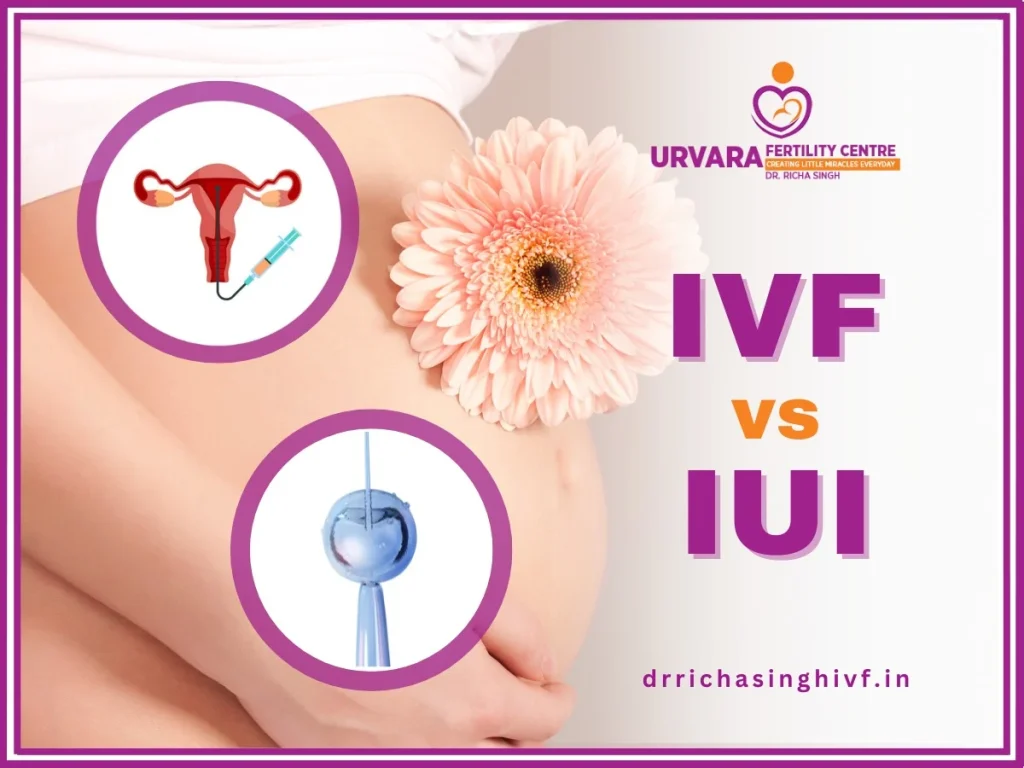
    IVF vs IUI comparison with illustrations of reproductive processes and a flower on a pregnant belly.

    The Financial Burden: Dealing with the Cost of Artificial Insemination and IVF

    Another option is to explore grants and financial assistance programs specifically for fertility treatments. These programs can provide financial aid to those who meet certain criteria, such as income level or medical diagnosis. Additionally, some fertility clinics offer payment plans or financing options to help make the cost more manageable.

    Dealing with the Emotional Impact
    The financial burden of artificial insemination and IVF can take a toll on a couple’s emotional well-being. It is not uncommon for couples to feel anxious, stressed, or even guilty about the cost of these treatments. It is essential to communicate openly with your partner and seek support from family and friends. Joining support groups or seeking counseling can also be beneficial in managing the emotional impact of the financial burden.

    Coping Strategies
    To cope with the financial burden of artificial insemination and IVF, it is crucial to have a plan in place. Start by setting a budget and researching the costs associated with the treatments. Be sure to explore all financial options and consider seeking advice from a financial advisor. It is also essential to prioritize your expenses and cut back on unnecessary expenses to save for the treatments.

    Additionally, consider alternatives to traditional IVF, such as mini-IVF or natural cycle IVF, which may be less expensive but still offer a chance of success. It is also important to have realistic expectations and understand that success rates may vary.

    In conclusion, the financial burden of artificial insemination and IVF can be overwhelming, but it is not impossible to manage. By understanding the costs, exploring financial options, and seeking emotional support, couples can navigate the financial burden and continue their journey towards parenthood.

    Summary:
    Infertility can be a challenging journey, and the cost of fertility treatments such as artificial insemination and IVF can add to the stress and emotional toll. In this blog post, we discussed the basics of these treatments, factors affecting the cost, and different financial options available. We also explored ways to cope with the financial burden and manage the emotional impact. By having a plan in place and seeking support, couples can navigate the financial burden and continue their pursuit of parenthood.