Tag: Fertility Supplements

  • Fertility Nutrition for Men with Low Sperm Count: Key Nutrients for Improving Fertility

    Blog Post: Fertility Nutrition for Men with Low Sperm Count: Key Nutrients for Improving Fertility

    According to the World Health Organization, approximately 15% of couples struggle with infertility and male factors contribute to 30-40% of these cases. One of the main causes of male infertility is low sperm count. Sperm count is the number of sperm present in a semen sample and a low sperm count can make it difficult for a couple to conceive. While there are various factors that can contribute to low sperm count, nutrition plays a crucial role in both the quantity and quality of sperm. In this blog post, we will discuss the key nutrients that can improve fertility in men with low sperm count.

    1. Zinc

    Zinc is an essential mineral for male fertility as it is involved in the production of testosterone and sperm. It also helps in maintaining the structural integrity of sperm cells and protects them from oxidative damage. Studies have shown that zinc supplementation can significantly increase sperm count and motility in men with low levels of this mineral. Foods rich in zinc include oysters, beef, chicken, pumpkin seeds, and spinach. Supplementing with 15-30mg of zinc per day can also be beneficial for men with low sperm count.

    2. Vitamin C

    Vitamin C is a powerful antioxidant that helps in protecting sperm from oxidative stress. It also plays a role in improving sperm quality and motility. A study showed that men who supplemented with vitamin C had a significant increase in sperm count and motility. Foods rich in vitamin C include citrus fruits, berries, kiwi, broccoli, and bell peppers. Aim for at least 500-1000mg of vitamin C per day to improve fertility.

    3. Vitamin D

    Vitamin D deficiency has been linked to low sperm count and poor sperm motility. This vitamin is essential for the production of testosterone, the male sex hormone responsible for sperm production. In a study, men with low sperm count who received vitamin D supplementation had a significant increase in sperm count and motility. Foods rich in vitamin D include fatty fish, egg yolks, and fortified dairy products. Aim for 1000-2000IU of vitamin D per day to improve fertility.

    4. Omega-3 Fatty Acids

    Omega-3 fatty acids are essential for sperm production and function. They are also important for maintaining the integrity of sperm cell membranes. Studies have shown that supplementing with omega-3 fatty acids can significantly improve sperm count and motility. Foods rich in omega-3s include fatty fish, flaxseeds, chia seeds, and walnuts. Aim for 1000-2000mg of omega-3 fatty acids per day to improve fertility.
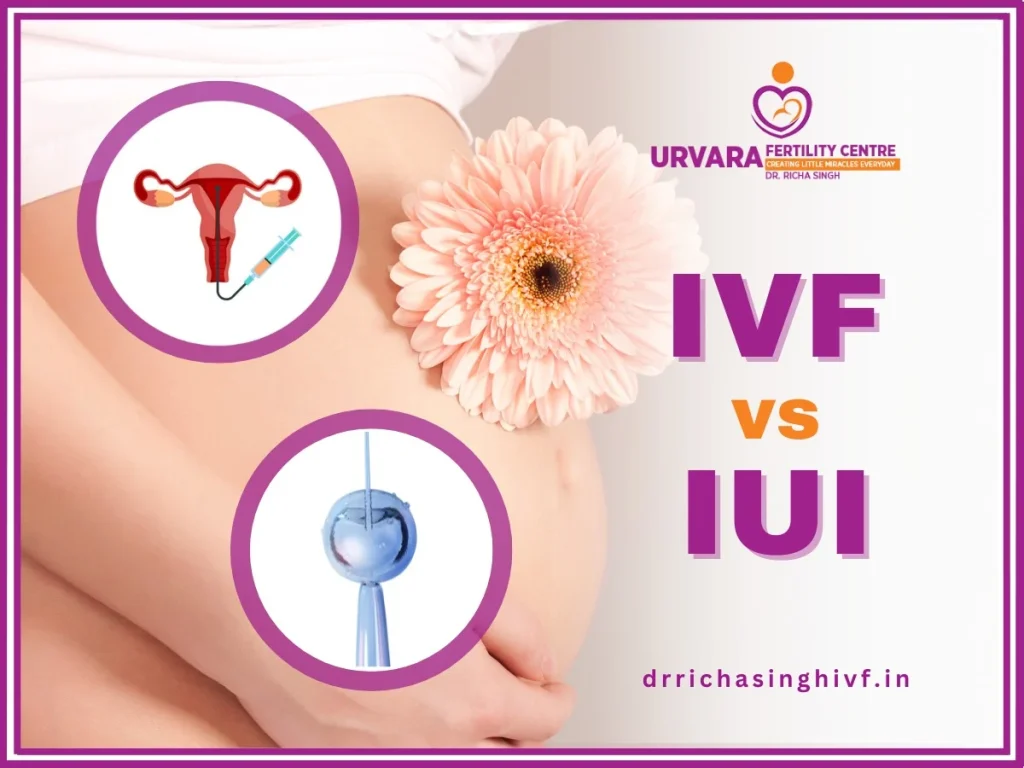
    IVF vs IUI comparison with illustrations of reproductive processes and a flower on a pregnant belly.

    Fertility Nutrition for Men with Low Sperm Count: Key Nutrients for Improving Fertility

    5. Selenium

    Selenium is a trace mineral that is important for sperm production and motility. It also has powerful antioxidant properties that protect sperm from oxidative damage. Studies have shown that selenium supplementation can improve sperm count, motility, and morphology (shape). Foods rich in selenium include Brazil nuts, seafood, eggs, and oats. Aim for 200-400mcg of selenium per day to improve fertility.

    6. Folate

    Folate, also known as vitamin B9, is crucial for sperm production and maturation. It is also important for DNA synthesis and repair, which is essential for healthy sperm. Studies have shown that men with low sperm count who received folate supplementation had a significant increase in sperm count and motility. Foods rich in folate include leafy greens, legumes, and fortified grains. Aim for 400-800mcg of folate per day to improve fertility.

    7. L-carnitine

    L-carnitine is an amino acid that plays a crucial role in sperm metabolism and energy production. It also helps in maintaining the structural integrity of sperm cells. Studies have shown that supplementing with L-carnitine can significantly improve sperm count, motility, and morphology. Foods rich in L-carnitine include red meat, dairy products, and avocados. Aim for 1-2g of L-carnitine per day to improve fertility.

    In addition to these key nutrients, it is important to maintain a balanced and healthy diet to improve fertility. Avoid excessive alcohol consumption, smoking, and processed foods as they can negatively impact sperm production and function. It is also recommended to limit caffeine intake and maintain a healthy weight as obesity has been linked to low sperm count and poor sperm quality.

    In conclusion, nutrition plays a crucial role in male fertility and can significantly impact sperm count and quality. Incorporating these key nutrients into your diet and maintaining a healthy lifestyle can improve fertility and increase the chances of conception. However, it is important to consult with a healthcare professional before making any significant changes to your diet or taking supplements.

    Summary:

    Low sperm count is a common cause of male infertility and nutrition plays a crucial role in both the quantity and quality of sperm. Key nutrients such as zinc, vitamin C, vitamin D, omega-3 fatty acids, selenium, folate, and L-carnitine have been shown to improve sperm count and motility. It is important to maintain a balanced and healthy diet, limit alcohol consumption and smoking, and maintain a healthy weight to improve fertility. Consult with a healthcare professional before making any significant changes to your diet or taking supplements.
  • Fertility Supplements vs Medical Treatments: What’s the Best Option for Unexplained Infertility?

    Blog Post:

    Infertility affects millions of couples around the world and can be a devastating and emotionally draining experience. When trying to conceive, many couples face the frustration of not being able to get pregnant despite trying for months or even years. While some may have a clear medical reason for their infertility, others may be diagnosed with unexplained infertility, which means that there is no identifiable cause for their inability to conceive. For those dealing with unexplained infertility, the decision between fertility supplements and medical treatments can be a difficult one. In this blog post, we will explore the pros and cons of each option and help you determine which may be the best choice for you.

    Fertility Supplements:

    Fertility supplements have become increasingly popular in recent years, with many claiming to boost fertility and increase the chances of conception. These supplements often contain a combination of vitamins, minerals, and herbs that are believed to improve reproductive health. While there is limited scientific evidence to support the effectiveness of these supplements, many couples swear by them and have had success in conceiving after taking them.

    Pros:

    1. Natural ingredients: Fertility supplements are made from natural ingredients, which may be appealing to those who prefer a more holistic approach to fertility treatment.

    2. Available over the counter: Unlike medical treatments, fertility supplements do not require a prescription and can be purchased over the counter at most health food stores or online.

    3. Less expensive: Fertility supplements are generally more affordable than medical treatments, making them a more accessible option for couples on a budget.

    Cons:

    1. Limited research: As mentioned earlier, there is limited scientific research on the effectiveness of fertility supplements. While some studies have shown promising results, more research is needed to fully understand their benefits and potential risks.

    2. May not work for everyone: Fertility supplements may work for some couples, but they may not be effective for everyone. Each person’s body is unique, and what works for one couple may not work for another.

    3. Potential side effects: While fertility supplements are made from natural ingredients, they can still have side effects. It is essential to consult with a healthcare professional before starting any supplement to ensure it is safe for you.

    Medical Treatments:

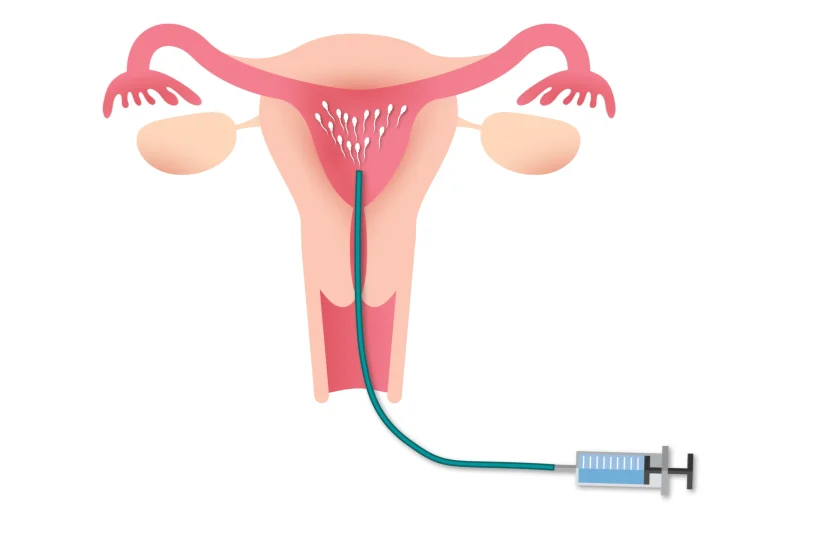
    illustration of intrauterine insemination procedure with a syringe and catheter in the uterus.

    Fertility Supplements vs Medical Treatments: What's the Best Option for Unexplained Infertility?

    Medical treatments for unexplained infertility include intrauterine insemination (IUI) and in vitro fertilization (IVF). Both of these procedures involve assisted reproductive technology (ART) and have been successful in helping many couples conceive.

    Pros:

    1. Proven effectiveness: Unlike fertility supplements, medical treatments have been extensively studied and have a high success rate. For couples dealing with unexplained infertility, these treatments may be the best option for increasing their chances of conception.

    2. Identifies underlying issues: Medical treatments often involve diagnostic tests, which can help identify any underlying issues that may be causing infertility, such as blocked fallopian tubes or low sperm count.

    3. Can be combined with other treatments: In some cases, medical treatments can be combined with other methods, such as fertility drugs or surgery, to improve their effectiveness.

    Cons:

    1. Expensive: Compared to fertility supplements, medical treatments can be costly, especially if multiple cycles are needed.

    2. Invasive: Medical treatments such as IUI and IVF involve procedures that can be physically and emotionally taxing for some individuals.

    3. Potential side effects: As with any medical procedure, there is a risk of side effects with medical treatments. These can include bloating, cramping, and mood swings.

    Which Option is Best for You?

    Deciding between fertility supplements and medical treatments for unexplained infertility can be overwhelming. It is essential to consult with a healthcare professional and discuss your options in detail. They can help you understand the potential risks and benefits of each option and guide you in making the best decision for your specific situation.

    In some cases, a combination of both may be the best approach. For example, a healthcare professional may recommend taking fertility supplements while undergoing medical treatments to improve the chances of conception.

    Summary:

    When faced with unexplained infertility, the decision between fertility supplements and medical treatments can be challenging. Fertility supplements are made from natural ingredients, are more affordable, and can be purchased over the counter. However, there is limited research on their effectiveness and potential side effects. On the other hand, medical treatments such as IUI and IVF have a higher success rate and can identify underlying issues, but they can be expensive and invasive. It is crucial to consult with a healthcare professional to determine the best option for you.

  • A Comprehensive Comparison: Fertility Supplements vs Medical Treatments

    Blog Post Title: A Comprehensive Comparison: Fertility Supplements vs Medical Treatments

    Introduction:
    Fertility issues can be a difficult and emotional journey for many couples. With the rise in infertility cases, the market for fertility supplements and medical treatments has also grown. However, it can be overwhelming for couples to determine which option is the best for them. In this blog post, we will provide a comprehensive comparison between fertility supplements and medical treatments to help you make an informed decision.

    Understanding Fertility Supplements:
    Fertility supplements are natural products that aim to improve fertility and increase the chances of conception. These supplements contain vitamins, minerals, herbs, and other natural ingredients that are believed to support reproductive health. Some popular fertility supplements include Coenzyme Q10, Vitamin D, and Folic Acid.

    Pros of Fertility Supplements:
    1. Natural Ingredients: Fertility supplements are made from natural ingredients, making them a safer option compared to medical treatments that may have side effects.
    2. Cost-effective: Fertility supplements are generally more affordable than medical treatments, making them a more accessible option for couples with a limited budget.
    3. Easy to Obtain: Fertility supplements can be purchased over the counter without a prescription, making them a convenient option for couples who do not want to visit a doctor.

    Cons of Fertility Supplements:
    1. Limited Research: While some fertility supplements have been studied and shown to have positive effects on fertility, there is still limited research on the effectiveness of most supplements.
    2. Slow Results: Fertility supplements may take several months to show results, and there is no guarantee that they will work for everyone.
    3. Lack of Regulation: Unlike medical treatments, fertility supplements are not regulated by the FDA, making it challenging to determine their safety and effectiveness.

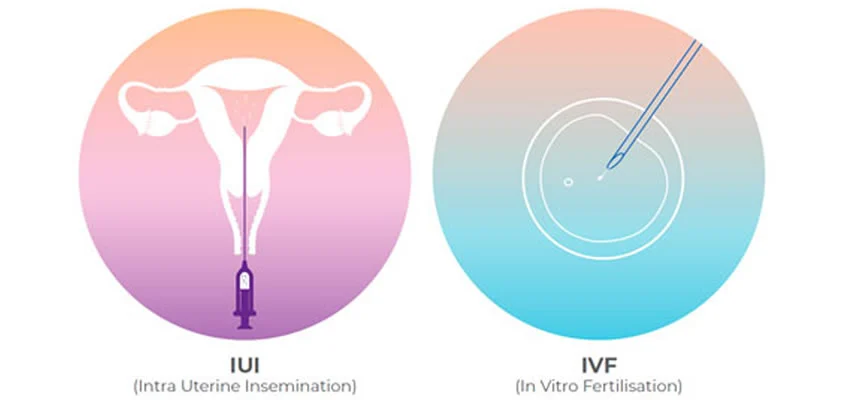
    comparison of IUI and IVF procedures illustrated with simple graphics and labels

    A Comprehensive Comparison: Fertility Supplements vs Medical Treatments

    Understanding Medical Treatments:
    Medical treatments for fertility include procedures such as In Vitro Fertilization (IVF), Intrauterine Insemination (IUI), and fertility drugs. These treatments are usually recommended by doctors after a thorough evaluation of the couple’s fertility issues.

    Pros of Medical Treatments:
    1. Higher Success Rates: Medical treatments, especially IVF, have a higher success rate compared to fertility supplements. For couples who have been struggling with fertility for a long time, medical treatments may be the best option.
    2. Personalized Treatment: Medical treatments are tailored to the specific needs of the couple, making them more effective.
    3. Regulated and Monitored: Medical treatments are regulated by the FDA, ensuring their safety and effectiveness. They are also closely monitored by doctors, making it easier to adjust treatment plans if needed.

    Cons of Medical Treatments:
    1. Expensive: Medical treatments can be costly, and insurance may not cover all expenses, making them less accessible for some couples.
    2. Invasive Procedures: Procedures such as IVF and IUI involve invasive and sometimes uncomfortable procedures, which may not be suitable for some couples.
    3. Side Effects: Fertility drugs used in medical treatments can have significant side effects, including mood swings, hot flashes, and bloating.

    Which Option is Right for You?
    The decision between fertility supplements and medical treatments ultimately depends on each couple’s specific situation. For couples with mild fertility issues, supplements may be a good starting point. However, for couples with more severe fertility problems, medical treatments may be the best option. It is essential to consult with a doctor and undergo thorough fertility testing to determine the best course of action.

    Summary:
    Fertility supplements and medical treatments are two options for couples struggling with fertility issues. Fertility supplements are made from natural ingredients and are more affordable and accessible. However, they have limited research and may take longer to show results. On the other hand, medical treatments, such as IVF and fertility drugs, have higher success rates but can be expensive, invasive, and may have significant side effects. The best option for each couple depends on their specific situation and should be discussed with a doctor.

  • Fertility Supplements vs Medical Treatments: Which is More Effective?

    Blog Post:

    Fertility issues affect many couples around the world, with approximately 15% of couples experiencing difficulties conceiving. As a result, there is a growing market for fertility supplements and medical treatments that claim to improve fertility and increase the chances of conception. But when it comes to deciding between these two options, which is more effective? In this blog post, we will explore the differences between fertility supplements and medical treatments and determine which one may be the better choice for those experiencing fertility issues.

    Fertility Supplements: What Are They and How Do They Work?

    Fertility supplements are dietary supplements that are marketed as a way to improve fertility and increase the chances of conception. These supplements typically contain a combination of vitamins, minerals, herbs, and other natural ingredients that claim to improve reproductive health. Some common ingredients found in fertility supplements include folate, zinc, and herbal extracts like maca root or chasteberry.

    The idea behind fertility supplements is that they can provide the body with the necessary nutrients and support to improve reproductive function and increase fertility. However, there is limited scientific evidence to support these claims. While some studies have shown a potential benefit for certain vitamins and minerals in improving fertility, the overall effectiveness of fertility supplements is still up for debate.

    Medical Treatments: What Are They and How Do They Work?

    On the other hand, medical treatments for fertility issues are more commonly known and widely accepted as a means of addressing fertility problems. These treatments are typically provided by a healthcare professional and can include a variety of methods such as fertility drugs, intrauterine insemination (IUI), and in vitro fertilization (IVF).

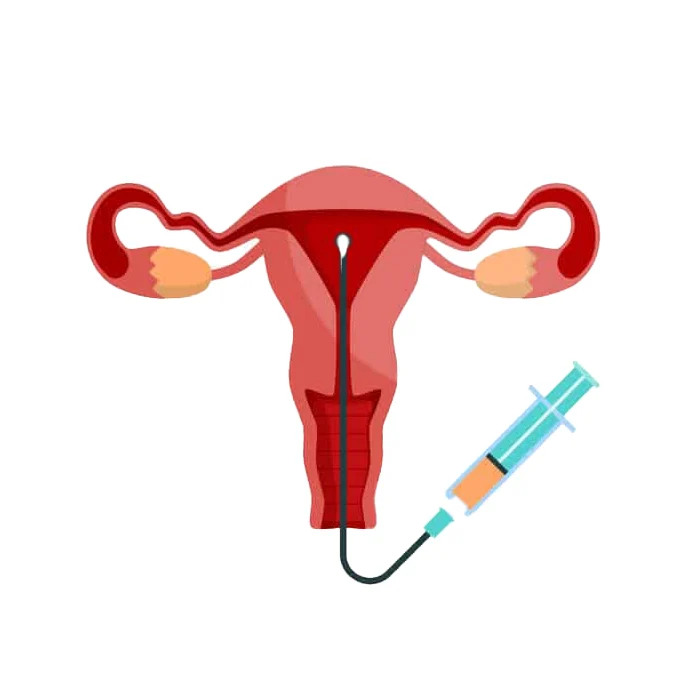
    Fertility drugs are used to regulate hormones and stimulate ovulation, while IUI involves placing sperm directly into the uterus to increase the chances of fertilization. IVF, on the other hand, involves retrieving eggs and sperm and fertilizing them in a lab before transferring the embryo to the uterus. These medical treatments are often recommended for couples who have been trying to conceive for a year or longer without success or for those who have underlying fertility issues.

    illustration of a uterus with a syringe for intrauterine insemination (IUI) procedure

    Fertility Supplements vs Medical Treatments: Which is More Effective?

    Effectiveness of Fertility Supplements vs Medical Treatments

    When it comes to effectiveness, medical treatments have a higher success rate compared to fertility supplements. This is because medical treatments are based on scientific research and have been proven to be effective in addressing specific fertility issues. For example, IVF has a success rate of around 30%, while IUI has a success rate of 10-20% per cycle. On the other hand, the effectiveness of fertility supplements is still unclear, with limited scientific evidence to support their claims.

    Another factor to consider is the cost of these two options. Fertility supplements can be purchased over-the-counter and may seem like a more affordable option compared to medical treatments. However, when looking at the long-term costs and potential need for multiple cycles of medical treatments, the cost of fertility supplements may add up. In addition, many insurance plans may cover or partially cover medical treatments for fertility, making them a more cost-effective option in the long run.

    Potential Risks and Side Effects

    While fertility supplements are often marketed as natural and safe, they may still carry potential risks and side effects. Some herbal supplements may interact with prescription medications, and high doses of certain vitamins and minerals can be harmful. It is important to consult with a healthcare professional before starting any fertility supplement to ensure it is safe and appropriate for your individual situation.

    On the other hand, medical treatments for fertility also have potential risks and side effects. Fertility drugs can cause side effects such as hot flashes and mood swings, and procedures like IVF can be physically and emotionally taxing. However, these treatments are closely monitored by healthcare professionals and steps are taken to minimize risks and side effects.

    Summary:

    When it comes to addressing fertility issues, there are two main options: fertility supplements and medical treatments. While fertility supplements may seem like a more natural and affordable option, they lack scientific evidence to support their effectiveness. On the other hand, medical treatments have a higher success rate and are based on scientific research and proven methods. It is important to consult with a healthcare professional to determine the best course of action for your individual situation. Both options have potential risks and side effects, so it is important to weigh the benefits and risks carefully.

    In summary, fertility supplements may be a good option for those with mild fertility issues or as a complementary treatment to medical interventions. However, for those with more serious fertility problems, medical treatments are a more effective and recommended option. It is important to consult with a healthcare professional and consider factors such as effectiveness, cost, and potential risks and side effects when deciding between these two options.

  • The Truth About Fertility Supplements and Medical Treatments

    Blog Post:

    Fertility is a topic that is often shrouded in mystery and misinformation. Couples struggling to conceive may feel overwhelmed and desperate to find solutions, leading them to turn to fertility supplements and medical treatments. However, there is a lot of confusion and conflicting information surrounding these options. In this blog post, we will explore the truth about fertility supplements and medical treatments, and provide you with the information you need to make informed decisions about your fertility journey.

    Fertility Supplements:

    Fertility supplements are often marketed as a natural and safe way to boost fertility and increase the chances of conception. These supplements can include a variety of vitamins, minerals, herbs, and other ingredients that claim to improve reproductive health. While some of these supplements may have legitimate benefits, it is important to approach them with caution and do your research before adding them to your daily routine.

    The truth is, there is limited scientific evidence to support the effectiveness of most fertility supplements. Many of the studies that have been conducted are small and inconclusive, making it difficult to determine if these supplements actually work. Additionally, the supplements are not regulated by the FDA, so there is no guarantee of their safety or effectiveness. Some supplements may even contain ingredients that can be harmful to both the mother and the baby if taken in large doses.

    Furthermore, fertility supplements can be expensive and may not be covered by insurance. This can add additional financial stress to couples who are already struggling with the emotional toll of infertility. It is important to consult with your doctor before taking any fertility supplements, as they can interact with any medications you may be taking and may not be suitable for everyone.

    Medical Treatments:

    There are a variety of medical treatments available for couples facing fertility issues, including fertility drugs, intrauterine insemination (IUI), and in vitro fertilization (IVF). These treatments are often seen as a more effective and reliable option compared to fertility supplements. However, they also come with their own set of risks and considerations.

    diagram of a uterus with a syringe for intrauterine insemination procedure

    The Truth About Fertility Supplements and Medical Treatments

    Fertility drugs, such as Clomid, are often the first line of treatment for women who are not ovulating regularly. These drugs work by stimulating the ovaries to produce more eggs, increasing the chances of conception. While they can be effective, they also carry a risk of multiple pregnancies, which can be dangerous for both the mother and the babies.

    IUI involves placing sperm directly into the uterus, increasing the chances of fertilization. This procedure is often used when there are issues with sperm count or motility. However, success rates for IUI are lower compared to IVF, and it may not be an option for couples with certain fertility issues.

    IVF is the most well-known and commonly used fertility treatment. It involves fertilizing eggs with sperm in a laboratory and then transferring the resulting embryo into the woman’s uterus. IVF can be a costly and emotionally taxing process, with no guarantee of success. It also carries a risk of multiple pregnancies and can have physical and emotional side effects.

    The Importance of Seeking Professional Help:

    It is important to note that fertility supplements and medical treatments should not be seen as a replacement for professional medical help. If you and your partner have been trying to conceive for over a year (or six months if the woman is over 35), it is recommended to seek the advice of a fertility specialist. They can help identify any underlying issues and recommend the best course of action for your specific situation.

    Additionally, fertility treatments should always be accompanied by lifestyle changes, such as maintaining a healthy diet, exercising regularly, and reducing stress. These factors play a significant role in fertility and can greatly impact the success of any fertility treatment.

    In summary, fertility supplements and medical treatments can be appealing options for couples struggling to conceive, but it is important to approach them with caution and do your research. While some supplements may have benefits, they are not regulated and may not be suitable for everyone. Medical treatments, while more effective, also come with their own risks and should be accompanied by professional help and lifestyle changes. Seeking the guidance of a fertility specialist is crucial for anyone facing fertility issues, as they can provide personalized recommendations and support throughout the journey.

    SEO Metadata: