Maximizing Your Chances: Intrauterine Insemination vs Intracervical Insemination
Intrauterine insemination (IUI) and intracervical insemination (ICI) are two popular fertility treatments that can help couples increase their chances of conceiving. Both procedures involve the insertion of washed and prepared sperm into a woman’s reproductive system, but they differ in terms of the location where the sperm is placed. In this blog post, we will discuss the differences between IUI and ICI and how you can maximize your chances of getting pregnant with either of these methods.
Understanding IUI and ICI
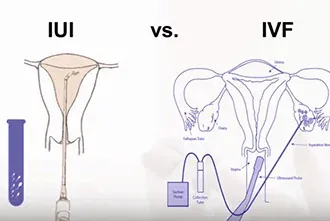
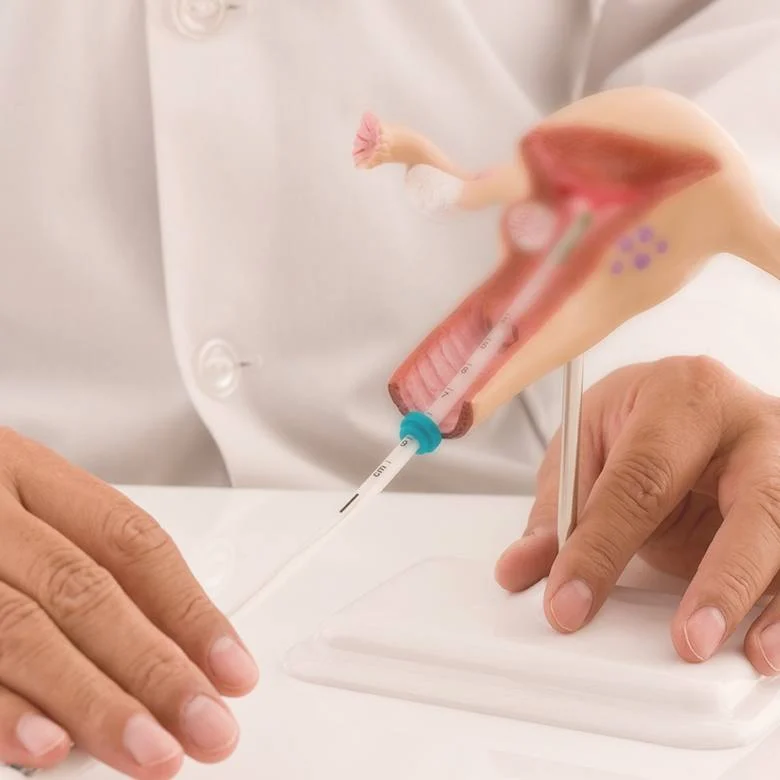
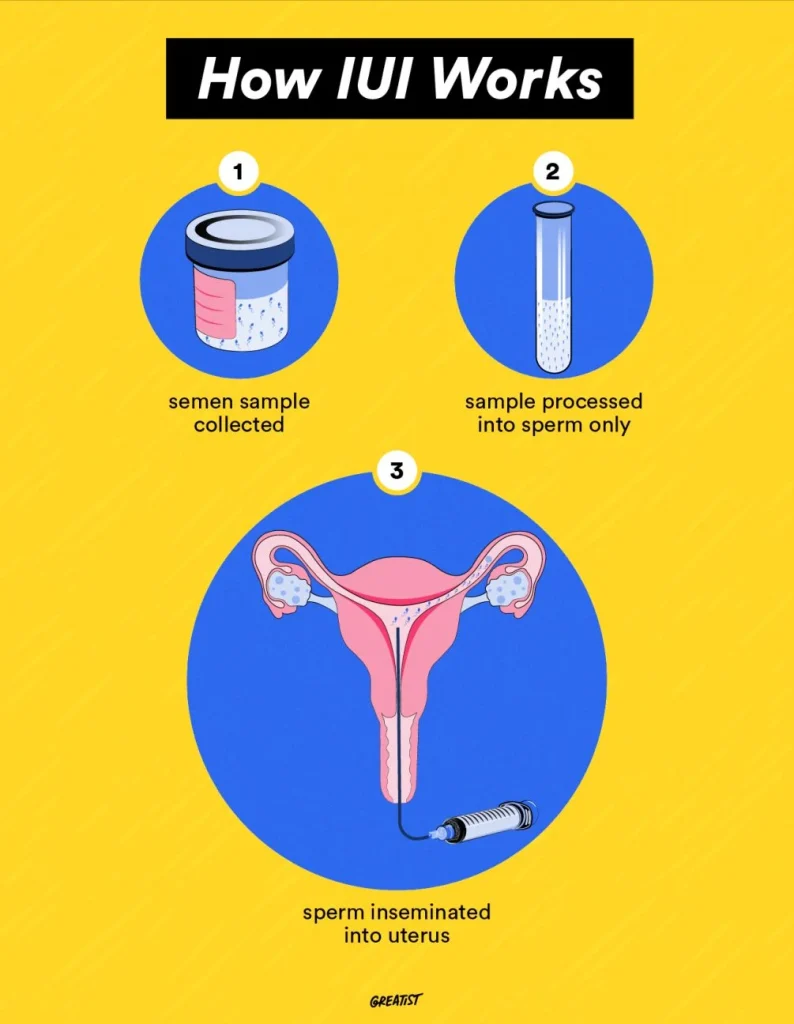
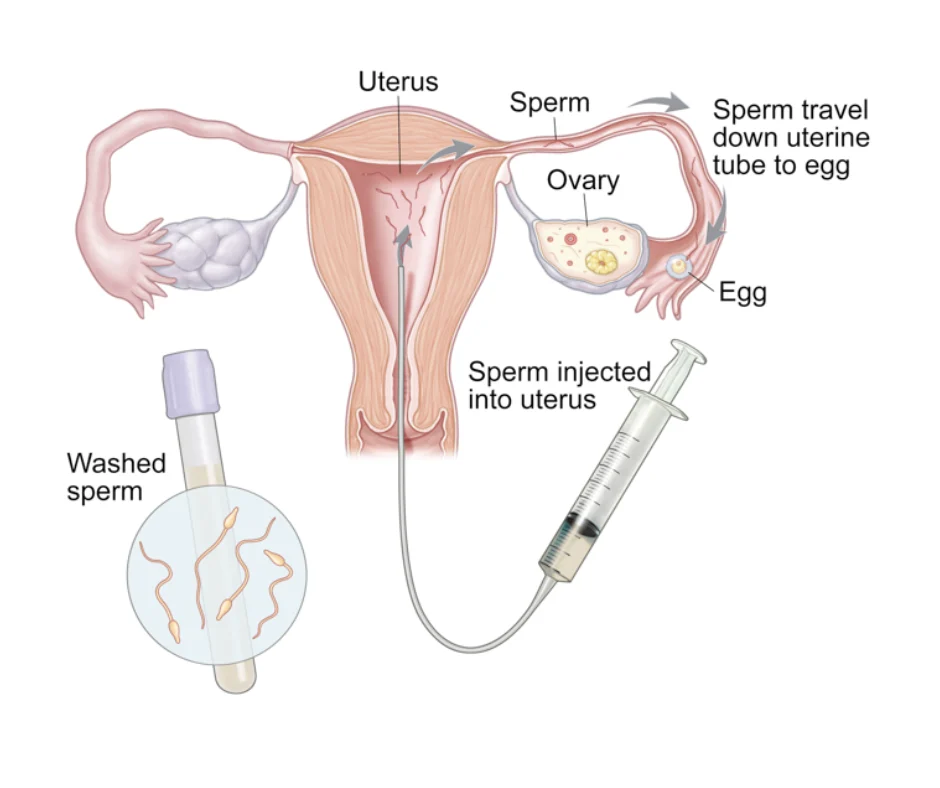
IUI is a fertility treatment that involves placing washed and prepared sperm directly into the uterus using a thin catheter. This procedure is usually done in a medical office or fertility clinic and is typically timed with a woman’s ovulation cycle. On the other hand, ICI is a less invasive procedure where the washed sperm is placed in the cervix, allowing it to travel through the cervical mucus and into the uterus. ICI can be done at home with the use of a special insemination kit.
Factors to Consider Before Choosing a Fertility Treatment
Before deciding between IUI and ICI, it is essential to consider certain factors, such as your fertility history, age, and overall health. IUI is often recommended for couples who have been trying to conceive for a while, have a history of unexplained infertility, or have issues with sperm quality or quantity. It is also a more suitable option for women with blocked fallopian tubes or ovulatory disorders. ICI, on the other hand, is typically recommended for couples with mild fertility issues or for women who prefer a more natural and less invasive method.
Effectiveness of IUI and ICI
Maximizing Your Chances: Intrauterine Insemination vs Intracervical Insemination
Both IUI and ICI have shown promising results in helping couples conceive. According to the American Society for Reproductive Medicine, the success rate for IUI is between 10-20% per cycle, while the success rate for ICI is around 10% per cycle. However, the success rates can vary depending on various factors, such as age, overall health, and the underlying cause of infertility. It is essential to discuss your chances of success with your doctor before deciding on a treatment.
Tips for Maximizing Your Chances of Conceiving with IUI and ICI
1. Timing is crucial: Both IUI and ICI should be timed with ovulation to increase the chances of pregnancy. Your doctor may recommend tracking your ovulation using ovulation predictor kits or monitoring your basal body temperature to pinpoint the best time for the procedure.
2. Follow your doctor’s instructions: It is essential to follow your doctor’s instructions carefully when undergoing IUI or ICI. This may include avoiding certain medications or activities that can interfere with the procedure’s success.
3. Maintain a healthy lifestyle: Eating a balanced diet, exercising regularly, and avoiding harmful substances like alcohol and tobacco can improve your chances of getting pregnant. It is also crucial to maintain a healthy weight as being overweight or underweight can affect fertility.
4. Consider using fertility medications: Your doctor may recommend using fertility medications, such as Clomid or Letrozole, to stimulate ovulation and increase the chances of pregnancy. These medications can be used in combination with IUI or ICI to maximize the chances of conceiving.
5. Be patient: It is essential to keep in mind that fertility treatments may take time, and it is normal to not get pregnant after the first cycle. It is crucial to stay positive and continue with the treatment plan recommended by your doctor.
In summary, both IUI and ICI can be effective fertility treatments for couples struggling to conceive. However, it is essential to consider your individual circumstances and consult with your doctor before deciding on a treatment. By following the tips mentioned above and staying patient and positive, you can maximize your chances of getting pregnant with either IUI or ICI.