Blog Post:
Infertility is a condition that affects many couples around the world. It is defined as the inability to conceive despite having regular, unprotected sexual intercourse for at least a year. According to the World Health Organization, approximately 15% of couples worldwide struggle with infertility, and the numbers are only increasing. While both men and women can experience fertility issues, the cost of treatment for each gender can vary significantly. In this blog post, we will delve into the expenses associated with treating male and female factor infertility and how they compare.
Female Factor Infertility Treatment Expenses:
Female factor infertility refers to any fertility issue that is caused by problems with the female reproductive system. These issues can include ovulation disorders, blocked fallopian tubes, endometriosis, and uterine fibroids, among others. The cost of treating female factor infertility can be quite high, and it typically involves several different procedures and medications.
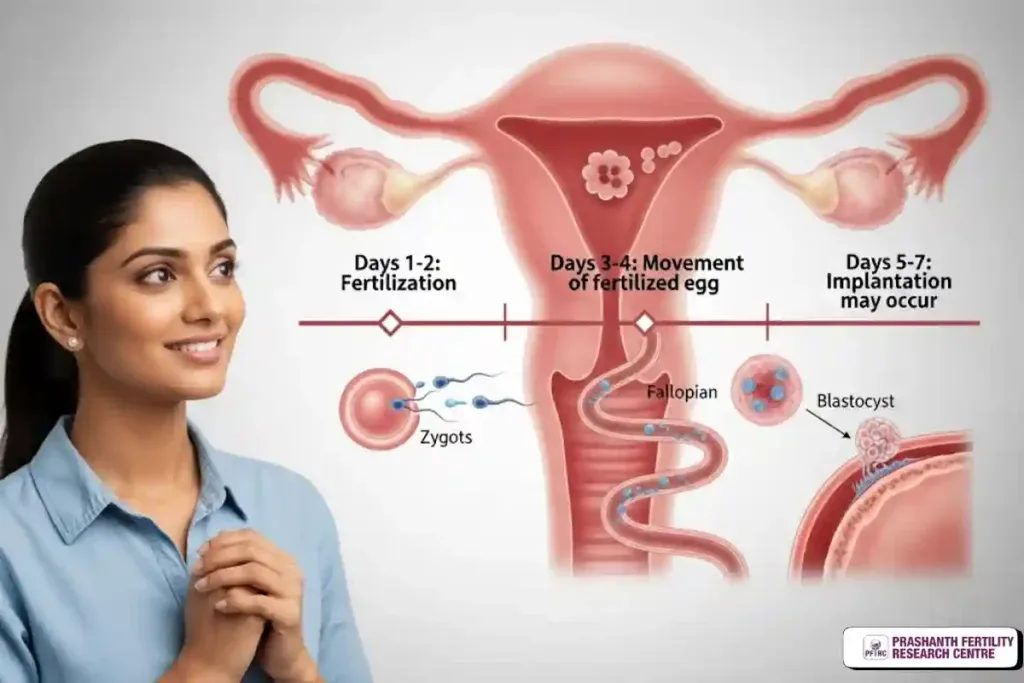
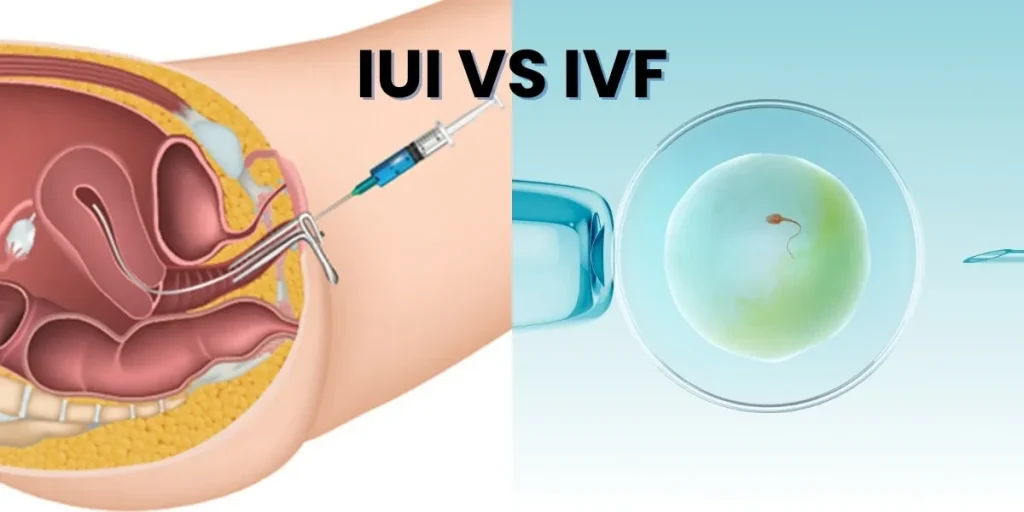
The most common treatment for female factor infertility is in vitro fertilization (IVF). This procedure involves retrieving eggs from the woman’s ovaries, fertilizing them with sperm in a laboratory, and then transferring the resulting embryo into the woman’s uterus. The average cost of one IVF cycle in the United States is around $12,000, and most couples require multiple cycles for a successful pregnancy.
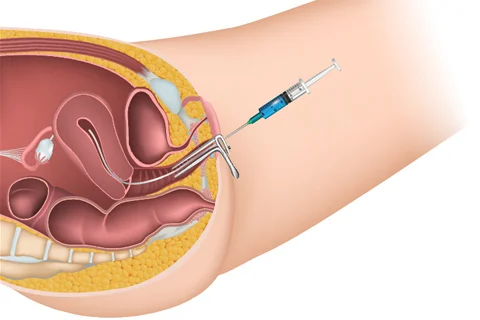
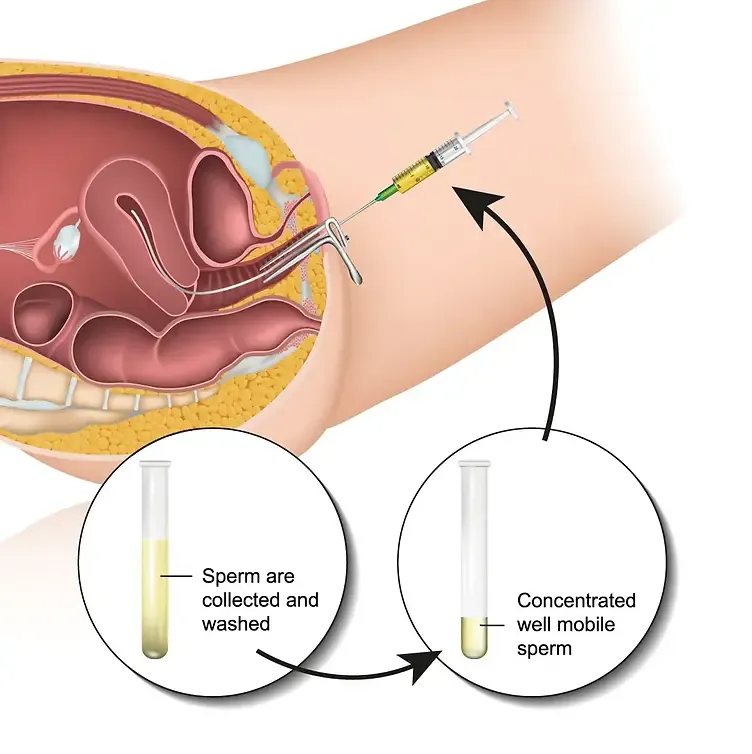
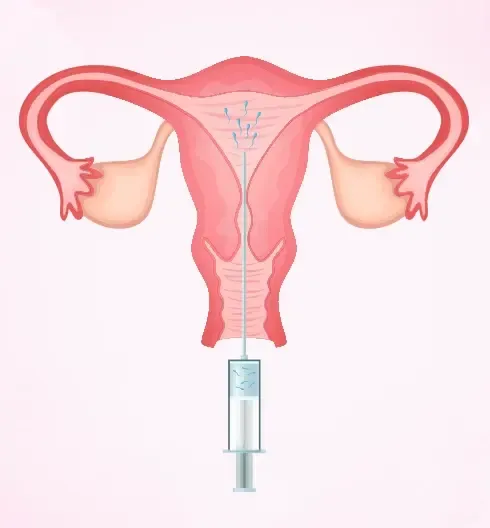
In addition to IVF, other procedures such as intrauterine insemination (IUI) and fertility drugs can also be used to treat female factor infertility. IUI involves inserting washed and concentrated sperm directly into the woman’s uterus, and the average cost per cycle is around $700. Fertility drugs can help stimulate ovulation and increase the chances of conception, but they can also be expensive, with an average cost of $1,000 to $5,000 per cycle.
Furthermore, surgeries may be necessary for certain female factor infertility issues. For example, laparoscopic surgery may be used to remove scar tissue or uterine fibroids, and the average cost can range from $5,000 to $10,000. In cases of blocked fallopian tubes, a procedure called tubal reanastomosis may be necessary, with an average cost of $10,000 to $15,000.
Overall, the cost of treating female factor infertility can easily add up to tens of thousands of dollars, and it can take a toll on couples both emotionally and financially.
Male Factor Infertility Treatment Expenses:
Male factor infertility refers to any fertility issue that is caused by problems with the male reproductive system. These issues can include low sperm count, poor sperm motility, or abnormal sperm shape. While male factor infertility may not require as many procedures as female factor infertility, it can still be costly.
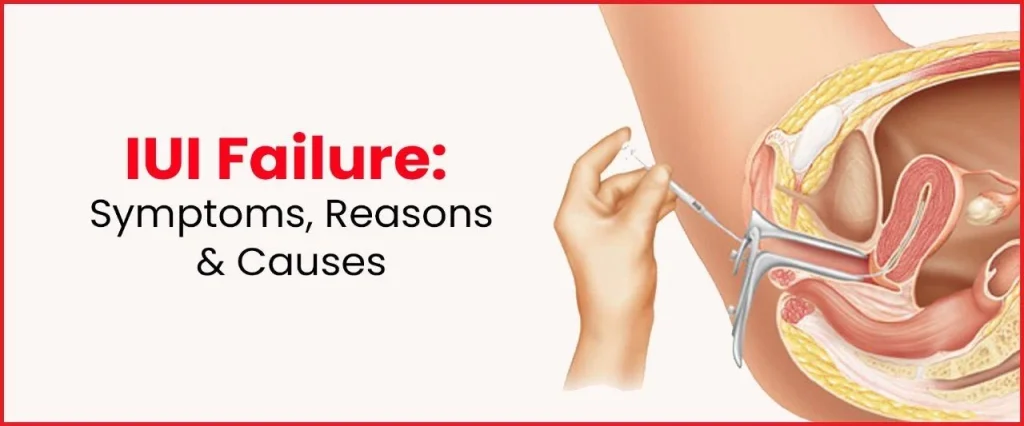
The most common treatment for male factor infertility is intrauterine insemination (IUI), which involves inserting washed and concentrated sperm directly into the woman’s uterus. The average cost of one IUI cycle is around $700, making it a less expensive option compared to IVF. However, if the male partner has severe fertility issues, IVF may be necessary, which can significantly increase the cost.
The Cost of Infertility: Comparing Male and Female Factor Treatment Expenses
In some cases, surgery may be required to treat male factor infertility. For example, a varicocele, which is a varicose vein in the scrotum that can affect sperm production, may need to be surgically repaired. The average cost of this procedure is around $1,500 to $5,000.
In addition to procedures, fertility drugs may also be prescribed to men with fertility issues. These drugs can help improve sperm count and motility, but they can also be costly, with an average cost of $1,000 to $5,000 per cycle.
Comparing the Costs:
When comparing the costs of treating male and female factor infertility, it is evident that the expenses associated with female factor treatment are significantly higher. This is due to the fact that female factor infertility often requires multiple procedures and medications, whereas male factor treatment may only involve one or two procedures.
However, it is essential to note that these costs can vary greatly depending on factors such as the location, the specific procedures needed, and the individual’s insurance coverage. In some cases, fertility treatments may not be covered by insurance at all, making them even more expensive for couples.
The Emotional and Psychological Costs:
Aside from the financial burden, infertility can also take a toll on couples emotionally and psychologically. The stress of trying to conceive and the disappointment that comes with failed treatments can be overwhelming. It can also strain relationships and lead to feelings of isolation and depression.
In some cases, couples may choose to stop treatment due to the high costs and emotional toll it takes on them. This decision can be difficult and can lead to feelings of grief and loss.
Summary:
Infertility is a condition that affects many couples worldwide, and the cost of treatment can vary depending on the gender of the partner with fertility issues. While male factor infertility treatment may be less expensive compared to female factor treatment, both can still be financially and emotionally draining for couples. The high costs associated with fertility treatments can add to the already stressful and emotional journey of trying to conceive.
Overall, it is crucial for couples struggling with infertility to consider all the potential costs and to have open and honest discussions about their options and financial capabilities.