Tag: Family Building

  • Sperm Banks vs Known Donors: Which Option is Right for You?

    Blog Post:

    When it comes to starting a family, there are many options available for those who may have difficulty conceiving naturally. Two common options are sperm banks and known donors. Sperm banks are facilities that collect and store sperm from anonymous donors, while known donors are individuals who personally donate sperm to a recipient. Both options have their own pros and cons, and it can be overwhelming to decide which one is the right choice for you. In this blog post, we will explore the differences between sperm banks and known donors and help you determine which option may be the best fit for your family-building journey.

    Sperm Banks:
    Sperm banks have been around for decades and have become a popular choice for individuals and couples who need donor sperm to conceive. These facilities collect and store sperm from anonymous donors who have gone through a rigorous screening process. The screening process typically includes physical and genetic testing, as well as a thorough medical and family history. This ensures that the donor sperm is of high quality and free from any genetic diseases or health issues.

    One of the biggest advantages of using sperm banks is the anonymity of the donor. Many people prefer this option as it allows them to maintain their privacy and not have any contact with the donor. Moreover, sperm banks have a large selection of donors to choose from, making it easier to find a match based on specific characteristics such as physical traits, education, and ethnicity.

    However, there are also some downsides to using sperm banks. The anonymity of the donor means that the recipient and their future child will have no information or connection to the biological father. This can be a concern for some families, especially when the child grows up and may have questions about their biological origins. Additionally, the cost of using a sperm bank can be quite high, with fees ranging from $300 to $1000 per vial, and multiple vials may be needed for successful conception.
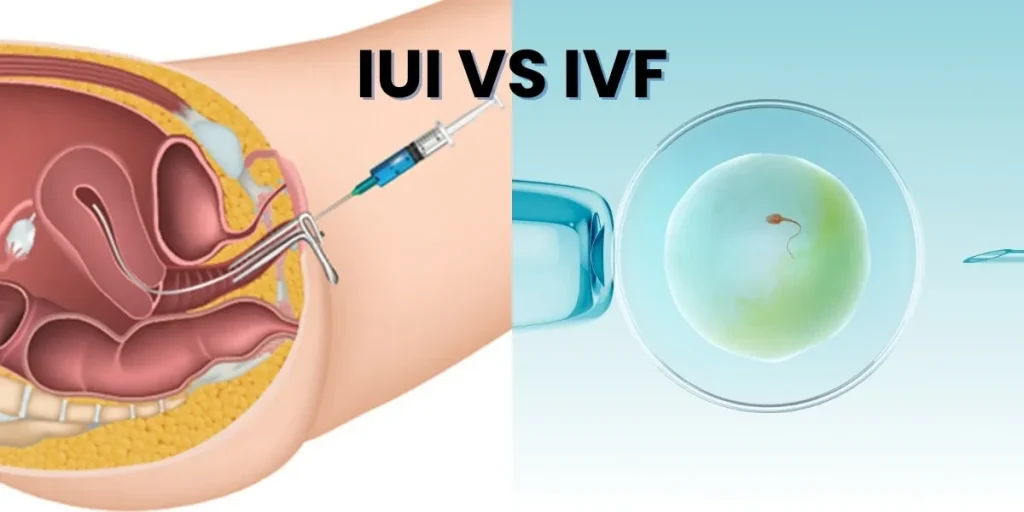
    comparison of IUI and IVF fertility treatments with illustrations of procedures and a petri dish with an egg and sperm

    Sperm Banks vs Known Donors: Which Option is Right for You?

    Known Donors:
    Known donors, on the other hand, are individuals who personally donate sperm to a recipient. This is often done through artificial insemination at a fertility clinic or at home. Known donors can be friends or family members, or they can be found through online platforms or support groups. Unlike sperm banks, known donors are not required to go through a rigorous screening process. However, it is highly recommended that they still undergo some form of testing to ensure their sperm is safe and healthy.

    One of the biggest advantages of known donors is the potential for a personal connection between the donor and the recipient’s family. This can be especially important for those who want their child to have a relationship with their biological father. Furthermore, known donors may offer their sperm for free or at a lower cost compared to sperm banks, making it a more affordable option for some families.

    However, using a known donor also comes with potential risks and challenges. Unlike sperm banks, there is no guarantee of the donor’s anonymity, and the child may have access to their biological father’s information. This can lead to complicated legal and emotional situations, especially if the donor wants to have a role in the child’s life. Moreover, known donors may not have been screened for genetic or health issues, which can pose a risk to the recipient and their future child.

    Which Option is Right for You?
    Deciding between sperm banks and known donors ultimately depends on your personal preferences and needs. If you value anonymity and a wide selection of donors, sperm banks may be the best option for you. On the other hand, if you want a personal connection with the donor and are comfortable with potential legal and emotional challenges, known donors may be a better fit. It is important to carefully consider all aspects and potential consequences before making a decision.

    In conclusion, choosing between sperm banks and known donors is a personal and complex decision. It is important to thoroughly research and consider all factors before making a choice. Whether you decide to use a sperm bank or a known donor, what matters most is that you are able to build a loving and supportive family.

    Summary:
    Sperm banks and known donors are two common options for individuals and couples who need donor sperm to conceive. Sperm banks offer anonymity and a large selection of donors, but at a higher cost. Known donors may offer a personal connection and lower cost, but come with potential risks and challenges. Ultimately, the choice between the two options depends on personal preferences and needs.
  • A Comprehensive Guide to Sperm Banks vs Known Donors

    A Comprehensive Guide to Sperm Banks vs Known Donors: Understanding the Differences and Making the Right Choice

    When it comes to starting a family, there are many paths to parenthood. For couples or individuals who are unable to conceive naturally, the use of assisted reproductive technologies (ARTs) such as sperm donation can be a viable option. However, the decision to use donor sperm can come with its own set of challenges and considerations, particularly when it comes to choosing between using a sperm bank or a known donor. In this comprehensive guide, we will explore the differences between sperm banks and known donors, the benefits and limitations of each, and provide guidance on how to make the best choice for your family-building journey.

    Sperm Banks: What They Are and How They Work

    Sperm banks, also known as cryobanks, are facilities that collect, process, and store sperm from anonymous donors for the purpose of artificial insemination. The process of becoming a donor at a sperm bank involves a thorough screening process, including medical and genetic testing, as well as an evaluation of the donor’s personal and family history. This ensures that the sperm provided by the donor is of high quality and free from any potential genetic or medical issues that could be passed on to the child.

    Once a donor is accepted, their sperm is frozen and stored in quarantine for a period of at least six months to allow for additional testing for infectious diseases. After the quarantine period, the sperm is tested again and if deemed safe, it is made available for purchase by individuals or couples looking to conceive.

    Benefits of Sperm Banks

    One of the main benefits of using a sperm bank is the anonymity of the donor. This can be appealing for those who want to maintain privacy and avoid potential legal and emotional complications that may arise from using a known donor. Additionally, sperm banks offer a wide variety of donors, giving individuals and couples the ability to choose based on physical characteristics, education, and other personal preferences.

    Another advantage of using a sperm bank is the rigorous screening process that donors undergo. This provides a level of assurance that the sperm being used is of high quality and free from potential genetic or medical issues.

    Limitations of Sperm Banks

    While anonymity may be a benefit for some, it can also be a limitation for others. Many people feel that knowing the identity of the donor can be important for the child’s sense of identity and their understanding of their genetic background. In addition, the cost of using a sperm bank can be a barrier for some, as fees for donor sperm can range from hundreds to thousands of dollars per vial, and multiple vials may be needed for successful insemination.

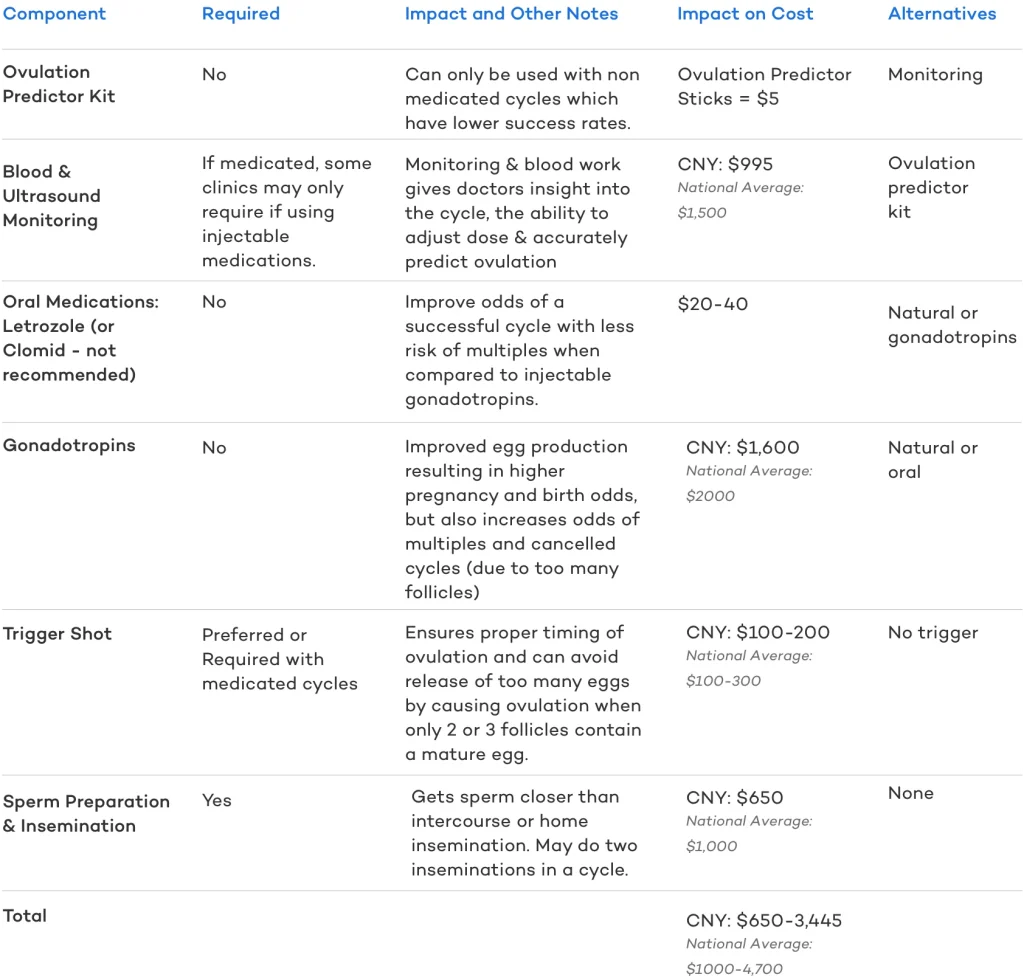
    Cost breakdown for IUI components, including requirements, impacts, and alternatives.

    A Comprehensive Guide to Sperm Banks vs Known Donors

    Known Donors: What They Are and How They Work

    Known donors are individuals who provide their sperm for the purpose of artificial insemination to someone they know. This can include friends, acquaintances, or even family members. Unlike sperm banks, known donors do not go through a formal screening process and may not be anonymous.

    Benefits of Known Donors

    One of the main benefits of using a known donor is the potential for a personal connection and relationship between the donor and the child. This can be especially important for same-sex couples or single individuals who want their child to have a connection to their biological father. Known donors can also provide a more affordable option, as they typically do not charge for their sperm.

    Limitations of Known Donors

    The lack of formal screening and testing for known donors can be a major limitation. Without these processes in place, there is a higher risk of potential genetic or medical issues being passed on to the child. In addition, the use of a known donor can also raise legal and emotional complications, as there may be disagreements over parental rights and responsibilities.

    Making the Right Choice

    When it comes to choosing between sperm banks and known donors, there is no one-size-fits-all answer. Every individual or couple’s situation is unique, and what may work for one may not work for another. It is important to carefully consider the benefits and limitations of each option and to seek advice from medical professionals, legal counsel, and mental health professionals to determine the best course of action for your specific circumstances.

    In some cases, using a sperm bank may be the best choice for those seeking anonymity and a wide selection of donors. On the other hand, known donors may be a better fit for those wanting a personal connection and more affordable option. Ultimately, the most important factor to consider is the well-being and best interests of the child.

    In conclusion, the decision to use donor sperm is a complex and personal one. By understanding the differences between sperm banks and known donors, the benefits and limitations of each, and seeking professional guidance, individuals and couples can make an informed choice that is right for them and their future family.

  • Traditional Surrogacy vs. Gestational Surrogacy: A Cultural Comparison

    Traditional Surrogacy vs. Gestational Surrogacy: A Cultural Comparison

    Surrogacy has been around for centuries, but it has gained more attention in recent years due to advancements in medical technology and changing attitudes towards alternative forms of family building. While surrogacy is a topic that is widely discussed and debated, there is still a lack of understanding about the different types of surrogacy and their cultural implications. In this blog post, we will explore the differences between traditional surrogacy and gestational surrogacy, and how these methods are viewed and practiced in different cultures.

    Traditional Surrogacy:

    Traditional surrogacy, also known as genetic or partial surrogacy, is a method where the surrogate mother uses her own egg to conceive the child. In traditional surrogacy, the surrogate mother is genetically related to the child, while the intended father or a sperm donor provides the sperm. This method is usually achieved through artificial insemination, where the sperm is directly injected into the surrogate mother’s uterus. Traditional surrogacy was the only form of surrogacy available until the 1980s when gestational surrogacy was introduced.

    Cultural Perspective:

    Traditional surrogacy has been practiced for centuries in many cultures, particularly in Asian and African countries. In these cultures, surrogacy is often seen as a way to preserve bloodlines and continue family traditions. In some cultures, traditional surrogacy is also used to help infertile couples have a biological child and fulfill their societal and cultural expectations of parenthood.

    In India, traditional surrogacy is deeply rooted in cultural and religious beliefs. It is seen as a way for women to fulfill their duty of bearing children and to help childless couples have a child. However, in recent years, India has banned commercial surrogacy, which has led to a decrease in traditional surrogacy arrangements.

    In some African cultures, traditional surrogacy is viewed as a way to combat infertility, which is often stigmatized in these societies. It is also seen as a way to ensure that the family’s bloodline is not broken and to provide a child with a sense of belonging in the community.

    Legal Considerations:

    One of the major concerns with traditional surrogacy is the legal implications for all parties involved. As the surrogate mother is genetically related to the child, she may have a legal right to the child, which can lead to custody battles. This is especially true in countries where surrogacy laws are not well-defined or regulated.

    In some cultures, the lack of clear laws and regulations around surrogacy can lead to exploitation of the surrogate mother. She may not have legal protection or rights, and her decision to be a surrogate may be influenced by societal and cultural pressures. This can also lead to issues with compensation and the surrogate mother’s ability to make decisions about her own body and health during the surrogacy process.

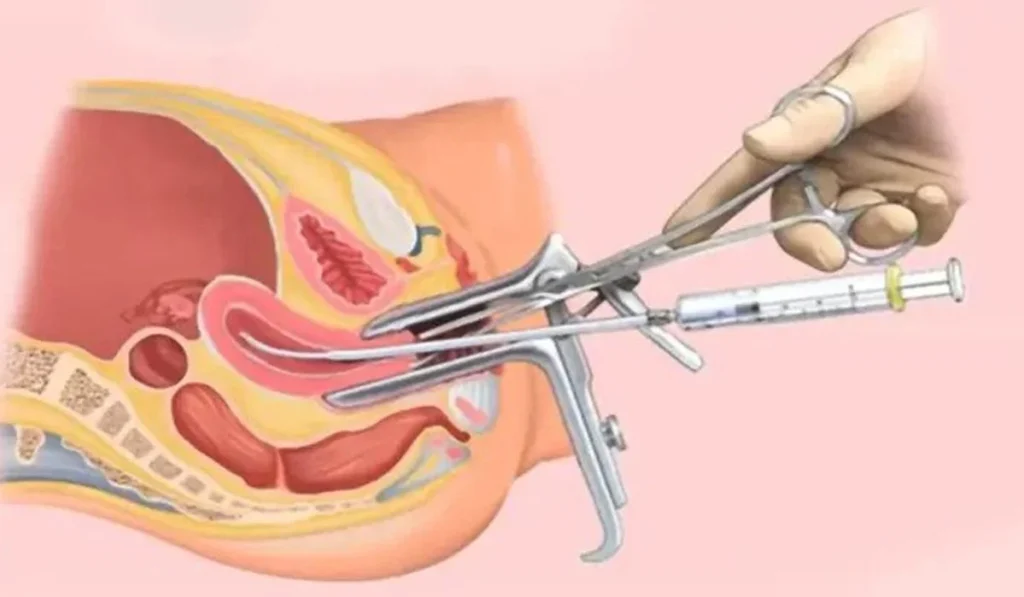
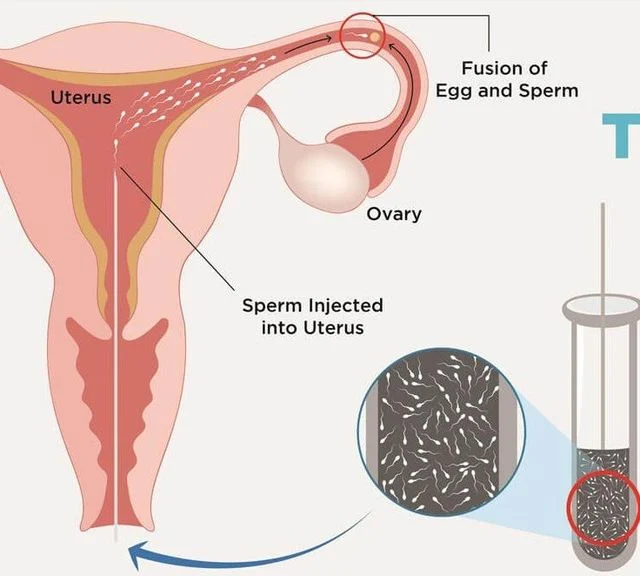
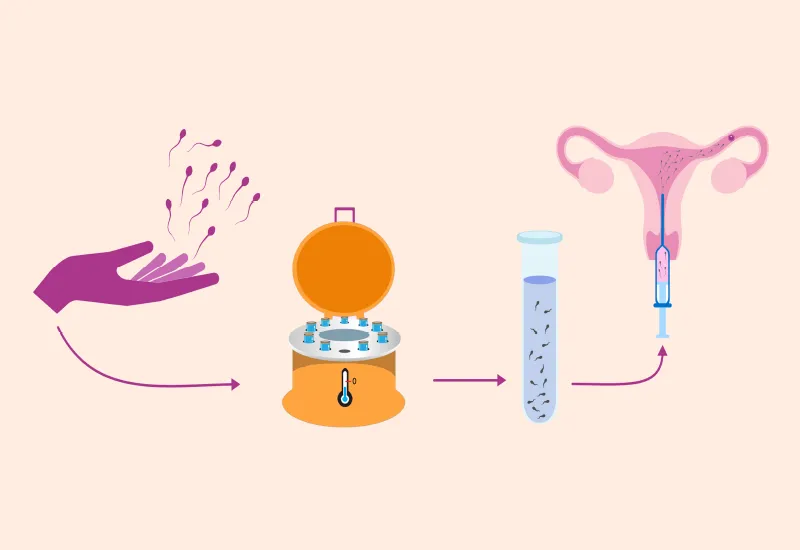
    illustration of the IUI process, showing sperm collection, preparation, and insertion into the uterus

    Traditional Surrogacy vs. Gestational Surrogacy: A Cultural Comparison

    Gestational Surrogacy:

    Gestational surrogacy, also known as full or host surrogacy, is a method where the surrogate mother carries a child that is not genetically related to her. In this method, the intended parents’ sperm and egg or donated sperm and egg are used to conceive the child through in vitro fertilization (IVF). The embryo is then transferred to the surrogate mother’s uterus, and she carries the pregnancy to term.

    Cultural Perspective:

    Gestational surrogacy is a relatively new concept, and it is not widely accepted in many cultures. In some cultures, the idea of a child being born to a woman who is not genetically related to them is seen as unnatural and goes against traditional family values. This can lead to social stigma and discrimination towards gestational surrogate mothers and intended parents.

    In countries with a strong religious influence, gestational surrogacy is often frowned upon as it is seen as interfering with the natural process of conception and birth. In some Middle Eastern countries, it is even considered a violation of Sharia law, and surrogacy is strictly prohibited.

    Legal Considerations:

    The legal landscape of gestational surrogacy varies greatly from country to country. In countries where it is allowed, there are usually strict laws and regulations in place to protect all parties involved. However, in countries where surrogacy is not allowed or is not well-regulated, there can be significant legal challenges and risks for the intended parents, surrogate mother, and the child.

    In some cultures, the lack of legal recognition of gestational surrogacy can also lead to issues with citizenship and nationality for the child. This can be especially problematic for international surrogacy arrangements.

    Summary:

    In summary, traditional surrogacy and gestational surrogacy are two different methods of family building that have significant cultural implications. While traditional surrogacy has been practiced for centuries in many cultures, gestational surrogacy is a more recent development that is often met with resistance and stigma.

    Traditional surrogacy is viewed as a way to fulfill cultural and societal expectations of parenthood and to preserve bloodlines, while gestational surrogacy is seen as a more unconventional and sometimes controversial method.

    Both methods come with their own set of legal considerations, and in some cases, the lack of clear laws and regulations can lead to exploitation and discrimination. It is important to understand the cultural and legal implications of both traditional and gestational surrogacy before embarking on this journey.

  • The Importance of Open Communication in Traditional and Gestational Surrogacy

    Blog Post:

    Surrogacy is a topic that has become increasingly common in today’s society. With advancements in medical technology and shifting societal norms, more and more individuals and couples are turning to surrogacy as a means to start or expand their families. There are two main types of surrogacy – traditional and gestational. In traditional surrogacy, the surrogate mother’s own egg is fertilized with the intended father’s sperm, making her the biological mother of the child. In gestational surrogacy, however, the surrogate mother carries a fertilized embryo, created using the intended parents’ genetic material, and has no genetic connection to the child.

    Regardless of the type of surrogacy, one important aspect that needs to be emphasized is open communication between all parties involved. Open communication is crucial for the success and well-being of everyone involved in the surrogacy process.

    In traditional surrogacy, the surrogate mother plays a dual role of both the biological and gestational mother. This can create a complex dynamic between the surrogate and the intended parents. Open communication can help establish clear boundaries and expectations between the two parties. The surrogate mother should be able to express her thoughts and feelings about the surrogacy journey, and the intended parents should be open to listening and addressing any concerns. This can help build trust and understanding between the surrogate and the intended parents, which is essential for a positive surrogacy experience.

    In gestational surrogacy, where the surrogate has no genetic connection to the child, open communication is still vital. The surrogate mother may feel emotionally attached to the child she is carrying, and it is important for the intended parents to be empathetic and understanding of her feelings. At the same time, the intended parents should also feel comfortable expressing their desires and concerns during the surrogacy process. This open dialogue can help ensure that everyone is on the same page and working towards the same goal – a healthy and happy child.

    Open communication is also important during the medical procedures involved in surrogacy. The surrogate mother and intended parents should be able to discuss and agree on the medical procedures that will take place during the surrogacy, such as IVF and prenatal care. This not only helps to ensure the physical well-being of the surrogate and the child but also fosters a sense of collaboration and partnership between all parties involved.

    illustration of intrauterine insemination procedure with a syringe and catheter in the uterus.

    The Importance of Open Communication in Traditional and Gestational Surrogacy

    In addition to the surrogate mother and intended parents, there may also be other individuals involved in the surrogacy process, such as egg or sperm donors, lawyers, and medical professionals. Open communication between all of these parties is essential for a successful surrogacy journey. This can help prevent misunderstandings, conflicts, and ensure that everyone is on the same page.

    Moreover, open communication can also help address any potential legal issues that may arise during the surrogacy process. With surrogacy laws varying from state to state and country to country, it is crucial to have clear and open communication about legal rights and responsibilities. This can prevent any legal disputes and ensure that all parties involved are protected.

    Finally, open communication is essential for the well-being of the child born through surrogacy. The child may have questions about their surrogacy journey and their birth story, and it is important for all parties involved to be honest and open about their roles. This can help the child develop a positive understanding and acceptance of their unique family dynamic.

    In conclusion, open communication is crucial in both traditional and gestational surrogacy. It helps establish trust, understanding, and clear expectations between all parties involved. It also promotes a collaborative and supportive environment, which is essential for a successful surrogacy journey. Whether you are a surrogate, intended parent, or other individual involved in the surrogacy process, open communication should be a top priority for the well-being of everyone involved.

    Summary:

    Open communication is vital in both traditional and gestational surrogacy. It helps establish clear boundaries and expectations, fosters trust and understanding, and promotes a collaborative and supportive environment. It is crucial for the emotional and physical well-being of the surrogate mother, intended parents, and the child born through surrogacy. Open communication is also necessary to address any legal issues and ensure a successful surrogacy journey.

  • Breaking the Stigma: Traditional vs. Gestational Surrogacy

    Breaking the Stigma: Traditional vs. Gestational Surrogacy

    Surrogacy is a method of assisted reproduction where a woman carries and gives birth to a child for another person or couple. While it has been around for centuries, it has only recently gained more attention and acceptance in society. However, there are still many misconceptions and stigmas surrounding surrogacy, particularly when it comes to traditional surrogacy versus gestational surrogacy. In this blog post, we will explore the differences between these two types of surrogacy and break the stigma surrounding them.

    Traditional Surrogacy

    Traditional surrogacy, also known as genetic or partial surrogacy, is when the surrogate mother uses her own egg to become pregnant. This egg is fertilized with the intended father’s sperm through intrauterine insemination (IUI) or in-vitro fertilization (IVF). As a result, the surrogate mother is both the biological and gestational mother of the child.

    One of the main stigmas surrounding traditional surrogacy is the perceived lack of control over the genetic makeup of the child. Since the surrogate mother is using her own egg, there is a possibility that she may have a genetic connection to the child. This can lead to concerns about the surrogate mother wanting to keep the child or having a difficult time giving the child up after birth. However, it is important to note that all parties involved in the surrogacy process sign a legal contract outlining their rights and responsibilities, and the intended parents have full legal custody of the child.

    Another stigma surrounding traditional surrogacy is the potential for emotional attachment between the surrogate mother and the child. This is often fueled by the belief that the surrogate mother is “giving up” her own child. However, most surrogate mothers enter into the process with a clear understanding that the child is not biologically theirs and that they are helping another family create a family. In fact, many surrogate mothers have their own children and are excited to help others experience the joy of parenthood.

    Gestational Surrogacy

    illustration of the IUI process, showing sperm collection, preparation, and insertion into the uterus

    Breaking the Stigma: Traditional vs. Gestational Surrogacy

    Gestational surrogacy, also known as full surrogacy, is when the surrogate mother carries the pregnancy but is not genetically related to the child. In this process, the intended parents’ egg and sperm are fertilized in a laboratory through IVF, and the resulting embryo is then transferred to the surrogate mother’s uterus.

    One of the main stigmas surrounding gestational surrogacy is the perceived lack of emotional connection between the surrogate mother and the child. Since the surrogate mother is not genetically related to the child, some may believe that she may not bond with the child as she would with her own biological child. However, many gestational surrogate mothers have reported feeling a strong emotional connection to the child throughout the pregnancy, as they carry and nurture the child for nine months.

    Another stigma surrounding gestational surrogacy is the belief that it is only for the wealthy. With the high costs of IVF and surrogacy, many may assume that only the wealthy can afford this option. However, there are various financial options and resources available, such as surrogacy agencies and grants, to make gestational surrogacy more accessible to those who may not have the financial means to pursue it.

    Breaking the Stigma

    Both traditional and gestational surrogacy have their own unique processes and challenges, but they both serve the same purpose – to help create families. As with any family-building option, there are risks and challenges involved, but the end result is often worth it for the intended parents. It is important to understand that surrogacy is a selfless act and not a means for financial gain. Surrogate mothers are motivated by the desire to help others and to make a positive impact in someone’s life.

    In recent years, there has been a shift in public perception of surrogacy, with more people understanding and accepting it as a viable option for building families. However, there is still a long way to go in breaking the stigma surrounding traditional and gestational surrogacy. By educating ourselves and others about the process and the motivations behind it, we can help break down these stigmas and support those who choose surrogacy as their path to parenthood.

    In summary, traditional and gestational surrogacy are two different methods of assisted reproduction that have their own unique processes and challenges. Traditional surrogacy involves the surrogate mother using her own egg, while gestational surrogacy involves the use of the intended parents’ egg and sperm. Both types of surrogacy are viable options for those who cannot carry a child on their own, and it is important to break the stigmas surrounding them and support those who choose surrogacy as their path to parenthood.

  • Breaking Down the Myths: Traditional vs. Gestational Surrogacy

    Breaking Down the Myths: Traditional vs. Gestational Surrogacy

    Surrogacy is a topic that has recently gained more attention due to its increasing popularity as an alternative means of family building. However, there are still many misconceptions and myths surrounding surrogacy, particularly when it comes to the two main types: traditional and gestational surrogacy. In this blog post, we will break down the myths and provide a clear understanding of the differences between these two types of surrogacy.

    Traditional Surrogacy: The Myths

    Traditional surrogacy involves the surrogate mother using her own egg to conceive the baby, making her the biological mother of the child. This method of surrogacy has been around for centuries and is still practiced in some cultures. However, there are many myths surrounding traditional surrogacy that can create confusion and misinterpretation.

    Myth #1: Traditional surrogacy is the same as adoption.

    This is a common misconception, as traditional surrogacy involves the surrogate mother carrying and giving birth to the child. Adoption, on the other hand, involves a legal process in which the adoptive parents become the legal parents of the child. In traditional surrogacy, the surrogate mother is the biological mother and the intended parents go through a legal process to establish their parental rights.

    Myth #2: Traditional surrogacy is the cheaper option.

    Many people assume that traditional surrogacy is cheaper because it does not involve the use of fertility treatments or medical procedures. However, traditional surrogacy can actually end up being more expensive in the long run due to legal fees and potential emotional complications. The intended parents may also have to cover medical expenses for the surrogate mother and the baby.

    Myth #3: The surrogate mother will have a strong bond with the baby.

    Some people believe that because the surrogate mother is biologically related to the baby, she will have a strong emotional attachment to the child. However, surrogates go through a thorough screening process and are aware of the emotional boundaries involved in surrogacy. They understand that the baby is not theirs and that their role is to carry and give birth to a child for someone else.

    illustration of an intrauterine insemination procedure with medical instruments and anatomical details

    Breaking Down the Myths: Traditional vs. Gestational Surrogacy

    Gestational Surrogacy: The Myths

    Gestational surrogacy, on the other hand, involves the use of a gestational carrier who has no genetic connection to the baby. The embryo is created using the intended parents’ egg and sperm or donor gametes, and then transferred to the gestational carrier’s uterus. Despite being a more common form of surrogacy, there are still many myths surrounding gestational surrogacy.

    Myth #1: Gestational surrogacy is only for wealthy couples.

    One of the biggest misconceptions about gestational surrogacy is that it is only accessible to wealthy couples. While it is true that surrogacy can be expensive, there are many financing options available, and some insurance plans may cover certain aspects of the process. Additionally, many surrogacy agencies offer payment plans and other forms of financial assistance.

    Myth #2: The gestational carrier will have a claim to the baby.

    There is a common fear among intended parents that the gestational carrier will have a legal claim to the baby. However, in gestational surrogacy, the gestational carrier has no genetic connection to the baby and therefore has no legal claim to the child. The intended parents go through a legal process to establish their parental rights before the birth of the baby.

    Myth #3: Gestational surrogacy is not safe.

    Some people believe that gestational surrogacy is not safe for the gestational carrier or the baby. However, surrogacy agencies have strict screening processes in place to ensure the health and safety of all parties involved. The gestational carrier also undergoes thorough medical examinations and receives proper care throughout the pregnancy to ensure a safe and healthy delivery.

    Summarizing the Blog Post

    In summary, traditional surrogacy involves the surrogate mother using her own egg to conceive the baby, while gestational surrogacy involves the use of a gestational carrier with no genetic connection to the baby. Despite their differences, both types of surrogacy can be a viable option for couples or individuals looking to start a family. It is important to understand the myths and misconceptions surrounding surrogacy in order to make an informed decision. Surrogacy agencies play a crucial role in the process, providing support, guidance, and legal assistance to ensure a smooth and successful journey for all parties involved.

  • Surrogacy vs Adoption: A Cultural Comparison

    Blog Post: Surrogacy vs Adoption: A Cultural Comparison

    Surrogacy and adoption are two methods of building a family that have become increasingly popular in today’s society. With advancements in technology and changing social norms, couples and individuals now have more options to fulfill their desire for parenthood. However, both surrogacy and adoption have their own unique set of cultural implications that can greatly influence one’s decision-making. In this blog post, we will take a closer look at the cultural aspects of surrogacy and adoption and how they differ in various parts of the world.

    Surrogacy is the process of using a surrogate mother to carry and give birth to a child for another person or couple. This method of having a child has gained popularity in recent years, especially with the rise of international surrogacy. Many countries, such as India and Ukraine, have become popular destinations for surrogacy due to their relatively low costs and less restrictive laws. However, the practice of surrogacy has also faced criticism and controversy, particularly in the United States where it is often seen as a commercial transaction.

    On the other hand, adoption involves legally taking on the responsibility of raising a child who is not biologically related to the adoptive parents. Adoption has been around for centuries and has been widely accepted as a way of creating a family. However, the process of adoption can be lengthy and complicated, with strict regulations and criteria that must be met by the adoptive parents.

    One of the main cultural differences between surrogacy and adoption lies in the role of genetics and biology. In surrogacy, the intended parents can have a biological connection to the child, as the embryo used for the surrogacy can be created using their own genetic material. This is often seen as a crucial factor for many couples who want to have a child that is genetically related to them. On the other hand, adoption involves no biological connection to the child, and the adoptive parents must come to terms with this fact and embrace the child as their own.

    Another cultural difference is the involvement of the birth mother. In surrogacy, the surrogate mother is often seen as a “carrier” of the child, and the intended parents are seen as the true parents. This can result in a complicated relationship between the surrogate and the intended parents, as well as the child. In contrast, adoption involves a relinquishing of parental rights by the birth mother, and the adoptive parents are seen as the sole parents of the child. This can create a more straightforward and stable family dynamic.

    test tube with sperm in blue liquid, promoting IUI success rate and factors influencing fertility.

    Surrogacy vs Adoption: A Cultural Comparison

    Moreover, surrogacy and adoption have different cultural implications when it comes to the legal and social status of the child. In surrogacy, the child is often born into a legal grey area, as laws and regulations around surrogacy can vary greatly from country to country. This can result in complex legal battles and uncertainty for the child’s future. In contrast, adoption is a more established and regulated process, and the child’s legal and social status is clear from the outset.

    Cultural attitudes towards surrogacy and adoption also differ significantly. In many parts of the world, adoption is seen as a noble act of giving a child a loving home, while surrogacy is often viewed with skepticism and moral judgement. In some cultures, surrogacy is even considered to be taboo, and those who utilize it may face social stigma and discrimination. This can make it challenging for intended parents to openly talk about their decision to pursue surrogacy.

    In terms of cost, surrogacy can be a more expensive option compared to adoption. In addition to medical fees, intended parents may also need to cover the cost of travel and accommodation in the surrogate’s home country. On the other hand, adoption costs can vary greatly depending on the agency and country, but it is generally considered to be a more economical option.

    In conclusion, surrogacy and adoption are two methods of family building that have their own unique cultural implications. While surrogacy offers a biological connection to the child, it can also involve complex legal and social issues. Adoption, on the other hand, provides a more established and regulated process, but can also involve challenges such as lengthy waiting periods and high costs. Ultimately, the decision between surrogacy and adoption is a personal one, and it is essential to consider the cultural aspects and implications before making a choice.

    Summary:

    Surrogacy and adoption are two methods of building a family that have gained popularity in today’s society. Surrogacy involves using a surrogate mother to carry and give birth to a child for another person or couple, while adoption is the process of legally taking on the responsibility of raising a child who is not biologically related to the adoptive parents. These methods have their own unique cultural implications, such as the role of genetics and biology, the involvement of the birth mother, legal and social status of the child, cultural attitudes, and cost. Ultimately, the decision between surrogacy and adoption is a personal one that should consider these cultural factors.

  • Surrogacy vs Adoption: The Impact on Society

    Surrogacy and adoption are two methods of building a family that have become increasingly popular in modern society. Both options offer individuals and couples the opportunity to become parents, but they have different processes and implications for society. In this blog post, we will explore the impact of surrogacy and adoption on society, including the benefits and challenges of each, as well as the ethical and legal considerations.

    Surrogacy is a process where a woman carries and gives birth to a child for another individual or couple. There are two types of surrogacy: traditional and gestational. In traditional surrogacy, the surrogate uses her own eggs and is genetically related to the child, while in gestational surrogacy, the surrogate carries a fertilized embryo created through in vitro fertilization (IVF) and is not biologically related to the child.

    One of the main benefits of surrogacy is that it allows individuals or couples who are unable to conceive or carry a child to still have a biological connection to their child. This can be particularly important for same-sex couples or individuals who want to have a genetic link to their child. Surrogacy also offers a higher success rate compared to other fertility treatments, such as IVF, making it an attractive option for those struggling with infertility.

    However, surrogacy also comes with its own set of challenges and controversies. The main concern surrounding surrogacy is the potential exploitation of the surrogate. Critics argue that the surrogate may be financially motivated and may not have full autonomy over her body and pregnancy, leading to issues of commodification and exploitation. Additionally, there have been cases of surrogacy arrangements gone wrong, with the surrogate refusing to give up the child after birth or the intended parents backing out of the agreement. These situations can lead to legal battles and emotional turmoil for all parties involved.

    Another concern is the cost of surrogacy, which can be prohibitively expensive for many individuals and couples. The cost can vary greatly depending on the country and agency used, but it can easily reach tens of thousands of dollars. This high cost can perpetuate social and economic inequalities, as only those with financial means can afford to pursue surrogacy.

    On the other hand, adoption is the legal process of permanently placing a child with a parent or parents who are not the child’s biological parents. Adoption can be either domestic or international, and it can involve infants, older children, or children with special needs. The main goal of adoption is to provide a loving and stable home for a child in need.

    One of the biggest benefits of adoption is its potential to provide a home for children who may not have one otherwise. Adoption can give a child a chance at a better life and a loving family. It also allows individuals and couples to become parents without the physical and emotional challenges of pregnancy and childbirth. Adoption is also typically a more affordable option compared to surrogacy, with costs ranging from a few thousand dollars to around $40,000 for international adoptions.

    Illustration of intrauterine insemination (IUI) procedure with syringe and catheter in the uterus.

    Surrogacy vs Adoption: The Impact on Society

    However, adoption also has its own set of complexities and challenges. The process can be lengthy and emotionally draining, with potential roadblocks such as birth parents changing their minds or the child having a difficult time adjusting to their new family. Additionally, there is a stigma surrounding adoption, with some people viewing adopted children as “less than” or not truly part of the family. This can lead to issues of identity and self-worth for adopted children.

    Moreover, adoption can also have a significant impact on birth parents. In some cases, birth parents may struggle with feelings of guilt and loss, and may also face challenges in their future relationships and in society. This highlights the need for proper support and resources for all parties involved in the adoption process.

    In terms of the impact on society, both surrogacy and adoption have their own implications. Surrogacy challenges traditional notions of pregnancy and motherhood, as well as the concept of the nuclear family. It also brings up questions about the commodification of women’s bodies and the ethics of paying someone to carry a child. On the other hand, adoption challenges societal views of family and parenthood, as well as the importance placed on biological ties. It also raises issues of race and cultural identity, especially in transracial adoptions.

    Both surrogacy and adoption also have legal considerations that vary from country to country. In some places, surrogacy is completely banned, while in others it is highly regulated. Adoption laws also differ, with some countries having strict regulations and others having more lenient processes. These legal considerations can also impact the accessibility and cost of surrogacy and adoption.

    In conclusion, both surrogacy and adoption have their own benefits and challenges, and their impact on society is complex and multifaceted. While surrogacy allows individuals and couples to have a biological connection to their child, it also raises concerns about exploitation and the commodification of women’s bodies. Adoption, on the other hand, provides a home for children in need, but it also challenges societal views of family and can have a lasting impact on all parties involved. It is important for society to have open and ongoing discussions about these methods of building a family and to ensure that proper support and resources are available for all involved.

    Summary:

    Surrogacy and adoption are two methods of building a family that have become increasingly popular, but they have different processes and implications for society. Surrogacy allows a biological connection to the child, but raises concerns about exploitation and cost. Adoption provides a home for children in need, but can be emotionally complex and stigmatized. Both challenge societal norms and have legal considerations that vary. It is important for society to openly discuss and support these methods of family building.

  • Surrogacy vs Adoption: A Legal Comparison

    Surrogacy and adoption are two methods for building a family that have become increasingly prevalent in today’s society. Both processes involve the involvement of a third party, but there are significant legal differences between the two. In this blog post, we will explore the legal aspects of surrogacy and adoption and compare how they differ in terms of the rights and responsibilities of the parties involved.

    Surrogacy is a method of assisted reproduction in which a woman carries and gives birth to a child for another person or couple. There are two types of surrogacy – traditional surrogacy, where the surrogate’s own egg is used, and gestational surrogacy, where the embryo is created using the egg and sperm of the intended parents or donors. Adoption, on the other hand, is the legal process of transferring parental rights and responsibilities from one person or couple to another.

    One of the main differences between surrogacy and adoption is the legal relationship between the surrogate/egg donor and the child. In surrogacy, the surrogate mother or egg donor has no legal rights or responsibilities towards the child, as the intended parents are the legal parents from the moment of conception. This is because the intended parents have a written agreement with the surrogate, outlining their rights and responsibilities as legal parents. In contrast, in adoption, the biological parents’ rights and responsibilities are terminated, and the adoptive parents become the legal parents of the child.

    Another significant difference between surrogacy and adoption is the involvement of the birth mother during and after the pregnancy. In surrogacy, the surrogate mother is typically not involved in the child’s life after giving birth, as the child is legally the child of the intended parents. However, in adoption, the birth mother may have the option to have some contact with the child, depending on the type of adoption.

    One of the most crucial legal aspects to consider in both surrogacy and adoption is the issue of parental rights. In surrogacy, the intended parents have parental rights from the moment of conception, as agreed upon in the surrogacy contract. This means that the surrogate mother does not have any legal rights to the child. However, in adoption, the biological parents’ rights must be terminated by the court before the adoptive parents can become the legal parents of the child. This process can be lengthy and complicated, involving home studies and court hearings.

    diagram of a uterus with a syringe for intrauterine insemination procedure

    Surrogacy vs Adoption: A Legal Comparison

    In terms of the legal process, surrogacy is typically less complicated and more straightforward than adoption. Surrogacy agreements are usually drafted and signed before the surrogate becomes pregnant, outlining all the legal rights and responsibilities of the parties involved. This makes the process more predictable and less prone to legal disputes. In contrast, adoption involves a lengthy legal process, including home studies, background checks, and court hearings, which can be emotionally and financially draining for all parties involved.

    Another critical legal aspect to consider is the cost involved in surrogacy and adoption. Surrogacy is typically more expensive than adoption, as it involves medical procedures, compensation for the surrogate, and legal fees. In contrast, adoption can be more affordable, especially for domestic adoptions or adopting through the foster care system. However, the costs of adoption can vary greatly depending on the type of adoption and the agency or lawyer involved.

    It is also essential to note that surrogacy laws vary from state to state, and in some countries, surrogacy is not legally recognized at all. This can make the process more complicated for intended parents, as they may have to travel to another state or country to find a surrogate or complete the legal process. Adoption, on the other hand, is a legally recognized process in all 50 states and most countries, making it a more accessible option for those looking to build their families.

    In terms of legal rights and protections, adoption may offer more security for the adoptive parents than surrogacy. In adoption, the adoptive parents go through a rigorous screening process, including home studies, background checks, and counseling, to ensure they are fit to be parents. In contrast, surrogacy relies heavily on the surrogacy contract, which may not provide as much protection for the intended parents.

    In conclusion, both surrogacy and adoption are viable options for those looking to build a family. However, it is essential to consider the legal aspects and differences between the two processes. Surrogacy offers a more predictable and less complicated legal process, but it may be more expensive and have less legal protection for the intended parents. Adoption, on the other hand, involves a more lengthy and complex legal process but may offer more security and protection for the adoptive parents. Whichever method you choose, it is crucial to seek legal advice and fully understand the legal rights and responsibilities of all parties involved.

    In summary, surrogacy and adoption are two methods of building a family that involve the involvement of a third party, but they differ significantly in terms of the legal rights and responsibilities of the parties involved. Surrogacy offers a more straightforward and predictable legal process, while adoption involves a more complex and lengthy legal process. Both processes have their pros and cons, and it is essential to consider all factors before making a decision.

  • Surrogacy vs Adoption: The Role of the Birth Mother

    Surrogacy and adoption are two common methods for building a family when a birth mother is unable to raise her child. While both options involve a third party, there are significant differences in the role of the birth mother in each process. In this blog post, we will explore the role of the birth mother in surrogacy and adoption and discuss the pros and cons of each method.

    Surrogacy involves a woman carrying and giving birth to a child for another individual or couple. There are two types of surrogacy: traditional and gestational. In traditional surrogacy, the surrogate mother’s own egg is fertilized with the intended father’s sperm through artificial insemination. In gestational surrogacy, the surrogate mother carries a fertilized embryo created through in vitro fertilization (IVF) using the intended mother’s egg or a donor egg. In both types of surrogacy, the surrogate mother has no genetic connection to the child she carries.

    The role of the birth mother in surrogacy is to carry the child to term and give birth. She has no legal rights or responsibilities to the child after birth, as the intended parents will become the legal parents through a surrogacy agreement and court order. The birth mother may have a close relationship with the intended parents during the pregnancy, but her role ends after the birth.

    On the other hand, adoption involves a legal process in which a child is permanently placed with a new family. In most cases, the birth mother voluntarily gives up her parental rights, and the adoptive parents become the legal parents of the child. In some cases, the birth mother’s rights may be terminated involuntarily by the court due to neglect or abuse.

    The role of the birth mother in adoption is more complex and can vary depending on the type of adoption. In open adoption, the birth mother may choose the adoptive parents and have ongoing contact with the child and adoptive family. In closed adoption, the birth mother has no contact with the child or adoptive family after the adoption is finalized. In either case, the birth mother plays a crucial role in choosing the adoptive parents and giving consent for the adoption to take place.

    Now let’s dive deeper into the pros and cons of surrogacy and adoption from the perspective of the birth mother.

    Pros and Cons of Surrogacy for Birth Mothers:

    Pros:
    1. Fulfills the desire to carry a child: For women who are unable to carry a child due to medical reasons, surrogacy provides an opportunity to experience pregnancy and childbirth.

    2. Financial compensation: Surrogacy can be a lucrative option for women who choose to become surrogates. They can receive payment for their time, effort, and medical expenses.

    3. Minimal legal responsibilities: The birth mother in surrogacy has no legal responsibilities towards the child, which can be a relief for some women who may not be ready to become a parent.

    Cons:
    1. Emotional attachment: Carrying a child for nine months can create a strong emotional bond between the birth mother and the child. This can make it difficult for the birth mother to give up the child after birth.

    Diagram illustrating the IUI process, showing sperm injection into the uterus and egg fertilization.

    Surrogacy vs Adoption: The Role of the Birth Mother

    2. Complex legal process: Surrogacy involves a legal agreement between the surrogate mother and the intended parents, which can be a complex and lengthy process.

    3. Health risks: Pregnancy and childbirth always carry risks, and surrogacy can put the birth mother’s health at risk. It is essential for the surrogate mother to have a thorough medical evaluation before agreeing to carry a child for someone else.

    Pros and Cons of Adoption for Birth Mothers:

    Pros:
    1. Provides a stable and loving home for the child: In situations where the birth mother is unable to provide a stable and safe environment for the child, adoption can give the child a chance at a better life.

    2. Financial and emotional support: In some cases, the adoptive parents may provide financial support to the birth mother during pregnancy and postpartum. In open adoptions, the birth mother may also receive emotional support from the adoptive family.

    3. Ability to choose the adoptive parents: In open adoptions, the birth mother has a say in choosing the adoptive parents for her child. This can provide a sense of control and comfort in the adoption process.

    Cons:
    1. Grief and loss: Giving up a child for adoption can be an emotionally challenging experience for the birth mother. It can result in feelings of grief, loss, and guilt.

    2. Lack of control: In closed adoptions, the birth mother may have little to no contact with the child after the adoption is finalized, which can be difficult for some women.

    3. Stigma and societal pressure: In some cultures, adoption is still stigmatized, and birth mothers may face judgement and pressure from society for their decision to give up their child.

    In conclusion, both surrogacy and adoption have their own sets of pros and cons for birth mothers. Surrogacy allows women to experience pregnancy and childbirth, while adoption provides a stable and loving home for the child. Ultimately, the decision between surrogacy and adoption should be made based on individual circumstances and preferences.

    Summary:

    In this blog post, we discussed the role of the birth mother in surrogacy and adoption. Surrogacy involves a woman carrying a child for another individual or couple, while adoption involves a legal process of placing a child with a new family. The birth mother’s role in surrogacy is to carry the child and give birth, while in adoption, she plays a more complex role in choosing the adoptive parents and giving consent for the adoption. We also explored the pros and cons of surrogacy and adoption from the perspective of the birth mother, highlighting the emotional and practical aspects of each method.