Tag: family

  • Understanding the Surrogacy vs Adoption Process

    Blog Post: Understanding the Surrogacy vs Adoption Process

    The decision to start a family is one of the biggest and most life-changing choices a person can make. For some, the traditional path of pregnancy and childbirth may not be an option for various reasons. This is where alternative options such as surrogacy and adoption come into play. Both processes involve bringing a child into a loving and caring home, but the methods and legalities behind them can be vastly different. In this blog post, we will delve into the surrogacy vs adoption process to help you gain a better understanding of each and make an informed decision on which may be the right path for you.

    Surrogacy is a process where a woman carries and gives birth to a child for another individual or couple, also known as the intended parents. There are two main types of surrogacy: traditional surrogacy and gestational surrogacy. Traditional surrogacy involves the surrogate mother using her own egg and being artificially inseminated with the intended father’s sperm or a donor’s sperm. This means that the surrogate is biologically related to the child she carries. On the other hand, gestational surrogacy involves the use of in vitro fertilization (IVF) to create an embryo using the intended parents’ or donors’ genetic material. The embryo is then transferred to the surrogate’s uterus, and she carries the pregnancy to term. In this case, the surrogate has no genetic relation to the child.

    One of the main advantages of surrogacy is that the intended parents have control over the genetic makeup of the child. This is especially important for couples struggling with infertility or same-sex couples who want to have a biological connection to their child. Surrogacy also allows for a more personalized experience, as the intended parents can choose the surrogate they feel most comfortable with and be involved in the pregnancy journey.

    However, surrogacy can also come with its own set of challenges and complexities. One of the biggest concerns is the legal aspect. Laws and regulations surrounding surrogacy vary from state to state and even country to country, making the process an intricate web of legal procedures and agreements. It is crucial to consult with a lawyer who specializes in surrogacy to ensure that all parties’ rights and responsibilities are protected. Surrogacy can also be a costly process, with expenses such as medical procedures, compensation for the surrogate, and legal fees adding up quickly.

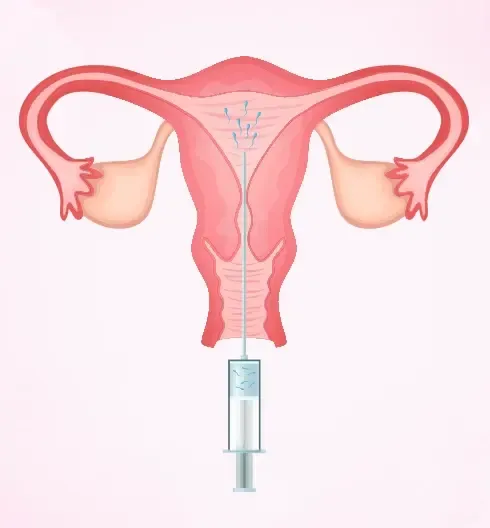
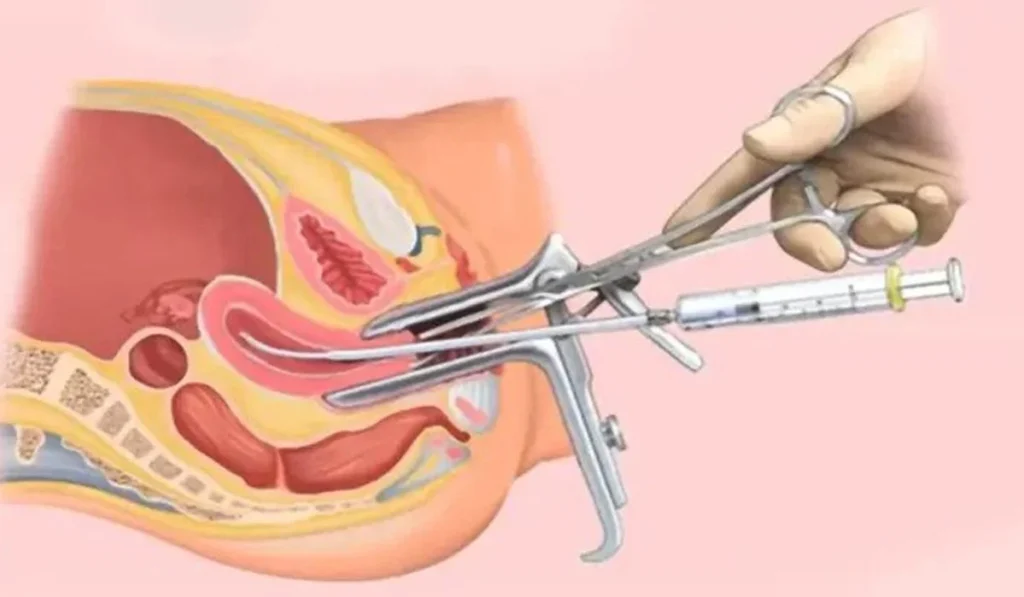
    illustration of a uterus with a syringe, representing intrauterine insemination procedure

    Understanding the Surrogacy vs Adoption Process

    Adoption, on the other hand, is the legal process of assuming the responsibility of raising a child who is not biologically related to the adoptive parents. There are different types of adoption, including domestic, international, and foster care adoption. Domestic adoption is when the adoptive parents and the child are from the same country, while international adoption involves adopting a child from a different country. Foster care adoption is when a child in the foster care system is placed in a permanent home with adoptive parents.

    One of the significant benefits of adoption is that it provides a loving home for a child who may not have had one otherwise. It also allows individuals or couples to experience the joys of parenthood without having to go through pregnancy and childbirth. Adoption can also be a more affordable option compared to surrogacy, with some organizations offering financial assistance to adoptive parents.

    However, the adoption process can be lengthy and emotionally taxing. It involves a thorough background check, home study, and approval process, and the adoptive parents must meet all the requirements set by the adoption agency or state. It is also essential to consider the child’s well-being, as adoption can bring with it a range of emotions for the child, including feelings of abandonment and loss. Adoptive parents must be prepared to provide the necessary love, support, and resources to help the child adjust to their new family.

    In conclusion, both surrogacy and adoption offer a path to parenthood for individuals and couples who are unable to conceive or carry a child. Surrogacy provides the opportunity for a biological connection to the child, while adoption offers a chance to provide a loving home for a child in need. However, both processes come with their own set of challenges and considerations, making it crucial to thoroughly research and consult with professionals before making a decision.

    Summary: In this blog post, we explored the surrogacy vs adoption process to help individuals and couples gain a better understanding of each option. Surrogacy involves a woman carrying a child for the intended parents, while adoption is the legal process of assuming responsibility for raising a child. Both processes have their advantages and challenges, and it is crucial to thoroughly research and consult with professionals before making a decision.
  • Surrogacy vs Adoption: A Psychological Perspective

    Blog Post: Surrogacy vs Adoption: A Psychological Perspective

    The decision to have a child is one of the most significant choices a person or couple can make in their lifetime. For some, this decision comes easily, while for others, it can be a long and challenging process. For those who struggle with fertility issues or cannot conceive naturally, the options of surrogacy and adoption can be considered. Both surrogacy and adoption allow individuals or couples to fulfill their desire to have a child, but they differ significantly in terms of process and psychological implications. In this blog post, we will explore the psychological perspectives of surrogacy and adoption, and the factors that may influence a person’s decision between the two.

    Surrogacy is a method of assisted reproduction in which a surrogate mother carries and delivers a baby for another individual or couple. This process involves the use of in vitro fertilization (IVF), where the egg and sperm of the intended parents or donors are fertilized in a laboratory and then transferred to the surrogate’s uterus for pregnancy and delivery. Surrogacy can be either traditional or gestational, with traditional surrogacy involving the use of the surrogate’s own egg and gestational surrogacy using a donated egg. Surrogacy is often chosen by couples or individuals who cannot carry a pregnancy themselves due to medical reasons or same-sex couples who want to have a biological connection to their child.

    On the other hand, adoption is the legal process of permanently transferring parental rights and responsibilities from the birth parents to the adoptive parents. Adoption can be domestic or international, with domestic adoption involving the placement of a child from the same country as the adoptive parents and international adoption involving the placement of a child from a different country. Adoption is often chosen by couples or individuals who are unable to conceive or carry a child, but still want to experience the joys of parenthood and provide a loving home for a child in need.

    One of the significant differences between surrogacy and adoption is the level of control and involvement in the pregnancy and birth process. In surrogacy, the intended parents are actively involved in the pregnancy, from selecting the surrogate to making decisions regarding prenatal care and being present for the birth. This level of involvement can create a sense of connection and bonding with the surrogate and the unborn child. In contrast, adoption involves a more passive role for the adoptive parents, as they have limited control over the pregnancy and birth process. This can lead to feelings of uncertainty and lack of control, as the adoptive parents must rely on the birth mother to make decisions regarding the pregnancy and birth.

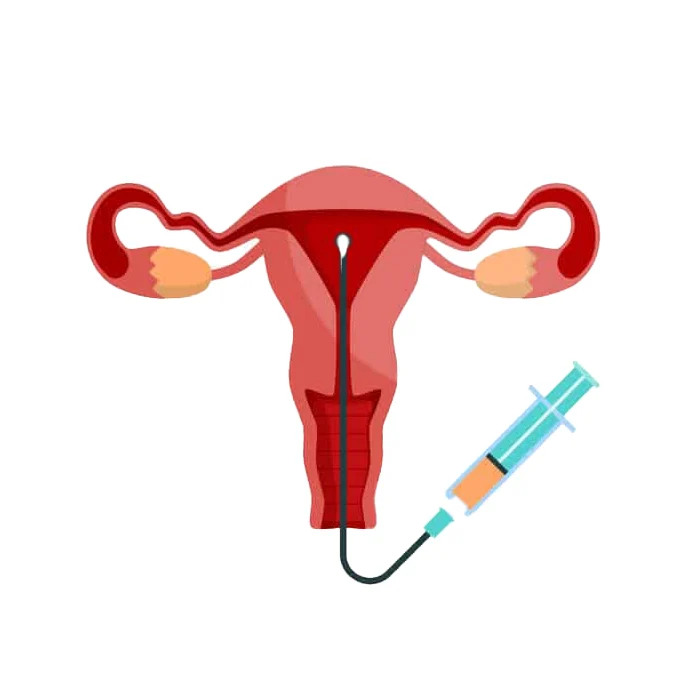
    illustration of a uterus with a syringe for intrauterine insemination (IUI) procedure

    Surrogacy vs Adoption: A Psychological Perspective

    Another important factor to consider is the psychological impact on the child involved in surrogacy or adoption. In surrogacy, the child may have a genetic connection to the intended parents, but they may also have a relationship with the surrogate. This can create a complex family dynamic, and the child may struggle with issues of identity and belonging. In adoption, the child may not have a genetic connection to the adoptive parents, but they are legally recognized as their child. However, the child may also have questions about their biological family and may struggle with feelings of loss and abandonment.

    The decision between surrogacy and adoption can also be influenced by cultural and societal norms. In some cultures, adoption may be stigmatized, and the idea of raising a child who is not biologically related to the parents may be seen as taboo. This can create pressure for couples or individuals to choose surrogacy instead of adoption. On the other hand, surrogacy can also be a controversial topic, with concerns about exploitation of women and commodification of children. These societal factors can play a significant role in a person’s decision and may also impact their emotional well-being throughout the process.

    It is essential to consider the psychological implications for all parties involved in surrogacy or adoption. The intended parents may experience feelings of grief and loss if they are unable to conceive naturally and may also struggle with the idea of not carrying the child themselves. The surrogate or birth mother may also experience emotional challenges, as they must carry a child for someone else and then give the child up after birth. In adoption, the birth mother may also experience grief and loss as they must give up their child, and the adoptive parents may struggle with feelings of guilt and inadequacy, wondering if they can provide a loving and nurturing home for the child.

    In conclusion, both surrogacy and adoption are viable options for individuals or couples who are unable to conceive or carry a child on their own. Each option has its unique advantages and challenges, and the decision between the two should not be taken lightly. It is crucial for individuals or couples to consider their emotional and psychological well-being, as well as that of the child, when making this life-changing decision. Seeking support from a therapist or counselor can also be beneficial in navigating the complex emotions that may arise throughout the process.

    Summary:

    The decision between surrogacy and adoption is a complex and personal one, with significant psychological implications for all parties involved. Surrogacy involves a more active role in the pregnancy and birth process, while adoption is a more passive experience. Factors such as control, genetic connection, societal norms, and emotional well-being should all be considered when making this decision. Seeking support from a therapist or counselor can also be beneficial in navigating the complex emotions that may arise throughout the process.

  • The Surrogacy vs Adoption Debate: Who’s Right?

    The decision to start a family is one of the biggest and most life-altering choices a person can make. For some, the journey to parenthood is straightforward and natural. But for others, it can be a more complicated and emotional process. This is where the debate between surrogacy and adoption comes into play. While both options offer the opportunity to become parents, they have their own unique set of pros and cons that can leave people wondering, “Who’s right?”

    In this blog post, we will delve into the surrogacy vs adoption debate and explore the various arguments and perspectives surrounding these two methods of building a family. We will also discuss the ethical considerations and societal attitudes towards each option, as well as the emotional impact on both the intended parents and the child.

    Surrogacy: A Modern Solution to Infertility

    Surrogacy is a method of assisted reproduction where a woman, known as the surrogate, carries a child for another individual or couple, known as the intended parents. There are two types of surrogacy: traditional and gestational. In traditional surrogacy, the surrogate’s egg is fertilized with the intended father’s sperm, while in gestational surrogacy, the embryo is created using the intended parents’ genetic material or donated gametes.

    One of the main reasons why people opt for surrogacy is because they are unable to conceive naturally. This can be due to various reasons such as infertility, medical conditions, or same-sex couples. Surrogacy provides a solution for these individuals to have a biological child and experience the joys of parenthood.

    Another advantage of surrogacy is that the intended parents have a greater control over the pregnancy and birth process. They can be involved in every step, from selecting the surrogate to being present at the birth of their child. This level of involvement may provide a sense of security and satisfaction for the intended parents, as they are able to witness the development of their child from the very beginning.

    However, surrogacy also comes with its own set of challenges. One of the most significant concerns is the financial aspect. Surrogacy is an expensive process, with the cost ranging from $90,000 to $130,000 on average. This high cost can make it inaccessible for many people, especially those from lower socioeconomic backgrounds.

    Another issue that is often raised is the potential exploitation of the surrogate. Critics argue that the surrogate is being paid to carry a child and that this can lead to a commodification of both the woman and the child. There have been cases where the surrogate was forced to terminate the pregnancy or give up the child due to contractual obligations. This raises questions about the ethical implications of surrogacy and whether it is right to treat a woman’s body as a means for someone else’s reproductive needs.

    Adoption: A Selfless Act of Love

    Adoption, on the other hand, is the legal process of permanently transferring parental rights and responsibilities from the biological parents to the adoptive parents. It is often seen as a selfless act of love, where individuals or couples choose to give a child a loving and stable home.

    One of the most significant advantages of adoption is that it provides a solution for children who are in need of a permanent home. There are millions of children worldwide who are waiting to be adopted, and by choosing to adopt, individuals can make a significant impact on a child’s life.

    Adoption also offers a more affordable option compared to surrogacy. The cost of adoption can range from $0 to $50,000, with many agencies offering financial assistance and subsidies for families with lower incomes.

    Additionally, adoption allows individuals to choose from a wide range of children, including infants, older children, and even children with special needs. This flexibility allows individuals to find a child that they feel is the best fit for their family.

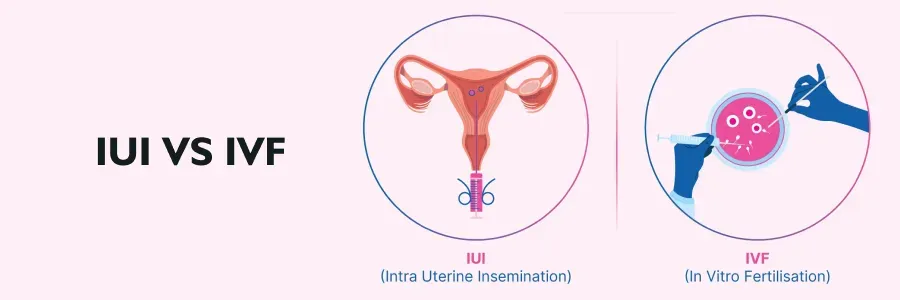
    Comparison of IUI and IVF with illustrations of each procedure.

    The Surrogacy vs Adoption Debate: Who's Right?

    However, the adoption process can be lengthy and emotionally taxing for the individuals involved. Adoptive parents must go through extensive screening and training, and there is always the risk of the biological parents changing their minds and wanting their child back. There are also concerns about the adoptive child’s emotional well-being and whether they will feel a sense of belonging in their new family.

    The Debate: Ethics and Attitudes

    The surrogacy vs adoption debate often boils down to ethics and societal attitudes. Both methods involve bringing a child into the world, but the circumstances and motivations behind each are different.

    One of the main arguments against surrogacy is that it promotes a “designer baby” mentality, where people can choose the characteristics of their child. This can further perpetuate the idea that certain traits or characteristics are more desirable than others, leading to discrimination and inequality.

    Adoption, on the other hand, is often seen as a more ethical and selfless choice. By giving a child a home, adoptive parents are providing a loving and stable environment for a child in need. However, there is also the concern that adoption can reinforce the idea of the “savior complex,” where adoptive parents may feel superior to the child and their birth parents.

    Societal attitudes towards surrogacy and adoption also play a role in the debate. Surrogacy is still a relatively new concept, and many people are not familiar with the process and its implications. This lack of understanding can lead to misconceptions and negative attitudes towards surrogacy. Adoption, on the other hand, has been around for centuries and is generally viewed more positively. However, there is still a stigma attached to adoption, and many adoptive families face discrimination and judgment.

    The Emotional Impact on All Parties Involved

    The surrogacy vs adoption debate also has a significant emotional impact on all parties involved. For intended parents, the journey can be filled with hope, anxiety, and uncertainty. The fear of not being able to have a child biologically can take a toll on their mental and emotional well-being. Similarly, adoptive parents may experience a range of emotions, from joy and excitement to grief and loss, as they navigate the complexities of the adoption process.

    The surrogate and the birth parents also go through their own emotional journey. For the surrogate, carrying a child for nine months and then giving them away can be a challenging experience. They may struggle with conflicting emotions of attachment and detachment. Birth parents, on the other hand, may experience feelings of guilt and grief as they give up their child for adoption.

    Ultimately, both surrogacy and adoption involve bringing a child into the world and creating a family. Each has its own unique set of challenges and benefits, and there is no right or wrong answer to the debate. It ultimately comes down to what is best for the individuals involved and their personal circumstances.

    In Conclusion

    The surrogacy vs adoption debate is a complex one with no clear winner. While surrogacy offers a way for individuals to have a biological child, adoption provides a loving home for children in need. Both options have their own ethical considerations and emotional impacts. It is important to have open and honest discussions about these methods of creating a family and to support and respect the choices of those involved.

    SEO metadata:

  • Challenges and Rewards of Surrogacy vs Adoption

    Blog Post:

    Surrogacy and adoption are two ways in which people can expand their families. While both options have the same end goal of having a child, the journeys and experiences involved are vastly different. Surrogacy involves a woman carrying and giving birth to a child for another individual or couple, while adoption is the legal process of becoming the parent of a child who is not biologically related to you. Both surrogacy and adoption come with their own set of challenges and rewards, and it is important for individuals or couples considering either option to carefully weigh their options and understand the implications of their choice.

    Challenges of Surrogacy:

    1. Financial Costs: Surrogacy can be an expensive process, with the cost varying depending on the type of surrogacy (traditional or gestational) and the country or state in which the surrogacy takes place. In traditional surrogacy, the surrogate mother is also the biological mother of the child, which can lead to legal and emotional complications. In gestational surrogacy, the embryo is created through in-vitro fertilization and transferred to the surrogate, which can be a costly process.

    2. Legal Complications: The laws surrounding surrogacy can be complex and vary from country to country, and even from state to state within a country. In some places, surrogacy is completely prohibited, while in others, it is heavily regulated. This can lead to legal complications and challenges for individuals or couples seeking surrogacy as a means of having a child.

    3. Emotional Challenges: Surrogacy can be an emotionally charged process for all parties involved. The surrogate mother may face difficulties when bonding with the child she is carrying, and there may be emotional challenges for the intended parents as well. The relationship between the intended parents and the surrogate can also be complicated, as boundaries and expectations need to be clearly defined and respected.

    Rewards of Surrogacy:

    1. Biological Connection: One of the major rewards of surrogacy is that the child is biologically related to at least one of the intended parents. This can be important for individuals or couples who want to have a child that is genetically related to them.

    2. Control and Involvement: Surrogacy allows intended parents to have more control and involvement in the pregnancy and birth process. They can be present for ultrasounds, doctor’s appointments, and even the birth itself, which can help them to feel more connected to the child.

    3. Fulfillment of Parenthood: For individuals or couples who are unable to conceive or carry a child on their own, surrogacy can be a way to fulfill their dream of becoming parents. It allows them to experience the joys and challenges of parenthood and create a family of their own.

    Illustration of IUI procedure with uterus and syringe against a DNA background.

    Challenges and Rewards of Surrogacy vs Adoption

    Challenges of Adoption:

    1. Legal Complications: Similar to surrogacy, adoption also involves complex legal processes that can vary from country to country and state to state. There may be restrictions on who can adopt, and the process can be lengthy and expensive.

    2. Emotional Challenges: Adoption can be an emotionally taxing process for both the adoptive parents and the child. The child may have experienced trauma or loss, and it can take time for them to adjust to their new family. For the adoptive parents, there may be challenges in bonding with the child and navigating the complexities of an open or closed adoption.

    3. Uncertainty: Unlike surrogacy, where the child is biologically related to at least one of the intended parents, adoption involves uncertainty in terms of the child’s health, background, and potential challenges. This can be daunting for some individuals or couples, as they may not know what to expect when bringing a child into their family.

    Rewards of Adoption:

    1. Providing a Home for a Child in Need: One of the greatest rewards of adoption is providing a loving and stable home for a child who may not have had one otherwise. By adopting, individuals or couples are giving a child the opportunity to grow and thrive in a safe and supportive environment.

    2. Creating a Family: Adoption allows individuals or couples to create a family in a unique and special way. They have the opportunity to provide love, support, and guidance to a child and watch them grow and develop into their own unique person.

    3. Personal Growth: Adoption can also be a rewarding experience in terms of personal growth and learning. It teaches individuals or couples about unconditional love, patience, and resilience, and can bring a deeper understanding and appreciation for the complexities of family.

    In Summary:

    Both surrogacy and adoption have their own set of challenges and rewards. Surrogacy offers a biological connection and more control and involvement in the pregnancy and birth process, but can be expensive and emotionally challenging. Adoption provides the opportunity to give a child a loving home and create a family, but can involve legal and emotional complexities and uncertainty. Ultimately, the decision between surrogacy and adoption is a personal one that should be carefully considered based on individual circumstances and preferences.

  • The Emotional Bond: Surrogacy vs Adoption

    Blog Post:

    When it comes to starting or growing a family, there are many options available to couples or individuals. Two of the most common methods are surrogacy and adoption. Both of these options involve creating an emotional bond with a child, but the process and experience can be vastly different. In this blog post, we will explore the emotional bond between surrogacy and adoption and the unique aspects of each.

    Surrogacy is the process of using a surrogate mother to carry a child for someone else. This can be through traditional surrogacy, where the surrogate’s own egg is fertilized with the intended father’s sperm, or gestational surrogacy, where the surrogate carries a child that is not biologically related to her. In either case, the intended parents have a genetic connection to the child.

    On the other hand, adoption is the legal process of becoming the parent of a child who is not biologically related to you. This can be through domestic adoption, where a child is adopted within the country, or international adoption, where a child is adopted from another country. In both cases, the adoptive parents have no genetic connection to the child.

    The Emotional Bond in Surrogacy:

    One of the main advantages of surrogacy is the opportunity for the intended parents to have a genetic connection to the child. This can be a significant factor for couples who are unable to conceive naturally or for individuals who want to be a biological parent. The emotional bond between the intended parents and the child can begin even before the child is born, as they can be involved in the pregnancy and attend doctor’s appointments and ultrasounds with the surrogate.

    For the surrogate, the emotional bond can also be strong as she carries the child for nine months and experiences the physical and emotional changes that come with pregnancy. Many surrogates have described feeling a sense of fulfillment and joy in helping someone else start a family. However, it is essential to note that the surrogate is not the child’s legal parent, and the intended parents have full legal rights to the child.

    The Emotional Bond in Adoption:

    Adoption is a unique and beautiful way to expand a family. While there is no genetic connection between the adoptive parents and the child, the emotional bond can be just as strong. Many adoptive parents describe the moment they first saw their child as love at first sight, and the bond only grows stronger as they raise the child.

    For the child, adoption can bring a sense of belonging and security as they become a part of a loving and stable family. While the adoption process can be lengthy and challenging, the emotional bond formed between the child and the adoptive parents is well worth it. And unlike surrogacy, the adoptive parents have full legal rights to the child, making the bond even more secure.

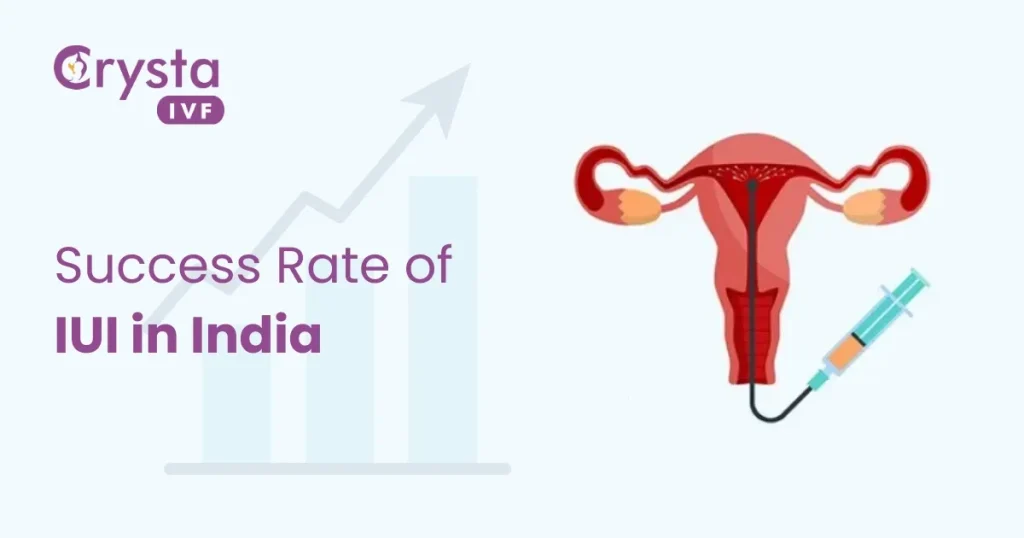
    success rate of IUI in India with a graphic of a uterus and syringe alongside a rising graph

    The Emotional Bond: Surrogacy vs Adoption

    The Challenges of Surrogacy and Adoption:

    Both surrogacy and adoption come with their own set of challenges, which can impact the emotional bond between the child and the parents. In surrogacy, the intended parents may struggle with feelings of guilt or uncertainty as they are not the ones carrying the child. They may also face challenges with the surrogate, such as disagreements about the pregnancy or changes in the surrogate’s feelings towards the child.

    In adoption, the child may struggle with feelings of loss or confusion about their biological family, especially in cases of international adoption. The adoptive parents may also face challenges in navigating the child’s past and helping them form a healthy sense of identity.

    The Importance of Openness:

    In both surrogacy and adoption, openness and communication play a crucial role in forming and maintaining the emotional bond between the child and the parents. In surrogacy, open communication with the surrogate can help ensure a smooth and positive experience for everyone involved. It can also help the child understand their story and the role the surrogate played in their life.

    In adoption, openness can also play a significant role in helping the child understand their past and form a healthy sense of identity. Many adoptive parents choose to have an open adoption, where there is ongoing communication and contact with the birth family. This can be beneficial for the child as they grow up, knowing they have a connection to their biological family.

    In Conclusion:

    The emotional bond between surrogacy and adoption is unique and complex. While surrogacy offers the opportunity for a genetic connection, adoption offers the chance to provide a loving and stable home for a child in need. Both options come with their own set of challenges, but with open communication and a strong commitment to the child’s well-being, a strong emotional bond can be formed.

    In the end, whether you choose surrogacy or adoption, what matters most is the love and bond that is formed between the child and the parents. Both options have the potential to create a beautiful and fulfilling family dynamic, and it is up to each individual or couple to decide which path is right for them.

    Summary:

    In this blog post, we explored the emotional bond between surrogacy and adoption. Surrogacy involves using a surrogate mother to carry a child for someone else, while adoption is the legal process of becoming the parent of a child who is not biologically related to you. Surrogacy offers the opportunity for a genetic connection, but adoption provides a loving and stable home for a child in need. Both options come with challenges, but with open communication, a strong emotional bond can be formed between the child and the parents. Ultimately, what matters most is the love and bond that is formed, regardless of the method chosen to grow or start a family.

  • Making the Decision: Surrogacy vs Adoption

    Blog Post: Making the Decision: Surrogacy vs Adoption

    Deciding to start a family is a major life decision, and for some couples, the journey to parenthood may not be as straightforward as they had hoped. For those struggling with fertility issues or unable to conceive naturally, the options of surrogacy and adoption can offer hope and a chance to fulfill their dream of becoming parents. However, choosing between surrogacy and adoption can be a difficult and confusing decision. In this blog post, we will explore the pros and cons of both surrogacy and adoption, and provide some guidance on how to make the best decision for your family.

    Surrogacy: What is it?

    Surrogacy is a process in which a woman carries a baby for another person or couple, also known as the intended parents. There are two types of surrogacy: traditional and gestational. In traditional surrogacy, the surrogate mother is also the biological mother of the child, as her egg is fertilized by the intended father’s sperm. In gestational surrogacy, the surrogate mother carries the child but is not biologically related to the baby. Instead, the embryo is created through in vitro fertilization (IVF) using the intended parents’ sperm and egg or a donor’s sperm or egg.

    Pros of Surrogacy

    One of the main advantages of surrogacy is that the intended parents can have a biological connection to the child. This can be particularly important for couples who are unable to conceive naturally or for same-sex couples who want to have a child with both of their DNA. Surrogacy also allows the intended parents to have control over the pregnancy and prenatal care, which can be reassuring for some couples. Additionally, surrogacy can be a faster process compared to adoption, as there is no lengthy waiting period.

    Cons of Surrogacy

    The biggest downside of surrogacy is the cost. Surrogacy can be a very expensive process, with estimated costs ranging from $90,000 to $130,000 in the United States. This high cost is due to the legal and medical expenses, as well as compensation for the surrogate mother. Another potential con of surrogacy is the emotional and legal complexities involved. The relationship between the surrogate mother and the intended parents can be complicated, and there have been cases where the surrogate mother has changed her mind and decided to keep the baby. This can lead to legal battles and emotional turmoil for all parties involved.

    Adoption: What is it?

    Adoption is the legal process of becoming the parent of a child who is not biologically related to you. There are different types of adoption, including domestic adoption, international adoption, and foster care adoption. In domestic adoption, the child is born in the same country as the adoptive parents, while in international adoption, the child is born in a different country. Foster care adoption involves adopting a child who is in the foster care system.

    Illustration of a uterus with a syringe indicating an intrauterine insemination procedure.

    Making the Decision: Surrogacy vs Adoption

    Pros of Adoption

    One of the biggest advantages of adoption is the potential to provide a loving home for a child in need. By adopting a child, you are giving them a chance to have a stable and loving family. Adoption can also be a more affordable option compared to surrogacy, with costs ranging from $0 to $50,000, depending on the type of adoption. Additionally, the adoption process is highly regulated, and there are strict laws in place to protect the rights of the child, the birth parents, and the adoptive parents.

    Cons of Adoption

    The main disadvantage of adoption is the uncertainty and waiting period involved. Depending on the type of adoption, the process can take anywhere from a few months to several years. This can be emotionally draining for couples who are eager to start a family. Another potential con is the lack of a biological connection to the child, which can be important to some couples. Additionally, the adoptive parents may face challenges in bonding with the child, especially if the child has been in the foster care system for a long time.

    Making the Decision: Surrogacy vs Adoption

    When it comes to deciding between surrogacy and adoption, there is no right or wrong answer. It ultimately comes down to your personal preferences, financial situation, and what you feel is best for your family. It is important to carefully consider all the factors involved, including the cost, legal complexities, and emotional implications.

    It may also be helpful to seek guidance from a fertility specialist or adoption agency to fully understand the process and what to expect. Additionally, it is important to have open and honest communication with your partner throughout the decision-making process.

    In the end, both surrogacy and adoption offer the opportunity to create a loving family and fulfill the dream of parenthood. Whichever path you choose, it is a decision that should be made with careful consideration and the utmost love and dedication to your future child.

    Summary:

    Deciding between surrogacy and adoption can be a difficult decision for couples struggling with fertility issues. Surrogacy involves a woman carrying a baby for the intended parents, while adoption is the legal process of becoming a parent to a child who is not biologically related. Surrogacy offers the advantage of a biological connection to the child, while adoption allows couples to provide a loving home to a child in need. However, surrogacy is a costly and complex process, while adoption can involve a lengthy waiting period and lack of a biological connection. The decision ultimately depends on personal preferences and what is best for the family. Seeking guidance from a specialist and open communication with your partner can help in making the decision.

  • The Impact on the Child: Surrogacy vs Adoption

    Blog Post Title: The Impact on the Child: Surrogacy vs Adoption

    Introduction:

    The decision to become a parent is a life-changing one that comes with its own set of challenges and responsibilities. For many couples who are unable to conceive naturally, surrogacy and adoption are two viable alternatives. Both options offer the opportunity to become parents, but they also have their own unique impact on the child. In this blog post, we will explore the various aspects of surrogacy and adoption and how they affect the child.

    Surrogacy:

    Surrogacy is a process where a woman carries a child for another couple or individual. There are two types of surrogacy – traditional surrogacy and gestational surrogacy. In traditional surrogacy, the surrogate mother uses her own egg, making her the biological mother of the child. On the other hand, in gestational surrogacy, the surrogate mother carries a fertilized egg created through in-vitro fertilization (IVF) using the intended mother’s egg or a donor egg, making her the gestational carrier of the child.

    Impact on the Child:

    One of the primary concerns with surrogacy is the emotional impact it may have on the child. Unlike adoption, where the child is placed with adoptive parents after birth, the child in surrogacy is carried by another woman, which can create a sense of confusion and detachment. In traditional surrogacy, the child may also have a genetic connection to the surrogate mother, which can further complicate their identity and sense of belonging.

    Another significant impact on the child is the lack of a legal relationship with the surrogate mother. In most cases, the surrogate mother has no legal rights to the child, which can be unsettling for the child as they grow older and try to understand their origins.

    Adoption:

    Adoption is a legal process where the rights and responsibilities of biological parents are transferred to adoptive parents. There are various types of adoption, including domestic, international, and foster care adoption. Each type has its own set of challenges and benefits, but they all involve giving a child a permanent and loving home.

    diagram of the female reproductive system with an IUI syringe and test tube for artificial insemination

    The Impact on the Child: Surrogacy vs Adoption

    Impact on the Child:

    The primary impact of adoption on the child is the sense of belonging and security that comes with being a part of a family. In most cases, adoption happens after birth, which means the child has a legal relationship with their adoptive parents from the start. This can help the child build a strong sense of identity and eliminate any confusion or detachment that may arise in surrogacy.

    Moreover, adoption also offers the opportunity for an open adoption, where the child can maintain a relationship with their birth parents. This can help the child understand their origins and have a sense of connection to their biological family, which can be beneficial for their emotional well-being.

    Comparison:

    While both surrogacy and adoption offer the chance to become parents, they have their own unique impact on the child. Surrogacy may struggle with issues of identity and detachment, while adoption provides a sense of belonging and security. However, adoption also has its own set of challenges, such as the child’s potential feelings of abandonment by their birth parents.

    In terms of cost, surrogacy tends to be more expensive than adoption, which can be a significant barrier for many couples. Adoption also involves a lengthy process, including home studies and background checks, which can take months or even years to complete. On the other hand, surrogacy can often be a quicker process, but it still involves extensive medical procedures and legal agreements.

    Conclusion:

    In the end, the decision between surrogacy and adoption ultimately depends on the individual circumstances of the couple or individual seeking to become parents. Both options offer their own unique set of challenges and benefits, and it is essential to carefully consider the impact on the child before making a decision. It is also crucial to seek guidance from professionals and have open and honest discussions with all parties involved to ensure the best outcome for the child.

    Summary:

    The decision to become a parent is a life-changing one that comes with its own set of challenges and responsibilities. For couples who are unable to conceive naturally, surrogacy and adoption are two viable alternatives. Surrogacy involves a woman carrying a child for another couple or individual, while adoption is a legal process where the rights and responsibilities of biological parents are transferred to adoptive parents. Both options have their own unique impact on the child, with surrogacy struggling with issues of identity and detachment, while adoption provides a sense of belonging and security. The final decision ultimately depends on the individual circumstances, and it is crucial to carefully consider the impact on the child before making a decision.

  • Surrogacy vs Adoption: Which option is right for you?

    Surrogacy vs Adoption: Which Option is Right for You?

    Deciding to expand your family is a big step and it often comes with a lot of questions and considerations. For some, the traditional route of conceiving a child may not be an option, leading to the decision to pursue alternative methods such as surrogacy or adoption. Both of these options have their own unique benefits and challenges, making the decision of which one is right for you and your family a difficult one. In this blog post, we will explore the differences between surrogacy and adoption, as well as the factors to consider when making this important decision.

    Surrogacy is when a woman carries and gives birth to a child for another individual or couple. There are two types of surrogacy: traditional and gestational. Traditional surrogacy involves the surrogate mother using her own eggs to conceive the child, while gestational surrogacy involves the use of a donor egg or embryo. In both cases, the surrogate mother carries the pregnancy to term and gives birth to the child, but does not have any genetic relation to the child.

    On the other hand, adoption is the legal process of becoming the parent of a child who is not biologically related to you. This can be done through a private agency, through the foster care system, or through international adoption. The process can be lengthy and involves thorough background checks and evaluations to ensure the best interests of the child.

    Now that we have a basic understanding of the two options, let’s explore some of the factors to consider when deciding between surrogacy and adoption.

    1. Genetic Connection

    One of the main differences between surrogacy and adoption is the genetic connection to the child. Surrogacy allows for the intended parents to have a genetic connection to the child, either through the use of their own eggs and sperm or through the use of a donor egg or sperm. This can be a significant factor for some individuals and couples who wish to have a biological link to their child.

    On the other hand, adoption does not provide a genetic connection to the child. This may or may not be important to the prospective parents, but it is something to consider when making the decision. Some adoptive parents may feel a sense of loss or grief over not having a genetic connection to their child, while others may not view it as a significant factor.

    2. Cost

    Another important factor to consider is the cost of surrogacy and adoption. Surrogacy can be a very expensive process, with costs ranging from $90,000 to $130,000 on average. This includes the cost of IVF, the surrogate mother’s compensation, medical expenses, legal fees, and agency fees. The cost can vary depending on the type of surrogacy and the location.

    Adoption, on the other hand, can also be costly, but the costs are typically lower than surrogacy. Domestic adoption can range from $20,000 to $40,000, while international adoption can cost upwards of $50,000. Foster care adoption is the most affordable option, with minimal costs involved.

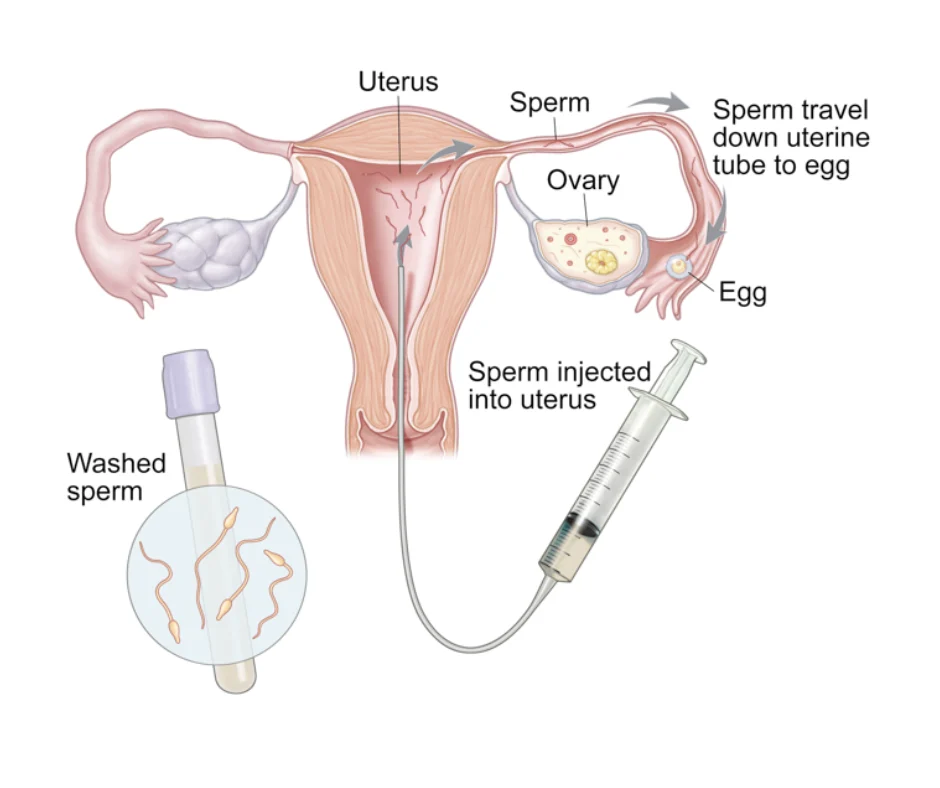
    diagram illustrating intrauterine insemination process, showing sperm injection into the uterus and egg fertilization pathway

    Surrogacy vs Adoption: Which option is right for you?

    3. Legal Considerations

    Both surrogacy and adoption involve legal processes and considerations. Surrogacy contracts must be carefully drafted and reviewed to ensure the rights and responsibilities of all parties involved are clearly stated. In some states, surrogacy is not legally recognized, making the process more complicated.

    Adoption also involves legal procedures and the involvement of an adoption agency or attorney. The process can vary depending on the type of adoption and the location. It is important to research and understand the legal requirements and procedures involved in both surrogacy and adoption before making a decision.

    4. Emotional Impact

    The emotional impact of surrogacy and adoption can also be a significant factor to consider. Surrogacy can be emotionally challenging for both the intended parents and the surrogate mother. The surrogate mother may experience a range of emotions, including attachment to the child she is carrying. The intended parents may also experience anxiety and stress, as they have no control over the pregnancy and the well-being of their child until birth.

    Adoption can also be emotionally challenging, as it involves the placement of a child who has been separated from their birth parents. Adoptive parents may experience a range of emotions, including fear, anxiety, and joy. It is important for prospective parents to carefully consider their emotional readiness for both surrogacy and adoption.

    5. Timeframe

    The timeframe for surrogacy and adoption can also differ significantly. Surrogacy can take up to a year or longer, depending on the availability of a suitable surrogate mother and the success of the IVF process. The legal procedures and contracts involved can also contribute to the length of the process.

    Adoption can also be a lengthy process, as it involves background checks, evaluations, and legal procedures. Domestic adoption can take anywhere from 1 to 2 years, while international adoption can take up to 2 to 4 years. Foster care adoption can take less time, but it also depends on the availability of suitable children for adoption.

    So which option is right for you? The answer will ultimately depend on your personal preferences, needs, and circumstances. Surrogacy may be the best option for those who want a genetic connection to their child and have the financial means to pursue the process. Adoption may be a better fit for those who are open to providing a loving home to a child in need and are prepared for the emotional and legal aspects involved.

    In summary, both surrogacy and adoption are viable options for expanding your family, but they each have their own unique benefits and challenges. It is important to carefully consider factors such as genetic connection, cost, legal considerations, emotional impact, and timeframe before making a decision. It is also helpful to seek guidance and support from professionals and others who have gone through the process. Ultimately, the most important thing is providing a loving and stable home for a child, regardless of the method of bringing them into your family.

  • The Pros and Cons of Surrogacy vs Adoption

    Blog Post:

    Surrogacy and adoption are two ways for individuals or couples to start or expand their family. Both options have their own unique benefits and challenges, and it is important to carefully consider all factors before making a decision. In this blog post, we will explore the pros and cons of surrogacy and adoption, to help you make an informed decision.

    Surrogacy is a process where a woman carries a child for another person or couple, usually through in vitro fertilization (IVF) or artificial insemination. The surrogate mother is not genetically related to the child, and the intended parents are the legal parents from the moment of conception. On the other hand, adoption is the legal process of becoming a parent to a child who is not biologically related to you. This can be through domestic or international adoption, and the adoptive parents become the legal parents of the child.

    Pros of Surrogacy:

    1. Biological Connection: One of the biggest advantages of surrogacy is that the intended parents can have a biological connection to the child. This can be especially important for couples who are unable to conceive naturally or have fertility issues. Surrogacy allows them to have a child who is genetically related to them.

    2. Control and Involvement: Surrogacy also gives the intended parents more control and involvement in the pregnancy and birth process. They can choose the surrogate mother and be involved in every step of the pregnancy, from prenatal care to the birth of the child. This can be a very special and meaningful experience for the intended parents.

    3. Gestational Surrogacy: With gestational surrogacy, the surrogate mother is not genetically related to the child, which means there is no risk of her changing her mind and wanting to keep the baby. This gives the intended parents more security and peace of mind.

    4. Avoids Adoption Process: Surrogacy can be a quicker and less complicated process compared to adoption. With adoption, there are many legal and bureaucratic steps involved, and it can take a long time to finalize the adoption. Surrogacy, on the other hand, can be a more straightforward process, especially with gestational surrogacy.

    Cons of Surrogacy:

    1. High Cost: Surrogacy can be a very expensive process, as it involves medical procedures, legal fees, and compensation for the surrogate mother. The cost can vary depending on the country and the type of surrogacy, but it is generally a significant financial investment.

    2. Emotional Challenges: Surrogacy can also bring about emotional challenges for all parties involved. The intended parents may struggle with feelings of guilt or helplessness, as they are not physically carrying the child. The surrogate mother may also experience emotional attachment to the baby, which can be difficult when it is time to give the baby to the intended parents.

    test tube with sperm in blue liquid, promoting IUI success rate and factors influencing fertility.

    The Pros and Cons of Surrogacy vs Adoption

    3. Legal Complications: Surrogacy can also come with legal complications, especially if it is done in a country where surrogacy is not regulated. There have been cases where the intended parents were unable to bring the baby back to their home country, resulting in a long and costly legal battle.

    Pros of Adoption:

    1. Gives a Child a Loving Home: Adoption provides a child with a loving and stable home. There are millions of children around the world who are in need of a home, and by adopting, you are giving a child a chance at a better life.

    2. Less Expensive: Adoption can be a more affordable option compared to surrogacy. There are often adoption subsidies and financial assistance available for families who want to adopt, making it more accessible for those who may not have the financial means for surrogacy.

    3. Emotional Connection: With adoption, there is the opportunity to form a strong emotional connection with the child. Many adoptive parents find this to be a fulfilling and rewarding experience, as they watch the child grow and thrive in their care.

    4. Variety of Options: There are various types of adoption, such as domestic, international, and foster care adoption, allowing families to choose the option that best suits their needs and preferences.

    Cons of Adoption:

    1. Lengthy Process: Adoption can be a lengthy process, often taking several years to complete. This can be a challenging and frustrating experience for families who are eager to start or expand their family.

    2. Potential for Attachment Issues: Adopted children may struggle with attachment issues, especially if they have experienced trauma or multiple placements. This can make the bonding process more difficult for both the child and the adoptive parents.

    3. Uncertainty of Medical History: With adoption, there is often limited information about the child’s medical history and genetic background. This can make it challenging for adoptive parents to manage any potential health issues that may arise.

    4. Legal Challenges: Adoption can also come with legal challenges, especially in cases where the biological parents contest the adoption or there are complications with the birth parents’ rights.

    In summary, both surrogacy and adoption have their own set of pros and cons. Surrogacy allows for a biological connection and more control over the pregnancy, but it can be a costly and emotionally challenging process. Adoption provides a loving home for a child in need, but it can be a lengthy and uncertain process. Ultimately, the decision between surrogacy and adoption should be based on what is best for the intended parents and the child.

  • Choosing Your Path: Single Motherhood vs Traditional Family Planning for LGBTQ+ Individuals

    Blog Post Title: Choosing Your Path: Single Motherhood vs Traditional Family Planning for LGBTQ+ Individuals

    Summary:

    In today’s society, the traditional notion of a family has evolved to include a wide range of diverse family structures. For LGBTQ+ individuals, the decision to start a family may bring about unique challenges and considerations. One of the biggest decisions to make when starting a family as an LGBTQ+ individual is whether to pursue single motherhood or traditional family planning. While both paths have their own set of pros and cons, it ultimately comes down to what is best for the individual and their future family.

    Single Motherhood:

    Choosing to become a single mother as an LGBTQ+ individual can be a daunting but empowering decision. It allows individuals to take control of their own reproductive choices and create a family on their own terms. For single LGBTQ+ individuals, becoming a parent through donor insemination or adoption provides a sense of fulfillment and purpose. It also eliminates the societal pressure to conform to traditional family structures and roles.

    However, single motherhood also comes with its challenges. The financial burden of raising a child on one income may be overwhelming, and the lack of a partner for emotional and physical support can be difficult. Single mothers also face the possibility of discrimination and stigmatization from society, which can make the journey even more challenging.

    Traditional Family Planning:

    illustration of an intrauterine insemination procedure with medical instruments and anatomical details

    Choosing Your Path: Single Motherhood vs Traditional Family Planning for LGBTQ+ Individuals

    For LGBTQ+ couples, traditional family planning may involve exploring options such as adoption, surrogacy, or co-parenting. These options allow for a shared experience of parenthood and the opportunity to raise a child as a family unit. Traditional family planning also provides the support and stability of a partner, which can be beneficial for both the parents and the child.

    However, the process of traditional family planning can be complex and expensive. Adoption and surrogacy can involve lengthy legal procedures, and co-parenting may require careful consideration and communication between all parties involved. LGBTQ+ individuals may also face discrimination during the process, making it emotionally and mentally taxing.

    Factors to Consider:

    When deciding between single motherhood and traditional family planning, there are several factors that LGBTQ+ individuals should consider. These include their financial stability, emotional readiness, and support system. It is important to have a strong support system in place, whether it is through friends, family, or a community of other LGBTQ+ individuals and families.

    Another important factor to consider is the legal rights and protections of both the parents and the child. In some places, single parenthood may not be recognized, and legal rights may be limited for LGBTQ+ parents. It is crucial to research and understand the legal implications of each option before making a decision.

    Ultimately, the decision between single motherhood and traditional family planning should be based on what feels right for the individual or couple. Every family is unique, and what works for one may not work for another. It is important for LGBTQ+ individuals to trust their instincts and make the best decision for themselves and their future family.

    In conclusion, starting a family as an LGBTQ+ individual is a personal and life-changing decision. Whether one chooses single motherhood or traditional family planning, both paths have their own set of challenges and rewards. By considering the factors mentioned above and trusting one’s instincts, LGBTQ+ individuals can choose the path that feels right for them and embark on the journey of parenthood with confidence and pride.