Tag: emotional toll

  • Navigating the Challenges of Insemination: DIY vs Medical

    Navigating the Challenges of Insemination: DIY vs Medical

    Insemination, also known as artificial insemination, is a method of assisted reproduction that involves placing sperm into the reproductive tract of a woman in order to achieve pregnancy. While traditionally done in a medical setting, there has been a rise in do-it-yourself (DIY) insemination methods. Both options have their own set of challenges and it can be difficult for individuals or couples to decide which route is best for them. In this blog post, we will explore the pros and cons of DIY insemination versus medical insemination and help you navigate through the challenges of each.

    DIY Insemination

    DIY insemination involves using at-home insemination kits or methods to achieve pregnancy. These methods can include using a syringe, turkey baster, or cervical cap to insert sperm into the vagina, cervix, or uterus. While DIY insemination may seem appealing due to its lower cost and convenience, there are several challenges that individuals may face.

    One of the main challenges of DIY insemination is the lack of medical supervision. Without the guidance of a healthcare professional, individuals may not be aware of potential risks or complications that could arise during the process. For example, if the sperm used is not properly screened, there is a risk of transmitting sexually transmitted infections or genetic disorders to the recipient. Additionally, without medical supervision, there is a higher risk of improper technique leading to a lower success rate.

    Another challenge of DIY insemination is the emotional toll it can take on individuals or couples. DIY insemination can be a long and emotionally draining process, especially if multiple attempts are needed. The lack of support and guidance from a healthcare professional can make it difficult for individuals to cope with the emotional rollercoaster of trying to achieve pregnancy.

    Medical Insemination
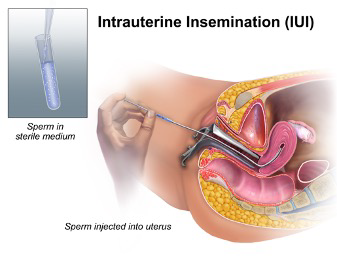
    Illustration of intrauterine insemination (IUI) procedure, showing sperm injection into the uterus.

    Navigating the Challenges of Insemination: DIY vs Medical

    On the other hand, medical insemination involves the guidance and oversight of a healthcare professional. This can include intrauterine insemination (IUI) or in vitro fertilization (IVF) procedures. While medical insemination may come with a higher cost, there are several advantages to this method.

    One of the main challenges of medical insemination is the financial burden it can place on individuals or couples. Depending on the type of procedure and any additional treatments needed, the cost of medical insemination can range from a few thousand dollars to tens of thousands of dollars. This can be a significant barrier for those who do not have insurance coverage or the financial means to afford it.

    Another challenge of medical insemination is the emotional toll it can take on individuals or couples. The process can be physically and emotionally demanding, and the success rates may not be as high as expected. This can lead to feelings of disappointment, frustration, and even grief for those who are unable to achieve pregnancy through medical insemination.

    Navigating the Challenges

    Choosing between DIY insemination and medical insemination can be a difficult decision, but it is important to carefully consider the challenges and risks involved before making a choice. For those considering DIY insemination, it is crucial to thoroughly research and understand the process, as well as seek guidance from a healthcare professional. This can help ensure that the sperm used is properly screened and that the procedure is done correctly, minimizing potential risks.

    For those considering medical insemination, it is important to carefully evaluate the financial costs and potential emotional impact. It may also be helpful to seek support from other individuals or couples who have gone through similar procedures. Consulting with a fertility specialist can also provide valuable information and guidance in making the best decision for your specific situation.

    In summary, the decision between DIY insemination and medical insemination is not an easy one. Both options have their own set of challenges and it is important to carefully consider the risks and potential outcomes before proceeding. Seeking guidance from a healthcare professional and finding a support system can help individuals navigate through the challenges and increase their chances of achieving a successful pregnancy.

  • The Emotional Toll of Failed Insemination Attempts

    Blog Post Title: The Emotional Toll of Failed Insemination Attempts

    Insemination, also known as artificial insemination or intrauterine insemination, is a common fertility treatment used by couples struggling to conceive. It involves the direct placement of sperm into a woman’s uterus during the most fertile time of her menstrual cycle. While this procedure may seem like a simple and straightforward solution for those facing fertility issues, the reality is that it can be emotionally draining, especially when multiple attempts end in failure.

    Insemination attempts can fail for various reasons, such as poor sperm quality, timing issues, or underlying medical conditions. Unfortunately, each unsuccessful attempt can take a toll on the emotional well-being of those going through it. In this blog post, we will delve into the emotional impact of failed insemination attempts and discuss ways to cope with the rollercoaster of emotions that come with it.

    Disappointment and Grief
    The most common emotion experienced by couples after a failed insemination attempt is disappointment. This disappointment can quickly turn into a sense of grief, especially when the couple has been trying to conceive for an extended period. Many couples have spent months or even years preparing for insemination, both financially and emotionally, only to have their hopes dashed with a negative pregnancy test. The feeling of grief can be overwhelming, as couples mourn the loss of what they had hoped would be their miracle solution.

    Frustration and Self-Blame
    Another common emotion that can arise from failed insemination attempts is frustration. For many couples, insemination is seen as a last resort after exhausting other fertility treatments. So when it fails, it can lead to feelings of hopelessness and frustration with the process. This frustration can turn inward, with couples blaming themselves for not doing something right or not being good enough. The self-blame game can be mentally and emotionally exhausting, leading to feelings of guilt and inadequacy.

    Anxiety and Fear
    The fear of the unknown can be overwhelming for couples undergoing insemination. The uncertainty of whether the procedure will be successful or not can create a constant state of anxiety. Each failed attempt can intensify this anxiety, making the next insemination cycle even more stressful. Fear can also arise from the thought of having to go through the procedure again and the potential financial and emotional strain it may bring. This constant state of worry and fear can take a toll on a person’s mental and emotional well-being.

    Strain on Relationships
    Going through insemination can be a challenging time for couples, and failed attempts can put a strain on their relationship. The emotional rollercoaster of insemination can lead to arguments, misunderstandings, and even resentment between partners. The disappointment, frustration, and anxiety can cause couples to withdraw from each other or lash out, making it difficult to communicate effectively. This strain on relationships can be a significant source of stress for the couple and can add to the already emotionally charged atmosphere.

    Comparison of IUI and IVF treatments with diagrams of reproductive anatomy.

    The Emotional Toll of Failed Insemination Attempts

    Coping Strategies
    Dealing with the emotional toll of failed insemination attempts is crucial for couples to move forward with their fertility journey. Here are some coping strategies that can help:

    1. Allow yourself to grieve: It is essential to acknowledge and process your emotions after a failed insemination attempt. Allow yourself to grieve the loss of what you had hoped would be a successful pregnancy.

    2. Seek support: Do not go through this journey alone. Reach out to your partner, family, friends, or a therapist to talk about your feelings and receive emotional support.

    3. Take care of yourself: Make self-care a priority. Engage in activities that bring you joy, practice relaxation techniques, and prioritize your physical health.

    4. Communicate with your partner: Keep the lines of communication open with your partner. Share your feelings and fears, and work together to support each other through this difficult time.

    5. Seek professional help: If the emotional toll of failed insemination attempts becomes too much to handle, do not hesitate to seek professional help. A therapist can provide you with coping strategies and support to navigate this challenging journey.

    In conclusion, failed insemination attempts can take a significant emotional toll on couples struggling to conceive. The disappointment, grief, frustration, and anxiety can be overwhelming and challenging to navigate. However, by acknowledging and processing these emotions and seeking support, couples can cope with the emotional rollercoaster and move forward with their fertility journey.

    Summary: Failed insemination attempts can be emotionally draining for couples struggling to conceive. The disappointment, grief, frustration, and anxiety can take a toll on their mental and emotional well-being. It can also put a strain on their relationships. However, by allowing themselves to grieve, seeking support, taking care of themselves, communicating with their partners, and seeking professional help, couples can cope with the emotional toll and move forward with their fertility journey.

  • The Emotional Toll of Failed Fertility Medications vs Surgical Treatments

    Blog Post:

    Trying to conceive a child is an emotional journey filled with highs and lows. For some couples, the process is smooth and effortless, while for others, it can be long and challenging. In cases of infertility, many couples turn to fertility medications or surgical treatments as a solution. However, these options come with their own set of emotional tolls. In this blog post, we will explore the emotional impact of failed fertility medications versus surgical treatments, and how to cope with the rollercoaster of emotions that come with them.

    Failed Fertility Medications:

    Fertility medications, also known as ovulation induction drugs, are often the first line of treatment for couples struggling with infertility. These medications work by stimulating the ovaries to produce more eggs, increasing the chances of conception. However, they can also come with a host of side effects and a high risk of multiple pregnancies.

    For couples who have been trying for a baby for a long time, the news of infertility can be devastating. The hope that fertility medications bring can quickly turn into disappointment and frustration when they fail. The emotional toll of failed fertility medications can be overwhelming, as couples are faced with the reality that their dream of having a child may not come true as easily as they had hoped.

    The constant monitoring and injections can also take a toll on a person’s mental health. The ups and downs of hormone levels can lead to mood swings and feelings of anxiety and depression. The pressure of timing intercourse and the disappointment of negative pregnancy tests can also add to the emotional burden. It is not uncommon for couples to experience feelings of inadequacy, guilt, and even resentment towards their partner during this time.

    Moreover, the financial strain of fertility medications can also add to the emotional distress. These medications can be expensive, and insurance coverage may not always cover the full cost. The fear of running out of options and the thought of starting over can lead to a sense of hopelessness and despair.

    Surgical Treatments:

    When fertility medications fail, couples may turn to surgical treatments such as intrauterine insemination (IUI) or in vitro fertilization (IVF). These treatments are more invasive and come with a higher success rate, but they also carry a heavier emotional toll.

    Comparison of IUI and IVF, illustrating procedures and definitions for each fertility treatment.

    The Emotional Toll of Failed Fertility Medications vs Surgical Treatments

    Surgical treatments require more preparation and planning, from undergoing various tests and procedures to the actual surgery itself. The anticipation and anxiety leading up to the surgery can be overwhelming. The fear of the unknown and the potential risks involved can cause a great deal of stress and worry.

    The physical recovery after the surgery can also be emotionally draining. Couples may have to take time off work, and the physical discomfort can affect their daily activities and relationships. Furthermore, the emotional toll of failed surgical treatments can be devastating. After investing time, money, and energy into the process, the disappointment of a failed procedure can be crushing.

    The emotional impact of failed surgical treatments can also extend to the relationship between partners. The stress and strain of the process can lead to conflicts, and the pressure to conceive can take a toll on intimacy and communication. The emotional toll of failed surgical treatments can also have a ripple effect on other areas of life, such as work, friendships, and overall well-being.

    Coping with the Emotional Toll:

    Dealing with infertility and the emotional toll of failed treatments can be a lonely and isolating experience. It is essential to remember that these feelings are normal and valid and that you are not alone. Seeking support from loved ones and joining support groups can be beneficial in coping with the emotional toll.

    It is also essential to take care of your mental and emotional health during this time. Engage in activities that bring you joy and help you relax. Seeking counseling or therapy can also provide a safe space to express your feelings and learn coping mechanisms.

    Communicating openly and honestly with your partner is crucial in navigating the emotional toll of fertility treatments. Remember that you are in this together and support each other through the highs and lows. It is also essential to set realistic expectations and be gentle with yourselves. Remember that fertility treatments do not define your worth as individuals or as a couple.

    In conclusion, both failed fertility medications and surgical treatments can take a significant emotional toll on couples struggling with infertility. The rollercoaster of hope, disappointment, and stress can be overwhelming, but it is essential to remember that you are not alone. With support, self-care, and open communication, you can navigate through this journey and come out stronger together.

    Summary:

    The journey to conceive a child can be emotionally challenging, and for couples struggling with infertility, the process can be even more difficult. Failed fertility medications and surgical treatments can take a toll on a person’s mental and emotional well-being. The disappointment, stress, and financial strain can lead to feelings of hopelessness, guilt, and resentment. However, seeking support, taking care of one’s mental health, and communicating openly with a partner can help cope with the emotional toll and navigate through the journey of infertility.

  • The Emotional Toll of Multiple Attempts at At-Home Insemination

    Blog Post Title: The Emotional Toll of Multiple Attempts at At-Home Insemination

    Summary:

    Trying to conceive a child through at-home insemination can be an emotionally taxing journey for many couples. While it may seem like a simple and affordable option, the reality is that it can take a toll on one’s mental and emotional well-being, especially if multiple attempts are needed. In this blog post, we will discuss the emotional challenges that couples face when attempting at-home insemination multiple times and provide tips on how to cope with these difficulties.

    The Emotional Rollercoaster of At-Home Insemination:

    The journey of trying to conceive a child through at-home insemination is often filled with a rollercoaster of emotions. The excitement and anticipation of starting a family can quickly turn into disappointment and frustration when the first attempt is unsuccessful. For many couples, this can be a devastating blow and can lead to feelings of sadness, guilt, and even anger. As they continue to try multiple times, the emotional toll can become even greater.

    Dealing with Disappointment and Frustration:

    Each unsuccessful attempt at at-home insemination can bring about feelings of disappointment and frustration. For some, this may mean feeling like their body has failed them or that they are not capable of conceiving a child. This can lead to a sense of inadequacy and self-doubt, which can take a toll on one’s self-esteem and confidence. Furthermore, the financial burden of purchasing fertility kits and supplies for each attempt can add to the frustration and stress of the situation.

    Managing Stress and Anxiety:

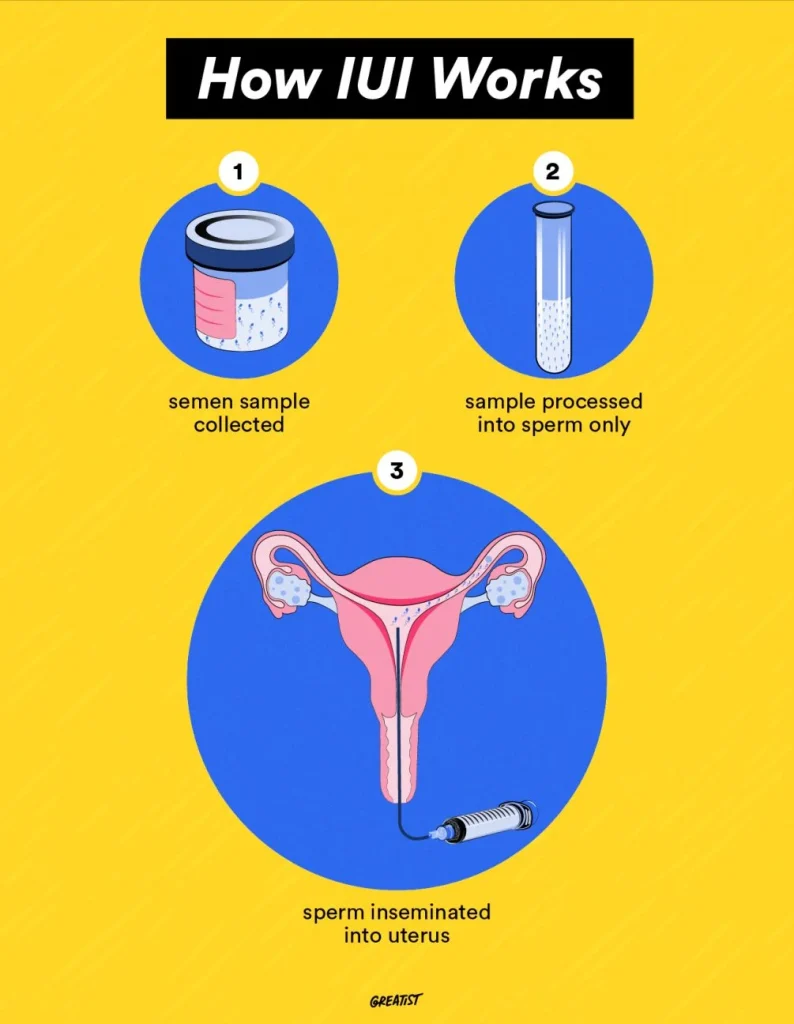
    illustration explaining the steps of intrauterine insemination (IUI) process on a bright yellow background

    The Emotional Toll of Multiple Attempts at At-Home Insemination

    The pressure of trying to conceive can also cause significant stress and anxiety for couples attempting at-home insemination. The constant focus on ovulation cycles, timing, and the success of each attempt can become overwhelming and take a toll on one’s mental health. This can lead to feelings of anxiety, which can affect both partners’ emotional well-being and the overall relationship.

    The Impact on Relationships:

    Trying to conceive through at-home insemination can also have a significant impact on relationships. The emotional and physical strain of multiple attempts and unsuccessful results can cause tension and strain between partners. This can lead to conflicts, misunderstandings, and feelings of resentment towards each other. The added pressure of trying to conceive can also take away from the intimacy and enjoyment of the relationship, causing further strain on the couple’s emotional connection.

    Coping with the Emotional Toll:

    It is essential for couples attempting at-home insemination to prioritize their emotional well-being and find ways to cope with the emotional toll. One way to do this is by seeking support from friends and family who can provide a listening ear and offer words of encouragement. Joining support groups or online communities for couples going through a similar experience can also provide a sense of understanding and validation, which can be comforting during this journey.

    Additionally, it is crucial to take breaks and allow time for self-care. Engaging in activities that bring joy and relaxation, such as exercise, meditation, or hobbies, can help reduce stress and improve emotional well-being. Seeking professional counseling can also be beneficial in navigating the emotional challenges of attempting at-home insemination.

    The Decision to Seek Medical Assistance:

    After multiple attempts at at-home insemination with no success, couples may need to consider seeking medical assistance. This decision can bring about a mix of emotions, including hope, fear, and anxiety. However, it is essential to remember that medical assistance does not mean failure or giving up. It is simply another option to explore in the journey to starting a family.

    In conclusion, the emotional toll of attempting at-home insemination multiple times can be a challenging and overwhelming experience for couples. It is crucial to prioritize emotional well-being, seek support, and find ways to cope with the ups and downs of the journey. Remember to be kind to yourself and your partner, and know that you are not alone in this journey towards starting a family.

  • and Wanting a Child: The Price of Fertility Treatments and Adoption

    As human beings, our innate desire for love and connection often leads us to envision a future filled with a loving partner and children. However, for many couples, the journey to parenthood is not as straightforward as they had hoped. Infertility affects approximately 1 in 8 couples, and the emotional toll it takes on their lives is immeasurable. As a result, many couples turn to fertility treatments and adoption in the hopes of fulfilling their dream of having a child. However, these options come with a hefty price tag, both financially and emotionally. In this blog post, we will explore the high costs associated with fertility treatments and adoption and the impact it has on individuals and families.

    Fertility treatments have become increasingly popular in recent years, with advancements in technology and medical procedures. In vitro fertilization (IVF) is one of the most common and successful fertility treatments, but it comes with a hefty price tag. The average cost of one IVF cycle in the United States is $12,000, and most couples require multiple cycles before achieving a successful pregnancy. This means that the total cost of IVF can easily reach tens of thousands of dollars, leaving many couples struggling to afford it.
    The high cost of fertility treatments is not just limited to IVF. Other procedures such as intrauterine insemination (IUI), fertility drugs, and egg freezing also come with significant expenses. And unlike other medical treatments, most insurance companies do not cover the costs of fertility treatments, leaving couples to bear the burden on their own. This financial strain can take a toll on a couple’s relationship, as they navigate the emotional and financial stress of trying to conceive.

    In addition to the financial strain, fertility treatments also come with physical and emotional challenges. The process of undergoing fertility treatments can be physically demanding, with frequent doctor appointments, hormone injections, and invasive procedures. The emotional toll of constantly hoping for a positive pregnancy test, only to face disappointment month after month, can be overwhelming. Many couples also experience feelings of guilt and shame for not being able to conceive naturally, adding to the already heavy emotional burden.

    For couples who are unable to conceive through fertility treatments, adoption may seem like the next logical step. However, adoption also comes with a significant price tag. The average cost of a domestic adoption in the United States is between $40,000 to $50,000, while international adoptions can cost upwards of $60,000. These costs include legal fees, agency fees, home studies, and travel expenses. For many couples, this is a significant financial investment, and the thought of taking on such a large expense can be daunting.

    The high costs of adoption also come with emotional challenges. The adoption process can be lengthy and uncertain, with no guarantee of a successful placement. Many couples face the heartache of being matched with a child, only to have the birth parents change their minds and decide to keep the baby. This rollercoaster of emotions can take a toll on the mental health of individuals and couples, adding to the already stressful process of trying to become parents.

    Comparison of IUI and IVF treatments with diagrams of reproductive anatomy.

    and Wanting a Child: The Price of Fertility Treatments and Adoption

    Despite the financial and emotional challenges, many couples are willing to do whatever it takes to have a child. They see the love and joy that a child can bring and are determined to make their dreams of parenthood a reality. However, this determination can also lead some couples down a dangerous path, as they become vulnerable to scams and unethical practices in the world of fertility treatments and adoption.

    In the world of fertility treatments, unscrupulous doctors may take advantage of desperate couples by recommending unnecessary procedures or charging exorbitant fees. In the adoption world, there have been cases of fraud and exploitation, where birth parents are coerced into giving up their child or adoptive parents are scammed out of their money. These situations can not only result in financial loss but also cause significant emotional trauma for all involved.

    So, what can be done about the high costs of fertility treatments and adoption? Some countries, such as France, Germany, and the United Kingdom, offer government-funded fertility treatments to their citizens. This significantly reduces the financial burden on individuals and couples, making it more accessible for those who want to start a family. In the United States, some states have laws that require insurance companies to cover fertility treatments, but it is not a nationwide mandate.

    For adoption, there are also options to help ease the financial burden. Some organizations offer grants and loans specifically for adoption, and some employers provide adoption assistance as part of their employee benefits. However, these options may not be available to everyone, and the reality is that for many couples, the high costs of fertility treatments and adoption may simply be out of reach.

    In conclusion, the desire to have a child is a fundamental human instinct, and for many couples, fertility treatments and adoption may be the only options to make that dream a reality. However, the high costs associated with these options can have a significant impact on individuals and families, both financially and emotionally. While there are some measures in place to alleviate the financial burden, more needs to be done to make these options accessible to everyone. No one should have to sacrifice their financial stability or mental well-being to become a parent.

    Summary:

    The journey to parenthood is not always easy, and for many couples, fertility treatments and adoption are the only options to have a child. However, these options come with a high price tag, both financially and emotionally. Fertility treatments, such as IVF, can cost tens of thousands of dollars, and adoption can cost upwards of $50,000. These costs not only strain a couple’s finances but also take a toll on their emotional well-being. The desperation to have a child can also make couples vulnerable to scams and unethical practices. While there are some options available to help with the costs, more needs to be done to make these options accessible to everyone.

  • and Facing Infertility: The Financial Burden of Fertility Treatments and Adoption

    Facing Infertility: The Financial Burden of Fertility Treatments and Adoption

    Infertility affects millions of couples worldwide, and the emotional toll of struggling to conceive can be overwhelming. But aside from the emotional and physical challenges, one of the biggest obstacles for couples facing infertility is the financial burden of fertility treatments and adoption. In this blog post, we will delve into the costs of fertility treatments and adoption, as well as explore potential solutions to alleviate the financial burden for couples.

    The Cost of Fertility Treatments
    According to the American Society for Reproductive Medicine, fertility treatments can cost anywhere from $5,000 to $15,000 per cycle, and many couples require multiple cycles in order to achieve a successful pregnancy. This can quickly add up to tens of thousands of dollars, and unfortunately, most insurance plans do not cover the costs of fertility treatments. In fact, only 15 states in the US have laws requiring insurance coverage for fertility treatments, leaving the majority of couples to foot the bill themselves.

    The most common fertility treatments include in vitro fertilization (IVF), intrauterine insemination (IUI), and fertility drugs. IVF, the most effective and costly option, involves retrieving eggs from the woman’s ovaries and fertilizing them with sperm in a lab before transferring the embryos back into the woman’s uterus. This procedure can cost upwards of $12,000 per cycle, not including additional costs for medications and genetic testing.

    IUI, on the other hand, is a less expensive option that involves placing washed and prepared sperm directly into the woman’s uterus. This procedure costs around $500 to $1000 per cycle, but it also has a lower success rate compared to IVF.

    Fertility drugs, such as Clomid and Femara, are also commonly used to stimulate ovulation and increase the chances of conception. These medications can cost anywhere from $50 to $500 per cycle, depending on the specific drug and dosage prescribed.

    The Cost of Adoption
    For couples who are unable to conceive naturally or through fertility treatments, adoption is often considered as an alternative option. However, the cost of adoption can also be a significant financial strain for couples.

    The average cost of a domestic adoption in the US is around $40,000, which includes fees for home studies, legal fees, and agency fees. International adoptions can be even more expensive, with costs ranging from $15,000 to $50,000 or more, depending on the country and adoption agency.

    In addition to the initial costs, there are also ongoing expenses associated with raising a child, such as healthcare, education, and daily living expenses. While there are some tax credits and financial assistance available for adoptive families, these may not fully cover the costs incurred.

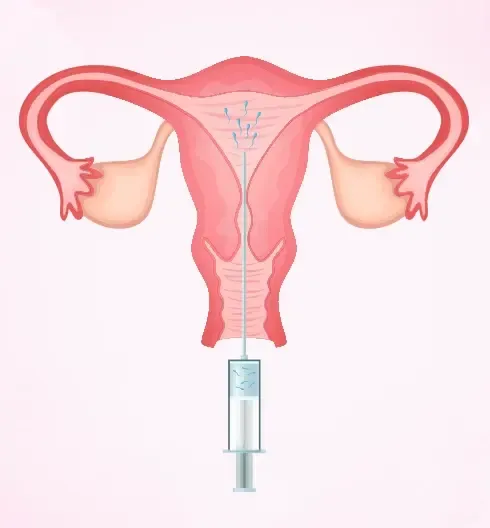
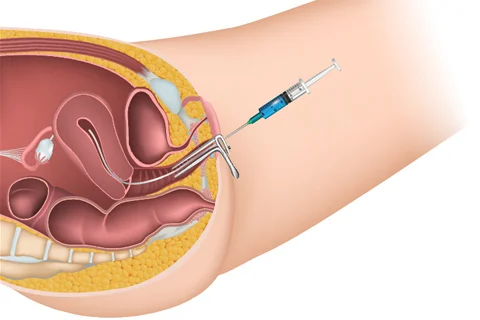
    Illustration of a uterus with a syringe indicating an intrauterine insemination procedure.

    and Facing Infertility: The Financial Burden of Fertility Treatments and Adoption

    The Emotional Toll of Financial Burden
    The financial burden of fertility treatments and adoption can take a toll on couples emotionally, adding to the stress and pressure they are already facing. It can also cause strain in relationships as couples try to navigate the financial aspect of their journey towards parenthood.

    Couples may also feel guilty or ashamed for not being able to afford the treatments or adoption process, leading to feelings of inadequacy and hopelessness. This can further exacerbate the emotional impact of infertility and make it a much more challenging experience for couples.

    Solutions to Alleviate the Financial Burden
    Thankfully, there are some options available for couples facing the high costs of fertility treatments and adoption.

    1. Fertility Grants and Scholarships: Many organizations offer grants and scholarships to help cover the costs of fertility treatments. These grants are often awarded based on financial need and other criteria, and can significantly reduce the financial burden for couples.

    2. Crowdfunding: With the rise of social media and crowdfunding platforms, many couples have turned to crowdfunding to help fund their fertility treatments or adoption journey. By sharing their story and reaching out to their network, couples can raise funds and receive support from their community.

    3. Adoption Loans: Some financial institutions offer loans specifically for adoption expenses, with lower interest rates and more flexible repayment terms compared to traditional loans.

    4. Insurance Coverage: While the majority of insurance plans do not cover fertility treatments, it is worth checking with your insurance provider to see if there are any options available. Some employers also offer fertility benefits as part of their employee benefits package.

    5. Budgeting and Saving: Planning ahead and budgeting for fertility treatments or adoption can help couples prepare for the costs and alleviate some of the financial strain. Setting aside a certain amount each month can add up over time and make it more manageable to cover the expenses.

    The journey to parenthood is undoubtedly a challenging one, both emotionally and financially. But with these options available, couples can find ways to overcome the financial burden and fulfill their dream of starting a family.

    In summary, infertility can be a devastating experience for couples, and the financial burden of fertility treatments and adoption only adds to the stress and pressure. The costs of fertility treatments, adoption, and ongoing expenses can quickly add up, leaving many couples feeling overwhelmed and unable to afford the necessary treatments or adoption process. However, there are options available to help alleviate the financial burden, such as grants, crowdfunding, adoption loans, and budgeting. With the right support and resources, couples can navigate the financial aspect of their journey towards parenthood and start the family they have always dreamed of.

  • The True Cost of Building a Family: Fertility Treatments vs Adoption

    Blog Post Title: The True Cost of Building a Family: Fertility Treatments vs Adoption

    Building a family is a dream for many couples, but unfortunately, for some, it may not come easy. While fertility treatments and adoption are both options for couples struggling to conceive, they come with their own set of financial, emotional, and ethical considerations. In this blog post, we will explore the true cost of building a family through fertility treatments and adoption and help you make an informed decision.

    Fertility Treatments: A Financial Burden

    Fertility treatments, such as in vitro fertilization (IVF), can be a blessing for couples struggling with infertility. However, the cost of these treatments can be a significant barrier for many. On average, a single round of IVF can cost anywhere from $12,000 to $15,000, and most couples require multiple rounds to achieve a successful pregnancy. This means that the total cost of fertility treatments can easily reach tens of thousands of dollars.

    Moreover, fertility treatments are not always covered by insurance, making it an out-of-pocket expense for many couples. Even when insurance does cover a certain portion of the cost, it may not cover the full amount, leaving couples to pay a considerable sum. This financial burden can cause stress and strain on a couple’s relationship and can even lead to them giving up on their dream of having a child.

    The Emotional Toll of Fertility Treatments

    Aside from the financial aspect, fertility treatments can also take a toll on a couple emotionally. The process of constantly trying and failing to conceive can be emotionally draining and can cause feelings of hopelessness and despair. The numerous tests, procedures, and medications can also be physically and emotionally exhausting for both partners.

    Additionally, fertility treatments do not always result in a successful pregnancy, and the emotional impact of a failed treatment can be devastating for couples. This rollercoaster of emotions can put a strain on a couple’s mental health and their relationship.

    Adoption: A Different Kind of Cost

    Illustration of the uterus with a syringe, depicting the intrauterine insemination procedure.

    The True Cost of Building a Family: Fertility Treatments vs Adoption

    The cost of adoption can also be a significant barrier for couples looking to build a family. The average cost of domestic adoption can range from $20,000 to $40,000, while international adoption can cost upwards of $50,000. These costs include legal fees, agency fees, and travel expenses. While some couples may qualify for financial assistance or grants, the majority of the cost will still fall on the adoptive parents.

    However, the cost of adoption goes beyond just the financial aspect. The adoption process itself can be emotionally taxing for couples, as they often have to go through a rigorous screening process and wait for an extended period to be matched with a child. This waiting period can be filled with uncertainty and anxiety, and many couples may face the disappointment of being turned down for adoption.

    Ethical Considerations

    Aside from the financial and emotional implications, both fertility treatments and adoption also come with ethical considerations. With fertility treatments, there is the issue of creating multiple embryos, which raises questions about what should be done with the excess embryos. Some couples may choose to donate them to other couples or to science, while others may choose to discard them, which can be a challenging decision for many.

    On the other hand, adoption can also raise ethical concerns, especially when it comes to international adoption. There have been cases of unethical practices, such as baby trafficking and exploitation, in some countries that have led to a ban on international adoption. This can make the process even more challenging and expensive for couples, as they may have to navigate through legal and bureaucratic hurdles.

    Making an Informed Decision

    Both fertility treatments and adoption come with their own set of costs, both financial and emotional. As a couple, it is essential to consider all factors before making a decision. It may be helpful to speak with a financial advisor to understand the true cost of these options and how it may impact your family’s financial future.

    It is also crucial to take into account the emotional toll these processes can have on you and your partner. Seeking support from a therapist or joining a support group can help you navigate the emotional rollercoaster that comes with building a family through fertility treatments or adoption.

    In the end, the decision to pursue fertility treatments or adoption is a personal one, and there is no right or wrong answer. It is essential to weigh all the factors and make an informed decision that is best for you and your family.

    In summary, building a family through fertility treatments or adoption comes with a significant cost, both financial and emotional. Fertility treatments can be expensive and emotionally draining, while adoption can also be financially and emotionally challenging. It is crucial for couples to consider all factors and seek professional support before making a decision. The most important thing is to build a family in a way that feels right for you.

  • The Cost of Hope: Comparing Fertility Treatments and Adoption Costs

    As many couples struggle with infertility, they often turn to fertility treatments or adoption as a way to build their family. However, these options come with a significant financial burden, leading many to wonder about the true cost of hope. In this blog post, we will compare the costs of fertility treatments and adoption, exploring the different factors that contribute to their expenses.

    Fertility Treatments: The Financial Reality

    The process of fertility treatments can be a long and emotionally taxing journey for couples. It involves multiple doctor visits, medications, and procedures, all of which come at a high cost. The average cost of a single cycle of in vitro fertilization (IVF) in the United States is around $12,000, not including the cost of medications which can range from $3,000 to $5,000 per cycle. And since IVF success rates are not guaranteed, many couples end up going through multiple cycles, increasing the overall cost.

    Aside from IVF, other fertility treatments such as intrauterine insemination (IUI) and egg freezing also come with a hefty price tag. The average cost of an IUI cycle is around $1,000 to $2,000, and egg freezing can cost anywhere from $6,000 to $10,000. These costs can quickly add up, making fertility treatments out of reach for many couples.

    Hidden Costs of Fertility Treatments

    In addition to the direct costs of fertility treatments, there are also many hidden expenses that couples may not anticipate. These can include the cost of travel and accommodations for out-of-town procedures, the cost of taking time off work for appointments and procedures, and the cost of specialized testing or treatments that may be necessary. These hidden costs can easily add thousands of dollars to the overall expense of fertility treatments.

    Making Tough Decisions: The Emotional and Financial Toll

    The financial burden of fertility treatments can take a significant toll on couples, not just financially, but also emotionally. Many couples may feel pressure to continue with treatments, even when their finances are stretched to the limit, in the hopes of finally achieving a successful pregnancy. This can lead to feelings of stress, anxiety, and even resentment towards the entire process.
    Adoption: The Cost of Building a Family

    While adoption may seem like a more affordable option compared to fertility treatments, it also comes with its own set of expenses. The cost of adoption varies greatly depending on the type of adoption, agency fees, legal fees, and travel expenses. In the United States, the average cost of a domestic adoption can range from $20,000 to $40,000, while international adoptions can cost upwards of $50,000.

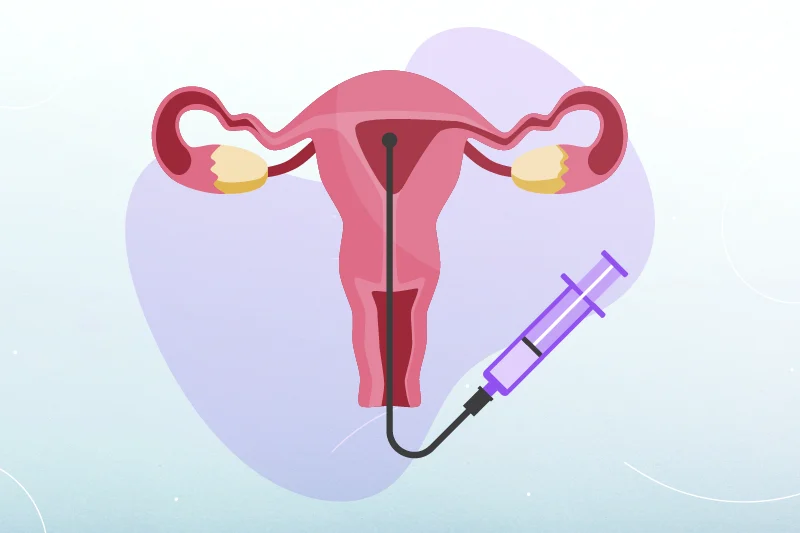
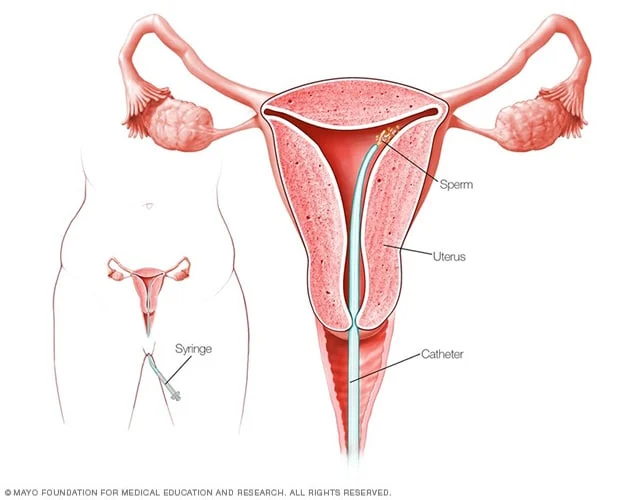
    illustration of intrauterine insemination procedure with a syringe and catheter in the uterus.

    The Cost of Hope: Comparing Fertility Treatments and Adoption Costs

    Factors Affecting Adoption Costs

    One of the main factors that contribute to the cost of adoption is the type of adoption. Private adoptions, where the birth mother chooses the adoptive family, tend to be more expensive due to legal and agency fees. On the other hand, public adoptions, also known as foster care adoptions, are typically the most affordable option, with little to no cost to the adoptive family.

    Another factor that can greatly impact the cost of adoption is the age of the child being adopted. Infants and young children tend to have higher adoption fees, while older children or those with special needs may have little to no cost. This is because older children and those with special needs are often considered “harder to place,” making their adoption fees lower.

    The Emotional Cost of Adoption

    While adoption may seem like a more affordable option compared to fertility treatments, it also comes with its own set of emotional challenges. The process of adoption can be long and uncertain, with no guarantee of a successful match. This can take a toll on the emotional well-being of the couple, as they navigate the waiting and uncertainty.

    Comparing the Costs of Fertility Treatments and Adoption

    When comparing the costs of fertility treatments and adoption, it’s essential to consider all factors, including the hidden costs and emotional toll. While fertility treatments may seem more expensive upfront, the costs of adoption can quickly add up, especially with private or international adoptions. Ultimately, the decision of which path to take is a personal one, and couples must carefully consider their financial and emotional capabilities.

    The Cost of Hope: Finding Support and Resources

    The financial burden of fertility treatments and adoption can be overwhelming for couples, but there are resources available to help. Many organizations offer grants and financial assistance for families pursuing fertility treatments or adoption. Additionally, support groups and counseling can provide emotional support for couples during these challenging journeys.

    In conclusion, the cost of hope is a significant factor for couples facing infertility. Fertility treatments and adoption both come with their own set of expenses, and it’s essential to carefully consider all factors before making a decision. Regardless of the path chosen, it’s crucial for couples to find support and resources to help them through their journey towards building a family.

  • and Struggling with Infertility: The High Costs of Fertility Treatments and Adoption

    Blog post:

    Infertility is a difficult and often heartbreaking issue that affects millions of people around the world. For many couples, the dream of starting a family can be put on hold due to struggles with infertility. In today’s society, there are various options available for those facing infertility, such as fertility treatments and adoption. However, these options often come with a high price tag, both financially and emotionally. In this blog post, we will discuss the high costs associated with fertility treatments and adoption, and the emotional toll it takes on those struggling with infertility.

    The High Costs of Fertility Treatments:
    Fertility treatments, such as in vitro fertilization (IVF) and intrauterine insemination (IUI), can be a lifeline for couples struggling with infertility. However, these treatments often come with a hefty price tag. According to the American Society for Reproductive Medicine, the average cost of IVF in the United States is around $12,000 per cycle. This cost can increase significantly if additional procedures or medications are needed. In addition to the financial burden, fertility treatments can also take a toll on a couple’s emotional well-being. The constant disappointment and uncertainty can lead to feelings of stress, anxiety, and even depression.

    The Emotional Toll of Fertility Treatments:
    The emotional impact of fertility treatments cannot be underestimated. Couples often go through a rollercoaster of emotions, from hope and excitement to disappointment and sadness. The constant cycle of trying and waiting can be emotionally draining, and the pressure to conceive can put a strain on relationships. Many couples also struggle with the fear of never being able to have a biological child, which can lead to feelings of loss and grief. The emotional toll of fertility treatments can also make it challenging to focus on other aspects of life, such as work and social relationships.

    diagram illustrating intrauterine insemination (IUI) procedure with uterus, sperm, and catheter labeled

    and Struggling with Infertility: The High Costs of Fertility Treatments and Adoption

    The Financial Burden of Adoption:
    For some couples, adoption may be the best option for starting a family. However, the adoption process can also come with a significant financial burden. According to the Child Welfare Information Gateway, the average cost of a domestic adoption can range from $20,000 to $45,000. International adoptions can cost even more, with an average of $30,000 to $50,000. These costs include agency fees, legal fees, and travel expenses. For many couples, these high costs can be a barrier to adoption, making it difficult for them to fulfill their dream of becoming parents.

    The Emotional Journey of Adoption:
    In addition to the financial burden, the adoption process can also be emotionally challenging. For couples who have already struggled with infertility, the decision to pursue adoption can come with feelings of grief and loss. They may also face challenges and setbacks in the adoption process, such as long wait times and failed placements. The uncertainty and emotional ups and downs of adoption can take a toll on a couple’s mental health and well-being.

    The Need for Support:
    With the high costs and emotional toll of both fertility treatments and adoption, it is crucial for couples struggling with infertility to have a strong support system. This can include family and friends, as well as seeking help from mental health professionals. Support groups and online communities can also be a valuable resource for those going through similar experiences. It is essential for couples to prioritize their emotional well-being and seek help when needed.

    In conclusion, the high costs of fertility treatments and adoption can be a significant barrier for couples struggling with infertility. These options not only come with a hefty price tag but also take a toll on a couple’s emotional well-being. The fear, stress, and disappointment that come with these journeys can be overwhelming, and it is crucial for couples to have a strong support system in place. Ultimately, the decision to pursue fertility treatments or adoption should be a personal one, taking into consideration the financial and emotional impact it may have.

    Summary:
    Infertility is a challenging issue that impacts millions of people worldwide. For many couples, options such as fertility treatments and adoption offer hope for starting a family. However, these options come with a high cost, both financially and emotionally. Fertility treatments can cost thousands of dollars per cycle and take a toll on a couple’s emotional well-being. Adoption can also be costly, with an average cost of $20,000 to $50,000, and can be emotionally challenging for couples who have already struggled with infertility. It is important for those facing infertility to have a strong support system in place and prioritize their emotional well-being.

  • The Hidden Costs of Building a Family: Fertility Treatments and Adoption

    Blog Post Title: The Hidden Costs of Building a Family: Fertility Treatments and Adoption

    Starting a family is a dream for many people, but for some, it may not come as easily as they had hoped. Infertility affects about 12% of couples in the United States, and for those struggling with it, the journey to build a family can be emotionally, physically, and financially draining. Fertility treatments and adoption are two common options for couples facing infertility, but what many people don’t realize is the hidden costs associated with these methods. In this blog post, we will delve into the hidden costs of building a family through fertility treatments and adoption.

    Fertility Treatments:
    Fertility treatments are medical procedures that assist with achieving pregnancy. These treatments can range from simple medication to more advanced procedures such as in vitro fertilization (IVF). While the primary cost of fertility treatments is the actual procedure itself, there are many hidden costs that couples may not be aware of.

    1. Diagnostic Testing:
    Before starting any fertility treatment, couples must undergo a series of diagnostic tests to determine the cause of their infertility. These tests can include hormone level tests, ultrasound scans, and semen analysis for the male partner. These tests can add up quickly and are not always covered by insurance.

    2. Medications:
    Fertility medications, such as hormone injections, are a vital part of many fertility treatments. These medications can cost thousands of dollars per cycle, and multiple cycles may be needed before achieving a successful pregnancy. Unfortunately, these medications are often not covered by insurance, leaving couples to bear the cost themselves.
    3. Additional Procedures:
    In some cases, additional procedures may be necessary during fertility treatment. For example, if a woman has blocked fallopian tubes, she may need to undergo surgery to remove the blockage before proceeding with fertility treatments. These procedures can come with hefty price tags and are not always covered by insurance.

    4. Travel Expenses:
    Many couples may have to travel to a different city or state to receive fertility treatments. This can add significant costs to the overall treatment, including transportation, lodging, and meals.

    5. Emotional Support:
    The emotional toll of fertility treatments cannot be understated. Many couples may require counseling or therapy to cope with the anxiety, stress, and disappointment that often come with these treatments. The cost of emotional support is often not factored into the overall cost of fertility treatments.

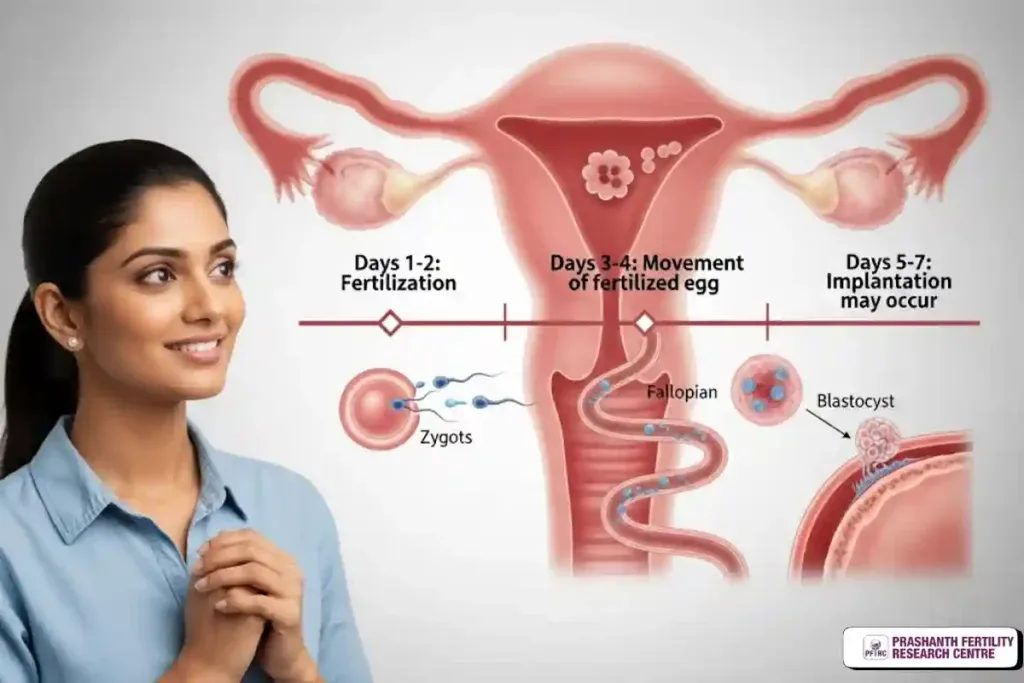
    Illustration showing fertilization and implantation timeline with a woman looking hopeful.

    The Hidden Costs of Building a Family: Fertility Treatments and Adoption

    Adoption:
    Adoption is another option for couples facing infertility. While adoption is often seen as a more affordable alternative to fertility treatments, the hidden costs of adoption can add up quickly.

    1. Agency Fees:
    The first step in the adoption process is finding an agency to work with. Adoption agencies charge fees for their services, which can range from a few thousand dollars to tens of thousands of dollars. These fees often cover things like home studies, counseling, and legal fees.

    2. Home Study:
    A home study is required for all types of adoptions and involves a social worker visiting the couple’s home and interviewing them. This process can take several months and can cost anywhere from $1,500 to $3,000.

    3. Legal Fees:
    The legal process of adoption can be lengthy and costly. Couples may have to hire an attorney to help navigate the legal complexities of adoption. These fees can vary greatly but can easily add up to thousands of dollars.

    4. Travel Expenses:
    Similar to fertility treatments, couples may have to travel to a different state or even a different country to complete the adoption process. This can include travel expenses for multiple trips, as well as lodging and meals.

    5. Medical Expenses:
    In some cases, the birth mother’s medical expenses may be covered by the adoptive parents. These expenses can include prenatal care, delivery, and postpartum care, and can add up to thousands of dollars.

    The Emotional Costs:
    Aside from the financial costs of fertility treatments and adoption, there are also emotional costs that are often overlooked. The stress, uncertainty, and disappointment that come with these methods of building a family can have a significant impact on couples. It can strain relationships, lead to depression, and take a toll on overall well-being.

    In conclusion, building a family through fertility treatments and adoption comes with hidden costs that are not always apparent. Couples facing infertility should carefully consider all of the expenses associated with these methods before making a decision. It’s essential to have a realistic understanding of the financial and emotional costs involved to avoid any surprises along the way.

    Summary:
    Starting a family through fertility treatments and adoption can be a challenging and expensive journey. While the primary costs of these methods are well-known, there are many hidden costs that couples may not be aware of. These include diagnostic testing, medications, additional procedures, travel expenses, emotional support, agency fees, home studies, legal fees, medical expenses, and the emotional toll it takes on couples. It’s crucial for couples facing infertility to carefully consider all of these costs before embarking on the journey to build a family.