Tag: at-home testing

  • At-Home Testing for Female Infertility: A Comprehensive Guide

    At-Home Testing for Female Infertility: A Comprehensive Guide

    Infertility affects millions of couples worldwide and can be a difficult and emotionally taxing journey. In many cases, the cause of infertility can be linked to female factors, such as ovulation issues, hormone imbalances, or structural problems with the reproductive organs. However, the traditional process of diagnosing female infertility can be time-consuming, invasive, and expensive. Fortunately, with advancements in technology, at-home testing for female infertility has become a viable and convenient option for many women.

    In this comprehensive guide, we will explore everything you need to know about at-home testing for female infertility, including the various types of tests available, their accuracy, and how to prepare for them.

    Types of At-Home Tests for Female Infertility

    1. Ovulation Predictor Kits (OPKs)

    OPKs are one of the most common types of at-home tests used by women trying to conceive. These kits detect the surge of luteinizing hormone (LH), which triggers ovulation. OPKs come in various forms, such as urine strips, digital tests, and saliva tests. They are easy to use and can help pinpoint the most fertile days in a woman’s cycle, increasing the chances of conception.

    2. Basal Body Temperature (BBT) Charting

    Another popular at-home method for tracking ovulation is BBT charting. This method involves taking your temperature every morning before getting out of bed and recording it on a chart. A slight rise in BBT indicates that ovulation has occurred. BBT charting can be used in conjunction with OPKs to confirm ovulation and help determine the best time to try to conceive.

    3. Hormone Level Testing

    Hormone imbalances can contribute to female infertility, and at-home hormone level testing kits can help identify any issues. These tests usually involve collecting a sample of saliva or blood and sending it to a lab for analysis. Results will indicate the levels of hormones such as estrogen, progesterone, and thyroid hormones, which can affect ovulation and fertility.

    4. Fertility Monitors

    Fertility monitors are handheld devices that track changes in hormone levels in urine or saliva to predict ovulation. These monitors can be more expensive than other at-home tests, but they offer a more comprehensive and accurate picture of a woman’s fertility. They can also track changes in other fertility indicators, such as cervical mucus and BBT.
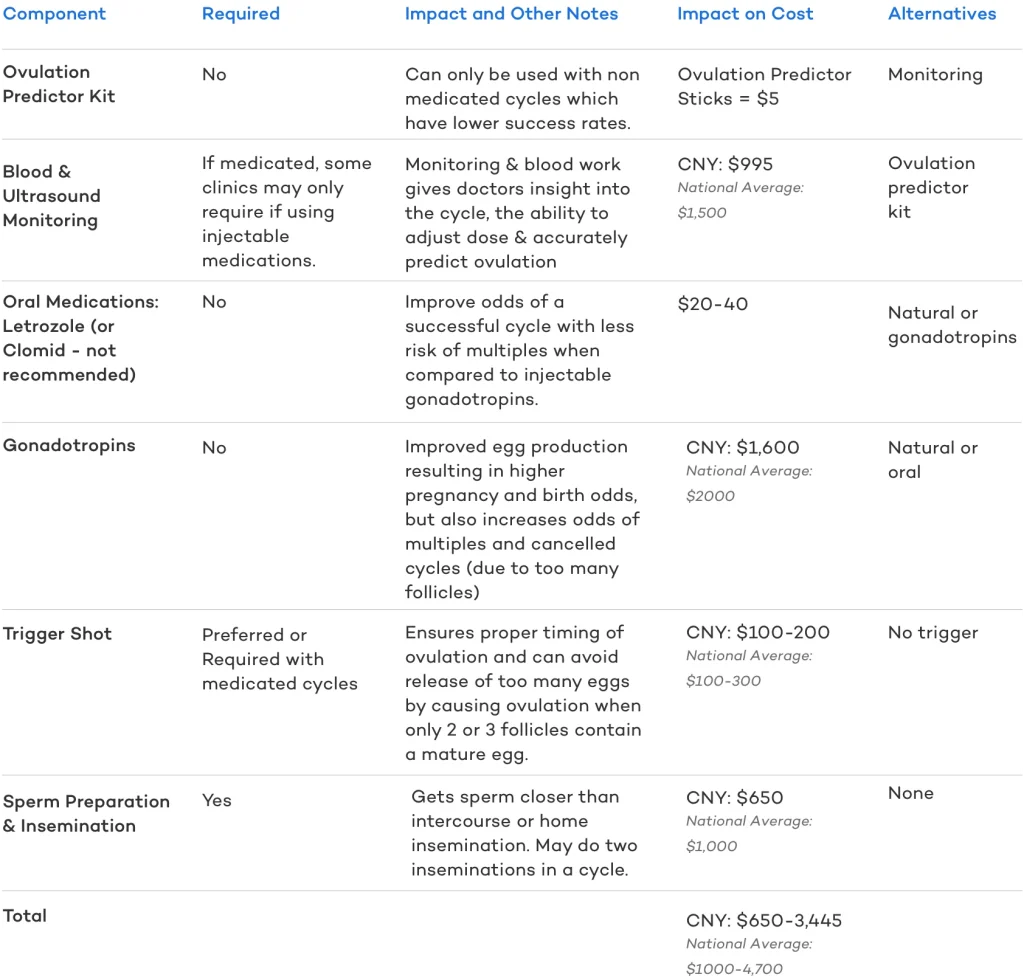
    Cost breakdown for IUI components, including requirements, impacts, and alternatives.

    At-Home Testing for Female Infertility: A Comprehensive Guide

    5. Home Fertility Tests

    Many companies now offer at-home fertility tests that can provide a general assessment of a woman’s fertility levels. These tests usually involve collecting a urine or saliva sample and sending it to a lab for analysis. They can measure the levels of various hormones and provide an overall fertility score, giving women a better understanding of their reproductive health.

    Accuracy of At-Home Tests for Female Infertility

    The accuracy of at-home tests for female infertility varies depending on the type of test used and how it is performed. For example, OPKs are generally reliable, with a 99% accuracy rate, but they can produce false positives in some cases. BBT charting can also be reliable, but it requires consistency and careful tracking to be accurate.

    Hormone level testing and fertility monitors can provide more precise results, but they can also be affected by external factors such as medication or stress. It’s essential to follow the instructions carefully and consult with a healthcare professional if you have concerns about the accuracy of your results.

    Preparing for At-Home Tests

    Before using any at-home tests for female infertility, it’s crucial to prepare adequately to ensure accurate results. Here are some tips to help you prepare:

    1. Familiarize yourself with the instructions: Make sure to read and understand the instructions for each test before using it. Following the instructions carefully can help ensure accurate results.

    2. Track your menstrual cycle: It’s essential to track your menstrual cycle using a calendar or fertility tracking app. This will help you determine the best time to take the tests and increase your chances of getting accurate results.

    3. Avoid medications and stress: Certain medications and stress can affect hormone levels and fertility. If possible, try to avoid stress and medications that may interfere with your results before taking the tests.

    4. Consult with a healthcare professional: It’s always a good idea to consult with your doctor or a fertility specialist before using at-home tests for female infertility. They can provide guidance and advice on which tests are best for you and interpret your results accurately.

    In conclusion, at-home testing for female infertility offers a convenient and less invasive option for women trying to conceive. However, it’s essential to understand the limitations and accuracy of these tests and prepare adequately before using them. Consult with a healthcare professional if you have any concerns about your results or are having trouble conceiving. With the right information and tools, you can take control of your reproductive health and increase your chances of achieving your dream of starting a family.
  • Maximizing Fertility: The Benefits of Combining At-Home and Medical Testing

    Blog Post:

    Fertility is a topic that can bring up a range of emotions for many individuals and couples. For some, it may be a source of excitement and joy as they embark on the journey of starting a family. For others, it may bring about feelings of frustration and disappointment as they struggle to conceive. No matter where you fall on this spectrum, one thing is certain: maximizing fertility is a top priority for those who are trying to conceive.

    With advancements in technology and medicine, there are more options available than ever before when it comes to fertility testing. While traditional medical testing is still essential, there are also benefits to incorporating at-home testing into your fertility journey. In this blog post, we will explore the benefits of combining at-home and medical testing to maximize fertility.

    At-Home Fertility Testing: Convenience and Affordability

    At-home fertility testing is becoming increasingly popular among those trying to conceive. One of the main reasons for this is convenience. With at-home testing, you have the ability to test on your own time and in the comfort of your own home. This eliminates the need to schedule appointments and take time off work, making it a more convenient option for many individuals and couples.

    Additionally, at-home fertility testing is often more affordable than traditional medical testing. Many at-home tests have a lower price point, making them more accessible to those on a budget. This can be particularly beneficial for those who may not have insurance coverage for fertility testing or for those who have already spent a significant amount on medical testing and treatments.

    At-Home Fertility Testing: Understanding Your Body

    Another benefit of at-home fertility testing is the ability to gain a better understanding of your body and its natural rhythms. Many at-home tests can track various hormones and give you a better understanding of your menstrual cycle. This information can be helpful in identifying potential issues with ovulation or hormone imbalances, which can impact fertility.

    Furthermore, at-home fertility testing can help you identify your most fertile days. This can be particularly useful for those who are trying to time intercourse for optimal chances of conception. By tracking your hormone levels and understanding your body’s natural cycle, you can increase your chances of getting pregnant.

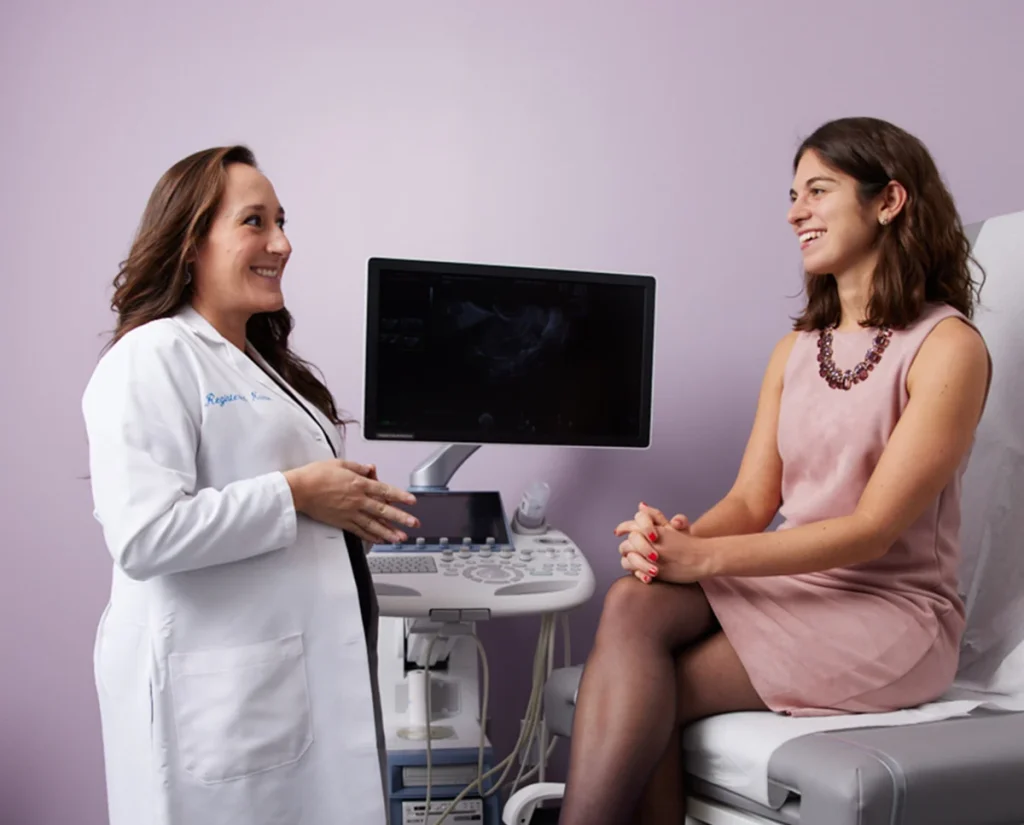
    doctor discussing treatment with a patient in a medical office, featuring an ultrasound machine in the background

    Maximizing Fertility: The Benefits of Combining At-Home and Medical Testing

    Medical Fertility Testing: Identifying Underlying Issues

    While at-home fertility testing can provide valuable information, it is important to also incorporate traditional medical testing into your fertility journey. Medical testing, such as blood work and ultrasounds, can provide a more in-depth look at your reproductive health. These tests can help identify underlying issues that may be impacting your fertility, such as blocked fallopian tubes or low sperm count.

    Medical testing can also help determine the best course of action for fertility treatments. For example, if medical testing reveals a hormonal imbalance, your doctor may recommend hormone therapy to help regulate your cycle and increase your chances of conception. Without medical testing, these underlying issues may go undetected, hindering your fertility journey.

    Combining At-Home and Medical Testing: A Comprehensive Approach

    The key to maximizing fertility is a comprehensive approach that combines both at-home and medical testing. By incorporating at-home testing into your routine, you can gain a better understanding of your body and its natural cycles. This information can then be used to guide your medical testing and treatment plan.

    Furthermore, combining at-home and medical testing allows for a more cost-effective and convenient approach. You can use at-home tests to track your hormone levels and determine your most fertile days, while also undergoing medical testing to identify any underlying issues and receive individualized treatment.

    In addition, combining at-home and medical testing can also help alleviate some of the stress and anxiety that can come with trying to conceive. With at-home testing, you can take a more active role in your fertility journey and feel empowered with knowledge about your body. And with medical testing, you can have peace of mind knowing that you are receiving expert care and guidance.

    In conclusion, maximizing fertility is a complex and personal journey, and there is no one-size-fits-all approach. By combining at-home and medical testing, you can take a more comprehensive approach to understanding your body and addressing any potential issues. This not only increases your chances of conception but also allows for a more convenient and affordable fertility journey. So if you are trying to conceive, consider incorporating both at-home and medical testing for the best possible outcome.

    Summary:

    Fertility is a top priority for those trying to conceive, and advancements in technology and medicine have provided more options for testing than ever before. At-home fertility testing offers convenience and affordability, while also allowing individuals to better understand their body’s natural rhythms. Traditional medical testing is still essential for identifying underlying issues and developing a treatment plan. Combining at-home and medical testing offers a comprehensive approach that can increase the chances of conception and alleviate stress and anxiety. By incorporating both methods, individuals can take a more active role in their fertility journey while receiving expert care and guidance.

  • At-Home Fertility Testing for LGBTQ+ Couples: How it Can Help in Family Planning

    Blog Post Title: At-Home Fertility Testing for LGBTQ+ Couples: How it Can Help in Family Planning

    Summary:

    For same-sex couples and LGBTQ+ individuals, starting a family can be a challenging and often expensive journey. One of the biggest obstacles is navigating the fertility process, as traditional methods may not be applicable or accessible for every couple. However, with the advancements in technology, at-home fertility testing has become a convenient and affordable option for LGBTQ+ couples looking to plan for their future family. In this blog post, we will discuss how at-home fertility testing can benefit LGBTQ+ couples in their family planning journey, including the process, benefits, and potential considerations.

    The Process of At-Home Fertility Testing:

    At-home fertility testing involves collecting and testing samples of sperm or eggs in the comfort and privacy of one’s own home. This process eliminates the need to visit a clinic or fertility specialist, which can be a barrier for LGBTQ+ couples who may not have access to LGBTQ+ friendly clinics or feel uncomfortable in a traditional healthcare setting. With at-home fertility testing, samples can be collected discreetly and shipped to a lab for testing, making it a more inclusive and convenient option for LGBTQ+ individuals.

    Benefits of At-Home Fertility Testing for LGBTQ+ Couples:

    1. Convenience and Privacy: As mentioned, at-home fertility testing allows couples to collect samples in the privacy of their own home, eliminating the need to visit a clinic or specialist. This can be especially beneficial for LGBTQ+ couples who may not have access to LGBTQ+ friendly clinics or may feel more comfortable testing in the privacy of their own home.

    2. Affordability: Traditional fertility treatments can be costly, making it difficult for many LGBTQ+ couples to access. At-home fertility testing is a more affordable option, with kits ranging from $50 to $150, depending on the type of testing needed. This can significantly reduce the financial burden for couples planning for their family.

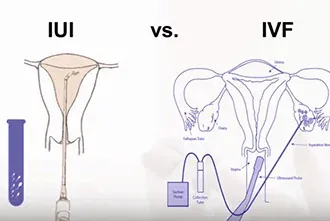
    Comparison of IVF and IUI procedures with illustrations of each method.

    At-Home Fertility Testing for LGBTQ+ Couples: How it Can Help in Family Planning

    3. Accessibility: At-home fertility testing is available to anyone with access to the internet, making it a more accessible option for LGBTQ+ couples in remote areas or countries where traditional fertility treatments may not be available.

    4. Understanding Your Fertility: For LGBTQ+ couples, understanding their fertility is crucial in their family planning journey. At-home fertility testing provides valuable information about a person’s reproductive health, allowing them to make informed decisions about their family planning options.

    Considerations for At-Home Fertility Testing:

    While at-home fertility testing can be a helpful tool for LGBTQ+ couples in family planning, there are some considerations to keep in mind:

    1. Accuracy: At-home fertility testing kits may not be as accurate as traditional methods, which involve a trained professional conducting the tests. It’s essential to research and choose a reputable at-home fertility testing company to ensure accurate results.

    2. Emotional Support: For LGBTQ+ couples, the journey towards starting a family can be emotionally challenging. At-home fertility testing may not offer the same emotional support as traditional fertility treatments, so it’s essential to have a support system in place throughout the process.

    3. Next Steps: While at-home fertility testing can provide valuable information about a person’s fertility, it’s essential to remember that it is only the first step in the family planning process. Couples may need to consult with a fertility specialist for further guidance and treatment options.

    In conclusion, at-home fertility testing is a convenient, affordable, and accessible option for LGBTQ+ couples who are planning for their future family. It provides valuable information about a person’s fertility, eliminates barriers to traditional methods, and allows for greater privacy and comfort. However, it is essential to consider the accuracy of results, emotional support, and the need for further consultation with a specialist. With the help of at-home fertility testing, LGBTQ+ couples can take control of their family planning journey and make informed decisions about their future.

  • The Importance of Tracking Your Fertility: At-Home Testing vs Medical Monitoring

    Blog Post: The Importance of Tracking Your Fertility: At-Home Testing vs Medical Monitoring

    For many people, fertility is a topic that often only comes into focus when trying to conceive a child. However, understanding and tracking your fertility can provide valuable insights into your overall reproductive health and help you make informed decisions about family planning. In this blog post, we will discuss the importance of tracking your fertility and compare two methods of doing so: at-home testing and medical monitoring.

    Why Track Your Fertility?

    Tracking your fertility can provide a wealth of information about your reproductive health. By monitoring your menstrual cycle, you can determine the length of your cycle, when you are most likely to ovulate, and when you are most fertile. This information can be crucial for those trying to conceive, as it can help them time intercourse for the best chances of pregnancy. However, tracking your fertility is not just important for those trying to get pregnant.

    For many women, irregular or abnormal menstrual cycles can be a sign of underlying health issues. By tracking your fertility, you can identify any irregularities or changes in your cycle, which can be an early warning sign of potential health problems. It can also be helpful for those using birth control methods such as the pill, as it can help them understand their cycle and when they are most likely to conceive if they decide to stop using birth control.

    At-Home Testing vs Medical Monitoring

    There are two primary methods for tracking fertility: at-home testing and medical monitoring. At-home testing involves using ovulation predictor kits (OPKs) or fertility tracking apps to monitor changes in your hormone levels and predict when you are most likely to ovulate. These kits and apps use urine or saliva samples to detect the presence of luteinizing hormone (LH), which surges just before ovulation. These methods are relatively inexpensive and can be done in the comfort of your own home.

    On the other hand, medical monitoring involves working with a healthcare provider, usually a reproductive endocrinologist, who will monitor your hormone levels and perform ultrasounds to track your ovulation and reproductive health. This method is more invasive and expensive but provides more accurate and detailed information. Medical monitoring is usually recommended for those who have been trying to conceive for a while or have underlying fertility issues.

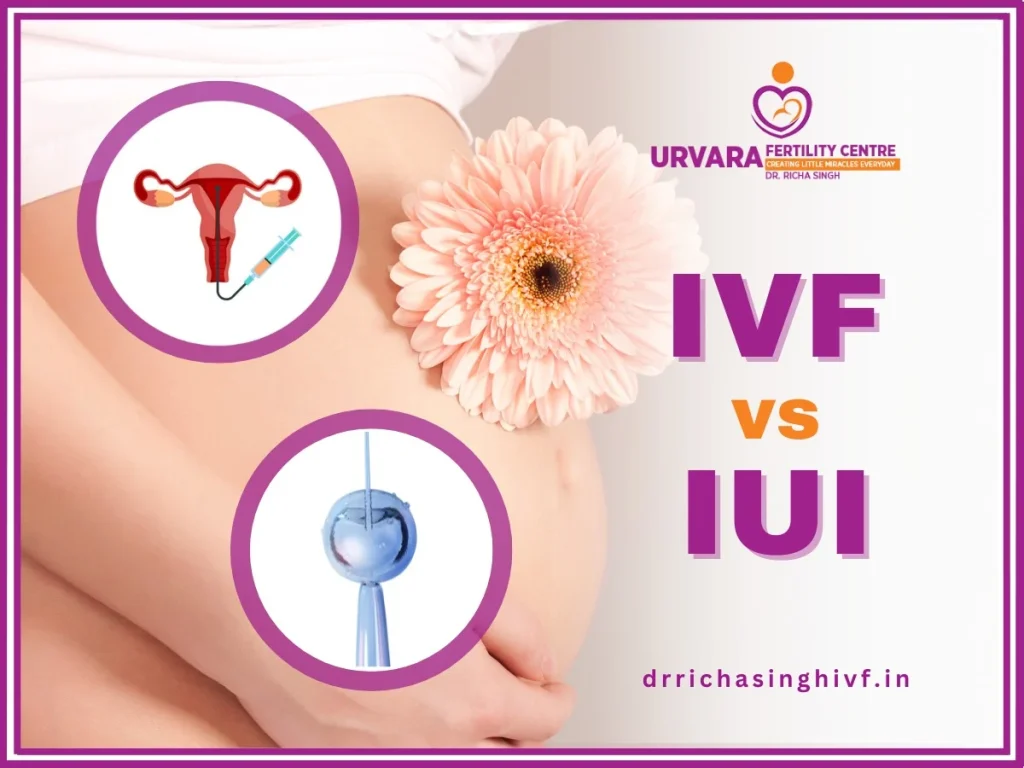
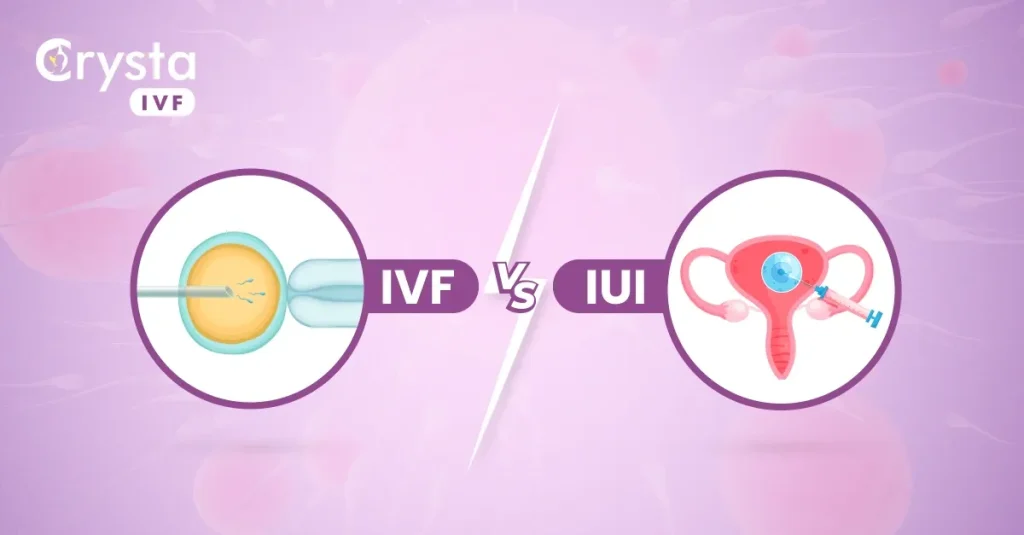
    IVF vs IUI comparison with illustrations of reproductive processes and a flower on a pregnant belly.

    The Importance of Tracking Your Fertility: At-Home Testing vs Medical Monitoring

    The Pros and Cons of At-Home Testing

    At-home testing offers convenience and privacy, as you can track your fertility discreetly without having to visit a healthcare provider. These tests are also relatively affordable, making them accessible to a wider range of people. However, at-home tests can be less accurate than medical monitoring, as they rely on the user’s interpretation of the results. They also do not provide as much information as medical monitoring, as they only measure the presence of LH and not other important hormones.

    The Pros and Cons of Medical Monitoring

    Medical monitoring provides a more comprehensive and accurate view of your reproductive health. By working with a healthcare provider, you can get a better understanding of your hormone levels and any potential issues that may affect your fertility. Medical monitoring also allows for more personalized treatment plans, as your healthcare provider can tailor their recommendations based on your specific needs. However, this method can be more expensive and may require multiple visits to the doctor’s office, which can be time-consuming and inconvenient.

    Which Method is Right for You?

    The method of tracking your fertility that is best for you will depend on your individual needs and circumstances. If you are just starting to track your fertility and have no underlying health issues, at-home testing may be a good place to start. However, if you have been trying to conceive for a while or have concerns about your reproductive health, medical monitoring may be a better option. It’s always a good idea to consult with your healthcare provider to determine the best course of action for your specific situation.

    In conclusion, tracking your fertility is an important aspect of reproductive health and family planning. It can provide valuable insights into your cycle, identify any potential health issues, and help you make informed decisions. Both at-home testing and medical monitoring have their pros and cons, and the method you choose will depend on your individual needs. Whichever method you choose, remember to always consult with a healthcare provider for personalized advice and recommendations.

    Summary:

    Understanding and tracking your fertility can provide valuable insights into your reproductive health and help with family planning. The two primary methods for tracking fertility are at-home testing and medical monitoring. At-home testing offers convenience and privacy, while medical monitoring provides a more accurate and comprehensive view of your reproductive health. The method that is best for you will depend on your individual needs and circumstances. It’s always best to consult with a healthcare provider for personalized advice and recommendations.

  • At-Home Fertility Testing: A Game-Changer for Women Trying to Conceive

    At-Home Fertility Testing: A Game-Changer for Women Trying to Conceive

    For many women, trying to conceive can be a long and emotional journey. It can involve multiple trips to the doctor’s office, expensive fertility treatments, and a lot of uncertainty. However, thanks to advances in technology, women now have the option of at-home fertility testing, which can provide valuable information about their fertility levels and help them make more informed decisions about their reproductive health. In this blog post, we will explore the concept of at-home fertility testing, its benefits and limitations, and how it can be a game-changer for women trying to conceive.

    What is At-Home Fertility Testing?

    At-home fertility testing involves taking a sample of blood, urine, or saliva and testing it for hormone levels that can indicate a woman’s fertility. These tests can be ordered online or purchased over the counter at a pharmacy, and the results can be delivered to the woman’s home or accessed online. The process is simple, convenient, and can be done in the comfort of one’s own home.

    Benefits of At-Home Fertility Testing

    1. Convenience and Privacy

    One of the most significant benefits of at-home fertility testing is convenience. Women no longer have to schedule appointments and take time off work to visit a doctor’s office. They can perform the test at home at a time that works best for them. This also allows for more privacy, as some women may feel uncomfortable discussing fertility issues with their doctor.

    2. Cost-Effective

    Traditional fertility testing can be expensive, especially if multiple tests are needed. At-home fertility tests are relatively affordable, with prices ranging from $20 to $100. This can save women a significant amount of money, especially if they are considering multiple rounds of testing.

    3. Early Detection of Potential Issues

    At-home fertility tests can help women detect any potential fertility issues early on. This can give them more time to seek medical advice and explore various treatment options. Early detection can also prevent unnecessary stress and anxiety that can arise from not knowing the state of one’s fertility.

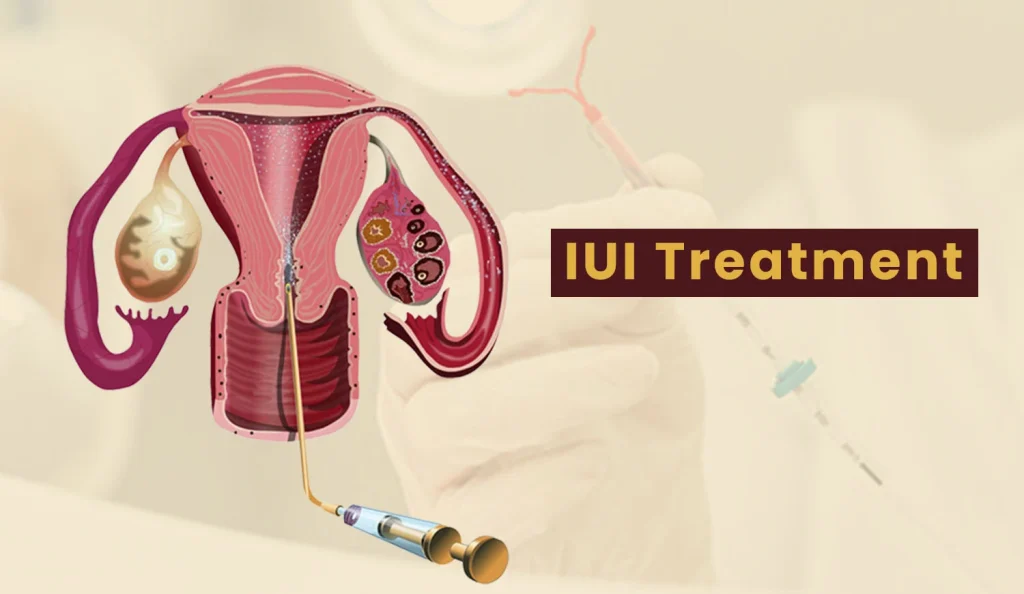
    illustration of the uterus and ovaries with a syringe, labeled "IUI Treatment" in the background

    At-Home Fertility Testing: A Game-Changer for Women Trying to Conceive

    4. Empowerment and Control

    For women trying to conceive, at-home fertility testing can be empowering. It puts them in control of their reproductive health and allows them to take an active role in their fertility journey. They can track their hormone levels and use the information to make more informed decisions about their fertility treatment options.

    Limitations of At-Home Fertility Testing

    1. Not a Complete Diagnosis

    It is essential to note that at-home fertility tests are not a complete diagnosis. They can provide valuable information about a woman’s hormone levels, but they cannot determine the cause of any fertility issues. Women should still consult with their doctor for a complete fertility evaluation.

    2. False Positives and False Negatives

    Like any medical test, at-home fertility tests are not 100% accurate, and there is a chance of false positives and false negatives. This means that the results should be taken with caution and confirmed by a healthcare professional.

    3. Limited Testing Options

    At-home fertility tests can only test for a limited number of hormones, such as follicle-stimulating hormone (FSH), luteinizing hormone (LH), and anti-Mullerian hormone (AMH). These tests may not provide a complete picture of a woman’s fertility, and additional tests may be needed for a more accurate diagnosis.

    Is At-Home Fertility Testing Right For You?

    At-home fertility testing can be a game-changer for women trying to conceive, but it may not be the best option for everyone. It is recommended for women who are under 35 years old and have been trying to conceive for six months or more without success. Women over 35 should consult with their doctor after three months of trying to conceive. Women with a history of fertility issues or irregular periods may also benefit from at-home fertility testing.

    In conclusion, at-home fertility testing can be a valuable tool for women trying to conceive. It provides convenience, privacy, and cost-effectiveness, and can empower women to take control of their reproductive health. However, it is essential to keep in mind its limitations and consult with a healthcare professional for a complete fertility evaluation. With the help of at-home fertility testing, women can have a better understanding of their fertility levels and make more informed decisions about their journey to parenthood.

  • Unlocking the Mystery of Fertility: Insights from At-Home and Medical Testing

    Unlocking the Mystery of Fertility: Insights from At-Home and Medical Testing

    Fertility is a complex and often mysterious topic for many individuals and couples. While some may seem to effortlessly conceive, others struggle for months or even years to achieve a successful pregnancy. In recent years, there has been a surge in interest and research surrounding fertility, leading to advancements in both at-home and medical testing. These tests can provide valuable insights into an individual’s reproductive health and help uncover potential fertility issues. In this blog post, we will explore the various types of at-home and medical fertility tests, their benefits, and how they can help unlock the mystery of fertility.

    At-Home Fertility Testing

    At-home fertility tests are designed to be convenient and accessible for individuals who want to get a better understanding of their reproductive health in the comfort of their own home. These tests usually involve collecting a sample of urine or saliva and sending it to a lab for analysis. The results are then delivered directly to the individual, often in the form of a detailed report.

    One of the most popular at-home fertility tests is the ovulation predictor kit (OPK). This test measures the levels of luteinizing hormone (LH) in a woman’s urine, which typically surges right before ovulation. By tracking these hormone levels, women can determine their most fertile days and increase their chances of conceiving.

    Another at-home fertility test gaining popularity is the sperm count test for men. This test measures the number of sperm in a man’s semen sample and can provide insight into potential male fertility issues. It is a simple and non-invasive way for men to assess their reproductive health without having to visit a doctor’s office.

    Benefits of At-Home Fertility Testing

    At-home fertility testing offers several benefits, including convenience, cost-effectiveness, and privacy. These tests can be done in the comfort of one’s home, eliminating the need for multiple visits to a doctor’s office. They are also relatively affordable compared to medical fertility tests, making them accessible to a wider range of individuals. Additionally, at-home fertility tests provide privacy, which can be particularly appealing for those who may feel uncomfortable discussing their fertility with a doctor.

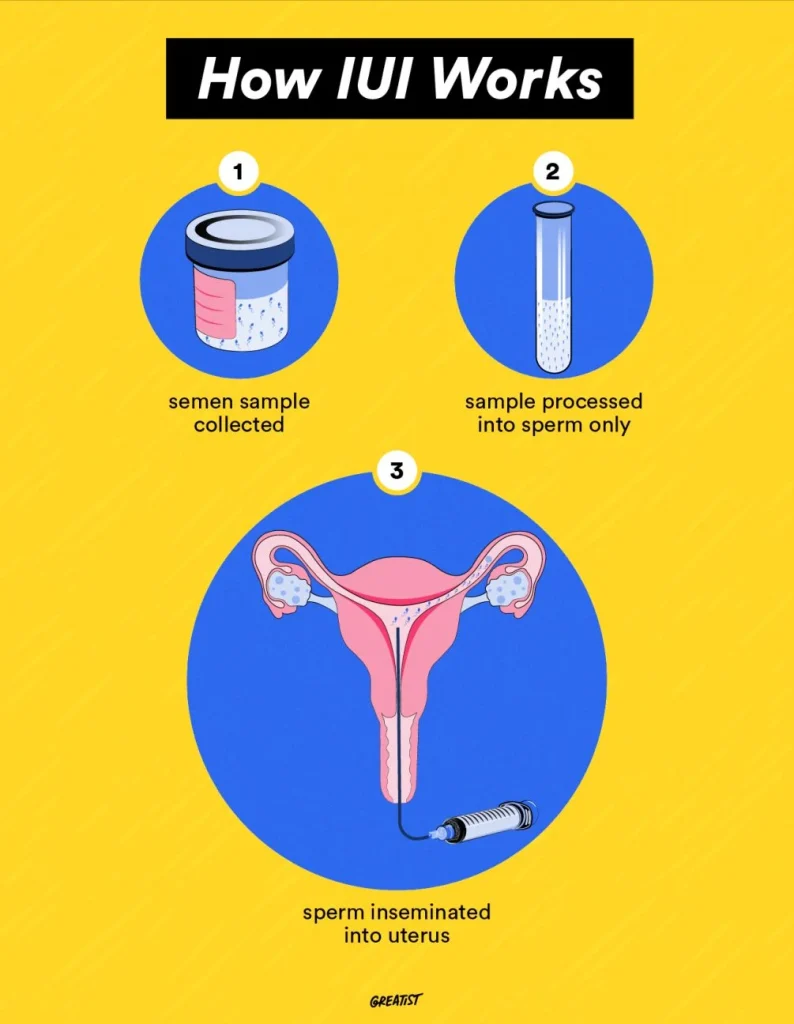
    illustration explaining the steps of intrauterine insemination (IUI) process on a bright yellow background

    Unlocking the Mystery of Fertility: Insights from At-Home and Medical Testing

    However, it is essential to note that at-home fertility tests are not a replacement for medical testing. While they can provide valuable insights, they are not as comprehensive as medical tests and should not be relied upon for a diagnosis or treatment plan.

    Medical Fertility Testing

    Medical fertility testing involves a series of tests and evaluations conducted by a healthcare professional to determine the cause of infertility. These tests can involve a physical exam, blood work, ultrasounds, and semen analysis for men. Medical fertility testing aims to identify any underlying medical conditions or factors that may be affecting an individual’s ability to conceive.

    One of the most commonly used medical fertility tests is the hysterosalpingogram (HSG). This test involves inserting a dye into the uterus and fallopian tubes to detect any blockages or abnormalities that may be hindering fertility. Another common test is the hormone evaluation, which measures the levels of various hormones involved in the reproductive process. This test can help identify issues such as polycystic ovary syndrome (PCOS) or thyroid disorders that may be affecting fertility.

    Benefits of Medical Fertility Testing

    Medical fertility testing offers several advantages, including accuracy, comprehensiveness, and the ability to diagnose and treat underlying medical conditions. Unlike at-home fertility tests, medical testing is conducted by trained professionals and can provide a more accurate and comprehensive evaluation of an individual’s reproductive health. It also allows for the diagnosis and treatment of any underlying medical conditions that may be causing infertility, increasing the chances of a successful pregnancy.

    Combining At-Home and Medical Testing

    While at-home and medical fertility testing have their unique benefits, combining the two can provide the most comprehensive insight into an individual’s reproductive health. At-home tests can help individuals track their ovulation and identify any potential issues, while medical tests can provide a more in-depth evaluation and diagnosis. By combining the two, individuals can gather a comprehensive understanding of their fertility and take steps to improve their chances of conceiving.

    In conclusion, unlocking the mystery of fertility is a complex and personal journey, and at-home and medical testing can provide valuable insights and help individuals and couples on their path to parenthood. Whether it is through tracking ovulation with an OPK or undergoing a comprehensive medical evaluation, these tests can provide crucial information and guidance for those struggling with fertility. By utilizing both at-home and medical testing, individuals can take control of their reproductive health and increase their chances of achieving a successful pregnancy.

  • At-Home Fertility Testing for Men: Breaking the Stigma and Taking Control

    Summary:

    Fertility has long been seen as a woman’s issue, but the truth is that men play just as important of a role in the fertility journey. However, due to societal stigma and lack of education, men often neglect their fertility health until it’s too late. At-home fertility testing for men is a game-changer in breaking the stigma and empowering men to take control of their fertility.

    In this blog post, we will discuss the importance of fertility testing for men, the different types of at-home fertility tests available, and how to interpret the results. We will also address the common misconceptions and stigmas surrounding male fertility and how at-home testing can help overcome these barriers. By the end of this post, you will have a better understanding of why at-home fertility testing is crucial for men and how it can help you take control of your fertility.

    The Importance of Fertility Testing for Men:

    Fertility testing is a crucial step for both men and women who are trying to conceive. However, many men tend to overlook their fertility health because of the misconception that fertility issues only affect women. This is far from the truth, as male infertility is responsible for about 30% of all infertility cases. Additionally, fertility declines with age in men, just like in women, making it essential to monitor fertility health regularly.

    Fertility testing for men can also help identify underlying health issues that may be affecting fertility. Conditions such as low testosterone, varicocele, and genetic abnormalities can impact sperm production and quality, which can lead to fertility problems. By identifying these issues early on, men can take appropriate measures to improve their fertility and increase their chances of conception.

    Types of At-Home Fertility Tests for Men:

    There are several at-home fertility tests available for men, each with its own advantages and limitations. The most common types of at-home fertility tests for men are sperm count tests, sperm quality tests, and hormone level tests.

    Sperm count tests measure the number of sperm in a man’s ejaculate, while sperm quality tests assess the sperm’s motility (movement) and morphology (shape). These tests can be done at home using a sperm count kit or a sperm quality kit, which usually involves collecting a semen sample and sending it to a lab for analysis.

    diagram of a uterus with a syringe for intrauterine insemination procedure

    At-Home Fertility Testing for Men: Breaking the Stigma and Taking Control

    Hormone level tests, on the other hand, measure the levels of testosterone and other hormones that play a crucial role in sperm production. These tests can be done at home using a hormone level testing kit, which usually involves collecting a blood or saliva sample and sending it to a lab for analysis.

    Interpreting the Results:

    Interpreting the results of at-home fertility tests can be confusing for many men, especially if they have no prior knowledge of fertility health. However, it’s essential to understand what the results mean to take appropriate action.

    In sperm count and quality tests, a lower number of sperm or poor sperm quality can indicate potential fertility issues. However, it’s important to keep in mind that these tests are not always accurate and should be confirmed by a healthcare professional.

    In hormone level tests, abnormal levels of testosterone or other hormones may indicate underlying health issues that could be impacting fertility. Again, these tests should be confirmed by a healthcare professional for an accurate diagnosis.

    Breaking the Stigma and Empowering Men:

    One of the biggest barriers to male fertility testing is the stigma surrounding it. Many men feel embarrassed or emasculated by the thought of being infertile, and this stigma often prevents them from seeking help. At-home fertility testing breaks this stigma by providing a discreet and convenient way for men to assess their fertility health.

    Moreover, at-home fertility testing also empowers men to take control of their fertility by providing them with valuable information about their reproductive health. By understanding their fertility health, men can make informed decisions about their future, whether it’s seeking medical treatment, making lifestyle changes, or exploring alternative options such as sperm donation or adoption.

    In conclusion, at-home fertility testing for men is crucial in breaking the stigma surrounding male fertility and empowering men to take control of their reproductive health. By understanding the importance of fertility testing, the different types of at-home tests available, and how to interpret the results, men can break free from societal expectations and make informed decisions about their fertility journey.

  • At-Home Fertility Testing: What to Expect and How to Prepare

    Blog Post:

    In today’s fast-paced world, people are looking for more convenient and accessible ways to manage their health. This includes fertility testing, which can now be done in the comfort of your own home. At-home fertility testing has become increasingly popular in recent years, as it offers a convenient and private way to check your fertility status. But what can you expect from these tests and how should you prepare? In this blog post, we will dive into the world of at-home fertility testing, covering everything from the different types of tests available to how to prepare for them.

    Types of At-Home Fertility Tests

    There are several types of at-home fertility tests available on the market. The most common ones are ovulation predictor kits and at-home semen analysis kits.

    Ovulation Predictor Kits:

    Ovulation predictor kits (OPKs) are urine-based tests that measure the levels of luteinizing hormone (LH) in a woman’s body. LH is a hormone that surges just before ovulation, and OPKs can detect this surge. These tests come in the form of strips or digital tests and are typically used by women who are trying to get pregnant. They can help determine the most fertile days of a woman’s menstrual cycle, making it easier to time intercourse for conception.

    At-Home Semen Analysis Kits:

    For men, at-home semen analysis kits are available to check the quality and quantity of sperm. These tests analyze the sperm count, motility, and morphology, which are all crucial factors in male fertility. The results of these tests can give men an idea of their overall sperm health and whether they may need to seek further medical assistance.

    How to Prepare for At-Home Fertility Testing

    Before taking an at-home fertility test, it is essential to understand how these tests work and what you can do to ensure accurate results. Here are some tips to help you prepare for your at-home fertility test:

    1. Read the instructions carefully:

    Before taking any fertility test, it is crucial to read the instructions carefully. Each test may have specific requirements, such as certain days of the menstrual cycle to take the test or specific times of the day. Following the instructions correctly can help ensure accurate results.

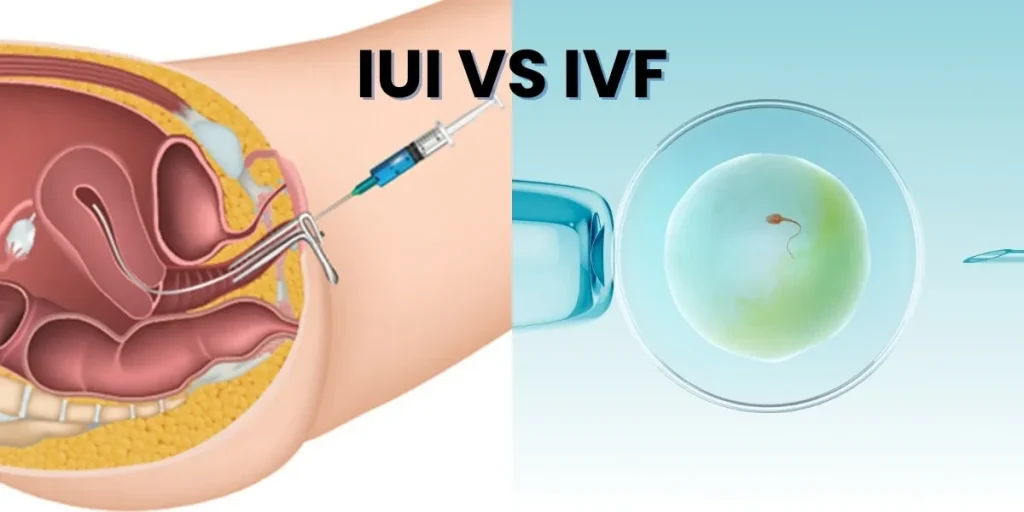
    comparison of IUI and IVF fertility treatments with illustrations of procedures and a petri dish with an egg and sperm

    At-Home Fertility Testing: What to Expect and How to Prepare

    2. Use first-morning urine:

    For most at-home fertility tests, it is recommended to use the first-morning urine sample as it contains the highest levels of hormones, making it easier to detect ovulation or sperm health.

    3. Avoid certain medications:

    Some medications can interfere with the results of at-home fertility tests. It is best to avoid taking any fertility medications, such as clomiphene citrate or human chorionic gonadotropin (hCG), before taking the test.

    4. Track your menstrual cycle:

    If you are taking an ovulation predictor kit, it is essential to have an understanding of your menstrual cycle. Tracking your cycle can help you determine the best time to take the test and increase the chances of accurate results.

    5. Follow a healthy lifestyle:

    Maintaining a healthy lifestyle can have a positive impact on your fertility. It is recommended to eat a balanced diet, exercise regularly, and avoid smoking and excessive alcohol consumption before taking an at-home fertility test.

    What to Expect During and After the Test

    The process of taking an at-home fertility test is relatively simple and straightforward. Most tests involve collecting a sample, either urine or semen, and then following the instructions to get the results. The results are usually available within a few minutes or a couple of days, depending on the test.

    If you are using an ovulation predictor kit, you can expect to see a positive result when the test detects the LH surge, indicating that ovulation is likely to occur within the next 24-36 hours. For men, an at-home semen analysis kit will provide information on sperm count, motility, and morphology. If the results show any abnormalities, it is recommended to consult a fertility specialist for further testing and treatment.

    It is essential to keep in mind that at-home fertility tests are not a substitute for a complete fertility evaluation by a medical professional. If you have been trying to conceive for over a year without success, it is best to consult a doctor for a comprehensive fertility evaluation.

    In summary, at-home fertility testing offers a convenient and private way to check your fertility status. With various options available, it is essential to understand how these tests work and how to prepare for them to ensure accurate results. Remember to read the instructions carefully, use the first-morning urine sample, avoid certain medications, track your menstrual cycle, and follow a healthy lifestyle. And while at-home fertility tests can provide valuable information, they should not replace a complete fertility evaluation by a medical professional.

  • The Future of Fertility Testing: How At-Home Testing is Changing the Game

    Blog Post: The Future of Fertility Testing: How At-Home Testing is Changing the Game

    Fertility testing has always been a crucial step in family planning for couples trying to conceive. However, traditional fertility testing methods, such as blood tests and ultrasounds, can be expensive, time-consuming, and sometimes invasive. This has led to a rise in popularity for at-home fertility testing kits, which allow individuals to conveniently and discreetly test their fertility from the comfort of their own homes. In this blog post, we will explore the future of fertility testing and how at-home testing is changing the game for couples and individuals looking to start a family.

    The Evolution of Fertility Testing

    Traditionally, fertility testing required individuals to visit a doctor’s office or fertility clinic for a series of tests, including blood work, ultrasounds, and semen analysis. These tests can be costly and often require multiple appointments, making it a time-consuming and expensive process. However, with the advancement of technology, at-home fertility testing kits have emerged as a more convenient and affordable option.

    At-home fertility testing kits typically involve collecting a sample (either urine or saliva) and sending it to a lab for analysis. The results are then delivered to the individual through a secure online portal. These kits can test for various fertility indicators, such as hormone levels, ovulation, and sperm count. They also often come with personalized recommendations and resources for improving fertility.

    The Benefits of At-Home Fertility Testing

    One of the main benefits of at-home fertility testing is convenience. These kits allow individuals to test their fertility in the privacy of their own homes without having to schedule appointments or visit a doctor’s office. This is especially beneficial for those who live in rural areas or have busy schedules.

    Another advantage of at-home fertility testing is cost-effectiveness. Traditional fertility testing can be expensive, with some tests costing hundreds or even thousands of dollars. At-home testing kits are much more affordable, with prices ranging from $20 to $200. This makes it a more accessible option for those who may not have the financial means to undergo traditional testing.

    comparison of IUI and IVF fertility treatments with illustrations of procedures and a petri dish with an egg and sperm

    The Future of Fertility Testing: How At-Home Testing is Changing the Game

    At-home fertility testing also offers a sense of control and empowerment to individuals. Rather than waiting for a doctor’s appointment, individuals can take the initiative to test their fertility and gain a better understanding of their reproductive health. This can also help individuals feel more in control of their family planning journey and make informed decisions about their fertility.

    The Future of At-Home Fertility Testing

    The at-home fertility testing industry is continuously evolving and improving as technology advances. In the future, we can expect to see more advanced and accurate testing methods, allowing for more precise results. Some companies are already working on developing at-home testing kits that use artificial intelligence to analyze fertility markers and provide personalized recommendations.

    Additionally, at-home fertility testing is becoming more accessible to a wider range of individuals. Some companies offer international shipping, making it possible for people in different countries to access these kits. There are also efforts to make these kits more inclusive by creating options for LGBTQ+ couples and individuals.

    Moreover, as at-home fertility testing becomes more mainstream, we can expect to see a decrease in the stigma surrounding fertility issues. This can lead to more open and honest conversations about fertility and encourage people to take a proactive approach to their reproductive health.

    Final Thoughts

    At-home fertility testing is changing the game for couples and individuals looking to start a family. It offers convenience, affordability, and a sense of control over one’s reproductive health. The industry is continuously evolving, and we can expect to see more advanced and inclusive options in the future. As we move towards a more progressive and accessible approach to fertility testing, we can hope to see more people empowered to take charge of their reproductive health and make informed decisions about their family planning journey.

    In summary, at-home fertility testing is revolutionizing the way individuals approach fertility testing. It offers convenience, affordability, and a sense of control, making it a popular choice for those looking to start a family. With advancements in technology and efforts towards inclusivity, the future of at-home fertility testing looks promising.

  • Navigating the World of Fertility Testing: At-Home vs Medical

    Blog Post:

    Fertility testing is a crucial step for individuals and couples who are trying to conceive. However, navigating the world of fertility testing can be overwhelming and confusing. There are two main options for fertility testing: at-home testing and medical testing. In this blog post, we will discuss the differences between these two options, the pros and cons of each, and how to decide which one is right for you.

    At-Home Fertility Testing:

    At-home fertility testing has become increasingly popular in recent years. These tests allow individuals to collect their own samples (usually urine or saliva) and send them to a lab for analysis. The results are then delivered to the individual through a secure online platform.

    Pros:

    1. Convenience: One of the biggest advantages of at-home fertility testing is convenience. These tests can be done in the comfort of your own home, without the need to schedule appointments or visit a doctor’s office.

    2. Affordability: At-home fertility tests are generally more affordable than medical testing. This makes them a more accessible option for those who may not have insurance coverage for fertility treatments.

    3. Privacy: For some individuals, the idea of discussing their fertility with a doctor can be uncomfortable. At-home testing allows for privacy and discretion, as there is no need to share personal information with a medical professional.

    Cons:

    1. Limited accuracy: At-home fertility tests may not be as accurate as medical testing. This is because they rely on self-collected samples, which can be affected by user error and may not provide a complete picture of an individual’s fertility.

    2. Limited testing options: At-home fertility tests typically only measure a few key hormones, such as luteinizing hormone (LH) and follicle-stimulating hormone (FSH). This means that they may not detect other factors that could be impacting fertility, such as thyroid function or ovarian reserve.

    Medical Fertility Testing:

    Medical fertility testing involves visiting a doctor or fertility specialist for testing. This may include blood work, imaging tests, and other procedures to assess an individual’s reproductive health.

    Pros:

    Comparison of IUI and IVF treatments with diagrams of reproductive anatomy.

    Navigating the World of Fertility Testing: At-Home vs Medical

    1. Comprehensive testing: Medical fertility testing offers a more comprehensive assessment of an individual’s fertility. Doctors can conduct a range of tests to determine the underlying factors that may be affecting fertility.

    2. Higher accuracy: Medical testing is generally considered to be more accurate than at-home testing. This is because the samples are collected under medical supervision and analyzed in a lab.

    3. Personalized treatment plans: With medical testing, doctors can create personalized treatment plans based on the individual’s specific fertility issues. This can lead to more effective and targeted treatment options.

    Cons:

    1. Cost: Medical fertility testing can be expensive, especially for those who do not have insurance coverage. It may also involve multiple appointments and procedures, which can add to the overall cost.

    2. Time-consuming: Unlike at-home testing, medical fertility testing requires multiple appointments and waiting for results. This can be time-consuming and may delay the start of fertility treatments.

    3. Emotional toll: For some individuals, visiting a doctor for fertility testing can be emotionally challenging. The process may bring up feelings of stress, anxiety, and disappointment.

    Deciding Between At-Home and Medical Fertility Testing:

    When it comes to deciding between at-home and medical fertility testing, there is no right or wrong answer. It ultimately depends on your personal preferences, budget, and fertility goals. If you are looking for a more affordable and convenient option, at-home testing may be the way to go. However, if you want a comprehensive and accurate assessment of your fertility, medical testing may be the better choice.

    It’s also important to consider your individual fertility journey. For example, if you and your partner have been trying to conceive for a while with no success, it may be best to seek medical testing to identify any underlying issues. On the other hand, if you are just starting your fertility journey and want to get a general idea of your fertility status, at-home testing may be a good place to start.

    In some cases, a combination of both at-home and medical testing may be the best approach. For example, you may want to do at-home testing to get a general idea of your fertility status and then follow up with medical testing for a more comprehensive assessment.

    In conclusion, both at-home and medical fertility testing have their own set of pros and cons. It’s important to carefully consider your options and choose the one that best fits your needs and goals. Whether you decide to go with at-home or medical testing, remember that fertility testing is just the first step in your journey towards parenthood. Stay positive and stay informed, and you’ll be on your way to building the family of your dreams.

    Summary:

    Fertility testing is a crucial step for individuals and couples trying to conceive. There are two main options for fertility testing: at-home and medical. At-home testing offers convenience and affordability, while medical testing offers comprehensive and accurate results. The decision between the two depends on personal preferences, budget, and fertility goals. A combination of both may also be a good approach. Ultimately, fertility testing is just the first step towards parenthood and should be approached with positivity and informed decision-making.