Blog Post Title: The Pros and Cons of Fertility Preservation: What You Need to Know
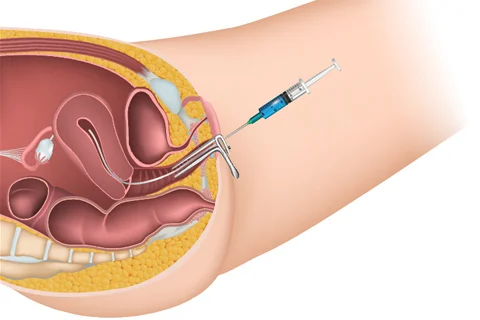
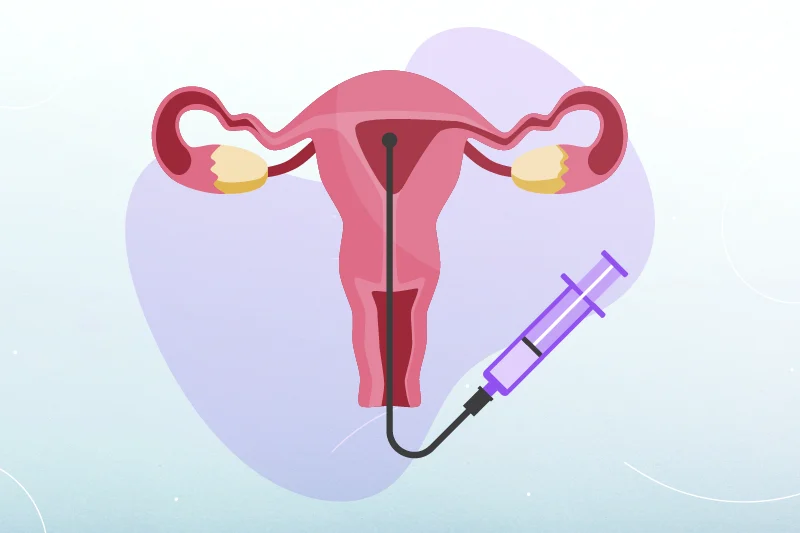
Fertility preservation, also known as cryopreservation, is a medical procedure that involves freezing and storing eggs, sperm, or embryos for future use. This option is becoming increasingly popular for individuals or couples who are considering delaying parenthood or undergoing medical treatments that may affect their fertility. However, like any medical procedure, there are both pros and cons to consider before making the decision to preserve one’s fertility. In this blog post, we will discuss the benefits and drawbacks of fertility preservation, as well as important considerations to keep in mind.
Pros of Fertility Preservation:
1. Allows for Delayed Parenthood: One of the main advantages of fertility preservation is that it allows individuals or couples to delay parenthood for personal or professional reasons. With the advancement of technology, eggs, sperm, and embryos can be safely frozen and stored for many years, giving individuals the flexibility to start a family when they are ready.
2. Preserves Fertility Before Medical Treatments: For individuals who are facing medical treatments such as chemotherapy, radiation, or surgery that may affect their fertility, fertility preservation provides a chance to preserve their reproductive options before undergoing the treatments. This is especially important for young cancer patients who may want to have children in the future.
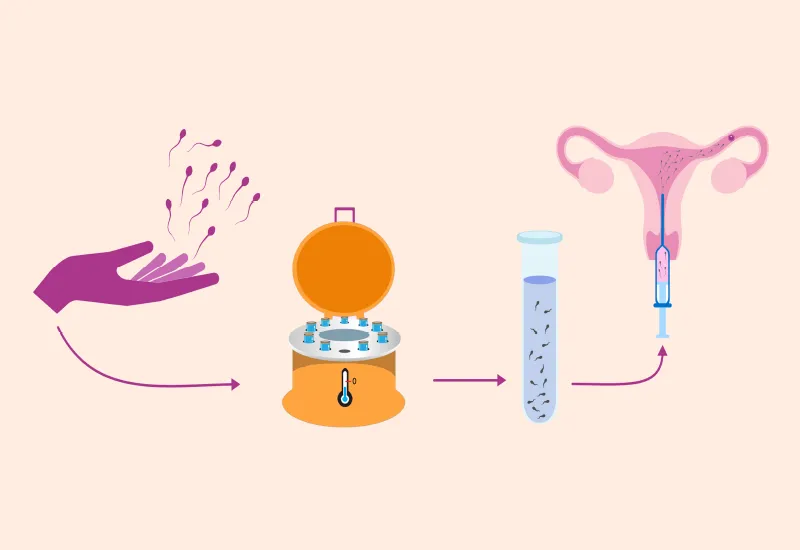
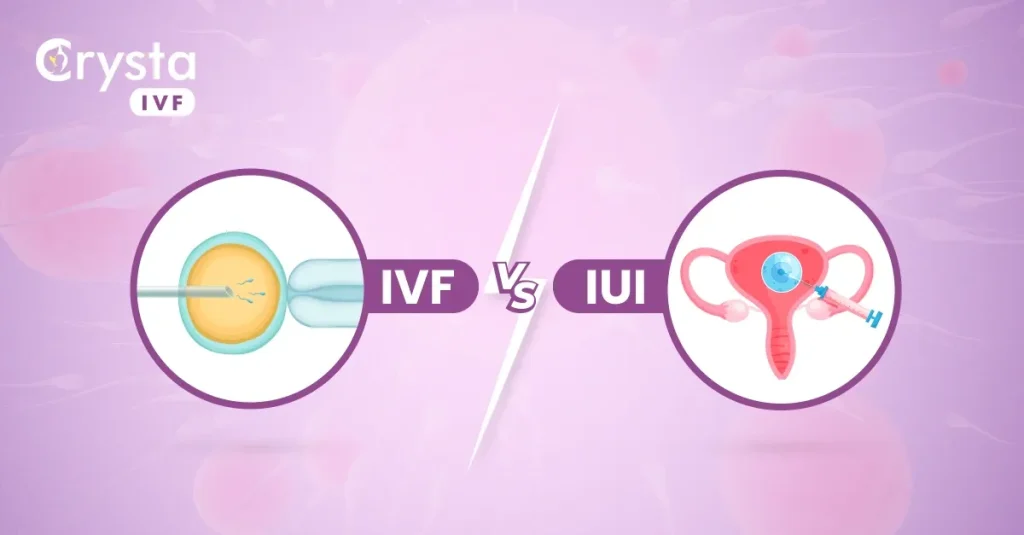
3. Increases Chances of Pregnancy: As women age, their fertility decreases, making it more difficult to conceive naturally. By preserving eggs at a younger age, women can increase their chances of getting pregnant later in life. This is also beneficial for couples who are struggling with infertility, as they can use their stored eggs or sperm for assisted reproductive techniques such as in vitro fertilization (IVF).
4. Peace of Mind: Fertility preservation can provide peace of mind for individuals who are worried about their future fertility. Knowing that they have the option to use their preserved eggs, sperm, or embryos in the future can alleviate the stress and anxiety that often comes with fertility concerns.
5. Suitable for LGBTQ+ Couples: Fertility preservation is also a viable option for LGBTQ+ couples who want to have biological children. Same-sex male couples can preserve their sperm for future use, while same-sex female couples can use donor sperm or preserve eggs for IVF.
Cons of Fertility Preservation:
1. Cost: Fertility preservation can be a costly procedure, and the cost may vary depending on the method used, the number of cycles required, and the storage fees. In addition, not all insurance plans cover the cost of fertility preservation, making it an expensive option for some individuals or couples.
2. No Guarantee of Success: While fertility preservation can increase the chances of pregnancy, it does not guarantee success. There is always a chance that the stored eggs, sperm, or embryos may not survive the freezing and thawing process, or that they may not result in a successful pregnancy.
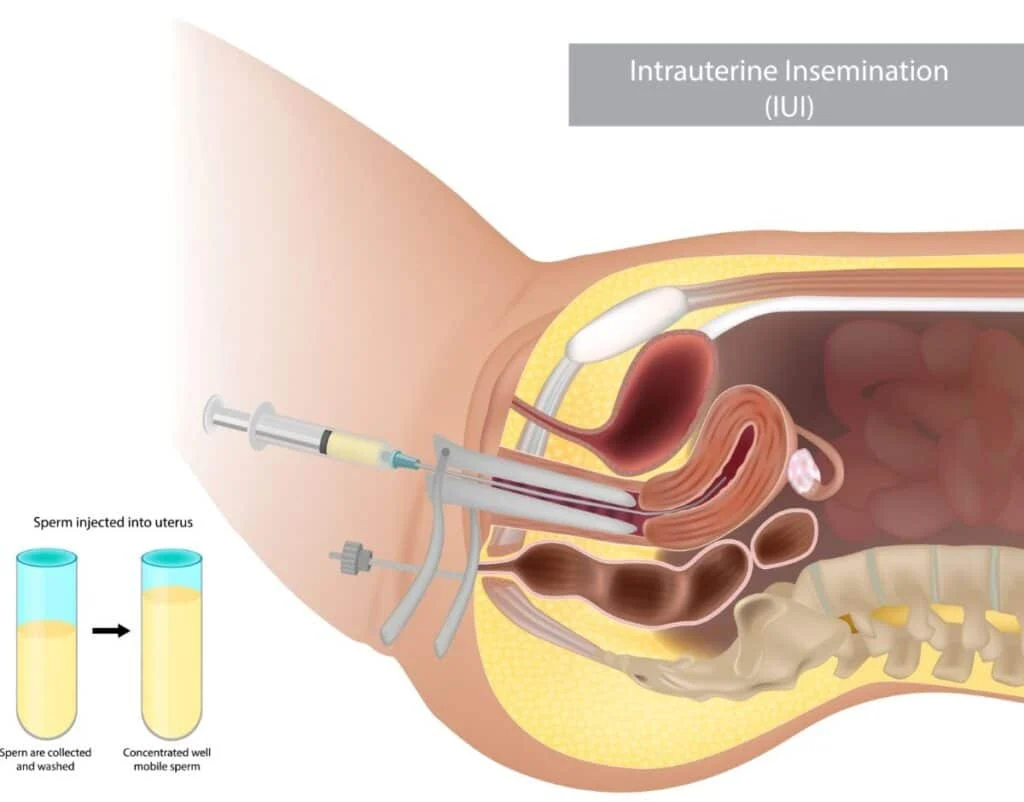
The Pros and Cons of Fertility Preservation: What You Need to Know
3. Emotional Toll: Deciding to preserve one’s fertility can come with emotional challenges. It may bring up feelings of grief and loss, as individuals may be mourning the loss of their natural ability to conceive. In addition, the process of undergoing fertility treatments and making decisions about the number of eggs or sperm to preserve can be emotionally taxing.
4. Ethical Concerns: Some people have ethical concerns about fertility preservation, especially when it comes to storing and potentially discarding unused embryos. This can raise questions about the status of the embryos and the ethical implications of using them for reproductive purposes.
5. Limited Time Frame: Fertility preservation is most effective when done at a younger age, as the quality of eggs and sperm decreases with age. This means that individuals who decide to preserve their fertility later in life may have a lower chance of success.
Important Considerations:
1. Consult with a Fertility Specialist: Before making a decision about fertility preservation, it is important to consult with a fertility specialist who can provide expert advice and guidance. They can assess your individual situation and help you understand the potential success rates and risks associated with the procedure.
2. Plan for the Future: It is important to have a plan in place for the future use of the preserved eggs, sperm, or embryos. This includes considering the number of eggs or sperm to preserve, the length of storage, and the potential use of a surrogate or donor if needed.
3. Be Informed: It is crucial to educate yourself about the procedure and the potential risks and benefits before making a decision. This includes understanding the costs involved, the success rates, and the potential emotional toll.
4. Explore Other Options: Fertility preservation is not the only option for individuals or couples who want to have children in the future. Adoption, surrogacy, and fostering are all alternatives that may be worth considering.
In conclusion, fertility preservation is a complex decision that requires careful consideration. While it can provide many benefits and help individuals achieve their goal of parenthood, it also comes with potential drawbacks and challenges. It is important to weigh the pros and cons, consult with a fertility specialist, and be informed before making a decision about fertility preservation.
Summary:
Fertility preservation, also known as cryopreservation, is a medical procedure that involves freezing and storing eggs, sperm, or embryos for future use. It allows for delayed parenthood, preserves fertility before medical treatments, increases chances of pregnancy, and provides peace of mind. However, it can be costly, has no guarantee of success, and can have an emotional toll. Important considerations include consulting with a fertility specialist, planning for the future, being informed, and exploring other options. Ultimately, the decision to preserve one’s fertility is a personal one that should be made after careful consideration of the pros and cons.