Tag: fertility

  • The Long Road to Parenthood: How Fertility Testing Can Help for Both Men and Women

    Blog Post: The Long Road to Parenthood: How Fertility Testing Can Help for Both Men and Women

    Parenthood is often seen as a natural and effortless journey for couples, but for many, it can be a long and challenging road. Infertility affects approximately 1 in 8 couples, and the struggle to conceive can take a toll on both physical and emotional well-being. While there are various causes of infertility, fertility testing can provide valuable insights for both men and women. In this blog post, we will explore the importance of fertility testing and how it can help couples on their journey to parenthood.

    Understanding Fertility and Infertility

    Fertility is the ability to conceive a child, and it is influenced by various factors such as age, health, and lifestyle. In women, fertility is primarily determined by the regularity and quality of ovulation, while in men, it is determined by the quality and quantity of sperm. Infertility is defined as the inability to conceive after 12 months of regular, unprotected intercourse. However, for women over the age of 35, this time frame is shortened to 6 months, as fertility declines with age.

    Fertility Testing for Women

    For women, fertility testing typically involves a series of blood tests and imaging procedures to assess the health and function of the reproductive organs. These tests can help identify any underlying hormonal imbalances, structural abnormalities, or other issues that may be affecting fertility.

    One common fertility test for women is the ovarian reserve test, which measures the quantity and quality of a woman’s remaining egg supply. This test is especially useful for women over the age of 35, as it can give an indication of their fertility potential. Other tests may include a hysterosalpingogram (HSG), which uses a dye to visualize the uterus and fallopian tubes, and an ultrasound to evaluate the ovaries and uterus.

    Fertility Testing for Men

    For men, fertility testing involves a semen analysis to assess the quality and quantity of sperm. This test looks at factors such as sperm count, motility (movement), and morphology (shape). A low sperm count or poor sperm quality can significantly impact a man’s fertility and may require further testing to determine the underlying cause.

    In addition to a semen analysis, men may also undergo blood tests to check for hormonal imbalances or genetic abnormalities that can affect fertility. If necessary, imaging tests such as a scrotal ultrasound may also be performed to evaluate the reproductive organs.

    Benefits of Fertility Testing
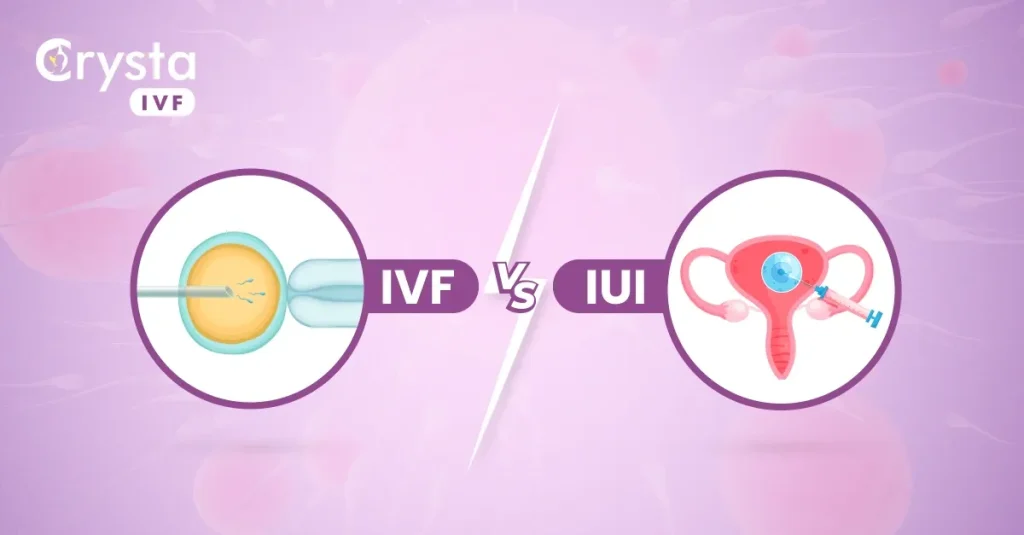
    Comparison of IVF and IUI procedures with illustrations of each method.

    The Long Road to Parenthood: How Fertility Testing Can Help for Both Men and Women

    Fertility testing can provide valuable information for couples struggling to conceive, and it can be beneficial in several ways.

    Identify Potential Issues

    Fertility testing can help identify any underlying issues that may be affecting a couple’s ability to conceive. For women, it can identify hormonal imbalances, structural abnormalities, or other conditions that may be preventing ovulation or fertilization. For men, it can identify issues with sperm quality or quantity, as well as any hormonal or genetic factors that may be contributing to infertility.

    Guide Treatment Options

    Once the underlying cause of infertility is identified, fertility testing can help guide treatment options. For example, if a woman is found to have irregular ovulation, medication or hormonal therapy may be recommended to help regulate her cycles. If a man has a low sperm count, he may benefit from lifestyle changes or medical interventions to improve sperm quality.

    Reduce Stress and Anxiety

    The journey to parenthood can be emotionally draining, and the uncertainty of not knowing the cause of infertility can add to the stress and anxiety. Fertility testing can provide answers and give couples a sense of control over their situation, reducing stress and anxiety levels.

    Prevent Unnecessary Treatments

    Without proper testing, couples may undergo expensive and invasive fertility treatments that may not be necessary. Fertility testing can help determine if there are any underlying issues that can be addressed with less invasive methods, such as medication or lifestyle changes, before pursuing more aggressive treatments.

    In Summary

    The road to parenthood can be a challenging one, and the struggle with infertility can take a toll on both men and women. Fertility testing can provide valuable insights into the underlying causes of infertility and guide treatment options. It can also reduce stress and anxiety, prevent unnecessary treatments, and ultimately help couples on their journey to becoming parents.

  • The Importance of Support: How Friends and Family Can Help During Fertility Testing

    Blog Post:

    Fertility testing is a crucial step for couples who are struggling to conceive. It involves a series of medical evaluations and procedures to determine the underlying cause of infertility. However, this process can be emotionally and physically taxing for both partners. In such a trying time, having a strong support system is essential. Friends and family can play a significant role in providing the necessary emotional and medical support during fertility testing. In this blog post, we will discuss the importance of support and how friends and family can help during fertility testing.

    Emotional Support:

    Fertility testing can be a rollercoaster of emotions for couples. It is a stressful and overwhelming process that can take a toll on the mental well-being of both partners. The emotional impact of fertility testing can often be underestimated, but it is crucial to acknowledge and address it. Friends and family can be a great source of emotional support during this time.

    Firstly, they can provide a listening ear and a shoulder to cry on. Sometimes, all one needs is someone to vent out their feelings to without any judgment. Friends and family can offer that safe space for couples going through fertility testing. They can also offer words of encouragement and positivity, which can go a long way in boosting the couple’s morale.

    Moreover, friends and family can also act as a distraction from the stress and anxiety of fertility testing. Planning a day out or engaging in a fun activity with loved ones can help the couple take their minds off the process and focus on something positive. This can also help in reducing the tension and improving the overall mood of the couple.

    Medical Support:

    Apart from emotional support, friends and family can also provide medical support during fertility testing. This can involve accompanying the couple to doctor appointments, taking notes, and asking questions on their behalf. This can be especially helpful for couples who may feel overwhelmed by the medical jargon and procedures involved in fertility testing.

    Moreover, friends and family can also help in keeping track of medications and appointments. This can be a huge relief for the couple, as fertility testing often involves a strict schedule of medications and doctor visits. Having someone to remind them of these important tasks can ease the burden and help the couple stay on track.

    Illustration of the IUI process, showing a syringe and catheter in the reproductive system.

    The Importance of Support: How Friends and Family Can Help During Fertility Testing

    Coping with Infertility:

    Fertility testing can often lead to the diagnosis of infertility, which can be devastating for couples. In such a situation, friends and family can play a crucial role in helping the couple cope with the news. They can provide a sense of comfort and support, and offer practical help in dealing with the diagnosis.

    Friends and family can also help in creating a support network for the couple. They can connect them with other couples who have gone through or are going through a similar experience. This can help the couple feel less isolated and provide them with a safe space to share their feelings and experiences.

    Furthermore, friends and family can also offer alternative perspectives and suggestions. They may have ideas or solutions that the couple may not have thought of, and this can be immensely helpful in dealing with the diagnosis of infertility.

    Involving Friends and Family in the Process:

    Involving friends and family in the fertility testing process can also help them understand and empathize with the couple’s situation. It can be challenging for those who have not gone through fertility issues to fully comprehend the emotional and physical toll it takes on a couple. By involving them in the process, they can gain a better understanding and offer more effective support.

    However, it is essential to communicate clearly and set boundaries with friends and family. The couple may need space and privacy during this time, and it is crucial to communicate this to their loved ones. This can help in avoiding any misunderstandings or conflicts and ensure that the couple receives the support they need.

    In conclusion, fertility testing is a challenging and emotional process for couples. Having a strong support system of friends and family is crucial to help them navigate through this difficult time. Emotional support, medical support, and coping with infertility are some of the ways in which friends and family can offer their help. Involving them in the process can not only provide practical assistance but also strengthen relationships and provide a sense of comfort to the couple.

    In summary, fertility testing can be a difficult and emotionally taxing process for couples. Having a strong support system of friends and family can play a crucial role in helping them cope with the stress and anxiety. Friends and family can provide emotional support, medical support, and assist in coping with infertility. Involving them in the process can also help strengthen relationships and provide a sense of comfort to the couple.

  • Fertility Testing for Men and Women: Is It Covered by Insurance?

    Blog Post:

    Fertility is a topic that affects many couples and individuals, as they try to start or expand their families. However, fertility issues can be complex and often require medical intervention or treatment. In order to determine the cause of fertility problems, fertility testing is often necessary. This testing can involve a variety of methods for both men and women, including blood tests, imaging scans, and physical examinations. But the question remains, is fertility testing covered by insurance?

    Fertility Testing for Women:

    Fertility testing for women often involves a series of blood tests and imaging scans to assess the health and function of the reproductive system. These tests can include hormone level testing, ovarian reserve testing, and ultrasound or hysteroscopy to evaluate the uterus and fallopian tubes. The cost of these tests can vary depending on the specific procedures and the location where they are performed.

    Most insurance plans do cover some form of fertility testing for women, but the extent of coverage may vary. Some plans may cover the full cost of testing, while others may only cover a portion. It is important to review your insurance plan and speak with your provider to understand what is covered and what may be out-of-pocket expenses.

    In addition, some insurance plans may have specific requirements that need to be met before they will cover fertility testing. These requirements can include age restrictions, prior attempts at conception, and a referral from a primary care physician. It is important to be aware of these requirements and follow them in order to ensure coverage for fertility testing.

    Fertility Testing for Men:

    Fertility testing for men often involves a semen analysis, which evaluates the sperm count, motility, and morphology. This test can help determine if there are any issues with sperm production or function. In some cases, additional tests may be needed to identify the cause of fertility problems in men.

    Similar to fertility testing for women, insurance coverage for fertility testing for men can also vary. Some plans may cover the cost of semen analysis, while others may not. It is important to review your insurance plan and speak with your provider to understand what is covered and what may be out-of-pocket expenses.

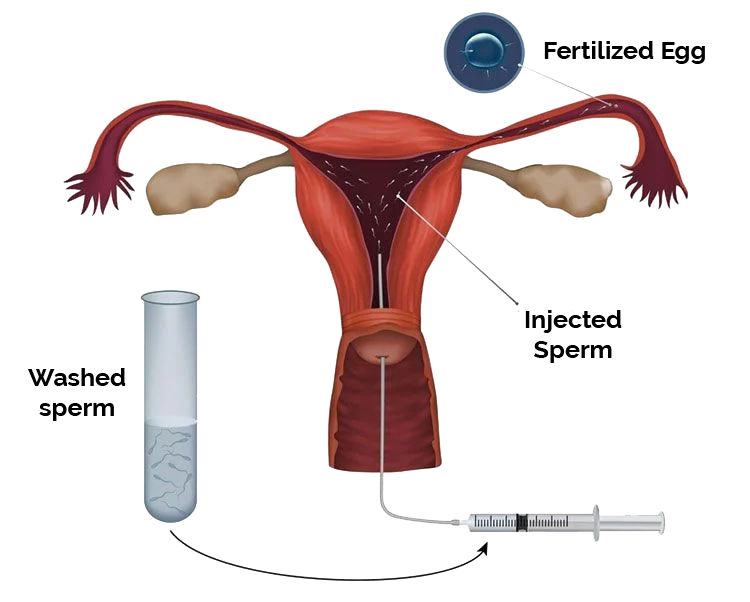
    diagram of the female reproductive system with an IUI syringe and test tube for artificial insemination

    Fertility Testing for Men and Women: Is It Covered by Insurance?

    Factors Affecting Insurance Coverage:

    There are several factors that can affect insurance coverage for fertility testing, including the type of insurance plan, state regulations, and the cause of infertility. For example, some plans may only cover fertility testing for specific medical conditions, such as endometriosis or polycystic ovary syndrome. Other plans may exclude coverage for fertility testing altogether.

    In addition, state regulations can also impact insurance coverage for fertility testing. Currently, only 19 states have laws that require insurance companies to cover fertility treatments, including testing. In these states, insurance companies are required to offer coverage for fertility testing and treatments, but the extent of coverage may vary.

    The cause of infertility can also play a role in insurance coverage for fertility testing. If a medical condition or illness is the cause of fertility issues, insurance may be more likely to cover testing and treatment. However, if the cause is deemed to be a “lifestyle” choice, such as smoking or obesity, insurance may not cover the cost of testing or treatment.

    Out-of-Pocket Expenses:

    Even with insurance coverage, there may still be out-of-pocket expenses associated with fertility testing. This can include deductibles, co-pays, and any testing or treatments that are not covered by insurance. It is important to review your insurance plan and understand these potential expenses before undergoing fertility testing.

    In some cases, fertility clinics may offer financing options or payment plans to help cover the cost of testing and treatment. It is also worth exploring grants or financial assistance programs that may be available for those struggling with fertility issues.

    Summary:

    Fertility testing is a crucial step in identifying the cause of fertility problems for both men and women. While insurance coverage for fertility testing can vary, most insurance plans do offer some form of coverage. However, it is important to review your specific insurance plan and understand any requirements or potential out-of-pocket expenses. Additionally, state regulations and the cause of infertility can also impact insurance coverage for fertility testing. Despite potential expenses, options such as financing and financial assistance programs may help make fertility testing more accessible.

  • The Role of Technology: How Male and Female Fertility Tests Have Evolved

    The Role of Technology: How Male and Female Fertility Tests Have Evolved

    In today’s world, technology plays a crucial role in almost every aspect of our lives. From communication to healthcare, it has revolutionized the way we live. One area where technology has made significant advancements is in the field of fertility testing. With the increasing prevalence of infertility, the need for accurate and accessible fertility tests has become more important than ever. In this blog post, we will explore the evolution of male and female fertility tests and how technology has played a vital role in their development.

    Male Fertility Tests

    Traditionally, when a couple faced difficulties in conceiving, the burden of testing and treatment fell on the woman. However, with advancements in technology, it has become easier to diagnose male factors that contribute to infertility. Male fertility tests have evolved from simple semen analysis to more advanced methods that provide a comprehensive evaluation of sperm quality and quantity.

    One of the most significant advancements in male fertility testing is the introduction of computer-assisted semen analysis (CASA). This technology uses computer algorithms to analyze sperm movement, count, and shape, providing a more accurate and objective assessment than manual methods. CASA has significantly improved the diagnosis and treatment of male infertility, allowing doctors to identify specific issues and provide targeted treatment.

    Another innovative technology in male fertility testing is the sperm DNA fragmentation test. This test evaluates the quality of sperm DNA and its potential to fertilize an egg. High levels of sperm DNA fragmentation have been linked to recurrent miscarriages and failed IVF cycles. By identifying this issue, doctors can recommend treatments such as antioxidant therapy to improve the chances of a successful pregnancy.

    Apart from these advanced tests, technology has also made it possible to perform fertility tests at home. At-home male fertility tests, such as SpermCheck, use a semen sample to detect the presence of sperm and provide an accurate result within minutes. These tests not only save time and money but also provide privacy and convenience for men who may feel uncomfortable with traditional testing methods.

    Female Fertility Tests

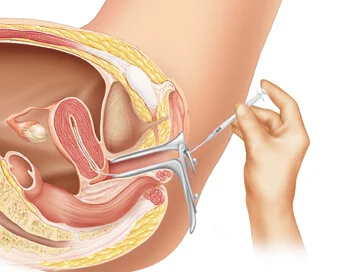
    illustration of intrauterine insemination procedure with a hand holding a speculum and syringe near the uterus

    The Role of Technology: How Male and Female Fertility Tests Have Evolved

    Female fertility tests have also seen significant advancements with the help of technology. One of the most common tests used to evaluate female fertility is the ovarian reserve test. This test measures the quantity and quality of a woman’s eggs, providing an estimate of her reproductive potential. Traditional ovarian reserve tests, such as the follicle-stimulating hormone (FSH) and anti-mullerian hormone (AMH) tests, have been around for decades. However, technology has improved these tests by making them more accurate and accessible.

    The FSH and AMH tests have evolved from traditional blood tests to more advanced methods, such as the Antral Follicle Count (AFC) and the Inhibin B test. AFC uses ultrasound technology to count the number of small follicles in the ovaries, providing a more accurate assessment of ovarian reserve. The Inhibin B test measures the levels of a hormone produced by the ovaries, which can indicate the number of eggs remaining in a woman’s ovaries.

    Apart from these tests, technology has also improved the process of tracking ovulation, which is crucial for couples trying to conceive. Ovulation predictor kits (OPKs) use urine samples to detect the surge in luteinizing hormone (LH), which occurs right before ovulation. These kits have become more accurate and user-friendly with the introduction of digital OPKs, which provide a clear “positive” or “negative” result, eliminating the need for interpretation.

    The Role of Technology in Fertility Treatment

    With the advancements in fertility testing technology, the treatment of infertility has also seen significant progress. For men, accurate diagnosis through advanced tests has allowed for targeted and effective treatments. Intrauterine insemination (IUI) and in-vitro fertilization (IVF) are two common treatments for male factor infertility that have been greatly improved by technology.

    For women, tracking ovulation accurately has helped in timing intercourse and increasing the chances of conception. In addition, the development of assisted reproductive technologies (ART), such as IVF and intracytoplasmic sperm injection (ICSI), have revolutionized the treatment of female infertility. These procedures use advanced laboratory techniques to fertilize eggs with sperm outside of the body, providing hope for couples struggling to conceive.

    In conclusion, technology has played a crucial role in the evolution of male and female fertility tests. From traditional methods to more advanced technologies, we have come a long way in accurately diagnosing fertility issues and providing effective treatments. With the continuous development of technology, we can expect even more advancements in the field of fertility testing, giving hope to couples who dream of starting a family.

    Summary:

    Technology has revolutionized the field of fertility testing, making it easier and more accurate to diagnose fertility issues in both men and women. Male fertility tests have evolved from simple semen analysis to advanced techniques like CASA and sperm DNA fragmentation tests. Female fertility tests, such as ovarian reserve tests and ovulation tracking, have also seen significant advancements with the help of technology. These improved tests have also led to more effective fertility treatments like IUI and IVF, providing hope for couples struggling with infertility. With continuous advancements, technology will continue to play a crucial role in the field of fertility testing and treatment.

  • Beyond the Numbers: Understanding Fertility Test Results for Men and Women

    Blog Post:

    When it comes to fertility, it’s natural for both men and women to have concerns about their reproductive health. And with the increasing number of couples struggling with fertility issues, it’s important to understand the role that fertility tests play in determining one’s ability to conceive. However, looking at the numbers on the test results can be overwhelming and confusing for many. That’s why it’s crucial to go beyond the numbers and gain a better understanding of what they mean. In this blog post, we’ll take a closer look at fertility test results for both men and women, and how to interpret them to make informed decisions about your reproductive health.

    Understanding Fertility Tests for Women:

    For women, fertility tests usually involve tracking their menstrual cycle, blood tests, and imaging tests such as ultrasounds. These tests are used to evaluate the different aspects of a woman’s reproductive health, including ovulation, hormone levels, and the health of her reproductive organs.

    1. Tracking Menstrual Cycle:

    Tracking the menstrual cycle is important in determining if a woman is ovulating regularly. This can be done by keeping track of the start and end dates of each period and noting any changes in the length of the cycle. An average menstrual cycle is around 28 days, but anything between 21-35 days is considered normal. If a woman’s cycle is consistently irregular, it could be a sign of ovulation issues.

    2. Blood Tests:

    Blood tests are used to measure the levels of hormones that are essential for fertility, such as follicle-stimulating hormone (FSH), luteinizing hormone (LH), and progesterone. These hormones play a crucial role in the ovulation process and their levels can indicate if there are any underlying issues with a woman’s reproductive health.

    3. Imaging Tests:

    Imaging tests, such as ultrasounds, are used to evaluate the health of a woman’s reproductive organs. They can detect any abnormalities, such as fibroids or cysts, that may be impacting fertility.

    Interpreting Fertility Test Results for Women:

    Now that we have a better understanding of the different types of fertility tests for women, let’s dive into how to interpret the results.

    1. Ovulation:

    The most important aspect of a woman’s fertility is ovulation. If the menstrual cycle is regular and ovulation is occurring, it’s a good sign of fertility. However, if there are irregularities in the cycle or the ovulation tests are negative, it could indicate issues with ovulation.

    2. Hormone Levels:

    The levels of FSH, LH, and progesterone in a woman’s blood can provide valuable insights into her fertility. High levels of FSH and LH can indicate problems with ovulation, while low levels of progesterone can suggest issues with the luteal phase of the menstrual cycle. It’s important to discuss these results with a healthcare provider to determine the best course of action.

    3. Reproductive Organ Health:

    Imaging tests can provide important information about the health of a woman’s reproductive organs. Any abnormalities, such as fibroids or cysts, can impact fertility and should be addressed by a healthcare provider.

    Understanding Fertility Tests for Men:

    For men, fertility tests usually involve semen analysis, blood tests, and physical exams. These tests are used to evaluate the quality and quantity of sperm, as well as the overall reproductive health of the male.

    A person administering an injection into their abdomen with a yellow pen-like device.

    Beyond the Numbers: Understanding Fertility Test Results for Men and Women

    1. Semen Analysis:

    Semen analysis is the most common fertility test for men. It involves collecting a semen sample and evaluating the quality and quantity of the sperm. The sperm count, motility, and morphology (shape and size) are important factors in determining male fertility.

    2. Blood Tests:

    Blood tests can measure hormone levels, such as testosterone, that can impact male fertility. They can also detect any underlying health conditions that may be affecting reproductive health.

    3. Physical Exam:

    A physical exam can provide insights into the overall health of the male reproductive system. This can include examining the testicles for any abnormalities or checking for varicoceles (enlarged veins in the scrotum).

    Interpreting Fertility Test Results for Men:

    Just like with women, understanding the results of fertility tests for men requires a closer look at the numbers.

    1. Sperm Count, Motility, and Morphology:

    Sperm count, motility, and morphology are important factors in male fertility. A low sperm count or poor sperm motility can make it difficult for sperm to reach and fertilize an egg. Abnormalities in sperm morphology can also impact fertility.

    2. Hormone Levels:

    Testosterone is the primary hormone responsible for male fertility. Low levels of testosterone can affect sperm production and quality.

    3. Physical Exam:

    A physical exam can detect any abnormalities that may be impacting male fertility, such as varicoceles or ejaculatory duct obstruction.

    Going Beyond the Numbers:

    It’s important to remember that fertility test results are just one piece of the puzzle when it comes to reproductive health. Other factors such as age, lifestyle habits, and medical history also play a role in fertility.

    If you have concerns about your fertility, it’s best to consult with a healthcare provider who can interpret the test results and provide personalized recommendations. They can also help you navigate through any potential fertility issues and discuss treatment options.

    In conclusion, understanding fertility test results for both men and women can help individuals make informed decisions about their reproductive health. By going beyond the numbers and looking at the bigger picture, we can gain a better understanding of our fertility and take proactive steps to optimize it.

    Summary:

    Fertility tests are crucial in determining one’s ability to conceive, but understanding the results can be challenging. For women, tracking the menstrual cycle, blood tests, and imaging tests are used to evaluate reproductive health. Interpreting the results involves looking at ovulation, hormone levels, and reproductive organ health. For men, semen analysis, blood tests, and physical exams are used to assess fertility. Understanding the numbers in sperm count, motility, morphology, and hormone levels can provide insights into male fertility. It’s important to remember that fertility tests are just one aspect of reproductive health and consulting with a healthcare provider is crucial for personalized recommendations and treatment options.

  • The Impact of Stress: How It Affects Fertility Testing for Men and Women

    The Impact of Stress: How It Affects Fertility Testing for Men and Women

    For many couples, starting a family is a dream that they share. However, when faced with difficulties conceiving, it can take a toll on both the individual and the relationship. Fertility issues can be caused by a variety of factors, including hormonal imbalances, medical conditions, and lifestyle choices. One factor that is often overlooked but can have a significant impact on fertility is stress. In this blog post, we will explore the relationship between stress and fertility testing for both men and women.

    What is Stress?

    Stress is a natural response to a perceived threat or demand. It is a physiological and psychological reaction that prepares the body to either fight or flee from a stressful situation. In small doses, stress can be beneficial as it helps us to stay alert and focused. However, when stress becomes chronic or overwhelming, it can have negative effects on our health and well-being.

    Stress and Female Fertility

    For women, stress can have a direct impact on their reproductive system. When the body is under stress, the hypothalamus in the brain releases a hormone called corticotropin-releasing hormone (CRH). This hormone can suppress the production of hormones essential for ovulation, such as luteinizing hormone (LH) and follicle-stimulating hormone (FSH). This can lead to irregular menstrual cycles and even anovulation (lack of ovulation), making it difficult to conceive.

    Moreover, chronic stress can also affect the quality of a woman’s eggs. Studies have shown that high levels of stress can lead to increased oxidative stress, which can damage the DNA of the eggs. This can result in a higher risk of miscarriage and can also impact the success rates of fertility treatments such as in vitro fertilization (IVF).

    Stress and Male Fertility

    While most of the focus on fertility issues is placed on women, men also play a crucial role in the conception process. Stress can affect male fertility in various ways. It can lead to a decrease in testosterone levels, which can affect sperm production and quality. Stress can also cause sperm DNA damage, which can lead to decreased sperm motility and an increased risk of miscarriage.

    Additionally, stress can also lead to lifestyle choices that can negatively impact male fertility. For example, men under high levels of stress may turn to unhealthy coping mechanisms such as smoking, excessive drinking, and poor diet, all of which can affect sperm quality and count.

    The Impact of Stress on Fertility Testing

    doctor discussing treatment with a patient in a medical office, featuring an ultrasound machine in the background

    The Impact of Stress: How It Affects Fertility Testing for Men and Women

    Fertility testing is a crucial step in determining the cause of infertility. However, stress can significantly impact the results of these tests. For example, stress can cause hormonal imbalances, which can affect the accuracy of hormone tests used to assess fertility. It can also lead to changes in menstrual cycles, making it challenging to pinpoint the most fertile days for women.

    Moreover, stress can also affect the results of semen analysis for men. Stress can cause sperm count and motility to fluctuate, making it challenging to get an accurate measure of male fertility. This can result in misdiagnosis and incorrect treatment plans.

    Managing Stress for Improved Fertility

    As we have seen, stress can have a significant impact on fertility for both men and women. Therefore, it is essential to find ways to manage stress levels to increase the chances of conceiving. Here are some tips for managing stress for improved fertility:

    1. Practice relaxation techniques: Activities such as yoga, meditation, and deep breathing can help to reduce stress and promote relaxation.

    2. Exercise regularly: Regular physical activity can help to release endorphins, which are natural mood boosters, and reduce stress levels.

    3. Get enough sleep: Lack of sleep can lead to increased stress levels. Make sure to get at least 7-9 hours of quality sleep each night.

    4. Communicate with your partner: Talking to your partner about your feelings and experiences can help to reduce stress and strengthen your relationship.

    5. Seek support: Don’t be afraid to reach out to friends, family, or a therapist for support during this challenging time.

    Conclusion

    In summary, stress can have a significant impact on fertility for both men and women. It can affect hormone levels, sperm quality, and the accuracy of fertility testing. Therefore, it is crucial to find ways to manage stress for improved fertility. By practicing relaxation techniques, exercising regularly, getting enough sleep, and seeking support, couples can increase their chances of conceiving. Remember, fertility issues can be challenging, but with the right support and management of stress, it is possible to overcome them and start a family.

  • Male vs Female Fertility Tests: Which One Is More Comprehensive?

    Male vs Female Fertility Tests: Which One Is More Comprehensive?

    When a couple is struggling to conceive, one of the first steps in the process is to undergo fertility testing. While both men and women can experience fertility issues, the tests and procedures for each gender can differ greatly. This leads to the question: which fertility test is more comprehensive, male or female?

    In order to answer this question, we must first understand the basics of fertility testing. Fertility testing is the process of examining a person’s reproductive health in order to determine their ability to conceive. This can involve a variety of tests and procedures, including hormone testing, imaging tests, and genetic testing.

    For men, fertility testing typically begins with a semen analysis. This test looks at the quality and quantity of sperm in a man’s semen. A low sperm count, poor sperm motility, or abnormal sperm shape can all point to potential fertility issues. In addition, a physical examination and medical history may also be conducted to identify any underlying conditions that could affect fertility, such as infections or hormonal imbalances.

    On the other hand, the most common fertility test for women is a blood test to check hormone levels. This can give insight into the woman’s ovulation cycle and the health of her reproductive system. In addition, imaging tests, such as ultrasounds, may be used to examine the uterus and ovaries for any abnormalities or blockages.

    One of the main differences between male and female fertility tests is that male tests focus primarily on sperm health, while female tests look at a wider range of factors including hormone levels, egg production, and the health of the reproductive organs. This is because women have a more complex reproductive system, and multiple factors can affect their fertility.

    illustration of a uterus with a syringe, representing intrauterine insemination procedure

    Male vs Female Fertility Tests: Which One Is More Comprehensive?

    In terms of comprehensiveness, it can be argued that female fertility tests are more comprehensive than male fertility tests. This is because female tests cover a wider range of factors and can provide a more complete picture of a woman’s reproductive health. However, this does not mean that male fertility tests are less important or less effective.

    In fact, male fertility tests are crucial in identifying potential issues with sperm health, which can greatly impact a couple’s ability to conceive. Moreover, male fertility testing is often less invasive and less expensive compared to female fertility testing. This can make it a more accessible option for couples who may be hesitant or unable to undergo more extensive testing.

    Another important factor to consider when comparing male and female fertility tests is the emotional and psychological impact on the individual. Both men and women may experience stress, anxiety, and feelings of inadequacy when facing fertility issues. However, the social stigma and pressure surrounding male infertility can often be more damaging, leading to feelings of shame and isolation.

    This is why it is crucial for both men and women to receive support and understanding throughout the fertility testing process. It is not a competition between male and female tests, but rather a collaborative effort to identify and address any potential fertility issues.

    In summary, both male and female fertility tests are important and serve different purposes in identifying potential fertility issues. While female tests may be more comprehensive in terms of examining various factors, male tests play a crucial role in identifying sperm health. Ultimately, both types of tests are necessary for a comprehensive evaluation of a couple’s fertility.

    In conclusion, fertility testing is a complex and often emotional process for couples struggling to conceive. Both male and female tests have their own strengths and are necessary in identifying potential fertility issues. It is important to prioritize open communication, support, and understanding throughout the testing process for both men and women.

  • Fertility Testing and Treatment: Is There a Difference for Men and Women?

    Blog Post:

    Fertility is a topic that affects both men and women, yet it is often perceived as a solely female issue. However, the truth is that both men and women can experience fertility issues and may need testing and treatment to conceive. In this blog post, we will explore the differences in fertility testing and treatment for men and women and how understanding these differences can help couples struggling with infertility.

    Fertility Testing for Women:

    Fertility testing for women usually starts with a basic physical examination and medical history. This includes checking for any underlying health conditions that may affect fertility, such as polycystic ovary syndrome (PCOS) or endometriosis. The doctor may also perform blood tests to check hormone levels and ovulation, as well as a pelvic ultrasound to assess the health of the reproductive organs.

    If these initial tests do not reveal any issues, the next step is usually a hysterosalpingogram (HSG). This procedure involves injecting dye into the uterus and taking X-ray images to check for blockages or abnormalities in the fallopian tubes. Another common test is a hysteroscopy, which involves inserting a thin, lighted tube through the cervix to examine the uterine cavity.

    In some cases, a more invasive test called a laparoscopy may be recommended. This involves making a small incision in the abdomen and inserting a thin, lighted tube to examine the reproductive organs for any abnormalities.

    Fertility Testing for Men:

    For men, fertility testing usually involves a semen analysis. This test measures the quantity and quality of sperm in a man’s semen. It can identify issues such as low sperm count, poor sperm motility, or abnormal sperm shape, which can affect a man’s fertility. In some cases, a blood test may also be recommended to check hormone levels and rule out any underlying health conditions.

    Treatment Options for Women:

    The most common treatment for female infertility is fertility drugs, such as Clomid, which help stimulate ovulation. In cases of hormonal imbalances, hormone therapy may be recommended. For women with blocked fallopian tubes or structural abnormalities in the uterus, surgery may be necessary to correct the issue.

    success rate of IUI in India with a graphic of a uterus and syringe alongside a rising graph

    Fertility Testing and Treatment: Is There a Difference for Men and Women?

    In vitro fertilization (IVF) is another option for women who are unable to conceive naturally. This involves retrieving eggs from the ovaries and fertilizing them with sperm in a laboratory before transferring the resulting embryos back into the uterus.

    Treatment Options for Men:

    For men with low sperm count or poor sperm quality, fertility drugs may be prescribed to improve sperm production. In cases of hormonal imbalances, hormone therapy may also be recommended. In some cases, surgery may be necessary to correct any blockages or abnormalities in the reproductive organs.

    In vitro fertilization with intracytoplasmic sperm injection (ICSI) is a common treatment option for male infertility. This involves injecting a single sperm directly into an egg in the laboratory before transferring the resulting embryo back into the uterus.

    Is There a Difference in Fertility Testing and Treatment for Men and Women?

    While there are some differences in the specific tests and treatments used for men and women, the ultimate goal is the same: to help couples conceive. Both men and women may need to undergo multiple tests and try different treatment options before finding success. It is important for couples to understand that infertility is not solely a female issue and that both partners need to be involved in the testing and treatment process.

    Additionally, it is important to note that fertility issues can be caused by a combination of factors in both men and women. Therefore, it is crucial for both partners to be tested and treated in order to increase the chances of conception.

    Couples also need to be patient and understanding during the fertility testing and treatment process. It can be emotionally and physically draining, but with the support of each other and their healthcare team, they can get through it together.

    In conclusion, fertility testing and treatment may differ slightly for men and women, but the overall goal remains the same. It is important for couples to understand that infertility is not solely a female issue and that both partners may need to undergo testing and treatment to conceive. With advancements in technology and medical treatments, there is hope for couples struggling with infertility to start a family of their own.

    Summary:

    Fertility testing and treatment is not just a female issue, as men can also experience fertility issues. For women, testing often involves physical exams, blood tests, and procedures such as HSG or laparoscopy. Treatment options include fertility drugs, hormone therapy, surgery, and IVF. For men, semen analysis and blood tests are common tests, and treatment options include fertility drugs, hormone therapy, surgery, and IVF with ICSI. The ultimate goal is the same for both men and women – to help couples conceive. It is important for couples to understand that infertility is not solely a female issue and that both partners may need to undergo testing and treatment for the best chance at success.

  • The Emotional Impact of Fertility Testing: Tips for Men and Women

    Blog Post:

    Fertility is a sensitive topic that can bring up a range of emotions for both men and women. For couples struggling with infertility, the process of fertility testing can be a rollercoaster of emotions. From the excitement and hope of starting a family to the disappointment and frustration of negative results, the emotional impact of fertility testing can be overwhelming.

    In this blog post, we will discuss the emotional impact of fertility testing on both men and women and provide tips for coping with the process.

    The Emotional Impact of Fertility Testing on Women:

    For women, the desire to have a child is often deeply ingrained and tied to their sense of identity. When faced with fertility issues, women may experience a sense of failure, guilt, and shame. They may also feel isolated and alone, especially if they have friends or family members who have had no trouble getting pregnant.

    The process of fertility testing can also be physically and emotionally draining for women. The constant monitoring of their menstrual cycle and hormone levels, along with invasive procedures such as blood tests and ultrasound scans, can take a toll on their mental well-being. The waiting period for results can also be a source of anxiety and stress.

    Tips for Coping:

    1. Acknowledge Your Feelings: It is okay to feel a range of emotions when going through fertility testing. Allow yourself to acknowledge and process these feelings instead of bottling them up. Talking to a therapist or a trusted friend or family member can also help.

    2. Find Support: Joining a support group or online community of women going through similar experiences can provide a sense of comfort and understanding. You can also seek support from organizations that specialize in fertility issues.

    3. Take Care of Yourself: The process of fertility testing can be physically and emotionally taxing. Make sure to prioritize self-care by eating well, exercising, and getting enough rest. Engage in activities that bring you joy and help you relax.

    4. Set Boundaries: It is important to set boundaries with friends and family who may not understand the emotional toll of fertility testing. Be open and honest about your needs and communicate clearly when you need space or support.

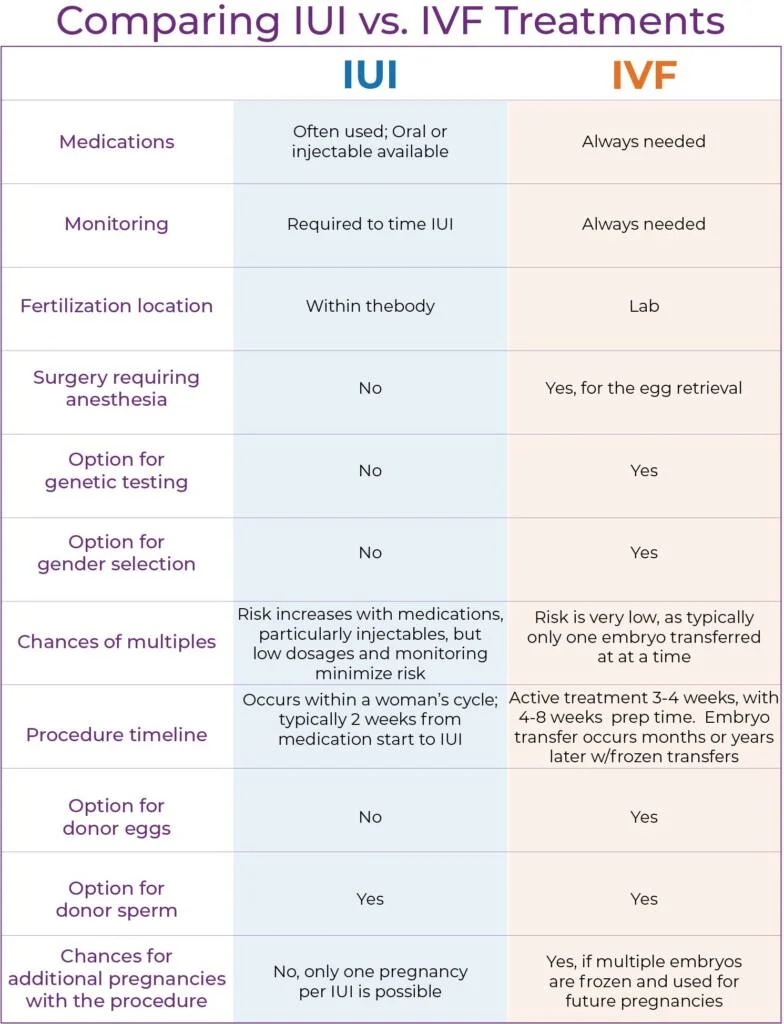
    Comparison chart of IUI and IVF treatments, detailing medications, monitoring, procedures, and success rates.

    The Emotional Impact of Fertility Testing: Tips for Men and Women

    The Emotional Impact of Fertility Testing on Men:

    While the focus of fertility testing is often on women, men are also affected by the process. The pressure to provide for their family and the societal expectations of being a father can make fertility testing a challenging experience for men. They may also feel a sense of guilt and inadequacy if they are found to have fertility issues.

    Men may also struggle with the emotional toll of fertility testing, as they are often expected to be the strong and supportive partner. The process of fertility testing can also be physically uncomfortable for men, leading to feelings of anxiety and stress.

    Tips for Coping:

    1. Communicate with Your Partner: It is essential to communicate openly and honestly with your partner throughout the process of fertility testing. Share your feelings and concerns, and work together as a team to support each other.

    2. Educate Yourself: Understanding the science behind fertility and the testing process can help you feel more in control and reduce anxiety. Educate yourself on the various fertility treatments available and discuss them with your partner and doctor.

    3. Seek Support: Just like women, men can also benefit from seeking support from a therapist, support group, or online community. Talking to others who have gone through similar experiences can provide a sense of comfort and reassurance.

    4. Take Time for Yourself: It is crucial to prioritize self-care during this stressful time. Find activities that help you relax and de-stress, such as exercise, hobbies, or spending time with friends. Taking breaks from fertility testing can also be beneficial.

    In conclusion, the process of fertility testing can have a significant emotional impact on both men and women. It is essential to acknowledge these feelings and find healthy ways to cope with them. Remember to communicate openly with your partner, seek support, and prioritize self-care. With the right mindset and support, the journey of fertility testing can become more manageable and less emotionally taxing.

    Summary:

    Fertility testing can be an emotionally challenging experience for both men and women. Women may experience feelings of failure, guilt, and isolation, while men may struggle with societal expectations and feelings of inadequacy. It is essential to acknowledge and process these feelings, seek support, and prioritize self-care during this time. Communicating openly with your partner and educating yourself on the process can also help ease the emotional toll of fertility testing.

  • Fertility Testing for Men and Women: How Often Should It Be Done?

    Blog Post Title: Fertility Testing for Men and Women: How Often Should It Be Done?

    Summary:

    Fertility is a major concern for many couples who are trying to conceive. In order to ensure that both partners are physically able to have children, fertility testing is often recommended. However, there is no one-size-fits-all answer to how often fertility testing should be done for men and women. It depends on various factors such as age, medical history, and lifestyle habits. In this blog post, we will discuss the importance of fertility testing, the different types of tests available, and how often they should be done for both men and women.

    Why is Fertility Testing Important?

    Fertility testing is a way to evaluate the reproductive health of both men and women. It helps to identify any potential issues that may prevent pregnancy or increase the risk of complications during pregnancy. For women, fertility testing can also provide insight into their ovarian reserve, which is the number of eggs they have remaining. For men, fertility testing can assess the quality of their sperm and identify any potential issues such as low sperm count or abnormal sperm shape.

    Types of Fertility Tests for Women:

    1. Ovulation Testing: This involves tracking a woman’s menstrual cycle to determine when she is most likely to ovulate. This can be done through methods such as tracking basal body temperature, cervical mucus, or using ovulation predictor kits.

    2. Hormone Testing: This involves testing the levels of hormones such as estrogen, progesterone, and luteinizing hormone (LH) in the blood. These hormones play a crucial role in the ovulation process and can indicate any potential issues with ovulation.

    3. Ultrasound: This test uses sound waves to create images of the ovaries and uterus. It can help to identify any structural abnormalities or issues such as polycystic ovary syndrome (PCOS).

    4. Hysterosalpingography (HSG): This is an X-ray procedure that uses dye to check for blockages or abnormalities in the fallopian tubes.

    How Often Should Women Get Fertility Testing?

    diagram of a uterus with a syringe for intrauterine insemination procedure

    Fertility Testing for Men and Women: How Often Should It Be Done?

    For women who are under 35 and have no known fertility issues, it is recommended to get fertility testing after trying to conceive for one year. If the woman is over 35, it is recommended to get tested after six months of trying. However, if there are any underlying medical conditions or known fertility issues, testing may be recommended earlier.

    Types of Fertility Tests for Men:

    1. Semen Analysis: This is the most common test for male fertility. It involves analyzing a sample of semen to check for the number, shape, and movement of sperm.

    2. Hormone Testing: Just like women, men also have hormones that play a role in fertility. Testing for hormones such as testosterone, luteinizing hormone (LH), and follicle-stimulating hormone (FSH) can provide insight into any potential issues with sperm production.

    3. Physical Exam: A physical exam can help to identify any physical issues that may affect fertility, such as varicoceles (enlarged veins in the scrotum).

    How Often Should Men Get Fertility Testing?

    For men, it is recommended to get a semen analysis done if they have been trying to conceive for one year with no success. If there are any known fertility issues, testing may be recommended earlier. Additionally, if a man has any medical conditions or lifestyle habits that may affect fertility, such as diabetes or smoking, it is recommended to get tested regularly to monitor any changes.

    Factors That Affect the Frequency of Fertility Testing:

    1. Age: As women age, their fertility declines, and the chances of complications during pregnancy increase. Therefore, women over 35 may be recommended to get tested earlier and more frequently.

    2. Medical History: If either partner has a history of medical conditions that may affect fertility, such as endometriosis or a previous sexually transmitted infection, more frequent testing may be recommended.

    3. Lifestyle Habits: Factors such as smoking, excessive alcohol consumption, and drug use can affect fertility in both men and women. If either partner has these habits, more frequent testing may be recommended to monitor any changes.

    In conclusion, fertility testing is an essential step for couples trying to conceive. The frequency of testing may vary for men and women, depending on various factors. It is important to consult with a healthcare provider to determine when and how often fertility testing should be done. By identifying any potential issues early on, couples can take the necessary steps to improve their chances of conceiving and having a healthy pregnancy.