Tag: Ovulation

  • Understanding Ovulation: How Fertility Drugs and Natural Methods Affect It

    Understanding Ovulation: How Fertility Drugs and Natural Methods Affect It

    Ovulation is a crucial process in a woman’s reproductive cycle. It is the release of an egg from the ovary, which then travels down the fallopian tube, ready for fertilization. Ovulation typically occurs once a month, and timing it correctly is essential for couples trying to conceive. However, many factors can affect ovulation, including fertility drugs and natural methods. In this blog post, we will dive deeper into understanding ovulation and how fertility drugs and natural methods can impact this process.

    What is Ovulation?

    Ovulation is a natural process that occurs in the female body, usually once a month. It is a crucial part of the menstrual cycle, which prepares the body for pregnancy. During ovulation, a mature egg is released from the ovary and travels down the fallopian tube, where it can be fertilized by sperm. If fertilization does not occur, the egg disintegrates, and the uterine lining sheds, resulting in menstruation.

    Understanding the Ovulation Cycle

    The ovulation cycle is divided into three phases: the follicular phase, ovulation phase, and luteal phase. The follicular phase begins on the first day of menstruation and lasts for approximately 14 days. During this phase, the body prepares for ovulation by releasing follicle-stimulating hormones (FSH) that stimulate the growth of follicles in the ovaries. These follicles contain eggs, and as they grow, they produce estrogen, which thickens the uterine lining.

    The ovulation phase occurs around day 14 of the menstrual cycle, but it can vary from woman to woman. During this phase, the surge of luteinizing hormone (LH) causes the most dominant follicle to release an egg. This egg then travels down the fallopian tube, ready for fertilization.

    The luteal phase starts after ovulation and lasts for about 14 days. During this phase, the remaining follicle turns into the corpus luteum, which produces progesterone. Progesterone helps thicken the uterine lining, making it ready to receive a fertilized egg. If fertilization does not occur, the corpus luteum breaks down, and the levels of estrogen and progesterone drop, resulting in menstruation.

    Fertility Drugs and Ovulation

    Fertility drugs are medications that stimulate ovulation and increase the chances of getting pregnant. These drugs are often used to treat infertility in women who have ovulation disorders. One of the most commonly used fertility drugs is Clomid, which works by stimulating the production of FSH and LH, which in turn, triggers ovulation.

    Other fertility drugs, such as gonadotropins, are injected directly into the body and work by stimulating the ovaries to produce multiple eggs. This increases the chances of fertilization and pregnancy. However, these medications can have side effects such as bloating, mood swings, and multiple pregnancies.
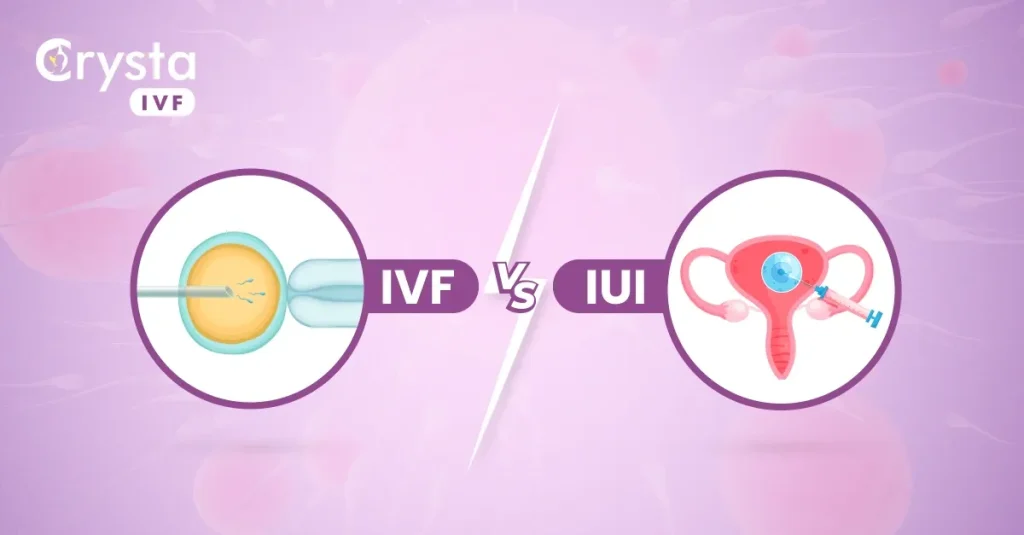
    Comparison of IVF and IUI procedures with illustrations of each method.

    Understanding Ovulation: How Fertility Drugs and Natural Methods Affect It

    It is crucial to consult a doctor before taking any fertility drugs as they can have varying effects on each individual and may not be suitable for everyone.

    Natural Methods to Support Ovulation

    There are also natural methods that can help support ovulation, such as tracking your menstrual cycle, maintaining a healthy weight, and managing stress levels.

    Tracking your menstrual cycle can help you identify your fertile window, which is the best time to try to conceive. This usually occurs around ovulation, and having intercourse during this time increases the chances of getting pregnant.

    Maintaining a healthy weight is also vital for ovulation. Being underweight or overweight can affect hormone levels and disrupt ovulation. It is recommended to have a body mass index (BMI) between 19 and 25 for optimal ovulation.

    Stress can also impact ovulation as it can disrupt the hormone production that triggers ovulation. Finding ways to manage stress, such as exercising, meditating, or talking to a therapist, can help support ovulation.

    Understanding the Impact of Fertility Drugs and Natural Methods on Ovulation

    Fertility drugs and natural methods can affect ovulation in different ways. While fertility drugs directly stimulate ovulation, natural methods support the body’s natural processes, making it more conducive to ovulation.

    However, it is essential to keep in mind that fertility drugs and natural methods do not guarantee pregnancy. The success of these methods depends on various factors, such as age, overall health, and underlying fertility issues.

    Summary:

    Ovulation is a natural process that occurs once a month in a woman’s body, preparing it for pregnancy. Understanding the ovulation cycle and its phases is crucial for couples trying to conceive. Fertility drugs, such as Clomid and gonadotropins, can help stimulate ovulation, while natural methods like tracking your menstrual cycle, maintaining a healthy weight, and managing stress levels can support ovulation. It is crucial to consult a doctor before taking any fertility drugs and to keep in mind that these methods do not guarantee pregnancy.

  • Fertility Drugs vs. Lifestyle Changes: Which Affects Fertility More?

    Blog Post Title: Fertility Drugs vs. Lifestyle Changes: Which Affects Fertility More?

    Introduction:
    Infertility is a common issue that affects many couples worldwide. In fact, according to the World Health Organization, approximately 10% to 15% of couples experience infertility at some point in their lives. As a result, fertility treatments have become a booming industry, with many couples turning to fertility drugs and procedures in hopes of conceiving. However, there is a growing debate about whether fertility drugs or lifestyle changes have a greater impact on fertility. In this blog post, we will explore the effects of fertility drugs and lifestyle changes on fertility and determine which one has a more significant impact.

    Fertility Drugs:
    Fertility drugs, also known as assisted reproductive technology (ART), are medications that are used to stimulate ovulation and increase the chances of conception. These drugs work by regulating the hormones that control the menstrual cycle and the production of eggs. Some common fertility drugs include Clomiphene, Gonadotropins, and Metformin.

    Pros:
    The main advantage of fertility drugs is that they can significantly increase the chances of pregnancy for couples struggling with infertility. These drugs can help regulate ovulation and improve the quality and quantity of eggs produced, making it easier for couples to conceive. Additionally, fertility drugs can be used in combination with other procedures such as in vitro fertilization (IVF) to further improve the chances of pregnancy.

    Cons:
    One of the main drawbacks of fertility drugs is their potential side effects. Some common side effects include hot flashes, mood swings, and headaches. These side effects can be quite uncomfortable for women, and they may also impact their daily lives. Moreover, fertility drugs can be costly, and they may not be covered by insurance, making it a financial burden for couples already struggling with infertility.

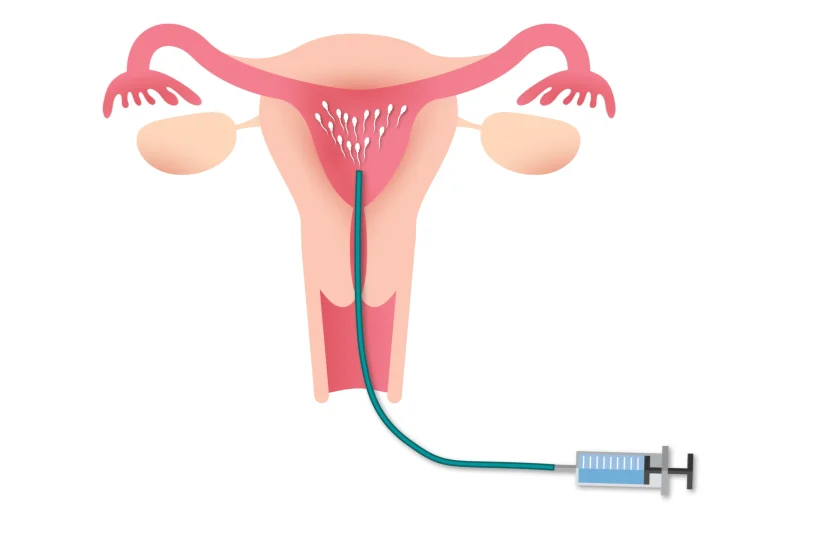
    illustration of a uterus with a syringe, representing intrauterine insemination procedure

    Fertility Drugs vs. Lifestyle Changes: Which Affects Fertility More?

    Lifestyle Changes:
    In recent years, there has been an increasing focus on the role of lifestyle factors in fertility. Studies have shown that lifestyle choices such as diet, exercise, and stress management can have a significant impact on fertility. Therefore, many experts recommend making lifestyle changes as the first step in treating infertility.

    Pros:
    The most significant advantage of lifestyle changes is that they can have a positive impact on overall health and well-being. Maintaining a healthy diet, exercising regularly, and managing stress can not only improve fertility but also reduce the risk of chronic diseases such as diabetes and heart disease. Additionally, lifestyle changes are often more affordable and accessible compared to fertility treatments, making it a more practical option for many couples.

    Cons:
    The main drawback of lifestyle changes is that they may not be enough for couples struggling with infertility. While making healthy lifestyle choices can improve fertility, it may not be enough for couples with underlying medical conditions that affect their ability to conceive. This can be a frustrating and disheartening experience for couples who have been trying to conceive for a long time.

    Which Affects Fertility More?
    Now, the question remains, which one has a more significant impact on fertility – fertility drugs or lifestyle changes? The answer is not a simple one, as it depends on various factors such as the cause of infertility, age, and overall health of the couple. In some cases, fertility drugs may be the best option, while in others, lifestyle changes may be more effective.

    The best approach to treating infertility is a combination of both fertility drugs and lifestyle changes. Fertility drugs can help regulate ovulation and increase the chances of pregnancy, while lifestyle changes can improve overall health and fertility. Additionally, lifestyle changes can also help couples maintain a healthy weight, which is crucial for fertility.

    Summary:
    In conclusion, both fertility drugs and lifestyle changes play a significant role in improving fertility. Fertility drugs can increase the chances of pregnancy, but they come with potential side effects and can be costly. On the other hand, lifestyle changes may not be enough for some couples but can improve overall health and well-being. The best approach to treating infertility is a combination of both fertility drugs and lifestyle changes.

  • The Truth About Fertility Drugs: Separating Fact from Fiction

    Title: The Truth About Fertility Drugs: Separating Fact from Fiction

    Introduction

    Fertility drugs are a common treatment option for couples struggling with infertility. While they can be a helpful tool in achieving pregnancy, there are also many misconceptions and myths surrounding these medications. In this blog post, we will delve into the truth about fertility drugs, separating fact from fiction.

    What are Fertility Drugs?

    Fertility drugs, also known as ovulation induction medications, are prescribed to women who have trouble getting pregnant. These medications work by stimulating the ovaries to produce and release eggs, increasing the chances of fertilization and pregnancy.

    Common Fertility Drugs

    Some of the most commonly prescribed fertility drugs include:

    1. Clomiphene citrate (Clomid): This medication works by blocking the effects of estrogen in the body, causing the pituitary gland to release more follicle-stimulating hormone (FSH) and luteinizing hormone (LH), which stimulate ovulation.

    2. Gonadotropins: These are injectable medications that contain FSH and LH and directly stimulate the ovaries to produce eggs.

    3. Metformin: This medication is often used in combination with other fertility drugs to treat polycystic ovary syndrome (PCOS), a common cause of infertility.

    4. Letrozole (Femara): Originally used to treat breast cancer, letrozole has been found to stimulate ovulation in women with PCOS.

    Myth #1: Fertility Drugs Always Result in Multiple Pregnancies

    One of the biggest myths surrounding fertility drugs is that they always lead to multiple pregnancies. While it is true that some fertility drugs can increase the chances of having twins or triplets, the likelihood of this happening depends on various factors such as the type and dosage of medication, the woman’s age, and her overall health.

    In fact, studies have shown that the use of fertility drugs does not significantly increase the risk of having multiples compared to naturally conceived pregnancies. With proper monitoring and dosage adjustments, the chances of having a multiple pregnancy can be minimized.

    Myth #2: Fertility Drugs Cause Severe Side Effects

    diagram of a uterus with a syringe for intrauterine insemination procedure

    The Truth About Fertility Drugs: Separating Fact from Fiction

    Another common myth is that fertility drugs cause severe side effects. While some women may experience mild side effects such as hot flashes, bloating, and mood swings, these are usually temporary and can be managed with proper support from a healthcare provider.

    In rare cases, fertility drugs can cause ovarian hyperstimulation syndrome (OHSS), a condition in which the ovaries become swollen and painful. However, with careful monitoring and dosage adjustments, the risk of OHSS can be minimized.

    Myth #3: Fertility Drugs are the Only Option for Treating Infertility

    Many people believe that fertility drugs are the only treatment option for infertility. While these medications can be effective, they are not the only solution. In fact, fertility drugs are often used in combination with other treatments such as intrauterine insemination (IUI) or in vitro fertilization (IVF) to increase the chances of pregnancy.

    In some cases, lifestyle changes, such as maintaining a healthy weight and quitting smoking, can also improve fertility and reduce the need for fertility drugs.

    Myth #4: Fertility Drugs Can Help Anyone Get Pregnant

    While fertility drugs can be highly effective in some cases, they are not a miracle cure for infertility. These medications work best for women who have ovulation problems, such as PCOS, and may not be as effective for other causes of infertility, such as blocked fallopian tubes or male factor infertility.

    It is important to consult with a fertility specialist to determine the underlying cause of infertility and determine the best treatment option.

    Myth #5: Fertility Drugs Always Result in a Successful Pregnancy

    Lastly, it is important to understand that fertility drugs do not guarantee a successful pregnancy. While these medications can increase the chances of ovulation and fertilization, they cannot guarantee that a pregnancy will occur.

    Factors such as age, overall health, and the quality of sperm can also affect the success of fertility treatments. It is important to manage expectations and have realistic goals when undergoing fertility treatment.

    Conclusion

    Fertility drugs can be a helpful tool in achieving pregnancy for couples struggling with infertility. However, it is important to separate fact from fiction and understand the realities of these medications. With proper monitoring and support from a healthcare provider, fertility drugs can be a safe and effective option for many couples.

    Summary:

    Fertility drugs, also known as ovulation induction medications, are prescribed to women who have trouble getting pregnant. Some common fertility drugs include Clomid, gonadotropins, Metformin, and letrozole. The myths surrounding fertility drugs include the belief that they always result in multiple pregnancies, cause severe side effects, are the only option for treating infertility, can help anyone get pregnant, and always result in a successful pregnancy. However, the truth is that fertility drugs do not always result in multiple pregnancies, may cause mild side effects, are not the only option for treating infertility, may not be effective for all causes of infertility, and do not guarantee a successful pregnancy. It is important to consult with a fertility specialist and have realistic expectations when considering fertility drugs as a treatment option.

  • Breaking Down the Science: How Fertility Drugs Work

    Blog Post:

    Fertility drugs have been a game changer for couples struggling to conceive. These medications have helped millions of people around the world achieve their dream of starting a family. But have you ever wondered how fertility drugs actually work? In this blog post, we will break down the science behind fertility drugs and how they help increase the chances of pregnancy.

    Fertility drugs are a type of medication that are used to stimulate ovulation in women or improve sperm production in men. They work by manipulating the body’s natural hormones and reproductive cycle to increase the chances of pregnancy. There are several different types of fertility drugs, each with their own specific function and method of action. Let’s take a closer look at some of the most commonly used fertility drugs and how they work.

    Clomiphene

    Clomiphene, also known as Clomid, is a commonly prescribed fertility drug for women who are struggling to ovulate. It works by blocking the effects of estrogen in the body, which tricks the brain into producing more follicle-stimulating hormone (FSH) and luteinizing hormone (LH). These hormones then stimulate the ovaries to produce and release eggs. Clomiphene is typically taken for five days at the beginning of the menstrual cycle, and ovulation usually occurs within 7-10 days after the last pill is taken. This drug has a success rate of around 40% in women who do not ovulate regularly, making it a popular choice for many couples trying to conceive.

    Human Menopausal Gonadotropin (hMG)

    hMG is another fertility drug that is used to stimulate ovulation in women. It contains both FSH and LH, which work together to stimulate the ovaries to produce and release eggs. Unlike clomiphene, hMG is administered as an injection and is often used in conjunction with artificial insemination or in vitro fertilization (IVF). This medication has a success rate of around 20-60%, depending on the age of the woman and the cause of her infertility.

    Gonadotropin-Releasing Hormone (GnRH) Agonists

    GnRH agonists are a type of fertility drug that works by suppressing the production of FSH and LH, which temporarily stops ovulation. This is often used in women undergoing IVF to prevent premature ovulation and improve the chances of fertilization. GnRH agonists are administered as an injection and are typically used for about two weeks before undergoing IVF treatment. This medication has a success rate of around 30% in women who do not ovulate regularly.

    illustration of a uterus with a syringe, representing intrauterine insemination procedure

    Breaking Down the Science: How Fertility Drugs Work

    Metformin

    Metformin is a medication that is commonly used to treat diabetes, but it has also been found to be effective in treating infertility caused by polycystic ovary syndrome (PCOS). PCOS is a condition in which the body produces too much insulin, which can lead to irregular ovulation or even no ovulation at all. Metformin works by reducing insulin levels, which can then regulate the body’s hormones and improve ovulation. This drug has a success rate of around 30% in women with PCOS.

    Letrozole

    Letrozole, also known as Femara, is another medication that is commonly used to treat infertility caused by PCOS. It works by blocking the production of estrogen, which can then trigger the body to produce more FSH and LH, leading to ovulation. Letrozole is taken for five days at the beginning of the menstrual cycle and has a success rate of around 30% in women with PCOS.

    Side Effects and Risks

    Like any medication, fertility drugs do come with some potential side effects and risks. Common side effects include hot flashes, mood swings, headaches, and bloating. More serious risks include multiple pregnancies (such as twins or triplets), ovarian hyperstimulation syndrome (OHSS), and ectopic pregnancy. It is important to discuss these potential risks with your doctor before starting any fertility treatment.

    In addition to the risks, fertility drugs can also be expensive and not always covered by insurance. It is important to consult with your doctor and discuss the best treatment options for your specific situation.

    Summary:

    Fertility drugs are a type of medication used to stimulate ovulation in women or improve sperm production in men. They work by manipulating the body’s hormones and reproductive cycle to increase the chances of pregnancy. Some common fertility drugs include clomiphene, hMG, GnRH agonists, metformin, and letrozole. These drugs have varying success rates and potential side effects and risks. It is important to discuss with your doctor to determine the best treatment option for your individual situation.

  • The Importance of Timing: Intrauterine Insemination vs In Vitro Fertilization

    Timing is everything when it comes to starting a family. For couples struggling with infertility, the decision of when to seek fertility treatments can be crucial. Two common options for assisted reproductive technologies are intrauterine insemination (IUI) and in vitro fertilization (IVF). Both procedures involve the fertilization of eggs outside of the body, but the timing and process differ. In this blog post, we will discuss the importance of timing when considering IUI vs IVF and how it can impact the success of these treatments.

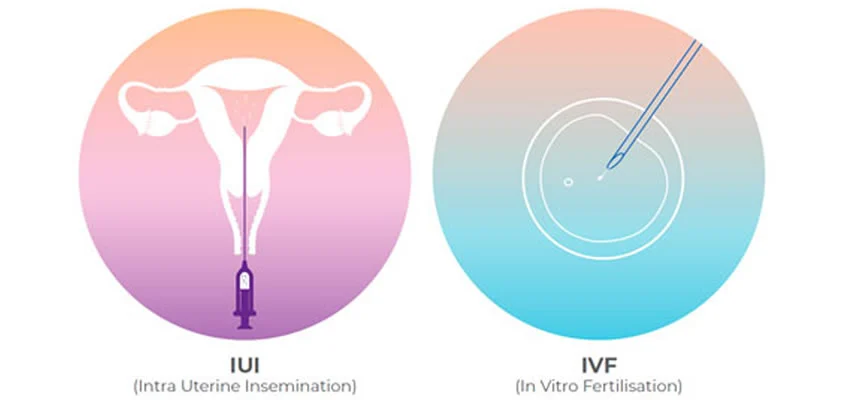
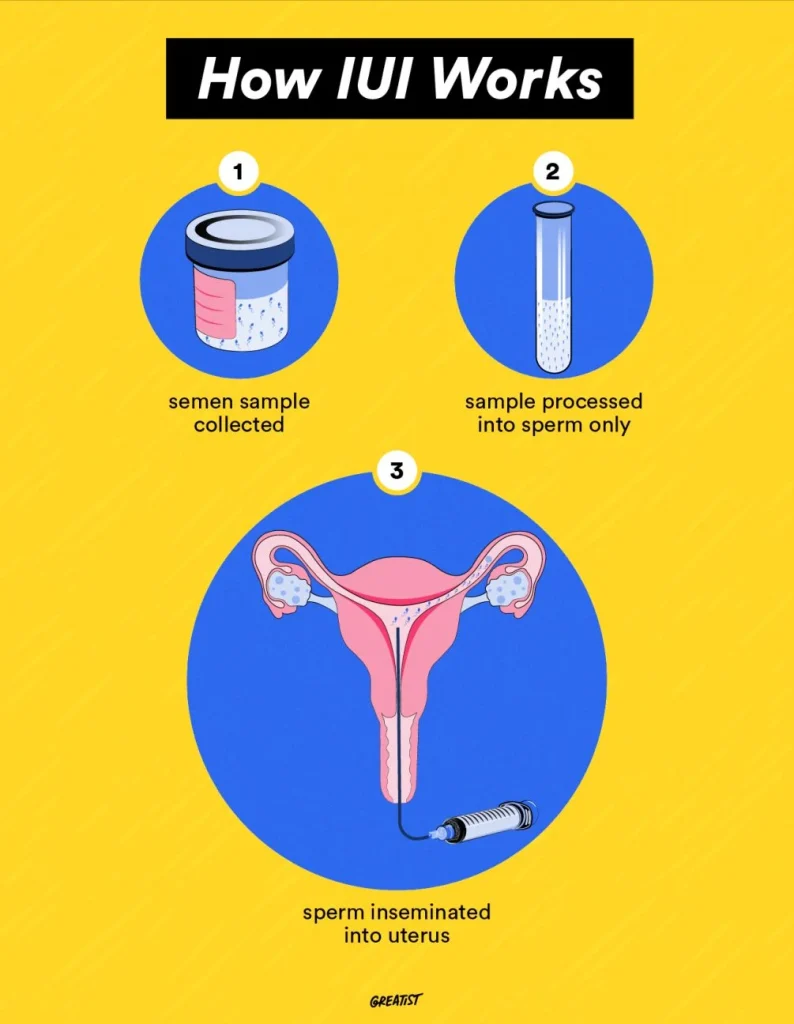
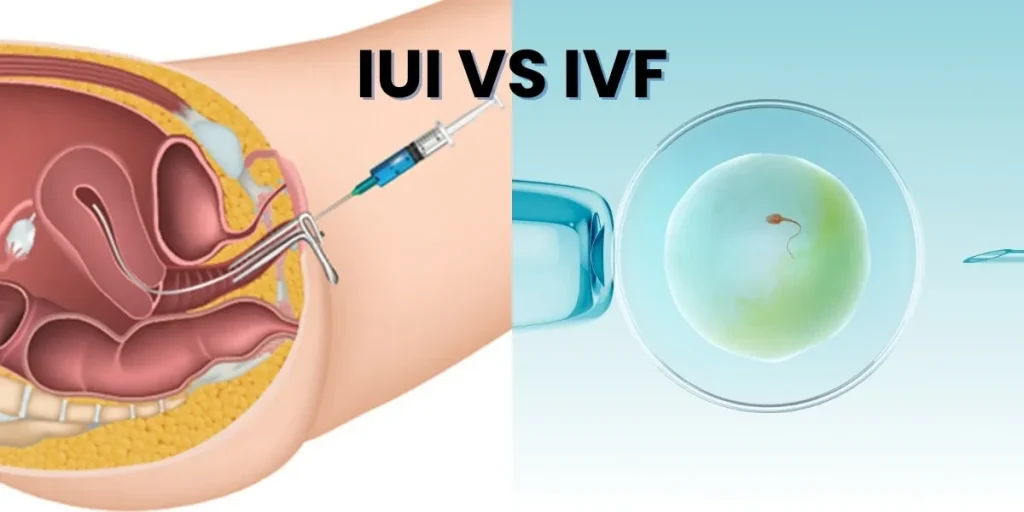
    Intrauterine insemination, also known as artificial insemination, is a relatively simple procedure that involves placing washed and concentrated sperm directly into the uterus at the time of ovulation. This procedure can be done with or without the use of fertility drugs to stimulate ovulation. In contrast, in vitro fertilization is a more complex process that involves harvesting eggs from the ovaries, fertilizing them with sperm in a laboratory, and then transferring the resulting embryo(s) back into the uterus.

    One of the key differences between IUI and IVF is the timing of the procedures. IUI is typically done around the time of ovulation, which can be tracked through methods such as ovulation predictor kits or ultrasound monitoring. This means that the timing of IUI is critical, as the sperm needs to be present in the uterus at the same time as the egg. On the other hand, IVF involves retrieving eggs from the ovaries and fertilizing them in a laboratory. This allows for more control over the timing of the procedure, as the eggs can be retrieved and fertilized at a specific time.

    This difference in timing can be significant for couples undergoing fertility treatments. For those with ovulation issues, IUI may be a more suitable option as it can help overcome sperm mobility issues and increase the chances of fertilization. However, for couples with more complex infertility issues, such as blocked fallopian tubes or severe male factor infertility, IVF may be a more effective treatment as it bypasses any potential obstacles in the reproductive system.

    illustration of intrauterine insemination procedure with a syringe and catheter in the uterus.

    The Importance of Timing: Intrauterine Insemination vs In Vitro Fertilization

    Another important factor to consider when it comes to timing is the age of the female partner. As women age, their ovarian reserve (the number and quality of eggs remaining in the ovaries) decreases, which can affect the success rates of both IUI and IVF. In general, IVF tends to have higher success rates in older women compared to IUI, as it allows for the selection of the best quality eggs for fertilization. Therefore, for couples with advanced maternal age, the timing of starting fertility treatments can play a crucial role in their chances of success.

    The timing of fertility treatments can also be impacted by other factors, such as the cause of infertility and the couple’s individual medical history. For example, if a woman has a history of irregular or absent ovulation, it may take longer to achieve a successful IUI cycle, and IVF may be a more effective option. Additionally, if a couple has been trying to conceive for a long time without success, it may be recommended to start with IVF rather than IUI to increase the chances of pregnancy.

    In addition to the timing of the procedures themselves, the timing of pregnancy can also be a consideration for couples undergoing fertility treatments. With IUI, there is a higher chance of multiple pregnancies as several eggs may be released during ovulation. This can lead to higher-order multiple pregnancies (triplets or more), which can have increased risks for both the mother and babies. With IVF, the number of embryos transferred can be controlled, reducing the chances of multiple pregnancies. This can be an important factor for couples who may want to space out their pregnancies or have concerns about the risks associated with multiple pregnancies.

    In summary, the timing of fertility treatments can greatly impact the success rates and outcomes for couples struggling with infertility. Each individual’s situation is unique, and it is important to work closely with a fertility specialist to determine the best treatment option and timing for their specific needs.

  • At-Home Fertility Testing for Women with Irregular Cycles: What You Need to Know

    Blog post:

    Introduction:

    For many women, having an irregular menstrual cycle can make it difficult to track ovulation and plan for conception. This can be a frustrating and stressful experience, especially for those who are actively trying to conceive. Fortunately, with advancements in technology, there are now at-home fertility testing options available specifically for women with irregular cycles. In this blog post, we will discuss what you need to know about at-home fertility testing for women with irregular cycles.

    What causes irregular cycles?

    Before diving into at-home fertility testing, it’s important to understand the potential causes of irregular cycles. Some common factors that can contribute to irregular cycles include hormonal imbalances, polycystic ovary syndrome (PCOS), thyroid issues, excessive exercise, stress, and even certain medications. Identifying the root cause of your irregular cycles can help you better understand your fertility and make informed decisions about your reproductive health.

    What is at-home fertility testing?

    At-home fertility testing is a convenient and cost-effective option for women who want to track their fertility from the comfort of their own home. These tests typically involve collecting a urine or saliva sample and using a test kit to measure hormone levels. The most common hormones measured in at-home fertility tests are luteinizing hormone (LH) and estrogen. LH is responsible for triggering ovulation, while estrogen helps to thicken the uterine lining in preparation for implantation.

    What are the benefits of at-home fertility testing for women with irregular cycles?

    One of the main benefits of at-home fertility testing for women with irregular cycles is the ability to track ovulation and hormone levels in real-time. This can help you identify whether or not you are ovulating, and if so, the best time to try to conceive. Additionally, regular testing can provide valuable information about any underlying hormonal imbalances that may be affecting your cycle. This can help you and your healthcare provider develop a personalized treatment plan to regulate your cycle and improve your chances of conception.

    What are the different types of at-home fertility tests?

    comparison of IUI and IVF procedures illustrated with simple graphics and labels

    At-Home Fertility Testing for Women with Irregular Cycles: What You Need to Know

    There are several different types of at-home fertility tests available on the market. The most common ones include urine-based ovulation predictor kits (OPKs), saliva-based fertility monitors, and digital fertility trackers. Urine-based OPKs detect the presence of LH in your urine, which typically surges 24-36 hours before ovulation. Saliva-based fertility monitors work by measuring estrogen levels in your saliva, which can indicate the fertile window. Digital fertility trackers use a combination of urine and saliva samples to measure both LH and estrogen levels.

    What to consider when choosing an at-home fertility test?

    When choosing an at-home fertility test, it’s important to consider factors such as accuracy, ease of use, and cost. Look for tests that have been clinically validated and have a high accuracy rate. It’s also essential to choose a test that is easy to use and fits your lifestyle. For example, if you travel frequently, a compact and portable fertility tracker may be a better option than a bulky kit that requires multiple samples. Finally, factor in the cost of the test and any additional fees, such as subscription fees for digital fertility trackers.

    Tips for using at-home fertility tests:

    1. Follow the instructions carefully: It’s crucial to follow the instructions provided with the test to ensure accurate results.

    2. Test consistently: To get the most out of at-home fertility testing, it’s essential to test consistently. This means testing at the same time each day and not missing any days.

    3. Track your results: Keep a record of your results to help identify patterns and changes in your hormone levels over time.

    4. Consider using multiple methods: For a more comprehensive picture of your fertility, you may want to use multiple methods, such as combining an OPK with a digital fertility tracker.

    5. Consult with a healthcare professional: If you have any concerns or questions about your results, it’s always best to consult with your healthcare provider. They can help you interpret your results and provide personalized guidance.

    Summary:

    At-home fertility testing is a convenient and effective option for women with irregular cycles who are trying to conceive. It allows you to track your fertility in real-time and identify any potential hormonal imbalances that may be affecting your cycle. When choosing an at-home fertility test, consider factors such as accuracy, ease of use, and cost. By following the tips provided, you can make the most out of at-home fertility testing and better understand your reproductive health.

  • At-Home Fertility Testing: A Solution for Busy Couples Trying to Conceive

    At-Home Fertility Testing: A Solution for Busy Couples Trying to Conceive

    Trying to conceive can be an exciting and emotional journey for couples, but it can also be a stressful and time-consuming one. With busy work schedules and other responsibilities, finding the time to visit a fertility clinic for testing can be challenging. This is where at-home fertility testing comes in as a convenient and efficient solution for busy couples trying to conceive.

    What is At-Home Fertility Testing?

    At-home fertility testing involves taking fertility tests and analyzing the results in the comfort of your own home. These tests are designed to measure different aspects of fertility, such as hormone levels, ovulation, and sperm count. They are easily accessible and can be purchased online or at a local pharmacy without a prescription.

    Benefits of At-Home Fertility Testing for Busy Couples

    1. Convenience and Privacy

    One of the main benefits of at-home fertility testing is the convenience it offers. Instead of having to take time off work and schedule appointments at a fertility clinic, couples can take the tests at their own convenience and in the privacy of their own home. This eliminates the stress and anxiety of having to go to a clinic and allows couples to have more control over their fertility journey.

    2. Cost-Effective

    Fertility treatments and clinic visits can be expensive, especially if multiple tests and appointments are required. At-home fertility testing is a more cost-effective option for couples, as the tests are affordable and eliminate the need for clinic visits. This can be especially beneficial for couples who are trying to conceive on a budget.

    3. Time-Saving

    For busy couples, time is a precious commodity. At-home fertility testing saves time by eliminating the need for travel and waiting for appointments at a clinic. The tests can be taken at any time, and results are usually available within a few days, allowing couples to move forward with their fertility journey without any delays.

    4. Early Detection of Fertility Issues

    Early detection of fertility issues is crucial for successful conception. At-home fertility tests can help identify any potential problems early on, allowing couples to seek medical help and treatment sooner. This can increase the chances of successful conception and reduce the stress and frustration of unsuccessful attempts.

    5. Easy to Use

    At-home fertility tests are designed to be easy to use, with clear instructions and simple procedures. This makes it accessible for couples who may feel intimidated or uncomfortable with medical procedures. The tests also come with customer support, so couples can get any questions or concerns addressed quickly.

    Comparison of IUI and IVF, illustrating procedures and definitions for each fertility treatment.

    At-Home Fertility Testing: A Solution for Busy Couples Trying to Conceive

    Types of At-Home Fertility Tests

    1. Ovulation Predictor Kits (OPKs)

    OPKs are the most common type of at-home fertility test. They detect the luteinizing hormone (LH) in urine, which rises just before ovulation occurs. This helps couples determine the most fertile days of the woman’s menstrual cycle, increasing the chances of successful conception.

    2. Fertility Hormone Tests

    These tests measure the levels of follicle-stimulating hormone (FSH) and estrogen in a woman’s urine. High levels of FSH can indicate a decline in ovarian reserve, while low levels of estrogen may signal issues with ovulation.

    3. Sperm Count Tests

    Sperm count tests measure the number of sperm in a man’s semen. These tests can help identify any potential issues with sperm count or quality, which can affect fertility.

    4. Fertility Saliva Tests

    These tests analyze a woman’s saliva for changes in estrogen levels, which can indicate ovulation. They are easy to use and can be reused multiple times, making them a cost-effective option for tracking ovulation.

    5. Fertility Monitors

    Fertility monitors are electronic devices that track hormone levels in urine to predict ovulation. They can also be used to track other fertility signs, such as basal body temperature and cervical mucus.

    Limitations of At-Home Fertility Testing

    While at-home fertility testing offers many benefits, it is important to note that they are not a replacement for medical advice and diagnosis. These tests can only provide an indication of potential fertility issues and should not be relied upon as a definite diagnosis. If a couple is struggling to conceive, it is recommended to seek medical advice from a fertility specialist.

    Summary

    At-home fertility testing is a convenient and efficient solution for busy couples trying to conceive. It offers benefits such as convenience, cost-effectiveness, time-saving, early detection of fertility issues, and ease of use. There are different types of at-home fertility tests available, including ovulation predictor kits, fertility hormone tests, sperm count tests, fertility saliva tests, and fertility monitors. However, it is important to note that these tests are not a replacement for medical advice and should be used as a tool to track fertility and identify potential issues.

  • The Science Behind Fertility Testing: What Can At-Home Tests Reveal?

    Title: The Science Behind Fertility Testing: What Can At-Home Tests Reveal?

    Body:

    For many people, starting a family is a dream and a natural part of life. However, for some, conceiving a child may not come easily. This is where fertility testing can play a crucial role in understanding and potentially addressing issues with fertility. While traditionally, fertility testing was only done in a doctor’s office, advancements in technology have made at-home fertility tests more accessible and popular. But what exactly can these tests reveal and how do they work? In this blog post, we will delve into the science behind fertility testing and what at-home tests can tell us about our reproductive health.

    Understanding Fertility Testing

    Fertility testing is the process of evaluating a person’s reproductive health to determine their ability to conceive and carry a pregnancy to term. This can be done through various methods, including blood tests, ultrasounds, and physical examinations. These tests can help identify any underlying issues that may be affecting fertility, such as hormonal imbalances, ovulation problems, or structural abnormalities.

    Traditionally, fertility testing was conducted in a doctor’s office, where specialized equipment and medical professionals were available to perform and interpret the results. However, in recent years, at-home fertility tests have gained popularity due to their convenience and accessibility. These tests can be done in the comfort of one’s own home, and the results can often be obtained quickly and discreetly.

    Understanding Ovulation

    Before delving into the science behind fertility testing, it is essential to understand the process of ovulation and its role in fertility. Ovulation is the release of a mature egg from the ovary, which then travels down the fallopian tube, where it can be fertilized by sperm. This process typically occurs once a month and is controlled by hormones, primarily estrogen and progesterone.

    To conceive, a person must have regular ovulation and a healthy egg. Any disruptions in the ovulation process, such as hormonal imbalances or structural issues, can affect fertility. This is where fertility testing comes into play, as it can help identify any underlying issues that may be causing problems with ovulation.

    At-Home Fertility Tests: How Do They Work?

    At-home fertility tests work by measuring the levels of certain hormones in the body, primarily luteinizing hormone (LH) and follicle-stimulating hormone (FSH). These hormones play a crucial role in the ovulation process, and their levels can indicate whether ovulation is occurring regularly.

    LH is responsible for triggering the release of a mature egg from the ovary, while FSH is responsible for stimulating the growth of eggs in the ovaries. At-home fertility tests typically use urine samples to detect the levels of these hormones. The tests are designed to detect a surge in LH levels, which occurs a day or two before ovulation, and a rise in FSH levels, which indicates that the body is preparing to release an egg.

    diagram of a uterus with a syringe for intrauterine insemination procedure

    The Science Behind Fertility Testing: What Can At-Home Tests Reveal?

    What Can At-Home Fertility Tests Reveal?

    At-home fertility tests can reveal several key pieces of information about a person’s reproductive health. These include:

    1. Ovulation: As mentioned earlier, at-home fertility tests can detect the surge of LH levels, indicating that ovulation is about to occur. This information can be helpful for people who are trying to conceive, as it can help them identify the best time to have intercourse.

    2. Hormonal imbalances: By measuring the levels of LH and FSH, at-home fertility tests can also detect any hormonal imbalances that may be affecting ovulation. For example, if LH levels are consistently low, it may indicate a problem with the pituitary gland, which produces this hormone.

    3. Menopause: At-home fertility tests can also be used as an early indicator of menopause. As a person approaches menopause, their FSH levels tend to increase significantly. By tracking these levels, women can better understand their reproductive health and plan for the future.

    4. Fertility issues: In some cases, at-home fertility tests may also be able to identify potential fertility issues, such as blocked fallopian tubes or polycystic ovary syndrome (PCOS). These conditions can affect ovulation and make it difficult to conceive.

    Limitations of At-Home Fertility Tests

    While at-home fertility tests can provide valuable information about a person’s reproductive health, they do have some limitations. These tests cannot diagnose specific medical conditions, and they should not be used as a substitute for medical advice. If a person is having trouble conceiving, it is essential to consult a doctor for a comprehensive evaluation and diagnosis.

    Additionally, at-home fertility tests may not be suitable for everyone. These tests may not be accurate for people with irregular menstrual cycles or those who are taking certain medications, such as birth control pills. It is crucial to read the instructions carefully and consult a doctor if there are any concerns about the results.

    In conclusion, fertility testing is a vital tool for understanding and addressing issues with fertility. At-home fertility tests, while not a replacement for medical advice, can provide valuable information about a person’s reproductive health. By measuring levels of key hormones, these tests can reveal important insights into ovulation, hormonal imbalances, and potential fertility issues. However, it is essential to use these tests in conjunction with medical advice and not to rely on them as the sole source of information about one’s fertility.

    Summary:

    Fertility testing is the process of evaluating a person’s reproductive health to determine their ability to conceive and carry a pregnancy to term. While traditionally done in a doctor’s office, at-home fertility tests have gained popularity due to their convenience and accessibility. These tests work by measuring the levels of hormones in the body and can reveal information about ovulation, hormonal imbalances, menopause, and potential fertility issues. However, these tests have limitations and should be used in conjunction with medical advice.

  • Unlocking the Mystery of Fertility: Insights from At-Home and Medical Testing

    Unlocking the Mystery of Fertility: Insights from At-Home and Medical Testing

    Fertility is a complex and often mysterious topic for many individuals and couples. While some may seem to effortlessly conceive, others struggle for months or even years to achieve a successful pregnancy. In recent years, there has been a surge in interest and research surrounding fertility, leading to advancements in both at-home and medical testing. These tests can provide valuable insights into an individual’s reproductive health and help uncover potential fertility issues. In this blog post, we will explore the various types of at-home and medical fertility tests, their benefits, and how they can help unlock the mystery of fertility.

    At-Home Fertility Testing

    At-home fertility tests are designed to be convenient and accessible for individuals who want to get a better understanding of their reproductive health in the comfort of their own home. These tests usually involve collecting a sample of urine or saliva and sending it to a lab for analysis. The results are then delivered directly to the individual, often in the form of a detailed report.

    One of the most popular at-home fertility tests is the ovulation predictor kit (OPK). This test measures the levels of luteinizing hormone (LH) in a woman’s urine, which typically surges right before ovulation. By tracking these hormone levels, women can determine their most fertile days and increase their chances of conceiving.

    Another at-home fertility test gaining popularity is the sperm count test for men. This test measures the number of sperm in a man’s semen sample and can provide insight into potential male fertility issues. It is a simple and non-invasive way for men to assess their reproductive health without having to visit a doctor’s office.

    Benefits of At-Home Fertility Testing

    At-home fertility testing offers several benefits, including convenience, cost-effectiveness, and privacy. These tests can be done in the comfort of one’s home, eliminating the need for multiple visits to a doctor’s office. They are also relatively affordable compared to medical fertility tests, making them accessible to a wider range of individuals. Additionally, at-home fertility tests provide privacy, which can be particularly appealing for those who may feel uncomfortable discussing their fertility with a doctor.

    illustration explaining the steps of intrauterine insemination (IUI) process on a bright yellow background

    Unlocking the Mystery of Fertility: Insights from At-Home and Medical Testing

    However, it is essential to note that at-home fertility tests are not a replacement for medical testing. While they can provide valuable insights, they are not as comprehensive as medical tests and should not be relied upon for a diagnosis or treatment plan.

    Medical Fertility Testing

    Medical fertility testing involves a series of tests and evaluations conducted by a healthcare professional to determine the cause of infertility. These tests can involve a physical exam, blood work, ultrasounds, and semen analysis for men. Medical fertility testing aims to identify any underlying medical conditions or factors that may be affecting an individual’s ability to conceive.

    One of the most commonly used medical fertility tests is the hysterosalpingogram (HSG). This test involves inserting a dye into the uterus and fallopian tubes to detect any blockages or abnormalities that may be hindering fertility. Another common test is the hormone evaluation, which measures the levels of various hormones involved in the reproductive process. This test can help identify issues such as polycystic ovary syndrome (PCOS) or thyroid disorders that may be affecting fertility.

    Benefits of Medical Fertility Testing

    Medical fertility testing offers several advantages, including accuracy, comprehensiveness, and the ability to diagnose and treat underlying medical conditions. Unlike at-home fertility tests, medical testing is conducted by trained professionals and can provide a more accurate and comprehensive evaluation of an individual’s reproductive health. It also allows for the diagnosis and treatment of any underlying medical conditions that may be causing infertility, increasing the chances of a successful pregnancy.

    Combining At-Home and Medical Testing

    While at-home and medical fertility testing have their unique benefits, combining the two can provide the most comprehensive insight into an individual’s reproductive health. At-home tests can help individuals track their ovulation and identify any potential issues, while medical tests can provide a more in-depth evaluation and diagnosis. By combining the two, individuals can gather a comprehensive understanding of their fertility and take steps to improve their chances of conceiving.

    In conclusion, unlocking the mystery of fertility is a complex and personal journey, and at-home and medical testing can provide valuable insights and help individuals and couples on their path to parenthood. Whether it is through tracking ovulation with an OPK or undergoing a comprehensive medical evaluation, these tests can provide crucial information and guidance for those struggling with fertility. By utilizing both at-home and medical testing, individuals can take control of their reproductive health and increase their chances of achieving a successful pregnancy.

  • At-Home Fertility Testing: What to Expect and How to Prepare

    Blog Post:

    In today’s fast-paced world, people are looking for more convenient and accessible ways to manage their health. This includes fertility testing, which can now be done in the comfort of your own home. At-home fertility testing has become increasingly popular in recent years, as it offers a convenient and private way to check your fertility status. But what can you expect from these tests and how should you prepare? In this blog post, we will dive into the world of at-home fertility testing, covering everything from the different types of tests available to how to prepare for them.

    Types of At-Home Fertility Tests

    There are several types of at-home fertility tests available on the market. The most common ones are ovulation predictor kits and at-home semen analysis kits.

    Ovulation Predictor Kits:

    Ovulation predictor kits (OPKs) are urine-based tests that measure the levels of luteinizing hormone (LH) in a woman’s body. LH is a hormone that surges just before ovulation, and OPKs can detect this surge. These tests come in the form of strips or digital tests and are typically used by women who are trying to get pregnant. They can help determine the most fertile days of a woman’s menstrual cycle, making it easier to time intercourse for conception.

    At-Home Semen Analysis Kits:

    For men, at-home semen analysis kits are available to check the quality and quantity of sperm. These tests analyze the sperm count, motility, and morphology, which are all crucial factors in male fertility. The results of these tests can give men an idea of their overall sperm health and whether they may need to seek further medical assistance.

    How to Prepare for At-Home Fertility Testing

    Before taking an at-home fertility test, it is essential to understand how these tests work and what you can do to ensure accurate results. Here are some tips to help you prepare for your at-home fertility test:

    1. Read the instructions carefully:

    Before taking any fertility test, it is crucial to read the instructions carefully. Each test may have specific requirements, such as certain days of the menstrual cycle to take the test or specific times of the day. Following the instructions correctly can help ensure accurate results.

    comparison of IUI and IVF fertility treatments with illustrations of procedures and a petri dish with an egg and sperm

    At-Home Fertility Testing: What to Expect and How to Prepare

    2. Use first-morning urine:

    For most at-home fertility tests, it is recommended to use the first-morning urine sample as it contains the highest levels of hormones, making it easier to detect ovulation or sperm health.

    3. Avoid certain medications:

    Some medications can interfere with the results of at-home fertility tests. It is best to avoid taking any fertility medications, such as clomiphene citrate or human chorionic gonadotropin (hCG), before taking the test.

    4. Track your menstrual cycle:

    If you are taking an ovulation predictor kit, it is essential to have an understanding of your menstrual cycle. Tracking your cycle can help you determine the best time to take the test and increase the chances of accurate results.

    5. Follow a healthy lifestyle:

    Maintaining a healthy lifestyle can have a positive impact on your fertility. It is recommended to eat a balanced diet, exercise regularly, and avoid smoking and excessive alcohol consumption before taking an at-home fertility test.

    What to Expect During and After the Test

    The process of taking an at-home fertility test is relatively simple and straightforward. Most tests involve collecting a sample, either urine or semen, and then following the instructions to get the results. The results are usually available within a few minutes or a couple of days, depending on the test.

    If you are using an ovulation predictor kit, you can expect to see a positive result when the test detects the LH surge, indicating that ovulation is likely to occur within the next 24-36 hours. For men, an at-home semen analysis kit will provide information on sperm count, motility, and morphology. If the results show any abnormalities, it is recommended to consult a fertility specialist for further testing and treatment.

    It is essential to keep in mind that at-home fertility tests are not a substitute for a complete fertility evaluation by a medical professional. If you have been trying to conceive for over a year without success, it is best to consult a doctor for a comprehensive fertility evaluation.

    In summary, at-home fertility testing offers a convenient and private way to check your fertility status. With various options available, it is essential to understand how these tests work and how to prepare for them to ensure accurate results. Remember to read the instructions carefully, use the first-morning urine sample, avoid certain medications, track your menstrual cycle, and follow a healthy lifestyle. And while at-home fertility tests can provide valuable information, they should not replace a complete fertility evaluation by a medical professional.