The decision to have a child is a big one, and for many couples and individuals, the road to parenthood may not be a straightforward one. In recent years, surrogacy and adoption have become popular options for those struggling with infertility or wishing to expand their family. While both processes involve bringing a child into a family, the legal and emotional aspects of surrogacy and adoption can vary greatly. In this blog post, we will explore the step-by-step processes of surrogacy and adoption, as well as the key differences between the two.
Step 1: Research and Considerations
Before embarking on either surrogacy or adoption, it is essential to do your research and consider all factors involved. This includes understanding the legalities, financial costs, and emotional challenges that may arise. It is also crucial to assess your personal situation and choose the path that is best for your family. Consulting with professionals, such as adoption agencies or surrogacy agencies, can provide valuable insight and guidance during this initial stage.
Step 2: Finding a Surrogate or Adoption Agency
For surrogacy, the first step is to find a surrogate who is willing to carry a child for you. This can be done through a surrogacy agency, which will match you with a surrogate based on your preferences and needs. The agency will also handle the legal and medical aspects of the process.
In contrast, for adoption, the first step is to find an adoption agency or attorney. They will guide you through the process of finding a child to adopt, completing home studies, and obtaining necessary legal documents.
Step 3: Legal Processes and Contracts
One of the key differences between surrogacy and adoption is the legal process involved. In surrogacy, a legal contract is drawn up between the intended parents and the surrogate, outlining the terms and conditions of the surrogacy arrangement. This contract will address issues such as financial compensation, medical decisions, and custody of the child.
For adoption, the legal process involves the termination of the birth parents’ rights and the transfer of parental rights to the adoptive parents. This process can vary depending on the type of adoption, whether it is domestic or international, and whether it is an open or closed adoption.
Step 4: Medical Procedures

The Surrogacy vs Adoption Process: Step-by-Step
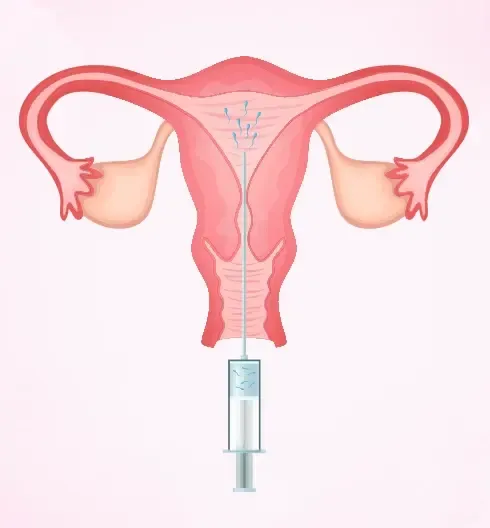
In surrogacy, the intended parents typically use their own genetic material (eggs and sperm) or donated material to create an embryo, which is then implanted into the surrogate’s uterus. This procedure is often done through in vitro fertilization (IVF), and the surrogate will carry the pregnancy to term.
In adoption, the medical procedures are not as involved, as the child has already been born. However, the adoptive parents may undergo medical tests and screenings as part of the home study process to ensure they are fit to be parents.
Step 5: Emotional Journey
Both surrogacy and adoption can be emotionally challenging processes. For surrogacy, the intended parents may experience a range of emotions, from excitement and joy to anxiety and fear. The surrogate may also go through emotional challenges, as she carries a child that is not biologically hers.
Similarly, adoption can be an emotional rollercoaster for both the adoptive parents and the birth parents. The adoptive parents may feel a sense of loss if they are unable to have biological children, and the birth parents may experience grief and sadness when giving up their child for adoption.
Step 6: Bringing the Child Home
After the legal and medical procedures have been completed, it is time to bring the child home. In surrogacy, the intended parents are usually present for the birth of the child and can take the child home immediately after birth. In adoption, the adoptive parents may have to wait for the legal process to be finalized before bringing the child home.
Summary:
The decision to have a child through surrogacy or adoption involves careful consideration of legal, financial, and emotional factors. The first step is to research and understand the processes involved, and then find a suitable surrogate or adoption agency. The legal processes and contracts differ between surrogacy and adoption, and medical procedures may also vary. Both surrogacy and adoption can be emotionally challenging, but ultimately, the goal is the same – to bring a child into a loving family.
SEO metadata: