Tag: Success Rates

  • Navigating the Choices: Intrauterine Insemination vs Intracervical Insemination

    Navigating the Choices: Intrauterine Insemination vs Intracervical Insemination

    When it comes to fertility treatments, there are various options available for individuals and couples struggling to conceive. Two common procedures that are often recommended are intrauterine insemination (IUI) and intracervical insemination (ICI). While both techniques involve placing sperm into the reproductive tract, there are significant differences between the two in terms of procedure, success rates, and cost. In this blog post, we will dive into the details of IUI and ICI to help you navigate the choices and make an informed decision.

    Understanding IUI and ICI
    Intrauterine insemination (IUI) is a fertility treatment that involves placing sperm directly into the uterus, bypassing the cervix and increasing the chances of fertilization. It is usually recommended for couples with unexplained infertility, mild male factor infertility, or cervical issues. The procedure is typically done in a fertility clinic, and it can be performed with or without the use of fertility drugs to stimulate ovulation.

    On the other hand, intracervical insemination (ICI) is a simpler procedure that involves placing sperm into the cervix. Unlike IUI, ICI does not require any special equipment or medical supervision and can be done at home with a sperm donor or partner’s assistance. This technique is often used by same-sex couples, single women, or couples with mild male infertility.

    Procedure and Preparation
    IUI and ICI differ significantly in terms of procedure and preparation. IUI requires a more extensive process, which includes monitoring the woman’s ovulation cycle through ultrasounds and blood tests. Fertility drugs may also be prescribed to stimulate ovulation and increase the chances of conception. Additionally, the sperm sample used in IUI is usually washed and prepared in a laboratory to remove any impurities and increase its viability.

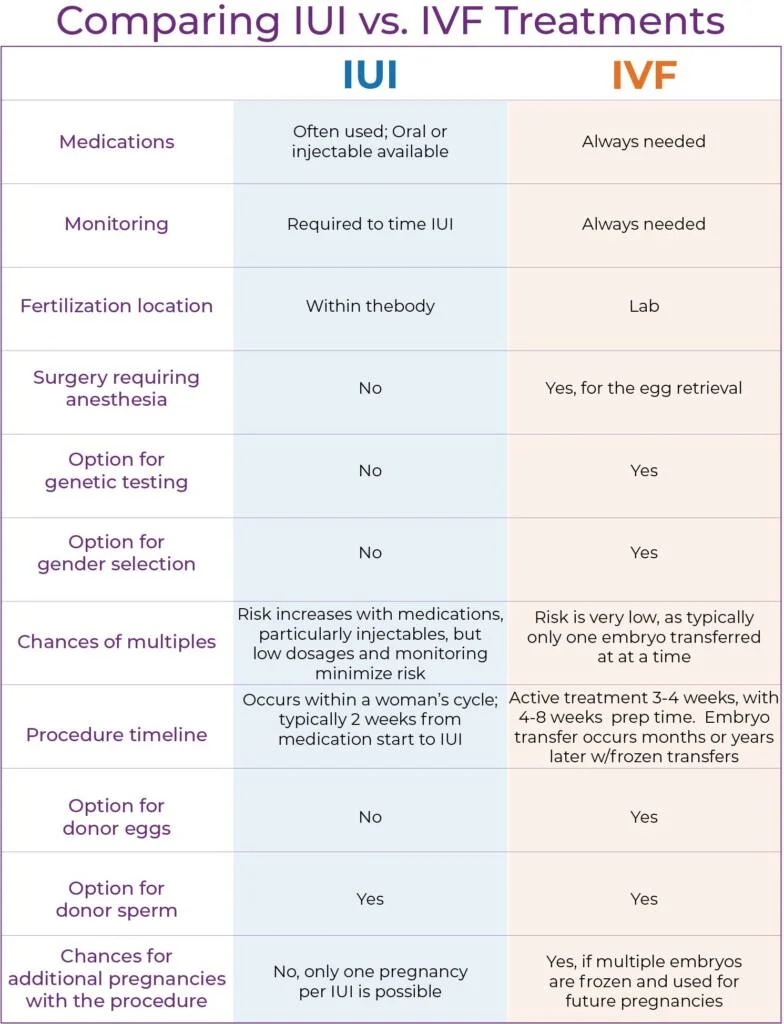
    comparison of IUI and IVF procedures illustrated with simple graphics and labels

    Navigating the Choices: Intrauterine Insemination vs Intracervical Insemination

    On the other hand, ICI does not require any monitoring or medication. The sperm sample can be collected at home or a clinic, and the procedure can be performed at home with a sterile syringe or cup. However, it is essential to ensure that the sperm donor or partner undergoes testing for sexually transmitted infections to prevent any potential health risks.

    Success Rates
    The success rates of IUI and ICI vary based on various factors such as age, cause of infertility, and sperm quality. Generally, IUI has a higher success rate compared to ICI. According to the American Society for Reproductive Medicine, the success rate for IUI is around 10-20% per cycle, while the success rate for ICI is only around 5-10% per cycle. However, these success rates can increase significantly with the use of fertility drugs and proper timing of the procedure.

    Cost
    The cost of IUI and ICI also differ significantly. IUI is a more expensive procedure as it requires frequent monitoring and the use of fertility drugs. On average, the cost of one IUI cycle can range from $500 to $4000, depending on the location and clinic. On the other hand, ICI is a more affordable option as it can be done at home without any medical intervention. The cost of one ICI cycle can range from $50 to $500, depending on the cost of the sperm sample and any necessary testing.

    Which One is Right for You?
    When it comes to choosing between IUI and ICI, there is no one-size-fits-all answer. Both procedures have their advantages and disadvantages, and the right one for you will depend on your individual circumstances. If you have been trying to conceive for more than a year without success, it is essential to consult with a fertility specialist to determine the underlying cause of infertility and which procedure is best suited for you.

    In summary, IUI and ICI are two common fertility treatments that involve placing sperm into the reproductive tract. While IUI is a more involved and expensive procedure, it has a higher success rate compared to ICI. However, ICI is a more affordable option and can be performed at home without any medical intervention. Ultimately, the choice between the two will depend on individual circumstances and should be made in consultation with a fertility specialist.
  • The Differences Between Intrauterine Insemination and Intracervical Insemination

    The Differences Between Intrauterine Insemination and Intracervical Insemination

    Intrauterine insemination (IUI) and intracervical insemination (ICI) are two types of assisted reproductive techniques used to help couples achieve pregnancy. While both procedures involve placing sperm into the female reproductive tract, there are significant differences between the two that couples should understand when considering fertility treatment options. In this blog post, we will explore the differences between IUI and ICI, including their procedures, success rates, and cost.

    What is Intrauterine Insemination (IUI)?

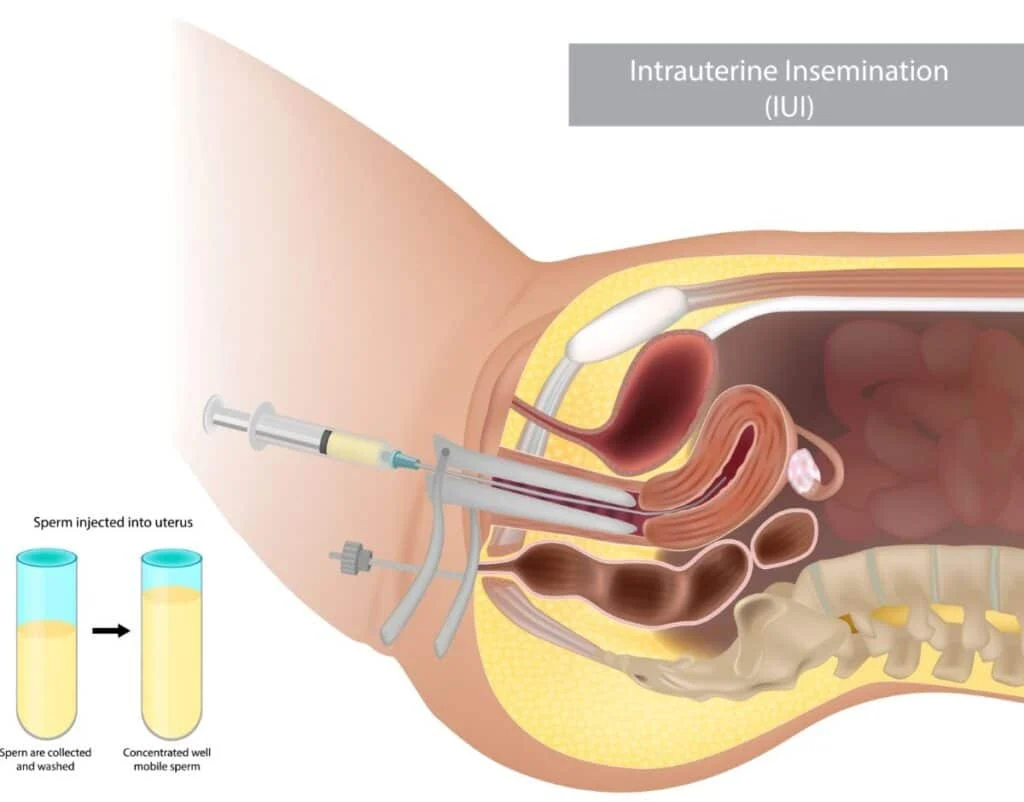
    Intrauterine insemination, also known as artificial insemination, is a procedure in which sperm is placed directly into the uterus using a thin catheter. The sperm sample is first washed and prepared in the lab to remove any non-motile sperm and debris. This process helps to increase the chances of fertilization by only using the healthiest and most active sperm.

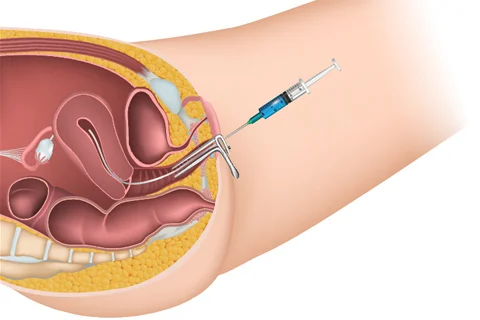
    During the procedure, the woman’s cervix is gently held in place, and the catheter is inserted into the uterus through the cervix. The sperm is then released from the catheter into the uterus, closer to the fallopian tubes where fertilization takes place. IUI is usually performed around the time of ovulation, which is determined by using ovulation predictor kits or ultrasound monitoring.

    What is Intracervical Insemination (ICI)?

    Intracervical insemination, also known as cervical insemination, is a simpler and less invasive procedure compared to IUI. In this procedure, the sperm is placed in the cervix, closer to the entrance of the uterus. The sperm sample is also washed and prepared in the lab before being inserted into the cervix using a syringe.

    ICI can be performed at home or in a fertility clinic, and it does not require any special equipment or trained personnel. However, it is essential to have a clear understanding of the timing of ovulation to ensure that the sperm is placed near the cervix when the egg is released.

    What are the Differences Between IUI and ICI?

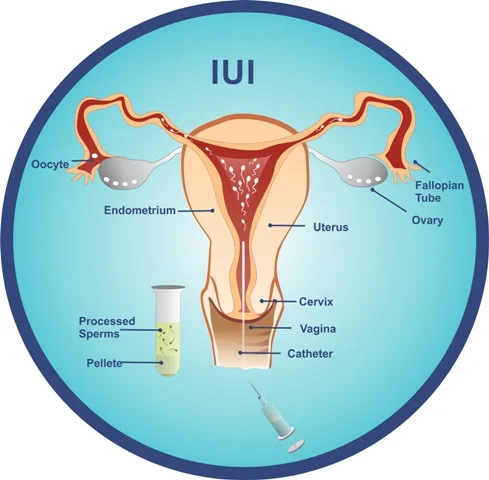
    Diagram illustrating intrauterine insemination (IUI) procedure with sperm injection into the uterus.

    The Differences Between Intrauterine Insemination and Intracervical Insemination

    The most significant difference between IUI and ICI is the location where the sperm is placed. In IUI, the sperm is deposited directly into the uterus, while in ICI, it is placed in the cervix. This difference can potentially impact the success rates of each procedure.

    Another difference is the preparation of the sperm sample. In IUI, the sperm is washed and prepared in the lab, while in ICI, it is only washed. This additional preparation in IUI helps to remove any non-motile sperm and debris, increasing the chances of fertilization.

    Success Rates of IUI and ICI

    The success rates of IUI and ICI vary depending on various factors, including the age and fertility of the woman, the quality of the sperm sample, and the timing of the procedure. Generally, IUI has higher success rates compared to ICI, with an average success rate of 10-20% per cycle. However, the success rates of both procedures can be significantly affected by underlying fertility issues in either partner.

    Cost of IUI and ICI

    The cost of IUI and ICI can also differ significantly. IUI is a more complex procedure that requires specialized equipment and trained personnel, making it more expensive. The cost of IUI can range from $500-$4000 per cycle, depending on the clinic and additional treatments. On the other hand, ICI is a simpler procedure that can be performed at home, making it a more affordable option. The cost of ICI can range from $100-$500 per cycle.

    Which Procedure is Right for You?

    Choosing between IUI and ICI depends on various factors, including the cause of infertility, age, and personal preferences. For couples with unexplained infertility or sperm quality issues, IUI may be a better option due to its higher success rates. However, for couples with mild fertility issues or those who prefer a less invasive option, ICI may be a more suitable choice. Ultimately, it is essential to consult with a fertility specialist to discuss your options and determine the best course of action for your specific situation.

    In conclusion, while both IUI and ICI involve placing sperm into the female reproductive tract, there are significant differences between the two procedures. Some of the key differences include the location where the sperm is placed, the preparation of the sperm sample, success rates, and cost. Ultimately, the choice between IUI and ICI will depend on various factors and should be made in consultation with a fertility specialist.

  • The Ins and Outs of Intrauterine Insemination and Intracervical Insemination

    Blog Post: The Ins and Outs of Intrauterine Insemination and Intracervical Insemination

    Intrauterine insemination (IUI) and intracervical insemination (ICI) are two common types of artificial insemination procedures used to help couples conceive a child. These procedures involve placing sperm directly into the uterus or cervix, bypassing the natural barriers of the female reproductive system. In this blog post, we will delve into the ins and outs of these two fertility treatments, including their procedures, success rates, and potential risks.

    What is Intrauterine Insemination (IUI)?

    Intrauterine insemination, also known as artificial insemination, is a fertility treatment where sperm is placed directly into the uterus during a woman’s ovulation period. This procedure is commonly used for couples with unexplained infertility, mild male factor infertility, or cervical issues that may prevent sperm from reaching the egg.

    The IUI procedure starts with a sperm wash, where the semen is prepared by removing the seminal fluid and selecting the most active and healthy sperm. The processed sperm is then inserted into the uterus using a thin catheter, which is usually a painless and quick process. The goal of IUI is to increase the chances of sperm reaching the fallopian tubes and fertilizing the egg, resulting in a pregnancy.

    What is Intracervical Insemination (ICI)?

    Intracervical insemination is a more simplified version of IUI, where the sperm is placed directly into the cervix instead of the uterus. This procedure is often used for couples with mild fertility issues or for single women and same-sex couples using donor sperm.

    The process of ICI is similar to IUI, starting with a sperm wash and followed by the insertion of the processed sperm into the cervix. Since the sperm is not placed as close to the egg as in IUI, the success rates for ICI may be slightly lower, but it is still a viable treatment option for many couples.

    Success Rates of IUI and ICI

    The success rates of IUI and ICI can vary depending on several factors, including the age of the woman, the quality of sperm, and any underlying fertility issues. According to the American Pregnancy Association, the success rates for IUI can range from 10-20% per cycle, while the success rates for ICI are slightly lower at 5-15% per cycle.

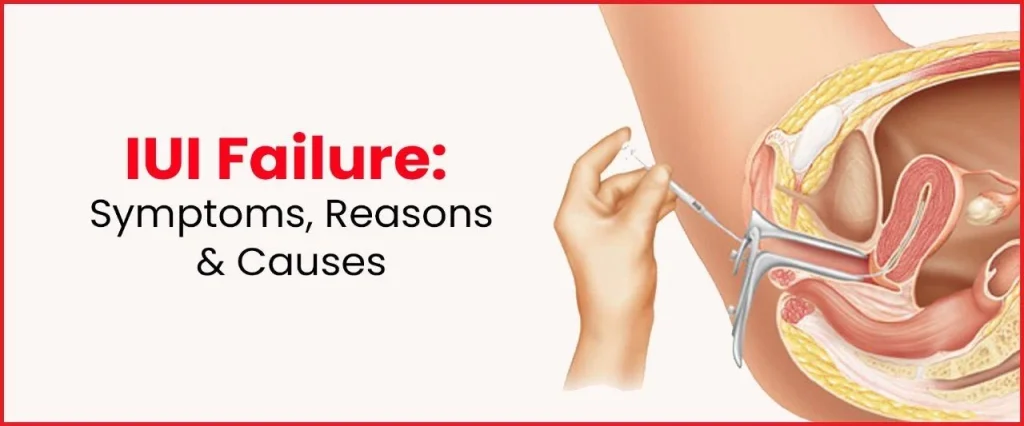
    illustration of IUI procedure with text on symptoms, reasons, and causes of IUI failure

    The Ins and Outs of Intrauterine Insemination and Intracervical Insemination

    It is essential to note that the success rates for both procedures may increase with multiple cycles, as it may take a few attempts to achieve a pregnancy. Additionally, the use of fertility medications, such as Clomid or Letrozole, may also increase the chances of success.

    Potential Risks and Side Effects

    Like any medical procedure, IUI and ICI carry some potential risks and side effects. Some women may experience mild cramping or spotting after the procedure, which usually subsides within a few hours. In rare cases, there may be an increased risk of infection or allergic reaction to the sperm or fertility medications used.

    It is crucial to discuss any potential risks and side effects with your doctor before undergoing IUI or ICI, as well as following any post-procedure instructions provided.

    Factors to Consider When Choosing Between IUI and ICI

    When trying to decide between IUI and ICI, there are a few factors to consider. The first is the underlying cause of fertility issues, as IUI may be more beneficial for couples with male factor infertility or blocked fallopian tubes. Additionally, the cost of the procedures may also be a factor, as IUI is generally more expensive than ICI.

    It is also essential to consider your personal preferences and comfort level, as IUI may feel more invasive than ICI due to the placement of the sperm directly into the uterus. However, both procedures have similar success rates, so it ultimately comes down to what works best for you and your partner.

    In conclusion, IUI and ICI are two fertility treatment options that can help couples and individuals conceive a child. These procedures involve the placement of sperm directly into the uterus or cervix, and their success rates can vary depending on various factors. It is essential to consult with a fertility specialist to determine which procedure may be best for you and your specific situation.

    Summary:

    Intrauterine insemination (IUI) and intracervical insemination (ICI) are two types of artificial insemination procedures used to help couples conceive a child. IUI involves placing sperm directly into the uterus, while ICI involves placing sperm into the cervix. The success rates for both procedures can vary but are generally between 10-20% for IUI and 5-15% for ICI. Potential risks and side effects include mild cramping and spotting, infection, and allergic reactions. Factors to consider when choosing between IUI and ICI include the underlying cause of fertility issues, cost, and personal preferences. It is essential to consult with a fertility specialist to determine the best treatment option for your specific situation.

  • Exploring the Pros and Cons: Intrauterine Insemination vs Intracervical Insemination

    Exploring the Pros and Cons: Intrauterine Insemination vs Intracervical Insemination

    Intrauterine insemination (IUI) and Intracervical insemination (ICI) are two commonly used fertility treatments for couples struggling with infertility. Both procedures involve placing washed and concentrated sperm directly into the woman’s reproductive tract in order to increase the chances of fertilization. However, these two methods differ in terms of the location where the sperm is placed, the complexity of the procedure, and success rates. In this blog post, we will explore the pros and cons of IUI and ICI to help you understand which option may be best for you.

    Intrauterine Insemination (IUI)

    IUI is a procedure in which the sperm is placed directly into the uterus using a thin catheter. This procedure is usually done in a fertility clinic or doctor’s office and is often combined with fertility medications to increase the chances of success. The sperm used in IUI can either be from a partner or a donor.

    Pros:

    1. Higher Success Rates: One of the main advantages of IUI is its higher success rates compared to other forms of artificial insemination. According to the American Pregnancy Association, the success rate for IUI is 20% per cycle, which increases to 80% after six cycles.

    2. Controlled and Monitored Procedure: IUI is a more controlled and monitored procedure compared to natural conception or ICI. The sperm is washed and concentrated before being placed in the uterus, which reduces the chances of infection and increases the chances of fertilization.

    3. Can Be Combined with Fertility Medications: IUI can be combined with fertility medications such as Clomid or injectable hormones to stimulate ovulation. This increases the chances of success for couples struggling with ovulation issues.

    4. Fewer Side Effects: IUI has fewer side effects compared to other fertility treatments. The only discomfort may be mild cramping during the procedure, and some women may experience light bleeding afterwards.

    Cons:

    1. Requires Multiple Visits: IUI requires multiple visits to the fertility clinic or doctor’s office. This may be inconvenient for some couples, especially if they live far from the clinic.

    2. Higher Cost: IUI can be more expensive compared to natural conception or ICI. The cost of the procedure and fertility medications can add up quickly, especially if multiple cycles are needed.

    Comparison of IUI and IVF treatments with diagrams of reproductive anatomy.

    Exploring the Pros and Cons: Intrauterine Insemination vs Intracervical Insemination

    3. Increased Risk of Multiple Pregnancies: The use of fertility medications with IUI can increase the risk of multiple pregnancies, which may lead to complications during pregnancy and delivery.

    Intracervical Insemination (ICI)

    ICI is a procedure in which the sperm is placed in the cervix using a syringe or a cervical cap. This procedure can be done at home, with the sperm being either from a partner or a donor. Unlike IUI, ICI does not involve washing or concentrating the sperm.

    Pros:

    1. Less Invasive: ICI is a less invasive procedure compared to IUI. It can be done at home without the need for a fertility clinic or doctor’s office.

    2. More Affordable: ICI is a more affordable option compared to IUI. Since it can be done at home, couples can save money on the cost of the procedure and fertility medications.

    3. No Risk of Multiple Pregnancies: Unlike IUI, there is no risk of multiple pregnancies with ICI since fertility medications are not used. This may be a preferred option for couples who do not want the risk of carrying multiples.

    Cons:

    1. Lower Success Rates: The success rates for ICI are lower compared to IUI. According to the American Pregnancy Association, the success rate for ICI is 10% per cycle, which increases to 60% after six cycles.

    2. Difficult to Time Ovulation: Timing ovulation correctly is crucial for the success of ICI. This may be challenging for some couples, especially those who have irregular menstrual cycles.

    3. Increased Risk of Infection: Since the sperm is not washed or concentrated before being placed in the cervix, there is a higher risk of infection compared to IUI.

    Summary:

    Intrauterine insemination (IUI) and Intracervical insemination (ICI) are two commonly used fertility treatments for couples struggling with infertility. IUI involves placing washed and concentrated sperm directly into the uterus, while ICI involves placing sperm in the cervix without washing or concentrating them. IUI has higher success rates and is a more controlled and monitored procedure, but it can be more expensive and carries the risk of multiple pregnancies. On the other hand, ICI is a less invasive and more affordable option, but it has lower success rates and carries the risk of infection. The choice between IUI and ICI ultimately depends on the individual needs and preferences of the couple.

  • Breaking Down the Differences: Intrauterine Insemination vs Intracervical Insemination

    Intrauterine insemination (IUI) and intracervical insemination (ICI) are two common fertility treatments that involve placing sperm inside a woman’s reproductive tract in order to increase the chances of fertilization and pregnancy. While both procedures share similar goals, there are important differences between IUI and ICI that couples should be aware of when considering which option is best for them. In this blog post, we will break down the key differences between IUI and ICI, including the procedure itself, success rates, and potential risks.

    First, let’s start with the basics. IUI and ICI are both forms of artificial insemination, which means that they involve placing sperm directly into a woman’s reproductive tract rather than relying on natural conception through sexual intercourse. This can be beneficial for couples who are struggling with male factor infertility, have difficulty with traditional intercourse, or are single or same-sex couples seeking to conceive.

    The main difference between IUI and ICI lies in the location where the sperm is inserted. In IUI, the sperm is placed directly into the woman’s uterus, while in ICI, the sperm is deposited into the cervix. This difference in placement can have implications for the success rates of each procedure.

    In terms of the procedure itself, IUI is typically more involved and requires medical assistance. The woman will need to undergo hormonal stimulation to produce multiple eggs, which are then monitored through ultrasound. Once the eggs are mature, the male partner will provide a semen sample, which is then washed and concentrated to increase the number of healthy sperm. The sperm is then placed into a catheter and inserted into the uterus through the cervix. The entire process usually takes less than 30 minutes and may cause mild discomfort.

    On the other hand, ICI is a simpler and less invasive procedure that can be performed at home or in a medical setting. The male partner collects a semen sample and uses a syringe or cervical cap to insert it into the cervix. This can be done without the assistance of a healthcare provider, but some couples may choose to have a healthcare professional perform the procedure for them.

    Comparison chart of IUI and IVF treatments, detailing medications, monitoring, procedures, and success rates.

    Breaking Down the Differences: Intrauterine Insemination vs Intracervical Insemination

    One of the key differences between IUI and ICI is the success rates. IUI has higher success rates compared to ICI, with studies showing a 10-20% chance of pregnancy per cycle for IUI, while ICI has a lower success rate of 5-10%. This is because IUI places the sperm directly into the uterus, which is a more favorable environment for fertilization compared to the cervix. Additionally, IUI also allows for more sperm to reach the egg, increasing the chances of fertilization.

    Another important factor to consider is the timing of the procedure. IUI must be done at a specific time during a woman’s menstrual cycle, usually around the time of ovulation. This means that couples will need to carefully track their cycles and be available for the procedure at the designated time. On the other hand, ICI can be done at any time during a woman’s cycle, making it a more flexible option for couples.

    When it comes to potential risks and side effects, both IUI and ICI carry similar risks. These include infection, cramping, and discomfort during the procedure. There is also a small risk of multiple pregnancies with both procedures, especially with the use of fertility drugs in IUI. However, these risks are generally low and can be managed with proper medical supervision.

    In summary, IUI and ICI are two common fertility treatments that involve the placement of sperm inside a woman’s reproductive tract. While both procedures have similar goals, they differ in terms of the procedure itself, success rates, and potential risks. IUI is a more involved procedure that is performed in a medical setting and has higher success rates, while ICI is simpler and can be done at home but has lower success rates. Couples should consult with their healthcare provider to determine which option is best for them based on their individual circumstances.

    In conclusion, the decision between IUI and ICI ultimately depends on the couple’s preferences, medical history, and success rates. Both procedures can be effective in helping couples achieve their dream of starting a family. By understanding the key differences between IUI and ICI, couples can make an informed decision and choose the best option for their unique situation.

  • The Hope of Success: Success Rates for Male and Female Factor Infertility Treatments

    The Hope of Success: Success Rates for Male and Female Factor Infertility Treatments

    Infertility is a common issue faced by many couples around the world. While there are various factors that can contribute to infertility, male and female factors are the most prevalent. Male factor infertility refers to issues with the male reproductive system that make it difficult for a couple to conceive, while female factor infertility refers to problems with the female reproductive system. With advances in medical technology, there are now various treatments available for both male and female factor infertility. However, couples facing these challenges often wonder about the success rates of these treatments. In this blog post, we will explore the hope of success for male and female factor infertility treatments.

    Male Factor Infertility Treatments

    Male factor infertility accounts for approximately 40% of all infertility cases. The most common cause of male infertility is a low sperm count, which can be caused by a variety of factors such as hormonal imbalances, genetic disorders, and lifestyle choices. The good news is that there are multiple treatments available for male factor infertility, and the success rates have significantly improved in recent years.

    One of the most common treatments for male factor infertility is intrauterine insemination (IUI). During this procedure, the male partner’s sperm is washed and then inserted directly into the female partner’s uterus. The success rates for IUI vary depending on the underlying cause of male infertility, but it has been reported to have a success rate of 10-20% per cycle.

    Another treatment option for male factor infertility is in vitro fertilization (IVF). This process involves combining the male partner’s sperm with the female partner’s egg in a lab setting and then transferring the resulting embryo into the woman’s uterus. IVF has a higher success rate than IUI, with a reported success rate of 40-45% per cycle. However, the success rates may vary depending on the woman’s age, the quality of the sperm, and other factors.

    Male factor infertility can also be treated with intracytoplasmic sperm injection (ICSI). This procedure involves injecting a single sperm directly into the egg, which is then transferred into the woman’s uterus. ICSI has a higher success rate compared to IUI and IVF, with a reported success rate of 60-65% per cycle.

    diagram of a uterus with a syringe for intrauterine insemination procedure

    The Hope of Success: Success Rates for Male and Female Factor Infertility Treatments

    Female Factor Infertility Treatments

    Female factor infertility can be caused by a variety of factors, including hormonal imbalances, ovulation disorders, and structural issues with the reproductive organs. The success rates for female factor infertility treatments also vary depending on the specific cause of infertility.

    One of the most common treatments for female factor infertility is ovulation induction. This involves taking medication to stimulate the ovaries to produce more eggs. The success rates for this treatment vary, but it has been reported to have a success rate of 20-60% per cycle, depending on the woman’s age and the underlying cause of infertility.

    Another treatment option for female factor infertility is intrauterine insemination (IUI). As mentioned earlier, this involves placing the male partner’s sperm directly into the woman’s uterus. The success rates for IUI in cases of female factor infertility are slightly higher than in cases of male factor infertility, with a reported success rate of 15-20% per cycle.

    In vitro fertilization (IVF) is also a popular treatment for female factor infertility. The success rates for IVF vary depending on the woman’s age, the quality of her eggs, and other factors. Generally, IVF has a success rate of 40-45% per cycle, but this can increase with the use of techniques such as preimplantation genetic testing (PGT).

    In conclusion, both male and female factor infertility can be successfully treated with various medical interventions. While the success rates may vary, the advancements in technology have significantly increased the chances of success for couples struggling with infertility. It is important to consult with a fertility specialist to determine the best treatment plan based on individual circumstances.

    Summary:

    Infertility is a common issue faced by many couples, with male and female factors being the most prevalent causes. Fortunately, there are various treatments available for both male and female factor infertility, and the success rates have significantly improved in recent years. For male factor infertility, treatments such as IUI, IVF, and ICSI have reported success rates of 10-20%, 40-45%, and 60-65% per cycle, respectively. Female factor infertility can be treated with ovulation induction, IUI, and IVF, with success rates ranging from 20-60%, 15-20%, and 40-45% per cycle, respectively. With the advancements in technology, there is hope for success for couples struggling with infertility.

  • The Impact of Cryopreservation on the Quality of Frozen Donor Sperm vs Fresh Donor Sperm

    Blog Post:

    In recent years, cryopreservation has become a widely used technique in the field of assisted reproductive technology, allowing for the long-term storage of biological materials such as sperm, eggs, and embryos. This has greatly expanded the options for individuals and couples facing fertility challenges, as well as those looking to preserve their reproductive cells for future use. When it comes to donor sperm, cryopreservation has had a significant impact on the availability and quality of sperm for use in fertility treatments. In this blog post, we will explore the impact of cryopreservation on the quality of frozen donor sperm compared to fresh donor sperm.

    What is Cryopreservation?
    Cryopreservation is the process of freezing biological materials at very low temperatures (-196°C) in order to preserve them for future use. In the case of sperm, this is typically done through a process called vitrification, which involves rapid freezing in liquid nitrogen. The frozen sperm is then stored in a cryobank until it is needed for fertility treatments.

    Fresh vs Frozen Donor Sperm
    Traditionally, fresh donor sperm has been the primary choice for fertility treatments. However, with the advancements in cryopreservation techniques, frozen donor sperm has become a viable and often preferred option for many individuals and couples. But how do fresh and frozen donor sperm compare in terms of quality and effectiveness?

    Quality of Fresh Donor Sperm
    Fresh donor sperm is collected on the same day as the fertility treatment and is typically used immediately. This means that the sperm is at its peak quality and motility, as it has not been subjected to any freezing or thawing processes. However, the quality of fresh donor sperm can vary depending on the donor’s age, health, and lifestyle factors. It is also important to note that fresh donor sperm is not always readily available, which can limit the options for individuals and couples seeking fertility treatments.

    Impact of Cryopreservation on Donor Sperm Quality
    The cryopreservation process involves exposing sperm to very low temperatures, which can have a significant impact on its quality. During the freezing and thawing process, sperm cells can be damaged or even destroyed, leading to a decrease in overall quality. However, with the advancements in vitrification techniques, the damage to sperm cells has been greatly reduced. Additionally, sperm that is frozen at a younger age tends to have better quality and higher motility when thawed, compared to sperm that is frozen at an older age.

    illustration of intrauterine insemination procedure with a syringe and catheter in the uterus.

    The Impact of Cryopreservation on the Quality of Frozen Donor Sperm vs Fresh Donor Sperm

    Frozen Donor Sperm: A More Reliable Option
    One of the biggest advantages of using frozen donor sperm is the reliability and availability of the sperm. Unlike fresh donor sperm, which may not always be available on the day of the fertility treatment, frozen donor sperm can be stored for long periods of time. This means that there is a larger pool of donors to choose from, giving individuals and couples more options and a better chance of finding a suitable donor. Additionally, frozen donor sperm can be shipped to different locations, making it more accessible for those who do not live near a cryobank.

    The Role of Sperm Banks
    Sperm banks play a crucial role in the cryopreservation process. They are responsible for collecting, screening, and storing donor sperm. Sperm banks also perform quality control measures to ensure that the sperm is of the highest quality before it is used in fertility treatments. With the growing demand for frozen donor sperm, sperm banks have become an essential part of the fertility industry and play a vital role in providing individuals and couples with reliable and high-quality sperm.

    Success Rates with Frozen Donor Sperm
    Studies have shown that the success rates of fertility treatments using frozen donor sperm are comparable to those using fresh donor sperm. In fact, some studies have even shown higher success rates with frozen donor sperm, as the sperm is usually frozen at a younger age and has better quality when thawed. This is encouraging news for those considering using frozen donor sperm for their fertility treatments.

    Conclusion
    In conclusion, the impact of cryopreservation on the quality of frozen donor sperm has been significant. While fresh donor sperm may have higher quality and motility, the advancements in vitrification techniques have greatly reduced the damage to frozen sperm cells. Frozen donor sperm also offers a more reliable and accessible option for individuals and couples seeking fertility treatments. With the help of sperm banks and the increasing success rates of fertility treatments using frozen donor sperm, cryopreservation has revolutionized the field of assisted reproductive technology and given hope to many individuals and couples around the world.

    Summary:

    Cryopreservation is a process of freezing biological materials at low temperatures for future use. When it comes to donor sperm, it has had a significant impact on the availability and quality of sperm for fertility treatments. Fresh donor sperm, while at its peak quality, may not always be readily available. However, the advancements in vitrification techniques have reduced the damage to frozen sperm cells. Frozen donor sperm also offers a more reliable and accessible option for individuals and couples. Sperm banks play a crucial role in the cryopreservation process, ensuring high-quality sperm. Studies have shown comparable success rates with frozen donor sperm, making it a viable option for fertility treatments.

  • The Impact of Technology on the Availability of Frozen Donor Sperm vs Fresh Donor Sperm

    Blog Post: The Impact of Technology on the Availability of Frozen Donor Sperm vs Fresh Donor Sperm

    In recent years, the use of technology has greatly impacted the availability of frozen donor sperm and fresh donor sperm. These two options have become popular choices for individuals and couples who are looking to start a family with the help of a sperm donor. However, there are significant differences between the two, and understanding the impact of technology on their availability is crucial for those considering these options. In this blog post, we will explore the advancements in technology that have led to the rise of frozen donor sperm and how it compares to fresh donor sperm in terms of availability, convenience, and success rates.

    The first major impact of technology on the availability of frozen donor sperm is the development of cryopreservation techniques. Cryopreservation is the process of freezing and storing sperm at ultra-low temperatures, typically below -196°C, in liquid nitrogen. This allows sperm to be stored for long periods without losing their viability. This technology has revolutionized the sperm donation process, making it possible to preserve and store sperm for extended periods, which was not possible with fresh donor sperm.

    One of the main advantages of frozen donor sperm is the ease of accessibility. With cryopreservation, sperm can be stored for years, even decades, and can be easily shipped to fertility clinics around the world. This has greatly increased the availability of donor sperm, as individuals and couples are no longer limited to local sperm banks and can choose from a wider pool of donors. This has also opened up the possibility of using donor sperm from other countries, which may have a more diverse range of donors to choose from.

    Furthermore, frozen donor sperm has also made the process of sperm donation more convenient for both donors and recipients. Donors can now make deposits at their convenience, without having to be present at the fertility clinic every time a donation is needed. This has also eliminated the need for donors to undergo frequent medical screenings, as their sperm can be stored and used for multiple cycles. For recipients, the process of selecting a donor and obtaining the sperm has become more streamlined and efficient.

    diagram illustrating intrauterine insemination (IUI) with labeled reproductive anatomy and procedures

    The Impact of Technology on the Availability of Frozen Donor Sperm vs Fresh Donor Sperm

    Another major impact of technology on the availability of frozen donor sperm is the ability to screen and test for genetic diseases and disorders. With the use of advanced genetic testing, sperm banks can now screen donors for hundreds of genetic diseases, significantly reducing the risk of passing on hereditary conditions to the child. This has given individuals and couples peace of mind when choosing a donor and has made the process of selecting a donor more transparent.

    In contrast, fresh donor sperm has limitations in terms of availability and convenience. Fresh donor sperm can only be used within a few days of collection, making it essential for donors to be located near the fertility clinic. This can be a challenge for individuals and couples who live in remote areas or have limited access to a sperm bank. Additionally, the process of coordinating with a donor and scheduling appointments can be time-consuming and may not always align with the recipient’s fertility cycle.

    Moreover, fresh donor sperm also has a higher risk of transmitting genetic diseases or disorders compared to frozen donor sperm. This is due to the shorter time frame for testing and screening before the sperm is used. This can be a concern for recipients who want to ensure the health and well-being of their future child.

    Apart from availability and convenience, success rates are also a crucial factor when considering frozen donor sperm vs fresh donor sperm. With the advancements in cryopreservation techniques, frozen donor sperm has shown to have comparable success rates to fresh donor sperm. This is because sperm is carefully selected and screened before being frozen, ensuring only healthy and viable sperm is stored. Additionally, frozen donor sperm can be used in multiple cycles, increasing the chances of successful pregnancies.

    In contrast, fresh donor sperm has a lower success rate due to the limited time frame for selection and screening. This means that there is a higher chance of using sperm with lower quality, resulting in a lower success rate. Furthermore, if a pregnancy is not achieved in the first cycle, the process of coordinating with a new donor and scheduling appointments can be time-consuming and may delay the chances of a successful pregnancy.

    In conclusion, the impact of technology on the availability of frozen donor sperm vs fresh donor sperm is significant. Advancements in cryopreservation techniques have made frozen donor sperm more accessible, convenient, and successful compared to fresh donor sperm. The ability to store and ship sperm for extended periods has greatly increased the availability of donors and has made the process more convenient for both donors and recipients. Additionally, the use of advanced genetic testing has reduced the risk of passing on genetic diseases and disorders to the child. Therefore, for individuals and couples considering the use of donor sperm, understanding the impact of technology on these options is crucial in making an informed decision.

  • Frozen Donor Sperm: A Safe and Reliable Option for Fertility Preservation

    Blog Post Title: Frozen Donor Sperm: A Safe and Reliable Option for Fertility Preservation

    Summary:

    Fertility preservation has become an increasingly popular option for individuals who wish to delay starting a family or those facing fertility challenges due to medical reasons. One of the most effective methods of fertility preservation is using frozen donor sperm. Frozen donor sperm is a safe and reliable option that provides individuals with the opportunity to have biological children in the future. In this blog post, we will discuss the benefits of using frozen donor sperm for fertility preservation, the process of acquiring and storing frozen donor sperm, and the success rates of using this method.

    The Benefits of Using Frozen Donor Sperm:

    Using frozen donor sperm for fertility preservation offers several benefits. The first and most significant advantage is that it provides individuals with the option to have biological children in the future. This is especially valuable for individuals who are facing fertility challenges due to medical conditions such as cancer, which may affect their ability to conceive in the future.

    Another benefit of using frozen donor sperm is that it allows individuals to delay starting a family without the worry of declining fertility. With more and more people choosing to pursue higher education, establish their careers, or travel before starting a family, using frozen donor sperm as a fertility preservation method provides them with the option to have children at a later stage in life.

    The Process of Acquiring and Storing Frozen Donor Sperm:

    illustration of intrauterine insemination procedure with a hand holding a speculum and syringe near the uterus

    Frozen Donor Sperm: A Safe and Reliable Option for Fertility Preservation

    The process of acquiring and storing frozen donor sperm is relatively simple. First, individuals need to choose a reputable sperm bank that offers donor sperm. These sperm banks have strict screening procedures for donors, including medical and genetic testing, to ensure the safety and quality of the sperm.

    After choosing a sperm bank, individuals can select a donor based on their preferences, such as physical characteristics, education, and occupation. Some sperm banks also offer the option to view photos and listen to audio recordings of the donor.

    Once a donor is selected, the sperm bank will ship the frozen donor sperm to a fertility clinic or storage facility of the individual’s choice. The sperm is then stored in liquid nitrogen tanks, where it can remain viable for decades.

    Success Rates of Using Frozen Donor Sperm:

    The success rates of using frozen donor sperm for fertility preservation are comparable to those of using fresh sperm. According to the American Society for Reproductive Medicine, the success rate of using frozen donor sperm in assisted reproductive technology (ART) procedures is around 50%, which is similar to the success rate of using fresh sperm.

    Additionally, using frozen donor sperm also offers the advantage of being able to use the sperm in multiple ART cycles, increasing the chances of successful conception. This is especially helpful for individuals who may not have access to fresh sperm or are unable to produce viable sperm due to certain medical conditions.

    Conclusion:

    Frozen donor sperm is a safe and reliable option for fertility preservation that offers individuals the opportunity to have biological children in the future. It provides numerous benefits, such as the ability to delay starting a family and the option to choose a donor based on personal preferences. The process of acquiring and storing frozen donor sperm is straightforward, and the success rates are comparable to using fresh sperm. With the advancements in technology and the increasing acceptance of alternative family-building methods, frozen donor sperm has become a viable option for individuals looking to preserve their fertility.

  • Fresh Donor Sperm vs Frozen Donor Sperm: Which is More Successful for Fertility Treatment?

    Blog Post:

    Fertility treatment has become a common option for couples struggling to conceive. With advancements in medical technology, there are now various options available to help individuals and couples achieve their dream of parenthood. One such option is using donor sperm, which involves using sperm from a donor to fertilize the eggs of the female partner.

    However, when it comes to using donor sperm, there are two main options to consider: fresh donor sperm and frozen donor sperm. While both options have their pros and cons, many people wonder which one is more successful for fertility treatment. In this blog post, we will explore the differences between fresh and frozen donor sperm and analyze which one may be more successful for fertility treatment.

    Fresh Donor Sperm:

    Fresh donor sperm is obtained from a donor who has recently ejaculated and is usually used within a few hours after collection. This option is often preferred by couples as it allows for a more direct and immediate transfer of the sperm to the female partner’s reproductive system.

    One of the main advantages of using fresh donor sperm is the higher concentration and motility of the sperm. This is because the sperm has not been frozen or thawed, which can sometimes cause damage to the sperm cells. With fresh donor sperm, the chances of fertilization and pregnancy may be higher.

    Another benefit of fresh donor sperm is that it allows for the selection of a specific donor based on certain characteristics, such as physical appearance, education, and occupation. This can give couples a sense of control and involvement in the process, which can be reassuring for those undergoing fertility treatment.

    However, there are also some drawbacks to using fresh donor sperm. The first is the limited availability of donors. As fresh donor sperm needs to be collected and used within a short period, there may be a shortage of donors, especially if the couple is looking for a specific type of donor.

    Additionally, fresh donor sperm can be more expensive compared to frozen donor sperm. This is because there are more logistical and administrative costs involved in collecting, testing, and transferring the sperm. The couple may also need to cover the donor’s travel and accommodation expenses if they are located in a different city or state.

    Frozen Donor Sperm:

    Frozen donor sperm, on the other hand, is collected from a donor and then frozen and stored in a sperm bank. This option offers more convenience and flexibility as the sperm can be used at any time and does not require the donor to be present during the fertilization process.

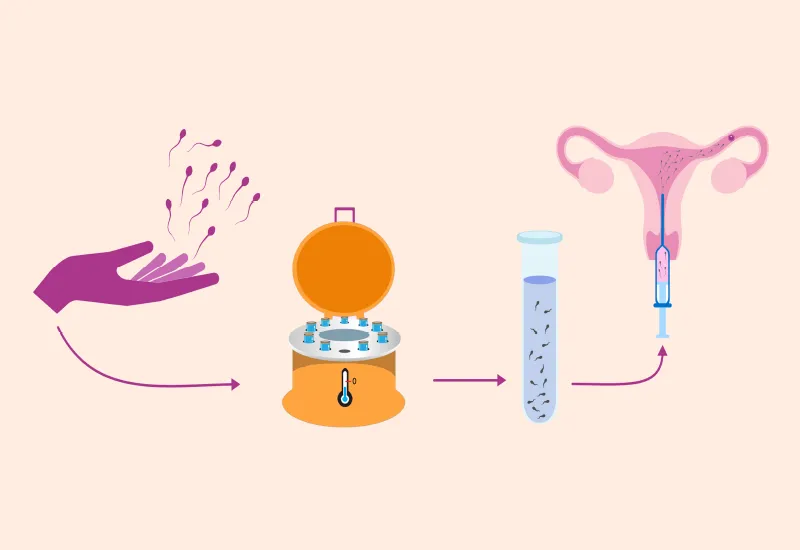
    illustration of the IUI process, showing sperm collection, preparation, and insertion into the uterus

    Fresh Donor Sperm vs Frozen Donor Sperm: Which is More Successful for Fertility Treatment?

    One of the significant advantages of frozen donor sperm is the wider selection of donors available. As the sperm is stored in a sperm bank, there is a larger pool of donors to choose from, giving couples more options to find a suitable match.

    Frozen donor sperm is also more cost-effective compared to fresh donor sperm. As the sperm is already collected and stored, the couple does not need to cover the donor’s expenses, and there are no time constraints for using the sperm, reducing logistical costs.

    Moreover, frozen donor sperm has a longer shelf life, allowing for multiple attempts at fertilization if the first attempt is unsuccessful. This can save couples time, money, and emotional distress in the long run.

    However, there are also some disadvantages to using frozen donor sperm. The main concern is the potential damage to sperm cells during the freezing and thawing process. This may affect the sperm’s quality and reduce the chances of fertilization.

    Another drawback is the lack of control over the selection of a donor. As the sperm is already collected and stored, there is no option to choose a specific donor based on certain characteristics. This may be a deal-breaker for some couples who value this level of involvement in the process.

    Which One is More Successful?

    As with any fertility treatment, the success of using donor sperm depends on various factors, including the female partner’s age and overall health, the quality and quantity of the sperm, and the fertility clinic’s expertise. Therefore, it is challenging to determine which option, fresh or frozen donor sperm, is more successful for fertility treatment.

    However, studies have shown that frozen donor sperm has similar success rates to fresh donor sperm when used in assisted reproductive technologies such as intrauterine insemination (IUI) and in vitro fertilization (IVF). In some cases, frozen donor sperm may even have higher success rates due to the availability of a larger pool of donors and the ability to use multiple samples for fertilization.

    In conclusion, when it comes to using donor sperm for fertility treatment, both fresh and frozen options have their advantages and disadvantages. While fresh donor sperm may offer higher quality and more control over donor selection, it may also be more limited and expensive. On the other hand, frozen donor sperm may be more cost-effective and convenient, but it may also have lower quality and less control over donor selection. Ultimately, the success of using donor sperm depends on individual circumstances, and couples should consult with their fertility specialist to determine which option is best for them.

    Summary:

    Fertility treatment using donor sperm has become a common option for couples struggling to conceive. When it comes to using donor sperm, there are two main options to consider: fresh and frozen. Fresh donor sperm is obtained and used within a few hours, while frozen donor sperm is collected, frozen, and stored in a sperm bank. Both options have their pros and cons, and success rates may vary depending on individual circumstances. While fresh donor sperm may offer higher quality and more control over donor selection, frozen donor sperm may be more cost-effective and convenient. Ultimately, the success of using donor sperm depends on various factors, and couples should consult with their fertility specialist to determine which option is best for them.