Tag: reproductive health

  • The Science of Conception: How Fertility Tracking Devices and Traditional Methods Work

    In recent years, there has been a significant rise in the use of fertility tracking devices to aid in conception. These devices, along with traditional methods, are helping many couples track their fertility and increase their chances of getting pregnant. But how do these devices work? And what is the science behind conception?

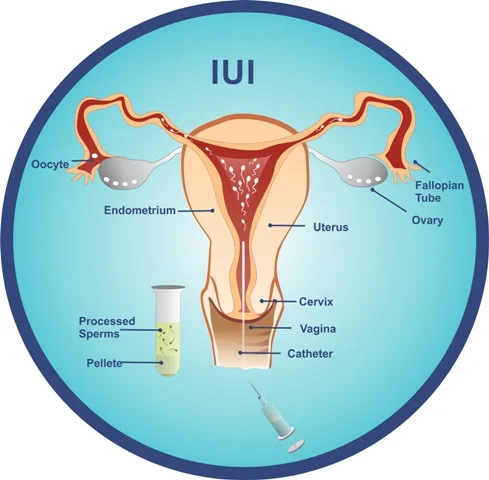
    To understand the science of conception, we must first understand the basics of the female reproductive system. The reproductive system is responsible for producing and nurturing a new life. It involves the ovaries, fallopian tubes, uterus, and cervix. Each month, the ovaries release an egg, which travels through the fallopian tubes and into the uterus. If the egg is fertilized by a sperm, it will implant itself into the lining of the uterus, resulting in pregnancy.

    The key to successful conception is timing. A woman is only fertile for a short window of time each month, usually around the time of ovulation. Ovulation is when the ovaries release an egg, and this usually occurs around day 14 of a 28-day menstrual cycle. However, every woman’s cycle is different, and it can be challenging to determine the exact day of ovulation without the help of fertility tracking devices.

    Fertility tracking devices come in various forms, from simple calendar methods to advanced wearable technology. Here are some of the most common types of fertility tracking devices and how they work:

    1. Ovulation Predictor Kits (OPKs)
    OPKs are one of the most popular fertility tracking devices on the market. They work by detecting the surge of luteinizing hormone (LH), which triggers ovulation. This surge usually occurs 24-48 hours before ovulation, making it an accurate predictor of the fertile window. To use an OPK, a woman will need to collect a urine sample and use the provided test strips to detect the LH surge.

    2. Basal Body Temperature (BBT) Thermometers
    BBT thermometers are another commonly used fertility tracking device. They work by measuring a woman’s basal body temperature, which is the lowest body temperature reached during rest. This temperature rises slightly after ovulation due to the increase in progesterone. By tracking the changes in BBT, a woman can determine when she is most likely to ovulate in her cycle.

    3. Fertility Tracking Apps
    With the rise of technology, many women are turning to fertility tracking apps to help them monitor their menstrual cycles. These apps use algorithms to predict ovulation based on the user’s menstrual cycle data. They also allow women to track symptoms such as cervical mucus changes and sexual activity, which can help pinpoint the most fertile days.

    4. Wearable Fertility Trackers
    Wearable fertility trackers, such as wristbands or clip-on devices, use advanced technology to track a woman’s menstrual cycle and ovulation. These devices measure a variety of physiological parameters, such as skin temperature, heart rate, and movement, to determine the most fertile window. Some of these devices even claim to track other factors that may affect fertility, such as stress levels and sleep patterns.

    Comparison of IUI and IVF, illustrating procedures and definitions for each fertility treatment.

    The Science of Conception: How Fertility Tracking Devices and Traditional Methods Work

    While fertility tracking devices can be helpful in pinpointing the most fertile days in a woman’s cycle, they are not 100% accurate. Factors such as stress, illness, and travel can all affect a woman’s menstrual cycle and make it difficult to predict ovulation. It’s essential to use these devices as a guide and not rely on them entirely.

    Apart from fertility tracking devices, there are also traditional methods that can help in tracking fertility. These methods have been used for centuries and rely on observing changes in a woman’s body to determine the fertile window. Here are some of the most common traditional methods of fertility tracking:

    1. Calendar Method
    The calendar method, also known as the rhythm method, involves tracking the length of a woman’s menstrual cycle to determine the most fertile days. This method works best for women with regular cycles, and it’s essential to track several cycles to accurately predict ovulation.

    2. Cervical Mucus Method
    This method involves observing changes in the consistency and quantity of cervical mucus. As a woman approaches ovulation, her cervical mucus will become more abundant, stretchy, and clear. This mucus helps sperm travel through the cervix to reach the egg.

    3. Cervical Position Method
    Similar to the cervical mucus method, the cervical position method involves observing changes in the position and firmness of the cervix. As ovulation approaches, the cervix will become softer, higher, and more open to allow sperm to enter the uterus.

    By combining fertility tracking devices with traditional methods, couples can have a better understanding of their fertility and increase their chances of conception. It’s essential to remember that every woman’s body is unique, and what works for one may not work for another. It’s crucial to communicate and work together as a couple to find the best method that suits your needs.

    In conclusion, the science of conception involves understanding the female reproductive system and tracking fertility to determine the most fertile days. Fertility tracking devices, along with traditional methods, can help couples in their journey to conceive. However, it’s essential to consult with a healthcare professional if you are struggling to get pregnant or have any concerns about your fertility.

    SEO metadata:
  • Fertility Tracking in the Digital Age: How Devices are Revolutionizing Reproductive Health

    Blog Post:

    Fertility Tracking in the Digital Age: How Devices are Revolutionizing Reproductive Health

    In today’s digital age, technology has made its way into every aspect of our lives, including reproductive health. With the rise of fertility tracking devices, women now have access to a wealth of information about their reproductive health at their fingertips. These devices use advanced technology to monitor and track various aspects of a woman’s menstrual cycle, providing valuable insights and data that can help with family planning, conception, and overall reproductive health.

    One of the most popular fertility tracking devices on the market is the fertility tracker. These small, discreet devices are worn on the skin and use sensors to track key fertility indicators such as basal body temperature, hormone levels, and cervical mucus changes. The data collected by these devices is then synced to a smartphone app, allowing users to easily track their cycles, identify fertile days, and get personalized insights and recommendations.

    But fertility tracking devices are not just limited to wearable trackers. There are also smart thermometers, ovulation prediction kits, and even fertility-focused apps that use algorithms and machine learning to predict ovulation and fertility windows. These devices and apps have become increasingly popular among women trying to conceive, as they provide a more accurate and personalized approach to tracking fertility.

    One of the major benefits of fertility tracking devices is that they can help women to better understand their menstrual cycle. By tracking various fertility indicators, women can gain insights into their hormonal fluctuations and identify any irregularities or potential issues. This information can be shared with healthcare providers, which can aid in the diagnosis and treatment of conditions such as polycystic ovary syndrome (PCOS) or irregular periods.

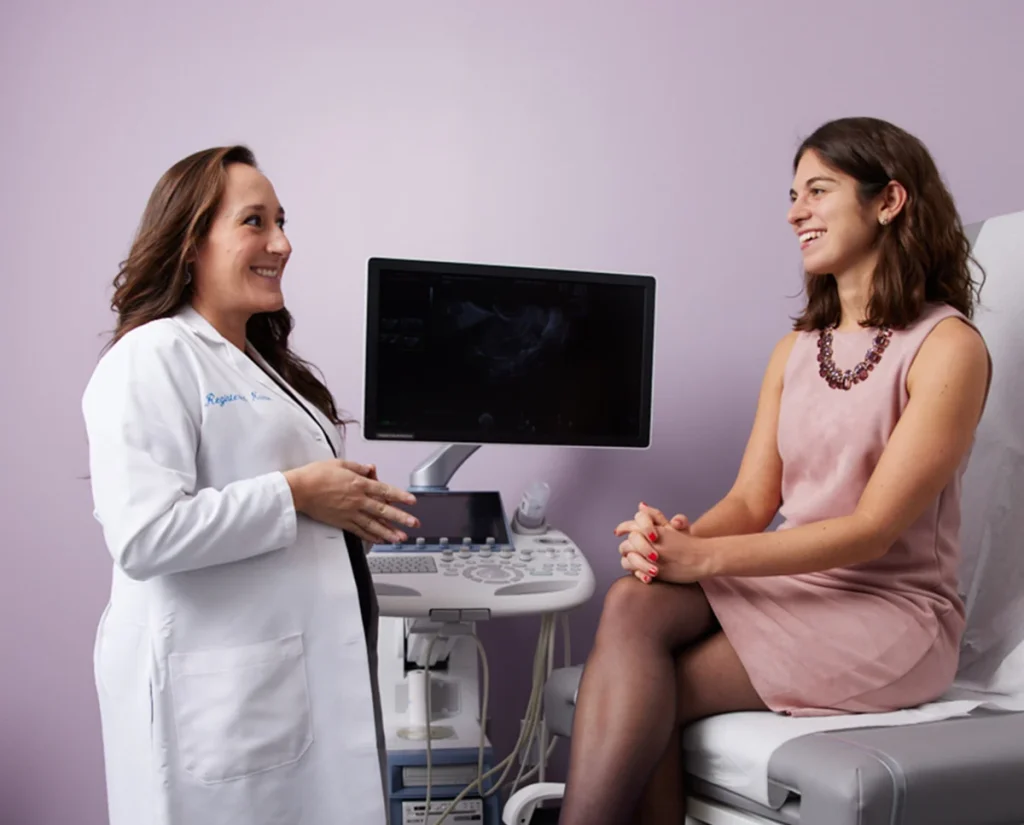
    doctor discussing treatment with a patient in a medical office, featuring an ultrasound machine in the background

    Fertility Tracking in the Digital Age: How Devices are Revolutionizing Reproductive Health

    Additionally, fertility tracking devices can also help with family planning. By accurately predicting ovulation and fertile days, women can use this information to either plan or avoid pregnancy. This is especially useful for couples who are trying to conceive, as they can time intercourse for the most fertile days of the cycle. On the other hand, for women who are not ready to start a family, fertility tracking devices can help to prevent unplanned pregnancies by providing a more accurate and reliable method of birth control.

    Another significant advantage of fertility tracking devices is that they can help to reduce the stress and anxiety associated with trying to conceive. For many women, the process of trying to get pregnant can be emotionally taxing, and constantly monitoring and tracking fertility can add to the pressure. Fertility tracking devices can alleviate some of this stress by providing a more accurate and effortless way to monitor cycles and identify fertile days. This, in turn, can help couples to relax and enjoy the process of trying to conceive, which can improve their chances of success.

    Furthermore, fertility tracking devices have also made it easier for women to take control of their reproductive health. In the past, women had to rely on traditional methods such as calendar tracking or physical ovulation kits, which were often unreliable and time-consuming. With the use of technology, women can now have a better understanding of their bodies and take proactive steps towards maintaining their reproductive health.

    However, like any technological advancement, fertility tracking devices also have their limitations. While they can provide valuable insights and data, they should not be relied on as the sole method of birth control or for diagnosing medical conditions. It is always important to consult with a healthcare provider for a comprehensive evaluation and treatment plan.

    In conclusion, fertility tracking devices have revolutionized the way women approach reproductive health. With their advanced technology and personalized insights, these devices have made it easier for women to track their cycles, plan or prevent pregnancy, and take control of their reproductive health. As technology continues to advance, we can expect to see even more innovative and accurate fertility tracking devices in the future.

    Summary:

    Fertility tracking devices have become increasingly popular in the digital age, providing women with access to valuable insights and data about their reproductive health. These devices use advanced technology to track fertility indicators and sync the data to smartphone apps. They can help women understand their menstrual cycle, aid in family planning, reduce stress, and empower women to take control of their reproductive health. However, it is essential to remember that these devices should not be relied on as the sole method of birth control or for diagnosing medical conditions.

  • The Role of Apps in Fertility Tracking: A Comparison of Devices and Traditional Methods

    Blog Post Title: The Role of Apps in Fertility Tracking: A Comparison of Devices and Traditional Methods

    Fertility tracking is a crucial aspect for many individuals and couples who are trying to conceive or prevent pregnancy. In the past, the most common method of tracking fertility was through traditional methods such as using a basal body thermometer or tracking menstrual cycles on a calendar. However, with the advancement of technology, many new devices and apps have emerged to help individuals track their fertility more accurately and conveniently. In this blog post, we will explore the role of apps in fertility tracking and compare them to traditional methods.

    The Rise of Fertility Tracking Apps
    In recent years, fertility tracking apps have gained immense popularity among women who are trying to conceive or simply monitor their reproductive health. These apps offer features such as tracking menstrual cycles, predicting ovulation, and recording symptoms such as mood changes and cervical mucus consistency. They also allow users to input data about their lifestyle habits, such as exercise and diet, to provide a more comprehensive picture of their fertility.

    One of the main advantages of fertility tracking apps is the convenience they offer. With just a few taps on a smartphone, users can easily input their data and receive personalized insights about their fertility. These apps also often provide educational resources and tips for optimizing fertility, making them a valuable tool for those on their fertility journey.

    Comparison to Traditional Methods
    While fertility tracking apps have become increasingly popular, there are still some who prefer traditional methods of tracking fertility. One of the most common traditional methods is using a basal body thermometer to track changes in body temperature, which can indicate ovulation. This method requires a bit more effort as it involves taking your temperature at the same time every morning and charting it on a graph. However, it is a reliable method that has been used for decades by many women.

    Another traditional method is tracking menstrual cycles on a calendar. This involves marking the first day of your period and using the average length of your cycle to predict when ovulation may occur. While this method is simple and inexpensive, it may not be accurate for women with irregular cycles or those who have recently stopped using hormonal birth control.

    Accuracy and Effectiveness
    When it comes to accuracy and effectiveness, fertility tracking apps and traditional methods have their pros and cons. Fertility tracking apps use algorithms to predict ovulation based on the data entered by the user. This means that the accuracy of the predictions is dependent on the accuracy of the data inputted. These apps can also be affected by external factors such as illness or travel, which may throw off the predictions.

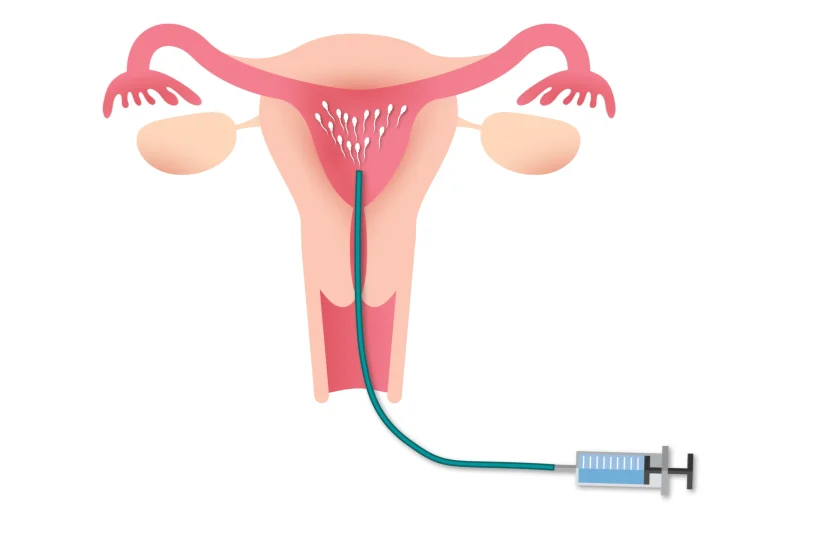
    diagram illustrating intrauterine insemination (IUI) with labeled reproductive anatomy and procedures

    The Role of Apps in Fertility Tracking: A Comparison of Devices and Traditional Methods

    On the other hand, traditional methods such as basal body thermometers and calendar tracking rely on physical signs and symptoms. While these methods may be more accurate for some women, they also require a high level of commitment and consistency to be effective.

    The Role of Technology
    One of the main advantages of fertility tracking apps is the use of technology. These apps often use advanced algorithms and machine learning to analyze data and provide personalized insights. They also offer features such as reminders and notifications, making it easier for users to stay on track with their fertility tracking.

    Additionally, many fertility tracking apps have partnered with healthcare professionals and experts to provide accurate and evidence-based information. This is particularly helpful for individuals who may not have access to fertility specialists or are looking for more information and support on their journey.

    Privacy and Security Concerns
    Privacy and security are important considerations when it comes to fertility tracking apps. As these apps often collect sensitive personal information, it is crucial to choose a reputable and secure app. Look for apps that have a privacy policy and ensure that your data is only shared with your consent.

    Another factor to consider is whether the app is HIPAA compliant. This means that the app meets the standards of the Health Insurance Portability and Accountability Act, which protects the privacy of individuals’ health information. HIPAA compliant apps have additional security measures in place to protect your data.

    In Conclusion
    Fertility tracking apps offer a convenient and accessible way for individuals to monitor their fertility. They provide personalized insights and educational resources, making them a valuable tool for those trying to conceive or monitor their reproductive health. However, traditional methods such as basal body thermometers and calendar tracking may still be more accurate and effective for some individuals. Ultimately, the choice between apps and traditional methods will depend on personal preference and individual needs.

    Summary:
    In this blog post, we discussed the role of apps in fertility tracking and compared them to traditional methods. Fertility tracking apps offer convenience and personalized insights, but traditional methods may be more accurate for some individuals. We also discussed the role of technology in these apps and the importance of privacy and security. Ultimately, the choice between apps and traditional methods depends on personal preference and individual needs.

  • Fertility Tracking in the Palm of Your Hand: The Power of Mobile Devices

    Blog Post:

    Fertility tracking has long been a topic of interest for women looking to monitor their reproductive health and plan for pregnancy. Traditionally, this involved using physical tools such as thermometers, calendars, and ovulation predictor kits. However, with the rise of technology and the widespread use of mobile devices, fertility tracking has become easier and more accessible than ever before. In fact, with just a few taps on your smartphone, you can now track your fertility in the palm of your hand. Let’s explore the power of mobile devices in fertility tracking and how they are revolutionizing the way women understand and manage their reproductive health.

    The Rise of Fertility Tracking Apps

    The advent of smartphones has brought about a new era of fertility tracking. With the introduction of fertility tracking apps, women now have the ability to track their menstrual cycles, ovulation, and other key fertility indicators with ease. These apps use methods such as basal body temperature tracking, cervical mucus analysis, and calendar tracking to help women understand their fertile window and increase their chances of conception. Some of the most popular fertility tracking apps include Flo, Clue, Period Tracker, and Kindara.

    Benefits of Mobile Fertility Tracking

    One of the major benefits of using mobile apps for fertility tracking is convenience. Unlike traditional methods, where you had to manually record and track your fertility data, these apps do all the work for you. With just a few clicks, you can input your menstrual cycle dates, record your basal body temperature, and track changes in your cervical mucus. This not only saves time but also reduces the chances of human error.

    In addition, these apps often come with a range of features that can help women better understand their fertility. For instance, most apps come with a built-in ovulation calculator that predicts when you are most likely to ovulate based on your cycle data. Some apps also offer personalized insights and tips, as well as the ability to connect with other women in a community setting, making the fertility journey less isolating.

    The Power of Data

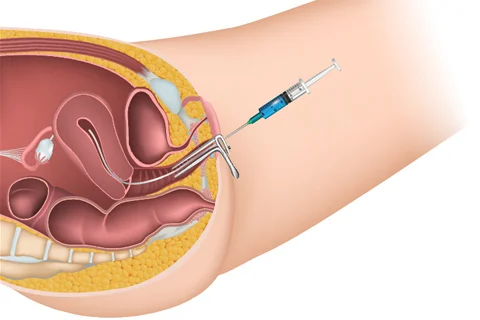
    illustration of an intrauterine insemination procedure with medical instruments and anatomical details

    Fertility Tracking in the Palm of Your Hand: The Power of Mobile Devices

    One of the most significant advantages of using mobile devices for fertility tracking is the ability to gather and analyze data. With traditional methods, you may have only been able to track a few key indicators. However, with apps, you can input and track a wide range of data points, giving you a more comprehensive view of your fertility. This can be especially helpful for women with irregular cycles or those trying to conceive.

    Moreover, these apps often use algorithms and artificial intelligence to analyze your data and provide personalized insights. This can help you identify patterns and potential fertility issues that you may have otherwise missed. Some apps even offer the option to export your data, which can be useful in discussions with healthcare professionals.

    Addressing Fertility Myths and Taboos

    In many cultures, fertility is still a taboo subject, and women may feel uncomfortable discussing it with others. However, mobile fertility tracking apps are breaking down these barriers by providing a discreet and private way for women to monitor their reproductive health. These apps also offer educational resources and myth-busting information, helping to dispel common misconceptions and empowering women to take control of their fertility journey.

    The Future of Fertility Tracking

    As technology continues to advance, so will the capabilities of fertility tracking apps. Some of the latest innovations in this field include wearable devices, such as fertility bracelets and patches, that can track key fertility indicators in real-time. These devices can provide even more accurate data and insights, making the fertility tracking process even more seamless and effective.

    Summary:

    Fertility tracking has become easier and more accessible with the rise of mobile devices and fertility tracking apps. These apps offer convenience, personalized insights, and the ability to gather and analyze a wide range of data points. They also help address fertility myths and taboos and are continuously evolving with new technological advancements. With the power of mobile devices, women now have the tools to better understand and manage their reproductive health.

  • The Connection Between Fertility Tracking and Health: Which Method is Best?

    Blog Post: The Connection Between Fertility Tracking and Health: Which Method is Best?

    Fertility is a crucial aspect of reproductive health, and for many people, tracking their fertility is an important part of family planning. With the advancement of technology, there are now various methods and tools available for tracking fertility, making it easier for individuals and couples to understand their menstrual cycle and ovulation patterns. However, with so many options available, it can be overwhelming to determine which method is best for your health and lifestyle. In this blog post, we will explore the connection between fertility tracking and health and discuss the pros and cons of different methods to help you make an informed decision.

    Understanding Fertility Tracking

    Before we dive into the various methods of fertility tracking, it is essential to understand the concept of fertility tracking itself. Fertility tracking involves monitoring your menstrual cycle and ovulation to determine the most fertile days in a month. This information can be used to either achieve or avoid pregnancy. There are several ways to track fertility, including tracking basal body temperature, cervical mucus changes, and using ovulation predictor kits or fertility apps. Each method has its advantages and limitations, but the ultimate goal is to identify the fertile window accurately.

    The Connection Between Fertility Tracking and Health

    Many people are unaware of the significant impact that fertility tracking can have on their overall health. By tracking your fertility, you can gain valuable insights into your reproductive health and identify potential issues. For instance, irregularities in your menstrual cycle or ovulation could indicate underlying health problems such as polycystic ovary syndrome (PCOS) or thyroid disorders. By tracking these changes, you can bring them to the attention of your healthcare provider and seek appropriate treatment. Additionally, tracking your fertility can also help you understand your body better and make informed decisions about your reproductive health.

    Pros and Cons of Different Fertility Tracking Methods

    1. Basal Body Temperature (BBT) Tracking

    Basal body temperature tracking involves taking your temperature every morning before getting out of bed. This method relies on the fact that a woman’s body temperature rises slightly after ovulation, making it a useful tool for predicting ovulation. BBT tracking is considered a natural and non-invasive method, but it requires consistency and dedication as it can be affected by factors such as alcohol consumption, stress, and illness. Additionally, it can only confirm ovulation after it has occurred, which may not be helpful for those trying to conceive.

    illustration of a uterus with a syringe, representing intrauterine insemination procedure

    The Connection Between Fertility Tracking and Health: Which Method is Best?

    2. Cervical Mucus Tracking

    Cervical mucus tracking involves monitoring the changes in the consistency and amount of cervical mucus throughout the menstrual cycle. As ovulation approaches, the mucus becomes thinner, clearer, and more stretchy, resembling the consistency of egg whites. This method is also natural and non-invasive, but it requires a bit more knowledge and practice to identify the changes accurately. Additionally, some women may find it uncomfortable to observe and record their cervical mucus regularly.

    3. Ovulation Predictor Kits (OPKs)

    OPKs are urine-based tests that detect the surge of luteinizing hormone (LH) in a woman’s body, which occurs 24-36 hours before ovulation. These kits are readily available over-the-counter and are relatively easy to use. However, they can be expensive if used every month, and they may not be accurate for women with conditions that affect hormone levels, such as PCOS or menopause.

    4. Fertility Apps

    Fertility apps have gained popularity in recent years, with many women using them to track their menstrual cycles and ovulation. These apps use algorithms and data entered by the user to predict the fertile window, making it a convenient and easily accessible option. However, the accuracy of these apps may vary, and they should not be relied upon solely for contraception or conception.

    Which Method is Best?

    It is challenging to determine which fertility tracking method is the best as each has its advantages and limitations. The most effective approach would be to use a combination of methods to cross-reference the data and confirm ovulation accurately. For example, combining BBT tracking with cervical mucus tracking or using OPKs along with a fertility app can provide a more comprehensive understanding of your fertility.

    Summary:

    Fertility tracking is a crucial aspect of reproductive health and can have a significant impact on overall wellbeing. By monitoring menstrual cycles and ovulation, individuals can identify potential health issues and make informed decisions about their reproductive health. There are various methods of fertility tracking, including BBT tracking, cervical mucus tracking, OPKs, and fertility apps. Each method has its pros and cons, and the most effective approach is to use a combination of methods. By understanding the connection between fertility tracking and health and evaluating the different methods, individuals can make an informed decision about the best method for their needs.

  • Fertility on the Go: How Devices Make Tracking Easier for Busy Women

    Fertility on the Go: How Devices Make Tracking Easier for Busy Women

    In today’s fast-paced world, many women are juggling multiple responsibilities such as work, family, and social commitments. With such busy schedules, it can be challenging for women to keep track of their fertility and menstrual cycles. However, thanks to the advancement of technology, there are now various devices and apps available that make fertility tracking easier and more convenient for busy women. In this blog post, we will explore how these devices are changing the way women approach fertility tracking, and how they can benefit busy women who are trying to conceive or simply want to stay in tune with their bodies.

    Firstly, let’s understand why fertility tracking is essential for women. Our menstrual cycles are controlled by hormones, and changes in these hormones can affect our overall health and well-being. Tracking our cycles can help us identify any irregularities or potential health issues, and also help us plan for pregnancy or avoid it if desired. However, manually tracking our cycles can be time-consuming and sometimes unreliable. This is where fertility tracking devices come in to make the process easier and more accurate.

    One of the most popular devices for fertility tracking is the fertility tracker. These small devices can be worn on the wrist, like a watch, and use various sensors to track vital signs such as body temperature, heart rate, and sleep patterns. Some trackers also have features that allow users to input additional data such as menstrual cycle dates, cervical mucus changes, and ovulation test results. With this information, the device can provide accurate predictions of ovulation and fertile days, making it easier for women to plan for pregnancy or avoid it.

    Another device that has gained popularity in recent years is the menstrual cup. This device is a reusable alternative to traditional tampons and pads, and it also offers fertility tracking capabilities. The cup is inserted into the vagina and collects menstrual blood, but it also has a sensor that can track changes in the cervical mucus, which can indicate ovulation. Some menstrual cups also come with a connected app that can track your period and provide insights about your fertility and menstrual health.

    Illustration of intrauterine insemination process, showing sperm collection and injection into the uterus.

    Fertility on the Go: How Devices Make Tracking Easier for Busy Women

    Apart from these physical devices, there are also various apps available for fertility tracking. These apps use data input by the user, such as period dates, symptoms, and ovulation test results, to create an accurate prediction of ovulation and fertile days. The advantage of using apps is that they are easily accessible on smartphones, making it convenient for busy women to track their cycles on the go. Some apps even have features that allow users to connect with other women and track their cycles together, creating a community of support and knowledge sharing.

    Fertility tracking devices and apps are not only beneficial for women trying to conceive, but they can also help women who are not actively trying to get pregnant. By understanding their cycles, women can make informed decisions about their reproductive health and overall well-being. For example, if a woman knows when she is most fertile, she can take extra precautions to avoid pregnancy, or if she is experiencing irregular cycles, she can seek medical advice to address any underlying issues.

    Moreover, these devices and apps can also help women who are undergoing fertility treatments such as in vitro fertilization (IVF). By providing accurate data on ovulation and fertile days, these devices can assist in the timing of the treatment, increasing the chances of success.

    In addition to tracking fertility, these devices can also provide valuable insights into women’s overall health. For example, changes in body temperature and heart rate can indicate potential health issues, and tracking sleep patterns can help identify any sleep disorders. With this information, women can take proactive measures to improve their overall health and well-being.

    However, it is essential to note that these devices and apps are not foolproof, and they should not be used as a replacement for medical advice. They are meant to be used as a tool to aid in fertility tracking and provide valuable insights, but it is always best to consult with a healthcare professional for any concerns or irregularities.

    In conclusion, fertility tracking devices and apps have revolutionized the way busy women approach their reproductive health. These devices provide convenience, accuracy, and valuable insights into our bodies, making it easier for us to plan for pregnancy, monitor our overall health, and stay in tune with our cycles. As technology continues to advance, we can expect more innovative solutions that will make fertility tracking even more accessible and effective for busy women.

  • A Hands-On Approach: The Benefits of Traditional Fertility Tracking Methods

    Blog Post: A Hands-On Approach: The Benefits of Traditional Fertility Tracking Methods

    When it comes to fertility tracking, many people are turning to modern methods such as apps and wearable devices. While these can be convenient and helpful, there is still much to be said for traditional fertility tracking methods. These methods, which involve tracking physical signs and symptoms, have been used for centuries and have proven to be effective for many women. In this blog post, we will explore the benefits of using traditional fertility tracking methods and why they are worth considering.

    1. Increased Connection with Your Body

    One of the main benefits of using traditional fertility tracking methods is the increased connection with your body. These methods require you to pay close attention to changes in your body, such as changes in cervical mucus, basal body temperature, and cervical position. By doing so, you become more aware of your body’s natural rhythms and cycles. This can help you better understand your body and its fertility patterns, leading to a deeper connection and understanding of your reproductive health.

    2. Cost-Effective

    Compared to modern fertility tracking methods, traditional methods are much more cost-effective. Apps and wearable devices can come with a hefty price tag, and some may require a monthly subscription fee. On the other hand, traditional methods such as charting and tracking physical signs and symptoms are free or require minimal investment. This makes it accessible to everyone, regardless of their financial situation.

    3. No Side Effects

    Unlike hormonal birth control methods, traditional fertility tracking methods have no side effects. This is because they do not involve the use of any artificial hormones. Many women find hormonal birth control to have negative side effects such as mood swings, weight gain, and decreased libido. By using traditional fertility tracking methods, you can avoid these potential side effects and still effectively monitor your fertility.

    4. Flexibility

    Illustration of a uterus with a syringe, representing intrauterine insemination (IUI) procedure.

    A Hands-On Approach: The Benefits of Traditional Fertility Tracking Methods

    Traditional fertility tracking methods offer a lot of flexibility compared to modern methods. With apps and devices, you may need to remember to input data or wear a device at all times. This can be burdensome for some women and may not fit into their lifestyle. Traditional methods, on the other hand, allow for more flexibility. You can track your fertility signs and symptoms whenever it is convenient for you, and you can also take a break from tracking when necessary.

    5. Empowerment and Education

    Using traditional fertility tracking methods also empowers women to take control of their reproductive health. By understanding their body’s fertility patterns, women can make informed decisions about their contraception and family planning. This knowledge also provides a deeper understanding of reproductive health overall, allowing women to make more educated decisions about their bodies.

    6. Effective for Irregular Cycles

    Traditional fertility tracking methods can also be beneficial for women with irregular cycles. These methods are based on the individual’s body, rather than a set calculation or prediction. This means that even if you have irregular cycles, you can still track your fertility effectively. By monitoring your body’s natural signs and symptoms, you can better predict when you are ovulating and when your period is due.

    7. Can Be Used Alongside Modern Methods

    For those who prefer to use modern fertility tracking methods, traditional methods can still be beneficial. In fact, many women use a combination of both traditional and modern methods for a more comprehensive understanding of their fertility. By using traditional methods alongside apps or devices, you can have a more accurate and detailed picture of your fertility.

    In conclusion, traditional fertility tracking methods offer many benefits and should not be overlooked. From increased connection with your body to cost-effectiveness and flexibility, these methods have proven to be effective for many women over the years. They also offer a natural and side-effect-free way to monitor fertility and make informed decisions about reproductive health. So, whether you are looking to get pregnant, avoid pregnancy, or simply have a better understanding of your body, traditional fertility tracking methods are worth considering.

    Summary: Traditional fertility tracking methods involve tracking physical signs and symptoms and have been used for centuries. They offer benefits like increased connection with your body, cost-effectiveness, no side effects, flexibility, empowerment and education, effectiveness for irregular cycles, and can be used alongside modern methods. These methods should not be overlooked as they provide a natural and side-effect-free way to monitor fertility and make informed decisions about reproductive health.

  • Fertility Tracking Devices vs Traditional Methods: Which is More Convenient?

    Blog Post:

    Fertility tracking is a crucial aspect for many women, whether they are trying to conceive or simply monitoring their reproductive health. In recent years, the market has been flooded with various fertility tracking devices claiming to be more advanced and convenient than traditional methods. With so many options available, it can be overwhelming for women to decide which method is best for them. In this blog post, we will discuss the pros and cons of fertility tracking devices versus traditional methods and determine which one is more convenient.

    Traditional methods of fertility tracking involve monitoring changes in the body such as basal body temperature, cervical mucus, and menstrual cycle. These methods have been used for centuries and are still widely used by women today. On the other hand, fertility tracking devices use technology such as sensors, apps, and algorithms to track and predict a woman’s fertile window. Let’s take a closer look at the convenience of each method.

    Convenience of Traditional Methods:

    One of the biggest advantages of traditional fertility tracking methods is that they are readily available and require no additional cost. Women can use a simple thermometer and chart their basal body temperature, or they can monitor changes in their cervical mucus with no need for fancy gadgets. These methods also rely on understanding and observing one’s body, which can help women become more in tune with their menstrual cycle and overall reproductive health.

    However, traditional methods do have their limitations. They require consistency and accuracy in tracking, which can be challenging for some women. For example, measuring basal body temperature requires waking up at the same time every day, and any slight deviation can affect the accuracy of the results. Similarly, monitoring cervical mucus can be subjective and may not be as accurate as other methods.

    Convenience of Fertility Tracking Devices:

    Fertility tracking devices have gained popularity in recent years due to their promises of accuracy and convenience. These devices use technology to track and analyze various factors such as basal body temperature, hormone levels, and heart rate to predict a woman’s fertile window. They also come with user-friendly apps that provide detailed insights into one’s fertility and menstrual cycle.

    diagram of a uterus with a syringe for intrauterine insemination procedure

    Fertility Tracking Devices vs Traditional Methods: Which is More Convenient?

    One of the main advantages of fertility tracking devices is their ability to automate the tracking process. Women no longer have to wake up at the same time every day or monitor their cervical mucus. The devices do the work for them and provide accurate results. Another convenience factor is the portability of these devices. They can easily fit into a pocket or purse, making it easier for women to track their fertility on the go.

    However, fertility tracking devices do have some drawbacks. The initial cost of these devices can be high, and some may require a monthly subscription fee for the app. Moreover, these devices rely heavily on technology, which means they can malfunction or provide inaccurate results. This can be frustrating and may lead to unnecessary stress for women trying to conceive.

    Which is More Convenient?

    When it comes to convenience, it ultimately depends on the individual woman’s preferences and needs. For some women, traditional methods may be more convenient as they are easily accessible and do not require any additional cost. They also allow women to become more in tune with their bodies, which can be empowering.

    On the other hand, fertility tracking devices offer a level of convenience that traditional methods cannot match. They automate the tracking process and provide detailed insights that can be helpful for women trying to conceive or monitoring their reproductive health. However, these devices can be costly and may not be suitable for every woman.

    In conclusion, both fertility tracking devices and traditional methods have their pros and cons when it comes to convenience. It is essential for women to assess their needs and preferences and choose the method that works best for them. Some may prefer the simplicity and affordability of traditional methods, while others may opt for the advanced technology and convenience offered by fertility tracking devices. Whichever method a woman chooses, the ultimate goal is to track her fertility accurately and make informed decisions about her reproductive health.

    Summary:

    Fertility tracking is crucial for women trying to conceive or monitoring their reproductive health. Traditional methods involve monitoring changes in the body, while fertility tracking devices use technology to track and predict a woman’s fertile window. Traditional methods are readily available and require no additional cost, but they can be challenging to track accurately. Fertility tracking devices offer convenience with automated tracking and detailed insights, but they can be costly and rely heavily on technology. Ultimately, the choice between the two methods depends on individual preferences and needs.

  • Getting Technical: Exploring the Technology Behind Fertility Tracking Devices

    Fertility tracking has become increasingly popular among women who are trying to conceive, as well as those who are seeking a more natural form of birth control. With advancements in technology, there are now numerous fertility tracking devices on the market that claim to accurately track a woman’s menstrual cycle and ovulation. But how do these devices actually work? In this blog post, we will take a closer look at the technology behind fertility tracking devices and how they can help women in their reproductive journey.

    The Basics of Fertility Tracking Devices
    Before diving into the technology behind fertility tracking devices, it’s important to understand the basics of how they work. Most devices use a combination of methods, including temperature tracking, cervical mucus monitoring, and hormone level tracking, to determine a woman’s fertile window. The user inputs their symptoms and data into the device, which then analyzes the information to predict ovulation and fertility.

    Temperature Tracking
    One of the most common methods used by fertility tracking devices is temperature tracking. This method involves taking your basal body temperature (BBT) every morning before getting out of bed. Your BBT is your body’s lowest resting temperature, and it fluctuates throughout your menstrual cycle. By tracking your BBT, you can identify when you have ovulated, as there is a slight rise in temperature after ovulation. Fertility tracking devices use this data to pinpoint your fertile window and predict when you are most likely to conceive.

    Cervical Mucus Monitoring
    Cervical mucus monitoring is another method used by fertility tracking devices. Throughout your menstrual cycle, the consistency and amount of your cervical mucus changes. When you are most fertile, your cervical mucus becomes thin, slippery, and clear, similar to the consistency of egg whites. This type of mucus helps sperm travel to the egg, making it an important indicator of fertility. Fertility tracking devices take into account the changes in cervical mucus to help predict ovulation and fertility.

    Hormone Level Tracking
    Some fertility tracking devices also use hormone level tracking to determine a woman’s fertile window. This method involves measuring the levels of luteinizing hormone (LH) and estrogen in the urine. LH levels typically surge just before ovulation, and estrogen levels increase as ovulation approaches. By tracking these hormones, fertility tracking devices can estimate when ovulation will occur and when a woman is most likely to conceive.

    The Technology Behind Fertility Tracking Devices
    Now that we have a better understanding of the methods used by fertility tracking devices, let’s take a closer look at the technology behind them. One of the key components of these devices is their algorithms. These algorithms are programmed to analyze the data entered by the user and predict the fertile window based on the various methods used, such as temperature tracking, cervical mucus monitoring, and hormone level tracking. The more data the user inputs, the more accurate the predictions will be.

    illustration of intrauterine insemination procedure with a syringe and catheter in the uterus.

    Getting Technical: Exploring the Technology Behind Fertility Tracking Devices

    Most fertility tracking devices also have accompanying mobile apps, which allow users to input data and track their progress. These apps often have additional features, such as reminders for when to take your BBT or input data, personalized insights and advice, and the ability to sync with other health apps. The apps also store the data entered by the user, making it easier to track patterns and identify changes in the menstrual cycle over time.

    In recent years, there have also been advancements in fertility tracking technology, with the introduction of wearable devices. These devices, such as bracelets or patches, can track a woman’s BBT and other physiological data continuously throughout the day. This allows for a more comprehensive analysis of the menstrual cycle and can provide more accurate predictions of ovulation and fertility.

    Accuracy of Fertility Tracking Devices
    With so many fertility tracking devices on the market, it’s important to consider their accuracy. While these devices can be helpful in predicting a woman’s fertile window, they are not foolproof. Factors such as illness, stress, and irregular periods can affect the accuracy of these devices. It’s also important to note that these devices are not a form of contraception and should not be relied upon solely for birth control.

    However, with proper use and consistent data input, fertility tracking devices can be up to 99% accurate in predicting a woman’s fertile window. It’s also important to keep in mind that fertility tracking devices are not meant to replace medical advice or diagnosis. If you are experiencing fertility issues, it’s best to consult with a healthcare professional.

    The Future of Fertility Tracking Devices
    As technology continues to advance, we can expect to see even more innovative fertility tracking devices on the market. Some companies are already working on devices that can track hormone levels in real-time, providing even more accurate predictions. There is also potential for these devices to integrate with other health and wellness apps, providing a more comprehensive view of a woman’s overall health and fertility.

    In conclusion, fertility tracking devices have come a long way in helping women track their menstrual cycle and ovulation. By utilizing methods such as temperature tracking, cervical mucus monitoring, and hormone level tracking, these devices can accurately predict a woman’s fertile window. With advancements in technology, we can expect to see even more accurate and innovative fertility tracking devices in the future, helping women in their reproductive journeys.

    Summary:
    Fertility tracking devices use a combination of methods, including temperature tracking, cervical mucus monitoring, and hormone level tracking, to predict a woman’s fertile window. These devices rely on algorithms and mobile apps to analyze the data entered by the user and provide accurate predictions. With advancements in technology, wearable devices are now available, providing continuous tracking and more accurate predictions. While these devices can be helpful, they are not 100% accurate and should not be used as a form of contraception. However, with proper use and consistent data input, fertility tracking devices can be up to 99% accurate. The future of fertility tracking devices looks promising, with potential for even more advanced technology and integration with other health and wellness apps.

  • Breaking the Stigma: The Rise of Fertility Tracking Devices in Modern Society

    Breaking the Stigma: The Rise of Fertility Tracking Devices in Modern Society

    In recent years, there has been a growing trend towards using fertility tracking devices to understand and manage one’s reproductive health. These devices, which come in the form of apps, wearables, and even smart thermometers, allow individuals to track their menstrual cycles, monitor ovulation, and predict the best time for conception. While fertility tracking has been around for centuries, the rise of technology and the widespread use of these devices have led to a shift in how society views and talks about fertility. In this blog post, we will explore the stigma surrounding fertility tracking and how these devices are breaking barriers and empowering individuals in modern society.

    The Stigma Surrounding Fertility and Tracking

    For centuries, fertility has been a taboo topic, surrounded by myths, misconceptions, and societal expectations. In many cultures, women are expected to bear children, and those who struggle to conceive may face judgment and shame. This stigma has made it challenging for individuals to openly talk about their fertility and seek help when needed. Furthermore, the lack of understanding and education about reproductive health has led to many myths and misinformation surrounding fertility, making it even harder for individuals to make informed decisions about their fertility.

    The emergence of fertility tracking devices has brought this issue to the forefront, as many people are still uncomfortable discussing their reproductive health openly. Some may view these devices as unnecessary or invasive, while others may see them as a tool for those who are struggling to conceive. However, the reality is that fertility tracking devices are not just for those trying to get pregnant. They can also be used to monitor overall reproductive health, detect potential health issues, and even prevent pregnancy.

    Breaking Barriers with Technology

    Technology has played a significant role in breaking the stigma surrounding fertility and tracking. With the rise of social media and the internet, individuals now have access to a wealth of information about reproductive health. This has led to a more open and informed dialogue about fertility, debunking myths and misconceptions and empowering individuals to take control of their reproductive health.

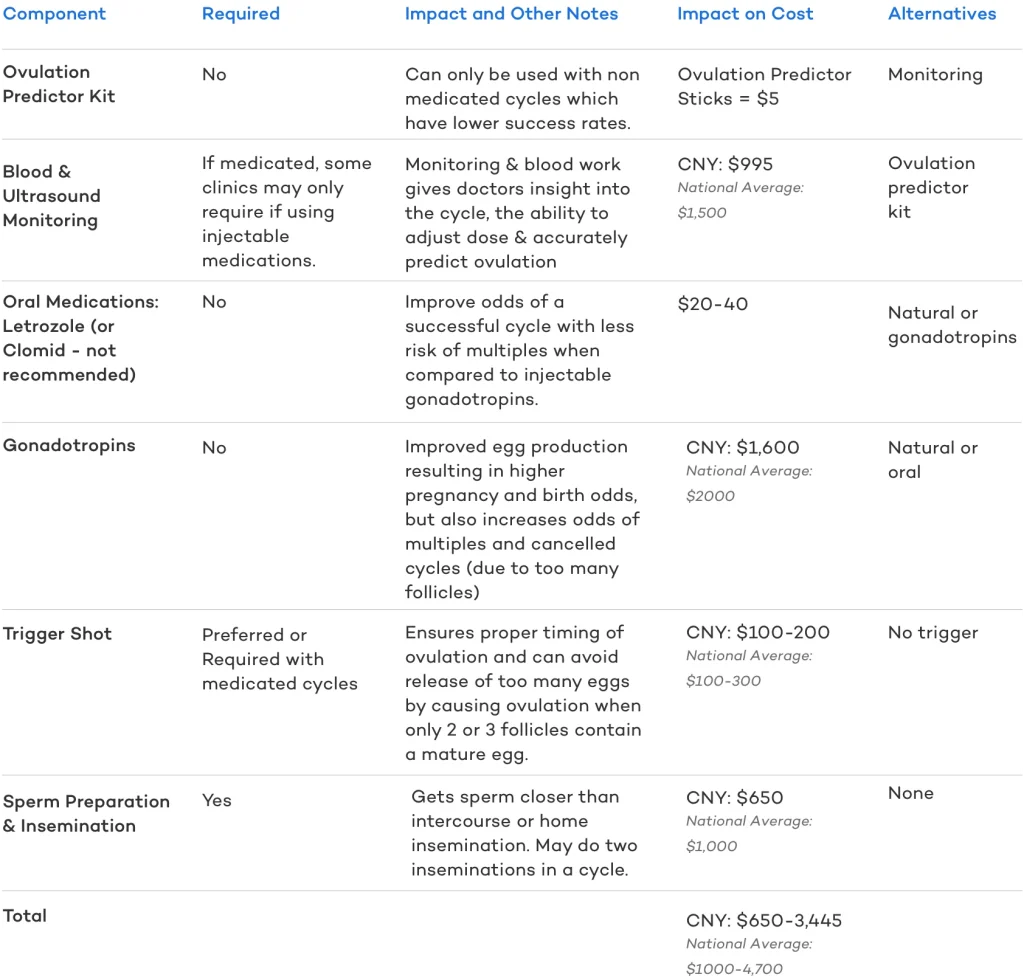
    Cost breakdown for IUI components, including requirements, impacts, and alternatives.

    Breaking the Stigma: The Rise of Fertility Tracking Devices in Modern Society

    Additionally, fertility tracking devices have made it easier for individuals to monitor their menstrual cycles and track ovulation from the comfort of their homes. This has eliminated the need for invasive and often expensive procedures, making it more accessible for everyone. These devices also come with advanced features such as personalized insights and alerts, making it easier for individuals to understand their bodies and make informed decisions about their fertility.

    Empowering Individuals and Couples

    One of the most significant impacts of fertility tracking devices is the empowerment it brings to individuals and couples. By providing individuals with accurate and personalized data about their fertility, these devices give them a sense of control over their reproductive health. This can be especially beneficial for those who are trying to conceive, as they can time intercourse during their most fertile days, increasing their chances of pregnancy.

    For couples struggling with infertility, fertility tracking devices can also be a useful tool. By tracking ovulation and identifying potential issues, these devices can help pinpoint the cause of infertility and guide them towards the right treatment. This can save time, money, and emotional stress, as couples can start treatment sooner rather than later.

    The Future of Fertility Tracking

    As technology continues to advance, so do fertility tracking devices. In the future, we can expect to see more innovative and accurate devices that will revolutionize how we track and manage our fertility. Some companies are already working on devices that can track multiple fertility hormones, providing even more accurate predictions and insights. Additionally, with the rise of artificial intelligence and machine learning, these devices can become more personalized and tailored to each individual’s unique needs.

    Summary:

    Fertility tracking devices have been on the rise in modern society, breaking the stigma surrounding fertility and empowering individuals and couples to take control of their reproductive health. These devices have made it easier to track menstrual cycles, monitor ovulation, and predict the best time for conception. By providing accurate data and personalized insights, fertility tracking devices have become a valuable tool for individuals trying to conceive or simply monitor their reproductive health. With technology continuously advancing, we can expect to see more innovative and accurate devices in the future, revolutionizing how we track and manage our fertility.