Fertility tracking has become increasingly popular among women who are trying to conceive, as well as those who are seeking a more natural form of birth control. With advancements in technology, there are now numerous fertility tracking devices on the market that claim to accurately track a woman’s menstrual cycle and ovulation. But how do these devices actually work? In this blog post, we will take a closer look at the technology behind fertility tracking devices and how they can help women in their reproductive journey.
The Basics of Fertility Tracking Devices
Before diving into the technology behind fertility tracking devices, it’s important to understand the basics of how they work. Most devices use a combination of methods, including temperature tracking, cervical mucus monitoring, and hormone level tracking, to determine a woman’s fertile window. The user inputs their symptoms and data into the device, which then analyzes the information to predict ovulation and fertility.
Temperature Tracking
One of the most common methods used by fertility tracking devices is temperature tracking. This method involves taking your basal body temperature (BBT) every morning before getting out of bed. Your BBT is your body’s lowest resting temperature, and it fluctuates throughout your menstrual cycle. By tracking your BBT, you can identify when you have ovulated, as there is a slight rise in temperature after ovulation. Fertility tracking devices use this data to pinpoint your fertile window and predict when you are most likely to conceive.
Cervical Mucus Monitoring
Cervical mucus monitoring is another method used by fertility tracking devices. Throughout your menstrual cycle, the consistency and amount of your cervical mucus changes. When you are most fertile, your cervical mucus becomes thin, slippery, and clear, similar to the consistency of egg whites. This type of mucus helps sperm travel to the egg, making it an important indicator of fertility. Fertility tracking devices take into account the changes in cervical mucus to help predict ovulation and fertility.
Hormone Level Tracking
Some fertility tracking devices also use hormone level tracking to determine a woman’s fertile window. This method involves measuring the levels of luteinizing hormone (LH) and estrogen in the urine. LH levels typically surge just before ovulation, and estrogen levels increase as ovulation approaches. By tracking these hormones, fertility tracking devices can estimate when ovulation will occur and when a woman is most likely to conceive.
The Technology Behind Fertility Tracking Devices
Now that we have a better understanding of the methods used by fertility tracking devices, let’s take a closer look at the technology behind them. One of the key components of these devices is their algorithms. These algorithms are programmed to analyze the data entered by the user and predict the fertile window based on the various methods used, such as temperature tracking, cervical mucus monitoring, and hormone level tracking. The more data the user inputs, the more accurate the predictions will be.
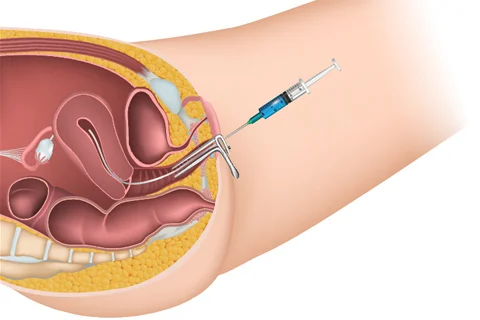
Getting Technical: Exploring the Technology Behind Fertility Tracking Devices
Most fertility tracking devices also have accompanying mobile apps, which allow users to input data and track their progress. These apps often have additional features, such as reminders for when to take your BBT or input data, personalized insights and advice, and the ability to sync with other health apps. The apps also store the data entered by the user, making it easier to track patterns and identify changes in the menstrual cycle over time.
In recent years, there have also been advancements in fertility tracking technology, with the introduction of wearable devices. These devices, such as bracelets or patches, can track a woman’s BBT and other physiological data continuously throughout the day. This allows for a more comprehensive analysis of the menstrual cycle and can provide more accurate predictions of ovulation and fertility.
Accuracy of Fertility Tracking Devices
With so many fertility tracking devices on the market, it’s important to consider their accuracy. While these devices can be helpful in predicting a woman’s fertile window, they are not foolproof. Factors such as illness, stress, and irregular periods can affect the accuracy of these devices. It’s also important to note that these devices are not a form of contraception and should not be relied upon solely for birth control.
However, with proper use and consistent data input, fertility tracking devices can be up to 99% accurate in predicting a woman’s fertile window. It’s also important to keep in mind that fertility tracking devices are not meant to replace medical advice or diagnosis. If you are experiencing fertility issues, it’s best to consult with a healthcare professional.
The Future of Fertility Tracking Devices
As technology continues to advance, we can expect to see even more innovative fertility tracking devices on the market. Some companies are already working on devices that can track hormone levels in real-time, providing even more accurate predictions. There is also potential for these devices to integrate with other health and wellness apps, providing a more comprehensive view of a woman’s overall health and fertility.
In conclusion, fertility tracking devices have come a long way in helping women track their menstrual cycle and ovulation. By utilizing methods such as temperature tracking, cervical mucus monitoring, and hormone level tracking, these devices can accurately predict a woman’s fertile window. With advancements in technology, we can expect to see even more accurate and innovative fertility tracking devices in the future, helping women in their reproductive journeys.
Summary:
Fertility tracking devices use a combination of methods, including temperature tracking, cervical mucus monitoring, and hormone level tracking, to predict a woman’s fertile window. These devices rely on algorithms and mobile apps to analyze the data entered by the user and provide accurate predictions. With advancements in technology, wearable devices are now available, providing continuous tracking and more accurate predictions. While these devices can be helpful, they are not 100% accurate and should not be used as a form of contraception. However, with proper use and consistent data input, fertility tracking devices can be up to 99% accurate. The future of fertility tracking devices looks promising, with potential for even more advanced technology and integration with other health and wellness apps.