Tag: mental health

  • The Debate on At-Home Fertility Testing: Experts Weigh In

    The Debate on At-Home Fertility Testing: Experts Weigh In

    In recent years, there has been a rise in the popularity of at-home fertility testing kits, which allow individuals to test their fertility levels from the comfort of their own home. These kits claim to provide a convenient and affordable way for people to assess their reproductive health and plan for their future. However, this trend has sparked a heated debate among experts in the medical community, with some praising the accessibility and convenience of at-home testing, while others raise concerns about their accuracy and potential implications for mental health. In this blog post, we will delve into the debate surrounding at-home fertility testing and provide insights from experts on both sides of the argument.

    The Rise of At-Home Fertility Testing

    The concept of at-home fertility testing is not new, but it has gained widespread popularity in recent years with the advent of advanced technology and social media. These kits typically involve a simple urine or blood test that can be done at home, with results available within a few minutes or sent to a lab for analysis. Some kits also offer additional features such as tracking ovulation and providing personalized recommendations for improving fertility.

    Proponents of at-home fertility testing argue that it provides a convenient and affordable way for individuals to take control of their reproductive health. Many women, especially those who are trying to conceive, may feel more comfortable testing in the privacy of their own home rather than going to a doctor’s office. The use of at-home kits also eliminates the need for multiple appointments and potential embarrassment or discomfort associated with traditional fertility testing methods.

    The Accuracy Debate

    One of the main concerns raised by experts is the accuracy of at-home fertility testing kits. While most kits claim to have a high level of accuracy, there is still a lack of regulation and oversight in the industry. This means that the results may not always be reliable, leading to false reassurances or unnecessary worries for users.

    Dr. Brooke Hodes-Wertz, a reproductive endocrinologist at NYU Langone Health, explains, “At-home fertility tests are not regulated by the FDA, so there is no guarantee that the results are accurate or consistent. It’s important for individuals to understand that these tests only provide a snapshot of their fertility at a given moment and should not be used as a definitive diagnosis.”

    Additionally, fertility can be affected by various factors such as stress, diet, and underlying health conditions, which may not be reflected in the results of an at-home test. This can lead to false reassurance or unnecessary anxiety for individuals who may receive misleading results.
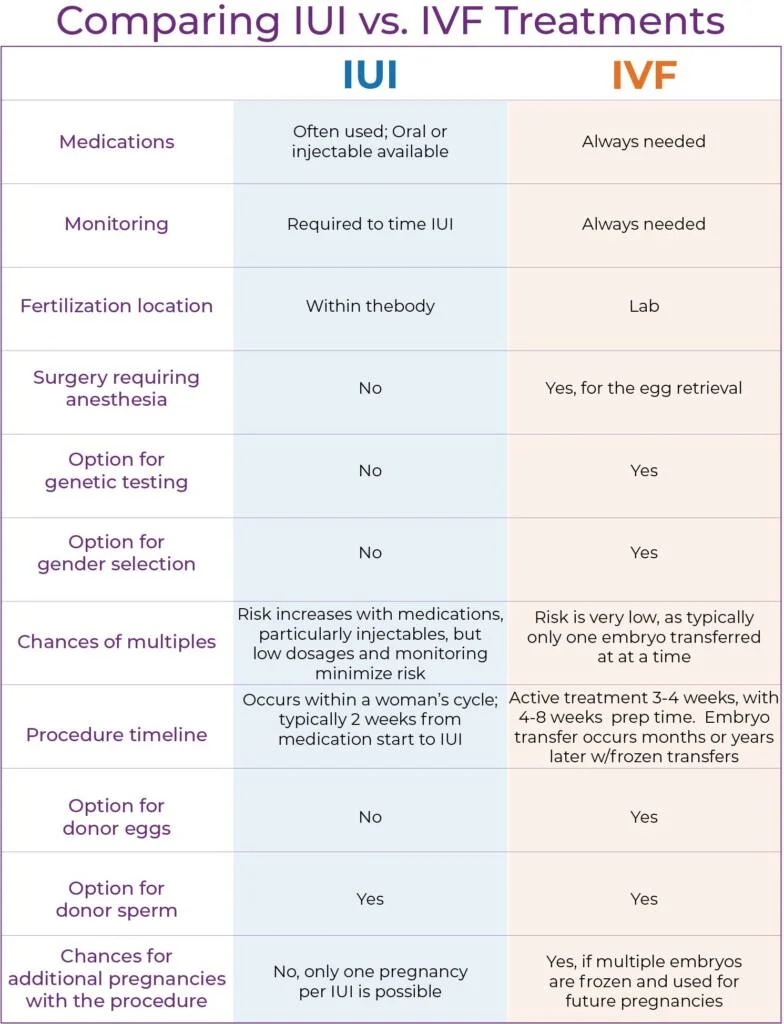
    Comparison chart of IUI and IVF treatments, detailing medications, monitoring, procedures, and success rates.

    The Debate on At-Home Fertility Testing: Experts Weigh In

    The Mental Health Impact

    Another concern raised by experts is the potential mental health impact of at-home fertility testing. While some may find comfort in knowing their fertility levels, others may experience anxiety or distress from the results. This can be especially true for those who are struggling with fertility issues or trying to conceive.

    Dr. Joanne Ruthsatz, a clinical psychologist and associate professor at Ohio State University, explains, “Results from at-home fertility tests can have a significant impact on an individual’s mental health, especially if they receive unfavorable results. It’s important for individuals to be prepared for all possible outcomes and to seek support if needed.”

    The Debate Continues

    The debate on at-home fertility testing is ongoing, with experts on both sides presenting valid arguments. While some argue that it provides a convenient and affordable option for individuals to assess their fertility levels, others raise concerns about accuracy and potential mental health implications. Ultimately, the decision to use at-home fertility testing should be made after careful consideration and consultation with a healthcare professional.

    Dr. Nicole Noyes, a reproductive endocrinologist and Director of Fertility Preservation at NewYork-Presbyterian/Weill Cornell Medical Center, advises, “If someone is considering using an at-home fertility test, they should first consult with their doctor to understand the limitations of the test and how the results may impact their fertility journey.”

    In conclusion, at-home fertility testing has its benefits and drawbacks, and it is essential for individuals to weigh these factors carefully before deciding to use it. While it may provide a convenient option for some, it is not a replacement for medical advice and should be used with caution.

    Summary:

    At-home fertility testing kits have gained popularity in recent years, but their accuracy and potential impact on mental health have sparked a debate among experts. Proponents argue that it offers convenience and affordability, while critics raise concerns about accuracy and potential negative effects on mental health. The lack of regulation in the industry also adds to the uncertainty surrounding these tests. Experts advise individuals to consult with a healthcare professional before using at-home fertility testing and to understand its limitations.

  • The Psychological Impact of Fertility Testing: How to Manage the Stress

    Summary:

    Fertility testing is a process that many couples go through when they are struggling to conceive a child. While it can provide valuable information and help guide treatment options, it can also have a significant psychological impact on individuals and relationships. In this blog post, we will explore the various ways in which fertility testing can affect individuals and provide tips on how to manage the stress that comes with it.

    The Psychological Impact of Fertility Testing:

    1. Feelings of Anxiety and Depression: Fertility testing can bring about feelings of anxiety and depression as individuals worry about the results and the possibility of not being able to conceive. This can be especially true for women, who may feel like they are failing as a woman if they are unable to get pregnant. Men may also experience feelings of inadequacy or guilt if their fertility is found to be a factor.

    2. Strain on Relationships: Going through fertility testing can put a strain on relationships, as it can be a difficult and emotional process. Couples may find themselves arguing more, feeling distant from each other, or even blaming each other for their struggles. It is important for couples to communicate openly and support each other during this time.

    3. Financial Burden: Fertility testing and treatments can be expensive, which can add financial stress to an already emotionally taxing situation. This can cause individuals to feel overwhelmed and worried about the future, especially if the tests reveal potential fertility issues that may require costly treatments.

    4. Loss of Control: Fertility testing can also bring about feelings of helplessness and loss of control. Individuals may feel like their bodies are failing them, and they have no control over the outcome. This can be especially challenging for those who are used to being in control of their lives.

    5. Social Pressures: In our society, there is a lot of pressure on couples to have children. Fertility testing can amplify these pressures, as individuals may feel judged or inadequate if they are unable to conceive. This can lead to feelings of shame and isolation, which can further impact one’s mental health.

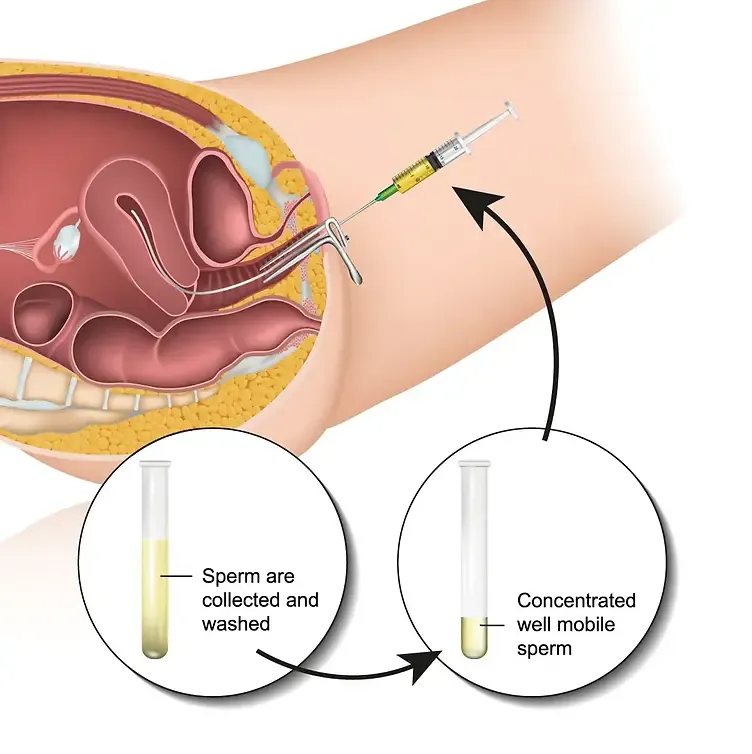
    Illustration of a uterus with a syringe indicating an intrauterine insemination procedure.

    The Psychological Impact of Fertility Testing: How to Manage the Stress

    How to Manage the Stress:

    1. Seek Support: It is essential to seek support from loved ones or a therapist during this time. Talking about your feelings and concerns can help alleviate some of the stress and provide a sense of comfort and understanding.

    2. Educate Yourself: Understanding the fertility testing process and the potential outcomes can help individuals feel more in control and less anxious. It can also help them make informed decisions about their treatment options.

    3. Practice Self-Care: Taking care of one’s physical and mental well-being is crucial during this time. Engage in activities that bring you joy, practice relaxation techniques, and prioritize your health.

    4. Communicate with Your Partner: It is essential to communicate openly and honestly with your partner during this time. Share your fears and concerns, and work together to support each other through the process.

    5. Seek Financial Assistance: If the financial burden is causing stress, look into financial assistance programs or talk to your healthcare provider about more affordable treatment options.

    6. Join Support Groups: Connecting with others who are going through similar experiences can provide a sense of understanding and community. Consider joining support groups in person or online.

    In conclusion, fertility testing can have a significant psychological impact on individuals and relationships. It is essential to recognize and address these potential effects and take steps to manage the stress. Seeking support, educating oneself, practicing self-care, and communicating with your partner are all crucial in navigating the emotional challenges of fertility testing.

  • The Impact of Single Motherhood on Mental Health

    The Impact of Single Motherhood on Mental Health

    Being a mother is often described as one of the most challenging yet rewarding roles in life. However, when a woman becomes a single mother, the challenges she faces can become even greater. The responsibilities of raising a child alone, financial struggles, and lack of emotional support can all take a toll on a single mother’s mental health. In this blog post, we will explore the impact of single motherhood on mental health and provide some tips on how to cope with the challenges.

    Defining Single Motherhood

    Before delving into the impact, it is essential to define what single motherhood means. Single motherhood can be defined as the status of a mother who is not in a committed relationship with the father of her child. This can happen due to various reasons such as divorce, separation, abandonment, or even the choice to raise a child alone. Regardless of the circumstances, single motherhood can have a profound impact on a woman’s mental health.

    The Emotional Toll of Single Motherhood

    One of the most significant impacts of single motherhood on mental health is the emotional toll it takes on a woman. Many single mothers experience feelings of loneliness, isolation, and overwhelm. They may feel like they have no one to turn to for support and are solely responsible for their child’s well-being. This can lead to feelings of anxiety, depression, and even guilt for not being able to provide everything their child needs.

    Financial Struggles and Stress

    Single mothers are often the sole breadwinners for their families, which can lead to financial struggles and stress. They may have to work long hours to make ends meet, leaving little time for self-care or bonding with their children. This can also result in feelings of guilt for not being able to spend more time with their child and a constant worry about providing for their family’s basic needs. The stress of financial struggles can also manifest in physical health issues, such as headaches, muscle tension, and fatigue.

    Lack of Emotional Support

    Raising a child alone can be emotionally draining, and without a partner to share the responsibilities with, single mothers may struggle to find emotional support. They may feel like they have to put on a brave face and handle everything on their own, leading to feelings of isolation and burnout. The lack of emotional support can also impact a single mother’s self-esteem and confidence, making it harder for them to cope with the challenges of single motherhood.

    A person administering an injection into their abdomen with a yellow pen-like device.

    The Impact of Single Motherhood on Mental Health

    Tips for Coping with the Challenges

    While single motherhood can be challenging, there are ways to cope with the challenges and maintain good mental health. Here are some tips for single mothers to consider:

    1. Seek Support: It is essential to reach out for support, whether it be from family, friends, or a support group for single mothers. Having a support system can help alleviate feelings of isolation and provide a listening ear when needed.

    2. Take Care of Yourself: It is easy for single mothers to put their needs last, but self-care is crucial for maintaining good mental health. Make time for activities you enjoy, get enough rest, and prioritize your well-being.

    3. Set Realistic Expectations: As a single mother, it is essential to set realistic expectations for yourself and your child. Don’t put too much pressure on yourself to be the perfect mother, and understand that it is okay to ask for help when needed.

    4. Seek Professional Help: If you are struggling with your mental health, do not hesitate to seek professional help. A therapist or counselor can provide valuable support and guidance in managing the challenges of single motherhood.

    5. Connect with Other Single Mothers: Connecting with other single mothers can be beneficial as you can share experiences and support each other. Consider joining a local support group or online community for single mothers.

    Conclusion

    In conclusion, single motherhood can have a significant impact on a woman’s mental health. The emotional toll, financial struggles, and lack of support can all contribute to feelings of anxiety, depression, and stress. However, by seeking support, taking care of oneself, and setting realistic expectations, single mothers can cope with the challenges and maintain good mental health. Remember, it is okay to ask for help, and you are not alone in this journey of single motherhood.

    Summary:

    This blog post explores the impact of single motherhood on a woman’s mental health. It defines single motherhood and discusses the emotional toll, financial struggles, and lack of support that can contribute to mental health issues. The post also provides tips for coping with the challenges, including seeking support, self-care, and setting realistic expectations. In conclusion, while single motherhood can be challenging, it is possible to maintain good mental health with the right support and self-care.

  • Single Motherhood: Finding Support and Community

    Blog Post Title: Single Motherhood: Finding Support and Community

    Being a single mother can be both rewarding and challenging. From juggling household responsibilities to raising children on your own, it can often feel like a never-ending battle. However, with the right support and community, single motherhood can also be a fulfilling experience. In this blog post, we will explore the importance of finding support and building a community as a single mother.

    The Challenges of Single Motherhood

    Being a single mother comes with its own set of challenges. It can be emotionally and financially draining, and the responsibility of being the sole caregiver can be overwhelming. Balancing work and family life can also be a struggle, leaving little time for self-care and personal growth. In addition, single mothers often face societal stigma and judgement, which can further add to their stress and burden.

    Finding Support

    It is crucial for single mothers to find support in their journey. This can come in various forms, such as family, friends, or professional support services. Having a strong support system can provide emotional and practical assistance, making the challenges of single motherhood more manageable. Here are a few ways to find support:

    1. Reach out to family and friends: Your loved ones can be a great source of support during tough times. Don’t hesitate to ask for help when needed, whether it’s running errands or watching your children while you take a break. Having a strong support network can also create a sense of belonging and reduce feelings of isolation.

    2. Join support groups: There are many support groups specifically for single mothers, both online and in-person. These groups provide a safe space for single mothers to connect, share their experiences, and offer each other support and advice. It can be comforting to know that you are not alone in your journey and to learn from others who are going through similar situations.

    3. Seek professional help: Single mothers may also benefit from seeking professional help, such as therapy or counseling. These services can provide a space to work through any emotional struggles and develop coping mechanisms to deal with stress and challenges. It is essential to prioritize your mental health and well-being as a single mother.

    Building a Community

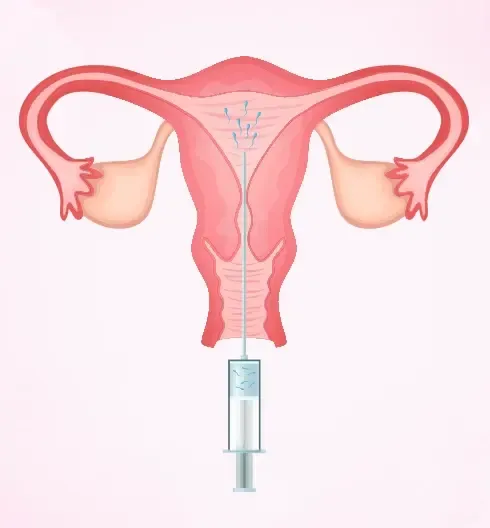
    Illustration of a uterus with a syringe, representing intrauterine insemination (IUI) procedure.

    Single Motherhood: Finding Support and Community

    In addition to finding support, building a community as a single mother can have a significant impact on your well-being. A community can offer a sense of belonging, understanding, and shared experiences. Here’s how you can build a community as a single mother:

    1. Connect with other single mothers: As mentioned earlier, joining support groups can be an excellent way to connect with other single mothers. Consider reaching out to other single mothers in your neighborhood or your child’s school and plan playdates or outings together. You can also connect with other single mothers online through social media groups or forums.

    2. Get involved in your community: Volunteer work or joining community events can be a great way to meet new people and build relationships. It can also be a way to give back to your community while setting a positive example for your children.

    3. Join a single mothers’ club or organization: There are many clubs and organizations specifically for single mothers, which can provide opportunities for both personal and professional development. These groups often offer workshops, networking events, and resources to support single mothers in various aspects of their lives.

    The Benefits of Support and Community for Single Mothers

    Finding support and building a community as a single mother can have numerous benefits, including:

    1. Emotional support: Having a strong support system and a sense of community can provide emotional support and reduce feelings of loneliness and isolation.

    2. Practical assistance: Support from family and friends can help with daily tasks and responsibilities, allowing single mothers to focus on self-care and personal growth.

    3. Role models for children: By building a community, single mothers can provide positive role models for their children and create a sense of belonging for them.

    4. Opportunities for personal and professional growth: Being part of a community can offer opportunities for personal and professional growth, as well as networking and support for career advancement.

    In conclusion, being a single mother can be a challenging journey, but it doesn’t have to be a lonely one. Finding support and building a community can make all the difference in navigating the ups and downs of single motherhood. Remember to prioritize self-care and reach out for help when needed. Through support and community, single mothers can thrive and create a fulfilling life for themselves and their children.

  • The Psychology of Fertility: How DIY Treatments Can Empower Women

    Blog Post:

    Fertility is a complex and deeply personal topic that impacts many women and couples around the world. For those struggling with infertility, the journey to parenthood can be filled with stress, disappointment, and financial strain. In recent years, there has been a growing trend of women turning to do-it-yourself (DIY) fertility treatments, such as at-home insemination kits and ovulation tracking apps. While these methods may not be suitable for everyone, they have the potential to empower women and give them more control over their reproductive health. In this blog post, we will explore the psychology behind fertility and how DIY treatments can be a powerful tool for women trying to conceive.

    The emotional toll of infertility is often overlooked, but it can have a significant impact on a woman’s mental well-being. Studies have shown that women struggling with infertility experience higher levels of stress, anxiety, and depression compared to women who are able to conceive naturally. This is not surprising, as the desire to have a child is a deeply ingrained biological and psychological need for many women. When this desire is not fulfilled, it can lead to feelings of inadequacy, failure, and even shame.

    Furthermore, the process of seeking medical help for infertility can be daunting and overwhelming. It often involves invasive procedures, numerous doctor appointments, and expensive treatments that may not guarantee success. This lack of control over their own bodies and the uncertainty of the outcome can add to the emotional burden for women. This is where DIY fertility treatments can play a crucial role.

    DIY fertility treatments can range from simple methods such as tracking ovulation with at-home kits or using fertility-friendly lubricants, to more advanced methods like at-home insemination or using sperm donors found through online platforms. These treatments offer women a sense of control over their own bodies and the process of trying to conceive. They can also be more affordable and convenient compared to traditional medical treatments, which can be a significant advantage for those facing financial constraints.

    Moreover, DIY fertility treatments can help women feel more connected to their bodies and their reproductive health. Ovulation tracking apps, for example, allow women to monitor their menstrual cycles and track their fertility signs, giving them a deeper understanding of their own bodies and when they are most fertile. This knowledge can also help women feel more in tune with their bodies and more confident in their ability to conceive.

    Comparison of IUI and IVF with illustrations of each procedure.

    The Psychology of Fertility: How DIY Treatments Can Empower Women

    Additionally, the anonymity and privacy that DIY fertility treatments offer can be appealing to many women. For those who may feel uncomfortable or judged by traditional medical treatments, DIY methods can provide a safe and discreet way to pursue their fertility goals. This can be especially beneficial for LGBTQ+ couples or single women who may face additional challenges and barriers when seeking medical help for fertility.

    One of the most significant advantages of DIY fertility treatments is the sense of empowerment they can provide to women. The ability to take control of their fertility journey and make decisions about their own bodies can have a positive impact on their mental well-being. It can also help women feel less helpless and more proactive in achieving their goal of becoming a parent.

    However, it is essential to note that DIY fertility treatments may not be suitable for everyone. It is crucial for women to do thorough research and consult with their healthcare providers before embarking on any DIY methods. There may be underlying medical conditions or factors that need to be addressed, and it is essential to have a support system in place throughout the process.

    In conclusion, fertility is a deeply personal and emotional journey that can take a toll on a woman’s mental health. DIY fertility treatments can offer women more control, privacy, and empowerment in their quest to conceive. They also have the potential to improve the overall experience of trying to conceive, making it a less stressful and more positive experience. However, it is crucial to approach these treatments with caution and always seek medical advice when needed. With the right information and support, DIY fertility treatments can be a powerful tool for women seeking to start or expand their families.

    Summary:

    Fertility can have a significant impact on a woman’s mental well-being, with infertility often leading to higher levels of stress, anxiety, and depression. The traditional medical route for fertility treatments can be daunting and costly, leading to a lack of control and added emotional burden. DIY fertility treatments, such as at-home insemination kits and ovulation tracking apps, can give women a sense of control, privacy, and empowerment in their fertility journey. They also have the potential to improve the overall experience of trying to conceive. However, it is crucial to approach these treatments with caution and seek medical advice when needed.

  • The Importance of Mental Health: Taking Care of Yourself During Artificial Insemination and IVF

    Blog Post: The Importance of Mental Health: Taking Care of Yourself During Artificial Insemination and IVF

    The journey to starting a family can be filled with excitement, hope, and anticipation. But for many couples struggling with infertility, it can also be a rollercoaster of emotions, stress, and disappointment. As more and more couples turn to artificial insemination and IVF (in vitro fertilization) to conceive, it’s important to address the impact these procedures can have on mental health. In this blog post, we will discuss the importance of taking care of your mental health during artificial insemination and IVF and provide practical tips for managing the emotional toll of these procedures.

    Understanding the Emotional Impact of Infertility

    Infertility affects approximately 12% of couples in the United States, and for many, it can be a challenging and emotional journey. The inability to conceive naturally can lead to feelings of sadness, grief, and even guilt. It can also put a strain on relationships and cause feelings of isolation and shame.

    When couples decide to pursue artificial insemination or IVF, it can bring a sense of hope and excitement. However, the process can also be physically and emotionally demanding, and the pressure to achieve a successful pregnancy can take its toll. It’s essential to recognize and address the emotional impact of infertility and fertility treatments to ensure your mental health is not neglected during this time.

    The Emotional Toll of Artificial Insemination and IVF

    Artificial insemination and IVF can be a physically and emotionally demanding process. The constant monitoring, injections, and procedures can take a toll on your body and mind. The emotional rollercoaster of hope and disappointment can also be challenging to navigate. Here are some common emotions that couples may experience during the artificial insemination and IVF process:

    1. Anxiety: The uncertainty and fear of the unknown can lead to feelings of anxiety. Will the treatment work? Will there be any complications? These thoughts can consume your mind and cause physical symptoms like restlessness, difficulty sleeping, and irritability.

    2. Depression: The constant disappointment and feelings of failure can lead to depression. The pressure to succeed and the emotional rollercoaster of artificial insemination and IVF can be overwhelming and draining.

    3. Guilt: Many individuals struggling with infertility blame themselves for their inability to conceive. They may feel guilty for not being able to give their partner a child or feel like they are letting their family down.

    4. Anger: It’s natural to feel angry when things don’t go according to plan. Couples may feel angry at themselves, their partner, or even their doctor for their struggles with infertility.

    5. Grief: The inability to conceive can lead to feelings of grief, especially if you have experienced multiple failed attempts. It’s essential to allow yourself to grieve and seek support during this difficult time.

    diagram illustrating intrauterine insemination process, showing sperm injection into the uterus and egg fertilization pathway

    The Importance of Mental Health: Taking Care of Yourself During Artificial Insemination and IVF

    6. Isolation: Many couples may feel isolated during the artificial insemination and IVF process. It can be challenging to explain to others what you’re going through, and you may feel like no one understands.

    7. Stress: The constant monitoring, appointments, and procedures can be extremely stressful. It’s crucial to find ways to manage and reduce stress during this time.

    Tips for Taking Care of Your Mental Health During Artificial Insemination and IVF

    1. Seek Support: It’s essential to have a support system in place during this time. This may include your partner, family, friends, or a therapist who can provide a safe space for you to express your emotions.

    2. Practice Self-Care: Taking care of yourself physically and mentally is crucial during the artificial insemination and IVF process. Make time for activities that bring you joy, relaxation, and stress relief.

    3. Communicate With Your Partner: Open and honest communication with your partner is crucial during this time. Share your feelings, listen to each other, and support one another.

    4. Educate Yourself: Understanding the process, success rates, and potential challenges of artificial insemination and IVF can help manage expectations and reduce stress. Ask your doctor for information and resources to help you navigate this journey.

    5. Set Boundaries: It’s okay to say no to social events or other activities that may cause you stress or trigger negative emotions. Setting boundaries and prioritizing your mental health is essential during this time.

    6. Practice Relaxation Techniques: Finding ways to relax and de-stress is crucial during artificial insemination and IVF. This may include deep breathing, meditation, yoga, or other activities that bring you peace and calm.

    7. Seek Professional Help: If you’re struggling to cope with the emotional toll of artificial insemination and IVF, it’s essential to seek professional help. A therapist can provide you with the necessary tools and support to manage your emotions and improve your mental well-being.

    Summary:

    The journey to starting a family can be challenging, especially for couples struggling with infertility. The process of artificial insemination and IVF can take a toll on both physical and mental health. It’s essential to recognize and address the emotional impact of these procedures and take care of your mental health during this time. Seeking support, practicing self-care, communicating with your partner, and setting boundaries are all crucial for managing the emotional toll of artificial insemination and IVF. Remember to educate yourself, practice relaxation techniques, and seek professional help if needed. Taking care of your mental health during this journey is just as important as taking care of your physical health.

  • The Impact of Mental Health on Fertility: Tips for Maintaining Emotional Well-Being

    The Impact of Mental Health on Fertility: Tips for Maintaining Emotional Well-Being

    Fertility is a complex and sensitive topic for many couples and individuals. It is often associated with feelings of hope, excitement, and happiness, but can also bring about intense emotions such as disappointment, frustration, and even shame. It is no surprise then that mental health and fertility are closely intertwined. The stress and emotional toll of trying to conceive can have a significant impact on one’s mental well-being, and in turn, can affect their fertility. In this blog post, we will explore the connection between mental health and fertility and provide tips for maintaining emotional well-being during the journey towards parenthood.

    The Link Between Mental Health and Fertility

    Research has shown that there is a clear link between mental health and fertility. According to a study published in the journal Human Reproduction, women with high levels of stress and anxiety were 29% less likely to become pregnant through in vitro fertilization (IVF) compared to those with lower levels of stress. This is because stress can disrupt the hormonal balance in the body, making it more difficult to conceive. Moreover, depression and anxiety can also lead to unhealthy lifestyle habits such as smoking, excessive alcohol consumption, and poor diet, which can negatively impact fertility.

    On the other hand, fertility struggles can also take a toll on one’s mental health. The constant disappointment and pressure to conceive can cause feelings of anxiety, depression, and even isolation. Couples may also experience strain in their relationship as they navigate through the challenges of trying to conceive. The emotional rollercoaster of fertility treatments and the fear of not being able to have a child can also be overwhelming for individuals and couples.

    Tips for Maintaining Emotional Well-Being

    1. Seek Support

    One of the most important things to remember when dealing with fertility issues is that you are not alone. It is crucial to seek support from friends, family, or a therapist who can provide emotional support and understanding. Joining a support group can also be beneficial as it allows you to connect with others who are going through similar experiences. Sharing your feelings with others can help alleviate the emotional burden and provide a sense of comfort and validation.

    2. Practice Self-Care

    Cost breakdown for IUI components, including requirements, impacts, and alternatives.

    The Impact of Mental Health on Fertility: Tips for Maintaining Emotional Well-Being

    Taking care of your physical and emotional well-being should be a priority during this journey. Make time for activities that bring you joy and help reduce stress, such as exercise, meditation, or hobbies. It is also essential to maintain a healthy diet and get enough rest. Self-care is not selfish; it is a necessary aspect of maintaining emotional well-being.

    3. Communicate with Your Partner

    The journey towards parenthood can be challenging, and it is crucial to have open and honest communication with your partner. Be understanding and patient with each other, and be sure to express your feelings and concerns. Together, you can support each other and find ways to cope with the challenges of fertility.

    4. Set Realistic Expectations

    It is natural to have high hopes and expectations when trying to conceive, but it is essential to be realistic. The process of fertility treatments can be unpredictable and may not always result in a successful pregnancy. It is essential to manage expectations and be prepared for setbacks, while also keeping a positive outlook.

    5. Seek Professional Help

    If you are struggling with your mental health, do not hesitate to seek professional help. A therapist or counselor can provide you with tools to cope with the emotional challenges of fertility and help you develop coping strategies. They can also assist in managing any underlying mental health issues that may be affecting your fertility.

    In conclusion, the link between mental health and fertility is a significant one, and it is crucial to take care of both aspects when trying to conceive. Seek support, practice self-care, communicate with your partner, set realistic expectations, and seek professional help if needed. Remember that your mental well-being is just as important as your physical health.

    Summary:

    Fertility can be a complex and emotional journey, and it is closely linked to mental health. Stress, anxiety, and depression can negatively impact fertility, while the struggles of trying to conceive can also take a toll on one’s mental well-being. To maintain emotional well-being during this journey, it is crucial to seek support, practice self-care, communicate with your partner, set realistic expectations, and seek professional help if needed.

  • The Emotional Toll of Infertility: Coping with the Struggles of Natural Conception and Assisted Reproduction

    Summary:

    Infertility is a heartbreaking and emotionally challenging experience that affects millions of individuals and couples around the world. The inability to conceive naturally can take a toll on one’s mental health, self-esteem, and relationships. In this blog post, we will explore the emotional struggles of infertility and how individuals and couples can cope with them.

    The Emotional Impact of Infertility:

    The emotional impact of infertility can be devastating. The desire to have a child is a natural and fundamental human instinct, and when that desire is not fulfilled, it can lead to feelings of sadness, anger, frustration, and inadequacy. Many individuals and couples experience a sense of loss and grief, as they mourn the idea of not being able to have biological children. This can also lead to feelings of guilt, as they may blame themselves or each other for their inability to conceive.

    The Emotional Toll on Relationships:

    Infertility can also take a toll on relationships. The pressure and stress of trying to conceive can strain even the strongest relationships. Partners may experience feelings of blame, resentment, and frustration towards each other. The constant focus on trying to get pregnant can also lead to a decrease in intimacy and feelings of disconnect.

    The Emotional Struggles of Assisted Reproduction:

    For those who turn to assisted reproduction methods such as IVF, the emotional struggles can be even more intense. The financial burden, physical demands, and uncertainty of success can cause significant emotional distress. The ups and downs of the fertility treatment process can also lead to feelings of anxiety, hopelessness, and disappointment.

    diagram of the female reproductive system with an IUI syringe and test tube for artificial insemination

    The Emotional Toll of Infertility: Coping with the Struggles of Natural Conception and Assisted Reproduction

    Coping with the Emotional Toll of Infertility:

    1. Seek Support: It is important to seek support from friends, family, or a therapist. Talking about your feelings and experiences can help you feel less alone and provide a safe space to express your emotions.

    2. Take Care of Your Mental Health: Infertility can take a toll on one’s mental health, so it is important to prioritize self-care. This can include practicing relaxation techniques, exercising, and engaging in activities that bring you joy.

    3. Be Open and Honest with Your Partner: Communication is key in any relationship, especially when going through infertility. It is essential to be open and honest with your partner about your feelings, fears, and needs. This can help strengthen your relationship and provide much-needed support during this difficult time.

    4. Educate Yourself: Understanding the causes and treatments of infertility can help individuals and couples cope with the emotional struggles. It can also help them make informed decisions about their fertility journey.

    5. Set Realistic Expectations: It is essential to have realistic expectations when it comes to fertility treatments. It is not a guarantee of success, and there may be setbacks along the way. Setting realistic expectations can help manage disappointment and reduce stress.

    6. Take Breaks: Going through fertility treatments can be physically and emotionally exhausting. It is crucial to take breaks and engage in activities that bring you joy and relaxation. This can help reduce stress and improve overall well-being.

    7. Consider Support Groups: Support groups can provide a sense of community and understanding for individuals and couples going through infertility. It can be comforting to connect with others who are experiencing similar struggles and share experiences and advice.

    In conclusion, infertility can have a significant emotional toll on individuals and couples. It is essential to acknowledge and address these struggles and seek support when needed. With the right coping strategies, individuals and couples can navigate the emotional challenges of infertility and find ways to cope and thrive.

  • The Mind-Body Connection: How Mental Health Affects Natural Conception and Assisted Reproduction

    The Mind-Body Connection: How Mental Health Affects Natural Conception and Assisted Reproduction

    The journey to parenthood can be an emotional rollercoaster for many couples, especially those struggling with infertility. While medical interventions such as in vitro fertilization (IVF) have made significant advances in helping couples conceive, research has shown that mental health can play a crucial role in both natural conception and assisted reproduction. In this blog post, we will explore the mind-body connection and how mental health can impact fertility, the effects of stress on fertility, and the role of mind-body therapies in improving fertility outcomes.

    The Mind-Body Connection and Fertility

    The mind-body connection refers to the relationship between our thoughts, emotions, and physical health. It is long known that psychological factors can have a significant impact on our physical well-being. When it comes to fertility, studies have shown that mental health can affect both natural conception and assisted reproduction.

    One study found that women with high levels of stress hormones had a 29% lower chance of conceiving and a 50% higher risk of infertility. This is because stress can disrupt the delicate balance of hormones responsible for regulating the menstrual cycle and ovulation. Furthermore, stress can also affect sperm production and quality in men.

    The Effects of Stress on Fertility

    Stress is a common occurrence in our daily lives, but when it becomes chronic, it can have severe consequences on our health, including fertility. Chronic stress can lead to hormonal imbalances, which can affect ovulation, sperm production, and other reproductive processes.

    Moreover, stress can also impact our behaviors and lifestyle choices that can impact fertility. For instance, individuals experiencing high levels of stress may engage in unhealthy coping mechanisms such as smoking, excessive alcohol consumption, or poor dietary habits, all of which can affect fertility.

    In addition to physical effects, stress can also take a toll on our mental health, leading to anxiety, depression, and other mood disorders. These mental health issues can further exacerbate fertility problems and create a vicious cycle of stress and infertility.

    The Role of Mind-Body Therapies in Improving Fertility Outcomes

    While stress may be inevitable, there are ways to manage it effectively, and mind-body therapies have shown to be effective in improving fertility outcomes. These therapies focus on the mind-body connection and aim to reduce stress and promote relaxation.

    Illustration of intrauterine insemination process, showing sperm collection and injection into the uterus.

    The Mind-Body Connection: How Mental Health Affects Natural Conception and Assisted Reproduction

    One of the most commonly used mind-body therapies for infertility is cognitive-behavioral therapy (CBT). This therapy helps individuals identify and change negative thought patterns and behaviors that contribute to stress and anxiety. CBT has been shown to be effective in reducing stress and improving fertility outcomes in women undergoing IVF treatment.

    Another popular mind-body therapy is mindfulness-based stress reduction (MBSR), which combines mindfulness meditation, yoga, and body awareness techniques. Studies have found that MBSR can improve fertility outcomes by reducing stress, anxiety, and depression in individuals struggling with infertility.

    Other mind-body therapies such as acupuncture, massage, and hypnotherapy have also shown promise in reducing stress and improving fertility outcomes. These therapies help individuals relax, reduce muscle tension, and promote a sense of well-being, which can positively impact fertility.

    The Importance of Taking Care of Your Mental Health During Fertility Treatments

    Dealing with infertility can be a challenging and emotional experience, and it is essential to prioritize your mental health during this journey. Here are some tips for taking care of your mental health during fertility treatments:

    1. Seek Support: It is vital to have a support system when going through fertility treatments. This can include family, friends, or a support group of individuals going through a similar experience. Talking to others who understand what you are going through can be incredibly helpful in reducing stress and feelings of isolation.

    2. Practice Self-Care: Take care of yourself both physically and emotionally. This can include getting enough sleep, eating a healthy diet, and engaging in activities that bring you joy and relaxation.

    3. Consider Mind-Body Therapies: As discussed earlier, mind-body therapies can be beneficial in reducing stress and improving fertility outcomes. Consider incorporating these therapies into your treatment plan.

    4. Be Kind to Yourself: It is essential to be gentle and understanding with yourself during this journey. Avoid self-blame and negative self-talk, and remind yourself that fertility issues are not your fault.

    In conclusion, the mind-body connection is a critical factor in both natural conception and assisted reproduction. Mental health can significantly impact fertility, and it is essential to prioritize our mental well-being when trying to conceive. By managing stress and incorporating mind-body therapies, individuals can improve their chances of conceiving and have a more positive experience during fertility treatments.

    Summary:

    Mental health plays a crucial role in both natural conception and assisted reproduction. The mind-body connection refers to the relationship between our thoughts, emotions, and physical health, and studies have shown that stress can significantly affect fertility. Chronic stress can lead to hormonal imbalances, impact our behaviors and lifestyle choices, and take a toll on our mental health, leading to anxiety, depression, and other mood disorders. To improve fertility outcomes, mind-body therapies such as cognitive-behavioral therapy, mindfulness-based stress reduction, acupuncture, massage, and hypnotherapy can be beneficial in reducing stress and promoting relaxation. It is essential to prioritize mental health during fertility treatments and seek support, practice self-care, consider mind-body therapies, and be kind to yourself.

  • The Importance of Self-Care during the Natural Conception and Assisted Reproduction Process

    Summary:

    The journey to conception, whether through natural means or assisted reproduction, can be emotionally and physically taxing. It is important for individuals and couples going through this process to prioritize self-care and take care of their mental, emotional, and physical well-being. This blog post will discuss the importance of self-care during the natural conception and assisted reproduction process, and provide tips and strategies for incorporating self-care into one’s fertility journey.

    Self-care during the Natural Conception Process:

    The process of trying to conceive naturally can be filled with excitement, hope, and anticipation, but it can also come with its own set of challenges and disappointments. It is important for individuals and couples to take care of themselves during this time, both physically and emotionally. Here are some ways to practice self-care during the natural conception process:

    1. Prioritize Nutrition and Exercise: Eating a balanced and nutritious diet and staying physically active can not only improve overall health and well-being, but it can also increase fertility and boost chances of conception. Make sure to include plenty of fruits, vegetables, whole grains, and lean proteins in your diet, and incorporate regular exercise into your routine.

    2. Manage Stress: Trying to conceive can be a stressful and emotionally draining process. It is important to find healthy ways to manage stress, such as practicing relaxation techniques like yoga or meditation, talking to a therapist or a trusted friend, or engaging in a hobby or activity that brings joy and relaxation.

    3. Take Breaks: It can be tempting to try and conceive every month without taking a break, but it is important to listen to your body and take a break when needed. This can help reduce stress and give you time to focus on self-care.

    4. Communicate with Your Partner: The process of trying to conceive can strain relationships, so it is important to communicate openly and honestly with your partner. Make time for each other and find ways to support each other through the ups and downs of the journey.

    Self-care during the Assisted Reproduction Process:

    Assisted reproduction techniques, such as in vitro fertilization (IVF) or intrauterine insemination (IUI), can be physically and emotionally demanding. In addition to the self-care strategies mentioned above, here are some specific ways to take care of yourself during the assisted reproduction process:

    1. Educate Yourself: It is important to understand the assisted reproduction process and what to expect. This can help alleviate anxiety and give you a sense of control.

    2. Seek Support: Going through assisted reproduction can feel isolating, but it is important to know that you are not alone. Seek support from friends, family, a therapist, or a support group of individuals going through similar experiences.

    3. Make Time for Yourself: The process of assisted reproduction can be time-consuming and overwhelming, but it is important to make time for yourself. Whether it’s taking a bubble bath, reading a book, or going for a walk, find ways to relax and recharge.

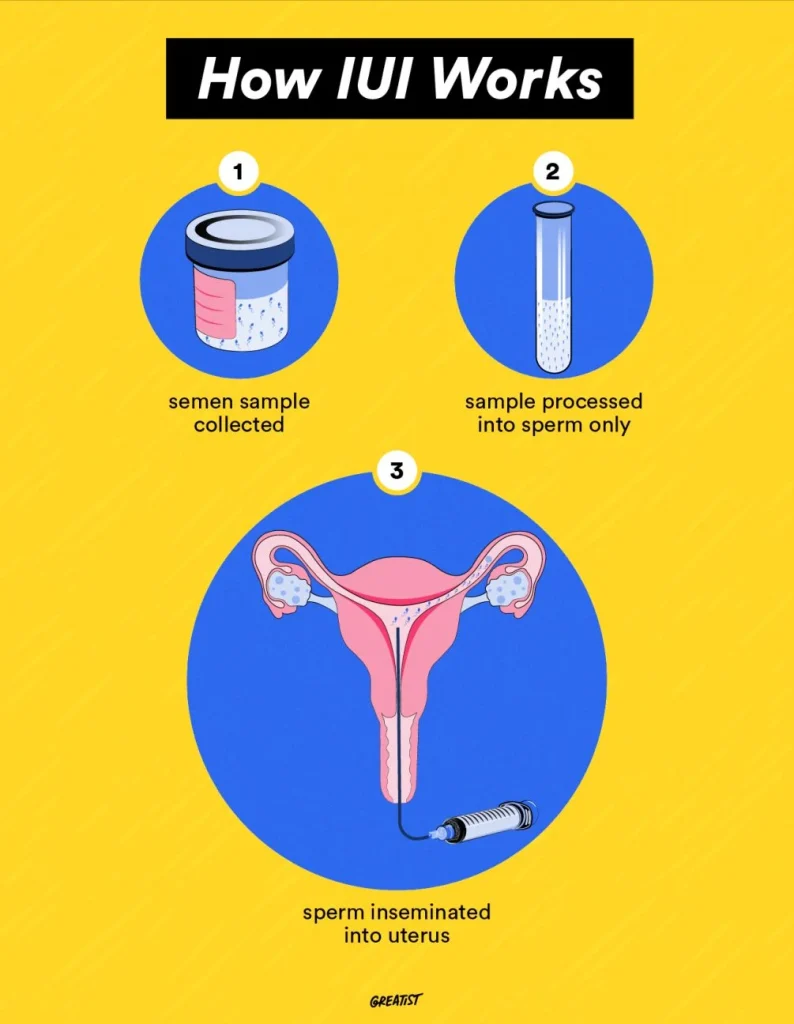
    illustration explaining the steps of intrauterine insemination (IUI) process on a bright yellow background

    The Importance of Self-Care during the Natural Conception and Assisted Reproduction Process

    4. Acknowledge and Process Emotions: The assisted reproduction process can bring up a range of emotions, from hope and excitement to frustration and disappointment. It is important to acknowledge and process these emotions in a healthy way. This could include journaling, talking to a therapist, or practicing mindfulness.

    The Importance of Self-Care for Both Natural Conception and Assisted Reproduction:

    Regardless of the method of conception, taking care of oneself during the journey is crucial. Here are some reasons why self-care is important during both natural conception and assisted reproduction:

    1. Reduce Stress and Anxiety: Going through the process of trying to conceive can be stressful, and stress can have a negative impact on fertility. Practicing self-care can help reduce stress and anxiety, making the journey to conception more manageable.

    2. Improve Overall Health: Prioritizing self-care can lead to improved overall health and well-being, which can positively impact fertility and increase chances of conception.

    3. Strengthen Relationships: The process of trying to conceive can put a strain on relationships, but practicing self-care can help individuals and couples stay connected and support each other through the ups and downs.

    4. Increase Resilience: Going through the journey of conception, whether natural or assisted, can be emotionally challenging. Practicing self-care can increase resilience and help individuals cope with any setbacks or challenges that may arise.

    Incorporating Self-Care into Your Fertility Journey:

    Now that we have discussed the importance of self-care during the natural conception and assisted reproduction process, here are some tips for incorporating self-care into your fertility journey:

    1. Set Aside Time for Self-Care: Make self-care a priority by setting aside dedicated time for it. This could be a few minutes each day or a longer period of time once a week.

    2. Find What Works for You: Self-care looks different for everyone. Find activities and practices that work for you and make you feel good.

    3. Involve Your Partner: Self-care can be a great way to bond with your partner. Find activities that you can do together, such as cooking a healthy meal or going for a walk.

    4. Be Kind to Yourself: The journey to conception can be challenging, and it’s important to be kind to yourself. Don’t put too much pressure on yourself and allow yourself to take breaks and practice self-compassion.

    In conclusion, the journey to conception, whether through natural means or assisted reproduction, can be physically and emotionally demanding. Prioritizing self-care is crucial for individuals and couples going through this process. By taking care of our mental, emotional, and physical well-being, we can increase our chances of conception and make the journey more manageable.