Tag: fertility

  • The Debate Between Fertility Supplements and Medical Treatments

    The Debate Between Fertility Supplements and Medical Treatments: Finding the Best Solution

    Fertility is a topic that affects millions of men and women worldwide. Many couples struggle with fertility issues, and this can be a source of great emotional distress. As a result, there has been an increase in the use of fertility supplements and medical treatments in an attempt to boost fertility and increase the chances of conceiving. However, there is an ongoing debate about which approach is better – fertility supplements or medical treatments. In this blog post, we will explore both sides of the argument and help you understand the pros and cons of each option, so you can make an informed decision about the best approach for you and your partner.

    Fertility Supplements: Pros and Cons

    Fertility supplements are natural products that claim to improve fertility by providing essential vitamins and minerals that are necessary for reproductive health. These supplements often contain herbs, vitamins, and other ingredients that are believed to have a positive impact on fertility. Some of the most commonly used supplements include folic acid, CoQ10, and maca root. The main advantage of fertility supplements is that they are natural and do not involve any invasive procedures or medications. They are also relatively affordable and easy to obtain without a prescription.

    However, there are some downsides to relying solely on fertility supplements. The effectiveness of these supplements is still a topic of debate, as there is limited scientific evidence to support their claims. Additionally, the ingredients in these supplements are not regulated by the FDA, which means that the quality and safety of these products may vary. There is also a risk of interactions with other medications, so it is important to consult with a healthcare professional before starting any fertility supplement regimen.

    Medical Treatments: Pros and Cons
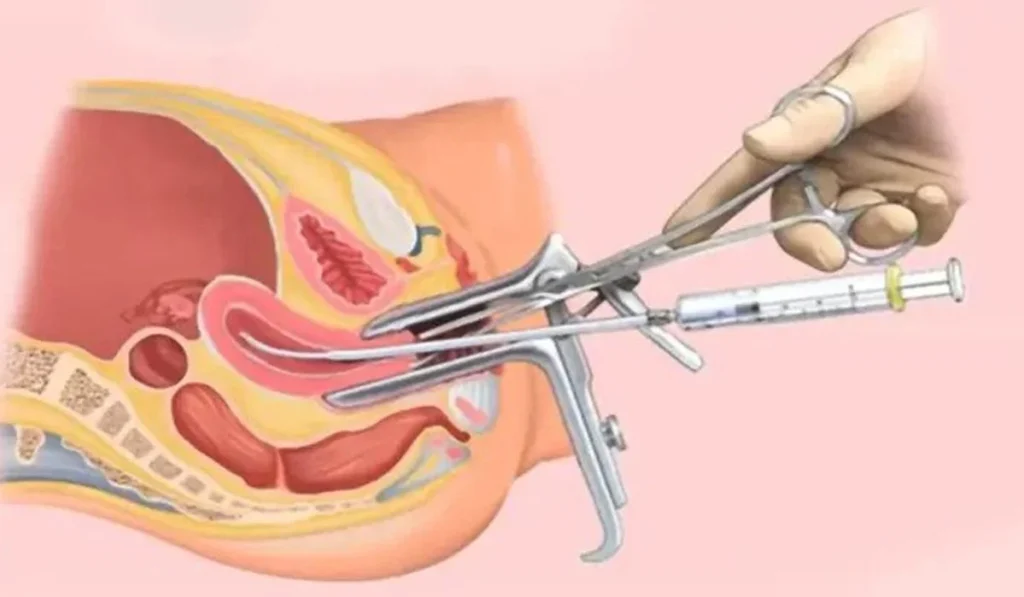
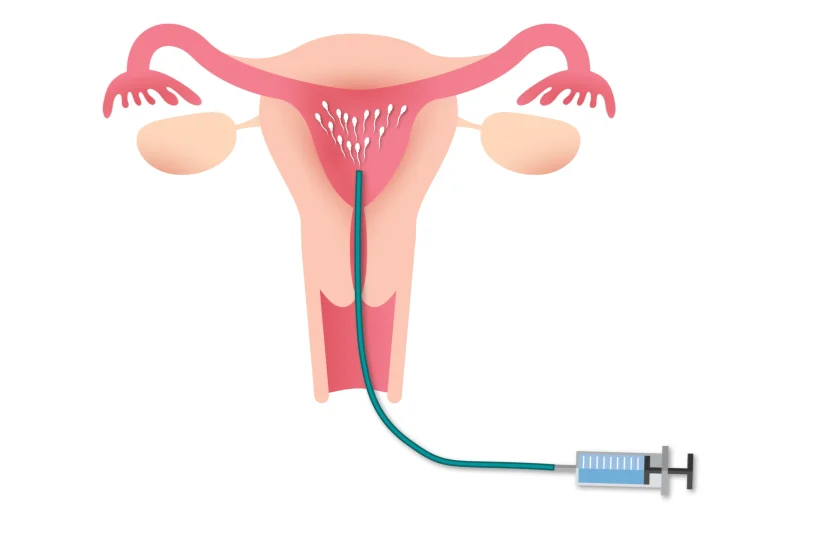
    illustration of an intrauterine insemination procedure with medical instruments and anatomical details

    The Debate Between Fertility Supplements and Medical Treatments

    On the other hand, medical treatments for fertility involve more invasive procedures and may include medications, surgeries, or assisted reproductive technologies such as in vitro fertilization (IVF). These treatments are usually recommended for couples who have been struggling with fertility issues for a prolonged period or have underlying medical conditions that affect their ability to conceive. The main advantage of medical treatments is that they have a higher success rate compared to fertility supplements. They also provide a more targeted approach to addressing specific fertility issues and can be tailored to each individual’s needs.

    However, medical treatments can also be costly and may not be covered by insurance. They can also be physically and emotionally taxing, with potential side effects from medications and the stress of undergoing procedures. In addition, there is no guarantee of success, and multiple rounds of treatments may be required, adding to the financial burden and emotional toll on couples.

    The Middle Ground: Combining Supplements and Medical Treatments

    While there is a heated debate about the effectiveness and safety of fertility supplements versus medical treatments, the truth is that both approaches have their merits and limitations. The key is to find a balance between the two and combine them to maximize the chances of success. For example, a couple undergoing medical treatments can also supplement their diet with fertility supplements to support their overall reproductive health. Similarly, a couple relying on fertility supplements can consult with a fertility specialist to identify any underlying issues and consider medical treatments if necessary.

    It is also important to note that fertility is a complex issue, and the best approach may vary from person to person. What works for one couple may not work for another, and it is essential to consult with a healthcare professional to determine the best course of action for your specific situation. The most important thing is to be patient and persistent in your efforts to conceive, and to prioritize your overall health and well-being throughout the process.

    In summary, the debate between fertility supplements and medical treatments is ongoing, and both approaches have their advantages and disadvantages. While fertility supplements offer a natural and accessible option, their effectiveness is still uncertain and may not be suitable for all couples. On the other hand, medical treatments provide a more targeted approach with higher success rates, but they can be costly and come with potential risks and side effects. Ultimately, the best approach may be a combination of both, tailored to each individual’s needs and guided by a healthcare professional. The most important thing is to keep an open mind, stay informed, and prioritize your overall health and well-being on your fertility journey.

  • Fertility Supplements vs Medical Treatments: What Science Says

    Blog Post:

    Fertility is a topic that affects millions of people all around the world. For some, conceiving a child may come easily, while for others it can be a long and challenging journey. In recent years, there has been an increase in the use of fertility supplements as a way to boost fertility and increase the chances of conception. However, there is also a wealth of medical treatments available for those struggling with fertility issues. With so many options to choose from, it can be overwhelming to know which approach is the best for you. In this blog post, we will dive into the world of fertility supplements and medical treatments and explore what the science has to say about them.

    Fertility Supplements:

    Fertility supplements are dietary supplements that contain a combination of vitamins, minerals, herbs, and other ingredients that claim to improve fertility. These supplements are marketed as a natural and safe way to enhance fertility and increase the chances of conception. Some of the most commonly used fertility supplements include folic acid, zinc, and Coenzyme Q10.

    While these supplements may seem like an attractive option, it’s important to understand that they are not regulated by the Food and Drug Administration (FDA). This means that there is no guarantee of their safety or effectiveness. Additionally, there is limited scientific evidence to support the use of these supplements for fertility purposes.

    One study published in the Journal of Obstetrics and Gynaecology Canada looked at the effectiveness of popular fertility supplements in improving fertility outcomes. The study found that while some supplements, such as folic acid and zinc, may have a positive effect on fertility, others, like vitamin E and L-carnitine, did not show any significant improvement.

    Another study published in the Journal of Alternative and Complementary Medicine examined the effects of herbal supplements on female fertility. The results showed that while some herbs, such as chasteberry and maca, may have a positive effect on hormonal balance and ovulation, others, like black cohosh, may have negative effects on fertility.

    Medical Treatments:

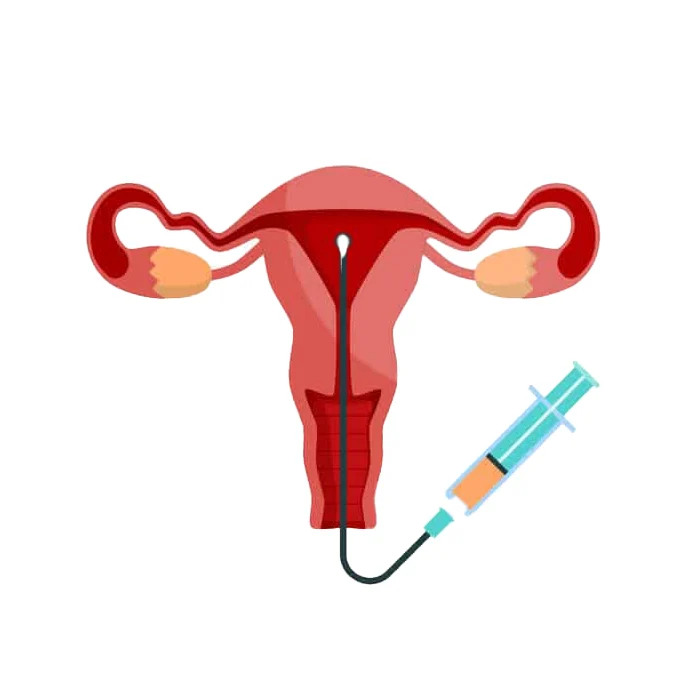
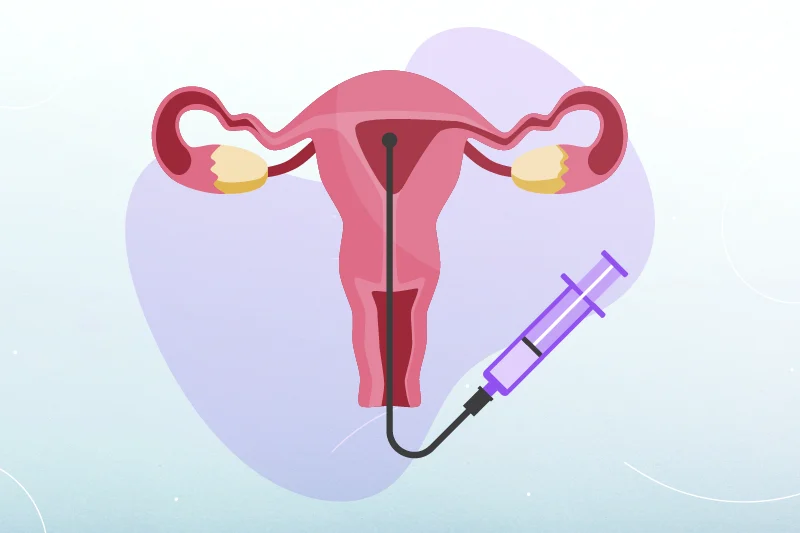
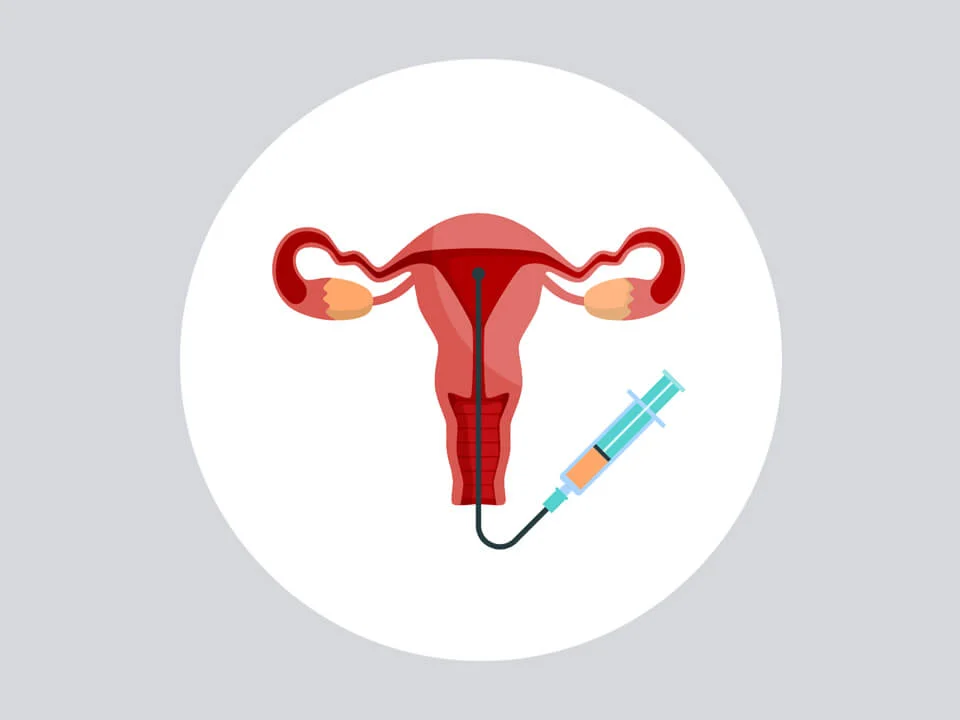
    Illustration of a uterus with a syringe, representing intrauterine insemination (IUI) procedure.

    Fertility Supplements vs Medical Treatments: What Science Says

    On the other hand, medical treatments for fertility are prescribed and monitored by a healthcare professional. These treatments can range from medications to surgical procedures, depending on the underlying cause of infertility. Some of the most common medical treatments for fertility include ovulation induction, intrauterine insemination (IUI), and in vitro fertilization (IVF).

    Ovulation induction is a treatment that stimulates the ovaries to produce eggs. This is often used for women who have irregular or absent ovulation. IUI involves placing sperm directly into the uterus during ovulation, increasing the chances of fertilization. IVF, on the other hand, involves retrieving eggs from the ovaries, fertilizing them with sperm in a laboratory, and then transferring the resulting embryo(s) into the uterus.

    These medical treatments have been extensively studied and have been shown to be effective in helping couples conceive. One study published in the Journal of the American Medical Association compared the pregnancy rates of couples who underwent IVF with those who used natural methods. The results showed that IVF significantly increased the chances of pregnancy.

    Another study published in the journal Fertility and Sterility looked at the effectiveness of IUI in couples with unexplained infertility. The study found that IUI significantly improved the chances of pregnancy compared to natural conception.

    The Role of Lifestyle Factors:

    While fertility supplements and medical treatments may play a role in improving fertility, it’s important to also consider lifestyle factors. Factors such as weight, diet, and stress can have a significant impact on fertility. Maintaining a healthy weight, eating a balanced diet, and managing stress levels can all contribute to increasing the chances of conception.

    Summary:

    When it comes to fertility, there is no one-size-fits-all solution. While fertility supplements may seem like a natural and easy way to improve fertility, the scientific evidence supporting their effectiveness is limited. On the other hand, medical treatments have been extensively studied and have shown to be effective in helping couples conceive. However, it’s important to also consider lifestyle factors and make necessary changes to increase the chances of conception.

    In conclusion, while fertility supplements and medical treatments both have their advantages and disadvantages, it’s crucial to consult with a healthcare professional to determine the best approach for your specific situation. Making healthy lifestyle choices and seeking medical advice can greatly improve the chances of conceiving a child.

  • Choosing the Right Path: Fertility Supplements or Medical Treatments?

    Choosing the Right Path: Fertility Supplements or Medical Treatments?

    For couples struggling with fertility issues, the journey to conceive can often feel overwhelming and frustrating. In today’s modern world, we are constantly bombarded with information about various fertility supplements and medical treatments that promise to improve our chances of getting pregnant. With so many options available, it can be difficult to determine which path is the right one for you and your partner.

    In this blog post, we will explore the pros and cons of fertility supplements and medical treatments, and offer guidance on how to choose the right path for your unique situation.

    Fertility Supplements: The Pros and Cons

    Fertility supplements are natural products that are believed to enhance fertility by providing essential vitamins, minerals, and herbs that support reproductive health. These supplements are easily accessible and can be purchased over-the-counter without a prescription.

    One of the main advantages of fertility supplements is that they are generally considered safe and have minimal side effects. They also tend to be more affordable compared to medical treatments, making them a more accessible option for couples on a budget.

    However, it’s important to note that fertility supplements are not regulated by the FDA and therefore, their effectiveness and safety cannot be guaranteed. Some supplements may also interact with other medications, so it’s crucial to consult with your doctor before adding any new supplements to your routine.

    Medical Treatments: The Pros and Cons

    Medical treatments, on the other hand, are procedures or medications prescribed by a doctor to address specific fertility issues. These treatments may include fertility drugs, intrauterine insemination (IUI), or in-vitro fertilization (IVF).

    The main advantage of medical treatments is that they are backed by scientific research and have a higher success rate compared to fertility supplements. They are also tailored to your specific fertility issues, increasing the chances of conception.

    illustration of a uterus with a syringe, representing intrauterine insemination procedure

    Choosing the Right Path: Fertility Supplements or Medical Treatments?

    However, medical treatments can be invasive, time-consuming, and expensive. They may also come with potential side effects, such as multiple births or ovarian hyperstimulation syndrome (OHSS).

    How to Choose the Right Path for You

    When it comes to choosing between fertility supplements and medical treatments, there is no one-size-fits-all solution. Each couple’s journey to conceive is unique, and what works for one may not work for another. Here are a few factors to consider when making this decision:

    1. Identify the root cause of your fertility issues: It’s important to consult with a fertility specialist to determine the underlying cause of your fertility struggles. This will help you understand which treatment option is best suited for your specific situation.

    2. Consider your budget: Medical treatments can be expensive, and it’s important to consider whether it’s a feasible option for you and your partner. If cost is a concern, fertility supplements may be a more affordable alternative.

    3. Evaluate your overall health: Before starting any fertility treatment, it’s crucial to ensure that you and your partner are in good health. If you have any underlying health conditions, such as PCOS or endometriosis, medical treatments may be a better option.

    4. Be patient: Whether you choose fertility supplements or medical treatments, it’s important to remember that both options take time to show results. It’s essential to be patient and not give up if you don’t see immediate results.

    5. Consider a combination approach: Some couples may choose to combine both fertility supplements and medical treatments to enhance their chances of conception. However, it’s important to consult with your doctor before doing so to ensure that there are no potential interactions.

    In summary, the decision between fertility supplements and medical treatments ultimately depends on your specific needs and circumstances. It’s crucial to consult with a fertility specialist and consider all factors before choosing the best path for you and your partner.

    Remember to be patient and stay positive throughout your fertility journey. With the right approach and support, you can increase your chances of achieving your dream of starting a family.

    SEO Metadata:

  • The Truth About Fertility Supplements and Medical Treatments

    Blog Post:

    Fertility is a topic that is often shrouded in mystery and misinformation. Couples struggling to conceive may feel overwhelmed and desperate to find solutions, leading them to turn to fertility supplements and medical treatments. However, there is a lot of confusion and conflicting information surrounding these options. In this blog post, we will explore the truth about fertility supplements and medical treatments, and provide you with the information you need to make informed decisions about your fertility journey.

    Fertility Supplements:

    Fertility supplements are often marketed as a natural and safe way to boost fertility and increase the chances of conception. These supplements can include a variety of vitamins, minerals, herbs, and other ingredients that claim to improve reproductive health. While some of these supplements may have legitimate benefits, it is important to approach them with caution and do your research before adding them to your daily routine.

    The truth is, there is limited scientific evidence to support the effectiveness of most fertility supplements. Many of the studies that have been conducted are small and inconclusive, making it difficult to determine if these supplements actually work. Additionally, the supplements are not regulated by the FDA, so there is no guarantee of their safety or effectiveness. Some supplements may even contain ingredients that can be harmful to both the mother and the baby if taken in large doses.

    Furthermore, fertility supplements can be expensive and may not be covered by insurance. This can add additional financial stress to couples who are already struggling with the emotional toll of infertility. It is important to consult with your doctor before taking any fertility supplements, as they can interact with any medications you may be taking and may not be suitable for everyone.

    Medical Treatments:

    There are a variety of medical treatments available for couples facing fertility issues, including fertility drugs, intrauterine insemination (IUI), and in vitro fertilization (IVF). These treatments are often seen as a more effective and reliable option compared to fertility supplements. However, they also come with their own set of risks and considerations.

    diagram of a uterus with a syringe for intrauterine insemination procedure

    The Truth About Fertility Supplements and Medical Treatments

    Fertility drugs, such as Clomid, are often the first line of treatment for women who are not ovulating regularly. These drugs work by stimulating the ovaries to produce more eggs, increasing the chances of conception. While they can be effective, they also carry a risk of multiple pregnancies, which can be dangerous for both the mother and the babies.

    IUI involves placing sperm directly into the uterus, increasing the chances of fertilization. This procedure is often used when there are issues with sperm count or motility. However, success rates for IUI are lower compared to IVF, and it may not be an option for couples with certain fertility issues.

    IVF is the most well-known and commonly used fertility treatment. It involves fertilizing eggs with sperm in a laboratory and then transferring the resulting embryo into the woman’s uterus. IVF can be a costly and emotionally taxing process, with no guarantee of success. It also carries a risk of multiple pregnancies and can have physical and emotional side effects.

    The Importance of Seeking Professional Help:

    It is important to note that fertility supplements and medical treatments should not be seen as a replacement for professional medical help. If you and your partner have been trying to conceive for over a year (or six months if the woman is over 35), it is recommended to seek the advice of a fertility specialist. They can help identify any underlying issues and recommend the best course of action for your specific situation.

    Additionally, fertility treatments should always be accompanied by lifestyle changes, such as maintaining a healthy diet, exercising regularly, and reducing stress. These factors play a significant role in fertility and can greatly impact the success of any fertility treatment.

    In summary, fertility supplements and medical treatments can be appealing options for couples struggling to conceive, but it is important to approach them with caution and do your research. While some supplements may have benefits, they are not regulated and may not be suitable for everyone. Medical treatments, while more effective, also come with their own risks and should be accompanied by professional help and lifestyle changes. Seeking the guidance of a fertility specialist is crucial for anyone facing fertility issues, as they can provide personalized recommendations and support throughout the journey.

    SEO Metadata:

  • Navigating the World of Fertility: Supplements vs Medical Options

    Navigating the World of Fertility: Supplements vs Medical Options

    For many couples, starting a family is an exciting and cherished dream. However, for some, it may not come as easily as they had hoped. Fertility struggles can be emotionally and physically draining, leaving individuals feeling lost and unsure of where to turn. In recent years, the conversation around fertility has expanded, with more options and resources available for those struggling to conceive. Two popular options in this realm are fertility supplements and medical treatments. In this blog post, we will discuss the differences between these two options, and how to navigate the world of fertility to find the best approach for you.

    Understanding Fertility Supplements

    Fertility supplements are becoming increasingly popular as a natural and non-invasive option for those experiencing fertility issues. These supplements typically contain a combination of vitamins, minerals, and herbs that are believed to improve fertility. Some of the most commonly used ingredients in fertility supplements include folic acid, zinc, and chasteberry. These supplements are often marketed as a way to boost fertility by regulating hormones, improving egg and sperm quality, and increasing overall reproductive health.

    Pros and Cons of Fertility Supplements

    One of the main benefits of fertility supplements is that they are easily accessible and can be purchased over the counter without a prescription. They are also generally considered safe, with minimal side effects. Additionally, some studies have shown that certain ingredients in fertility supplements, such as folic acid, can indeed improve fertility.

    However, there are also some downsides to consider when it comes to fertility supplements. Firstly, they are not regulated by the FDA, meaning that the claims made by manufacturers may not be backed by scientific evidence. Additionally, the effectiveness of these supplements can vary greatly, and they may not work for everyone. It is also essential to note that supplements cannot treat underlying medical conditions that may be causing fertility issues.

    Understanding Medical Options

    Medical options for fertility treatment range from basic medications to more invasive procedures such as intrauterine insemination (IUI) and in vitro fertilization (IVF). These treatments are typically recommended for couples who have been trying to conceive for a year or more without success.

    illustration of a uterus with a syringe for intrauterine insemination (IUI) procedure

    Navigating the World of Fertility: Supplements vs Medical Options

    Medications such as clomiphene and letrozole are often used to stimulate ovulation in women. In cases of male infertility, medications such as hCG and clomiphene may be prescribed to improve sperm count and motility. IUI involves placing sperm directly into the uterus, while IVF involves retrieving eggs from the ovaries and fertilizing them with sperm in a laboratory setting before transferring the embryo back into the uterus.

    Pros and Cons of Medical Options

    One of the most significant advantages of medical treatments is that they are highly effective for many couples struggling with fertility issues. IVF, in particular, has a success rate of 40% for women under 35 and is often the last resort for those who have tried other methods without success. Medical treatments also have the advantage of being closely monitored by medical professionals, ensuring the best possible chances of success.

    However, medical options for fertility treatment can be very expensive, with IVF costing upwards of $12,000 per cycle. They also carry a higher risk of complications and side effects, and the emotional toll of undergoing these treatments can be significant. It is also crucial to note that these treatments do not guarantee pregnancy and may not work for everyone.

    Navigating the World of Fertility

    When it comes to choosing between fertility supplements and medical options, there is no one-size-fits-all solution. It is crucial to consult with a fertility specialist to determine the best course of action for your particular situation. This may involve a combination of both supplements and medical treatments.

    Supplements may be a good starting point for those who are not ready to try more invasive options, or for those with mild fertility issues. They can also be used in conjunction with medical treatments to support overall reproductive health. However, for those with underlying medical conditions or more severe fertility issues, medical treatments may be the best and most effective option.

    It is also essential to remember that both supplements and medical treatments are just one aspect of the fertility journey. Maintaining a healthy diet and lifestyle, reducing stress, and seeking emotional support can also greatly impact fertility.

    Summary

    Fertility struggles can be challenging, but with the increasing options available, there is hope for those wanting to start a family. Fertility supplements offer a natural and non-invasive option for improving fertility, while medical treatments provide a more targeted and effective approach for those with underlying medical conditions. The key is to consult with a fertility specialist and find the best approach for your individual needs, whether it be supplements, medical treatments, or a combination of both.

  • Breaking Down the Pros and Cons of Fertility Supplements and Medical Treatments

    Blog Post Title: Breaking Down the Pros and Cons of Fertility Supplements and Medical Treatments

    Fertility issues can be a sensitive and emotionally challenging topic for many couples. For those struggling to conceive, the desire to find a solution can lead them down various paths, including the use of fertility supplements and medical treatments. However, with so many options available, it can be overwhelming and confusing to determine which route is best. In this blog post, we will break down the pros and cons of both fertility supplements and medical treatments, giving you the information you need to make an informed decision.

    Fertility Supplements:

    Fertility supplements are a popular choice for couples looking to boost their chances of conceiving. These supplements come in various forms, such as pills, powders, and teas, and are often marketed as a natural and safe way to increase fertility. Let’s take a closer look at the pros and cons of using fertility supplements.

    Pros:
    1. Convenience: Fertility supplements are easily accessible and can be purchased over-the-counter or online without a prescription. This convenience makes it a popular choice for many couples.

    2. Natural ingredients: Many fertility supplements contain natural ingredients, such as herbs and vitamins, that are believed to have positive effects on fertility. This can be appealing to those who prefer a more holistic approach to their healthcare.

    3. Cost-effective: Compared to medical treatments, fertility supplements are generally more affordable, making them a budget-friendly option for couples struggling with fertility issues.

    4. Minimal side effects: As fertility supplements contain natural ingredients, they are generally considered safe and have minimal side effects. This can be a relief for those who are concerned about the potential risks of medical treatments.

    Cons:
    1. Lack of regulation: Unlike medical treatments, fertility supplements are not regulated by the FDA. This means that there is no guarantee of their safety or effectiveness, and the ingredients may not be accurately listed on the packaging.

    2. Limited research: There is limited scientific research on the effectiveness of fertility supplements. While some studies have shown positive results, more extensive and long-term research is needed to confirm their effectiveness.

    3. May not address underlying issues: Fertility supplements may help boost fertility, but they may not address any underlying issues that may be causing infertility. It is essential to consult a doctor to determine the root cause of fertility issues before relying solely on supplements.

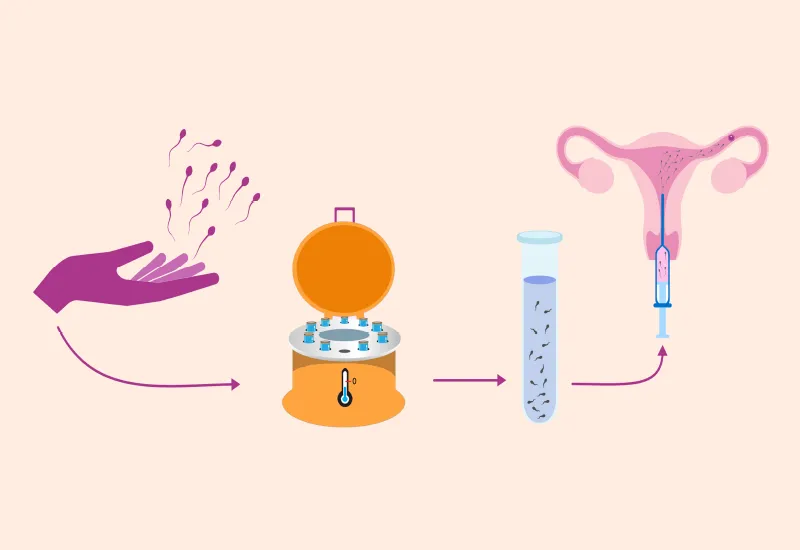
    illustration of the IUI process, showing sperm collection, preparation, and insertion into the uterus

    Breaking Down the Pros and Cons of Fertility Supplements and Medical Treatments

    Medical Treatments:

    Medical treatments for fertility involve the use of assisted reproductive technology (ART) to help couples conceive. These treatments can range from simple interventions, such as fertility drugs, to more complex procedures, such as in vitro fertilization (IVF). Here are the pros and cons of medical treatments for fertility.

    Pros:
    1. Address underlying issues: Medical treatments are often used to address underlying fertility issues, such as hormone imbalances or structural abnormalities. This can increase the chances of conception and reduce the time it takes to get pregnant.

    2. Higher success rates: Compared to fertility supplements, medical treatments have higher success rates. In particular, IVF has a success rate of 40% for women under 35, making it a viable option for couples struggling with infertility.

    3. Regulated and monitored: Medical treatments for fertility are regulated by the FDA, ensuring that they are safe and effective. These treatments are also closely monitored by doctors, making adjustments if necessary to increase the chances of success.

    Cons:
    1. Expensive: Medical treatments for fertility can be costly, with the average cost of an IVF cycle ranging from $12,000 to $17,000. This cost can be a significant barrier for couples who cannot afford these treatments.

    2. Invasive procedures: Some medical treatments, such as IVF, involve invasive procedures that can be physically and emotionally taxing for couples. These procedures may also come with potential risks and side effects.

    3. Emotional toll: Medical treatments for fertility can be emotionally draining, with the uncertainty of success and the rollercoaster of emotions that come with it. This can take a toll on a couple’s mental health and relationship.

    Conclusion:

    Both fertility supplements and medical treatments have their pros and cons, and the decision on which route to take is a personal one. It is crucial to consult with a doctor and do thorough research before making a decision. In some cases, a combination of both supplements and medical treatments may be the most effective approach. Remember, every individual is different, and what may work for one couple may not work for another.

    Regardless of which option you choose, it is essential to maintain a healthy lifestyle, including a balanced diet and regular exercise. Reducing stress levels and getting enough sleep can also positively impact fertility. Most importantly, remember to be patient and kind to yourself during this journey.

    In summary, fertility supplements offer convenience, natural ingredients, and minimal side effects, but lack regulation and research. On the other hand, medical treatments address underlying issues, have higher success rates, and are regulated and monitored, but can be expensive, invasive, and emotionally taxing. The key is to weigh the pros and cons and make the best decision for your unique situation.

  • The Emotional Rollercoaster: Artificial Insemination vs Natural Conception

    Blog Post:

    The journey to parenthood is often filled with a range of emotions, from excitement and joy to anxiety and disappointment. For couples struggling with fertility issues, this emotional rollercoaster can be even more intense. One of the biggest decisions they may face is whether to pursue artificial insemination or try for natural conception. While both options have their own set of benefits and challenges, they also come with their own unique emotional implications. In this blog post, we will explore the emotional rollercoaster of artificial insemination versus natural conception, and how couples can navigate these intense feelings.

    Artificial insemination, also known as intrauterine insemination (IUI), involves placing sperm directly into the uterus to increase the chances of fertilization. This method is often used for couples with male infertility issues or for single women and same-sex couples. On the other hand, natural conception refers to the process of conceiving a child through sexual intercourse.

    The decision to pursue artificial insemination or natural conception can be a difficult one for couples. It often involves a deep exploration of their values, beliefs, and desires. For some, the idea of using medical intervention to conceive a child may feel like giving up on the dream of conceiving naturally. On the other hand, the thought of relying on timing and luck for natural conception can be overwhelming and seem like an endless waiting game.

    The Emotional Rollercoaster of Artificial Insemination

    For couples opting for artificial insemination, the process can be emotionally taxing. It often involves multiple doctor’s appointments, fertility treatments, and the use of medication. The emotional toll of going through these procedures and waiting for the results can be overwhelming. Many couples may feel anxious, stressed, and even depressed as they navigate this journey.

    One of the biggest sources of emotional turmoil for couples undergoing artificial insemination is the uncertainty of its success. While the procedure may increase the chances of conception, there is no guarantee that it will result in a pregnancy. Each failed attempt can bring a wave of disappointment, sadness, and frustration. These feelings can be even more intense for couples who have been trying for a long time or have experienced multiple failed attempts.

    Moreover, artificial insemination can also bring up feelings of inadequacy, shame, and guilt. Some couples may feel like they have failed at the one thing that is supposed to come naturally – conceiving a child. This can put a strain on their relationship and lead to feelings of resentment, anger, and blame. It is essential for couples to communicate openly and support each other through these difficult emotions.

    The Emotional Rollercoaster of Natural Conception

    For couples trying to conceive naturally, the emotional journey can also be challenging. The constant tracking of ovulation, timing intercourse, and waiting for the results can be an emotionally draining experience. Each month, there is a build-up of hope and expectations, followed by a crash of disappointment and heartache if the pregnancy does not occur.

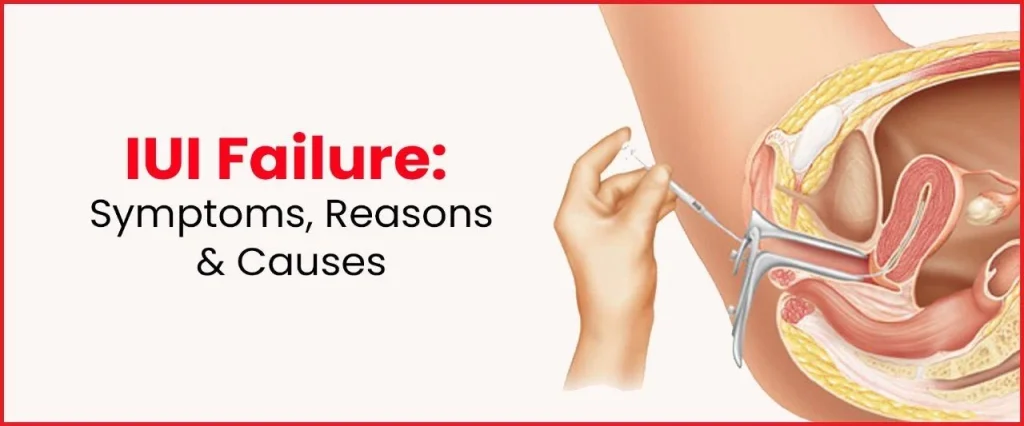
    illustration of IUI procedure with text on symptoms, reasons, and causes of IUI failure

    The Emotional Rollercoaster: Artificial Insemination vs Natural Conception

    The uncertainty of natural conception can also take a toll on a couple’s mental health. The constant questioning of “what if” and the pressure to conceive can lead to feelings of anxiety and stress. This, in turn, can affect a couple’s relationship, as they may become distant, irritable, and frustrated with each other.

    Moreover, the emotional rollercoaster of natural conception can also be influenced by external factors, such as family and friends. Constant questions and comments about when a couple will have a baby can add to the pressure and feelings of inadequacy. It is essential for couples to set boundaries and communicate their needs with their loved ones during this time.

    Coping with the Emotional Rollercoaster

    No matter which path a couple chooses, the emotional rollercoaster of trying to conceive can take a toll on their mental health and relationship. It is crucial for couples to find healthy ways to cope with these feelings and support each other through the ups and downs of the journey.

    One of the most important things couples can do is to communicate openly and honestly with each other. This means sharing their fears, frustrations, and hopes. It is also important to seek support from friends, family, or a therapist who can provide a safe space to express these emotions.

    Practicing self-care is also essential for couples going through this emotional rollercoaster. Taking care of one’s physical and mental well-being can help reduce stress and anxiety. This can include activities such as exercise, meditation, journaling, or spending quality time together as a couple.

    Conclusion

    The journey to parenthood is not an easy one, and it often comes with a range of intense emotions. For couples struggling with fertility issues, the decision to pursue artificial insemination or natural conception can bring its own set of emotional implications. It is crucial for couples to communicate, seek support, and practice self-care during this time to navigate the emotional rollercoaster and come out stronger together.

    Summary:

    The journey to parenthood can be an emotional rollercoaster, especially for couples facing fertility issues. One of the biggest decisions they may face is whether to pursue artificial insemination or try for natural conception. Both options come with their own set of benefits and challenges, as well as unique emotional implications. Artificial insemination can bring feelings of uncertainty, disappointment, and inadequacy, while natural conception can cause anxiety, stress, and pressure. It is essential for couples to communicate openly, seek support, and practice self-care during this emotional journey.

  • The Financial Burden: Artificial Insemination vs Natural Conception

    The decision to start a family is an exciting and life-changing one, but it also comes with a lot of financial considerations. One of the major factors to consider when trying to conceive is the method of conception, whether it be through artificial insemination or natural conception. Both options have their pros and cons, but they also come with a significant financial burden that can greatly impact a couple’s decision.

    Artificial insemination, also known as assisted reproductive technology (ART), is a method of conception that involves the insertion of sperm into a woman’s reproductive tract through methods such as intrauterine insemination (IUI) or in vitro fertilization (IVF). On the other hand, natural conception is the traditional method where a man’s sperm fertilizes a woman’s egg through sexual intercourse.

    The cost of artificial insemination can vary greatly depending on the specific method used and the individual’s needs. IUI, which involves placing sperm directly into the uterus, can cost anywhere from $300 to $1,000 per cycle. IVF, which involves fertilizing eggs in a laboratory and then transferring them into the uterus, can cost upwards of $10,000 per cycle. These costs do not include additional expenses such as medications, testing, and monitoring, which can add thousands of dollars to the overall cost.

    On the other hand, natural conception does not come with any direct costs, as it is free and can be done at any time. However, there are indirect costs associated with natural conception, such as prenatal care, delivery, and postnatal care. These costs can also add up, especially if there are any complications during pregnancy or delivery.

    One of the main reasons why people choose artificial insemination over natural conception is because of infertility issues. Infertility affects approximately 12% of couples in the United States, and the cost of fertility treatments can quickly add up. Many insurance plans do not cover these costs, leaving couples to bear the financial burden on their own. This can cause a significant strain on a couple’s finances and can lead to difficult decisions about whether to continue with treatment or pursue other options.

    Illustration of the uterus with a syringe, depicting the intrauterine insemination procedure.

    The Financial Burden: Artificial Insemination vs Natural Conception

    Another factor to consider is the success rates of each method. While artificial insemination can be more expensive, it also has a higher success rate than natural conception. According to the Centers for Disease Control and Prevention, the success rate for IVF in women under 35 is around 40%, while the success rate for IUI is around 10-20%. On the other hand, the success rate for natural conception decreases with age, with women over 35 having a lower chance of getting pregnant each month.

    Aside from the direct and indirect costs, there are other financial burdens that come with both methods of conception. Artificial insemination often requires multiple cycles and can be a long and emotionally draining process. This can result in time off work, which can have a significant impact on a couple’s income. Additionally, there are also costs associated with raising a child, such as childcare, education, and healthcare, that need to be considered.

    In contrast, natural conception may also lead to unexpected financial burdens. With the rise of high deductible health plans, the cost of prenatal care and delivery can be a lot more expensive than expected. Also, if there are any complications during pregnancy or delivery, the medical costs can quickly add up. Furthermore, the cost of raising a child can be unpredictable and can vary greatly depending on factors such as the child’s health and education needs.

    It is essential for couples to carefully consider the financial implications of both artificial insemination and natural conception before making a decision. The decision should not be solely based on cost, but consideration should also be given to the success rates, potential complications, and emotional toll of each method.

    Some couples may opt for a combination of both methods, where they try natural conception first and then pursue artificial insemination if unsuccessful. This can help to spread out the financial burden and give couples a better chance of conceiving.

    In summary, the financial burden of artificial insemination vs natural conception is a significant factor to consider when trying to start a family. While artificial insemination can be more expensive, it also offers higher success rates. On the other hand, natural conception may be cheaper, but it comes with its own set of financial burdens, including potential medical costs and the cost of raising a child. Ultimately, the decision should be based on what is best for the couple’s individual situation, taking into account their financial capabilities and chances of success.

  • A Look into the History: Artificial Insemination and Natural Conception

    Blog Post:

    In today’s world, many couples struggle with fertility issues and turn to alternative methods such as artificial insemination to conceive. However, the concept of artificial insemination is not a new one and has been used for centuries. In this blog post, we will take a closer look into the history of artificial insemination and compare it to natural conception.

    The first recorded use of artificial insemination dates back to ancient civilizations such as Egypt, where women would use a mixture of honey, crocodile dung, and fermented dough to conceive. In ancient Greece, Aristotle mentioned the use of a syringe to inject semen into the uterus of a woman. However, these methods were not widely accepted and were often seen as unnatural.

    It wasn’t until the 18th century that artificial insemination began to gain more recognition. In 1779, Italian physiologist Lazzaro Spallanzani conducted experiments on dogs that showed the possibility of fertilization through artificial insemination. This sparked an interest in the medical community and led to further research and experimentation.

    In the 19th century, advancements in technology and understanding of human reproduction led to the development of new techniques for artificial insemination. In 1884, French physiologist Charles Brown-Séquard reported successful pregnancies in rabbits using artificial insemination. This breakthrough paved the way for further research and experimentation in humans.

    The first recorded successful artificial insemination in humans was in 1884 by British physician William Pancoast. He used fresh semen from the husband and injected it into the cervix of the wife. This resulted in the birth of a healthy baby boy. However, due to ethical and moral concerns, the use of artificial insemination was not widely accepted.

    It wasn’t until the 20th century that artificial insemination gained more widespread acceptance. In the 1920s, Dr. John Rock, a pioneer in reproductive medicine, developed the first successful method of artificial insemination using frozen sperm. This allowed for easier storage and transportation of sperm, making the process more accessible to couples.

    In the 1940s, the first artificial insemination by donor (AID) was performed. This involved using sperm from a donor instead of the husband. This method was primarily used for couples with male infertility issues or for single women who wanted to have a child. However, it was not until the 1970s that AID became more widely accepted and regulated.

    diagram of a uterus with a syringe for intrauterine insemination procedure

    A Look into the History: Artificial Insemination and Natural Conception

    With advancements in technology, the process of artificial insemination became more refined and efficient. In the 1980s, the development of intrauterine insemination (IUI) allowed for the placement of sperm directly into the uterus, increasing the chances of fertilization. This method also reduced the risk of infection and discomfort for the woman.

    Today, artificial insemination is a common method used to help couples struggling with fertility issues. It has become more accessible and affordable, with success rates varying from 10-20%. However, the process of artificial insemination is not without its challenges. Some risks include infection, multiple pregnancies, and the possibility of passing on genetic diseases.

    On the other hand, natural conception remains the most common way for couples to conceive. It involves the fertilization of an egg by sperm during sexual intercourse. While it may seem like the most straightforward method, natural conception is not always as easy as it sounds. Many factors such as age, underlying health conditions, and lifestyle choices can affect a couple’s ability to conceive naturally.

    One of the significant differences between artificial insemination and natural conception is the level of control over the process. In artificial insemination, the timing and placement of sperm can be controlled, increasing the chances of fertilization. However, in natural conception, the timing and location of fertilization are not controlled, making it more unpredictable.

    Another difference is the genetic makeup of the child. In natural conception, the genetic material comes from both the mother and father, resulting in a unique combination of traits and characteristics. In artificial insemination, the genetic material comes primarily from the donor, which may be a concern for some couples.

    In conclusion, the history of artificial insemination is a fascinating one, dating back centuries and evolving over time. While it has become a common method for couples struggling with fertility issues, it is essential to understand the differences between artificial insemination and natural conception. Both methods have their advantages and disadvantages, and the decision ultimately lies with the couple.

    Summary:

    Artificial insemination has been used for centuries, with the earliest recorded methods dating back to ancient civilizations. However, it wasn’t until the 18th century that it gained more recognition and acceptance. The 20th century saw significant advancements in technology, making the process more accessible and efficient. Today, artificial insemination is a common method used by couples struggling with fertility issues, with a success rate of 10-20%. However, it is essential to understand the differences between artificial insemination and natural conception, which remains the most common way for couples to conceive.

  • The Risks Involved: Artificial Insemination and Natural Conception

    Blog Post: The Risks Involved: Artificial Insemination and Natural Conception

    Artificial insemination and natural conception are two commonly used methods for couples who are trying to conceive a child. Both methods have their own set of benefits and risks, and it is important for couples to understand and weigh these factors before making a decision. In this blog post, we will take a closer look at the risks involved in both artificial insemination and natural conception.

    Artificial Insemination:

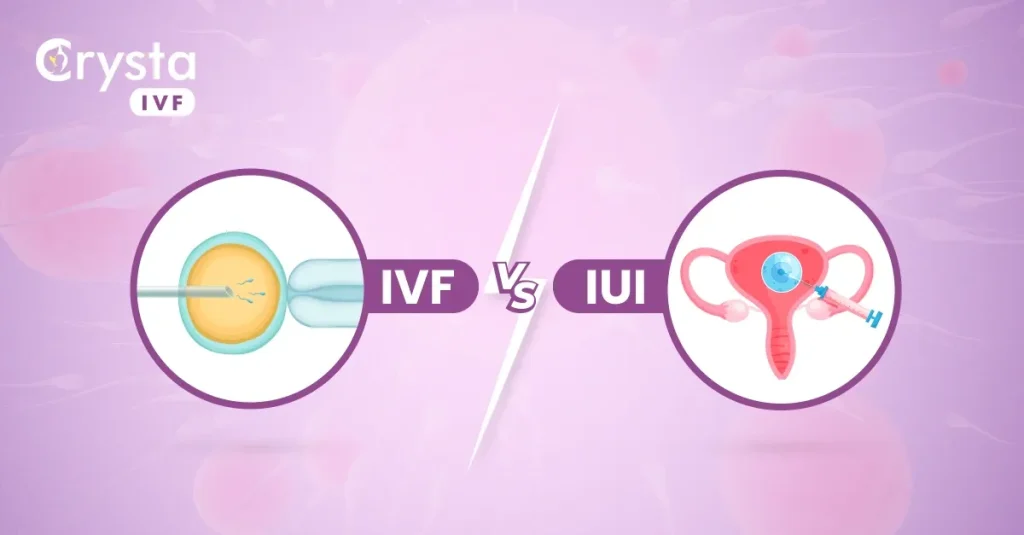
    Artificial insemination, also known as intrauterine insemination (IUI), is a fertility treatment that involves inserting sperm directly into the uterus. This can be done using either the partner’s sperm or a donor’s sperm. The procedure is relatively simple and can be performed in a doctor’s office without the need for anesthesia.

    One of the main risks associated with artificial insemination is the potential for multiple pregnancies. Because multiple eggs may be released during ovulation, there is a higher chance of conceiving twins or even triplets. While some couples may see this as a positive outcome, multiple pregnancies can also increase the risk of complications for both the mother and the babies.

    Another risk of artificial insemination is the potential for infection. Since the procedure involves inserting a catheter into the uterus, there is a risk of introducing bacteria or other pathogens into the reproductive system. This can lead to pelvic inflammatory disease (PID), which can cause scarring in the fallopian tubes and make it difficult for a woman to conceive naturally in the future.

    There is also a small risk of allergic reactions to the sperm or other substances used during the procedure. This is more common in women who have a history of allergies or sensitivities. It is important for couples to discuss any potential allergies with their doctor before undergoing the procedure.

    Natural Conception:

    Comparison of IVF and IUI procedures with illustrations of each method.

    The Risks Involved: Artificial Insemination and Natural Conception

    Natural conception, also known as sexual intercourse, is the most common way for couples to conceive a child. This method involves the fertilization of an egg by sperm in the woman’s fallopian tubes. While it is a natural and often successful way to conceive, there are still risks involved.

    One of the main risks of natural conception is the potential for sexually transmitted infections (STIs). If either partner has an untreated STI, it can be passed to the other partner during intercourse. This can lead to serious complications for both fertility and overall health.

    Another risk of natural conception is the potential for chromosomal abnormalities in the baby. As women age, the quality of their eggs decreases, which can increase the risk of genetic disorders in the baby. This risk is higher for women over the age of 35.

    Additionally, there is a risk of infertility in both men and women when trying to conceive naturally. Factors such as hormonal imbalances, blocked fallopian tubes, and low sperm count can make it difficult or even impossible for a couple to conceive without medical intervention.

    Which One is Right for You?

    When deciding between artificial insemination and natural conception, it is important to consider the individual risks and benefits of each method. Couples should also take into account their personal medical history and any potential fertility issues before making a decision.

    If a couple is struggling with fertility issues, artificial insemination may be a good option to increase their chances of conceiving. However, if they have a history of allergies or are concerned about the potential for multiple pregnancies, natural conception may be a better choice.

    It is also important to consult with a medical professional to discuss the best course of action. They can provide personalized recommendations based on the couple’s unique situation and help them make an informed decision.

    In conclusion, both artificial insemination and natural conception carry their own set of risks. It is important for couples to understand these risks and weigh them against the potential benefits before deciding on a method for conceiving. Consulting with a medical professional is key in making the best decision for a couple’s individual situation.