Navigating the World of Fertility: Supplements vs Medical Options
For many couples, starting a family is an exciting and cherished dream. However, for some, it may not come as easily as they had hoped. Fertility struggles can be emotionally and physically draining, leaving individuals feeling lost and unsure of where to turn. In recent years, the conversation around fertility has expanded, with more options and resources available for those struggling to conceive. Two popular options in this realm are fertility supplements and medical treatments. In this blog post, we will discuss the differences between these two options, and how to navigate the world of fertility to find the best approach for you.
Understanding Fertility Supplements
Fertility supplements are becoming increasingly popular as a natural and non-invasive option for those experiencing fertility issues. These supplements typically contain a combination of vitamins, minerals, and herbs that are believed to improve fertility. Some of the most commonly used ingredients in fertility supplements include folic acid, zinc, and chasteberry. These supplements are often marketed as a way to boost fertility by regulating hormones, improving egg and sperm quality, and increasing overall reproductive health.
Pros and Cons of Fertility Supplements
One of the main benefits of fertility supplements is that they are easily accessible and can be purchased over the counter without a prescription. They are also generally considered safe, with minimal side effects. Additionally, some studies have shown that certain ingredients in fertility supplements, such as folic acid, can indeed improve fertility.
However, there are also some downsides to consider when it comes to fertility supplements. Firstly, they are not regulated by the FDA, meaning that the claims made by manufacturers may not be backed by scientific evidence. Additionally, the effectiveness of these supplements can vary greatly, and they may not work for everyone. It is also essential to note that supplements cannot treat underlying medical conditions that may be causing fertility issues.
Understanding Medical Options
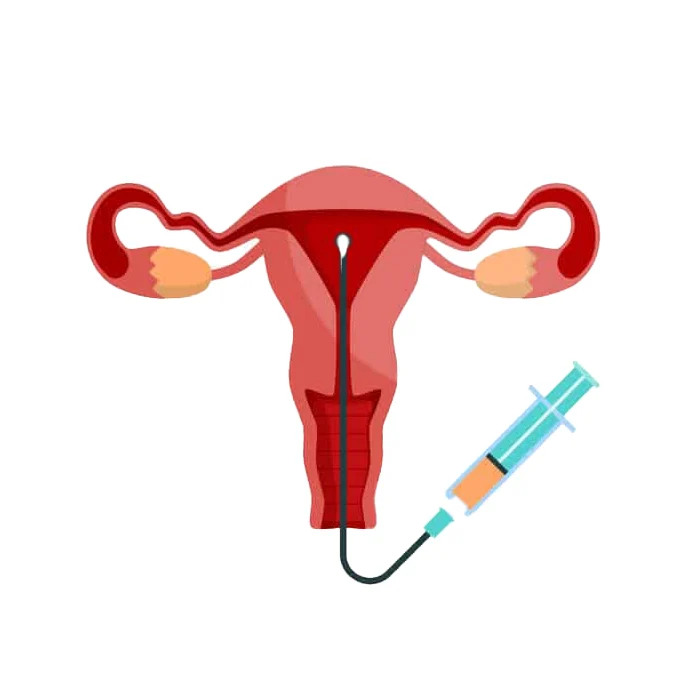
Medical options for fertility treatment range from basic medications to more invasive procedures such as intrauterine insemination (IUI) and in vitro fertilization (IVF). These treatments are typically recommended for couples who have been trying to conceive for a year or more without success.
Navigating the World of Fertility: Supplements vs Medical Options
Medications such as clomiphene and letrozole are often used to stimulate ovulation in women. In cases of male infertility, medications such as hCG and clomiphene may be prescribed to improve sperm count and motility. IUI involves placing sperm directly into the uterus, while IVF involves retrieving eggs from the ovaries and fertilizing them with sperm in a laboratory setting before transferring the embryo back into the uterus.
Pros and Cons of Medical Options
One of the most significant advantages of medical treatments is that they are highly effective for many couples struggling with fertility issues. IVF, in particular, has a success rate of 40% for women under 35 and is often the last resort for those who have tried other methods without success. Medical treatments also have the advantage of being closely monitored by medical professionals, ensuring the best possible chances of success.
However, medical options for fertility treatment can be very expensive, with IVF costing upwards of $12,000 per cycle. They also carry a higher risk of complications and side effects, and the emotional toll of undergoing these treatments can be significant. It is also crucial to note that these treatments do not guarantee pregnancy and may not work for everyone.
Navigating the World of Fertility
When it comes to choosing between fertility supplements and medical options, there is no one-size-fits-all solution. It is crucial to consult with a fertility specialist to determine the best course of action for your particular situation. This may involve a combination of both supplements and medical treatments.
Supplements may be a good starting point for those who are not ready to try more invasive options, or for those with mild fertility issues. They can also be used in conjunction with medical treatments to support overall reproductive health. However, for those with underlying medical conditions or more severe fertility issues, medical treatments may be the best and most effective option.
It is also essential to remember that both supplements and medical treatments are just one aspect of the fertility journey. Maintaining a healthy diet and lifestyle, reducing stress, and seeking emotional support can also greatly impact fertility.
Summary
Fertility struggles can be challenging, but with the increasing options available, there is hope for those wanting to start a family. Fertility supplements offer a natural and non-invasive option for improving fertility, while medical treatments provide a more targeted and effective approach for those with underlying medical conditions. The key is to consult with a fertility specialist and find the best approach for your individual needs, whether it be supplements, medical treatments, or a combination of both.