Tag: women’s health

  • The Benefits of Fertility Massage for Women with Polycystic Ovary Syndrome (PCOS)

    Polycystic Ovary Syndrome (PCOS) is a hormonal disorder that affects around 1 in 10 women of childbearing age. It is characterized by irregular menstrual cycles, excess androgen production, and the formation of cysts on the ovaries. PCOS can have a significant impact on a woman’s reproductive health and fertility, making it difficult to conceive. While there is no cure for PCOS, there are various treatments available to manage symptoms and improve fertility. One of these treatments is fertility massage, a holistic approach that has shown promising results for women with PCOS. In this blog post, we will explore the benefits of fertility massage for women with PCOS and how it can help in their journey towards motherhood.

    What is Fertility Massage?
    Fertility massage is a specialized form of massage therapy that focuses on the reproductive organs and the surrounding areas. It combines techniques from various massage modalities, such as deep tissue massage, acupressure, and reflexology, to help improve blood flow, release tension, and promote relaxation in the reproductive organs. Fertility massage is a non-invasive and natural approach to improving reproductive health and fertility.

    How does PCOS affect fertility?
    PCOS can have a significant impact on a woman’s fertility due to the hormonal imbalances and other symptoms associated with the condition. The most common symptoms of PCOS include irregular menstrual cycles, excess androgen production, and the formation of cysts on the ovaries. These factors can lead to difficulties in ovulation, making it challenging to conceive. Furthermore, PCOS can also increase the risk of complications during pregnancy, such as gestational diabetes, preeclampsia, and preterm birth.

    How can fertility massage help women with PCOS?
    1. Regulates menstrual cycles
    Fertility massage can help regulate menstrual cycles in women with PCOS. By targeting the reproductive organs, fertility massage can improve blood flow to the ovaries and uterus, promoting hormonal balance and regular ovulation. Regular fertility massage sessions have been shown to help women with PCOS have more regular menstrual cycles, making it easier to track ovulation and increase the chances of conception.

    2. Reduces stress and anxiety
    Stress and anxiety can have a detrimental effect on reproductive health and fertility. Women with PCOS often experience higher levels of stress due to the challenges they face in trying to conceive. Fertility massage can help alleviate stress and anxiety by promoting relaxation and reducing tension in the body. The massage techniques used in fertility massage can also stimulate the release of endorphins, the “feel-good” hormones, which can help improve mood and reduce stress levels.
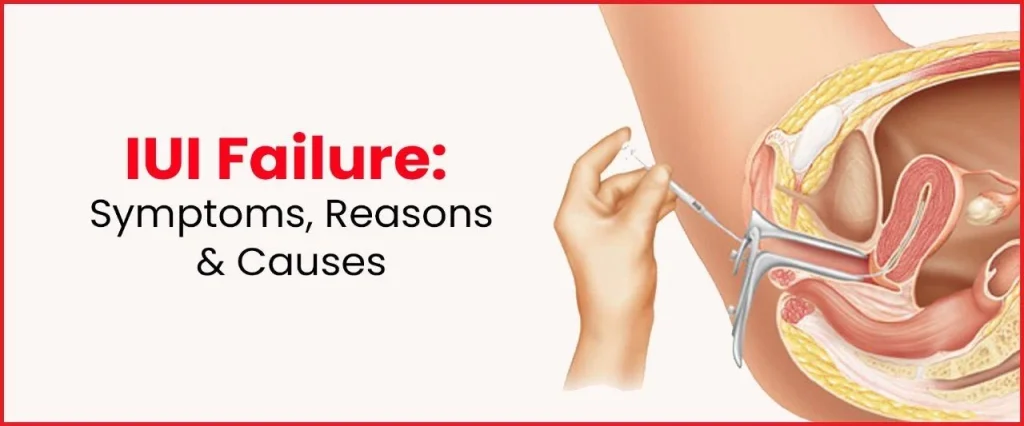
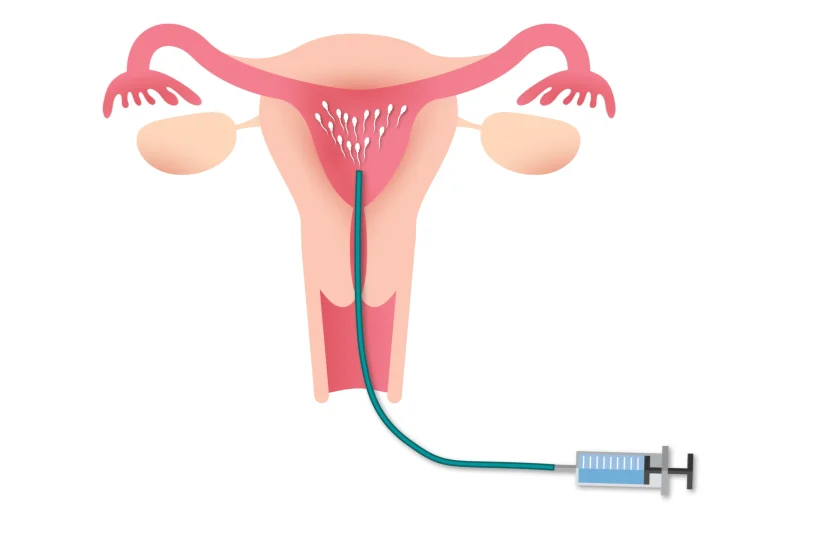
    illustration of IUI procedure with text on symptoms, reasons, and causes of IUI failure

    The Benefits of Fertility Massage for Women with Polycystic Ovary Syndrome (PCOS)

    3. Improves ovarian function
    PCOS can lead to the formation of cysts on the ovaries, which can affect ovarian function and ovulation. Fertility massage can help break up these cysts and improve blood flow to the ovaries, promoting better ovarian function. This can increase the chances of ovulation and improve fertility in women with PCOS.

    4. Balances hormones
    Hormonal imbalances are a hallmark of PCOS, and they can have a significant impact on fertility. Fertility massage can help balance hormones by stimulating the endocrine system and promoting the release of hormones that regulate the menstrual cycle and ovulation. This can help restore hormonal balance in women with PCOS and improve their chances of conceiving.

    5. Promotes relaxation and self-care
    Trying to conceive can be a stressful and overwhelming experience, especially for women with PCOS. Fertility massage provides a safe and nurturing space for women to relax and focus on their reproductive health. It also encourages self-care, which is essential for managing PCOS symptoms and promoting overall well-being.

    In conclusion, fertility massage can be a beneficial treatment for women with PCOS who are trying to conceive. It can help regulate menstrual cycles, reduce stress and anxiety, improve ovarian function, balance hormones, and promote relaxation and self-care. However, it is crucial to note that fertility massage should not be used as a standalone treatment for PCOS. It should be incorporated as part of a holistic approach to managing the condition, along with proper nutrition, exercise, and other recommended treatments.

    In summary, fertility massage is a specialized form of massage therapy that focuses on the reproductive organs and surrounding areas. It can help women with PCOS in various ways, such as regulating menstrual cycles, reducing stress and anxiety, improving ovarian function, balancing hormones, and promoting relaxation and self-care. However, it should be used as part of a holistic approach to managing PCOS and improving fertility.

  • A Step-by-Step Guide to Fertility Massage: Techniques to Try at Home

    Fertility is a topic that holds great significance for many women and couples. It is a natural desire to want to start a family and experience the joy of parenthood. However, for some, this journey may not be as easy as expected. Many factors can affect fertility, such as stress, hormonal imbalances, and reproductive issues. While there are medical interventions available, some people may prefer a more holistic approach. This is where fertility massage comes in. Fertility massage is a natural and non-invasive method that can help improve reproductive health and increase the chances of conception. In this blog post, we will provide a step-by-step guide to fertility massage techniques that you can try at home.

    Step 1: Prepare Yourself and Your Space
    Before beginning any massage, it is essential to create a relaxing and comfortable environment. Find a quiet and private space in your home where you feel at ease. You can play some soothing music or light some candles to create a calming ambiance. Make sure to wear loose and comfortable clothing and remove any jewelry that may get in the way during the massage.

    Step 2: Abdominal Massage
    The first technique in fertility massage is the abdominal massage. This massage helps to increase blood flow to the reproductive organs, improve digestion, and release tension in the abdomen. To perform this massage, lie down on your back with your knees bent. Place your hands on your lower abdomen and make gentle circular motions using your fingertips. Slowly move your hands outwards towards your pelvic bones and then back to your starting position. Repeat this motion for 5-10 minutes.

    Step 3: Ovarian Massage
    The next technique is the ovarian massage, which helps to increase ovarian function and stimulate the release of eggs. To perform this massage, use your fingers to gently massage the area above your pubic bone in a circular motion. You can also apply a light pressure on the sides of your lower abdomen. This massage should be done for about 5 minutes.

    Step 4: Reflexology Points
    Reflexology is a traditional practice that involves applying pressure to specific points on the body to stimulate healing. There are certain reflexology points on the feet that are believed to be connected to the reproductive organs. To perform this technique, sit comfortably and place your left foot over your right knee. Use your thumb to apply pressure on the reflexology points on your left foot, which are located in the area between the big toe and the second toe. Hold this pressure for a few seconds, release, and repeat on the other foot.

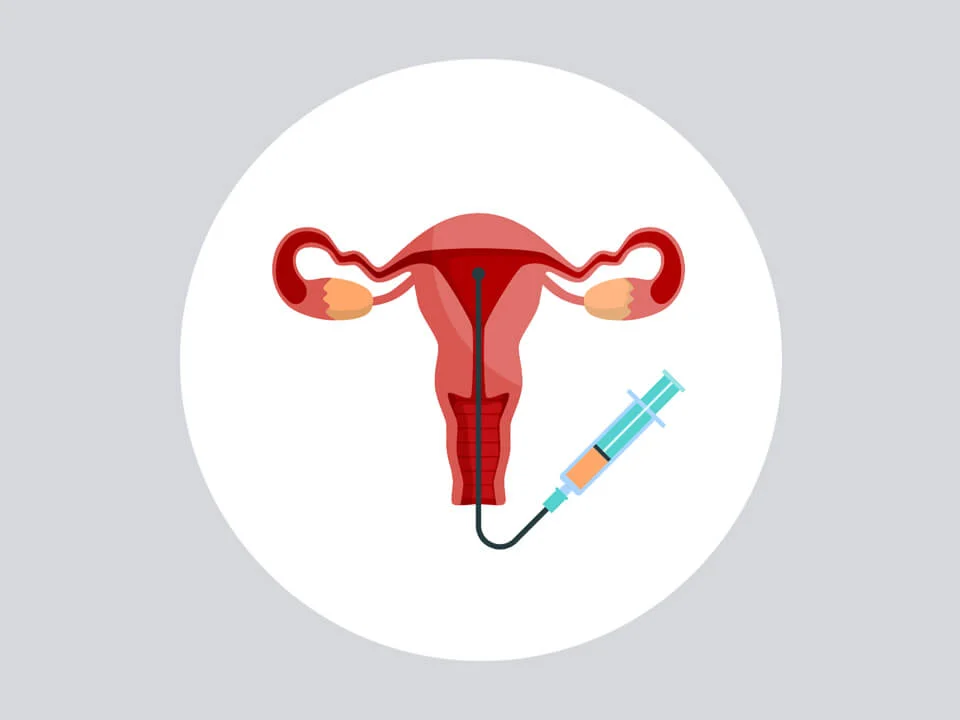
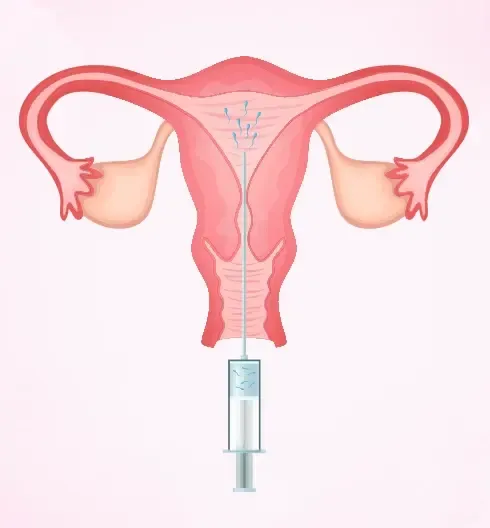
    Illustration of a uterus with a syringe indicating an intrauterine insemination procedure.

    A Step-by-Step Guide to Fertility Massage: Techniques to Try at Home

    Step 5: Lower Back Massage
    The lower back massage helps to release tension in the lower back, which can affect the reproductive organs. Lie down on your stomach, and have your partner or a massage tool gently massage your lower back using circular motions. You can also try using a tennis ball to roll on your lower back for added pressure.

    Step 6: Self-Care and Relaxation
    After completing the fertility massage techniques, it is essential to take some time for self-care and relaxation. You can take a warm bath, meditate, or do some gentle stretches. This will help you to de-stress and promote a healthy mind-body connection, which is crucial for fertility.

    It is important to note that fertility massage should not be performed during menstruation, pregnancy, or if you have any reproductive health conditions. If you are unsure, it is best to consult with a certified fertility massage therapist.

    In conclusion, fertility massage is a natural and effective way to improve reproductive health and increase the chances of conception. By following the step-by-step guide above, you can perform these techniques at home and incorporate them into your self-care routine. Along with proper nutrition, exercise, and stress management, fertility massage can be a beneficial tool on your journey to parenthood. Remember to listen to your body and take breaks when needed. With patience and dedication, you can support your reproductive health and achieve your fertility goals.

    In summary, fertility massage is a natural and non-invasive method that can help improve reproductive health and increase the chances of conception. This blog post provides a step-by-step guide to fertility massage techniques that can be performed at home. The techniques include abdominal and ovarian massages, reflexology points, and lower back massages. It is important to create a relaxing environment and practice self-care and relaxation after the massage. It is also recommended to consult with a certified fertility massage therapist and avoid performing the massage during menstruation, pregnancy, or if you have any reproductive health conditions. By incorporating fertility massage into your self-care routine, along with proper nutrition and stress management, you can support your reproductive health and increase your chances of conceiving.

  • Fertility Yoga vs Traditional Exercise: Which Is More Beneficial for Women with Unexplained Infertility?

    Blog Post:

    When it comes to dealing with infertility, women often face a lot of physical and emotional challenges. While there are many different approaches to addressing fertility issues, one that has gained popularity in recent years is fertility yoga. This specialized form of yoga is said to have benefits for women with unexplained infertility, but how does it compare to traditional exercise? In this blog post, we will explore the differences between fertility yoga and traditional exercise, and which one may be more beneficial for women dealing with unexplained infertility.

    Understanding Fertility Yoga:

    Fertility yoga is a form of yoga that is specifically designed to support and enhance reproductive health. It combines traditional yoga poses with breathing techniques and meditation, all aimed at improving hormonal balance, reducing stress, and increasing blood flow to the reproductive organs. The practice is based on the belief that by releasing tension and blocked energy in the body, women can increase their chances of conception.

    One of the main advantages of fertility yoga is that it is gentle and low-impact, making it suitable for women of all ages and fitness levels. It also focuses on specific poses that target the reproductive organs, such as the butterfly pose, which is thought to improve blood flow to the pelvic area and stimulate the ovaries.

    The Benefits of Traditional Exercise:

    On the other hand, traditional exercise, such as cardio and strength training, has been proven to have numerous benefits for overall health and well-being. Regular physical activity can help maintain a healthy weight, improve cardiovascular health, and reduce stress levels. Studies have also shown that exercise can have positive effects on fertility, especially for women with polycystic ovary syndrome (PCOS).

    Additionally, traditional forms of exercise can also improve overall body function and increase energy levels, which can be helpful for women dealing with fertility issues. Exercise can also be a great way to relieve stress and boost mood, which can be beneficial for women going through the emotional rollercoaster of trying to conceive.

    Fertility Yoga vs Traditional Exercise: Which is More Beneficial for Women with Unexplained Infertility?

    While both fertility yoga and traditional exercise have their own unique benefits, it’s important to consider which one may be more beneficial for women with unexplained infertility. According to fertility experts, there is no one-size-fits-all approach to fertility, and what works for one woman may not work for another. However, there are some key factors to consider when deciding between fertility yoga and traditional exercise.

    Illustration of IUI procedure with uterus and syringe against a DNA background.

    Fertility Yoga vs Traditional Exercise: Which Is More Beneficial for Women with Unexplained Infertility?

    1. Stress Reduction:

    Stress is a major factor in fertility, and it can have a significant impact on a woman’s ability to conceive. Fertility yoga is specifically designed to reduce stress levels through breathing techniques and meditation. By calming the mind and releasing tension in the body, fertility yoga may help regulate hormones and improve reproductive health.

    On the other hand, traditional exercise can also be an effective stress-reliever. However, it’s important to choose activities that bring joy and relaxation rather than adding more pressure to an already stressful situation. For some women, the intensity of traditional exercise may actually increase stress levels and have a negative impact on fertility.

    2. Hormonal Balance:

    Hormonal imbalances can be a major factor in unexplained infertility. Fertility yoga is believed to help balance hormones by stimulating the endocrine system and improving blood flow to the reproductive organs. This can be especially beneficial for women with conditions such as PCOS, where hormonal imbalances play a significant role in fertility.

    While traditional exercise does not have a direct effect on hormonal balance, it can help regulate hormones indirectly by promoting a healthy weight and reducing stress levels. It’s also important to note that excessive exercise can have a negative impact on hormonal balance, so it’s important to find a balance and not overdo it.

    3. Physical Limitations:

    As mentioned earlier, fertility yoga is a low-impact form of exercise that is gentle on the body. This makes it suitable for women with physical limitations or injuries, making it a more accessible option for those with fertility issues. Traditional exercise, on the other hand, can be more challenging and may not be suitable for women with certain medical conditions.

    Summary:

    In conclusion, both fertility yoga and traditional exercise have their own unique benefits for women with unexplained infertility. Fertility yoga may be more beneficial for those looking for a low-impact, stress-reducing form of exercise that specifically targets the reproductive organs. On the other hand, traditional exercise can also have positive effects on fertility, especially when it comes to managing stress and maintaining a healthy weight. Ultimately, the best approach will depend on each individual’s needs and preferences.

  • Fertility Yoga: A Holistic Approach to Improving Fertility and Preparing for Motherhood

    Blog Post Title: Fertility Yoga: A Holistic Approach to Improving Fertility and Preparing for Motherhood

    Summary:

    Fertility is a complex and deeply personal journey for many women. It can be filled with challenges, emotions, and uncertainty. While there are many medical treatments and interventions available, some women are turning to a holistic approach to improve their fertility and prepare for motherhood: fertility yoga.

    Fertility yoga is a specific type of yoga practice that focuses on supporting reproductive health and increasing fertility. It combines physical postures, breathing exercises, and meditation to create a mind-body connection that can positively impact fertility. In this blog post, we will explore the benefits of fertility yoga, how it can improve fertility, and how it can prepare women for motherhood.

    One of the main benefits of fertility yoga is its ability to reduce stress and anxiety. The journey of trying to conceive can be incredibly stressful and emotionally draining. This stress can have a negative impact on fertility by disrupting hormone levels and ovulation. Fertility yoga helps to calm the mind and relax the body, reducing stress levels and creating a more positive environment for conception.

    Fertility yoga also focuses on specific postures and exercises that target the reproductive organs. These postures increase blood flow to the pelvic area, which can improve the health of the ovaries and uterus. They can also help to release tension in the hips and lower back, which can be beneficial for women with conditions such as endometriosis or polycystic ovary syndrome (PCOS).

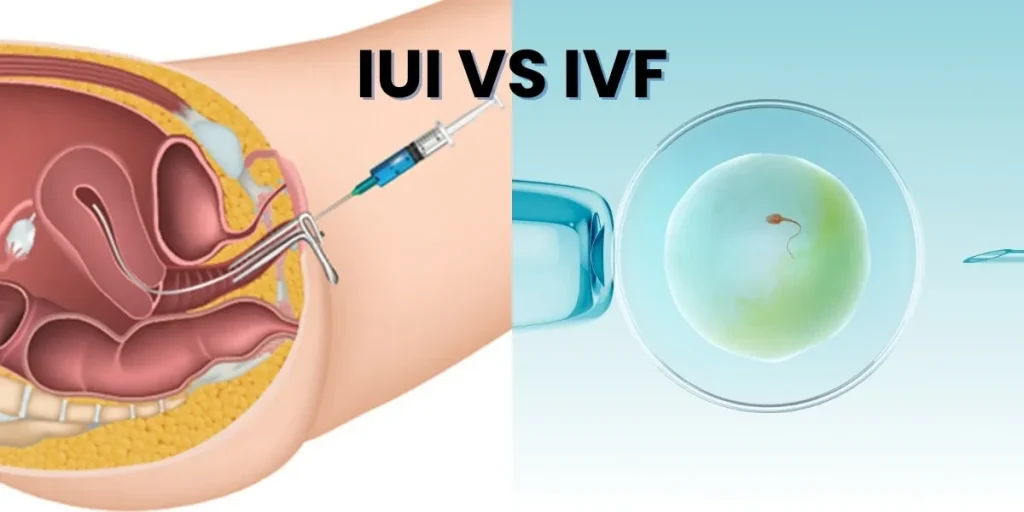
    IVF vs IUI comparison graphic highlighting reproductive methods for aspiring parents.

    Fertility Yoga: A Holistic Approach to Improving Fertility and Preparing for Motherhood

    Additionally, fertility yoga can balance the endocrine system, which is responsible for producing and regulating hormones. Imbalances in hormones can affect fertility, and practicing fertility yoga can help to restore balance and improve reproductive health. The practice also stimulates the parasympathetic nervous system, which is responsible for promoting relaxation and healing in the body.

    Aside from the physical benefits, fertility yoga also focuses on the emotional and spiritual aspects of fertility. The practice encourages women to connect with their bodies and their intuition. It can help women to release emotional blocks and trauma that may be impacting their fertility. Fertility yoga can also help women to cultivate self-love and acceptance, which is crucial for preparing for motherhood.

    Another aspect of fertility yoga is its emphasis on mindfulness and meditation. This practice can help women to become more present and aware of their bodies and their thoughts. It can also help to reduce negative thought patterns and promote a more positive mindset. Cultivating a positive mindset is essential for fertility, as stress and negative thinking can have a significant impact on reproductive health.

    Fertility yoga is not just about improving fertility; it also helps women to prepare for motherhood. The physical postures and exercises can help to strengthen the body and prepare it for the physical demands of pregnancy and childbirth. The deep breathing and relaxation techniques can also be beneficial during labor and delivery. Furthermore, the emotional and spiritual aspects of fertility yoga can help women to feel more connected and ready for the journey of motherhood.

    In addition to the physical and emotional benefits, fertility yoga also offers a supportive community for women on their fertility journey. Many fertility yoga classes and workshops are specifically designed for women trying to conceive, creating a safe and understanding space for women to come together and share their experiences. This sense of community and support can be incredibly empowering and comforting for women going through the challenges of fertility.

    In conclusion, fertility yoga offers a holistic approach to improving fertility and preparing for motherhood. Its combination of physical postures, breathing exercises, and mindfulness techniques can have a positive impact on reproductive health, reduce stress and anxiety, and prepare women for the journey of motherhood. Along with medical treatments, fertility yoga can be a valuable tool for women on their fertility journey.

  • Traditional Exercise vs Fertility Yoga: Which Is More Suitable for Women with Pelvic Inflammatory Disease?

    Traditional Exercise vs Fertility Yoga: Which Is More Suitable for Women with Pelvic Inflammatory Disease?

    Pelvic Inflammatory Disease (PID) is a common infection in women that affects the reproductive organs, including the uterus, ovaries, and fallopian tubes. It is usually caused by sexually transmitted infections, such as chlamydia and gonorrhea, and can lead to long-term complications, including infertility. While medical treatments are essential for managing PID, there are also alternative therapies, such as traditional exercise and fertility yoga, that can help women with PID regain their health and fertility. In this blog post, we will explore the benefits and effectiveness of traditional exercise and fertility yoga for women with PID and which may be more suitable for their specific needs.

    Traditional Exercise for Women with PID:
    Traditional exercise, such as cardio, strength training, and stretching, has been proven to have numerous benefits for overall health and well-being. For women with PID, traditional exercise can help reduce inflammation, improve blood flow to the reproductive organs, and boost the immune system. It can also help manage symptoms such as pelvic pain and discomfort, which are common in women with PID.

    Cardio exercises, such as running, cycling, and swimming, can improve cardiovascular health and help with weight management, which is essential for women with PID as being overweight can increase the risk of complications. Strength training, on the other hand, can increase muscle mass and strength, which can help support the pelvic organs and improve overall pelvic floor health. Stretching exercises, such as yoga or Pilates, can improve flexibility and reduce tension in the pelvic area, providing relief from pelvic pain and discomfort.

    While traditional exercise has numerous benefits for women with PID, it is essential to keep in mind that not all forms of exercise may be suitable. High-intensity exercises and heavy lifting may put strain on the pelvic area, potentially worsening symptoms and causing discomfort. It is crucial to consult with a doctor or a certified trainer before engaging in any exercise routine and to modify exercises as needed to avoid any further complications.

    Fertility Yoga for Women with PID:
    Fertility yoga is a specific form of yoga that focuses on improving reproductive health and increasing fertility. It involves a series of poses, breathing techniques, and meditation that can help reduce stress, balance hormones, and improve blood flow to the reproductive organs. It can also help with managing symptoms of PID, such as pelvic pain and inflammation, and improve overall well-being.

    diagram of a uterus with a syringe for intrauterine insemination procedure

    Traditional Exercise vs Fertility Yoga: Which Is More Suitable for Women with Pelvic Inflammatory Disease?

    One of the key benefits of fertility yoga for women with PID is its ability to reduce stress. Stress can have a significant impact on reproductive health, and women with PID may experience higher levels of stress due to their condition. Fertility yoga can help manage stress levels, which in turn can improve the chances of conception.

    In addition to reducing stress, fertility yoga can also help balance hormones. Hormonal imbalances are common in women with PID, and they can affect ovulation and fertility. Fertility yoga poses, such as the supported bridge pose, can help stimulate the endocrine glands responsible for hormone production, promoting hormonal balance and improving fertility.

    Fertility yoga can also help improve blood flow to the reproductive organs. This is crucial for women with PID, as inflammation and scarring in the reproductive organs can affect blood flow and potentially lead to fertility issues. Specific poses, such as the bound angle pose, can help increase blood flow to the pelvic area, providing relief from inflammation and promoting healing.

    Which Is More Suitable for Women with PID?
    Both traditional exercise and fertility yoga have their benefits for women with PID, and the most suitable option may vary depending on the individual’s specific needs and preferences. Traditional exercise can provide overall health benefits, including reducing inflammation and improving blood flow, while fertility yoga has a specific focus on reproductive health and fertility.

    Women with PID may benefit from incorporating a combination of both traditional exercise and fertility yoga into their routine. Low-impact exercises, such as swimming and yoga, can help improve overall health and fertility without putting too much strain on the pelvic area. It is essential to consult with a healthcare professional before starting any exercise routine and to listen to your body to avoid any discomfort or worsening of symptoms.

    In summary, traditional exercise and fertility yoga can both be beneficial for managing PID and improving reproductive health. Both options come with their unique benefits, and the most suitable choice may vary from person to person. It is essential to consult with a healthcare professional and listen to your body to find the right exercise routine for your specific needs and to practice caution to avoid any complications.

  • Fertility Yoga: A Natural and Nurturing Practice for Women Trying to Conceive

    Blog Post: Fertility Yoga: A Natural and Nurturing Practice for Women Trying to Conceive

    Fertility is a topic that has always been surrounded by myths, misconceptions, and even taboos. For many women, the journey to conceive can be a challenging and emotionally draining experience. While there are medical interventions available, more and more women are turning to alternative methods to boost their fertility. One such method is fertility yoga, which has gained popularity in recent years for its natural and nurturing approach to fertility. In this blog post, we will explore the benefits of fertility yoga and how it can support women on their journey to conceive.

    What is Fertility Yoga?

    Fertility yoga is a form of yoga specifically designed to support women who are trying to conceive. It combines traditional yoga poses with breathing techniques, meditation, and relaxation exercises to create a holistic practice that promotes physical, mental, and emotional well-being. Fertility yoga is not a quick fix, but rather a long-term approach to improving overall health and fertility.

    Benefits of Fertility Yoga

    1. Reduces Stress and Anxiety

    Stress and anxiety can have a significant impact on a woman’s fertility. When the body is under stress, it produces cortisol, a hormone that can interfere with the production of reproductive hormones. Fertility yoga helps to reduce stress and anxiety through the practice of deep breathing and relaxation techniques. This, in turn, can help to regulate hormone levels and improve fertility.

    2. Improves Blood Flow to the Reproductive Organs

    The various yoga poses and movements in fertility yoga help to improve blood flow to the reproductive organs, including the ovaries and uterus. This increased blood flow brings fresh oxygen and nutrients to these organs, promoting their health and function. It can also help to reduce inflammation and tension in the pelvic area, which can have a positive effect on fertility.

    Illustration of a uterus with a syringe, representing intrauterine insemination (IUI) procedure.

    Fertility Yoga: A Natural and Nurturing Practice for Women Trying to Conceive

    3. Balances Hormones

    Hormonal imbalances can affect a woman’s fertility by disrupting the menstrual cycle and ovulation. Fertility yoga can help to balance hormonal levels by stimulating the endocrine system, which is responsible for the production of hormones. The practice of specific poses, such as the supported bridge pose and the seated forward bend, can also have a direct effect on the reproductive glands, helping to regulate hormone production.

    4. Increases Mind-Body Connection

    Fertility yoga is not just about the physical practice; it also incorporates mindfulness and meditation techniques. These practices help to cultivate a deeper mind-body connection, which can be beneficial for women trying to conceive. By becoming more in tune with their bodies, women can better understand their menstrual cycles and ovulation, making it easier to time intercourse for conception.

    5. Supports Emotional Well-being

    The journey to conceive can be an emotional rollercoaster, filled with excitement, hope, and disappointment. Fertility yoga can provide a safe and nurturing space for women to process their emotions and release any tension or stress they may be carrying. The practice of yoga, meditation, and breathing exercises can also help to improve mood, reduce anxiety and depression, and promote overall emotional well-being.

    How to Practice Fertility Yoga

    Unlike traditional yoga, fertility yoga is not a one-size-fits-all practice. It is essential to find a qualified yoga instructor who specializes in fertility yoga and can guide you through a personalized practice based on your specific needs and goals. It is recommended to start with a few basic poses, such as the butterfly pose, legs up the wall pose, and the supported bridge pose, and gradually add more poses and techniques as you become more comfortable with the practice.

    Summary

    Fertility yoga is a natural and nurturing practice that can support women on their journey to conceive. It combines traditional yoga poses, breathing techniques, meditation, and relaxation exercises to promote physical, mental, and emotional well-being. Fertility yoga can help to reduce stress and anxiety, improve blood flow to the reproductive organs, balance hormones, increase mind-body connection, and support emotional well-being. It is essential to find a qualified instructor and personalize the practice based on individual needs and goals.

  • Traditional Exercise vs Fertility Yoga: Which Is More Suitable for Women with High-Stress Lifestyles?

    Traditional Exercise vs Fertility Yoga: Which Is More Suitable for Women with High-Stress Lifestyles?

    For many women, trying to balance a high-stress lifestyle with the desire to conceive can be a daunting challenge. The constant demands of work, family, and personal responsibilities can take a toll on both physical and mental health, making it difficult to conceive. As a result, many women turn to exercise as a way to manage stress and improve their overall well-being. However, when it comes to fertility, not all forms of exercise are created equal. In recent years, fertility yoga has gained popularity as a way to support and enhance fertility. But how does it compare to traditional exercise? In this blog post, we will explore the benefits and drawbacks of both traditional exercise and fertility yoga for women with high-stress lifestyles.

    Traditional Exercise: The Pros and Cons

    Traditional exercise, such as running, cycling, weightlifting, and aerobics, has been a staple in many women’s fitness routines for decades. And for good reason – it offers numerous benefits, including improved cardiovascular health, weight management, and increased strength and endurance. However, for women with high-stress lifestyles, traditional exercise may not be the best option when it comes to fertility.

    Intense exercise routines can trigger a stress response in the body, leading to an increase in the production of cortisol, also known as the “stress hormone.” This can disrupt the delicate balance of hormones necessary for ovulation and conception. In fact, research has shown that women who engage in high-intensity exercise may have a harder time conceiving compared to those who engage in moderate exercise or no exercise at all.

    Moreover, traditional exercise can also be time-consuming and physically demanding, which may not be suitable for women who are trying to conceive. It can also add to the overall stress levels, as trying to fit a workout routine into an already hectic schedule can be overwhelming.

    On the other hand, traditional exercise can also have some positive effects on fertility. It can help manage weight and improve overall health, which can indirectly support fertility. Exercise can also be a great way to release tension and clear the mind, making it a useful tool for managing stress. However, it is crucial to find a balance and not overdo it, as too much exercise can have adverse effects on fertility.

    Fertility Yoga: The Pros and Cons

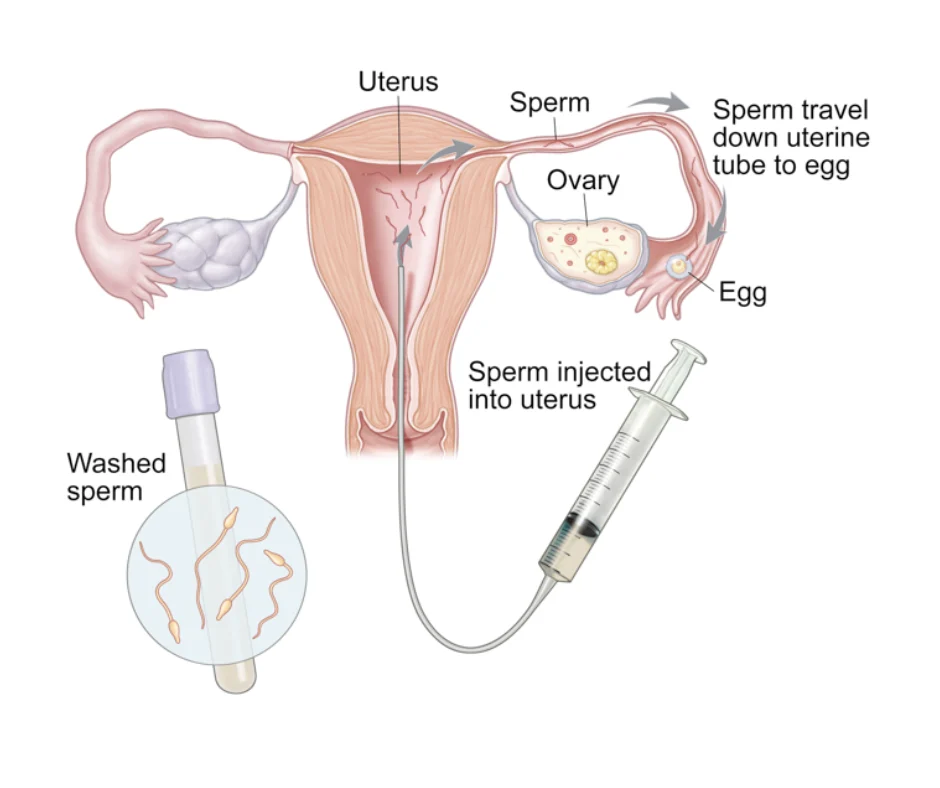
    diagram illustrating intrauterine insemination process, showing sperm injection into the uterus and egg fertilization pathway

    Traditional Exercise vs Fertility Yoga: Which Is More Suitable for Women with High-Stress Lifestyles?

    Fertility yoga, also known as fertility-enhancing yoga, is a specialized form of yoga that aims to support and enhance fertility. It combines gentle yoga poses, breathing techniques, and meditation to help reduce stress, improve blood flow to the reproductive organs, and balance hormones.

    One of the main benefits of fertility yoga is its ability to reduce stress levels. The practice of deep breathing and mindfulness in yoga can help activate the parasympathetic nervous system, also known as the “rest and digest” response, which can counteract the effects of stress on the body. This, in turn, can help regulate hormone levels and promote ovulation.

    Moreover, fertility yoga also focuses on specific poses that target the reproductive organs and improve blood flow to these areas, which can be beneficial for fertility. It can also help release tension and emotional blockages, which may be hindering conception.

    However, fertility yoga may not be suitable for everyone. It requires a certain level of flexibility, which can be challenging for some women, especially those who are new to yoga. It also takes time to see results, and it may not be the right fit for women who are looking for a quick fix. Additionally, women with certain medical conditions, such as endometriosis or polycystic ovary syndrome (PCOS), should consult with their doctor before starting a fertility yoga practice.

    Which Is More Suitable for Women with High-Stress Lifestyles?

    In the end, the best form of exercise for women with high-stress lifestyles may vary from person to person. Some women may find that a combination of traditional exercise and fertility yoga works best for them, while others may benefit more from one over the other.

    For women who are already engaged in traditional exercise, finding ways to incorporate stress-reducing activities, such as yoga or meditation, can be beneficial. It is also essential to listen to your body and not push yourself too hard, as this can have a negative impact on your fertility.

    On the other hand, women who are new to exercise and are trying to conceive may want to start with fertility yoga. It offers a gentle and holistic approach to supporting fertility, and it can be a great way to manage stress and improve overall well-being.

    In summary, both traditional exercise and fertility yoga offer unique benefits for women with high-stress lifestyles. While traditional exercise can improve overall health and manage stress levels, fertility yoga can specifically target fertility and promote relaxation. However, it is crucial to find a balance and not overdo either form of exercise, as too much stress can negatively impact fertility. Consulting with a doctor or a fertility specialist can also help determine the best exercise approach for each individual.

  • Traditional Exercise vs Fertility Yoga: Which Is More Sustainable for Women Trying to Conceive?

    Traditional Exercise vs Fertility Yoga: Which Is More Sustainable for Women Trying to Conceive?

    When it comes to trying to conceive, many women turn to various forms of exercise to improve their chances of getting pregnant. Traditional exercises such as running, weightlifting, and cycling have been popular for years, but in recent years, fertility yoga has gained traction as a potential aid in increasing fertility. But which form of exercise is more sustainable for women trying to conceive? In this blog post, we will explore the benefits and drawbacks of both traditional exercise and fertility yoga and determine which may be more effective in helping women conceive.

    Traditional Exercise and Fertility

    Traditional exercise, also known as high-intensity exercise, refers to any form of physical activity that elevates the heart rate and involves repetitive movements. This includes activities such as running, cycling, weightlifting, and high-intensity interval training (HIIT). These forms of exercise have been proven to have numerous health benefits, including weight management, improved cardiovascular health, and increased muscle strength. However, when it comes to fertility, traditional exercise may not be as beneficial as many women believe.

    Studies have shown that high-intensity exercise can have a negative impact on fertility. The intense physical stress caused by traditional exercise can disrupt the delicate balance of hormones in the body, leading to irregular or absent periods, which can make it difficult to track ovulation and time intercourse accordingly. Additionally, high-intensity exercise has been found to decrease levels of estrogen, a hormone essential for reproductive health. This decrease in estrogen can lead to thinning of the uterine lining, making it more difficult for a fertilized egg to implant and resulting in a higher risk of miscarriage.

    Furthermore, traditional exercise can also increase levels of cortisol, also known as the stress hormone. High levels of cortisol can interfere with the production of other hormones, such as progesterone, which is crucial for maintaining a healthy pregnancy. Additionally, excessive cortisol can also cause inflammation in the body, which can negatively impact egg quality and overall reproductive health.

    Fertility Yoga and Its Benefits

    Fertility yoga, on the other hand, is a gentle and low-impact form of exercise that focuses on improving blood flow, reducing stress, and balancing hormones in the body. It involves specific poses and breathing techniques that are believed to support the reproductive system and increase fertility. Fertility yoga also incorporates mindfulness and relaxation techniques, which can help reduce stress and anxiety, both of which can have a significant impact on fertility.

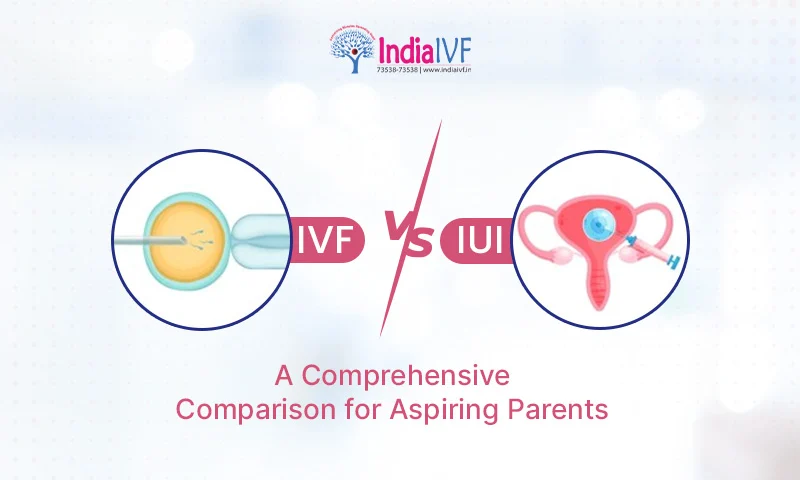
    comparison of IUI and IVF fertility treatments with illustrations of procedures and a petri dish with an egg and sperm

    Traditional Exercise vs Fertility Yoga: Which Is More Sustainable for Women Trying to Conceive?

    One of the main benefits of fertility yoga is its focus on increasing blood flow to the reproductive organs. This increased blood flow can help nourish the ovaries and uterus, promoting healthy egg development and a thick, healthy uterine lining. Additionally, fertility yoga can help reduce inflammation in the body and balance hormones, which can improve the chances of ovulation and regular menstrual cycles.

    Moreover, fertility yoga can also have a positive impact on mental health. Many women trying to conceive experience high levels of stress, anxiety, and even depression, which can all have a detrimental effect on fertility. By incorporating relaxation techniques and mindfulness into their routine, women can reduce stress and improve their overall emotional well-being, creating a more conducive environment for conception.

    Sustainable Practices for Women Trying to Conceive

    When it comes to traditional exercise and fertility yoga, the best approach for women trying to conceive may be a combination of both. Traditional exercise can still provide numerous health benefits, but it’s important to incorporate low-impact activities and fertility yoga into the routine to balance out the potential negative effects of high-intensity exercise. For instance, combining a few days of running or weightlifting with a few days of fertility yoga can create a well-rounded exercise routine that supports both physical and reproductive health.

    It’s also essential to listen to your body and make adjustments as needed. If traditional exercise is causing increased stress or irregular periods, it may be necessary to scale back and focus more on low-impact activities and fertility yoga. On the other hand, if fertility yoga is not providing the desired results, incorporating some high-intensity exercise may be beneficial.

    In conclusion, both traditional exercise and fertility yoga have their benefits and drawbacks when it comes to fertility. While traditional exercise can provide numerous health benefits, it may not be the most sustainable form of exercise for women trying to conceive. Fertility yoga, on the other hand, offers a gentle and holistic approach to supporting reproductive health and can be a more sustainable option for women trying to conceive. By finding a balance between the two, women can create a sustainable exercise routine that supports their fertility journey.

    Summary:

    Traditional exercise, also known as high-intensity exercise, has been a popular form of physical activity for years. However, studies have shown that it may have a negative impact on fertility by disrupting hormone levels and increasing stress. On the other hand, fertility yoga is a gentle and low-impact form of exercise that focuses on increasing blood flow, reducing stress, and balancing hormones in the body. It incorporates mindfulness and relaxation techniques, making it a more sustainable option for women trying to conceive. A combination of both traditional exercise and fertility yoga may be the best approach for women looking to improve their fertility. It’s essential to listen to the body and make adjustments as needed to create a well-rounded and sustainable exercise routine.

  • Fertility Yoga: A Gentle and Supportive Practice for Women on Their Fertility Journey

    Blog Post:

    Fertility can be a difficult journey for many women, both emotionally and physically. The stress, frustration, and disappointment that often come with trying to conceive can take a toll on the body and mind. While there are various medical treatments available, many women are now turning to alternative therapies to support their fertility journey. One such practice is fertility yoga, a gentle and supportive practice that can help women take care of their physical and mental well-being while trying to conceive. In this blog post, we will dive into the benefits of fertility yoga and how it can be a valuable tool for women on their fertility journey.

    What is Fertility Yoga?

    Fertility yoga is a specific type of yoga practice that focuses on supporting the reproductive system and overall fertility health. It combines traditional yoga poses, breathing techniques, and mindfulness practices to create a holistic approach to fertility. It is believed that this practice can help balance hormones, reduce stress, and improve blood flow to the reproductive organs, making it easier for women to conceive.

    Benefits of Fertility Yoga

    1. Reduces Stress and Anxiety

    The fertility journey can be emotionally taxing, and the stress and anxiety associated with it can have a negative impact on fertility. Fertility yoga incorporates breathing techniques, meditation, and relaxation exercises that can help calm the mind and reduce stress levels. This can be beneficial for women who are trying to conceive as high levels of stress can disrupt the natural hormonal balance in the body.

    2. Balances Hormones

    Hormonal imbalances can be a major cause of fertility issues in women. Fertility yoga focuses on poses that stimulate and support the endocrine system, which is responsible for producing hormones. By practicing fertility yoga regularly, women can help regulate their hormones, leading to a more balanced reproductive system.

    3. Improves Blood Flow to Reproductive Organs

    Fertility yoga poses, such as forward folds, hip openers, and inversions, can help improve blood flow to the reproductive organs. This increased blood flow can bring more nutrients and oxygen to the reproductive organs, promoting their health and function. Additionally, improved blood flow can also help with detoxification and the removal of any blockages in the reproductive organs.

    4. Increases Mind-Body Connection

    Fertility yoga places a strong emphasis on the mind-body connection, encouraging women to tune in and listen to their bodies. This can be especially helpful for women on their fertility journey as they become more in tune with their body’s needs and signals. By connecting with their bodies, women can become more aware of any imbalances or issues and take steps to address them.

    5. Provides a Supportive Community

    Yoga classes are often held in a supportive and non-judgmental environment, which can be a great source of comfort for women on their fertility journey. It can be therapeutic to be surrounded by others who are going through a similar experience. Fertility yoga classes can also be a safe space to share feelings and emotions, providing a sense of community and support.

    illustration of intrauterine insemination procedure with a syringe and catheter in the uterus.

    Fertility Yoga: A Gentle and Supportive Practice for Women on Their Fertility Journey

    6. Prepares the Body for Pregnancy

    Fertility yoga can also help prepare the body for pregnancy by strengthening the pelvic floor and core muscles. These areas play a crucial role in carrying and delivering a baby, and keeping them strong can help reduce the risk of complications during pregnancy. Additionally, fertility yoga poses can also help open up the hips and pelvis, making it easier for the baby to descend during labor.

    7. Promotes Relaxation and Restful Sleep

    Getting enough rest and sleep is essential for overall health and fertility. Fertility yoga’s relaxation techniques and poses can help calm the mind and promote restful sleep. This can be beneficial for women who may struggle with sleep due to stress and anxiety related to their fertility journey.

    How to Get Started with Fertility Yoga

    If you are interested in trying fertility yoga, here are a few tips to help you get started:

    1. Find a Qualified Instructor

    It is essential to find a qualified instructor who has experience teaching fertility yoga. They will be able to guide you through poses and techniques that are specifically designed for fertility health.

    2. Practice Regularly

    To reap the benefits of fertility yoga, it is essential to practice regularly. Aim to attend classes at least once a week and supplement with a home practice.

    3. Listen to Your Body

    It is crucial to listen to your body and not push yourself beyond your limits. If a pose or technique feels uncomfortable, modify or skip it altogether.

    4. Combine with Other Fertility-Supportive Practices

    Fertility yoga can be a valuable tool in your fertility journey, but it is essential to combine it with other healthy habits such as a balanced diet, regular exercise, and stress management techniques.

    In summary, fertility yoga is a gentle and supportive practice for women on their fertility journey. It can help reduce stress and anxiety, balance hormones, improve blood flow to reproductive organs, increase mind-body connection, provide a supportive community, prepare the body for pregnancy, and promote relaxation and restful sleep. If you are considering fertility yoga, be sure to find a qualified instructor and make it a regular part of your fertility-supportive routine.

  • The Role of Yoga in Balancing Hormones for Women Trying to Conceive

    Yoga has been practiced for thousands of years and has many benefits for both the mind and body. For women who are trying to conceive, yoga can play a crucial role in balancing hormones and increasing chances of pregnancy. In this blog post, we will explore the various ways in which yoga can help women in their journey towards motherhood.

    First and foremost, yoga can help regulate the endocrine system, which is responsible for producing hormones in the body. The endocrine system includes the ovaries, which produce estrogen and progesterone, the two main hormones involved in the menstrual cycle and fertility. When the endocrine system is out of balance, it can lead to irregular or absent periods, making it difficult for women to conceive. By practicing yoga, we can stimulate the endocrine glands, which can help regulate the production of hormones and improve fertility.

    One of the most common causes of hormonal imbalances in women is stress. When we are stressed, our body produces cortisol, also known as the stress hormone. This can disrupt the delicate balance of estrogen and progesterone, leading to irregular or absent periods. Yoga, with its emphasis on deep breathing and relaxation techniques, can help reduce stress levels and lower cortisol levels in the body. This, in turn, can help regulate hormone production and improve fertility.

    In addition to regulating hormones and reducing stress, yoga can also improve blood flow to the reproductive organs. Certain yoga poses, such as the downward-facing dog and the bridge pose, can improve circulation to the pelvic region, which is essential for reproductive health. This increased blood flow can help nourish the ovaries and uterus, improving their function and increasing the chances of conception.

    Furthermore, yoga can also help improve the health of the endometrium, the lining of the uterus where the embryo implants. A thin or unhealthy endometrium can make it difficult for a fertilized egg to implant and grow. Through specific yoga poses, we can increase blood flow to the endometrium and promote its health, creating a more favorable environment for conception.

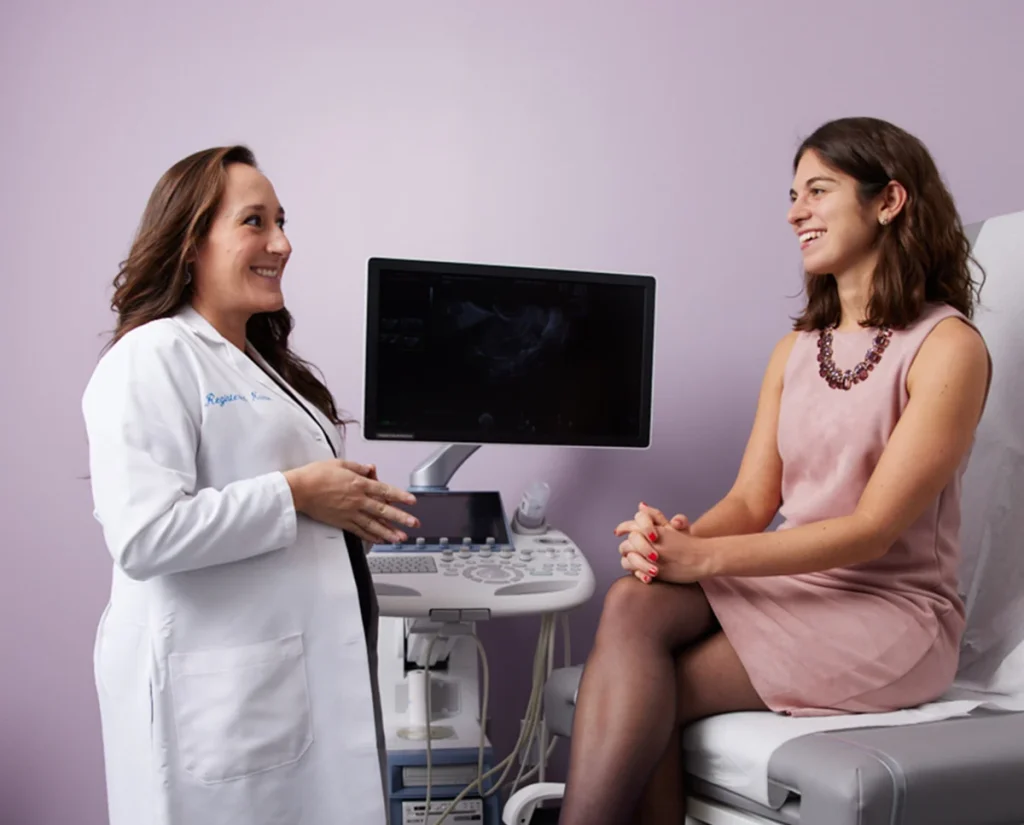
    doctor discussing treatment with a patient in a medical office, featuring an ultrasound machine in the background

    The Role of Yoga in Balancing Hormones for Women Trying to Conceive

    Apart from its physical benefits, yoga can also have a positive impact on mental health, which is crucial for women trying to conceive. The journey towards motherhood can be emotionally taxing, and the pressure to conceive can lead to anxiety and depression. Yoga can help calm the mind and reduce anxiety and stress, leading to a more positive mindset and increasing the chances of conception.

    Moreover, the practice of yoga can also help women connect with their bodies and become more attuned to their natural cycles. In the fast-paced modern world, we often ignore the signals our body sends us, leading to a disconnection from our natural rhythms. By practicing yoga, we can become more in tune with our bodies and recognize any imbalances that may be affecting our fertility. This self-awareness can help us make necessary lifestyle changes and seek appropriate medical help if needed.

    In addition to the physical and mental benefits, yoga can also be a useful tool for women undergoing fertility treatments. The stress of fertility treatments can take a toll on a woman’s body and mind, and yoga can provide a much-needed sense of calm and relaxation. It can also help reduce side effects of treatments, such as bloating and mood swings, and improve overall well-being.

    It is essential to note that yoga should not be seen as a cure-all for fertility issues. It is always recommended to consult with a doctor and undergo necessary medical tests to identify any underlying conditions. However, incorporating yoga into a fertility journey can provide numerous benefits and complement medical treatments.

    In conclusion, yoga can play a crucial role in balancing hormones for women trying to conceive. By regulating the endocrine system, reducing stress, improving blood flow to reproductive organs, and promoting mental well-being, yoga can increase the chances of conception. It is a gentle and holistic approach that can be incorporated into a fertility journey to support overall health and well-being.