Tag: Technology

  • The Role of Technology: How Male and Female Fertility Tests Have Evolved

    The Role of Technology: How Male and Female Fertility Tests Have Evolved

    In today’s world, technology plays a crucial role in almost every aspect of our lives. From communication to healthcare, it has revolutionized the way we live. One area where technology has made significant advancements is in the field of fertility testing. With the increasing prevalence of infertility, the need for accurate and accessible fertility tests has become more important than ever. In this blog post, we will explore the evolution of male and female fertility tests and how technology has played a vital role in their development.

    Male Fertility Tests

    Traditionally, when a couple faced difficulties in conceiving, the burden of testing and treatment fell on the woman. However, with advancements in technology, it has become easier to diagnose male factors that contribute to infertility. Male fertility tests have evolved from simple semen analysis to more advanced methods that provide a comprehensive evaluation of sperm quality and quantity.

    One of the most significant advancements in male fertility testing is the introduction of computer-assisted semen analysis (CASA). This technology uses computer algorithms to analyze sperm movement, count, and shape, providing a more accurate and objective assessment than manual methods. CASA has significantly improved the diagnosis and treatment of male infertility, allowing doctors to identify specific issues and provide targeted treatment.

    Another innovative technology in male fertility testing is the sperm DNA fragmentation test. This test evaluates the quality of sperm DNA and its potential to fertilize an egg. High levels of sperm DNA fragmentation have been linked to recurrent miscarriages and failed IVF cycles. By identifying this issue, doctors can recommend treatments such as antioxidant therapy to improve the chances of a successful pregnancy.

    Apart from these advanced tests, technology has also made it possible to perform fertility tests at home. At-home male fertility tests, such as SpermCheck, use a semen sample to detect the presence of sperm and provide an accurate result within minutes. These tests not only save time and money but also provide privacy and convenience for men who may feel uncomfortable with traditional testing methods.

    Female Fertility Tests
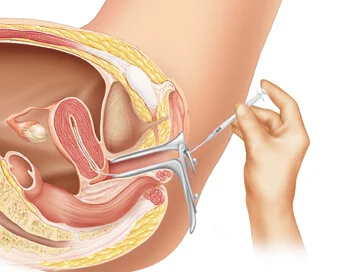
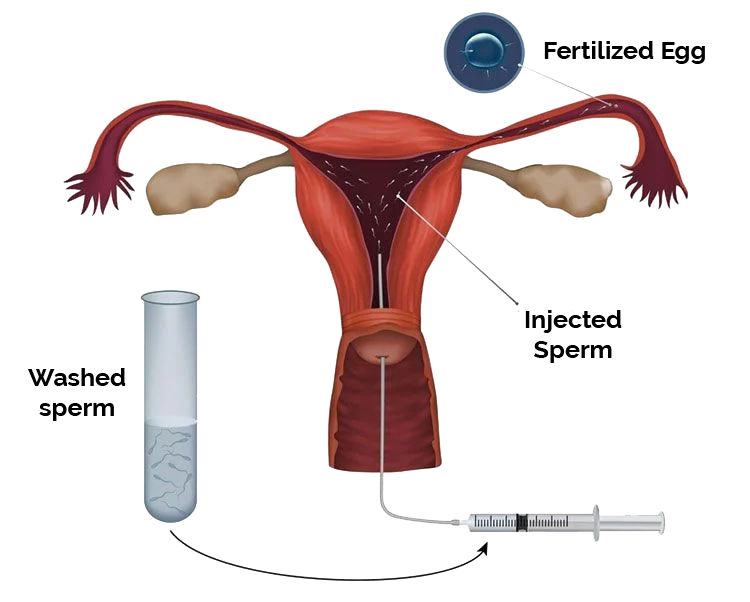
    illustration of intrauterine insemination procedure with a hand holding a speculum and syringe near the uterus

    The Role of Technology: How Male and Female Fertility Tests Have Evolved

    Female fertility tests have also seen significant advancements with the help of technology. One of the most common tests used to evaluate female fertility is the ovarian reserve test. This test measures the quantity and quality of a woman’s eggs, providing an estimate of her reproductive potential. Traditional ovarian reserve tests, such as the follicle-stimulating hormone (FSH) and anti-mullerian hormone (AMH) tests, have been around for decades. However, technology has improved these tests by making them more accurate and accessible.

    The FSH and AMH tests have evolved from traditional blood tests to more advanced methods, such as the Antral Follicle Count (AFC) and the Inhibin B test. AFC uses ultrasound technology to count the number of small follicles in the ovaries, providing a more accurate assessment of ovarian reserve. The Inhibin B test measures the levels of a hormone produced by the ovaries, which can indicate the number of eggs remaining in a woman’s ovaries.

    Apart from these tests, technology has also improved the process of tracking ovulation, which is crucial for couples trying to conceive. Ovulation predictor kits (OPKs) use urine samples to detect the surge in luteinizing hormone (LH), which occurs right before ovulation. These kits have become more accurate and user-friendly with the introduction of digital OPKs, which provide a clear “positive” or “negative” result, eliminating the need for interpretation.

    The Role of Technology in Fertility Treatment

    With the advancements in fertility testing technology, the treatment of infertility has also seen significant progress. For men, accurate diagnosis through advanced tests has allowed for targeted and effective treatments. Intrauterine insemination (IUI) and in-vitro fertilization (IVF) are two common treatments for male factor infertility that have been greatly improved by technology.

    For women, tracking ovulation accurately has helped in timing intercourse and increasing the chances of conception. In addition, the development of assisted reproductive technologies (ART), such as IVF and intracytoplasmic sperm injection (ICSI), have revolutionized the treatment of female infertility. These procedures use advanced laboratory techniques to fertilize eggs with sperm outside of the body, providing hope for couples struggling to conceive.

    In conclusion, technology has played a crucial role in the evolution of male and female fertility tests. From traditional methods to more advanced technologies, we have come a long way in accurately diagnosing fertility issues and providing effective treatments. With the continuous development of technology, we can expect even more advancements in the field of fertility testing, giving hope to couples who dream of starting a family.

    Summary:

    Technology has revolutionized the field of fertility testing, making it easier and more accurate to diagnose fertility issues in both men and women. Male fertility tests have evolved from simple semen analysis to advanced techniques like CASA and sperm DNA fragmentation tests. Female fertility tests, such as ovarian reserve tests and ovulation tracking, have also seen significant advancements with the help of technology. These improved tests have also led to more effective fertility treatments like IUI and IVF, providing hope for couples struggling with infertility. With continuous advancements, technology will continue to play a crucial role in the field of fertility testing and treatment.
  • The Role of Technology: IUI vs DI

    Technology has had a profound impact on many aspects of our lives, including the way we conceive and have children. In recent years, there has been a rise in alternative methods of conception, such as Intrauterine Insemination (IUI) and Donor Insemination (DI). These techniques have been made possible through advancements in technology and have provided new options for individuals and couples who are struggling with fertility issues. In this blog post, we will discuss the role of technology in these two methods of conception and explore the differences between IUI and DI.

    Intrauterine Insemination, also known as artificial insemination, is a fertility treatment that involves placing sperm directly into a woman’s uterus. This procedure is typically performed when a couple is unable to conceive due to issues such as low sperm count, ovulation problems, or unexplained infertility. IUI is a less invasive and less expensive option compared to other fertility treatments, such as in vitro fertilization (IVF).

    One of the key technologies involved in IUI is the use of sperm washing. Sperm washing is a process that separates healthy sperm from other components in semen, such as dead sperm, mucus, and bacteria. This ensures that only the most viable sperm is used for insemination, increasing the chances of conception. This technology has greatly improved the success rates of IUI and has made it a more appealing option for couples who are trying to conceive.

    Another important technology in IUI is ultrasound imaging. Ultrasound is used to monitor the growth and development of follicles, which are fluid-filled sacs in the ovaries that contain eggs. This allows doctors to determine the best time for insemination, increasing the chances of a successful pregnancy. Ultrasound imaging has also made it possible to detect any abnormalities in the reproductive organs, which can affect fertility.

    In contrast, Donor Insemination involves using donated sperm to inseminate a woman. This method is often used by single women or same-sex couples who want to have a child. Donated sperm can come from known or anonymous donors, and it is typically obtained from sperm banks.

    Comparison of IUI and IVF treatments with diagrams of reproductive anatomy.

    The Role of Technology: IUI vs DI

    The use of technology in DI is similar to that of IUI, with the addition of genetic testing. Before being used for insemination, donated sperm is screened for genetic disorders and sexually transmitted infections to ensure the health of the child and the recipient. This technology has greatly reduced the risk of passing on hereditary diseases and has made DI a safer option for individuals and couples.

    One of the main differences between IUI and DI is the level of involvement of the male partner. In IUI, the male partner provides the sperm, while in DI, the sperm is obtained from a donor. This can have a significant impact on the emotional and psychological aspects of the conception process. In IUI, the male partner is more directly involved in the creation of the child, while in DI, the sperm donor remains anonymous and may have no involvement in the child’s life. This can lead to different dynamics within the family structure and should be carefully considered by couples when choosing between IUI and DI.

    Moreover, the success rates of IUI and DI can also differ due to various factors, including the age and fertility of the recipient, the quality of the sperm, and the timing of the insemination. Generally, success rates for both methods range from 10-20% per cycle, with DI having slightly higher success rates due to the use of donor sperm.

    In conclusion, technology has played a significant role in the advancements of fertility treatments, particularly in the methods of IUI and DI. These techniques have provided new options for individuals and couples struggling with infertility, and have greatly improved the chances of conceiving a child. However, it is important to carefully consider the emotional and psychological aspects of these methods, as well as the success rates, before making a decision. Consulting with a fertility specialist can help couples determine which method is best suited for their individual situation.

    Summary: Technology has greatly impacted the methods of conception, specifically Intrauterine Insemination (IUI) and Donor Insemination (DI). These methods have been made possible through advancements in technology, such as sperm washing and ultrasound imaging. While both methods have similar technologies involved, the main difference lies in the level of involvement of the male partner and the use of genetic testing in DI. It is important to carefully consider the emotional and psychological aspects, as well as the success rates, before choosing between IUI and DI.

  • The Impact of Technology on Fertility Clinics and Hospitals

    Technology has revolutionized the way we approach fertility treatments, making it possible for many people to fulfill their dreams of starting a family. Fertility clinics and hospitals have embraced the latest advancements in technology to improve success rates and provide more personalized and efficient care to patients. In this blog post, we will explore the impact of technology on fertility clinics and hospitals, including the benefits, challenges, and future possibilities.

    The Evolution of Technology in Fertility Treatments

    Fertility treatments have come a long way since the first successful in vitro fertilization (IVF) procedure in 1978. Back then, the process was lengthy, expensive, and had a low success rate. However, with advancements in technology, IVF success rates have significantly improved, and the procedure has become more accessible and affordable.

    One of the biggest technological advancements in fertility treatments is the development of preimplantation genetic testing (PGT). PGT allows for the screening of embryos for genetic disorders and chromosomal abnormalities before they are implanted in the uterus. This has not only increased the chances of a successful pregnancy but has also reduced the risk of passing on genetic diseases to the child.

    Another significant development is the use of time-lapse imaging in IVF. This technology allows for the continuous monitoring of embryos, providing valuable information about their development and helping doctors select the healthiest embryos for implantation. This has led to higher success rates and reduced the number of multiple births, which can be risky for both the mother and babies.

    Technology has also improved the process of egg retrieval. In the past, this procedure was done manually, which could be time-consuming and uncomfortable for the patient. Now, advanced tools such as transvaginal ultrasound and ultrasound-guided needle aspiration have made the process quicker and less invasive.

    Benefits of Technology in Fertility Clinics and Hospitals

    The use of technology in fertility clinics and hospitals has brought numerous benefits, including:

    1. Improved success rates: As mentioned earlier, technology has significantly improved the success rates of fertility treatments. This has given hope to many individuals and couples struggling with infertility.

    2. Personalized treatment: With the use of advanced tools and techniques, doctors can now tailor treatment plans to meet the specific needs of each patient. This has resulted in more successful outcomes and reduced the risk of complications.

    3. Enhanced patient experience: Technology has made fertility treatments less invasive, less painful, and more comfortable for patients. This has reduced the stress and anxiety associated with these procedures, making them more bearable for patients.

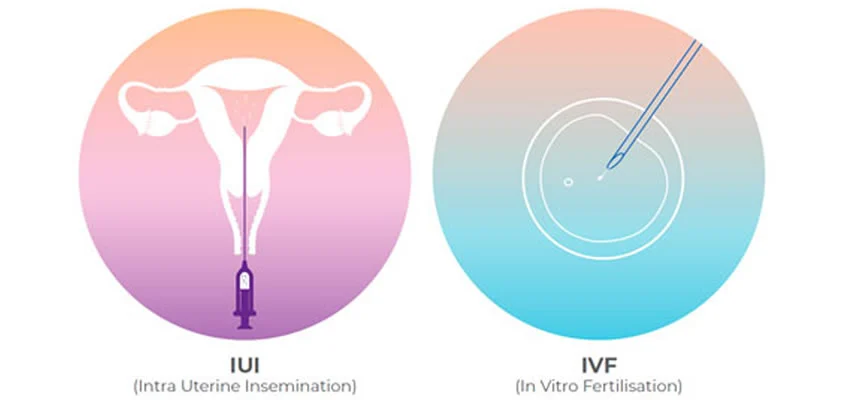
    comparison of IUI and IVF procedures illustrated with simple graphics and labels

    The Impact of Technology on Fertility Clinics and Hospitals

    4. Increased efficiency: The use of technology has streamlined processes and made them more efficient. This has reduced waiting times for patients and improved the overall experience at fertility clinics and hospitals.

    Challenges of Incorporating Technology in Fertility Treatments

    While technology has brought many benefits to fertility treatments, it has also presented some challenges, including:

    1. High costs: Advanced technology comes at a hefty price, making it inaccessible to many patients. This has created a divide between those who can afford the latest treatments and those who cannot.

    2. Ethical concerns: The use of technology in fertility treatments has raised ethical concerns, particularly with the use of PGT and other techniques that involve the manipulation of embryos.

    3. Lack of regulations: With new technologies emerging constantly, there is a lack of regulations and standardization in the field of fertility treatments. This can lead to inconsistencies in treatment and potential risks for patients.

    The Future of Technology in Fertility Clinics and Hospitals

    The future possibilities of technology in fertility clinics and hospitals are exciting and hold a lot of promise. Some of the advancements that we can expect to see in the near future include:

    1. Artificial intelligence (AI): AI has the potential to revolutionize fertility treatments by analyzing large amounts of data and identifying patterns that can improve success rates and predict outcomes.

    2. In vitro maturation (IVM): This is a technique that involves retrieving immature eggs and maturing them in a lab before fertilization. This could eliminate the need for hormone injections and reduce the risks and side effects associated with IVF.

    3. Cryopreservation: The technology for freezing and storing eggs and embryos has significantly improved in recent years, making it possible for women to preserve their fertility for future use.

    In summary, technology has had a profound impact on fertility clinics and hospitals, making it possible for many people to achieve their dream of having a child. The advancements in technology have improved success rates, personalized treatment, and enhanced the patient experience. However, it has also presented some challenges and ethical concerns that need to be addressed. With the constant evolution of technology, the future of fertility treatments looks promising, and we can expect to see more advancements that will further improve success rates and patient outcomes.

  • Fertility Clinics vs Hospitals: Which Has Better Technology?

    Fertility issues can be a difficult and emotional journey for many couples. With advancements in technology, there are now more options available for those looking to start or expand their families. One of the biggest decisions that couples struggling with fertility face is choosing between a fertility clinic or a hospital for their treatment. Both options offer advanced medical technology, but which one has the better technology? In this blog post, we will explore the differences between fertility clinics and hospitals and compare their technology to determine which one may be the better choice for couples seeking fertility treatment.

    Fertility Clinics:
    Fertility clinics specialize in reproductive health and offer a wide range of treatments for couples struggling with fertility. These clinics are often run by reproductive endocrinologists, obstetrician-gynecologists, and other medical professionals who have specialized training in fertility treatments. Fertility clinics offer a variety of services, including fertility testing, hormone therapies, and assisted reproductive technology (ART) such as in vitro fertilization (IVF) and intrauterine insemination (IUI).

    One of the biggest advantages of fertility clinics is their focus on reproductive health. As they specialize in this area, they often have the most up-to-date and advanced technology specifically designed for fertility treatments. For example, some fertility clinics have state-of-the-art laboratories that can analyze sperm and eggs to determine the best course of treatment. They also offer advanced imaging technology, such as 3D ultrasound, which allows doctors to get a better view of the reproductive organs and diagnose any potential issues.

    Fertility clinics also often have a higher success rate when it comes to fertility treatments. This is because they have a team of experts who are solely focused on reproductive health and have a thorough understanding of the latest technologies and techniques. They also have a more personalized approach to treatment, tailoring each plan to the individual needs of the couple.

    However, one drawback of fertility clinics is their cost. As they offer specialized treatments, they can be more expensive than hospitals. In addition, many fertility treatments are not covered by insurance, which can add to the financial burden for couples seeking treatment. This is why it is important to research and compare the costs of different fertility clinics before making a decision.

    Hospitals:
    Hospitals are a more general option for fertility treatment. While they may not specialize in reproductive health, they do have access to a wide range of medical technology and resources. Hospitals offer a variety of fertility treatments, including hormone therapies, IVF, and IUI. They also have the advantage of having a team of specialists in different areas of medicine, which can be beneficial for couples with underlying health issues that may affect their fertility.

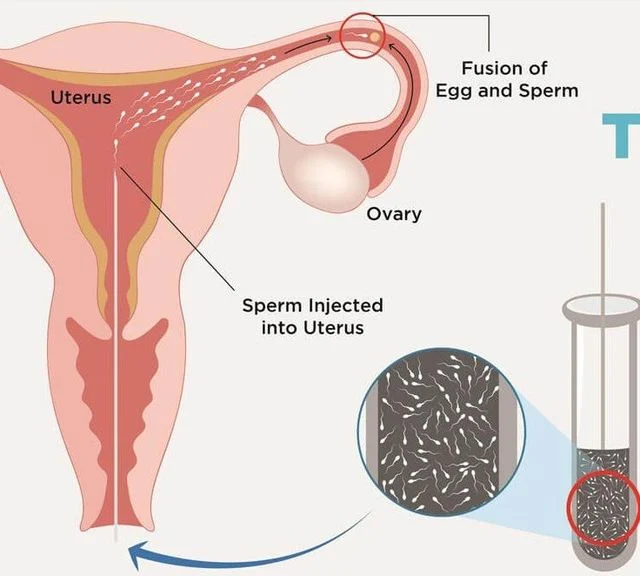
    Diagram illustrating the IUI process, showing sperm injection into the uterus and egg fertilization.

    Fertility Clinics vs Hospitals: Which Has Better Technology?

    One of the biggest advantages of hospitals is their ability to handle more complex cases. They often have more experienced doctors and surgeons who can handle more challenging fertility cases. Hospitals also have access to a wider range of medical technology, which can be beneficial for couples who may need additional treatments or procedures.

    Another benefit of hospitals is the potential for lower costs. As they offer a variety of medical services, they may have more affordable options for fertility treatments. Additionally, some insurance plans may cover fertility treatments when done in a hospital setting, making it a more feasible choice for some couples.

    However, one downside of hospitals is that they may not offer the same level of specialized care and expertise for fertility treatments as fertility clinics. As they do not specialize in reproductive health, they may not have the most up-to-date technology and techniques specifically designed for fertility treatments. This can potentially lead to lower success rates for couples seeking fertility treatment at a hospital.

    Summary:
    In conclusion, both fertility clinics and hospitals offer advanced medical technology for couples seeking fertility treatment. Fertility clinics have a specialized focus on reproductive health and offer the most up-to-date technology specifically designed for fertility treatments. They also have a higher success rate and a more personalized approach to treatment. However, they can be more expensive than hospitals. Hospitals, on the other hand, have access to a wider range of medical technology and may be more affordable for some couples. However, they may not have the same level of specialized care and expertise for fertility treatments as fertility clinics.

    When it comes to choosing between a fertility clinic and a hospital, it ultimately comes down to the individual needs and preferences of the couple. It is important to research and compare both options to determine which one may be the best fit for your specific situation. Consulting with a medical professional can also help guide you in making the right decision.

    In the end, the most important thing is to choose a trustworthy and reputable facility that offers the best technology and care for your fertility journey. With the right choice, you can increase your chances of starting or expanding your family and achieving your dream of parenthood.

  • Exploring the Success Rates of Fertility Clinics vs Hospitals

    Blog Post Title: Exploring the Success Rates of Fertility Clinics vs Hospitals: A Comprehensive Comparison

    Introduction:
    Infertility affects millions of couples worldwide, making it a major concern in the field of reproductive health. With advancements in medical technology, various options for treatment are now available, including fertility clinics and hospitals. Fertility clinics specialize in treating infertility, while hospitals offer a wide range of medical services, including fertility treatments. But which one has a higher success rate? In this blog post, we will explore the success rates of fertility clinics and hospitals and provide a comprehensive comparison to help couples make an informed decision.

    What is a Fertility Clinic?
    A fertility clinic is a specialized medical facility that offers services focused on diagnosing and treating infertility. These clinics have a team of fertility specialists, including reproductive endocrinologists, urologists, and embryologists, who work together to provide personalized treatment plans for couples struggling with infertility. Fertility clinics offer a variety of services, such as fertility testing, in vitro fertilization (IVF), intrauterine insemination (IUI), and egg freezing.

    What is a Hospital?
    A hospital is a larger medical facility that provides a wide range of medical services, including fertility treatments. Hospitals have various departments, such as gynecology, reproductive medicine, and urology, which work together to provide fertility treatments. Unlike fertility clinics, hospitals do not specialize in infertility, but they have the necessary facilities and expertise to offer fertility treatments.

    Success Rates of Fertility Clinics vs Hospitals:
    Now let’s dive into the success rates of fertility clinics and hospitals. According to a study published in the Journal of the American Medical Association, fertility clinics have a higher success rate compared to hospitals. The study analyzed data from over 150,000 fertility treatment cycles and found that the live birth rate for IVF at fertility clinics was 49%, while hospitals had a live birth rate of 42%. This significant difference in success rates can be attributed to the specialized expertise and technology available at fertility clinics.

    Factors Affecting Success Rates:
    Several factors can affect the success rates of fertility clinics and hospitals. These include the age of the patient, the cause of infertility, and the type of treatment. Fertility declines with age, and the success rates of fertility treatments decrease as a woman gets older. Additionally, the cause of infertility can also affect the success rates. For instance, if a woman has blocked fallopian tubes, IVF may be more successful than IUI. Lastly, the type of treatment also plays a role in the success rates. IVF has a higher success rate compared to other treatments, such as IUI.

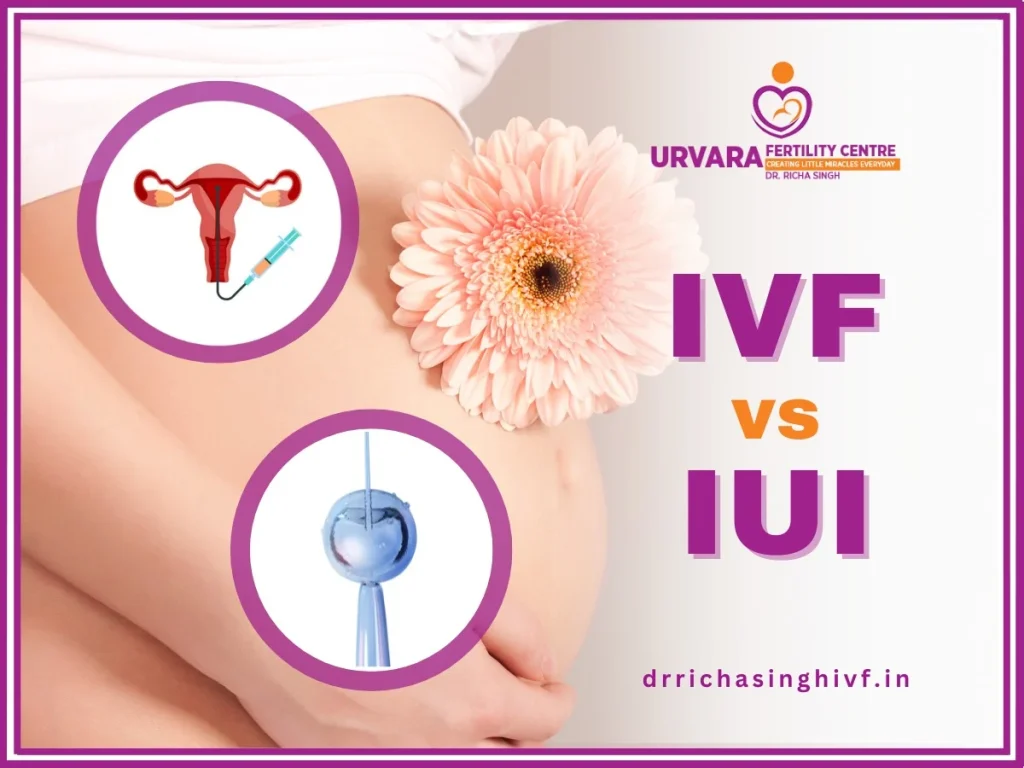
    IVF vs IUI comparison with illustrations of reproductive processes and a flower on a pregnant belly.

    Exploring the Success Rates of Fertility Clinics vs Hospitals

    Specialization and Expertise:
    One of the main reasons for the higher success rates at fertility clinics is their specialization in treating infertility. Fertility specialists at these clinics have extensive training and experience in dealing with various fertility issues, making them better equipped to provide personalized treatment plans. On the other hand, hospitals have a broader scope of services, and their fertility specialists may not have the same level of expertise as those at fertility clinics.

    Technology and Equipment:
    Fertility clinics invest in the latest technology and equipment to provide the best possible care for their patients. With specialized equipment, such as advanced ultrasound machines and embryology labs, fertility clinics can accurately diagnose and treat various infertility issues. Hospitals, on the other hand, may not have the same level of technology and may have to outsource certain services, leading to longer wait times and potentially affecting the success rates.

    Patient-centered Care:
    Fertility clinics offer patient-centered care, which means that the treatment plans are tailored to meet the specific needs of each patient. This personalized approach can greatly impact the success rates of fertility treatments. Hospitals, on the other hand, may not have the same level of patient-centered care, as they deal with a broader range of medical conditions.

    Cost:
    The cost of fertility treatments can be a significant factor for many couples. Fertility clinics may have higher upfront costs compared to hospitals, but when looking at the overall success rates, investing in a specialized fertility clinic may save couples money in the long run. This is because the chances of success are higher at fertility clinics, reducing the need for multiple treatment cycles.

    Conclusion:
    In conclusion, the success rates of fertility clinics are higher compared to hospitals. This is due to their specialization in treating infertility, advanced technology and equipment, and a patient-centered approach to care. However, it is important to note that success rates can vary based on individual factors, and couples should consult with their doctor to determine the best treatment option for them.

    Summary:
    – Fertility clinics specialize in treating infertility, while hospitals offer a broader range of medical services.
    – According to a study, fertility clinics have a higher success rate compared to hospitals.
    – Factors that can affect success rates include age, cause of infertility, and type of treatment.
    – Fertility clinics have a higher success rate due to their specialization, advanced technology, and patient-centered care.
    – Although fertility clinics may have higher upfront costs, investing in a specialized clinic may save money in the long run.

  • The Evolution of Fertility Treatment: From Clinics to Hospitals

    The Evolution of Fertility Treatment: From Clinics to Hospitals

    Fertility treatment has come a long way since its inception, and it continues to evolve and improve with each passing year. In the past, couples struggling with infertility had limited options and often had to seek treatment in specialized clinics. However, with advancements in medical technology and changes in societal attitudes towards infertility, fertility treatment has now expanded to hospitals, offering a wider range of services and resources for patients. In this blog post, we will explore the evolution of fertility treatment, from clinics to hospitals, and the significant impact it has had on the lives of individuals and families.

    The Rise of Fertility Clinics

    In the 1970s, fertility clinics began to emerge as the go-to place for couples struggling with infertility. These clinics were primarily run by reproductive endocrinologists, who specialized in the treatment of infertility. They offered a limited range of services, such as artificial insemination and in vitro fertilization (IVF), and were often private and expensive. The success rates for these treatments were also relatively low, and many couples had to undergo multiple cycles before achieving a successful pregnancy.

    However, despite these limitations, fertility clinics provided a safe and specialized environment for couples seeking treatment. They offered a sense of hope and a dedicated team of medical professionals who were knowledgeable and experienced in the field of infertility. Couples could also connect with others going through similar experiences, providing them with emotional support and a sense of community.

    The Shift to Hospital-Based Fertility Treatment

    As technology and medical knowledge advanced, fertility treatment began to shift from clinics to hospitals. This change was driven by the need to expand services and offer more comprehensive care to patients. Hospitals had the resources and infrastructure to provide a wider range of fertility treatments and procedures, including more advanced genetic testing and embryo screening.

    Additionally, with the rising costs of fertility treatment, hospitals were able to offer more affordable options for patients. Many hospitals also have partnerships with insurance companies, making it easier for patients to access coverage for their treatment. This shift to hospital-based fertility treatment has made it more accessible to a larger population, breaking down barriers for individuals and couples who previously could not afford or access treatment.

    The Role of Technology in Fertility Treatment

    diagram of the female reproductive system with an IUI syringe and test tube for artificial insemination

    The Evolution of Fertility Treatment: From Clinics to Hospitals

    One of the primary reasons for the shift to hospital-based fertility treatment is the significant advancements in technology. With the introduction of new techniques and procedures, fertility treatment has become more precise, efficient, and successful. For example, the development of intracytoplasmic sperm injection (ICSI) has revolutionized the treatment of male factor infertility, allowing couples who were previously unable to conceive to have a biological child.

    Furthermore, the use of cutting-edge technology has also improved success rates for IVF procedures. In the past, embryos were transferred on day three after fertilization. However, with the introduction of time-lapse imaging, embryos can now be monitored and selected for transfer on day five, resulting in higher pregnancy rates. This advanced technology has also reduced the risk of multiple pregnancies, making fertility treatment safer for both the mother and the baby.

    The Growing Demand for Fertility Treatment

    Over the years, there has been a significant increase in the number of individuals and couples seeking fertility treatment. This is due to various factors, such as the rising age of marriage and childbirth, lifestyle changes, and environmental factors. According to the Centers for Disease Control and Prevention (CDC), approximately 6.1 million women in the United States struggle with infertility, and this number continues to rise.

    This growing demand for fertility treatment has also contributed to the shift to hospital-based care. Hospitals have the resources and capacity to handle a larger volume of patients, and they can offer a more comprehensive range of services to meet the diverse needs of individuals and couples seeking treatment.

    The Impact on Patients and Families

    The evolution of fertility treatment has had a significant impact on the lives of patients and their families. With the shift to hospital-based care, individuals and couples now have access to a wider range of services, including counseling, genetic testing, and fertility preservation. This comprehensive approach to treatment has not only improved success rates but has also provided patients with a more holistic experience, addressing not just their physical health but also their emotional and mental well-being.

    Moreover, the increased accessibility and affordability of fertility treatment have given hope to many individuals and couples who were previously unable to conceive. The success rates for fertility treatment continue to improve, and more and more families are being created through assisted reproduction. This has had a positive impact on society, breaking down the stigma surrounding infertility and promoting acceptance and inclusivity for all types of families.

    In summary, the evolution of fertility treatment from clinics to hospitals has been a significant development in the field of reproductive medicine. With advancements in technology, increasing demand, and a more comprehensive approach to care, individuals and couples struggling with infertility now have more options and resources available to them than ever before. This shift has not only improved success rates but has also had a positive impact on the lives of patients and their families.

  • The Future of Fertility Tracking: Predictions for Devices and Traditional Methods

    The Future of Fertility Tracking: Predictions for Devices and Traditional Methods

    Fertility tracking has been around for centuries, with traditional methods such as tracking menstrual cycles and changes in cervical mucus. However, with the advancements in technology, fertility tracking has also evolved, and there are now various devices and apps available to help women track their fertility. In this blog post, we will discuss the future of fertility tracking and make predictions about how both devices and traditional methods will continue to evolve.

    Devices for Fertility Tracking

    The market for fertility tracking devices has been steadily growing in recent years, with more and more women looking for efficient and accurate ways to track their fertility. Currently, the most popular devices for fertility tracking are ovulation predictor kits (OPKs), basal body temperature (BBT) monitors, and fertility tracking bracelets.

    However, we can expect to see even more advanced and user-friendly devices in the future. One prediction is the development of wearable devices that can track hormone levels and provide real-time data on a woman’s fertility status. These devices could potentially eliminate the need for daily urine or saliva tests, making fertility tracking more convenient and less invasive.

    Another trend we may see is the integration of fertility tracking with other health tracking devices such as smartwatches and fitness trackers. This could provide a more holistic approach to women’s health and allow for a better understanding of how lifestyle factors can impact fertility.

    Artificial intelligence (AI) is also expected to play a significant role in the future of fertility tracking devices. With AI, these devices can learn and adapt to a woman’s unique cycle, providing more accurate predictions and personalized recommendations for conception or contraception.

    Traditional Methods of Fertility Tracking

    While devices are becoming increasingly popular, traditional methods of fertility tracking are still widely used. These methods include tracking basal body temperature, changes in cervical mucus, and ovulation symptoms.

    One prediction for the future of traditional methods is the incorporation of technology. For example, there are already apps available that allow women to track their BBT and cervical mucus, making it easier to keep records and identify patterns. We can expect to see more advancements in this area, such as wearable devices that can measure BBT and automatically input the data into the app.

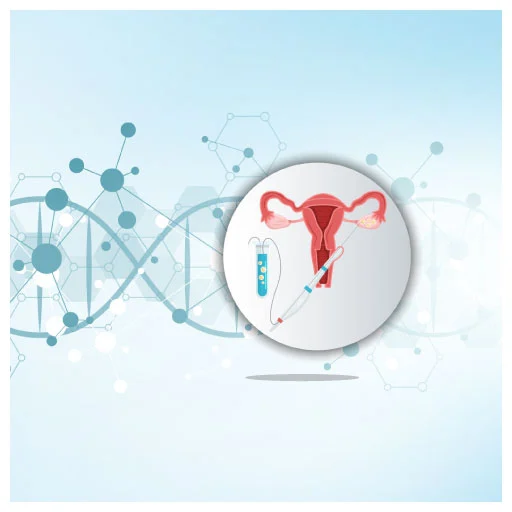
    Illustration of IUI procedure with uterus and syringe against a DNA background.

    The Future of Fertility Tracking: Predictions for Devices and Traditional Methods

    Additionally, traditional methods may also see an increase in accuracy with the use of AI. By analyzing data from multiple cycles, AI can identify and predict ovulation patterns more accurately, making traditional methods a more reliable option for fertility tracking.

    The Rise of Personalized Fertility Tracking

    One of the most significant advancements in fertility tracking is the ability to personalize it based on a woman’s unique cycle and health factors. With the integration of technology and AI, fertility tracking devices and apps can gather data on a woman’s cycle, lifestyle, and health history to provide tailored recommendations.

    For example, a woman with irregular periods may receive different predictions and recommendations than someone with a regular cycle. Similarly, a woman with PCOS or endometriosis may receive personalized suggestions to help manage their condition and optimize their fertility.

    This personalized approach to fertility tracking can also extend to couples trying to conceive. By tracking and analyzing data from both partners, these devices and apps can provide insights into fertility and potential fertility issues, ultimately improving the chances of conception.

    Challenges and Controversies

    While the future of fertility tracking looks promising, there are also challenges and controversies surrounding the use of these devices and methods. One concern is the reliance on technology and the potential for it to replace the knowledge and understanding of one’s body. As with any technology, there is also a risk of malfunctions or incorrect data, which could lead to unintended consequences.

    There are also concerns about privacy and the security of the data collected by these devices and apps. As fertility tracking becomes more personalized and integrated with other health tracking devices, there is a need for strict security measures to protect sensitive information.

    Another controversy surrounding fertility tracking is the potential for it to be used as a form of birth control. While these devices and methods can provide valuable insights into fertility, they are not 100% effective and should not be relied upon as the sole method of contraception.

    In summary, the future of fertility tracking looks promising, with advancements in technology and AI making it more accurate, convenient, and personalized. However, there are also challenges and controversies that need to be addressed to ensure the safe and responsible use of these devices and methods.

  • The Role of Technology in Fertility Tracking: From Devices to Wearables

    Summary:

    The use of technology in fertility tracking has revolutionized the way women can monitor their menstrual cycle and increase their chances of conception. From traditional methods such as charting to more advanced devices and wearables, technology has made fertility tracking more accurate and convenient than ever before. In this blog post, we will explore the various ways in which technology has played a crucial role in fertility tracking, from devices that detect hormonal changes to wearable gadgets that collect data in real-time. We will also discuss how these technological advancements have helped women take control of their fertility and make informed decisions about their reproductive health.

    Firstly, we will look at the traditional methods of fertility tracking, such as charting and tracking basal body temperature (BBT). These methods involve manually recording the dates of periods, changes in cervical mucus, and monitoring BBT to determine ovulation. While these methods have been used for decades, they require a lot of effort and are prone to errors. However, with the introduction of fertility tracking apps, these traditional methods have become more accurate and easier to use. Apps like Clue, Glow, and Flo use algorithms to predict ovulation and fertile days based on data entered by the user. This has made fertility tracking more accessible and convenient for women.

    Next, we will explore the role of devices in fertility tracking. With the advancement of technology, there are now a variety of devices available that can accurately track a woman’s menstrual cycle. These devices work by detecting hormonal changes in the body, such as the rise in luteinizing hormone (LH) levels, which indicate ovulation. Some popular devices include the Clearblue Fertility Monitor, OvaCue Fertility Monitor, and Ava Bracelet. These devices use different methods, such as urine tests, saliva tests, and wrist-worn sensors, to track fertility and provide a comprehensive view of a woman’s cycle. This not only helps in predicting ovulation but also provides valuable insights into overall reproductive health.

    IVF vs IUI comparison graphic highlighting reproductive methods for aspiring parents.

    The Role of Technology in Fertility Tracking: From Devices to Wearables

    Another exciting development in fertility tracking technology is the use of wearable gadgets. These gadgets, such as the Tempdrop, YONO, and Ava Bracelet, can be worn throughout the day and night to collect data on a woman’s cycle in real-time. They track metrics like BBT, heart rate, and sleep patterns, which are crucial in understanding fertility. Wearables also eliminate the need for daily manual tracking, making it easier for women to monitor their fertility without disrupting their daily routine. These gadgets also sync with fertility tracking apps, providing a more comprehensive and accurate analysis of a woman’s cycle.

    Apart from tracking fertility, technology has also played a significant role in assisting women with fertility treatments. Fertility clinics now use advanced technology, such as ultrasound machines, to monitor follicle growth and track the progress of treatments. They also use genetic testing and advanced imaging techniques to identify potential issues that may affect fertility. This has greatly improved the success rates of fertility treatments and reduced the time and cost involved.

    In addition to tracking fertility, technology has also helped in identifying underlying health issues that may affect a woman’s ability to conceive. For instance, fertility tracking apps can now analyze data and provide insights into potential hormonal imbalances or irregularities in the menstrual cycle. This information can be shared with healthcare providers, allowing them to address any underlying health issues and improve overall reproductive health.

    In conclusion, technology has had a significant impact on fertility tracking, making it more efficient, accurate, and convenient for women. From traditional methods to advanced devices and wearables, technology has made it easier for women to take control of their fertility and make informed decisions about their reproductive health. As technology continues to advance, we can expect even more innovative tools to help women in their fertility journey.

  • A Match Made in Tech Heaven: Combining Fertility Tracking Devices with Traditional Methods

    Summary:

    In recent years, the tech industry has made significant advancements in the field of fertility tracking. From wearable devices to mobile apps, there are now numerous options available for those looking to monitor their reproductive health. However, many people still rely on traditional methods such as tracking basal body temperature and cervical mucus to determine their fertile window. This has led to the question – can these two methods be combined to create the ultimate fertility tracking system? In this blog post, we will explore the benefits and challenges of combining fertility tracking devices with traditional methods and how it can potentially revolutionize the way we approach fertility.

    Fertility tracking devices have become increasingly popular in recent years, providing users with a more convenient and accurate way to track their menstrual cycles. These devices use various technologies such as temperature sensors, hormonal tracking, and artificial intelligence to monitor and predict ovulation. They also offer additional features such as period and symptom tracking, personalized insights, and even fertility coaching. With the rise of health-conscious individuals and the increasing use of technology in our daily lives, it’s no wonder that these fertility tracking devices have gained a significant following.

    On the other hand, many women still rely on traditional methods of fertility tracking, such as the basal body temperature method and cervical mucus observation. These methods have been used for decades and are based on the understanding of a woman’s menstrual cycle and ovulation. The basal body temperature method involves taking your temperature every morning before getting out of bed to track changes in body temperature, which can indicate ovulation. Cervical mucus observation involves monitoring changes in the texture and consistency of cervical mucus throughout the menstrual cycle, which can also indicate ovulation.

    While both fertility tracking devices and traditional methods have their benefits, they also have their limitations. Fertility tracking devices can be expensive and may not be accessible to everyone. They also rely heavily on technology, which can be prone to errors and malfunctions. On the other hand, traditional methods require a deeper understanding of the menstrual cycle and can be time-consuming and subjective. Combining these two methods can potentially address these limitations and create a more comprehensive and accurate fertility tracking system.

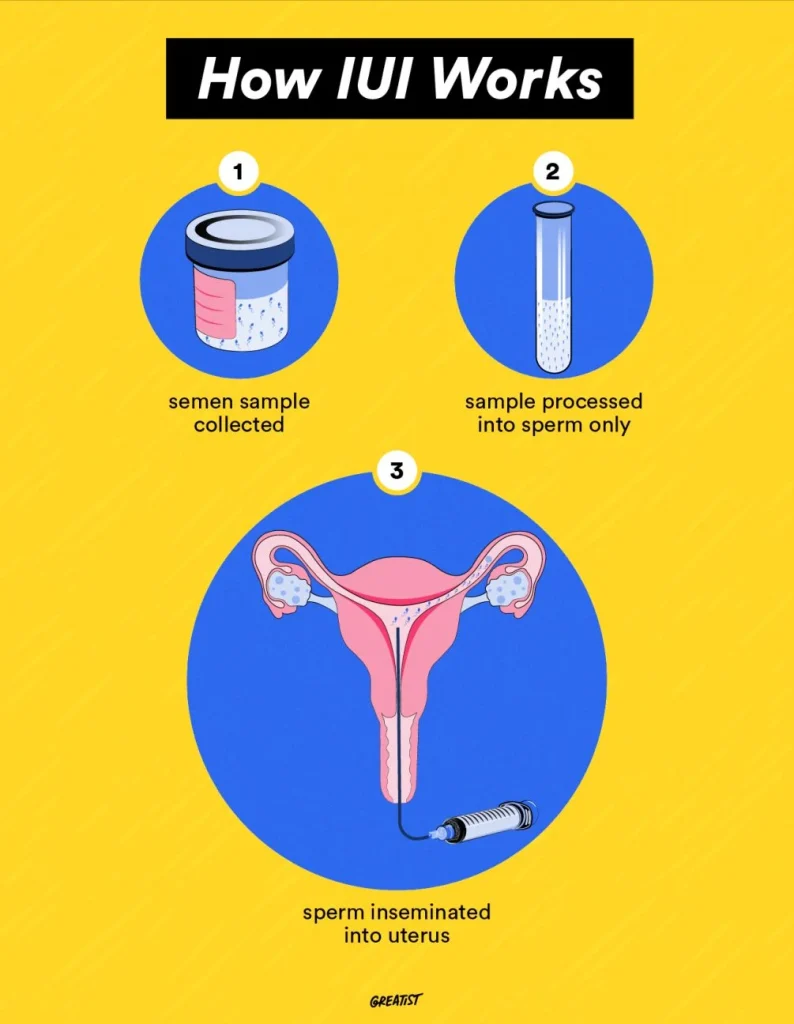
    illustration explaining the steps of intrauterine insemination (IUI) process on a bright yellow background

    A Match Made in Tech Heaven: Combining Fertility Tracking Devices with Traditional Methods

    One of the main benefits of combining fertility tracking devices with traditional methods is increased accuracy. Fertility tracking devices can provide real-time data and insights, while traditional methods offer a deeper understanding of the menstrual cycle. By combining these two approaches, users can have a more complete picture of their reproductive health, leading to more precise predictions of ovulation and fertile days. This can be especially beneficial for those with irregular cycles or fertility issues, as it can provide more personalized and accurate information.

    Another advantage of combining these two methods is convenience. Fertility tracking devices can eliminate the need for manual tracking and charting, making the process less time-consuming and more user-friendly. Traditional methods, on the other hand, can provide a backup or alternative method in case the device malfunctions or is not available. This can give users peace of mind and reduce the stress and anxiety that often come with trying to conceive.

    Moreover, combining fertility tracking devices with traditional methods can also provide a more holistic approach to fertility tracking. While fertility tracking devices focus on physiological data, traditional methods take into account other factors such as stress, diet, and lifestyle that can also impact reproductive health. By combining these two methods, users can get a more comprehensive understanding of their fertility and make more informed decisions about their reproductive health.

    However, there are also some challenges and considerations when it comes to combining these two methods. First, there may be a learning curve for those who are used to relying solely on traditional methods. Fertility tracking devices may require some time to set up and understand, and users may need to adjust their habits and routines to incorporate them into their daily lives. Additionally, there may be compatibility issues between different devices and methods, which can be frustrating for users.

    Another challenge is the potential cost. While fertility tracking devices can be expensive, traditional methods are often more affordable or even free. Combining these two methods may result in additional costs for users, which may not be feasible for everyone. However, many fertility tracking devices now offer subscription plans and payment options, making them more accessible to a wider range of users.

    In conclusion, combining fertility tracking devices with traditional methods has the potential to create a match made in tech heaven. By leveraging the benefits of both approaches, users can have a more accurate, convenient, and holistic way of tracking their fertility. It may not be a one-size-fits-all solution, and there are considerations to keep in mind, but it’s an exciting development in the world of fertility tracking. As technology continues to advance and traditional methods evolve, we can only expect to see more innovations and improvements in this field.

  • Breaking Down Barriers: How Fertility Tracking Devices are Making Reproductive Health More Accessible

    Blog Post Title: Breaking Down Barriers: How Fertility Tracking Devices are Making Reproductive Health More Accessible

    Summary:

    In today’s society, there are countless barriers that make it difficult for individuals to access reproductive health care. From financial constraints to lack of education and stigma surrounding reproductive health, many people face challenges in taking control of their own fertility and reproductive health. However, advancements in technology have led to the rise of fertility tracking devices, which are making reproductive health more accessible to all.

    This blog post will explore the various barriers that people face when it comes to reproductive health and how fertility tracking devices are breaking them down. We will discuss the benefits of these devices, how they work, and their impact on individuals, especially women, around the world. By the end of this post, you will have a better understanding of how fertility tracking devices are revolutionizing reproductive health and making it more accessible for everyone.

    Firstly, let’s address the barriers that exist when it comes to reproductive health. One of the biggest barriers is financial constraints. Many people, especially in developing countries, cannot afford traditional fertility treatments or even basic reproductive health care. This leads to a lack of access to essential services such as fertility testing, family planning, and prenatal care. Fertility tracking devices offer a more affordable alternative, making it possible for individuals to monitor their fertility and reproductive health without breaking the bank.

    Another significant barrier is the lack of education and awareness surrounding reproductive health. Many people, especially women, do not have access to accurate and reliable information about their bodies and reproductive health. This can lead to confusion, misinformation, and even fear. Fertility tracking devices come with educational resources and provide users with a better understanding of their menstrual cycles, ovulation, and fertility. This not only empowers individuals to take control of their reproductive health but also promotes a better understanding of the reproductive system.

    IVF vs IUI comparison graphic highlighting reproductive methods for aspiring parents.

    Breaking Down Barriers: How Fertility Tracking Devices are Making Reproductive Health More Accessible

    Stigma and cultural barriers also play a significant role in limiting access to reproductive health care. In many societies, there is still a stigma surrounding discussions about fertility and reproductive health. This can make it difficult for individuals to seek help or even openly discuss their concerns. Fertility tracking devices offer a more discreet and private way to monitor reproductive health, allowing individuals to take control of their fertility without having to face any judgment or stigma.

    Now, let’s dive into the benefits of fertility tracking devices. The most notable benefit is their accuracy. These devices use advanced technology to track various fertility indicators such as basal body temperature, cervical mucus, and hormone levels. This data is then analyzed to provide users with accurate information about their fertility and menstrual cycle. This information is crucial for those trying to conceive, as it helps them pinpoint their most fertile days and increase their chances of pregnancy.

    In addition to accuracy, fertility tracking devices also offer convenience. Unlike traditional fertility treatments that require multiple visits to the doctor, these devices can be used in the comfort of one’s own home. They are also easy to use and require minimal effort, making them accessible for individuals of all ages and backgrounds. This convenience factor allows people to monitor their fertility and reproductive health without disrupting their daily routines.

    Fertility tracking devices also promote a more natural approach to reproductive health. Many traditional fertility treatments involve medication or invasive procedures, which may not be suitable for everyone. Fertility tracking devices, on the other hand, rely on the body’s natural indicators to provide information about fertility. This not only eliminates the need for medication or procedures but also promotes a better understanding and connection with one’s own body.

    Moreover, these devices are not just limited to those trying to conceive. They can also be used for family planning and birth control. By tracking fertility and menstrual cycles, individuals can identify their most fertile and infertile days, making it easier to prevent or plan for pregnancy. This puts the power of family planning in the hands of individuals, allowing them to make informed decisions about their reproductive health.

    In conclusion, fertility tracking devices are breaking down barriers and making reproductive health more accessible for all. By providing affordable, accurate, and convenient ways to monitor fertility and reproductive health, these devices are empowering individuals to take control of their own bodies and make informed decisions about their reproductive health. As these devices continue to advance, we can expect to see more positive impacts on individuals and communities around the world.