Tag: Nutrition

  • The Role of Diet and Nutrition: Intrauterine Insemination vs Low-Tech IVF

    The Role of Diet and Nutrition: Intrauterine Insemination vs Low-Tech IVF

    In recent years, there has been a significant increase in the use of assisted reproductive technologies (ART) to help couples struggling with infertility. Intrauterine insemination (IUI) and low-tech in vitro fertilization (IVF) are two commonly used procedures that can help couples conceive. While both procedures have their own set of benefits and drawbacks, there is growing evidence that diet and nutrition play a crucial role in the success of these treatments. In this blog post, we will explore the role of diet and nutrition in both IUI and low-tech IVF, and how making healthy lifestyle choices can improve the chances of a successful pregnancy.

    Understanding IUI and Low-Tech IVF

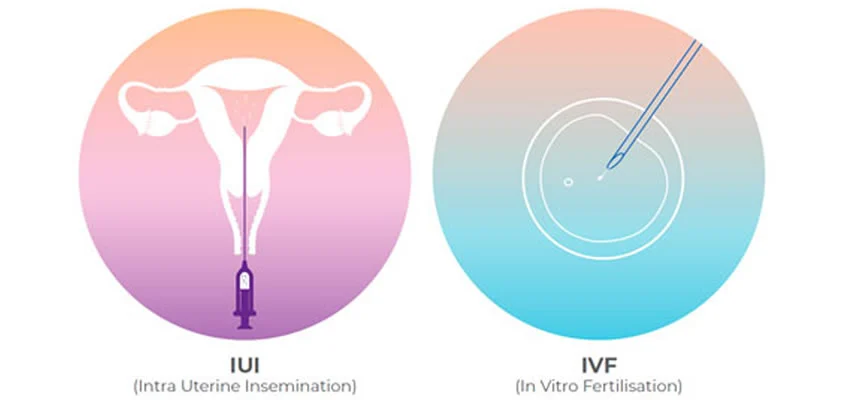
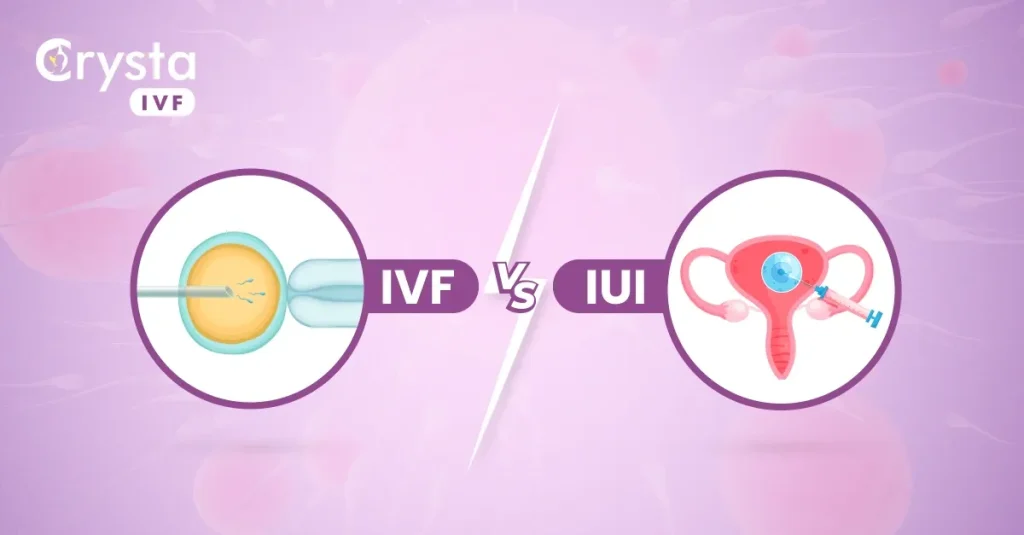
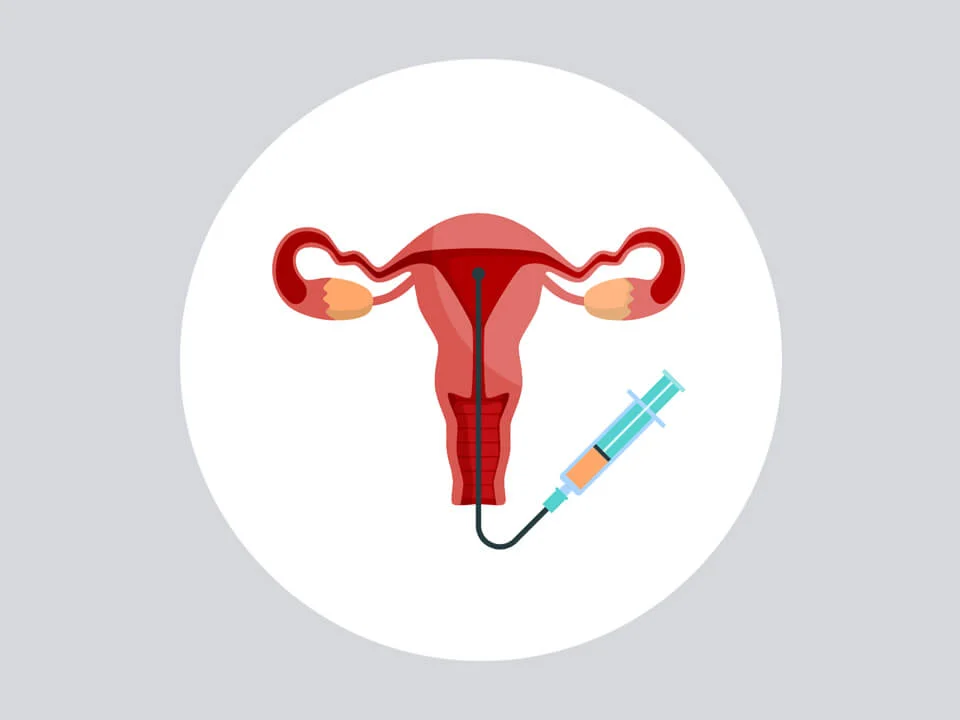
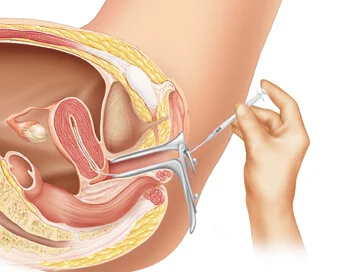
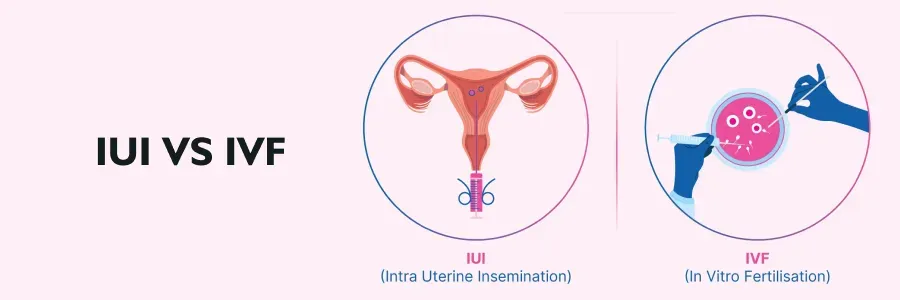
    Before we dive into the role of diet and nutrition, it is important to understand what IUI and low-tech IVF are and how they differ. IUI is a type of ART in which washed and concentrated sperm is directly inserted into the uterus during ovulation. This procedure is less invasive and less expensive than IVF, making it a popular choice for couples trying to conceive. On the other hand, low-tech IVF involves stimulating the ovaries with medication to produce multiple eggs, which are then retrieved and fertilized in a lab. The resulting embryos are then transferred back to the uterus for implantation.

    The Role of Diet and Nutrition in IUI

    Diet and nutrition play a crucial role in the success of IUI. Studies have shown that women who are overweight or obese have a lower chance of conceiving with IUI compared to those with a healthy BMI. This is because excess weight can affect hormone levels and ovulation, making it more difficult to get pregnant. A healthy and well-balanced diet can help maintain a healthy weight and improve overall fertility.

    In addition, certain nutrients have been found to improve the chances of success with IUI. For example, folic acid and omega-3 fatty acids have been linked to better egg quality and implantation rates. Foods rich in these nutrients include leafy greens, avocados, nuts, and fatty fish. On the other hand, a diet high in processed foods and unhealthy fats can negatively impact fertility and should be avoided.

    The Role of Diet and Nutrition in Low-Tech IVF

    Similarly, diet and nutrition also play a crucial role in the success of low-tech IVF. As with IUI, maintaining a healthy weight is important for successful IVF. In addition, research has shown that a diet rich in antioxidants can improve egg quality and increase the chances of a successful pregnancy. Antioxidants can be found in foods such as berries, dark leafy greens, and beans.
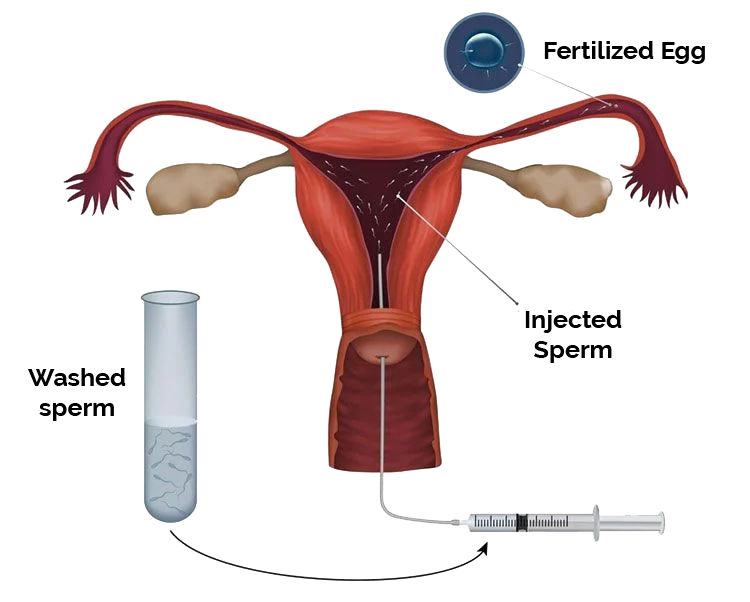
    diagram of the female reproductive system with an IUI syringe and test tube for artificial insemination

    The Role of Diet and Nutrition: Intrauterine Insemination vs Low-Tech IVF

    In contrast, a diet high in sugar and refined carbohydrates can have a negative impact on fertility and IVF success rates. These foods can cause inflammation in the body, which can affect hormone levels and egg quality. It is important to limit the consumption of these foods and focus on a balanced and nutrient-rich diet for optimal fertility.

    Supplements and Fertility

    In addition to a healthy diet, certain supplements can also play a role in improving fertility and the success of IUI and low-tech IVF. For example, studies have shown that women who took a prenatal vitamin with folic acid before and during IUI had higher pregnancy rates compared to those who did not. Other supplements that have been linked to improved fertility include vitamin D, Coenzyme Q10, and melatonin. However, it is important to consult with a healthcare provider before starting any new supplements, as they may interact with medications or have potential side effects.

    Lifestyle Factors and Fertility

    Aside from diet and supplements, other lifestyle factors can also impact the success of IUI and low-tech IVF. For example, smoking has been linked to decreased fertility and lower success rates with ART. It is important for both partners to quit smoking before undergoing these treatments. Similarly, excessive alcohol consumption can also negatively affect fertility and should be avoided.

    Stress is another factor that can impact fertility and the success of IUI and low-tech IVF. It is important to find healthy ways to manage stress, such as exercise, meditation, or counseling. In addition, maintaining a healthy sleep schedule and limiting exposure to environmental toxins can also improve fertility and the chances of a successful pregnancy.

    In conclusion, diet and nutrition play a crucial role in the success of both IUI and low-tech IVF. Maintaining a healthy weight, consuming a nutrient-rich diet, and avoiding unhealthy habits can improve fertility and increase the chances of a successful pregnancy. In addition, certain supplements and lifestyle factors can also impact the success of these treatments. It is important to work closely with a healthcare provider to develop a personalized plan that includes a healthy diet and lifestyle to optimize the chances of a successful pregnancy.

    Summary:

    Intrauterine insemination (IUI) and low-tech in vitro fertilization (IVF) are two commonly used procedures to help couples struggling with infertility. Both procedures have their own set of benefits and drawbacks, but recent evidence suggests that diet and nutrition play a crucial role in the success of these treatments. Maintaining a healthy weight, consuming a nutrient-rich diet, and avoiding unhealthy habits can improve fertility and increase the chances of a successful pregnancy. Certain supplements and lifestyle factors can also impact the success of these treatments. It is important to work closely with a healthcare provider to develop a personalized plan that includes a healthy diet and lifestyle to optimize the chances of a successful pregnancy.
  • Fertility Massage and Nutrition: A Winning Combination for Fertility

    Blog Post Title: Fertility Massage and Nutrition: A Winning Combination for Fertility

    Introduction:

    For couples struggling to conceive, the journey to parenthood can be filled with stress, frustration, and disappointment. While there are many factors that can affect fertility, such as age, hormonal imbalances, and medical conditions, one aspect that is often overlooked is the role of nutrition and massage in promoting fertility.

    Fertility massage and proper nutrition work together to create a balanced and fertile environment in the body. In this blog post, we will explore the benefits of both fertility massage and nutrition and how they can work together to increase the chances of conception.

    Fertility Massage:

    Fertility massage is a specialized form of massage therapy that focuses on the abdominal and pelvic area. It is believed to improve the health and function of the reproductive organs by increasing circulation, releasing tension and scar tissue, and balancing hormones.

    One of the key benefits of fertility massage is its ability to improve blood flow to the reproductive organs. By increasing circulation, the massage helps to deliver oxygen and nutrients to the ovaries and uterus, promoting their overall health and function. This can be particularly beneficial for women with conditions such as endometriosis, polycystic ovary syndrome (PCOS), or uterine fibroids, which can all affect fertility.

    Fertility massage also helps to release tension and scar tissue in the pelvic area. This can be helpful for women who have had surgeries, such as a C-section or laparoscopy, which can cause adhesions and blockages in the reproductive organs. By releasing these adhesions, fertility massage can improve the chances of conception and reduce the risk of complications during pregnancy.

    In addition to its physical benefits, fertility massage can also have a positive impact on the emotional well-being of couples struggling with fertility. It provides a safe and nurturing space for women to connect with their bodies and release any emotional blockages that may be hindering their fertility.

    Nutrition:

    Nutrition plays a crucial role in our overall health and well-being, and this is especially true when it comes to fertility. A healthy and balanced diet can help to regulate hormones, improve egg and sperm quality, and optimize reproductive function.

    One of the key nutrients for fertility is folate, which is found in leafy greens, legumes, and whole grains. Folate is essential for the production of healthy eggs and sperm, and a deficiency in this nutrient can lead to fertility issues.

    Comparison of IUI and IVF with illustrations of each procedure.

    Fertility Massage and Nutrition: A Winning Combination for Fertility

    Omega-3 fatty acids are also important for fertility as they help to regulate hormones and reduce inflammation in the body. Good sources of omega-3s include oily fish, nuts, and seeds.

    Antioxidants are another vital component of a fertility-friendly diet. These powerful compounds help to protect the body from free radicals, which can damage cells and affect reproductive health. Fruits and vegetables, especially brightly colored ones, are excellent sources of antioxidants.

    It is also important to limit or avoid certain foods that can negatively impact fertility. These include processed foods, trans fats, and excessive caffeine and alcohol consumption. These foods can disrupt hormone balance and affect the quality of sperm and eggs.

    Combining Fertility Massage and Nutrition:

    While fertility massage and nutrition each have their own benefits, when combined, they can create a powerful synergy that can greatly improve fertility. Fertility massage helps to prepare the body for conception by increasing blood flow and releasing tension, while proper nutrition provides the necessary building blocks for healthy reproductive function.

    Additionally, fertility massage can help to enhance the absorption of nutrients by improving circulation and promoting lymphatic drainage. This can be particularly beneficial for women with conditions such as PCOS, where nutrient absorption may be impaired.

    Fertility massage can also help to regulate the menstrual cycle, which is crucial for conception. By addressing any imbalances in the reproductive organs, the massage can help to promote ovulation and increase the chances of fertilization.

    Summary:

    Fertility massage and nutrition are two powerful tools that can greatly improve fertility. Fertility massage helps to improve blood flow, release tension and scar tissue, and promote emotional well-being, while proper nutrition provides the necessary nutrients for healthy reproductive function. When combined, these two approaches can create a balanced and fertile environment in the body, increasing the chances of conception.

    In addition to its physical benefits, fertility massage can also have a positive impact on the emotional well-being of couples struggling with fertility. It provides a safe and nurturing space for women to connect with their bodies and release any emotional blockages that may be hindering their fertility.

    Proper nutrition is also essential for fertility, as it provides the necessary building blocks for healthy reproductive function. Key nutrients such as folate, omega-3s, and antioxidants are crucial for fertility and can be found in a variety of whole, unprocessed foods.

    By combining fertility massage and nutrition, couples can take a holistic approach to improving their fertility and increase their chances of conceiving a healthy baby.

  • The Role of Yoga in Reducing Inflammation for Women Trying to Conceive

    Summary:

    Inflammation is a natural response of the body to protect itself from injury and infection. However, chronic inflammation can have negative effects on overall health, including fertility. For women who are trying to conceive, managing inflammation is crucial. Yoga, an ancient practice that combines physical postures, breathing techniques, and meditation, has been shown to be effective in reducing inflammation in the body. In this blog post, we will explore the role of yoga in reducing inflammation for women trying to conceive and how it can improve their chances of getting pregnant.

    Yoga and Inflammation:

    Inflammation is often caused by stress, poor diet, environmental toxins, and other lifestyle factors. These can all impact the reproductive system and make it difficult for women to get pregnant. Studies have shown that practicing yoga can help to reduce inflammation in the body by reducing stress and improving overall health.

    One of the key ways yoga helps to reduce inflammation is through its stress-reducing effects. Stress triggers the production of cortisol, a hormone that increases inflammation in the body. Yoga has been found to lower cortisol levels, thus reducing inflammation. Additionally, the physical postures and breathing techniques in yoga help to regulate the nervous system, which in turn reduces stress and inflammation.

    Yoga and Hormonal Balance:

    Hormonal imbalances can also contribute to inflammation and fertility issues. Yoga has been shown to help balance hormones by stimulating the endocrine glands and improving blood flow to the reproductive organs. This can help regulate menstrual cycles, improve ovulation, and increase fertility.

    Certain yoga poses, such as the shoulder stand and the fish pose, are especially beneficial for the reproductive organs. These poses increase blood flow to the pelvic area, which can help to reduce inflammation and improve fertility. They also help to balance hormones and stimulate the thyroid gland, which is responsible for regulating the reproductive hormones.

    diagram illustrating intrauterine insemination (IUI) procedure with uterus, sperm, and catheter labeled

    The Role of Yoga in Reducing Inflammation for Women Trying to Conceive

    Mental and Emotional Health:

    The journey of trying to conceive can be emotionally and mentally challenging for women. The stress, anxiety, and disappointment that come with infertility can also contribute to inflammation in the body. Yoga provides a safe and nurturing space for women to connect with their bodies and emotions, and to release any negative thoughts or feelings.

    Through meditation and breathing techniques, yoga can help to calm the mind and reduce stress and anxiety. It also promotes mindfulness, which allows women to become more aware of their bodies and any areas of tension or discomfort. By releasing these tensions, women can reduce inflammation and create a more supportive environment for conception.

    Yoga and Nutrition:

    Nutrition plays a crucial role in managing inflammation. Certain foods, such as processed and sugary foods, can trigger inflammation in the body. On the other hand, a diet rich in anti-inflammatory foods, such as leafy greens, whole grains, and healthy fats, can help to reduce inflammation.

    Yoga promotes mindful eating, which encourages women to listen to their bodies and make healthier food choices. Through the practice of yoga, women can become more aware of how certain foods affect their bodies and make changes to their diet accordingly. This can not only reduce inflammation but also improve overall health and fertility.

    Final Thoughts:

    In conclusion, yoga can be a powerful tool for women trying to conceive. Its ability to reduce stress, balance hormones, and promote overall health and well-being can help to reduce inflammation in the body and improve fertility. However, it is important to note that yoga should not be used as a replacement for medical treatment. Women should always consult with their healthcare provider before starting any new exercise regimen, especially if they have any underlying health conditions.

    Incorporating yoga into a fertility journey can be a beneficial and empowering experience. Not only does it provide physical benefits, but it also addresses mental, emotional, and nutritional factors that can contribute to inflammation and fertility issues. By reducing inflammation and creating a more harmonious environment in the body, women can increase their chances of conceiving and have a more positive outlook on their fertility journey.

  • Fertility Coaching: A Natural Approach to Boosting Fertility

    Blog Post:

    Fertility is a topic that affects many couples and individuals around the world. It is a natural desire for many to want to start a family and have children of their own. However, for some, this can be a difficult and challenging journey. In today’s world, there are many options available for those struggling with fertility, including medical treatments and procedures. However, there is also a natural approach that is gaining popularity and success – fertility coaching.

    Fertility coaching is a holistic and natural approach to boosting fertility. It focuses on addressing the physical, emotional, and mental aspects of fertility, rather than just the physical. The goal of fertility coaching is to help individuals and couples optimize their overall health and well-being to increase their chances of conceiving naturally.

    So, how does fertility coaching work? Let’s dive deeper into this natural approach to boosting fertility.

    Understanding Fertility Coaching

    Fertility coaching is a relatively new concept, but it is quickly gaining traction in the fertility community. The idea behind fertility coaching is to provide individuals and couples with personalized support and guidance in their fertility journey. Fertility coaches work closely with their clients to identify any underlying issues that may be affecting their fertility and create a plan to address them.

    The Role of Nutrition in Fertility Coaching

    One of the key elements of fertility coaching is nutrition. A healthy and balanced diet is crucial for optimal fertility. Fertility coaches work with their clients to identify any nutritional deficiencies or imbalances that may be affecting their fertility. They then create a personalized nutrition plan that includes whole, nutrient-dense foods to support fertility and overall health.

    Stress Management Techniques

    Stress can have a significant impact on fertility. Fertility coaches help their clients identify their stressors and develop effective coping strategies. These may include relaxation techniques like meditation, yoga, or deep breathing exercises. By managing stress levels, individuals and couples can improve their chances of conceiving naturally.

    Comparison of IUI and IVF treatments with diagrams of reproductive anatomy.

    Fertility Coaching: A Natural Approach to Boosting Fertility

    Addressing Hormonal Imbalances

    Hormonal imbalances can be a significant barrier to fertility. Fertility coaches work closely with their clients to identify any hormonal imbalances and address them through natural methods. This may include incorporating specific foods, supplements, and lifestyle changes to support hormonal balance.

    Emotional Support and Mindset Shifts

    Fertility can be an emotional rollercoaster for many individuals and couples. Fertility coaches provide emotional support and guidance to help clients navigate the ups and downs of their journey. They also focus on mindset shifts, helping clients cultivate a positive and hopeful mindset to increase their chances of success.

    The Benefits of Fertility Coaching

    Fertility coaching offers a range of benefits for those struggling with fertility. Firstly, it provides personalized support and guidance tailored to each individual’s needs. This holistic approach addresses all aspects of fertility, promoting overall health and well-being. Fertility coaching also empowers individuals and couples to take an active role in their fertility journey and make informed decisions about their health.

    Additionally, fertility coaching is a natural and non-invasive approach to boosting fertility. It focuses on optimizing the body’s natural functions rather than relying on medical interventions. This can be a more affordable option for those who may not have the financial means for costly fertility treatments.

    Fertility Coaching – A Natural Path to Parenthood

    Fertility coaching is a natural and holistic way to boost fertility and increase the chances of conceiving naturally. By addressing the physical, emotional, and mental aspects of fertility, individuals and couples can optimize their health and well-being to increase their chances of success. With a focus on nutrition, stress management, hormonal balance, and mindset shifts, fertility coaching provides a personalized and natural path to parenthood.

    Summary:

    Fertility coaching is a holistic and natural approach to boosting fertility, focusing on physical, emotional, and mental aspects rather than just the physical. It involves personalized support and guidance, addressing nutrition, stress management, hormonal imbalances, and mindset shifts. Fertility coaching offers a range of benefits, including affordability and empowerment in the fertility journey. It is a natural and non-invasive option for those looking to start a family.

  • The Science Behind Fertility Coaching: Understanding the Mind-Body Connection

    Blog Post Title: The Science Behind Fertility Coaching: Understanding the Mind-Body Connection

    Summary:

    Fertility coaching is an emerging field that focuses on helping individuals and couples navigate the challenges of trying to conceive. While many may think of fertility as purely a physical issue, there is a growing body of research that highlights the importance of the mind-body connection in fertility. In this blog post, we will explore the science behind fertility coaching and how it can help individuals and couples on their journey to parenthood.

    The Role of Stress

    One of the key factors that fertility coaching addresses is stress and its impact on fertility. Research has shown that stress can have a significant effect on reproductive hormones, leading to irregular ovulation, menstrual cycle disruptions, and even infertility. By working with a fertility coach, individuals and couples can learn how to manage stress and develop coping mechanisms that can improve their chances of conceiving.

    Mind-Body Techniques for Fertility

    Fertility coaching incorporates various mind-body techniques to help individuals and couples improve their fertility. These techniques include meditation, yoga, visualization, and breathing exercises. Studies have shown that these practices can reduce stress levels, improve reproductive hormone levels, and increase the chances of conception. Additionally, these techniques can also help individuals cope with the emotional and psychological challenges of infertility.

    The Impact of Nutrition and Lifestyle

    comparison of IUI and IVF procedures illustrated with simple graphics and labels

    The Science Behind Fertility Coaching: Understanding the Mind-Body Connection

    Fertility coaching also emphasizes the importance of nutrition and lifestyle in fertility. Research has shown that certain dietary changes and lifestyle modifications can improve reproductive health. For example, a diet rich in antioxidants can help protect reproductive cells from damage, while regular exercise can improve fertility by regulating hormones and reducing stress. Fertility coaches work with individuals to develop personalized nutrition and lifestyle plans that can positively impact their fertility.

    The Mind-Body Connection in Assisted Reproductive Technologies (ART)

    For individuals and couples undergoing assisted reproductive technologies (ART) such as in vitro fertilization (IVF), the mind-body connection is crucial. Studies have shown that stress can negatively affect the success rates of ART. Fertility coaching can help individuals and couples prepare for the physical and emotional demands of ART, manage stress levels, and increase their chances of success.

    The Power of Positive Thinking

    Fertility coaching also addresses the power of positive thinking in fertility. Research has shown that individuals with a positive outlook have a better chance of conceiving compared to those with a negative mindset. Fertility coaches can help individuals shift their mindset and develop a positive attitude towards their fertility journey. This can involve reframing negative thoughts, setting realistic expectations, and practicing gratitude and self-care.

    The Role of Support and Empowerment

    Infertility can be a lonely and isolating experience. Fertility coaching provides individuals and couples with a supportive and empowering environment. By working with a fertility coach, individuals can feel less alone and more empowered to take an active role in their fertility journey. Fertility coaches also provide valuable resources and referrals to other healthcare professionals, support groups, and alternative therapies, further enhancing the support system for individuals and couples.

    In conclusion, the science behind fertility coaching highlights the undeniable link between the mind and body when it comes to fertility. By addressing stress, incorporating mind-body techniques, focusing on nutrition and lifestyle, and providing support and empowerment, fertility coaching can help individuals and couples improve their chances of conceiving. With more research and awareness, fertility coaching is becoming an essential part of the fertility journey for many individuals and couples.

  • The Power of Mindset: How Fertility Coaching Can Improve Your Chances of Conceiving

    Summary:

    Conceiving a child is a deeply personal and emotional journey that can be both physically and mentally exhausting. For couples struggling with fertility, the pressure and stress of trying to conceive can take a toll on their mental well-being and ultimately affect their chances of conceiving. This is where fertility coaching comes in, providing a supportive and empowering approach to help couples navigate their fertility journey with a positive mindset. In this blog post, we will explore the power of mindset and how fertility coaching can improve your chances of conceiving by addressing the mental and emotional aspects of fertility.

    The Power of Mindset:

    The mind is a powerful tool that can greatly impact our physical and emotional well-being. When it comes to fertility, having a positive mindset can make all the difference. Studies have shown that stress and negative emotions can affect a woman’s ability to conceive by disrupting hormone levels and ovulation. This is where fertility coaching can be beneficial, as it focuses on promoting a positive mindset and reducing stress levels.

    Fertility coaching helps individuals and couples understand the mind-body connection and how their thoughts and emotions can impact their fertility journey. By addressing any negative beliefs and fears, fertility coaches can help clients shift their mindset to a more positive and empowering one. This can help reduce stress levels and improve overall mental well-being, creating a more conducive environment for conception to occur.

    Addressing Emotional Blocks:

    Many couples struggling with fertility face emotional blocks that can hinder their chances of conceiving. These can include feelings of guilt, shame, or even blame towards oneself or their partner. Fertility coaching is designed to help individuals and couples work through these emotional blocks and release any negative emotions that may be standing in the way of conceiving. By addressing these emotional blocks, clients can free themselves from the burden of negative thoughts and emotions, creating space for a more positive and hopeful mindset.

    illustration of intrauterine insemination procedure with a syringe and catheter in the uterus.

    The Power of Mindset: How Fertility Coaching Can Improve Your Chances of Conceiving

    Coping with the Journey:

    The journey towards conceiving can be challenging and unpredictable, causing a rollercoaster of emotions for couples. Fertility coaching provides clients with the necessary tools and coping strategies to manage the ups and downs of their fertility journey. This can include techniques such as mindfulness, visualization, and self-care practices, all aimed at promoting a positive mindset and reducing stress levels. By learning how to cope with the journey, couples can maintain a sense of control and feel more empowered throughout the process.

    Support and Community:

    Fertility coaching also offers a supportive and nurturing environment for couples. The journey towards conceiving can often feel isolating and lonely, as many people may not understand the struggles and challenges. Fertility coaches provide a safe space for clients to share their thoughts and emotions without judgment, creating a sense of community and support. This can be especially helpful for couples who may feel like they are going through this journey alone.

    The Role of Nutrition and Lifestyle:

    Fertility coaching also addresses the importance of nutrition and lifestyle in improving fertility. A healthy and balanced diet, regular exercise, and reducing exposure to toxins can all play a significant role in enhancing fertility. Fertility coaches work with clients to develop personalized nutrition and lifestyle plans that can support their fertility journey. This holistic approach ensures that clients are taking care of their physical and mental well-being, creating a more fertile environment for conception to occur.

    In conclusion, the power of mindset cannot be underestimated when it comes to fertility. Fertility coaching offers a holistic and empowering approach to help couples navigate their fertility journey with a positive mindset. By addressing emotional blocks, providing coping strategies, and promoting a sense of community, fertility coaching can significantly improve a couple’s chances of conceiving. So, if you are struggling with fertility, consider seeking the support and guidance of a fertility coach to help you on your journey.

  • Natural Remedies for Male and Female Factor Infertility: Separating Fact from Fiction

    Natural Remedies for Male and Female Factor Infertility: Separating Fact from Fiction

    Infertility is a condition that affects millions of couples worldwide. According to the World Health Organization, one in every four couples in developing countries experiences infertility problems. In the United States alone, around 10% to 15% of couples struggle with infertility. While there are various causes of infertility, male and female factor infertility are the most common.

    Male factor infertility refers to infertility problems caused by issues with the male reproductive system, such as low sperm count, abnormal sperm shape, or difficulty with ejaculation. On the other hand, female factor infertility is caused by problems with the female reproductive system, including hormonal imbalances, ovulation disorders, and blocked fallopian tubes.

    The struggle to conceive can be emotionally and financially draining for couples, leading them to search for alternative treatments such as natural remedies. However, with so much information available on the internet, it can be challenging to separate fact from fiction when it comes to natural remedies for male and female factor infertility. In this blog post, we will examine some of the most popular natural remedies for infertility and determine their effectiveness based on scientific evidence.

    1. Acupuncture

    Acupuncture is a traditional Chinese medicine practice that involves inserting thin needles into specific points on the body to improve energy flow. It is believed that acupuncture can help treat infertility by increasing blood flow to the reproductive organs and balancing hormones.

    Studies have shown mixed results when it comes to acupuncture and infertility. Some studies have found a positive association between acupuncture and improved fertility, while others have found no significant difference compared to a placebo treatment. However, acupuncture is generally considered safe and may be worth trying as a complementary therapy for infertility.

    2. Herbal Supplements

    Herbal supplements have been used for centuries to treat various health conditions, including infertility. Some of the most commonly used herbs for infertility include chasteberry, maca root, and ginseng. These herbs are believed to help regulate hormones and improve reproductive health.

    While there is some evidence that these herbs may have positive effects on fertility, more research is needed to determine their effectiveness. It is also important to note that herbal supplements can interact with prescription medications, so it is crucial to consult with a healthcare professional before taking them.

    3. Yoga

    Yoga is a mind-body practice that combines physical postures, breathing techniques, and meditation. It has been shown to have numerous health benefits, including reducing stress, improving flexibility and strength, and promoting overall well-being. Some studies have also suggested that yoga may improve fertility by reducing stress and balancing hormones.

    comparison of IUI and IVF procedures illustrated with simple graphics and labels

    Natural Remedies for Male and Female Factor Infertility: Separating Fact from Fiction

    However, the evidence on the effectiveness of yoga for infertility is limited, and more research is needed. Nevertheless, incorporating yoga into your daily routine can have a positive impact on your physical and mental health, which may indirectly improve your chances of conceiving.

    4. Nutrition and Diet

    The foods we eat can have a significant impact on our overall health, including our reproductive health. Some studies have shown that a diet rich in antioxidants, healthy fats, and plant-based proteins may improve fertility. Antioxidants, in particular, have been found to improve sperm quality and protect eggs from damage.

    It is essential to maintain a healthy and balanced diet to support overall reproductive health. However, there is no specific diet that has been proven to be effective in treating infertility. Consult with a registered dietitian to develop a personalized nutrition plan that can help improve your fertility.

    5. Stress Management

    Stress is a common factor in infertility, and it can affect both male and female fertility. High levels of stress can disrupt hormone levels, affect sperm production, and disrupt the menstrual cycle. Therefore, finding ways to manage stress can have a positive impact on fertility.

    Some effective stress management techniques include meditation, deep breathing, and exercise. It is also crucial to seek support from your partner, friends, or a therapist to help cope with the emotional toll of infertility.

    Separating Fact from Fiction

    While some natural remedies may have a positive impact on fertility, it is crucial to understand that they are not a miracle cure and may not work for everyone. It is essential to discuss any natural remedies with your healthcare provider before trying them, as some may interfere with fertility treatments or have potential side effects.

    It is also essential to keep in mind that natural remedies should not be used as a replacement for medical treatment. If you are struggling with infertility, it is crucial to seek guidance from a fertility specialist who can provide evidence-based treatments tailored to your specific needs.

    In conclusion, infertility is a complex issue, and there is no one-size-fits-all solution. While natural remedies may have some benefits, it is essential to approach them with caution and consult with a healthcare professional. Remember to take care of your overall health, both physically and mentally, and seek professional help if you are struggling to conceive.

    Summary:

    Infertility is a common condition that affects many couples worldwide, and male and female factor infertility are the most common causes. While there are various natural remedies for infertility, it is crucial to separate fact from fiction and consult with a healthcare professional before trying them. Some of the most popular natural remedies for infertility include acupuncture, herbal supplements, yoga, nutrition and diet, and stress management techniques. However, more research is needed to determine their effectiveness, and they should not be used as a replacement for medical treatment.

  • The Role of Nutrition in Male and Female Factor Infertility: Foods to Boost Fertility

    Blog post: The Role of Nutrition in Male and Female Factor Infertility: Foods to Boost Fertility

    Infertility is a common issue that affects many couples, with about 10-15% of couples worldwide struggling to conceive. While there are various factors that can contribute to infertility, nutrition plays a crucial role in both male and female fertility. A well-balanced diet rich in certain nutrients can help improve reproductive health and increase the chances of conception. In this blog post, we will explore the role of nutrition in male and female factor infertility and discuss some foods that can boost fertility.

    The Link Between Nutrition and Fertility

    The foods we eat not only provide us with energy but also have a significant impact on our overall health, including reproductive health. Studies have shown that certain nutrients can affect hormone levels, sperm and egg quality, and overall fertility. A balanced and nutritious diet can help regulate the menstrual cycle, improve sperm quality and motility, and increase the chances of successful conception.

    Foods to Boost Fertility

    Let’s take a look at some foods that can boost fertility in both men and women.

    1. Leafy Greens

    Leafy greens, such as spinach, kale, and broccoli, are excellent sources of folate, a B vitamin that helps prevent birth defects and improve sperm quality. These greens are also rich in antioxidants, which can help protect eggs and sperm from damage.

    2. Whole Grains

    Whole grains, such as oats, quinoa, and brown rice, are high in complex carbohydrates, which can help regulate insulin levels and improve ovulation in women. They also contain fiber, which can help reduce the risk of gestational diabetes.

    3. Fatty Fish

    Fatty fish, such as salmon, mackerel, and sardines, are rich in omega-3 fatty acids, which are essential for reproductive health. These healthy fats can help regulate hormones, improve sperm quality, and increase blood flow to the reproductive organs.

    4. Avocados

    Avocados are a great source of monounsaturated fats, which can help improve sperm quality and motility. They also contain high levels of vitamin E, an antioxidant that can protect sperm from damage.

    Comparison of IVF and IUI procedures with illustrations of each method.

    The Role of Nutrition in Male and Female Factor Infertility: Foods to Boost Fertility

    5. Berries

    Berries, such as blueberries, raspberries, and strawberries, are loaded with antioxidants, which can help protect eggs and sperm from oxidative stress. They are also rich in vitamin C, which can improve sperm quality and motility.

    6. Nuts and Seeds

    Nuts and seeds, such as almonds, walnuts, and pumpkin seeds, are excellent sources of healthy fats, protein, and antioxidants. They can help regulate hormone levels, improve sperm quality, and increase blood flow to the reproductive organs.

    7. Lean Protein

    Lean protein sources, such as chicken, turkey, and tofu, are essential for reproductive health. They provide the necessary building blocks for hormone production and can help improve sperm quality and ovulation.

    8. Legumes

    Legumes, such as lentils, beans, and chickpeas, are rich in plant-based protein, fiber, and folate. They can help regulate ovulation and improve sperm quality.

    9. Citrus Fruits

    Citrus fruits, such as oranges, lemons, and grapefruits, are high in vitamin C, which can improve sperm quality and motility. They also contain folic acid, which can help prevent birth defects.

    10. Water

    Staying hydrated is crucial for reproductive health. Drinking enough water can help thin cervical mucus, making it easier for sperm to reach the egg. It can also help regulate hormone levels and improve fertility.

    In addition to these foods, it is essential to limit or avoid alcohol, caffeine, and processed foods, as they can have a negative impact on fertility.

    Summary:

    Infertility is a common issue that affects many couples, and nutrition plays a crucial role in both male and female fertility. A well-balanced diet rich in certain nutrients can help improve reproductive health and increase the chances of conception. Leafy greens, whole grains, fatty fish, avocados, berries, nuts and seeds, lean protein, legumes, citrus fruits, and water are some foods that can boost fertility. It is also essential to limit or avoid alcohol, caffeine, and processed foods for better reproductive health.

  • The Role of Nutrition in Preparing for Insemination

    Blog Post: The Role of Nutrition in Preparing for Insemination

    Insemination is a process where sperm is artificially introduced into a female’s reproductive tract in order to fertilize an egg. This method is commonly used in fertility treatments, but it can also be used for those who are trying to conceive naturally. While there are various factors that can affect the success of insemination, one crucial aspect that should not be overlooked is nutrition.

    Nutrition plays a significant role in preparing for insemination, as it can impact the overall health and fertility of both partners. In this blog post, we will discuss the importance of proper nutrition in preparing for insemination and provide tips on how to optimize your diet for this reproductive procedure.

    How Nutrition Affects Fertility

    Nutrition has a direct impact on fertility as it affects the reproductive hormones and the overall health of the reproductive organs. A well-balanced diet that provides essential nutrients can improve the quality of sperm and eggs, making it easier for fertilization to occur. On the other hand, a poor diet lacking in essential nutrients can lead to hormonal imbalances, nutrient deficiencies, and other health issues that can hinder the chances of conception.

    Important Nutrients for Preparing for Insemination

    1. Folic Acid

    Folic acid, also known as folate, is a vital nutrient for both men and women when preparing for insemination. This B vitamin is crucial for the development of a healthy placenta and fetus, reducing the risk of birth defects. It is recommended for women to consume 400-800 micrograms of folic acid daily, at least three months before attempting to conceive.

    2. Iron

    Iron is essential for the production of healthy red blood cells, which are responsible for carrying oxygen to all the cells in the body. Iron deficiency can lead to anemia, which can cause irregular ovulation and menstrual cycles, making it difficult to conceive. It is recommended for women to consume 18 milligrams of iron daily, while men should aim for 8 milligrams.

    3. Omega-3 Fatty Acids

    Omega-3 fatty acids, particularly DHA and EPA, are crucial for both male and female fertility. These essential fatty acids play a role in regulating hormones, improving egg quality, and sperm health. Sources of omega-3 fatty acids include fatty fish, flaxseeds, and chia seeds.

    4. Zinc

    Zinc is an essential mineral that plays a critical role in reproductive health. In men, zinc is necessary for sperm production and motility, while in women, it is necessary for the development and release of healthy eggs. It is recommended for men to consume 11 milligrams of zinc daily, while women should aim for 8 milligrams.

    Illustration of a uterus with a syringe, representing intrauterine insemination (IUI) procedure.

    The Role of Nutrition in Preparing for Insemination

    5. Antioxidants

    Antioxidants such as vitamins C and E, beta-carotene, and selenium are crucial for fertility as they protect the reproductive cells from damage caused by free radicals. These harmful molecules can damage sperm and eggs, leading to infertility. Consuming a diet rich in fruits, vegetables, nuts, and seeds can provide a good amount of antioxidants to help improve fertility.

    Tips for Optimizing Nutrition for Insemination

    1. Eat a Well-Balanced Diet

    A well-balanced diet that includes a variety of whole foods, such as fruits, vegetables, whole grains, lean protein, and healthy fats, is essential for preparing for insemination. Eating a variety of foods ensures that you are getting all the necessary nutrients for optimal fertility.

    2. Avoid Processed and Junk Foods

    Processed and junk foods are high in unhealthy fats, sugar, and calories, which can negatively impact fertility. These foods can also lead to weight gain, which can interfere with hormone levels and ovulation.

    3. Stay Hydrated

    Drinking plenty of water is essential for overall health and fertility. It helps to keep the body hydrated and ensures the proper functioning of all organs, including the reproductive organs.

    4. Consider Supplements

    Sometimes, it can be challenging to get all the necessary nutrients from food alone. In this case, it may be beneficial to consider taking supplements, especially those that are specifically formulated for fertility.

    5. Consult with a Registered Dietitian

    Consulting with a registered dietitian can be helpful in creating a personalized nutrition plan for preparing for insemination. They can assess your current diet and make recommendations for any necessary dietary changes.

    Summary:

    Proper nutrition plays a crucial role in preparing for insemination. A well-balanced diet that provides essential nutrients such as folic acid, iron, omega-3 fatty acids, zinc, and antioxidants can improve fertility and increase the chances of successful conception. It is essential to eat a variety of whole foods, stay hydrated, and consult with a registered dietitian for personalized recommendations. Avoiding processed and junk foods is also crucial for optimizing nutrition for insemination.

  • The Role of Nutrition in Fertility Medications vs Surgical Treatments

    Blog Post:

    When it comes to fertility issues, there are various treatment options available to help couples conceive. Two common approaches are fertility medications and surgical treatments. While both aim to help individuals or couples achieve pregnancy, there are significant differences in their methods and effectiveness. One aspect that plays a crucial role in both approaches is nutrition. In this blog post, we will explore the role of nutrition in fertility medications vs surgical treatments and how it can impact the success of these treatments.

    Fertility Medications:

    Fertility medications are synthetic drugs that are used to stimulate ovulation in women or increase sperm production in men. They are often the first line of treatment for individuals or couples struggling with fertility issues. These medications work by regulating the hormones responsible for ovulation and sperm production, thereby increasing the chances of successful conception.

    But how does nutrition play a role in the effectiveness of fertility medications? Well, the answer lies in the fact that certain nutrients are essential for the production and regulation of hormones in the body. For example, zinc is crucial for the production of testosterone in men, and a deficiency in this mineral can lead to low sperm count and poor sperm quality. Similarly, a deficiency in Vitamin B6 can disrupt the production of progesterone, a hormone necessary for maintaining a healthy pregnancy in women.

    Therefore, it is essential for individuals undergoing fertility medication treatment to ensure they are getting adequate amounts of essential nutrients through their diet or supplements. A well-balanced diet that includes a variety of fruits, vegetables, whole grains, lean proteins, and healthy fats is crucial for providing the body with the necessary nutrients to support hormone production and regulation. Additionally, certain supplements, such as folic acid and iron, can also aid in the effectiveness of fertility medications.

    Surgical Treatments:

    illustration of intrauterine insemination procedure with a hand holding a speculum and syringe near the uterus

    The Role of Nutrition in Fertility Medications vs Surgical Treatments

    Surgical treatments, on the other hand, involve more invasive procedures and are usually recommended for individuals with more complex fertility issues, such as blocked fallopian tubes or endometriosis. These procedures aim to correct any structural abnormalities that may be hindering conception.

    While nutrition may not directly impact the success of surgical treatments, it plays a crucial role in the recovery process. After undergoing surgery, the body requires proper nutrition to heal and repair itself. Adequate protein intake is essential for tissue repair, and Vitamin C is crucial for wound healing. Additionally, consuming a well-balanced diet can help reduce inflammation and promote overall healing.

    Moreover, maintaining a healthy weight through proper nutrition is essential for individuals undergoing surgical treatments. Being overweight or underweight can affect hormone levels and increase the risk of complications during and after surgery. Therefore, individuals should work with a nutritionist or healthcare provider to ensure they are at a healthy weight before undergoing surgical treatments.

    The Impact of Lifestyle Factors:

    Apart from nutrition, other lifestyle factors also play a significant role in the success of fertility medications and surgical treatments. Factors such as smoking, alcohol consumption, and stress can all affect hormone levels and reproductive health. Therefore, individuals undergoing fertility treatments should make lifestyle changes to support their overall health and increase their chances of a successful pregnancy.

    Summary:

    Fertility medications and surgical treatments are both common approaches to help individuals and couples overcome fertility issues. While fertility medications work by regulating hormones and increasing the chances of ovulation and sperm production, surgical treatments aim to correct any structural abnormalities that may be hindering conception. Nutrition plays a crucial role in the effectiveness of both approaches. Adequate intake of essential nutrients through a well-balanced diet or supplements can support hormone production and regulation. Additionally, proper nutrition is crucial for the recovery process after surgery and maintaining a healthy weight can increase the chances of a successful outcome. Lifestyle factors, such as smoking, alcohol consumption, and stress, should also be addressed to support overall reproductive health.