Tag: Infertility

  • Key Differences Between Hormone Injections and Natural Fertility Boosters

    Blog Post Title: Key Differences Between Hormone Injections and Natural Fertility Boosters

    Introduction:
    Infertility is a common issue faced by many couples around the world. It can be a frustrating and emotionally draining experience, and couples often turn to different fertility treatments to increase their chances of conception. Two popular options are hormone injections and natural fertility boosters. Both methods have their own benefits and drawbacks, and it’s important to understand the key differences between them before making a decision.

    What are Hormone Injections?
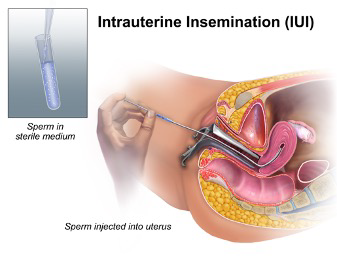
    Hormone injections, also known as fertility drugs, are medications that are designed to stimulate ovulation in women. They work by increasing the levels of follicle-stimulating hormone (FSH) and luteinizing hormone (LH) in the body, which helps to mature and release eggs from the ovaries. These injections are often used in conjunction with other fertility treatments, such as intrauterine insemination (IUI) or in vitro fertilization (IVF).

    Pros of Hormone Injections:
    1. Increased chances of conception: Hormone injections are highly effective in stimulating ovulation, which can increase the chances of conception for women who have irregular or absent ovulation.
    2. Controlled cycle: The use of hormone injections allows doctors to closely monitor the ovulation cycle, ensuring that the eggs are released at the right time for fertilization to occur.
    3. Short treatment duration: Hormone injections are usually taken for a short period of time, typically around 5-10 days, making it a convenient option for couples trying to conceive.
    4. Can be used for specific fertility issues: Hormone injections can be prescribed to address specific fertility issues, such as polycystic ovary syndrome (PCOS) or luteal phase defect.

    Cons of Hormone Injections:
    1. Side effects: As with any medication, hormone injections can have side effects such as headaches, mood swings, bloating, and breast tenderness.
    2. Multiple pregnancies: Hormone injections can increase the chances of multiple pregnancies, which can be risky for both the mother and the babies.
    3. Expensive: Hormone injections can be costly, especially when used in conjunction with other fertility treatments.
    4. Requires medical supervision: Hormone injections need to be prescribed and administered by a doctor, which means regular visits to the clinic and additional costs.
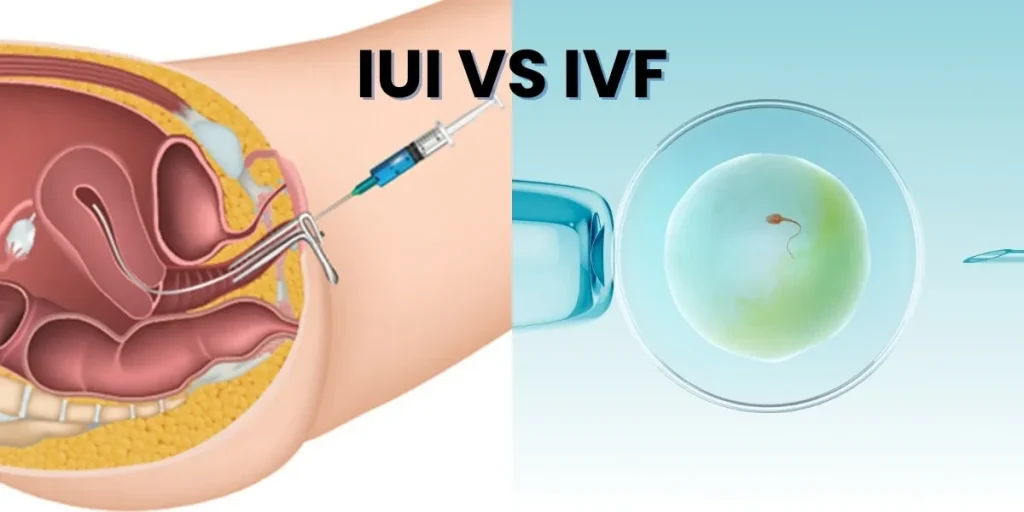
    comparison of IUI and IVF fertility treatments with illustrations of procedures and a petri dish with an egg and sperm

    Key Differences Between Hormone Injections and Natural Fertility Boosters

    What are Natural Fertility Boosters?
    Natural fertility boosters are supplements or lifestyle changes that are believed to improve fertility. These can include dietary changes, herbal remedies, acupuncture, and stress reduction techniques. Unlike hormone injections, natural fertility boosters do not involve the use of medication or medical procedures.

    Pros of Natural Fertility Boosters:
    1. Can be used by both men and women: Natural fertility boosters can be used by both men and women to improve their chances of conception.
    2. No side effects: Since natural fertility boosters are made from natural ingredients, they do not have any harmful side effects.
    3. Cost-effective: Natural fertility boosters are generally more affordable than hormone injections and other fertility treatments.
    4. Can improve overall health: Many natural fertility boosters focus on improving overall health, which can have a positive impact on fertility.

    Cons of Natural Fertility Boosters:
    1. Limited scientific evidence: While many people swear by the effectiveness of natural fertility boosters, there is limited scientific evidence to support their claims.
    2. May not work for everyone: As with any treatment, what works for one person may not work for another. Natural fertility boosters may not be effective for everyone trying to conceive.
    3. Takes longer to see results: Unlike hormone injections, which have a more immediate effect, natural fertility boosters may take longer to show results.
    4. Difficult to regulate dosage: Since natural fertility boosters are not prescribed by doctors, it can be difficult to regulate the dosage and ensure that the right amount is being taken.

    Key Differences Between Hormone Injections and Natural Fertility Boosters:
    1. Method of administration: Hormone injections are administered as medication, while natural fertility boosters are taken as supplements or involve lifestyle changes.
    2. Effectiveness: Hormone injections have been proven to be highly effective in stimulating ovulation, while the effectiveness of natural fertility boosters is still debatable.
    3. Cost: Hormone injections can be more expensive than natural fertility boosters, as they require medical supervision and may be used in conjunction with other treatments.
    4. Side effects: Hormone injections can have side effects, while natural fertility boosters are generally considered safe and have no harmful side effects.
    5. Medical supervision: Hormone injections require a doctor’s prescription and regular monitoring, while natural fertility boosters can be taken without medical supervision.

    Conclusion:
    Both hormone injections and natural fertility boosters have their own set of benefits and drawbacks. While hormone injections are highly effective and can be prescribed for specific fertility issues, they can be expensive and have potential side effects. On the other hand, natural fertility boosters may be more affordable and have no side effects, but their effectiveness is still debated and they may not work for everyone. It’s important to consult with a doctor and weigh the pros and cons of each option before deciding on a fertility treatment plan.

    Summary:
    Infertility is a common issue faced by many couples and two popular treatment options are hormone injections and natural fertility boosters. Hormone injections are medications that stimulate ovulation and have a high success rate, but can be costly and have side effects. Natural fertility boosters involve supplements or lifestyle changes and are generally more affordable and have no side effects, but their effectiveness is still debated. The key differences between the two include method of administration, effectiveness, cost, side effects, and need for medical supervision.
  • The Pros and Cons of Hormone Injections for Fertility

    Hormone injections are a commonly used treatment for fertility issues, both in men and women. These injections work by regulating the levels of hormones in the body, which can help with ovulation and sperm production. While hormone injections have been successful in helping many couples conceive, they also come with their own set of pros and cons. In this blog post, we will discuss the benefits and drawbacks of hormone injections for fertility.

    Pros:

    1. Increased chances of conception: One of the biggest benefits of hormone injections is that they can significantly increase the chances of conception. By regulating hormone levels, these injections can help with ovulation and increase the number and quality of eggs produced by the ovaries. This can be especially helpful for women who have irregular or absent periods.

    2. Effective for both men and women: Hormone injections are not just limited to women, but they can also be used to treat fertility issues in men. In men, hormone injections can help improve sperm count and motility, increasing the chances of successful fertilization.

    3. Customized treatment: Hormone injections can be tailored to the specific needs of each individual. This means that the dosage and frequency of injections can be adjusted based on the patient’s hormone levels and response to treatment. This personalized approach can lead to better results and fewer side effects.

    4. Quick results: Unlike other fertility treatments, hormone injections can provide quick results. In some cases, women may start ovulating within a few weeks of starting the injections. This can be beneficial for couples who are trying to conceive and do not want to wait for months or years to see results.

    5. Can be used in conjunction with other treatments: Hormone injections can be used in combination with other fertility treatments, such as in vitro fertilization (IVF) or intrauterine insemination (IUI). This can further increase the chances of successful conception, especially for couples who have been struggling with infertility for a long time.

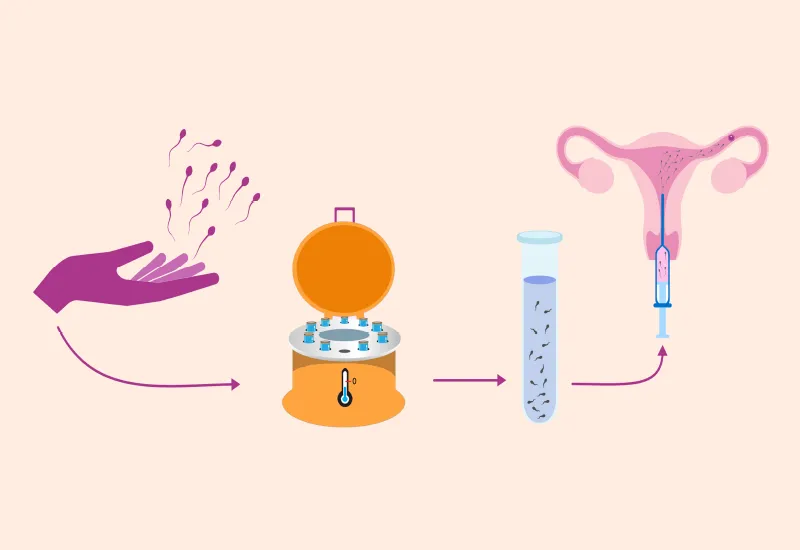
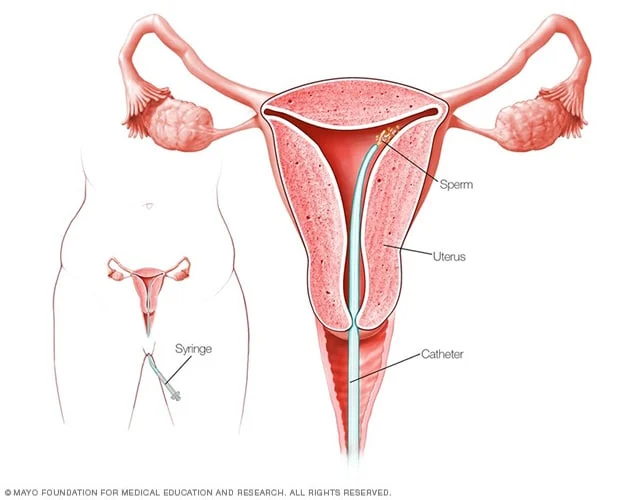
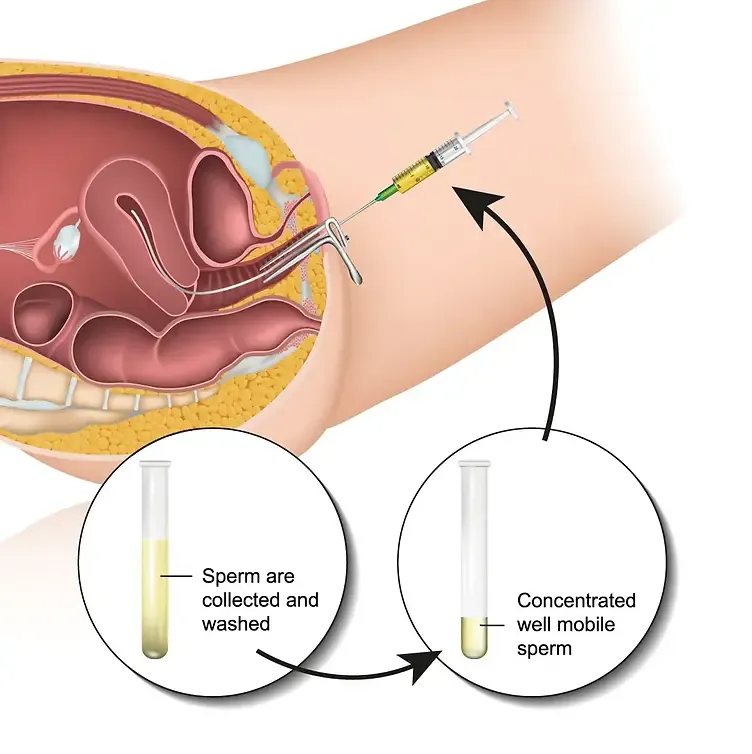
    Illustration of intrauterine insemination process, showing sperm collection and injection into the uterus.

    The Pros and Cons of Hormone Injections for Fertility

    Cons:

    1. Side effects: Like any medication, hormone injections can come with a range of side effects. These can include headaches, mood swings, hot flashes, and bloating. In some cases, these side effects can be severe and may require medical attention.

    2. Risk of multiple births: One of the most significant concerns with hormone injections is the risk of multiple births. As these injections stimulate the ovaries to produce more eggs, there is a higher chance of conceiving twins, triplets, or even higher-order multiples. While this may be a dream come true for some couples, it can also come with its own set of challenges and complications.

    3. Cost: Hormone injections can be costly, especially when used in combination with other fertility treatments. Depending on the dosage and frequency, the cost of these injections can add up quickly. This can be a significant barrier for couples who are already facing financial strain due to their fertility struggles.

    4. Emotional toll: Going through fertility treatments can be emotionally taxing for both partners. The ups and downs of hormone injections, coupled with the stress of trying to conceive, can take a toll on a couple’s mental health. It is essential to seek support from loved ones and mental health professionals during this time.

    5. Not a guaranteed solution: While hormone injections have been successful for many couples, they are not a guaranteed solution for fertility issues. Some individuals may not respond to the injections, or they may not result in a successful pregnancy. This can be disappointing and frustrating for couples who have invested time, money, and emotions into the treatment.

    In summary, hormone injections can be an effective treatment for fertility issues, but they also come with their own set of pros and cons. These injections can increase the chances of conception, be personalized to the individual’s needs, and provide quick results. However, they can also have side effects, be costly, and not always result in a successful pregnancy. It is essential to weigh these factors and consult with a fertility specialist to determine if hormone injections are the right treatment option for you.

  • Hormone Injections vs Natural Fertility Remedies: Which is Right for You?

    Blog Post:

    Hormone injections and natural fertility remedies are two popular methods for improving fertility in women. Both options have their pros and cons, and it can be challenging to determine which one is the right choice for you. In this blog post, we will explore the differences between hormone injections and natural fertility remedies, their effectiveness, and which one may be the better option for you.

    Hormone Injections:

    Hormone injections, also known as fertility drugs, are prescription medications that contain hormones such as follicle-stimulating hormone (FSH) and luteinizing hormone (LH). These hormones are responsible for stimulating the ovaries to produce eggs and regulate the menstrual cycle. Hormone injections are often used in conjunction with other fertility treatments such as in vitro fertilization (IVF) or intrauterine insemination (IUI).

    Pros:

    1. Regulates Hormone Levels: Hormone injections can help regulate hormone levels in women with conditions such as polycystic ovary syndrome (PCOS) or endometriosis, which can interfere with ovulation.

    2. Increased Chances of Conceiving: Fertility drugs can increase the chances of conceiving by stimulating the ovaries to produce more eggs. This can be especially beneficial for women with ovulatory disorders.

    3. Controlled Cycle: Hormone injections can also help regulate the menstrual cycle, making it easier to predict when ovulation will occur.

    Cons:

    1. Side Effects: Like any medication, hormone injections can have side effects such as headaches, mood swings, hot flashes, and bloating. In rare cases, more severe side effects such as ovarian hyperstimulation syndrome (OHSS) can occur.

    2. Cost: Fertility drugs can be expensive, especially if they are used in conjunction with other fertility treatments. This can make it a less accessible option for some women.

    3. Increased Risk of Multiple Pregnancies: One of the main concerns with hormone injections is the risk of multiple pregnancies. The stimulation of multiple eggs can result in multiple pregnancies, which can increase the risk of complications for both the mother and babies.

    Natural Fertility Remedies:

    Illustration of intrauterine insemination (IUI) procedure, showing sperm injection into the uterus.

    Hormone Injections vs Natural Fertility Remedies: Which is Right for You?

    Natural fertility remedies are non-invasive and holistic methods that aim to improve fertility by addressing the root causes of infertility. These remedies include changes in diet and lifestyle, acupuncture, herbal supplements, and stress management techniques.

    Pros:

    1. No Side Effects: Unlike hormone injections, natural fertility remedies have no known side effects. This makes it a safer option for women who are concerned about the potential risks of taking medication.

    2. Addresses Underlying Causes: Natural fertility remedies focus on addressing the underlying causes of infertility, such as hormonal imbalances, stress, and nutritional deficiencies. By addressing these issues, it can improve overall health and fertility.

    3. Cost-Effective: Natural remedies are often more affordable than fertility drugs and other medical treatments. This makes it a more accessible option for women who may not have the financial means to pursue other methods.

    Cons:

    1. Not Suitable for Everyone: Natural fertility remedies may not be suitable for everyone, especially those with severe infertility issues. These methods may take longer to show results, or in some cases, may not be effective at all.

    2. Requires Commitment: Unlike hormone injections, natural fertility remedies require a significant commitment to lifestyle and dietary changes. These changes may not be easy to implement, and it may take time to see results.

    3. Limited Research: While there is some evidence to support the effectiveness of natural fertility remedies, more research is needed to determine their efficacy fully.

    Which One is Right for You?

    Ultimately, the decision between hormone injections and natural fertility remedies comes down to personal preference and individual circumstances. For women with underlying hormonal issues, hormone injections may be the better option, while those looking for a more natural approach may opt for natural remedies. It’s essential to consult with a fertility specialist to determine the best course of action for your specific situation.

    Summary:

    Hormone injections and natural fertility remedies are two options for improving fertility in women. Hormone injections are prescription medications that stimulate ovulation and regulate hormone levels, while natural remedies are holistic methods that address underlying causes of infertility. Hormone injections can increase the chances of conceiving but come with potential side effects and a higher cost. Natural remedies are non-invasive, have no known side effects, and are more cost-effective, but may not be suitable for everyone and require a commitment to lifestyle changes. Ultimately, the choice between the two methods depends on personal preference and individual circumstances.

  • The Great Debate: Hormone Injections vs Natural Fertility Boosters

    The Great Debate: Hormone Injections vs Natural Fertility Boosters

    Infertility is a growing concern among couples and individuals who are trying to conceive. Many turn to fertility treatments, such as hormone injections or natural fertility boosters, in hopes of increasing their chances of getting pregnant. However, there is a great debate surrounding these two options – which one is more effective, safe, and affordable? In this blog post, we will delve into the pros and cons of hormone injections and natural fertility boosters, and ultimately determine which one is the better option for those struggling with infertility.

    Hormone Injections: The Pros and Cons

    Hormone injections are a common form of fertility treatment, and are often prescribed to women who have irregular ovulation or hormone imbalances. These injections work by stimulating the ovaries to produce more eggs, increasing the chances of fertilization. They are usually administered through subcutaneous or intramuscular injections, and can be quite expensive.

    One of the main advantages of hormone injections is their high success rate. Studies have shown that these injections can increase the chances of pregnancy by up to 40%. They are also effective in treating various infertility issues, such as polycystic ovary syndrome (PCOS) and endometriosis. Additionally, hormone injections are usually prescribed by a fertility specialist, who will monitor the patient closely to ensure the treatment is working properly.

    However, hormone injections also come with their fair share of risks and side effects. The most common side effects include bloating, mood swings, and headaches. In rare cases, they can also lead to more serious complications, such as ovarian hyperstimulation syndrome (OHSS), which can cause severe pain and bloating in the abdomen. Furthermore, hormone injections can be quite costly, with each cycle costing thousands of dollars. This makes it difficult for many couples to afford multiple cycles, which may be necessary for successful conception.

    Natural Fertility Boosters: The Pros and Cons

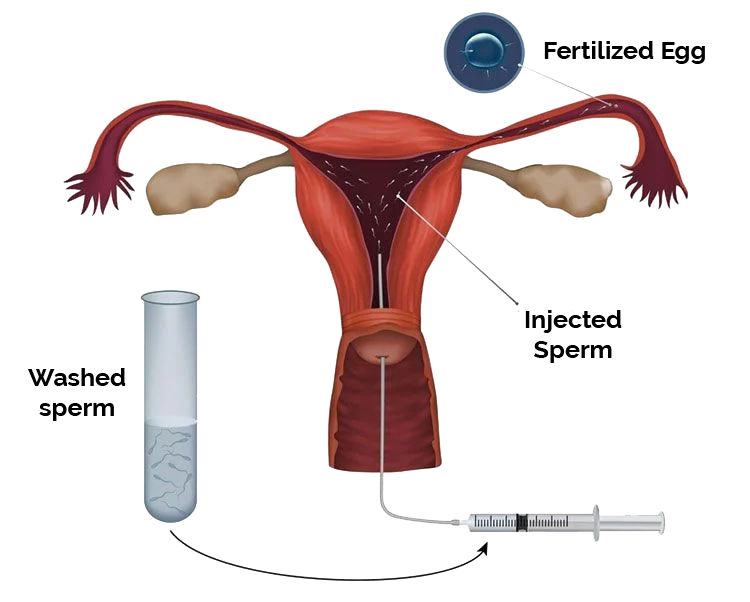
    illustration of the IUI process, showing sperm collection, preparation, and insertion into the uterus

    The Great Debate: Hormone Injections vs Natural Fertility Boosters

    On the other hand, natural fertility boosters refer to a variety of supplements, herbs, and lifestyle changes that are believed to improve fertility. These can include supplements like prenatal vitamins, herbs like maca root and chasteberry, and lifestyle changes like a healthy diet and exercise. Unlike hormone injections, natural fertility boosters are accessible over the counter and are generally much more affordable.

    One of the main advantages of natural fertility boosters is their minimal side effects. Since they are made from natural ingredients, they are generally considered safe and have fewer side effects compared to hormone injections. They are also more affordable, making them a more accessible option for those who cannot afford expensive fertility treatments. Additionally, natural fertility boosters can have a positive impact on overall health and well-being, which can also contribute to improved fertility.

    However, the effectiveness of natural fertility boosters is still a subject of debate. While some studies have shown promising results, many experts argue that the evidence is not strong enough to support their use. Furthermore, since these boosters are not regulated by the FDA, there is a lack of standardization and quality control, which can make it difficult to determine their potency and effectiveness.

    The Verdict: Which One is Better?

    After weighing the pros and cons of both options, it is clear that there is no one-size-fits-all solution when it comes to fertility treatments. Both hormone injections and natural fertility boosters have their own set of advantages and disadvantages. Ultimately, the best option for an individual or couple struggling with infertility may depend on their specific needs and circumstances.

    For those with more severe fertility issues, such as blocked fallopian tubes or low ovarian reserve, hormone injections may be the better choice. However, for those with milder fertility issues or those looking for a more natural approach, natural fertility boosters may be a good option. It is important to consult with a fertility specialist and discuss all available options before making a decision.

    Summary:

    Infertility is a common concern among those trying to conceive, and hormone injections and natural fertility boosters are two options that are often considered to improve fertility. Hormone injections, while expensive, have a high success rate and are effective in treating various infertility issues. However, they also come with risks and side effects. On the other hand, natural fertility boosters are more affordable and have minimal side effects, but their effectiveness is still a subject of debate. Ultimately, the best option for an individual or couple struggling with infertility may depend on their specific needs and circumstances.

  • Fertility Clinic vs Yoga: Incorporating Mind and Body in the Journey

    Blog Post:

    Fertility Clinic vs Yoga: Incorporating Mind and Body in the Journey

    The journey to parenthood can be one of the most challenging and emotional experiences for couples struggling with infertility. In recent years, more and more people have turned to fertility clinics and assisted reproductive technologies (ART) to help them conceive. However, in the midst of medical treatments and procedures, the importance of the mind-body connection is often overlooked. This is where yoga comes in. The practice of yoga can be a powerful tool in the fertility journey, complementing the treatments and providing a holistic approach to achieve pregnancy. In this blog post, we will explore the benefits of both fertility clinics and yoga, and how incorporating mind and body can enhance the journey to parenthood.

    Fertility Clinics: The Medical Approach

    Fertility clinics offer a range of treatments, from basic fertility testing to advanced ART procedures such as in vitro fertilization (IVF). These clinics are staffed with experienced doctors, nurses, and embryologists who specialize in reproductive medicine. They use cutting-edge technology and techniques to diagnose and treat infertility in both men and women. Fertility clinics can provide hope and options for couples who have been struggling to conceive, and they have a high success rate. However, this medical approach can also be overwhelming and stressful for many couples.

    The Stress of Infertility and Medical Treatments

    Infertility can be a stressful and emotionally draining experience for couples. The constant monitoring, injections, and procedures can take a toll on one’s mental and emotional well-being. Studies have shown that the stress and anxiety associated with infertility can negatively impact the success of fertility treatments. This is where the mind-body connection becomes crucial.

    Yoga: The Holistic Approach

    Yoga is an ancient practice that combines physical postures, breathing techniques, and meditation to improve overall health and well-being. It has gained popularity in recent years as a form of exercise and stress relief, but its benefits go beyond physical fitness. Yoga is a holistic practice that focuses on the mind, body, and spirit. Through the practice of yoga, one can achieve a sense of balance, calmness, and inner peace.

    The Benefits of Yoga in the Fertility Journey

    1. Reduces Stress and Anxiety

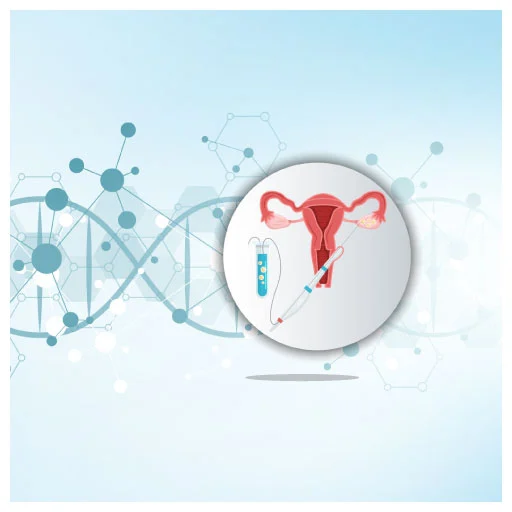
    diagram of the female reproductive system with an IUI syringe and test tube for artificial insemination

    Fertility Clinic vs Yoga: Incorporating Mind and Body in the Journey

    Yoga is known for its ability to reduce stress and anxiety. The physical postures, breathing techniques, and meditation help calm the mind and release tension in the body. By incorporating yoga into the fertility journey, couples can manage the stress and anxiety associated with infertility and medical treatments. This can improve the chances of success in fertility treatments.

    2. Regulates Hormones

    Hormonal imbalances can be a common cause of infertility. Yoga can help regulate the endocrine system, which is responsible for producing hormones. Certain yoga poses, such as the supported bridge pose and the legs-up-the-wall pose, can stimulate the ovaries and uterus, improving blood flow and hormone production.

    3. Increases Blood Flow to Reproductive Organs

    Yoga poses that involve twisting and bending can help increase blood flow to the reproductive organs. This can improve the health of the uterus and ovaries, and in turn, increase the chances of conception. Poses such as the seated forward bend and the pigeon pose can be beneficial for fertility.

    4. Improves Emotional Well-being

    The emotional toll of infertility can be immense. Yoga can help improve emotional well-being by calming the mind and reducing negative thoughts and feelings. The practice of mindfulness and meditation can also help couples cope with the emotional challenges of the fertility journey.

    Incorporating Mind and Body: Finding a Balance

    In the journey to parenthood, it is important to find a balance between the medical approach and the holistic approach. Fertility clinics offer advanced treatments that can help couples conceive, while yoga provides a holistic approach to improving overall health and well-being. By incorporating both, couples can experience the benefits of the mind-body connection and enhance their chances of achieving pregnancy.

    Summary:

    In the journey to parenthood, the mind-body connection is often overlooked. While fertility clinics offer advanced medical treatments, the stress and anxiety associated with infertility can negatively impact the success of these treatments. This is where yoga comes in. The ancient practice of yoga offers a holistic approach to improve overall health and well-being, and it can complement the medical treatments in the fertility journey. Yoga can reduce stress and anxiety, regulate hormones, increase blood flow to reproductive organs, and improve emotional well-being. By incorporating both fertility clinics and yoga, couples can find a balance and enhance their chances of achieving pregnancy.

  • Fertility Clinic vs Homeopathy: A Look into Alternative Medicine

    Fertility Clinic vs Homeopathy: A Look into Alternative Medicine

    In the world of medicine, there are various treatments and approaches to address health issues, including fertility. While traditional medicine, such as fertility clinics, have been the go-to option for many couples struggling with infertility, alternative medicine, specifically homeopathy, has been gaining popularity in recent years. This has sparked a debate between the effectiveness of these two approaches. In this blog post, we will take a closer look at fertility clinics and homeopathy, and compare their treatment methods and success rates to determine which one may be the better option for those seeking alternative medicine for fertility issues.

    Fertility Clinics: The Traditional Approach

    Fertility clinics, also known as reproductive clinics, are specialized medical facilities that offer a range of services to help individuals or couples achieve pregnancy. These clinics typically have a team of doctors, reproductive endocrinologists, and fertility specialists who work together to diagnose and treat infertility. They offer various treatments, such as in vitro fertilization (IVF), intrauterine insemination (IUI), and fertility medications, to help couples conceive.

    One of the main advantages of fertility clinics is that they offer advanced medical technology and procedures that have been proven to be effective in treating infertility. These treatments are often tailored to the specific needs of each patient, taking into consideration factors such as age, medical history, and underlying conditions. Fertility clinics also have a high success rate, with some reporting a success rate of up to 70% for IVF procedures.

    However, one of the downsides of fertility clinics is the high cost of treatment. These procedures can be expensive, and insurance coverage may not always be available. Additionally, fertility treatments can be physically and emotionally taxing, and may require multiple visits to the clinic and invasive procedures.

    Homeopathy: An Alternative Approach

    Homeopathy, on the other hand, is a form of alternative medicine that has been around for over 200 years. It is based on the principle of “like cures like,” where a substance that causes symptoms in a healthy person is used to treat similar symptoms in a sick person. Homeopathy focuses on treating the whole person, rather than just the symptoms, and aims to stimulate the body’s natural healing ability.

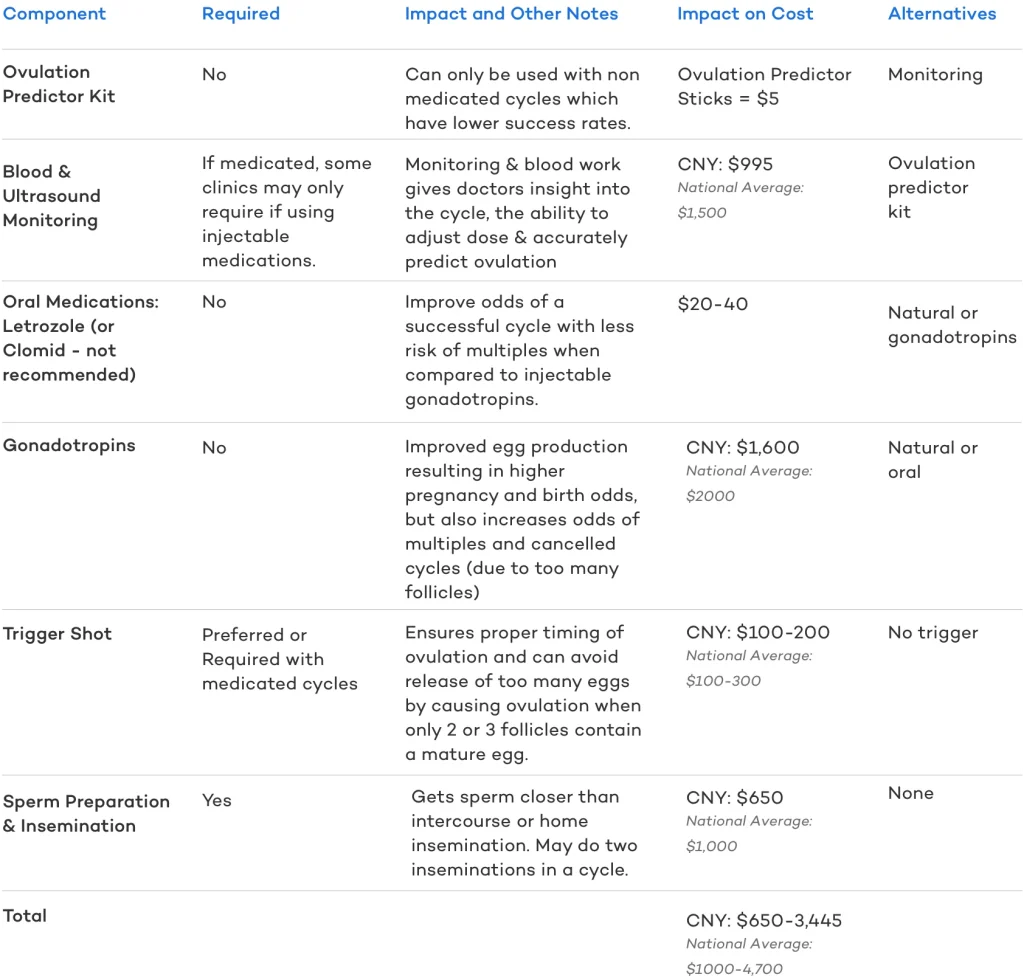
    Cost breakdown for IUI components, including requirements, impacts, and alternatives.

    Fertility Clinic vs Homeopathy: A Look into Alternative Medicine

    Homeopathic remedies for fertility issues may include natural supplements, herbal remedies, and lifestyle changes. These remedies are believed to work by balancing the body’s energy and addressing underlying imbalances that may be causing infertility. Homeopathy is also considered a safer and more natural option compared to traditional medications and procedures.

    One of the main advantages of homeopathy is that it is a non-invasive and gentle approach, making it suitable for individuals who may not be able to undergo traditional fertility treatments due to health concerns. It also has minimal to no side effects, and the remedies are often less expensive compared to traditional medical treatments.

    However, the effectiveness of homeopathy for fertility issues is still a topic of debate. While some studies have shown promising results, there is a lack of scientific evidence to support its effectiveness. Homeopathy also requires a personalized approach, which means treatments may vary from person to person, and it may take longer to see results compared to traditional medical treatments.

    Which One is the Better Option?

    When it comes to fertility issues, the decision between fertility clinics and homeopathy ultimately depends on each individual’s preferences and needs. Fertility clinics offer advanced medical procedures with a high success rate, but they can be expensive and come with potential risks and side effects. Homeopathy, on the other hand, offers a more natural and holistic approach, but its effectiveness is still a subject of controversy.

    It is important to note that both fertility clinics and homeopathy can be used together as complementary treatments. Many couples have found success in combining traditional medical treatments with alternative approaches like homeopathy to address their fertility issues.

    In conclusion, fertility clinics and homeopathy are two different approaches to treating infertility, each with its own set of advantages and limitations. It is essential to consult with a healthcare professional to determine which option may be best for your specific situation. Whichever path you choose, it is essential to have an open mind and consider all the available options to increase your chances of achieving a successful pregnancy.

    Summary:

    Fertility clinics and homeopathy are two alternative approaches to treating infertility. Fertility clinics offer advanced medical procedures with a high success rate, but they can be expensive and come with potential risks and side effects. Homeopathy, on the other hand, offers a more natural and holistic approach, but its effectiveness is still a subject of controversy. The decision between these two options ultimately depends on each individual’s preferences and needs, and it is important to consult with a healthcare professional before making a decision. Both approaches can also be used together as complementary treatments.

  • Breaking Down the Barriers: Accessibility of DIY Fertility Treatments

    Breaking Down the Barriers: Accessibility of DIY Fertility Treatments

    For many couples struggling with infertility, the high cost and limited availability of traditional fertility treatments can be a major barrier to starting a family. However, with the rise of do-it-yourself (DIY) fertility treatments, more and more couples are able to take control of their fertility journey at a fraction of the cost. In this blog post, we will explore the accessibility of DIY fertility treatments and how they are breaking down barriers for couples who are trying to conceive.

    First, let’s define what DIY fertility treatments are. These are treatments that can be done at home without the need for medical intervention. Some examples include tracking ovulation through fertility apps, using natural supplements to improve fertility, and even insemination methods using at-home insemination kits. These treatments have gained popularity due to their affordability and convenience, especially for couples who are unable to access or afford traditional fertility treatments.

    One of the biggest barriers to traditional fertility treatments is the cost. Many insurance plans do not cover fertility treatments, leaving couples to pay out-of-pocket for expensive procedures such as in vitro fertilization (IVF). According to the American Society for Reproductive Medicine, the average cost of an IVF cycle can range from $12,000 to $17,000. This high cost can be a major deterrent for couples who are already facing the emotional and physical toll of infertility. DIY fertility treatments, on the other hand, are significantly less expensive and can cost as little as a few hundred dollars. This makes them much more accessible to couples who are on a tight budget or do not have insurance coverage for fertility treatments.

    Another barrier to traditional fertility treatments is the limited availability. In some countries, such as Canada and the United Kingdom, there may be long waiting lists for fertility clinics or strict eligibility criteria for treatments such as IVF. This can leave many couples feeling frustrated and helpless. DIY fertility treatments, however, can be accessed by anyone with an internet connection. Fertility apps, for example, can be downloaded and used by anyone, regardless of their location. This makes DIY fertility treatments a viable option for couples who may not have access to traditional treatments in their area.

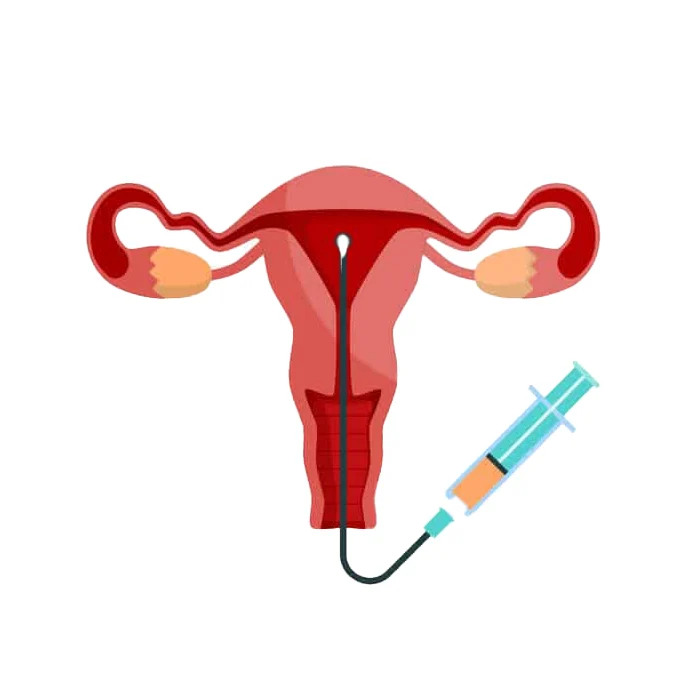
    illustration of a uterus with a syringe for intrauterine insemination (IUI) procedure

    Breaking Down the Barriers: Accessibility of DIY Fertility Treatments

    Furthermore, DIY fertility treatments offer a level of privacy that may not be available with traditional treatments. Many couples may feel uncomfortable discussing their fertility struggles with doctors or undergoing invasive procedures in a clinical setting. DIY treatments allow them to take control of their fertility journey from the privacy of their own home. This can be especially beneficial for members of the LGBTQ+ community who may face discrimination or judgment in traditional medical settings.

    However, it’s important to note that DIY fertility treatments are not without their limitations and risks. These treatments are not regulated by medical professionals and may not have the same success rates as traditional treatments. It’s crucial for couples to thoroughly research and understand the potential risks and success rates of DIY treatments before embarking on them. Additionally, it’s important to consult with a medical professional to rule out any underlying medical conditions or fertility issues that may require medical intervention.

    Despite these caveats, the accessibility of DIY fertility treatments has been life-changing for many couples. It has given them a sense of control and empowerment in their fertility journey, as well as the opportunity to explore alternative options that may not have been available to them otherwise. It has also opened up the conversation around infertility and brought attention to the barriers and challenges that couples face when trying to start a family.

    In conclusion, the accessibility of DIY fertility treatments has broken down barriers for couples struggling with infertility. It has provided a more affordable and convenient option for those who may not have access to traditional treatments due to financial constraints or limited availability. However, it’s important for couples to thoroughly research and understand the risks and limitations of these treatments before trying them. DIY treatments should not be seen as a replacement for medical intervention, but rather as a complementary option that can offer hope and support for couples on their fertility journey.

    Summary:

    DIY fertility treatments are becoming increasingly popular due to their affordability and convenience compared to traditional fertility treatments. They offer a viable option for couples who face barriers such as high costs and limited availability of traditional treatments. DIY treatments also provide a level of privacy and control for couples, especially for those who may face discrimination in medical settings. However, it’s important to understand the limitations and risks of DIY fertility treatments and consult with a medical professional before trying them. Despite these caveats, the accessibility of DIY fertility treatments has brought attention to the challenges and barriers that couples face when trying to conceive.

  • Fertility Clinic vs Traditional Chinese Medicine: Which is More Effective?

    Blog Post:

    In today’s society, many couples struggle with infertility and turn to various methods to try and conceive. Two popular options are fertility clinics and traditional Chinese medicine. Both have their own approaches and techniques, but the question remains: which is more effective in helping couples achieve their dream of parenthood? In this blog post, we will explore the differences between these two options and ultimately determine which one may be more beneficial for couples seeking to conceive.

    Fertility Clinics:

    Fertility clinics are medical facilities that specialize in helping couples with fertility issues. They offer a variety of services such as in vitro fertilization (IVF), intrauterine insemination (IUI), and other assisted reproductive technologies. These methods often involve the use of fertility drugs, procedures, and technology to help couples conceive. Fertility clinics usually have a team of doctors, nurses, and other medical professionals who work together to diagnose and treat fertility issues.

    The Pros:

    One of the main advantages of fertility clinics is their use of advanced technology and procedures. These methods have been proven to be effective in helping couples conceive, especially for those with severe fertility issues. Fertility clinics also have a high success rate, with some studies showing success rates of up to 50% or higher. This gives couples hope and reassurance that their chances of conceiving are significantly increased.

    Another benefit of fertility clinics is the personalized and individualized treatment plans. Each couple’s situation is unique, and fertility clinics take this into consideration when creating a treatment plan. This allows for a more tailored approach, which can be more effective in addressing specific fertility issues.

    The Cons:

    On the other hand, fertility clinics can be costly, with treatments ranging from a few thousand dollars to tens of thousands. This can be a significant financial burden for couples, especially if multiple treatments are needed. Additionally, fertility treatments can also be emotionally and physically taxing, with frequent appointments, injections, and other procedures.

    Another concern with fertility clinics is the potential side effects of fertility drugs and procedures. These can range from mild discomfort to more severe complications, such as multiple pregnancies. There is also the risk of a failed treatment, which can be emotionally devastating for couples who have invested time, money, and hope into the process.

    Traditional Chinese Medicine:

    Traditional Chinese medicine (TCM) is a holistic approach to health and wellness that has been practiced for thousands of years. It includes various practices such as acupuncture, herbal medicine, diet and lifestyle changes, and mind-body techniques. In terms of fertility, TCM focuses on balancing the body’s energy and addressing any underlying imbalances that may be causing fertility issues.

    Illustration of the IUI process, showing a syringe and catheter in the reproductive system.

    Fertility Clinic vs Traditional Chinese Medicine: Which is More Effective?

    The Pros:

    One of the main advantages of TCM is its focus on overall health and wellness. TCM practitioners believe that the body needs to be in a state of balance for optimal health and fertility. This means addressing any underlying issues that may be causing fertility problems, such as stress, hormonal imbalances, and poor diet. TCM also takes into consideration a person’s emotional well-being, which can significantly impact fertility.

    Another benefit of TCM is its natural approach. Unlike fertility clinics, which often involve the use of drugs and procedures, TCM uses natural methods to help the body heal itself. This can be less invasive and have fewer side effects, making it a more appealing option for some couples.

    The Cons:

    One of the main challenges with TCM is that it is not a quick fix. It requires time and commitment, as changes in diet, lifestyle, and regular acupuncture sessions may be needed to see results. This can be frustrating for couples who are eager to conceive, as it may take longer than expected.

    Another concern with TCM is the lack of scientific evidence to support its effectiveness in treating infertility. While many couples have reported success with TCM, there is still a lack of research and studies to back up these claims. This can make it challenging for some couples to trust in the effectiveness of TCM.

    Which is More Effective?

    Both fertility clinics and TCM have their own unique approaches and benefits. While fertility clinics offer advanced technology and procedures, TCM takes a more natural and holistic approach. Ultimately, the effectiveness of each option may depend on each couple’s specific situation and needs.

    For couples with severe fertility issues, fertility clinics may be the best option, as they offer a higher success rate and more advanced treatments. However, for those with less severe issues or who prefer a more natural approach, TCM may be a better fit. Additionally, some couples may choose to combine both options, using TCM as a complementary therapy to fertility treatments.

    In conclusion, the decision between fertility clinics and TCM ultimately comes down to personal preference and individual circumstances. Both options have their own advantages and disadvantages, and it’s important for couples to carefully consider their options and consult with a medical professional before making a decision.

    Summary:

    Fertility clinics and traditional Chinese medicine are two popular options for couples struggling with infertility. Fertility clinics offer advanced technology and procedures with a high success rate, while TCM takes a more natural and holistic approach. Each option has its own pros and cons, and the effectiveness may depend on each couple’s specific situation. It’s essential for couples to carefully consider their options and consult with a medical professional before making a decision.

  • Fertility Clinic vs Meditation: Exploring Holistic Approaches

    Blog Post:

    Infertility affects millions of people worldwide, with approximately 1 in 8 couples experiencing difficulty in conceiving. This can be a devastating and emotionally draining experience for couples who are trying to start a family. In recent years, there has been a rise in the use of fertility clinics, which offer a range of medical treatments to help couples conceive. However, there is also a growing interest in holistic approaches, such as meditation, to address infertility. In this blog post, we will explore the differences between fertility clinics and meditation as well as the benefits of taking a more holistic approach to fertility.

    Fertility clinics are medical facilities that specialize in assisting couples with infertility issues. These clinics offer a range of treatments, including in vitro fertilization (IVF), intrauterine insemination (IUI), and fertility drugs. These treatments can be expensive and invasive, with no guarantee of success. While fertility clinics have helped many couples conceive, they may not be the best option for everyone. Some couples may prefer a more natural and holistic approach to address their fertility issues.

    Meditation, on the other hand, is a mind-body practice that has been used for centuries to promote relaxation, reduce stress, and improve overall well-being. It involves sitting in a comfortable position and focusing on one’s breath or a mantra to quiet the mind and achieve a state of deep relaxation. While meditation may not directly address fertility issues, it can have a positive impact on one’s physical and emotional health, which can, in turn, improve fertility.

    So, what are the benefits of choosing a more holistic approach to fertility? Let’s explore the potential benefits of meditation and how it differs from the medical treatments offered at fertility clinics.

    1. Reducing stress and anxiety

    Infertility can be a stressful and emotionally taxing experience for couples. The pressure to conceive and the constant disappointment every month can take a toll on one’s mental health. Studies have shown that high levels of stress and anxiety can affect fertility by disrupting hormone levels and ovulation. Meditation can be a powerful tool for managing stress and anxiety. By quieting the mind and promoting relaxation, meditation can help couples cope with the emotional strain of infertility and improve their overall well-being.

    2. Improving reproductive health

    Meditation has been linked to improved reproductive health in both men and women. For men, it can increase sperm count, motility, and quality. For women, regular meditation can regulate menstrual cycles, balance hormones, and improve ovarian function. By improving reproductive health, meditation can increase the chances of conception naturally.

    diagram illustrating intrauterine insemination (IUI) procedure with uterus, sperm, and catheter labeled

    Fertility Clinic vs Meditation: Exploring Holistic Approaches

    3. Addressing underlying health issues

    Infertility can be caused by underlying health issues such as polycystic ovary syndrome (PCOS) or endometriosis. While fertility clinics may focus solely on treating the symptoms, a holistic approach, including meditation, can address the root cause of these issues. By reducing stress and promoting overall well-being, meditation can help regulate hormonal imbalances and improve reproductive health.

    4. Cost-effective option

    Fertility treatments can be expensive, with the cost of a single round of IVF averaging around $12,000. For many couples, this cost may be out of reach. On the other hand, meditation is a cost-effective option that can be done at home for little to no cost. By incorporating meditation into their daily routine, couples can save money while still addressing their fertility issues.

    5. Increased emotional well-being

    Dealing with infertility can take a toll on one’s emotional well-being. It can lead to feelings of sadness, anger, and isolation. Meditation can help couples cope with these emotions and improve their overall well-being. By focusing on the present moment and cultivating a sense of gratitude, meditation can bring a sense of peace and contentment to those struggling with fertility issues.

    While there are many potential benefits to choosing a more holistic approach to fertility, it’s important to note that meditation is not a substitute for medical treatment. In some cases, medical intervention may be necessary, especially for couples with underlying health issues. However, incorporating meditation into one’s fertility journey can have a positive impact on both physical and emotional well-being.

    In summary, fertility clinics and meditation offer two very different approaches to addressing infertility. While fertility clinics focus on medical treatments, meditation takes a holistic approach by promoting overall well-being and addressing the underlying causes of infertility. By reducing stress, improving reproductive health, and promoting emotional well-being, meditation can be a valuable tool for couples struggling with fertility issues.

    In conclusion, when it comes to infertility, there is no one-size-fits-all approach. Some couples may find success with medical treatments, while others may benefit from a more holistic approach. It’s important for couples to explore all their options and find the approach that works best for them. Whether it’s a fertility clinic or meditation, the ultimate goal is the same – to help couples achieve their dream of starting a family.

  • DIY Fertility Treatments: A Cultural Perspective

    Blog Post:

    Fertility has always been an important aspect of human life, and throughout history, people have tried various methods to increase their chances of conceiving. In recent years, do-it-yourself (DIY) fertility treatments have gained popularity, particularly among those who are struggling with infertility and cannot afford expensive medical procedures. However, these treatments are not just limited to medical reasons; they also hold significant cultural and traditional value for many communities around the world. In this blog post, we will delve into the cultural perspective of DIY fertility treatments and explore their effects on individuals and societies.

    The concept of DIY fertility treatments is not a new one. In fact, it has been around for centuries. In ancient civilizations, people used herbs, plants, and even rituals to increase fertility. These methods were often deeply rooted in cultural beliefs and practices. For example, in many African and Asian cultures, fertility is closely tied to the concept of femininity and motherhood. Therefore, women who struggled with infertility were often stigmatized and ostracized from their communities. As a result, they turned to traditional DIY treatments to improve their chances of conceiving and to fulfill their societal expectations.

    In modern times, DIY fertility treatments have taken on a new form, with a plethora of online resources and social media platforms providing information and guidance on how to increase fertility naturally. These treatments range from dietary changes, supplements, and herbal remedies to more controversial methods such as vaginal steaming and homemade insemination. While some of these treatments have been backed by scientific research, others lack sufficient evidence and can even be harmful. However, for many individuals, the cultural significance and traditional value attached to these treatments outweigh the potential risks.

    One of the most popular DIY fertility treatments is the use of herbs and supplements. In many cultures, certain herbs and plants have been used for centuries to improve fertility. For example, in Chinese medicine, herbs such as Dong Quai and Chasteberry have been used to regulate hormones and increase fertility in women. Similarly, in Ayurveda, a traditional Indian medicine system, herbs like Ashwagandha and Shatavari are believed to enhance fertility. These treatments not only hold cultural and traditional value but also provide a more affordable alternative to expensive fertility medications.

    Illustration of IUI procedure with uterus and syringe against a DNA background.

    DIY Fertility Treatments: A Cultural Perspective

    Another DIY fertility treatment that has gained popularity in recent years is the use of acupuncture. This traditional Chinese medicine technique involves the insertion of thin needles into specific points on the body to improve the flow of energy. While the scientific evidence for its effectiveness in increasing fertility is still inconclusive, many couples have reported success with this method. Acupuncture not only provides a natural approach to fertility but also incorporates cultural beliefs about the mind-body connection and the importance of balance and harmony.

    Apart from physical treatments, DIY fertility methods also include rituals and traditions that hold cultural significance. For example, in some cultures, women will perform a fertility dance or visit a sacred site to pray for fertility. These practices not only provide a sense of hope and control but also allow individuals to connect with their cultural heritage and beliefs. In some cases, these rituals may even involve the entire community, bringing a sense of unity and support for those struggling with infertility.

    While DIY fertility treatments may hold cultural and traditional value, it is important to note that they are not a one-size-fits-all solution. What may work for one person may not work for another, and it is crucial to consult with a healthcare professional before trying any DIY fertility treatment. Additionally, it is essential to be cautious of false promises and potential risks associated with these treatments. The lack of regulation and oversight in the DIY fertility industry can make it challenging to determine the safety and effectiveness of certain methods.

    In conclusion, DIY fertility treatments have a significant cultural and traditional impact on individuals and communities around the world. These treatments not only provide a more affordable and natural alternative to medical procedures but also allow individuals to connect with their culture and beliefs. However, it is essential to approach these treatments with caution and to seek guidance from healthcare professionals. Ultimately, the decision to pursue DIY fertility treatments should be a personal one based on individual beliefs and preferences.

    Summary:

    DIY fertility treatments have gained popularity in recent years, particularly among those struggling with infertility and looking for more affordable alternatives. However, these treatments have a significant cultural and traditional impact on individuals and communities around the world. In ancient civilizations, DIY fertility treatments were rooted in cultural beliefs and practices, and in modern times, they have taken on a new form with the rise of online resources and social media. These treatments range from dietary changes and supplements to traditional practices such as acupuncture and rituals. While they hold cultural significance, it is important to approach them with caution and consult with healthcare professionals before trying any method.