Blog Post:
Fertility has always been an important aspect of human life, and throughout history, people have tried various methods to increase their chances of conceiving. In recent years, do-it-yourself (DIY) fertility treatments have gained popularity, particularly among those who are struggling with infertility and cannot afford expensive medical procedures. However, these treatments are not just limited to medical reasons; they also hold significant cultural and traditional value for many communities around the world. In this blog post, we will delve into the cultural perspective of DIY fertility treatments and explore their effects on individuals and societies.
The concept of DIY fertility treatments is not a new one. In fact, it has been around for centuries. In ancient civilizations, people used herbs, plants, and even rituals to increase fertility. These methods were often deeply rooted in cultural beliefs and practices. For example, in many African and Asian cultures, fertility is closely tied to the concept of femininity and motherhood. Therefore, women who struggled with infertility were often stigmatized and ostracized from their communities. As a result, they turned to traditional DIY treatments to improve their chances of conceiving and to fulfill their societal expectations.
In modern times, DIY fertility treatments have taken on a new form, with a plethora of online resources and social media platforms providing information and guidance on how to increase fertility naturally. These treatments range from dietary changes, supplements, and herbal remedies to more controversial methods such as vaginal steaming and homemade insemination. While some of these treatments have been backed by scientific research, others lack sufficient evidence and can even be harmful. However, for many individuals, the cultural significance and traditional value attached to these treatments outweigh the potential risks.
One of the most popular DIY fertility treatments is the use of herbs and supplements. In many cultures, certain herbs and plants have been used for centuries to improve fertility. For example, in Chinese medicine, herbs such as Dong Quai and Chasteberry have been used to regulate hormones and increase fertility in women. Similarly, in Ayurveda, a traditional Indian medicine system, herbs like Ashwagandha and Shatavari are believed to enhance fertility. These treatments not only hold cultural and traditional value but also provide a more affordable alternative to expensive fertility medications.
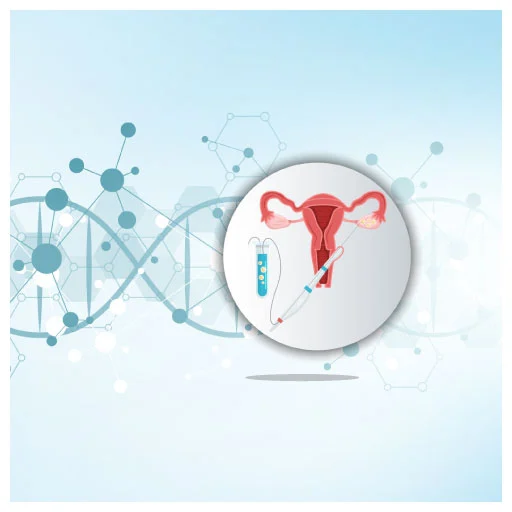
DIY Fertility Treatments: A Cultural Perspective
Another DIY fertility treatment that has gained popularity in recent years is the use of acupuncture. This traditional Chinese medicine technique involves the insertion of thin needles into specific points on the body to improve the flow of energy. While the scientific evidence for its effectiveness in increasing fertility is still inconclusive, many couples have reported success with this method. Acupuncture not only provides a natural approach to fertility but also incorporates cultural beliefs about the mind-body connection and the importance of balance and harmony.
Apart from physical treatments, DIY fertility methods also include rituals and traditions that hold cultural significance. For example, in some cultures, women will perform a fertility dance or visit a sacred site to pray for fertility. These practices not only provide a sense of hope and control but also allow individuals to connect with their cultural heritage and beliefs. In some cases, these rituals may even involve the entire community, bringing a sense of unity and support for those struggling with infertility.
While DIY fertility treatments may hold cultural and traditional value, it is important to note that they are not a one-size-fits-all solution. What may work for one person may not work for another, and it is crucial to consult with a healthcare professional before trying any DIY fertility treatment. Additionally, it is essential to be cautious of false promises and potential risks associated with these treatments. The lack of regulation and oversight in the DIY fertility industry can make it challenging to determine the safety and effectiveness of certain methods.
In conclusion, DIY fertility treatments have a significant cultural and traditional impact on individuals and communities around the world. These treatments not only provide a more affordable and natural alternative to medical procedures but also allow individuals to connect with their culture and beliefs. However, it is essential to approach these treatments with caution and to seek guidance from healthcare professionals. Ultimately, the decision to pursue DIY fertility treatments should be a personal one based on individual beliefs and preferences.
Summary:
DIY fertility treatments have gained popularity in recent years, particularly among those struggling with infertility and looking for more affordable alternatives. However, these treatments have a significant cultural and traditional impact on individuals and communities around the world. In ancient civilizations, DIY fertility treatments were rooted in cultural beliefs and practices, and in modern times, they have taken on a new form with the rise of online resources and social media. These treatments range from dietary changes and supplements to traditional practices such as acupuncture and rituals. While they hold cultural significance, it is important to approach them with caution and consult with healthcare professionals before trying any method.