The Role of Diet and Nutrition: Intrauterine Insemination vs Low-Tech IVF
In recent years, there has been a significant increase in the use of assisted reproductive technologies (ART) to help couples struggling with infertility. Intrauterine insemination (IUI) and low-tech in vitro fertilization (IVF) are two commonly used procedures that can help couples conceive. While both procedures have their own set of benefits and drawbacks, there is growing evidence that diet and nutrition play a crucial role in the success of these treatments. In this blog post, we will explore the role of diet and nutrition in both IUI and low-tech IVF, and how making healthy lifestyle choices can improve the chances of a successful pregnancy.
Understanding IUI and Low-Tech IVF
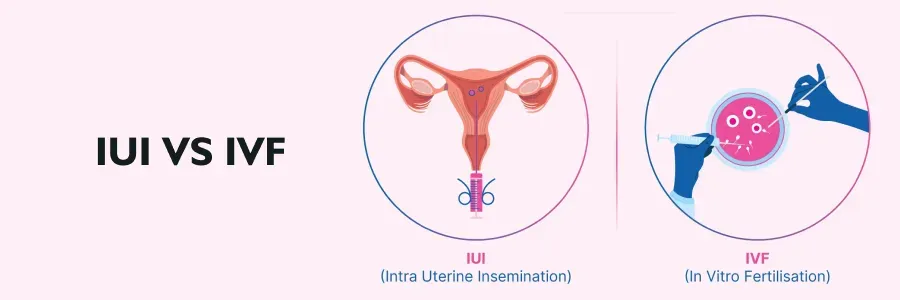
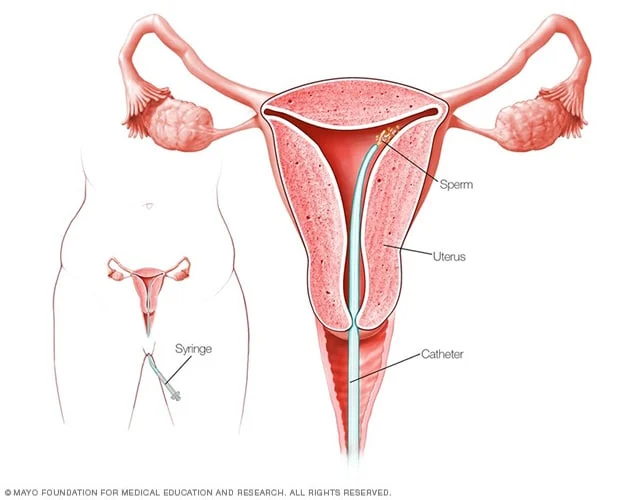
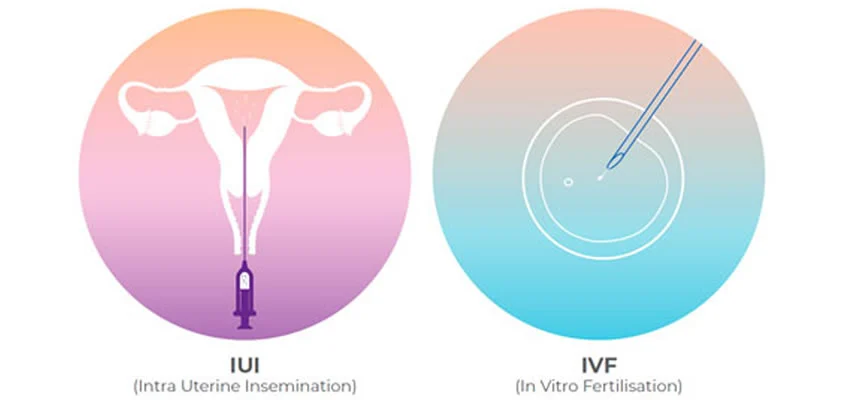
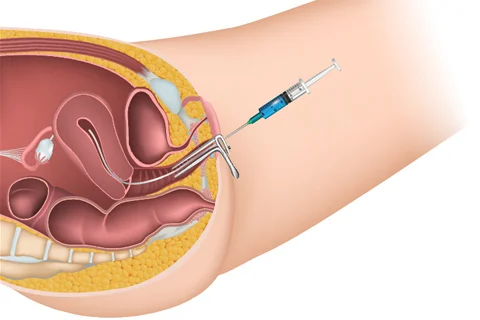
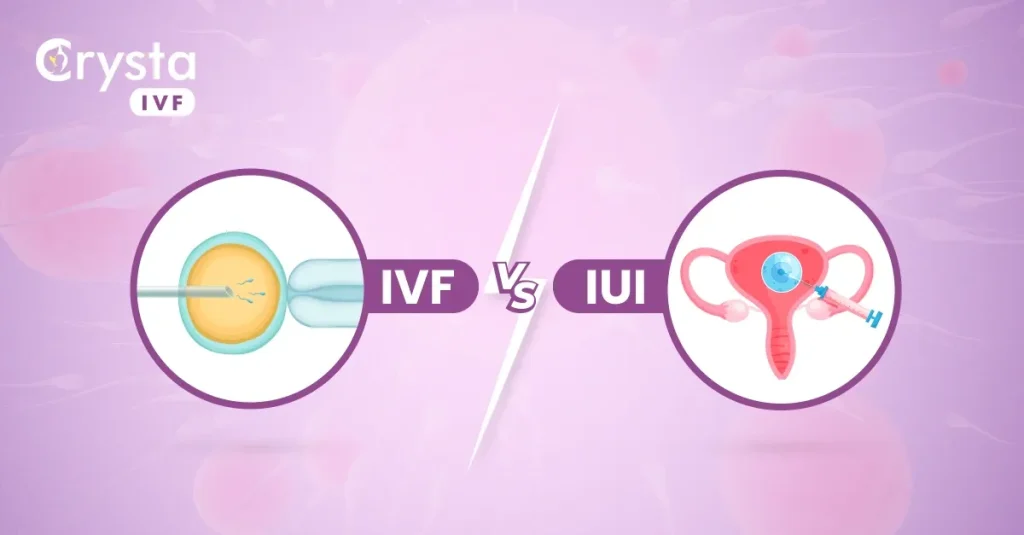
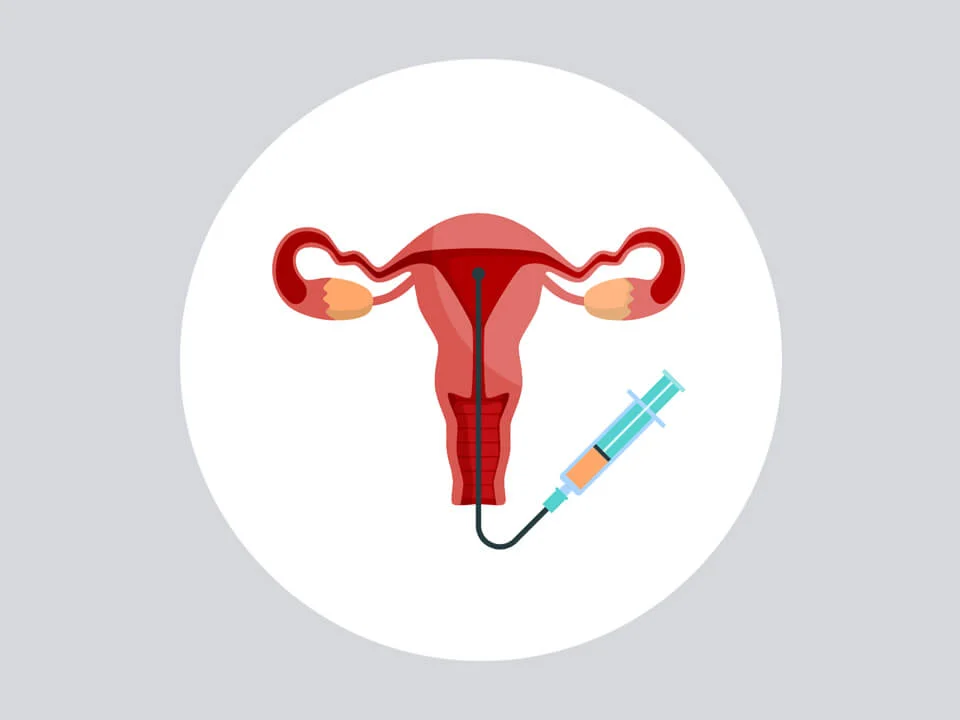
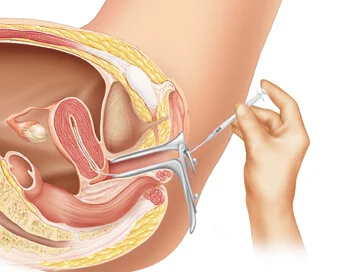
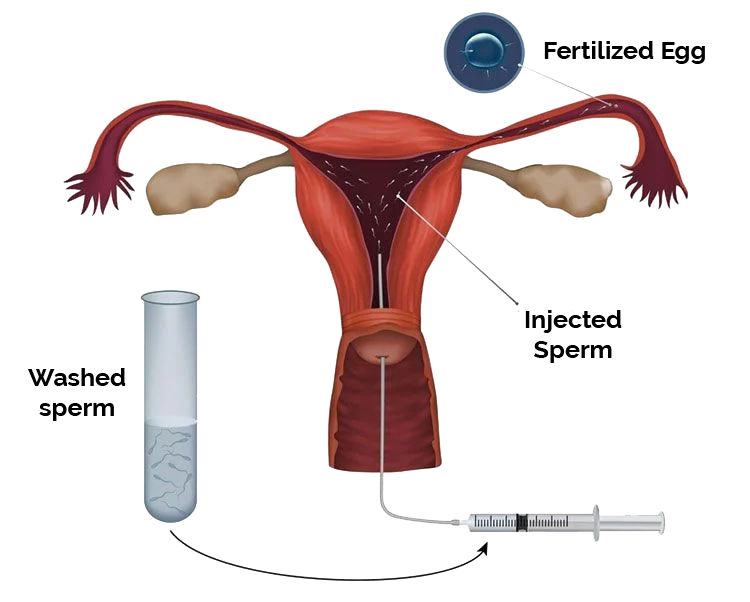
Before we dive into the role of diet and nutrition, it is important to understand what IUI and low-tech IVF are and how they differ. IUI is a type of ART in which washed and concentrated sperm is directly inserted into the uterus during ovulation. This procedure is less invasive and less expensive than IVF, making it a popular choice for couples trying to conceive. On the other hand, low-tech IVF involves stimulating the ovaries with medication to produce multiple eggs, which are then retrieved and fertilized in a lab. The resulting embryos are then transferred back to the uterus for implantation.
The Role of Diet and Nutrition in IUI
Diet and nutrition play a crucial role in the success of IUI. Studies have shown that women who are overweight or obese have a lower chance of conceiving with IUI compared to those with a healthy BMI. This is because excess weight can affect hormone levels and ovulation, making it more difficult to get pregnant. A healthy and well-balanced diet can help maintain a healthy weight and improve overall fertility.
In addition, certain nutrients have been found to improve the chances of success with IUI. For example, folic acid and omega-3 fatty acids have been linked to better egg quality and implantation rates. Foods rich in these nutrients include leafy greens, avocados, nuts, and fatty fish. On the other hand, a diet high in processed foods and unhealthy fats can negatively impact fertility and should be avoided.
The Role of Diet and Nutrition in Low-Tech IVF
Similarly, diet and nutrition also play a crucial role in the success of low-tech IVF. As with IUI, maintaining a healthy weight is important for successful IVF. In addition, research has shown that a diet rich in antioxidants can improve egg quality and increase the chances of a successful pregnancy. Antioxidants can be found in foods such as berries, dark leafy greens, and beans.
The Role of Diet and Nutrition: Intrauterine Insemination vs Low-Tech IVF
In contrast, a diet high in sugar and refined carbohydrates can have a negative impact on fertility and IVF success rates. These foods can cause inflammation in the body, which can affect hormone levels and egg quality. It is important to limit the consumption of these foods and focus on a balanced and nutrient-rich diet for optimal fertility.
Supplements and Fertility
In addition to a healthy diet, certain supplements can also play a role in improving fertility and the success of IUI and low-tech IVF. For example, studies have shown that women who took a prenatal vitamin with folic acid before and during IUI had higher pregnancy rates compared to those who did not. Other supplements that have been linked to improved fertility include vitamin D, Coenzyme Q10, and melatonin. However, it is important to consult with a healthcare provider before starting any new supplements, as they may interact with medications or have potential side effects.
Lifestyle Factors and Fertility
Aside from diet and supplements, other lifestyle factors can also impact the success of IUI and low-tech IVF. For example, smoking has been linked to decreased fertility and lower success rates with ART. It is important for both partners to quit smoking before undergoing these treatments. Similarly, excessive alcohol consumption can also negatively affect fertility and should be avoided.
Stress is another factor that can impact fertility and the success of IUI and low-tech IVF. It is important to find healthy ways to manage stress, such as exercise, meditation, or counseling. In addition, maintaining a healthy sleep schedule and limiting exposure to environmental toxins can also improve fertility and the chances of a successful pregnancy.
In conclusion, diet and nutrition play a crucial role in the success of both IUI and low-tech IVF. Maintaining a healthy weight, consuming a nutrient-rich diet, and avoiding unhealthy habits can improve fertility and increase the chances of a successful pregnancy. In addition, certain supplements and lifestyle factors can also impact the success of these treatments. It is important to work closely with a healthcare provider to develop a personalized plan that includes a healthy diet and lifestyle to optimize the chances of a successful pregnancy.
Summary:
Intrauterine insemination (IUI) and low-tech in vitro fertilization (IVF) are two commonly used procedures to help couples struggling with infertility. Both procedures have their own set of benefits and drawbacks, but recent evidence suggests that diet and nutrition play a crucial role in the success of these treatments. Maintaining a healthy weight, consuming a nutrient-rich diet, and avoiding unhealthy habits can improve fertility and increase the chances of a successful pregnancy. Certain supplements and lifestyle factors can also impact the success of these treatments. It is important to work closely with a healthcare provider to develop a personalized plan that includes a healthy diet and lifestyle to optimize the chances of a successful pregnancy.