Tag: Fertility Treatments

  • Intrauterine Insemination vs In Vitro Fertilization: A Holistic Approach

    Intrauterine Insemination (IUI) and In Vitro Fertilization (IVF) are two commonly known fertility treatments that have helped many couples achieve their dream of parenthood. These assisted reproductive technologies (ART) have been around for several decades and have continually evolved to become more effective and accessible to those struggling with infertility. While both procedures share the same goal of helping couples conceive, they have distinct differences in terms of approach, success rates, and overall impact on a woman’s health and well-being. In this blog post, we will take a closer look at the differences between IUI and IVF and explore the benefits of a holistic approach to fertility treatments.

    What is Intrauterine Insemination?

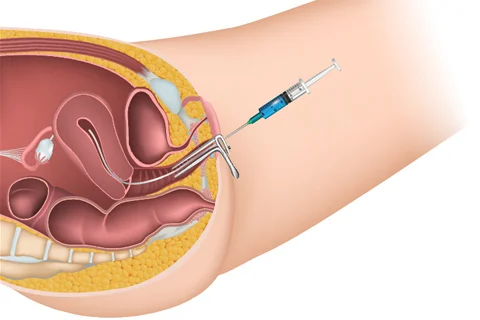
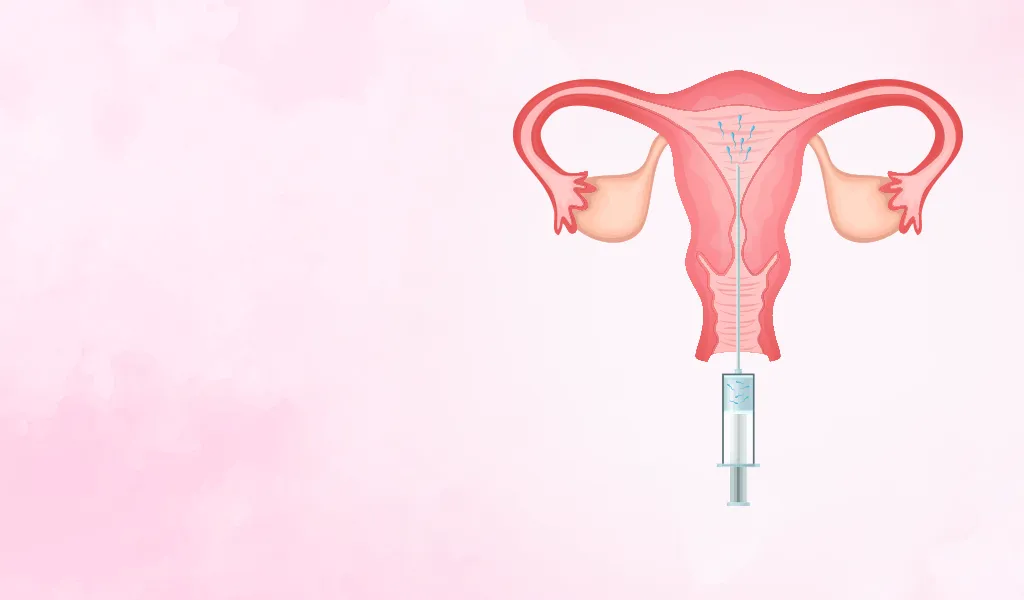
    Intrauterine Insemination, also known as artificial insemination, is a relatively simple fertility treatment that involves inserting washed and concentrated sperm directly into a woman’s uterus during her ovulation period. This procedure is often recommended for couples with unexplained infertility, mild male factor infertility, or for single women or same-sex couples using donor sperm.

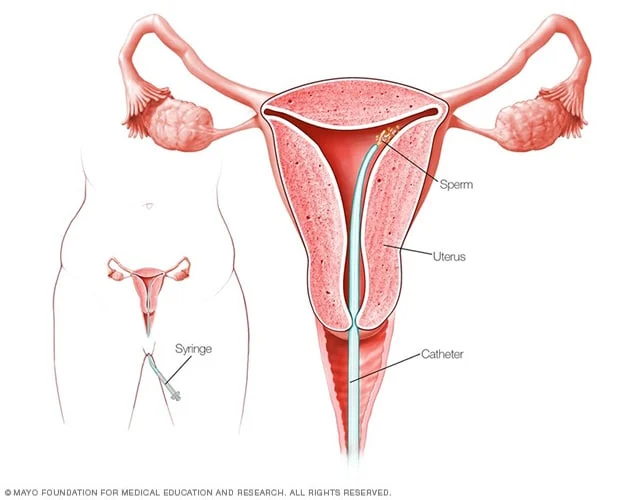
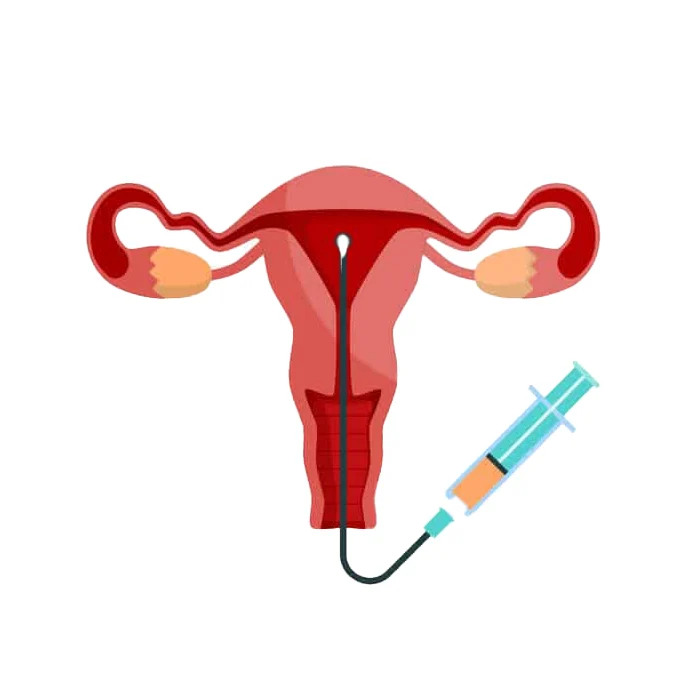
    The process starts with the male partner providing a semen sample, which is then washed and prepared in the laboratory to separate the healthy sperm from the semen. The prepared sperm is then placed into a catheter and inserted into the woman’s uterus through the cervix, making the journey to the fallopian tubes where fertilization takes place. IUI is a quick and painless procedure that typically takes only a few minutes to complete.

    What is In Vitro Fertilization?

    In Vitro Fertilization, commonly referred to as IVF, is a more complex fertility treatment that involves fertilizing the woman’s egg with sperm in a laboratory setting. This procedure is commonly used for couples facing more significant fertility challenges, such as blocked fallopian tubes, severe male factor infertility, or advanced maternal age.

    The process of IVF starts with the woman undergoing ovarian stimulation to produce multiple eggs. These eggs are then retrieved through a minor surgical procedure and fertilized with sperm in a laboratory. The fertilized embryos are then monitored for a few days before being transferred into the woman’s uterus. Any remaining embryos can be frozen for future use. IVF can take several weeks to complete and may involve more medications and monitoring than IUI.

    Comparing Success Rates

    When it comes to success rates, IVF is generally considered to have higher success rates than IUI. According to the Centers for Disease Control and Prevention (CDC), the success rates for IVF in women under 35 years old are around 34%, while the success rates for IUI are around 10-20%. However, it is essential to note that success rates can vary depending on various factors, such as age, cause of infertility, and the quality of the sperm and eggs.

    Holistic Approach to Fertility Treatments
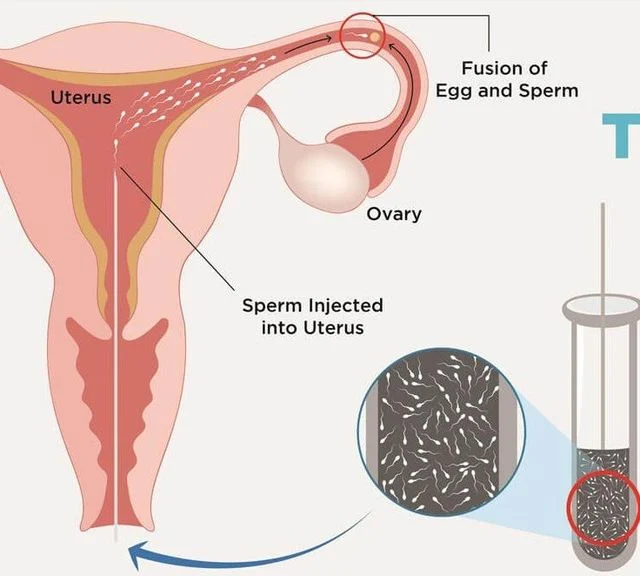
    Diagram illustrating the IUI process, showing sperm injection into the uterus and egg fertilization.

    Intrauterine Insemination vs In Vitro Fertilization: A Holistic Approach

    While IUI and IVF are effective in helping couples conceive, they can also take a toll on a woman’s physical, emotional, and mental well-being. The use of hormonal medications, the stress of undergoing procedures, and the anticipation of success can all have a significant impact on a woman’s health. This is where a holistic approach to fertility treatments comes into play.

    A holistic approach takes into consideration the overall health and well-being of the individual, not just their fertility. It focuses on optimizing the mind, body, and spirit to create a conducive environment for conception. This can involve incorporating alternative therapies such as acupuncture, nutrition counseling, and stress management techniques into the treatment plan.

    The Benefits of a Holistic Approach

    1. Reduced Stress and Anxiety: Going through fertility treatments can be emotionally and mentally draining. Incorporating stress management techniques such as yoga, meditation, and counseling can help reduce stress and anxiety and improve overall well-being.

    2. Improved Physical Health: A holistic approach also focuses on optimizing physical health through nutrition counseling and incorporating a healthy lifestyle. This can help improve overall health and increase the chances of conception.

    3. Increased Success Rates: Studies have shown that incorporating a holistic approach into fertility treatments can lead to higher success rates. By addressing underlying health issues and creating a healthy environment for conception, the chances of success may increase.

    4. Less Invasive: A holistic approach can also involve less invasive treatments, such as natural fertility methods and acupuncture, which can be less physically demanding and have fewer side effects.

    5. Long-Term Benefits: A holistic approach not only focuses on achieving pregnancy but also on long-term health and well-being. By addressing underlying health issues, women can improve their overall health and reduce the risk of future fertility issues.

    In conclusion, IUI and IVF are both viable options for couples struggling with infertility. While IVF may have higher success rates, a holistic approach to fertility treatments can offer numerous benefits for women’s overall health and well-being. It is essential to consult with a fertility specialist and discuss all available options to determine the best course of action for each individual’s unique situation.

    Summary:

    Intrauterine Insemination (IUI) and In Vitro Fertilization (IVF) are two common fertility treatments that have helped many couples achieve their dream of parenthood. While IUI involves inserting washed and concentrated sperm into a woman’s uterus during her ovulation period, IVF involves fertilizing the woman’s egg with sperm in a laboratory setting. While IVF may have higher success rates, a holistic approach to fertility treatments can offer numerous benefits such as reduced stress and anxiety, improved physical health, and increased success rates. It is essential to consult with a fertility specialist to determine the best course of action for each individual’s unique situation.

  • The Future of Fertility Treatments: Intrauterine Insemination vs In Vitro Fertilization

    Blog Post:

    Fertility treatments have come a long way in recent years, providing hope and options for couples struggling with infertility. Two of the most commonly used treatments are intrauterine insemination (IUI) and in vitro fertilization (IVF). Both of these procedures have been successful in helping many couples achieve their dream of starting a family. However, as technology continues to advance, the future of fertility treatments is constantly evolving. In this blog post, we will explore the differences between IUI and IVF, their success rates, and the potential future developments in both procedures.

    Intrauterine Insemination (IUI):

    Intrauterine insemination, also known as artificial insemination, is a procedure in which sperm is placed directly into the uterus, bypassing the cervix, to increase the chances of fertilization. This is often used when couples have issues with sperm quality, low sperm count, or unexplained fertility. The process involves collecting a semen sample from the male partner, processing it in a lab to concentrate the healthy sperm, and then injecting it into the uterus during the woman’s ovulation. This procedure is less invasive and less expensive than IVF, making it a popular choice for many couples.

    One of the main benefits of IUI is that it allows for natural fertilization to occur, as the sperm is placed directly into the uterus where the egg is waiting. This increases the chances of fertilization, especially for couples with male factor infertility. It also requires less medication and monitoring compared to IVF, making it a more comfortable and less stressful option for some couples.

    However, IUI does have its limitations. It is not as successful as IVF, with a success rate of around 10-20% per cycle, depending on various factors such as age, sperm quality, and the cause of infertility. It also does not address any underlying fertility issues, so if there are other factors contributing to infertility, IUI may not be effective. In addition, there is a risk of multiple pregnancies with IUI, which can lead to complications for both the mother and the babies.

    In Vitro Fertilization (IVF):

    Comparison of IUI and IVF, illustrating procedures and definitions for each fertility treatment.

    The Future of Fertility Treatments: Intrauterine Insemination vs In Vitro Fertilization

    In vitro fertilization, commonly known as IVF, is a more complex and invasive procedure that involves fertilizing an egg with sperm in a lab and then transferring the resulting embryo into the uterus. This process bypasses the need for the sperm to travel through the reproductive tract, increasing the chances of fertilization. IVF is often used for couples with more severe fertility issues, such as blocked tubes, endometriosis, or low ovarian reserve.

    The process of IVF involves several stages, including ovarian stimulation to produce multiple eggs, egg retrieval, fertilization, and embryo transfer. It also requires more monitoring and medication, making it a more intensive and expensive procedure compared to IUI. However, IVF has a higher success rate, with an average of 30-40% per cycle, making it a more promising option for couples struggling with infertility.

    The Future of Fertility Treatments:

    While both IUI and IVF have been successful in helping many couples conceive, there is always room for improvement and advancements in the field of fertility treatments. One area that is currently being researched is the use of artificial intelligence (AI) to improve the success rates of IUI and IVF. AI technology can analyze data from previous cycles to predict which embryos are most likely to result in a successful pregnancy, increasing the chances of success for couples undergoing IVF.

    Another potential development is the use of non-invasive tests to assess the quality of embryos. Currently, embryos are graded based on their appearance under a microscope, but this method is not always accurate. Non-invasive tests, such as metabolomic analysis, can provide more information about the health of the embryo and increase the chances of selecting the best embryo for transfer.

    In addition, there is ongoing research into the use of stem cells to improve the success rates of IVF. Scientists are exploring the possibility of using stem cells to create eggs and sperm, which could benefit couples with fertility issues caused by genetic factors or cancer treatments.

    Summary:

    Intrauterine insemination (IUI) and in vitro fertilization (IVF) are two commonly used fertility treatments that have helped many couples achieve their dream of starting a family. While IUI is less invasive and less expensive, IVF has a higher success rate and is more suitable for couples with more severe fertility issues. As technology continues to advance, the future of fertility treatments looks promising, with potential developments such as the use of artificial intelligence, non-invasive tests, and stem cells to improve the success rates of IUI and IVF.

  • Intrauterine Insemination vs In Vitro Fertilization: A Global Comparison

    Intrauterine insemination (IUI) and in vitro fertilization (IVF) are two of the most commonly used fertility treatments for couples struggling with infertility. While both techniques involve the use of assisted reproductive technology (ART), they differ in terms of procedure, cost, and success rates. In this blog post, we will explore the similarities and differences between IUI and IVF, as well as compare their availability and success rates on a global scale.

    What is Intrauterine Insemination (IUI)?

    Intrauterine insemination, also known as artificial insemination, is a fertility treatment where sperm is placed directly into the woman’s uterus during ovulation. This procedure is often recommended for couples with unexplained infertility, mild male factor infertility, or for same-sex female couples using a donor’s sperm.

    The IUI procedure involves the collection and processing of the male partner’s sperm sample. The sperm is then inserted into the woman’s uterus using a thin catheter. This procedure is relatively simple and can be performed in a doctor’s office without the need for anesthesia.

    What is In Vitro Fertilization (IVF)?

    In vitro fertilization, on the other hand, is a more complex and invasive procedure. It involves the stimulation of a woman’s ovaries to produce multiple eggs, which are then retrieved and fertilized in a laboratory with the male partner’s sperm. The fertilized eggs, or embryos, are then transferred back into the woman’s uterus.

    IVF is recommended for couples with more complex infertility issues, such as blocked fallopian tubes, severe male factor infertility, or for women with certain medical conditions that affect fertility. This procedure requires close monitoring and multiple doctor visits, and it is usually done under anesthesia.

    Cost Comparison: IUI vs IVF

    The cost of fertility treatments can vary greatly depending on the country and clinic. However, in general, IVF is a more costly procedure compared to IUI. According to the American Society for Reproductive Medicine, the average cost of one cycle of IUI is around $865, while IVF can cost anywhere between $12,000 to $15,000 per cycle.

    Global Availability: IUI vs IVF

    illustration of a uterus with a syringe, representing intrauterine insemination procedure

    Intrauterine Insemination vs In Vitro Fertilization: A Global Comparison

    Both IUI and IVF are widely available in many countries around the world. However, there are some regions where one procedure may be more accessible than the other. For example, in countries with limited resources and infrastructure, IUI may be the only available fertility treatment due to its simplicity and lower cost.

    In contrast, IVF is more commonly available in developed countries with advanced medical technology and higher healthcare spending. However, there are efforts being made to increase access to IVF in developing countries, such as the World Health Organization’s initiative to promote low-cost IVF techniques.

    Success Rates: IUI vs IVF

    The success rates of IUI and IVF can vary greatly depending on various factors such as age, cause of infertility, and the quality of the sperm and eggs. Generally, IVF has a higher success rate compared to IUI, with the chance of a successful pregnancy ranging from 30-35% per cycle for IVF, compared to 10-20% for IUI.

    However, it is important to note that success rates can also be affected by the experience and skill of the healthcare providers and the quality of the clinic. Therefore, it is crucial to choose a reputable and experienced fertility clinic for both IUI and IVF procedures.

    A Global Comparison: IUI vs IVF

    When it comes to global comparison, both IUI and IVF are widely available in developed countries such as the United States, Canada, and European countries. However, there are some differences in the usage and success rates of these procedures in various regions of the world.

    For example, in Asian countries such as Japan and South Korea, IUI is more commonly used compared to IVF, as cultural factors may discourage couples from using more invasive procedures. In Latin American countries, IVF is more commonly used, with higher success rates compared to IUI.

    In African countries, the availability and usage of both IUI and IVF are relatively low due to limited resources and societal stigma surrounding infertility. However, there are efforts being made to increase access and awareness of these procedures in Africa.

    In conclusion, both IUI and IVF are effective fertility treatments that have helped countless couples achieve their dream of starting a family. While IVF may have a higher success rate, IUI is a more affordable and less invasive option for couples with less complex infertility issues. The availability and success rates of these procedures may vary globally, but with advancements in technology and increasing awareness, more and more couples around the world are being able to benefit from these fertility treatments.

    In summary, IUI and IVF are two of the most commonly used fertility treatments, with IUI being a less invasive and more affordable option compared to IVF. The availability and success rates of these procedures may vary globally, with IVF being more accessible in developed countries, and IUI being more commonly used in regions with limited resources. However, with advancements in technology and efforts to increase access and awareness, both IUI and IVF are helping couples around the world fulfill their dream of starting a family.

  • Intrauterine Insemination vs In Vitro Fertilization: A Personal Story

    Intrauterine Insemination (IUI) and In Vitro Fertilization (IVF) are two commonly used fertility treatments for couples struggling to conceive. These assisted reproductive technologies (ART) offer hope to those facing infertility, but they differ in their procedures and success rates. As someone who has personally gone through both IUI and IVF, I want to share my story and compare these two treatments.

    My husband and I had been trying to conceive for over a year without success. After various tests and consultations, we were diagnosed with unexplained infertility. Our doctor recommended starting with IUI, a less invasive and less expensive option compared to IVF. I was hopeful and excited, but also nervous about what the process would entail.

    IUI involves placing washed and concentrated sperm directly into the uterus during ovulation. This procedure can be done with or without fertility drugs. In our case, we opted for the use of fertility drugs to increase the chances of ovulation and pregnancy. The process was simple and painless, and we were able to do it at our doctor’s office. However, it did require frequent visits for ultrasounds and monitoring to determine the best time for the procedure.

    Unfortunately, our first IUI cycle was unsuccessful. We were disappointed, but our doctor reassured us that it often takes multiple cycles to achieve pregnancy. So, we tried again the following month, and this time, we were successful! I was overjoyed when we saw those two pink lines on the pregnancy test. However, our happiness was short-lived as I experienced a miscarriage at six weeks. It was devastating, but we didn’t lose hope and decided to try IUI again.

    After three failed IUI cycles, our doctor suggested moving on to IVF. IVF involves retrieving eggs from the ovaries and fertilizing them with sperm in a laboratory. The resulting embryos are then transferred back into the uterus. This process is more invasive and expensive compared to IUI, but it also has a higher success rate.

    Diagram illustrating the IUI process, showing sperm injection into the uterus and egg fertilization.

    Intrauterine Insemination vs In Vitro Fertilization: A Personal Story

    The thought of IVF was daunting, but we knew it was our best chance of conceiving. The process began with daily hormone injections to stimulate my ovaries and produce multiple eggs. This was followed by egg retrieval under sedation, which was a bit uncomfortable but not overly painful. The retrieved eggs were then fertilized with my husband’s sperm in the lab, and we waited for five days for the embryos to develop.

    The embryo transfer was the most nerve-wracking part of the IVF process. We had four embryos, and our doctor recommended transferring two to increase our chances of success. The procedure was quick and painless, and we were able to see the embryos on the ultrasound screen. The two-week wait to find out if the transfer was successful was the longest two weeks of my life. But when we got the call that I was pregnant, we were overjoyed and grateful.

    Our IVF journey was not without its challenges. I had to administer daily hormone injections and go through numerous appointments and procedures. The emotional toll was also significant, with the constant rollercoaster of hope and disappointment. But it was all worth it when we welcomed our beautiful twin girls into the world.

    Looking back, I can see the differences between IUI and IVF and how they impacted our journey. IUI was a less invasive and less expensive option, but it also had a lower success rate. IVF, on the other hand, was more physically and emotionally demanding, but it gave us our miracle babies. I believe that both treatments have their place in the world of fertility treatments, and the choice should be based on individual circumstances and preferences.

    In summary, Intrauterine Insemination (IUI) and In Vitro Fertilization (IVF) are two popular fertility treatments that offer hope to couples facing infertility. IUI is a less invasive and less expensive option, while IVF is more invasive and expensive but has a higher success rate. As someone who has gone through both treatments, I believe that each has its own benefits and drawbacks, and the decision should be made based on individual factors.

  • Debunking Common Misconceptions: Intrauterine Insemination vs In Vitro Fertilization

    Blog post:

    Debunking Common Misconceptions: Intrauterine Insemination vs In Vitro Fertilization

    When it comes to fertility treatments, there are two main options that are often discussed: intrauterine insemination (IUI) and in vitro fertilization (IVF). Both of these procedures involve assisted reproductive technologies and can help individuals or couples struggling with infertility to conceive. However, there are many misconceptions and myths surrounding these treatments that can cause confusion and fear. In this blog post, we will debunk some of the most common misconceptions about IUI and IVF, and provide accurate information to help individuals make informed decisions about their fertility journey.

    Myth #1: IUI and IVF are the same thing.

    While both IUI and IVF are fertility treatments, they are not the same thing. Intrauterine insemination is a procedure where sperm is placed directly into the uterus, closer to the egg, to increase the chances of fertilization. This is typically done with a partner’s sperm, but can also be done with donor sperm. In contrast, in vitro fertilization involves retrieving eggs from the ovaries and combining them with sperm in a laboratory, and then transferring the fertilized embryo(s) back into the uterus for implantation.

    Myth #2: IVF is always the best option for fertility treatment.

    Many people believe that IVF is the most effective and only option for fertility treatment. While IVF has a higher success rate compared to other fertility treatments, such as IUI, it is not always the best option for everyone. Factors such as age, overall health, and the cause of infertility can play a role in determining the most suitable treatment. It is important to consult with a fertility specialist to discuss which treatment option is best for your individual situation.

    Myth #3: IUI and IVF are painful and invasive procedures.

    Both IUI and IVF involve medical procedures, but they are not as painful or invasive as many people believe. IUI is a relatively simple and non-invasive procedure that can be done in a doctor’s office. It typically involves minimal discomfort and does not require anesthesia. IVF, on the other hand, does involve more steps and may require anesthesia for egg retrieval. However, advancements in technology and techniques have made IVF much less invasive and more comfortable for patients.

    illustration of intrauterine insemination procedure with a syringe and catheter in the uterus.

    Debunking Common Misconceptions: Intrauterine Insemination vs In Vitro Fertilization

    Myth #4: IUI and IVF are not covered by insurance.

    Many insurance companies do not cover fertility treatments, leading people to believe that IUI and IVF are not covered. However, this is not always the case. Some insurance plans do offer coverage for fertility treatments, including IUI and IVF. It is important to check with your insurance provider to understand your coverage and potential out-of-pocket costs. Additionally, there are financial assistance programs and grants available for those who need help covering the costs of treatment.

    Myth #5: IUI and IVF always result in multiple births.

    One of the most common misconceptions about IUI and IVF is that they always result in multiple births. While it is true that IVF can result in multiple pregnancies, this is not always the case. The chance of having multiples with IVF depends on several factors, including the number of embryos transferred and the woman’s age. With IUI, the risk of having multiples is significantly lower since only one or two sperm are placed in the uterus. It is important to discuss the risk of multiples with your doctor and make an informed decision about the number of embryos to transfer during IVF.

    Myth #6: IUI and IVF are guaranteed to work.

    Unfortunately, there is no guarantee that IUI or IVF will result in a successful pregnancy. While both procedures can significantly increase the chances of conceiving, there are many factors that can affect the outcome, such as age, health, and fertility issues. The success rates for IUI and IVF vary and are not 100% guaranteed. It is important to have realistic expectations and understand that it may take multiple attempts to achieve a successful pregnancy.

    Myth #7: IUI and IVF are only for women with fertility issues.

    While IUI and IVF are often used to treat infertility, they can also be used for other situations. For example, same-sex couples or single individuals who want to have a child may use donor sperm or donor eggs through IUI or IVF. Additionally, individuals with genetic disorders or conditions that may be passed down to their offspring may opt for IVF with preimplantation genetic testing to ensure a healthy pregnancy.

    In summary, IUI and IVF are two distinct fertility treatments that are often misunderstood. It is important to debunk these common misconceptions and provide accurate information to help individuals make informed decisions about their fertility journey. Both IUI and IVF have helped many people achieve their dream of having a child, and with advancements in technology and techniques, these procedures continue to offer hope to those struggling with infertility.

  • The Importance of Timing: Intrauterine Insemination vs In Vitro Fertilization

    Timing is everything when it comes to starting a family. For couples struggling with infertility, the decision of when to seek fertility treatments can be crucial. Two common options for assisted reproductive technologies are intrauterine insemination (IUI) and in vitro fertilization (IVF). Both procedures involve the fertilization of eggs outside of the body, but the timing and process differ. In this blog post, we will discuss the importance of timing when considering IUI vs IVF and how it can impact the success of these treatments.

    Intrauterine insemination, also known as artificial insemination, is a relatively simple procedure that involves placing washed and concentrated sperm directly into the uterus at the time of ovulation. This procedure can be done with or without the use of fertility drugs to stimulate ovulation. In contrast, in vitro fertilization is a more complex process that involves harvesting eggs from the ovaries, fertilizing them with sperm in a laboratory, and then transferring the resulting embryo(s) back into the uterus.

    One of the key differences between IUI and IVF is the timing of the procedures. IUI is typically done around the time of ovulation, which can be tracked through methods such as ovulation predictor kits or ultrasound monitoring. This means that the timing of IUI is critical, as the sperm needs to be present in the uterus at the same time as the egg. On the other hand, IVF involves retrieving eggs from the ovaries and fertilizing them in a laboratory. This allows for more control over the timing of the procedure, as the eggs can be retrieved and fertilized at a specific time.

    This difference in timing can be significant for couples undergoing fertility treatments. For those with ovulation issues, IUI may be a more suitable option as it can help overcome sperm mobility issues and increase the chances of fertilization. However, for couples with more complex infertility issues, such as blocked fallopian tubes or severe male factor infertility, IVF may be a more effective treatment as it bypasses any potential obstacles in the reproductive system.

    illustration of intrauterine insemination procedure with a syringe and catheter in the uterus.

    The Importance of Timing: Intrauterine Insemination vs In Vitro Fertilization

    Another important factor to consider when it comes to timing is the age of the female partner. As women age, their ovarian reserve (the number and quality of eggs remaining in the ovaries) decreases, which can affect the success rates of both IUI and IVF. In general, IVF tends to have higher success rates in older women compared to IUI, as it allows for the selection of the best quality eggs for fertilization. Therefore, for couples with advanced maternal age, the timing of starting fertility treatments can play a crucial role in their chances of success.

    The timing of fertility treatments can also be impacted by other factors, such as the cause of infertility and the couple’s individual medical history. For example, if a woman has a history of irregular or absent ovulation, it may take longer to achieve a successful IUI cycle, and IVF may be a more effective option. Additionally, if a couple has been trying to conceive for a long time without success, it may be recommended to start with IVF rather than IUI to increase the chances of pregnancy.

    In addition to the timing of the procedures themselves, the timing of pregnancy can also be a consideration for couples undergoing fertility treatments. With IUI, there is a higher chance of multiple pregnancies as several eggs may be released during ovulation. This can lead to higher-order multiple pregnancies (triplets or more), which can have increased risks for both the mother and babies. With IVF, the number of embryos transferred can be controlled, reducing the chances of multiple pregnancies. This can be an important factor for couples who may want to space out their pregnancies or have concerns about the risks associated with multiple pregnancies.

    In summary, the timing of fertility treatments can greatly impact the success rates and outcomes for couples struggling with infertility. Each individual’s situation is unique, and it is important to work closely with a fertility specialist to determine the best treatment option and timing for their specific needs.

  • The Role of the Egg and Sperm: Intrauterine Insemination vs In Vitro Fertilization

    The Role of the Egg and Sperm: Intrauterine Insemination vs In Vitro Fertilization

    When it comes to fertility treatments, two of the most well-known options are intrauterine insemination (IUI) and in vitro fertilization (IVF). Both involve the use of eggs and sperm to help couples conceive, but the processes and success rates vary. In this blog post, we will explore the role of the egg and sperm in both IUI and IVF, and how they differ as fertility treatments.

    The Role of the Egg

    Eggs, also known as oocytes, are the female reproductive cells responsible for creating a viable embryo when combined with sperm. In a natural conception, an egg is released from the ovaries and travels through the fallopian tubes to meet sperm for fertilization. However, in fertility treatments like IUI and IVF, the eggs are retrieved directly from the ovaries.

    In IUI, ovulation is stimulated with medication and the eggs are collected through a minor surgical procedure. The eggs are then washed and prepared for insemination with sperm, usually from the male partner. This is typically done within 24 hours of the sperm collection.

    In IVF, a more intensive process is involved. The woman takes medication to stimulate the ovaries to produce multiple eggs. These eggs are then retrieved through a minor surgical procedure and fertilized in a laboratory with sperm from the male partner or a donor. The fertilized eggs, now embryos, are then transferred back into the woman’s uterus for implantation.

    The Role of the Sperm

    Sperm, also known as spermatozoa, are the male reproductive cells that fertilize the female egg. In a natural conception, sperm are ejaculated into the vagina and travel through the cervix and into the fallopian tubes to meet the egg. However, in IUI and IVF, the sperm are collected and prepared before being used for fertilization.

    In IUI, sperm are collected through masturbation or by using a collection condom during intercourse. The sperm are then washed and prepared for insemination. This process helps to remove any impurities or dead sperm, leaving behind only the healthiest and most motile sperm for fertilization.

    diagram illustrating intrauterine insemination (IUI) procedure with uterus, sperm, and catheter labeled

    The Role of the Egg and Sperm: Intrauterine Insemination vs In Vitro Fertilization

    In IVF, the sperm are collected through masturbation and then mixed with the retrieved eggs in a laboratory. The sperm must penetrate the egg’s outer layer to fertilize it, and this process is closely monitored by fertility specialists to ensure successful fertilization.

    Intrauterine Insemination (IUI)

    IUI, also known as artificial insemination, involves placing washed and prepared sperm directly into the woman’s uterus around the time of ovulation. This helps to increase the chances of the sperm reaching the egg and fertilizing it. IUI is often recommended for couples with unexplained infertility, mild male factor infertility, or cervical factor infertility.

    One of the main benefits of IUI is that it is a less invasive and less expensive procedure compared to IVF. It can also be done using the woman’s natural cycle or with the help of fertility medication to stimulate ovulation. However, the success rates of IUI are lower compared to IVF, making it a better option for couples with mild fertility issues.

    In Vitro Fertilization (IVF)

    IVF is a more complex and invasive fertility treatment that involves fertilizing the eggs and sperm in a laboratory before transferring the resulting embryos back into the woman’s uterus. This allows for a greater chance of fertilization and implantation, making IVF a more successful option for couples struggling with infertility.

    IVF is recommended for couples with more severe fertility issues, such as blocked fallopian tubes, male factor infertility, or advanced maternal age. It also allows for genetic testing of the embryos before transfer, making it a suitable option for couples with a history of genetic disorders.

    The success rates of IVF vary depending on factors such as age, cause of infertility, and the number of embryos transferred. However, on average, the success rates of IVF are higher compared to IUI.

    Summary

    In summary, the role of the egg and sperm in fertility treatments like IUI and IVF is crucial for couples struggling with infertility. While IUI involves placing washed and prepared sperm directly into the uterus, IVF involves fertilizing the eggs and sperm in a laboratory before transferring the resulting embryos into the uterus. Both treatments have their own benefits and success rates, and it’s essential for couples to consult with a fertility specialist to determine the best option for their specific situation.

  • Fertility Myths Debunked: Intrauterine Insemination vs In Vitro Fertilization

    Fertility Myths Debunked: Intrauterine Insemination vs In Vitro Fertilization

    When it comes to fertility treatments, there are many myths and misconceptions surrounding the two most common procedures: intrauterine insemination (IUI) and in vitro fertilization (IVF). These two methods are often confused with each other and many people believe they are the same thing. However, IUI and IVF are very different procedures with their own unique processes, success rates, and costs. In this blog post, we will debunk some of the most common fertility myths surrounding IUI and IVF and provide a clear understanding of these treatments to help individuals make informed decisions about their fertility journey.

    Myth #1: IUI and IVF are the same thing

    Many people use the terms IUI and IVF interchangeably, assuming they are the same procedure. However, these are two distinct treatments that involve different processes and techniques. IUI, also known as artificial insemination, involves the insertion of washed and prepared sperm directly into the uterus during ovulation. On the other hand, IVF is a more complex process that involves retrieving eggs from the ovaries, fertilizing them with sperm in a laboratory, and then transferring the resulting embryo(s) into the uterus. While both treatments can help individuals struggling with fertility, they are not the same thing and are recommended for different situations.

    Myth #2: IUI is less expensive than IVF

    One of the most common myths surrounding IUI and IVF is that IUI is a more affordable option compared to IVF. While IUI may seem less daunting at first glance, the overall costs of the treatments can vary greatly depending on individual circumstances. IUI is generally less expensive than IVF, but it may not be the most cost-effective option in the long run. This is because IUI has a lower success rate compared to IVF, which means individuals may need to undergo multiple IUI cycles before achieving pregnancy. In contrast, IVF has a higher success rate and can result in pregnancy after just one cycle, potentially saving individuals time and money in the long run.

    diagram illustrating intrauterine insemination (IUI) procedure with uterus, sperm, and catheter labeled

    Fertility Myths Debunked: Intrauterine Insemination vs In Vitro Fertilization

    Myth #3: IUI and IVF are only for older couples

    Another misconception about fertility treatments is that they are only necessary for older couples. While age can be a factor in fertility, both IUI and IVF can be beneficial for individuals of all ages. For younger couples, IUI may be recommended if they are struggling with male factor infertility, such as low sperm count or motility. On the other hand, IVF may be recommended for women over the age of 35 who may have a lower ovarian reserve and higher risk of genetic abnormalities. It is important for individuals to consult with a fertility specialist to determine the best course of treatment for their specific situation.

    Myth #4: Fertility treatments always result in multiple pregnancies

    Many people fear that fertility treatments will automatically result in multiple pregnancies, such as twins or triplets. While the risk of multiple pregnancies is higher with IVF, it is not a guarantee. The number of embryos transferred during an IVF cycle can be controlled, and with advancements in technology, doctors can now identify and transfer a single healthy embryo. In contrast, IUI has a lower risk of multiple pregnancies as it relies on the body’s natural ovulation process. However, it is important for individuals to discuss the potential risks with their doctor and make informed decisions about the number of embryos to transfer.

    Myth #5: Fertility treatments are always successful

    While fertility treatments have come a long way and have helped many couples achieve their dream of parenthood, they are not a guarantee of success. Both IUI and IVF have success rates that vary depending on individual circumstances, such as age, underlying fertility issues, and overall health. In general, IVF has a higher success rate compared to IUI, but it is important to manage expectations and be prepared for the possibility of multiple treatment cycles. It is also crucial for individuals to take care of their physical and emotional well-being during the fertility journey, as it can be a stressful and emotionally taxing experience.

    In conclusion, IUI and IVF are two distinct fertility treatments with their own unique processes, costs, and success rates. It is important for individuals to understand the differences between these treatments and consult with a fertility specialist to determine the best course of action for their specific situation. It is also crucial to debunk common myths and misconceptions surrounding these treatments to make informed decisions and manage expectations during the fertility journey.

  • Facing Challenges: Intrauterine Insemination vs In Vitro Fertilization

    Facing Challenges: Intrauterine Insemination vs In Vitro Fertilization

    Starting a family is a dream for many couples, but for some, it may not come as easily as they had hoped. Infertility affects approximately 1 in 8 couples, and many turn to assisted reproductive technologies (ART) to help them conceive. Two of the most common ART procedures are Intrauterine Insemination (IUI) and In Vitro Fertilization (IVF). Both have their own set of benefits and challenges, and it’s important for couples to understand the differences between the two in order to make an informed decision about which treatment is best for them.

    Intrauterine Insemination, also known as artificial insemination, involves placing washed and concentrated sperm directly into the uterus using a thin catheter. This procedure is typically used when there are issues with the sperm, such as low sperm count or motility, or when the male partner has difficulty ejaculating. It can also be used for same-sex female couples or single women who choose to use donor sperm.

    On the other hand, In Vitro Fertilization involves retrieving eggs from the female partner’s ovaries and fertilizing them with sperm in a lab. The resulting embryos are then transferred back into the uterus. This procedure is more complex and is often used when there are issues with the female partner’s fallopian tubes or when other fertility treatments have been unsuccessful.

    One of the main differences between IUI and IVF is the level of intervention needed. IUI is a less invasive procedure, as it does not involve retrieving eggs or manipulating them in a lab. This also means that IUI is less expensive than IVF, making it a more accessible option for some couples. However, IVF has a higher success rate, mainly due to the fact that the fertilization process takes place in a controlled laboratory environment rather than in the body.

    illustration of a uterus with a syringe for intrauterine insemination (IUI) procedure

    Facing Challenges: Intrauterine Insemination vs In Vitro Fertilization

    Another factor to consider is the timing of the procedures. IUI is typically done around the time of ovulation, whereas IVF requires more precise timing and coordination with a woman’s menstrual cycle. This can be challenging for couples who have busy schedules or live in different locations, as they may need to travel to a fertility clinic multiple times during the IVF process.

    One of the biggest challenges couples face when considering IUI or IVF is the emotional toll it can take. Both procedures require a significant amount of time, money, and physical and emotional energy. There may also be feelings of disappointment and frustration if the procedures are unsuccessful. It’s important for couples to have a strong support system and to communicate openly with each other about their feelings and expectations.

    In addition to the challenges of the procedures themselves, there are also ethical considerations that couples must take into account. With IUI, there is the potential for multiple sperm donors to be used, which raises questions about the child’s genetic background and the possibility of half-siblings. With IVF, couples may have to make decisions about what to do with any remaining embryos, which can be a difficult and emotional process.

    Despite the challenges, both IUI and IVF have helped countless couples achieve their dream of starting a family. It’s important for couples to carefully weigh their options and consult with a fertility specialist to determine which procedure is the best fit for their individual circumstances.

    In summary, facing the challenges of infertility can be a difficult and emotional journey for couples. Intrauterine Insemination and In Vitro Fertilization are two common ART procedures that can help couples conceive. While IUI is a less invasive and more affordable option, IVF has a higher success rate. Both procedures have their own set of challenges, and it’s important for couples to carefully consider their options and seek support throughout the process.

  • Breaking the Taboo: Intrauterine Insemination vs In Vitro Fertilization

    Breaking the Taboo: Intrauterine Insemination vs In Vitro Fertilization

    Infertility is a common issue that affects many couples around the world. In the past, there was a stigma surrounding infertility, and many couples kept it a secret. However, with advancements in technology and medicine, there are now various treatment options available to help couples conceive. Two popular methods that are often discussed are intrauterine insemination (IUI) and in vitro fertilization (IVF). While both of these techniques have proven to be successful in helping couples achieve their dream of parenthood, there is still a taboo surrounding them. In this blog post, we will break this taboo and dive into the details of IUI and IVF, discussing their similarities, differences, and success rates.

    What is Intrauterine Insemination?

    Intrauterine insemination, also known as artificial insemination, is a fertility treatment that involves placing sperm directly into a woman’s uterus during ovulation. The goal of IUI is to increase the number of sperm that reach the fallopian tubes and fertilize an egg, ultimately increasing the chances of pregnancy. This procedure is usually recommended for couples with unexplained infertility, mild male factor infertility, or mild endometriosis.

    The Process of IUI

    The first step in IUI is to prepare the sperm. This can be done by washing the sperm to remove any impurities and concentrate the healthy sperm. Next, the sperm is placed into a thin, flexible tube called a catheter. The catheter is then inserted through the cervix and into the uterus. This process is relatively quick and painless, and the woman can resume her normal activities immediately after the procedure.

    The Success Rate of IUI

    The success rate of IUI depends on several factors, such as the woman’s age, the quality of the sperm, and the reason for infertility. On average, the success rate for IUI ranges from 10-20%, which means that for every 100 couples who undergo IUI, 10-20 of them will achieve pregnancy. However, the success rate can increase to 80% when combined with fertility drugs that stimulate ovulation.

    What is In Vitro Fertilization?

    test tube with sperm in blue liquid, promoting IUI success rate and factors influencing fertility.

    Breaking the Taboo: Intrauterine Insemination vs In Vitro Fertilization

    In vitro fertilization is a more complex fertility treatment that involves fertilizing an egg with sperm in a laboratory and then transferring the embryo into the woman’s uterus. This procedure is often recommended for couples with severe male factor infertility, blocked fallopian tubes, or unexplained infertility.

    The Process of IVF

    The first step in IVF is to stimulate the woman’s ovaries with fertility drugs to produce multiple eggs. These eggs are then retrieved through a minor surgical procedure called follicular aspiration. Once the eggs are retrieved, they are combined with sperm in a laboratory dish and monitored for fertilization. The fertilized eggs, now embryos, are then transferred into the woman’s uterus using a catheter. Any remaining embryos can be frozen for future use.

    The Success Rate of IVF

    The success rate of IVF varies depending on several factors, such as the woman’s age, the quality of the eggs, and the reason for infertility. On average, the success rate of IVF is around 40%, meaning that for every 100 couples who undergo IVF, 40 of them will achieve pregnancy. However, the success rate can increase to 60% when using frozen embryos.

    Similarities and Differences between IUI and IVF

    Both IUI and IVF are fertility treatments that help couples conceive. However, there are some significant differences between the two. The main difference is that in IUI, the sperm is placed directly into the uterus, while in IVF, the fertilization occurs outside the body. Additionally, IUI is a less invasive and less expensive option compared to IVF. However, IVF has a higher success rate, and it can be used for a wider range of fertility issues.

    Breaking the Taboo

    Despite the success rates and benefits of these fertility treatments, there is still a taboo surrounding them. Many couples feel ashamed or embarrassed about seeking help for their infertility, and society often stigmatizes those who use these treatments. However, it is essential to break this taboo and educate people about the realities of infertility. These treatments have helped countless couples achieve their dream of parenthood, and there is no shame in seeking help to start a family.

    In conclusion, both IUI and IVF are popular fertility treatments that have helped many couples conceive. While they have their differences, they both offer hope for couples struggling with infertility. It is time to break the taboo surrounding these treatments and create a safe and supportive environment for those who need them.