Tag: semen analysis

  • Sperm Analysis and Semen Analysis: How Do They Help with Male Fertility Preservation?

    Blog Post:

    When it comes to starting a family, many couples face challenges with infertility issues. While there are multiple factors that can contribute to infertility, one important aspect to consider is male fertility. In recent years, there has been an increase in male fertility preservation techniques, and one of the key methods used is sperm analysis and semen analysis. In this blog post, we will explore what these analyses involve and how they can help with male fertility preservation.

    Sperm Analysis:

    Sperm analysis, also known as a sperm count or semen analysis, is a test used to evaluate the quality and quantity of sperm in a man’s semen. The test is typically done to determine a man’s fertility potential and can be performed at a fertility clinic or a laboratory.

    The process of sperm analysis involves collecting a semen sample, either through masturbation or using a collection condom during intercourse. The sample is then examined under a microscope to assess the sperm count, motility (movement), and morphology (shape and size).

    The World Health Organization (WHO) has established guidelines for normal sperm analysis results. According to the WHO, a normal sperm count should be at least 15 million sperm per milliliter of semen, with at least 40% of the sperm showing normal motility and 4% having normal morphology. A man with a sperm count lower than these values may have a decreased chance of fathering a child naturally.

    Semen Analysis:

    Semen analysis is a more comprehensive test that evaluates not only the sperm but also other components in the semen. This test can provide valuable information about the overall health of a man’s reproductive system and identify any underlying issues that may be affecting fertility.

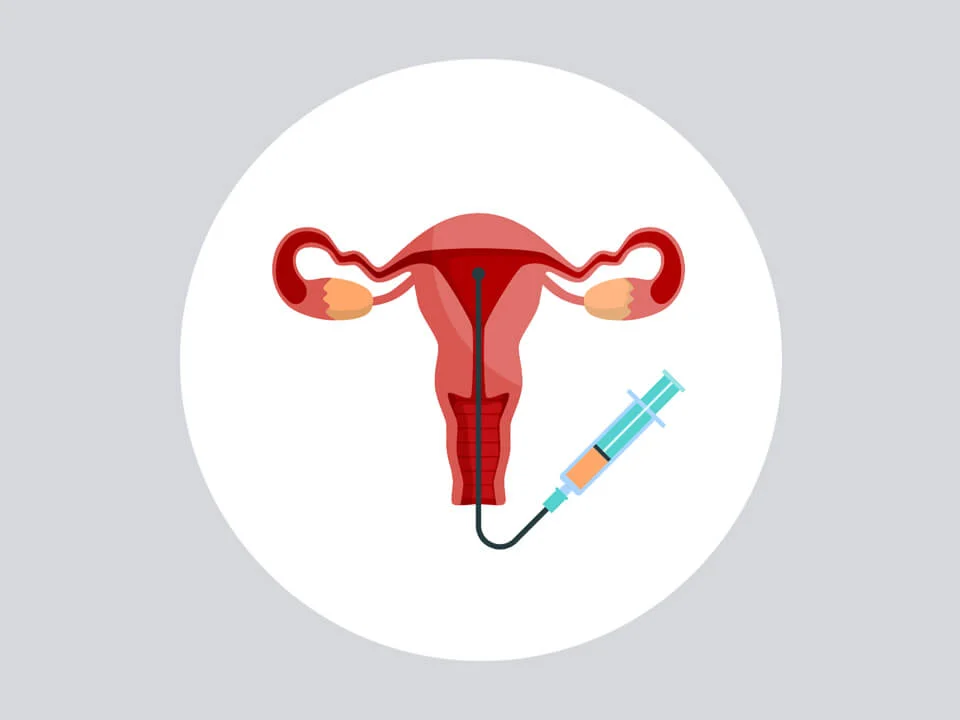
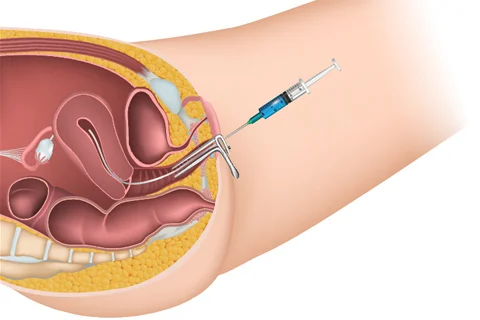
    Illustration of the IUI process, showing a syringe and catheter in the reproductive system.

    Sperm Analysis and Semen Analysis: How Do They Help with Male Fertility Preservation?

    In addition to evaluating sperm count, motility, and morphology, semen analysis also looks at the volume of semen, pH levels, and the presence of any infections or other abnormalities. The test can also detect the presence of white blood cells, which could indicate an infection or inflammation in the reproductive tract.

    How Do These Analyses Help with Male Fertility Preservation?

    Sperm and semen analyses play a crucial role in male fertility preservation. By providing vital information about a man’s sperm quality and reproductive health, these tests can help identify any potential issues that may be affecting fertility. They can also be used to monitor the success of fertility treatments and determine the best course of action for couples struggling with infertility.

    For men who are considering sperm banking or other fertility preservation methods, these analyses are essential. By assessing the quality and quantity of sperm, doctors can determine the best approach for preserving fertility, such as freezing sperm for future use in in vitro fertilization (IVF) or intrauterine insemination (IUI).

    Moreover, for men who have undergone cancer treatment or other medical procedures that can affect fertility, sperm and semen analyses can provide valuable information about the impact of these treatments on sperm quality. This information can help guide the decision-making process for fertility preservation before undergoing potentially harmful treatments.

    In conclusion, sperm analysis and semen analysis are crucial tools in male fertility preservation. These tests provide valuable information about sperm quality and reproductive health, helping couples struggling with infertility to make informed decisions about their fertility journey. They also play a significant role in the success of fertility treatments and can provide peace of mind for men looking to preserve their fertility for future parenthood.

    Summary:

    Sperm analysis and semen analysis are tests used to evaluate the quality and quantity of sperm in a man’s semen. These analyses can provide valuable information about sperm quality and reproductive health, helping couples struggling with infertility to make informed decisions about their fertility journey. They can also play a significant role in the success of fertility treatments and are essential for men looking to preserve their fertility for future parenthood.

  • Sperm Analysis vs Semen Analysis: Which Test is More Invasive?

    Blog Post:

    When it comes to testing male fertility, there are two main methods that are commonly used: sperm analysis and semen analysis. While both tests aim to evaluate the quality and quantity of sperm, they differ in their invasiveness. In this blog post, we will delve into the details of these two tests and determine which one is more invasive.

    Sperm Analysis:

    Sperm analysis, also known as a sperm count, is a laboratory test that examines a man’s semen to determine the number, shape, and movement of his sperm. This test is typically performed when a couple is having difficulty conceiving, and the male partner’s fertility is being evaluated. It can also be used to monitor the effectiveness of fertility treatments or to determine if a vasectomy was successful.

    The process of sperm analysis involves collecting a semen sample through masturbation into a sterile cup. The sample is then analyzed under a microscope to count the number of sperm present and assess their motility and morphology. This test is relatively quick and painless, and the results are usually available within a few days.

    Semen Analysis:

    Semen analysis, also known as a semen culture, is a more comprehensive test that not only examines the sperm but also evaluates the overall health of the semen. It is usually recommended for men who have a history of fertility issues, sexually transmitted infections, or have had a vasectomy reversal.

    A person administering an injection into their abdomen with a yellow pen-like device.

    Sperm Analysis vs Semen Analysis: Which Test is More Invasive?

    The process of semen analysis includes collecting a semen sample in the same manner as sperm analysis. However, in addition to examining the sperm, the sample is also tested for the presence of white blood cells, bacteria, and other substances that could affect fertility. This test is more time-consuming and may take up to a week to get the results.

    Which Test is More Invasive?

    Now that we have a better understanding of sperm analysis and semen analysis, let’s discuss which test is more invasive. Invasiveness refers to the level of discomfort or pain experienced during the procedure and the potential for complications.

    Sperm analysis is considered to be a non-invasive test as it only involves collecting a semen sample. The process is relatively quick and painless, and there is no risk of complications. However, some men may feel uncomfortable or embarrassed about masturbating in a clinical setting, and this could affect the accuracy of the results.

    On the other hand, semen analysis is considered to be a more invasive test as it not only involves collecting a semen sample but also testing it for other substances. The process may take longer, and there is a higher risk of discomfort and potential complications such as infection or bleeding.

    Summary:

    In conclusion, both sperm analysis and semen analysis are essential tests for evaluating male fertility. Sperm analysis is a quick and painless procedure that only looks at the sperm, while semen analysis is a more comprehensive test that evaluates the overall health of the semen. While sperm analysis is less invasive, semen analysis may provide more insights into potential fertility issues. Ultimately, the choice between the two tests depends on the individual’s specific situation and the recommendation of a healthcare professional.

  • The Role of Sperm Analysis and Semen Analysis in Male Hormonal Imbalances

    Blog Post:

    When it comes to male hormonal imbalances, sperm analysis and semen analysis may not be the first thing that comes to mind. However, these two tests can play a crucial role in identifying and understanding hormonal imbalances in men. In this blog post, we will explore the role of sperm analysis and semen analysis in male hormonal imbalances, including what these tests entail, why they are important, and how they can help diagnose and treat these imbalances.

    First, let’s define what we mean by male hormonal imbalances. Hormonal imbalances occur when there is an abnormal level of hormones in the body, which can affect various bodily functions and processes. In men, hormonal imbalances can affect reproductive health, sexual function, and overall well-being. Some common causes of male hormonal imbalances include age, genetics, lifestyle factors, and certain medical conditions.

    Now, let’s dive into the role of sperm analysis and semen analysis in identifying and understanding male hormonal imbalances. Sperm analysis, also known as a semen analysis, is a test that evaluates the quality and quantity of a man’s sperm. This test is typically recommended for men who are having trouble conceiving with their partners. However, it can also be used as a diagnostic tool for male hormonal imbalances.

    During a sperm analysis, a sample of semen is collected and examined under a microscope. The sample is evaluated for various factors, such as sperm count, motility (movement), and morphology (shape). These factors can provide important insights into a man’s reproductive health and potential fertility. Sperm analysis can also detect abnormalities in sperm production, which can be a sign of a hormonal imbalance.

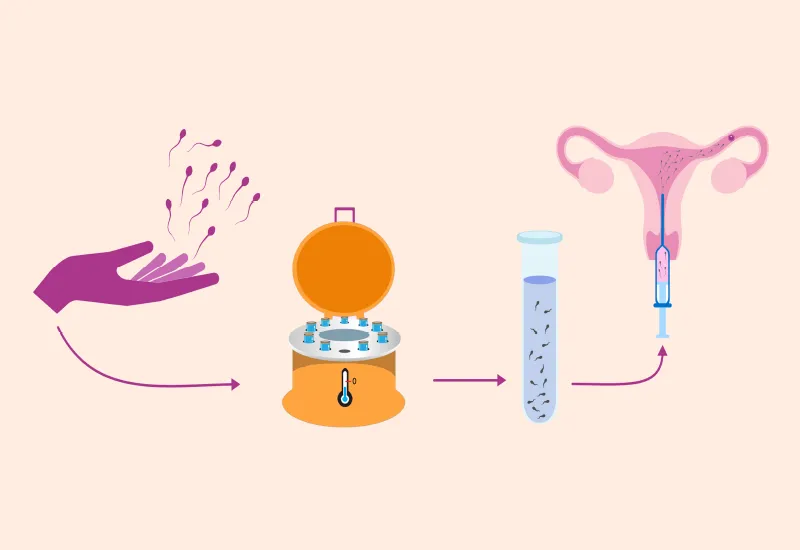
    illustration of the IUI process, showing sperm collection, preparation, and insertion into the uterus

    The Role of Sperm Analysis and Semen Analysis in Male Hormonal Imbalances

    Similarly, semen analysis is a test that evaluates the fluid and cells in semen. This test can provide information about the health and function of the male reproductive system. Semen analysis can also detect abnormalities in hormone levels, which can indicate a hormonal imbalance. For example, low levels of testosterone, the male sex hormone, can lead to reduced sperm production and fertility issues.

    So, why are sperm analysis and semen analysis important in diagnosing and treating male hormonal imbalances? As mentioned earlier, these tests can provide valuable information about a man’s reproductive health and potential fertility. In addition, they can also help identify any underlying medical conditions that may be causing hormonal imbalances. For instance, a low sperm count or abnormal hormone levels may be a result of a medical condition such as hypogonadism, a disorder that affects the body’s ability to produce testosterone.

    Moreover, sperm analysis and semen analysis can also be used to monitor the effectiveness of hormone replacement therapy (HRT) in treating male hormonal imbalances. HRT involves supplementing the body with hormones, such as testosterone, to restore balance and improve symptoms. Sperm analysis and semen analysis can track changes in sperm quality and hormone levels over time, providing valuable feedback on the success of HRT.

    In addition to diagnosing and treating male hormonal imbalances, sperm analysis and semen analysis can also have a significant impact on a man’s overall health and well-being. For instance, a low sperm count or abnormal hormone levels can be a sign of an underlying health issue that may require medical attention. By identifying and addressing these issues early on, men can improve their reproductive health and potentially prevent more serious health problems in the future.

    In summary, sperm analysis and semen analysis play a vital role in identifying and understanding male hormonal imbalances. These tests can provide valuable information about a man’s reproductive health, potential fertility, and overall well-being. By detecting abnormalities in sperm quality and hormone levels, sperm analysis and semen analysis can help diagnose underlying medical conditions and guide treatment options. Therefore, if you are experiencing symptoms of a hormonal imbalance, it is important to consult with a healthcare professional and consider undergoing sperm analysis and semen analysis to get a comprehensive evaluation of your reproductive health.

  • Understanding the Differences Between Sperm Analysis and Semen Analysis for Male Contraception

    Understanding the Differences Between Sperm Analysis and Semen Analysis for Male Contraception

    When it comes to contraception, many people immediately think of methods such as birth control pills, condoms, or intrauterine devices (IUDs). However, did you know that there are also methods available for men? Male contraception is gaining more attention and interest as couples look for more equal responsibility in preventing pregnancy. One of the options for male contraception is through analyzing sperm and semen. While these two terms are often used interchangeably, they actually have different meanings and purposes. In this blog post, we will dive into the differences between sperm analysis and semen analysis for male contraception, and how they can be used to prevent pregnancy.

    Sperm Analysis: What Is It and How Does It Work?

    Sperm analysis, also known as a sperm count or semen analysis, is a test that measures the quantity and quality of sperm in a man’s semen. It is usually performed by a doctor or fertility specialist and involves collecting a semen sample and examining it under a microscope. This test can also be done at home using a home sperm analysis kit. The results of a sperm analysis can provide information on the number, movement, and shape of sperm, which can help determine if a man is fertile or not.

    The process of sperm analysis begins by collecting a semen sample. This can be done through masturbation or by using a special condom during sexual intercourse. The sample is then placed on a slide and examined under a microscope. The doctor will look for the number of sperm present, the motility (movement) of the sperm, and the morphology (shape) of the sperm. These factors can determine the overall quality and health of the sperm, and ultimately, the fertility of the man.

    Semen Analysis: What Is It and How Does It Work?

    Semen analysis, on the other hand, is a more comprehensive test that not only looks at sperm, but also other components of semen. Semen is the fluid that carries sperm and is produced by the male reproductive organs. It contains various substances such as fructose, citric acid, and enzymes that help nourish and protect the sperm. A semen analysis measures the volume, pH, and consistency of the semen, as well as the sperm count, motility, and morphology.

    The process of semen analysis is similar to sperm analysis, where a semen sample is collected and examined under a microscope. However, in this test, the focus is on the overall quality of the semen and its ability to carry and support sperm. This is important because even if a man has a high sperm count, if his semen is of poor quality, it can still affect fertility and potentially lead to pregnancy.

    Male Contraception: How Are Sperm and Semen Analysis Used?

    Comparison of IUI and IVF with illustrations of each procedure.

    Understanding the Differences Between Sperm Analysis and Semen Analysis for Male Contraception

    Now that we understand the differences between sperm and semen analysis, let’s explore how they can be utilized for male contraception. Both tests can provide valuable information on a man’s fertility and can be used to determine the effectiveness of certain contraception methods.

    For example, if a man is considering a vasectomy, a sperm analysis can be performed before and after the procedure to ensure that the surgery was successful in blocking sperm from entering the semen. On the other hand, a semen analysis can be used to determine the effectiveness of other forms of male contraception, such as male birth control pills or injections, which work by altering the quality of semen and preventing the sperm from fertilizing an egg.

    Additionally, sperm and semen analysis can also be used in combination with other contraception methods. For instance, a couple may choose to use a condom along with tracking the man’s sperm or semen quality to further prevent pregnancy. This can be especially helpful for couples who are looking for a non-hormonal or non-invasive form of contraception.

    The Importance of Understanding the Differences

    It is important to understand the differences between sperm and semen analysis, as well as how they can be used for male contraception. These tests can provide valuable information on a man’s fertility and can help couples make informed decisions about their contraceptive choices. It is also crucial for men to take an active role in contraception and not rely solely on their partners or traditional methods of birth control.

    In addition, understanding the differences between sperm and semen analysis can also help dispel any misconceptions or stigma surrounding male contraception. Many people may assume that men do not have many options when it comes to preventing pregnancy, but with advancements in technology and medicine, male contraception is becoming a more viable and accessible option.

    In conclusion, sperm and semen analysis are two different tests that serve a similar purpose in determining a man’s fertility and can be used for male contraception. While sperm analysis focuses on the quantity and quality of sperm, semen analysis looks at the overall health and quality of semen. By understanding these differences, men can take a more active role in contraception and have more control over their reproductive health.

    Summary:

    Male contraception is gaining more attention and interest as couples look for more equal responsibility in preventing pregnancy. One of the options for male contraception is through analyzing sperm and semen. Sperm analysis measures the quantity and quality of sperm in a man’s semen, while semen analysis is a more comprehensive test that looks at the overall quality of semen. Both tests can be used for male contraception, either individually or in combination with other methods. Understanding the differences between sperm and semen analysis is important for informed decision making and to dispel any misconceptions surrounding male contraception.

  • The Impact of Lifestyle Factors on Sperm Analysis and Semen Analysis Results

    Blog Post:

    Sperm analysis and semen analysis are important tools used in fertility testing for men. These tests assess the quantity and quality of a man’s sperm, which can have a significant impact on the chances of conceiving a child. While there are many factors that can affect sperm analysis results, lifestyle factors play a crucial role.

    In this blog post, we will explore the impact of lifestyle factors on sperm analysis and semen analysis results, and how making healthy choices can improve fertility outcomes.

    1. Diet and Nutrition

    The food we eat can have a direct impact on our overall health, including our reproductive health. A healthy and balanced diet is essential for optimal sperm production and function. A diet rich in antioxidants, vitamins, and minerals can help protect sperm from oxidative stress and DNA damage.

    On the other hand, a poor diet high in processed foods, trans fats, and added sugars can lead to inflammation and oxidative stress, which can negatively affect sperm quality. Studies have shown that men with a high intake of processed and fast foods have lower sperm counts and motility compared to those who have a healthier diet.

    2. Weight and BMI

    Being overweight or obese can have a significant impact on sperm quality. Excess body fat can lead to hormonal imbalances, such as increased estrogen levels, which can affect sperm production. Obesity is also linked to insulin resistance, which can lead to inflammation and oxidative stress, both of which can damage sperm.

    On the other hand, being underweight can also affect sperm production and quality. Studies have shown that men with a low BMI have lower sperm counts and motility compared to men with a healthy weight. Maintaining a healthy weight through a balanced diet and regular exercise is crucial for optimal sperm health.

    3. Alcohol and Drug Use

    Excessive alcohol consumption and drug use, including tobacco and marijuana, can have a detrimental effect on sperm quality. Alcohol and drugs can lead to oxidative stress and damage to sperm DNA, which can affect sperm count and motility. Heavy alcohol consumption has also been linked to decreased testosterone levels, which can impact fertility.

    Additionally, smoking cigarettes has been shown to decrease sperm count and motility, as well as increase the number of abnormal sperm. Marijuana use has also been linked to lower sperm counts and motility, as well as changes in sperm morphology.

    Illustration of a uterus with a syringe, representing intrauterine insemination (IUI) procedure.

    The Impact of Lifestyle Factors on Sperm Analysis and Semen Analysis Results

    4. Exercise and Physical Activity

    Regular exercise and physical activity have been shown to have a positive impact on sperm quality. Exercise can help maintain a healthy weight, improve insulin sensitivity, and reduce oxidative stress, all of which can improve sperm production and function.

    However, excessive exercise and intense physical activity can have the opposite effect. Studies have shown that endurance athletes and men who engage in high-intensity exercise have lower sperm counts and motility compared to men who are moderately active.

    5. Stress and Mental Health

    Chronic stress and mental health issues, such as anxiety and depression, can affect sperm quality. Stress can lead to hormonal imbalances, increased oxidative stress, and inflammation, all of which can damage sperm.

    Moreover, men with mental health issues may also have lower levels of testosterone, which can impact sperm production. Seeking treatment and finding healthy ways to manage stress can help improve sperm quality and overall fertility.

    6. Environmental Factors

    Exposure to certain environmental factors can also affect sperm quality. Chemicals and toxins found in the workplace, such as pesticides and heavy metals, can have a negative impact on sperm production and function. Exposure to high temperatures, such as in saunas or hot tubs, can also temporarily decrease sperm production.

    To minimize exposure to harmful environmental factors, it is essential to take necessary precautions and use protective gear when working with chemicals. It is also recommended to avoid prolonged exposure to high temperatures and to take breaks when needed.

    Conclusion:

    In conclusion, lifestyle factors have a significant impact on sperm analysis and semen analysis results. Making healthy choices, such as maintaining a balanced diet, exercising regularly, and reducing stress, can help improve sperm quality and increase the chances of conceiving. Avoiding harmful habits, such as excessive alcohol and drug use, is also crucial for optimal fertility outcomes. By taking care of our overall health and well-being, we can improve our chances of starting a family.

    Summary:

    Sperm analysis and semen analysis are essential for assessing male fertility. However, lifestyle factors can significantly impact the results of these tests. A healthy diet, maintaining a healthy weight, avoiding alcohol and drug use, regular exercise, managing stress, and minimizing exposure to environmental factors are all important for optimal sperm quality and fertility outcomes.

  • The Evolution of Sperm Analysis and Semen Analysis Techniques

    Blog Post Title: The Evolution of Sperm Analysis and Semen Analysis Techniques

    Sperm analysis, also known as semen analysis, is a crucial tool in assessing male fertility. It involves evaluating the quantity, quality, and motility of sperm in a semen sample. Over the years, the techniques used for sperm analysis have evolved significantly, providing more precise and accurate results. In this blog post, we will explore the history and evolution of sperm analysis and semen analysis techniques.

    Early Techniques of Sperm Analysis:

    The first recorded attempt at sperm analysis can be traced back to the 17th century when Antoni van Leeuwenhoek, a Dutch scientist, observed sperm under a microscope. However, it wasn’t until the late 19th century that the first documented semen analysis was performed by John Hunter, a Scottish surgeon. He used a microscope to examine semen samples and observed the movement of sperm.

    In the early 20th century, scientists developed more advanced techniques for sperm analysis, including staining methods and centrifugation. These techniques allowed for a more detailed examination of sperm, such as its morphology and concentration.

    Introduction of Computer-Assisted Sperm Analysis (CASA):

    In the 1980s, computer-assisted sperm analysis (CASA) revolutionized the field of sperm analysis. CASA uses specialized software and high-speed cameras to analyze semen samples, providing more accurate and objective results. It can measure various parameters, including sperm concentration, motility, and velocity, in a matter of seconds.

    The development of CASA has significantly improved the accuracy and efficiency of sperm analysis, making it the primary method used in fertility clinics and research laboratories today.

    Advanced Techniques in Sperm Analysis:

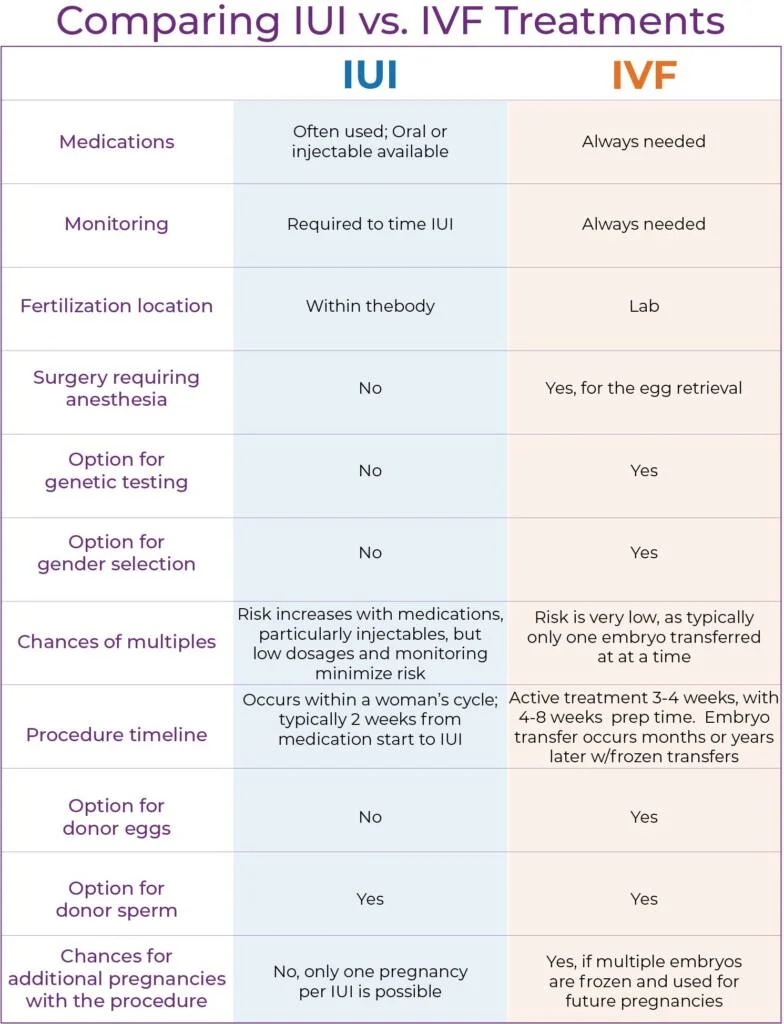
    Comparison chart of IUI and IVF treatments, detailing medications, monitoring, procedures, and success rates.

    The Evolution of Sperm Analysis and Semen Analysis Techniques

    With the advancement of technology, more advanced techniques have been developed to analyze sperm. One of these techniques is flow cytometry, which uses lasers and fluorescent dyes to analyze sperm DNA fragmentation. This technique is particularly useful in cases of male infertility, as it can detect abnormalities in sperm DNA that may affect fertility.

    Another technique that has gained popularity in recent years is sperm DNA fragmentation analysis. This technique involves examining the integrity of sperm DNA, which is crucial for successful fertilization and embryo development. Sperm DNA fragmentation analysis can provide valuable insights into the cause of male infertility and help in devising appropriate treatment plans.

    The Role of Genetics in Sperm Analysis:

    Recent studies have shown that genetics plays a significant role in male fertility. Genetic testing is now being used to identify genetic abnormalities that may affect sperm production and function. This includes testing for genetic disorders, chromosomal abnormalities, and mutations in genes related to sperm production.

    Genetic testing has also led to the development of personalized treatments for male infertility. By identifying specific genetic abnormalities, doctors can tailor treatment plans to address the underlying cause of infertility, increasing the chances of success.

    The Future of Sperm Analysis:

    As technology continues to advance, new techniques for sperm analysis are continually being developed. One such technique is microfluidic sperm sorting, which uses microchannels and electric fields to separate sperm based on their motility. This technique has shown promising results and has the potential to improve the success rates of assisted reproductive techniques.

    Another area of research is the use of artificial intelligence (AI) in sperm analysis. AI has the potential to analyze large amounts of data quickly and accurately, leading to more precise and personalized diagnosis and treatment plans for male infertility.

    In summary, the evolution of sperm analysis and semen analysis techniques has come a long way since its early beginnings. From simple microscopy to advanced techniques such as CASA, flow cytometry, and genetic testing, sperm analysis has become an essential tool in assessing male fertility. With the constant advancements in technology, the future of sperm analysis looks promising, with the potential to provide more accurate diagnoses and personalized treatments for male infertility.

  • Navigating the Results of Sperm Analysis and Semen Analysis

    Blog Post:

    Sperm analysis and semen analysis are two important tests used to evaluate male fertility. These tests provide valuable information about the quality and quantity of sperm in a man’s semen, which can have a significant impact on his ability to father a child. While the thought of undergoing these tests may be daunting for some men, it is important to understand the process and how to navigate the results.

    In this blog post, we will discuss the basics of sperm analysis and semen analysis, including why they are necessary, what to expect during the tests, and how to interpret the results. We will also discuss the various factors that can affect the results of these tests and offer tips on how to prepare for them.

    Why is Sperm Analysis and Semen Analysis Important?

    Sperm analysis and semen analysis are crucial in evaluating male fertility because they provide information about the quantity, quality, and movement of sperm in a man’s semen. These tests are typically recommended for men who are having trouble conceiving with their partners or for those who are planning to undergo fertility treatments.

    Sperm analysis measures the number of sperm present in a semen sample, as well as their shape and movement. It also evaluates the semen volume, pH levels, and other factors that can affect sperm health. Semen analysis, on the other hand, focuses on the quality and health of the semen itself, including the presence of bacteria or other abnormalities.

    What to Expect During the Tests?

    Sperm analysis and semen analysis require a semen sample, which can be collected at home or at a fertility clinic. The sample should be collected through masturbation and should be delivered to the lab within 30 minutes of ejaculation. Most laboratories will provide a private room for sample collection, but in some cases, men may be asked to collect the sample at home and bring it to the lab within an hour.

    During the tests, the sample will be examined under a microscope, and the sperm will be evaluated based on their concentration, motility, and morphology (shape and size). The semen will also be checked for its volume, color, and other characteristics. The entire process usually takes about an hour, and the results will be available within a few days.

    Interpreting the Results

    The normal range for sperm count is typically between 15 million to 200 million per milliliter of semen. A low sperm count, also known as oligospermia, can indicate a problem with either the testicles or the reproductive tract. Poor sperm motility, or the ability of sperm to move properly, can also be a contributing factor to male infertility. Abnormalities in sperm shape and size, known as teratospermia, can also affect fertility.

    In semen analysis, the semen is evaluated for its pH levels, viscosity, and the presence of bacteria or white blood cells. An abnormal result in any of these factors may indicate an underlying infection or inflammation in the reproductive system, which can affect sperm health.

    Factors That Can Affect the Results

    There are several factors that can affect the results of sperm analysis and semen analysis, and it is essential to consider these when interpreting the results. These factors include:

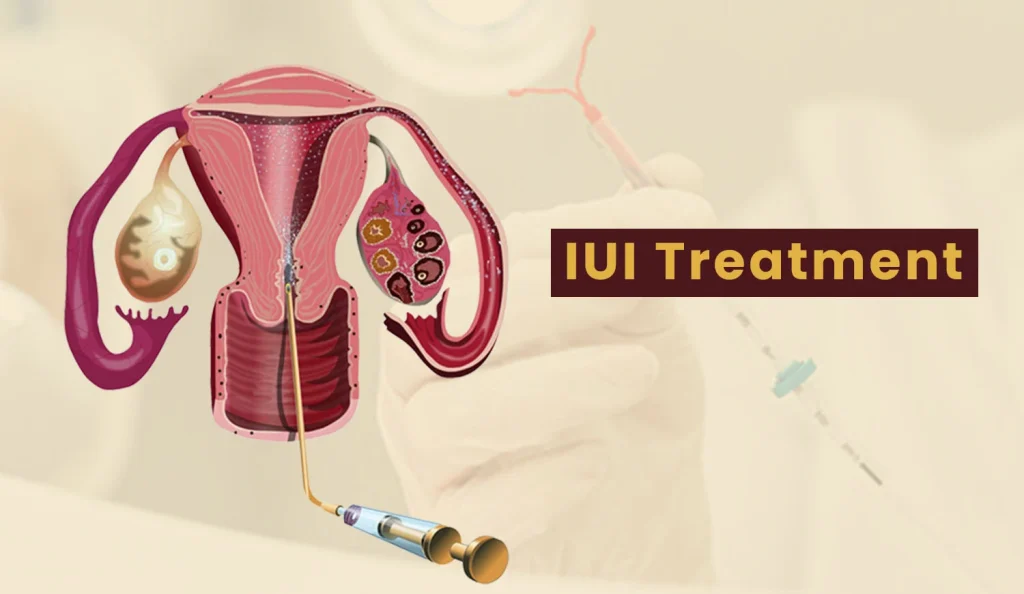
    illustration of the uterus and ovaries with a syringe, labeled "IUI Treatment" in the background

    Navigating the Results of Sperm Analysis and Semen Analysis

    1. Lifestyle habits: Certain lifestyle habits, such as smoking, excessive alcohol consumption, and drug use, can have a significant impact on sperm health.

    2. Medications: Some medications, including certain antibiotics and testosterone replacement therapy, can affect sperm production and quality.

    3. Diet and nutrition: A healthy diet and proper nutrition are essential for sperm production and overall reproductive health.

    4. Age: As men age, their sperm quality and quantity may decrease, making it harder to conceive.

    5. Health conditions: Certain health conditions, such as diabetes, high blood pressure, and sexually transmitted infections, can affect sperm health.

    Tips for Preparing for Sperm Analysis and Semen Analysis

    To ensure accurate and reliable results, it is essential to prepare for sperm analysis and semen analysis properly. Here are some tips to help you prepare for these tests:

    1. Avoid ejaculation for two to five days before the test. This will allow for a more accurate assessment of sperm production.

    2. Avoid alcohol, caffeine, and drugs for at least 48 hours before the test, as they can affect sperm quality.

    3. Inform your doctor about any medications you are taking, as they may affect the results.

    4. Eat a healthy and balanced diet, including foods rich in antioxidants, which can help improve sperm quality.

    5. Get enough rest and manage stress levels, as these can also affect sperm production and quality.

    In conclusion, sperm analysis and semen analysis are essential tests for evaluating male fertility. By understanding the process and knowing what to expect, as well as considering the various factors that can affect the results, men can navigate these tests with confidence. By following the tips for preparation and maintaining a healthy lifestyle, men can also improve their chances of having a successful outcome from these tests.

    Summary:

    Sperm analysis and semen analysis are important tests used to evaluate male fertility. These tests provide information about the quality and quantity of sperm in a man’s semen, which can affect his ability to father a child. The process of collecting and evaluating the semen sample is relatively simple, and the results are usually available within a few days. However, several factors can affect the results, including lifestyle habits, medications, and age. By preparing properly and maintaining a healthy lifestyle, men can improve their chances of having a successful outcome from these tests.

  • Sperm Analysis vs Semen Analysis: Which Provides More Insight into Male Fertility?

    Blog Post:

    Male fertility is a topic that is often overlooked or avoided, but it is a crucial aspect of reproductive health. Many couples struggling with infertility often focus on the female partner, but it is estimated that male factors contribute to about 40% of infertility cases. One of the key ways to assess male fertility is through sperm or semen analysis. However, there is often confusion about the two terms and their differences. In this blog post, we will delve into the world of sperm analysis vs semen analysis and discuss which one provides more insight into male fertility.

    Sperm Analysis:

    Sperm analysis, also known as sperm count or semen analysis, is a diagnostic test that measures the number and quality of sperm in a man’s ejaculate. The test is typically done in a lab and involves collecting a semen sample through masturbation. The sample is then examined under a microscope to assess the sperm count, motility (movement), and morphology (shape and size).

    Sperm analysis provides critical information about male fertility, as the number and quality of sperm are essential for successful fertilization. A normal sperm count is typically considered to be 15 million sperm per milliliter of semen, with at least 40% of those sperm being motile. Abnormalities in sperm count, motility, or morphology can indicate underlying fertility issues in men.

    Semen Analysis:

    On the other hand, semen analysis is a broader term that refers to the analysis of the entire semen sample, which includes sperm, seminal fluid, and other components. Semen is a combination of sperm and fluids from the male reproductive organs, such as the prostate and seminal vesicles. The fluid helps to nourish and protect the sperm, making it crucial for fertility.

    During a semen analysis, the sample is examined for the volume, pH level, fructose levels, and the presence of any white blood cells or bacteria. These factors can indicate issues with the male reproductive system, such as infection or blockages.

    Comparison chart of IUI and IVF treatments, detailing medications, monitoring, procedures, and success rates.

    Sperm Analysis vs Semen Analysis: Which Provides More Insight into Male Fertility?

    Which Provides More Insight into Male Fertility?

    Both sperm and semen analysis are essential tools for assessing male fertility, but they provide different types of information. Sperm analysis focuses solely on the sperm count, motility, and morphology, while semen analysis looks at the overall composition of the semen sample. So, which one provides more insight into male fertility?

    The answer is both. Sperm analysis is crucial in determining the quantity and quality of sperm, which are essential for fertilization. Low sperm count, poor motility, or abnormal morphology can significantly impact a man’s fertility and make it difficult for couples to conceive. On the other hand, semen analysis can identify underlying issues with the male reproductive system that may not be evident through sperm analysis alone. For example, a semen analysis can reveal the presence of an infection or blockage, which can affect sperm production and quality.

    It is essential to note that both sperm and semen analysis should be done together to get a comprehensive understanding of male fertility. While one test may provide more insight into a specific aspect, combining both tests can give a complete picture of a man’s reproductive health.

    Factors That Can Affect Sperm and Semen Analysis Results:

    It is crucial to understand that several factors can affect the results of sperm and semen analysis. These include lifestyle choices, such as smoking, excessive drinking, and drug use, all of which can decrease sperm count and quality. Age and underlying health conditions, such as obesity and diabetes, can also affect male fertility. Additionally, certain medications and treatments, such as chemotherapy, can impact sperm production and quality.

    Summary:

    In summary, sperm and semen analysis are two diagnostic tests used to assess male fertility. Sperm analysis focuses on the quantity and quality of sperm, while semen analysis looks at the overall composition of the semen sample. Both tests are crucial in providing insight into male fertility, and they should be done together to get a complete understanding of reproductive health. Factors such as lifestyle, age, and underlying health conditions can affect the results of these tests, highlighting the importance of a healthy lifestyle for male fertility.

  • Exploring the Limitations of Sperm Analysis and Semen Analysis

    Summary:

    Sperm analysis and semen analysis are essential tools in assessing male fertility and diagnosing various reproductive health issues. However, these tests have their limitations and may not provide a complete picture of a man’s fertility. In this blog post, we will explore the limitations of sperm analysis and semen analysis and how they can impact the accuracy of fertility assessments.

    First, let’s understand the basics of sperm analysis and semen analysis. Sperm analysis measures the quantity, quality, and movement of sperm in a sample, while semen analysis evaluates the overall health and composition of semen, which includes sperm as well as other components such as fructose, proteins, and enzymes. These tests are commonly used in fertility clinics and reproductive health centers to assess male fertility and determine the best course of action for couples struggling to conceive.

    One of the main limitations of sperm analysis is that it only provides information about the sperm’s physical characteristics, such as count, motility, and morphology. While these factors are crucial in determining sperm function, they do not provide insight into the sperm’s genetic makeup or potential chromosomal abnormalities. This means that even if a man has a normal sperm count and motility, there could still be underlying genetic issues that could impact fertility.

    Another limitation of sperm analysis is that it does not take into account the female partner’s fertility. A man may have healthy sperm, but if the female partner has fertility issues, it can still be challenging to conceive. This is why it’s essential to conduct a comprehensive fertility evaluation for both partners to determine the root cause of fertility problems.

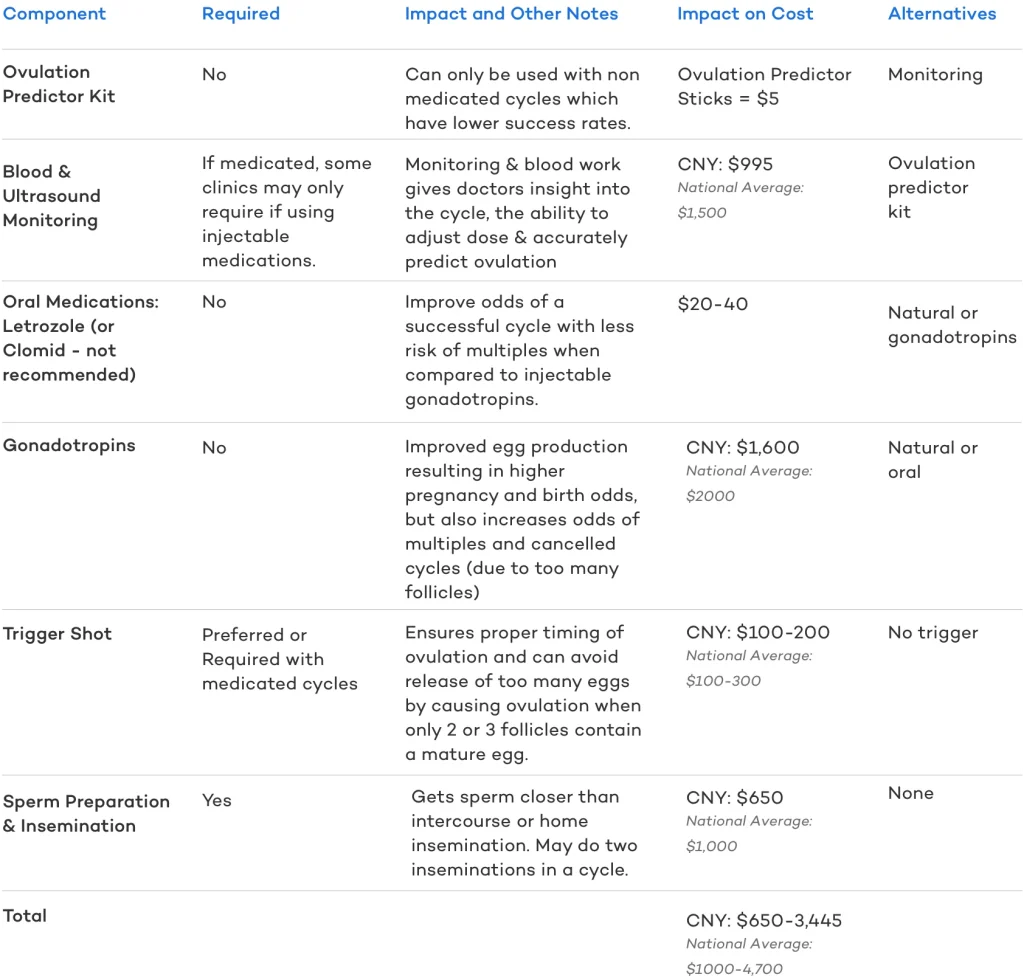
    Cost breakdown for IUI components, including requirements, impacts, and alternatives.

    Exploring the Limitations of Sperm Analysis and Semen Analysis

    Semen analysis, on the other hand, provides a more comprehensive assessment of male fertility by evaluating the overall quality of semen. However, this test also has its limitations. For instance, semen analysis does not consider the sperm’s ability to fertilize an egg or the presence of anti-sperm antibodies, which can hinder sperm function. It also does not provide information about the sperm’s DNA integrity, which is critical in determining the risk of genetic disorders in offspring.

    Another factor that can affect the accuracy of sperm and semen analysis is the variability of test results. Sperm count, motility, and morphology can vary from day-to-day and can be affected by various factors such as stress, illness, and medication. This means that a single test result may not be a reliable indicator of a man’s fertility, and multiple tests may be necessary to get a more accurate assessment.

    Moreover, sperm and semen analysis do not consider the impact of lifestyle and environmental factors on fertility. Factors such as diet, smoking, alcohol consumption, and exposure to toxins can affect sperm quality and function. Therefore, it’s essential to consider these factors when interpreting test results and developing a treatment plan.

    Lastly, sperm and semen analysis do not account for the emotional and psychological aspects of male fertility. The pressure and stress of trying to conceive can impact a man’s mental health, which, in turn, can affect sperm quality and fertility. It’s crucial for healthcare providers to consider the emotional well-being of men struggling with fertility issues and provide appropriate support and resources.

    In conclusion, while sperm and semen analysis are valuable tools in assessing male fertility, they have their limitations. These tests do not provide a complete picture of a man’s fertility and should be used in conjunction with other diagnostic tools and a comprehensive evaluation of both partners. It’s also important to consider lifestyle and environmental factors and the emotional well-being of men when interpreting test results and developing a treatment plan.

  • The Link Between Sperm Analysis, Semen Analysis, and Male Reproductive Health

    Blog Post:

    When it comes to male reproductive health, there are several tests that can provide valuable information about fertility and overall wellness. Two of the most commonly used tests are sperm analysis and semen analysis. While they may sound similar, these tests actually provide different types of information and are used for different purposes. In this blog post, we will explore the link between sperm analysis, semen analysis, and male reproductive health.

    Sperm Analysis:

    Sperm analysis, also known as a sperm count, is a test that measures the number and quality of sperm in a man’s semen. This test is typically performed as part of a fertility evaluation, as sperm quality and quantity are key factors in a man’s ability to father a child. The World Health Organization (WHO) defines a “normal” sperm count as 15 million sperm per milliliter of semen, with at least 40% of those sperm being considered “healthy” in terms of shape and movement.

    A sperm analysis is usually recommended for couples who have been trying to conceive for at least a year with no success. It can also be helpful for men who have had a vasectomy and are considering a reversal. The test is relatively simple and non-invasive, involving the collection of a semen sample either at home or in a doctor’s office. The sample is then sent to a lab for analysis, and the results are typically available within a few days.

    The results of a sperm analysis can provide valuable information about a man’s fertility and reproductive health. Low sperm count and poor sperm quality can be indicative of various underlying issues, such as hormonal imbalances, infections, or genetic abnormalities. These results can also help determine the best course of treatment for couples struggling with fertility issues.

    Semen Analysis:

    illustration of intrauterine insemination procedure with a syringe and catheter in the uterus.

    The Link Between Sperm Analysis, Semen Analysis, and Male Reproductive Health

    While sperm analysis focuses solely on the sperm within semen, semen analysis looks at the overall composition of semen. This includes the sperm, as well as other fluids and cells that make up semen. A semen analysis can provide information about the volume, pH level, and concentration of sperm in semen, as well as the presence of infections or other abnormalities.

    Like sperm analysis, semen analysis is often recommended for couples experiencing fertility issues. It can also be used to assess the effectiveness of treatments for conditions such as prostate infections or vasectomy reversals. The procedure for collecting a semen sample is the same as for a sperm analysis, and the results are typically available within a few days.

    Semen analysis can provide valuable insights into a man’s reproductive health. For example, a high pH level in semen can indicate an infection, while a low volume of semen can suggest a blockage in the reproductive tract. These results can help guide treatment and improve overall reproductive health.

    The Link Between Sperm Analysis, Semen Analysis, and Male Reproductive Health:

    While sperm analysis and semen analysis are two separate tests, they are closely linked when it comes to male reproductive health. Both tests can provide valuable information about a man’s fertility and overall wellness. A sperm analysis can determine the quantity and quality of sperm, while a semen analysis looks at the overall composition of semen. Together, these tests can help diagnose underlying issues and guide treatment for couples struggling with fertility.

    In addition, both tests can also help monitor the effectiveness of treatments for conditions such as infections or vasectomy reversals. By regularly performing these tests, men can stay on top of their reproductive health and make any necessary changes or seek treatment as needed.

    Summary:

    In summary, sperm analysis and semen analysis are two important tests that can provide valuable insights into male reproductive health. Sperm analysis measures the number and quality of sperm, while semen analysis looks at the overall composition of semen. Both tests can be used to diagnose underlying issues and guide treatment for couples struggling with fertility. By regularly monitoring these tests, men can stay on top of their reproductive health and make informed decisions about their fertility and overall wellness.