Tag: Infertility

  • Exploring the Differences Between Fertility Medications and Surgical Options

    Exploring the Differences Between Fertility Medications and Surgical Options

    Fertility issues can be a challenging and emotional experience for individuals or couples trying to conceive. Fortunately, there are various fertility treatments available, including medications and surgical options, that can help improve the chances of pregnancy. However, understanding the differences between these treatment options is essential in making an informed decision about the best course of action for your specific situation. In this blog post, we will explore the differences between fertility medications and surgical options and how they work to increase fertility.

    Understanding Fertility Medications

    Fertility medications, also known as fertility drugs, are used to stimulate the ovaries to produce more eggs, regulate ovulation, and increase the chances of conception. These medications can be prescribed to women who have irregular menstrual cycles, polycystic ovary syndrome (PCOS), or other hormonal imbalances that affect fertility.

    The most commonly used fertility medications are Clomiphene citrate (Clomid) and Gonadotropins. Clomid is a pill that is taken orally and works by blocking estrogen receptors in the brain, causing the body to produce more follicle-stimulating hormone (FSH) and luteinizing hormone (LH). These hormones are responsible for stimulating the growth of follicles in the ovaries, which contain eggs. Gonadotropins, on the other hand, are injectable medications that contain FSH and LH and are used to directly stimulate the ovaries to produce more eggs.

    Fertility medications are often the first-line treatment for fertility issues and are generally well-tolerated with few side effects. However, they can increase the risk of multiple pregnancies and may not be suitable for women who have underlying medical conditions like ovarian cysts or uterine fibroids.

    Exploring Surgical Options for Fertility

    In some cases, fertility issues may be caused by structural or physical problems that cannot be corrected with medications. In such instances, surgical options may be recommended to improve fertility. These procedures are typically performed by a reproductive endocrinologist, a specialist in fertility and reproductive health.
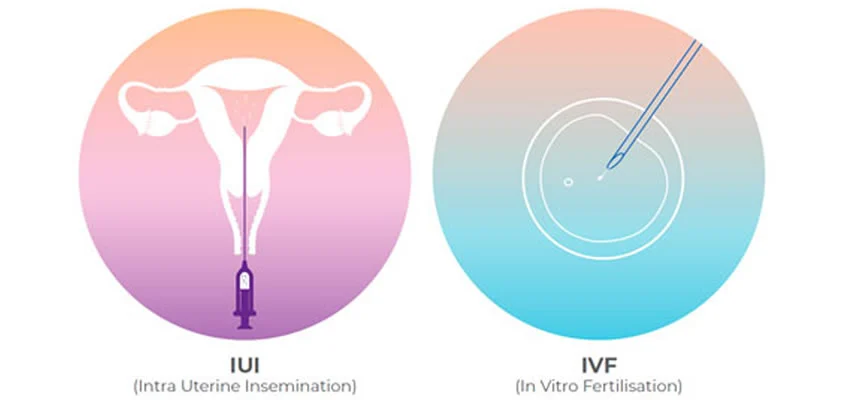
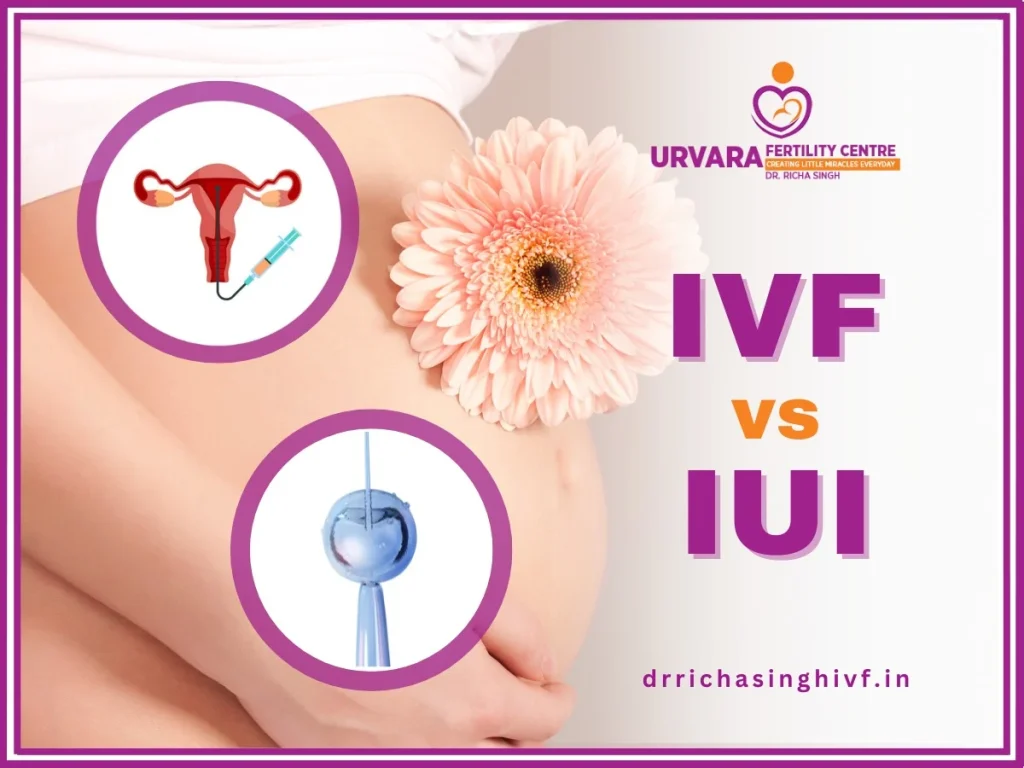
    comparison of IUI and IVF procedures illustrated with simple graphics and labels

    Exploring the Differences Between Fertility Medications and Surgical Options

    One of the most common surgical procedures for fertility is laparoscopy, which is a minimally invasive surgical technique that involves making small incisions in the abdomen to access and correct any abnormalities in the reproductive organs. It can be used to diagnose and treat conditions such as endometriosis, uterine fibroids, or blocked fallopian tubes. Another surgical procedure, hysteroscopy, involves inserting a thin, lighted tube through the cervix to examine and treat any abnormalities in the uterus that may affect fertility.

    Surgical options for fertility are generally safe and effective, but they do carry some risks, including infection, bleeding, and damage to surrounding organs. Recovery time may also vary, depending on the type of surgery and individual healing abilities.

    Which Option is Right for You?

    When it comes to choosing between fertility medications and surgical options, there is no one-size-fits-all approach. The best option for you will depend on various factors, including the cause of your fertility issues, your medical history, and your overall health. It is essential to consult with a fertility specialist to determine the most suitable treatment option for your specific situation.

    In some cases, a combination of both fertility medications and surgical procedures may be recommended, especially for women who have multiple fertility issues. For example, a woman with PCOS may be prescribed Clomid to stimulate ovulation and undergo laparoscopy to remove any ovarian cysts that may be affecting fertility.

    It is also crucial to consider the emotional and financial aspects of fertility treatments when deciding on the right option for you. Fertility medications are often more affordable and less invasive, while surgical options may require a more significant financial investment and longer recovery time.

    In conclusion, fertility medications and surgical options are two types of treatments available for individuals or couples struggling with fertility issues. While fertility medications work by stimulating ovulation and increasing the chances of conception, surgical options can correct structural or physical problems that may affect fertility. Ultimately, the best option for you will depend on various factors and should be discussed with a fertility specialist.

    Summary:

    Fertility issues can be a challenging and emotional experience, but there are various treatment options available. Fertility medications, such as Clomid and Gonadotropins, work by stimulating ovulation, while surgical options, like laparoscopy and hysteroscopy, can correct structural or physical problems that may affect fertility. The best option for an individual or couple will depend on factors such as the cause of fertility issues, medical history, and overall health, and should be discussed with a fertility specialist.

  • The Pros and Cons of Fertility Medications vs Surgical Treatments

    Blog Post:

    Fertility issues can be a difficult and emotional journey for many individuals and couples. When facing challenges with conceiving, there are various options available to help increase the chances of a successful pregnancy. Two common treatments for fertility problems are fertility medications and surgical procedures. Both approaches have their own set of pros and cons, and it’s important to weigh them carefully to make an informed decision. In this blog post, we will explore the pros and cons of fertility medications versus surgical treatments.

    Fertility Medications:

    Fertility medications are drugs that are used to stimulate the ovaries and help regulate the menstrual cycle. These medications can range from oral pills to injections, and they work by increasing hormone levels in the body. The most commonly used fertility medications are Clomiphene citrate, Gonadotropins, and Metformin.

    Pros:

    1. Non-invasive: One of the biggest advantages of fertility medications is that they are non-invasive. This means that they can be taken orally or through injections, eliminating the need for any surgical procedures.

    2. Cost-effective: Fertility medications are generally more affordable than surgical treatments. This can be a significant factor for couples who are struggling with fertility issues and already facing financial strain.

    3. Widely available: Fertility medications are readily available and can be prescribed by a gynecologist or fertility specialist. This makes it easier for couples to access them without having to travel long distances or wait for a specific procedure to be available.

    4. Low-risk: The risk of complications with fertility medications is relatively low compared to surgical treatments. While there may be mild side effects such as bloating, mood swings, and headaches, they are usually temporary and can be managed with the help of a doctor.

    Cons:

    1. Less effective: Fertility medications may not work for everyone and have a lower success rate compared to surgical treatments. This is especially true for individuals who have more severe fertility issues, such as blocked fallopian tubes or endometriosis.

    2. Multiple cycles: In some cases, multiple cycles of fertility medications may be needed before a successful pregnancy occurs. This can be emotionally and physically taxing for couples, as well as financially draining.

    3. Risk of multiple pregnancies: Fertility medications can increase the chances of having a multiple pregnancy, such as twins or triplets. While some couples may see this as a positive outcome, it can also increase the risk of complications during pregnancy and delivery.

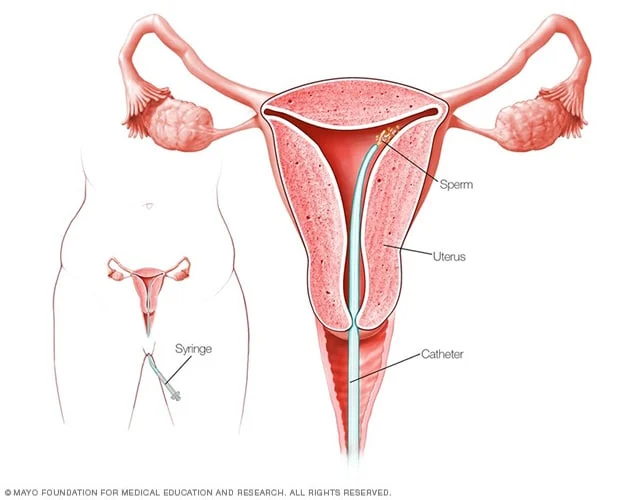
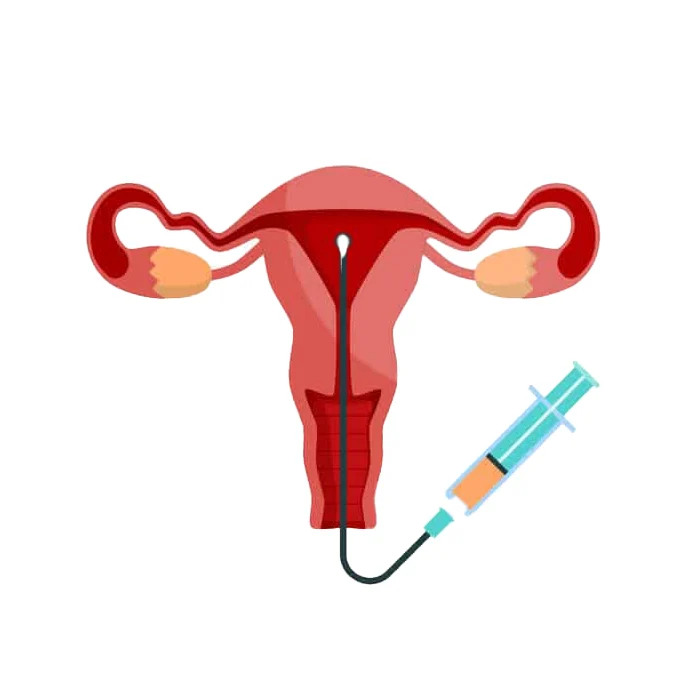
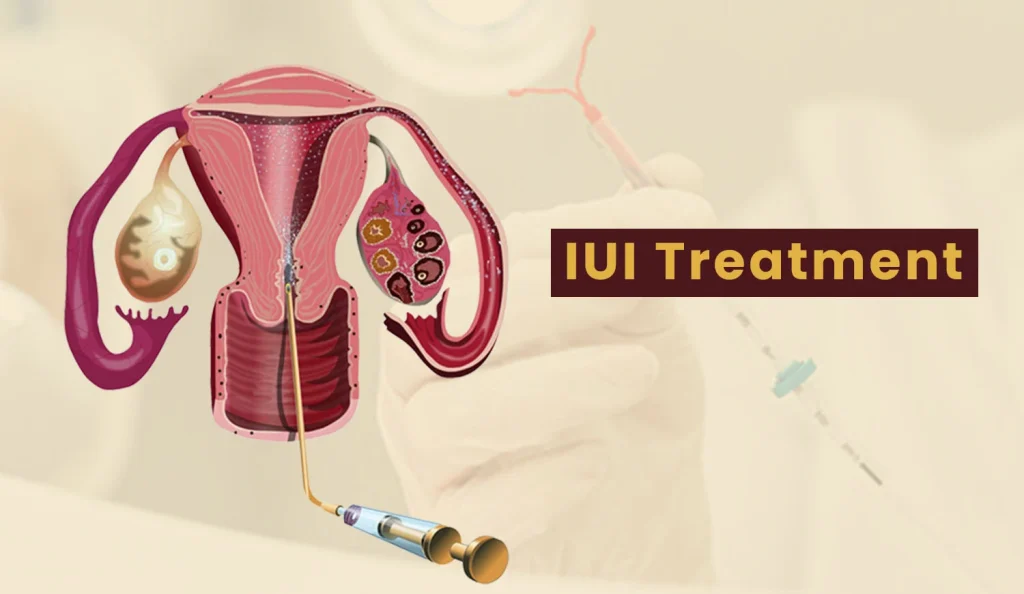
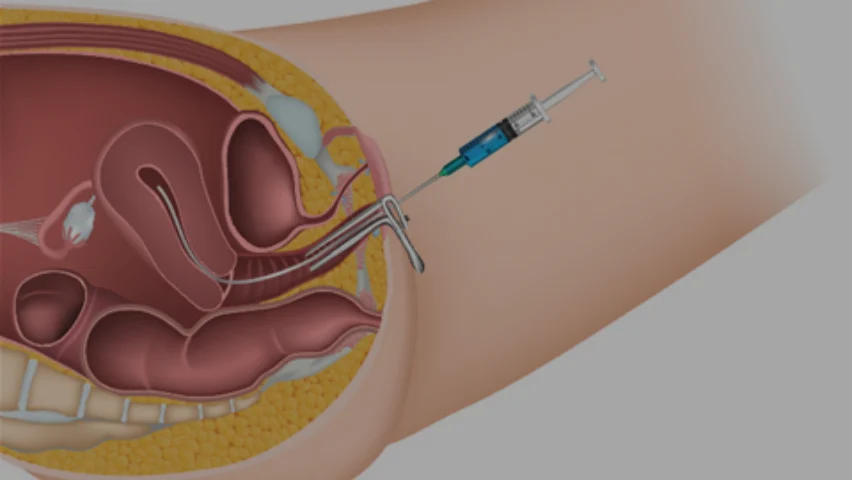
    Illustration of intrauterine insemination (IUI) procedure with syringe and catheter in the uterus.

    The Pros and Cons of Fertility Medications vs Surgical Treatments

    Surgical Treatments:

    Surgical treatments for fertility issues involve procedures that are performed in a hospital or clinic setting. The most common surgical treatments for fertility problems include Intrauterine Insemination (IUI), In Vitro Fertilization (IVF), and Surgical Sperm Retrieval.

    Pros:

    1. Higher success rates: Surgical treatments have a higher success rate compared to fertility medications. This is because they directly address the underlying cause of infertility, such as blocked fallopian tubes or low sperm count.

    2. Customizable: Surgical treatments can be tailored to the specific needs of the individual or couple. For example, IVF can be used to address various fertility issues, including male factor infertility, unexplained infertility, and advanced maternal age.

    3. Can address more severe issues: Surgical treatments are more effective for individuals or couples who have more severe fertility issues. This includes conditions such as endometriosis, polycystic ovary syndrome (PCOS), and blocked fallopian tubes.

    Cons:

    1. Invasive and costly: Surgical treatments are more invasive and costly compared to fertility medications. They require specialized equipment, a team of medical professionals, and a sterile environment, which all contribute to the higher cost.

    2. Risk of complications: As with any surgery, there is a risk of complications with surgical treatments. This can include bleeding, infection, and damage to surrounding organs.

    3. Emotional toll: The process of undergoing surgery and the uncertainty of its success can take an emotional toll on individuals and couples. This can be especially difficult if multiple attempts are needed before a successful pregnancy occurs.

    Summary:

    When it comes to fertility treatments, there is no one-size-fits-all approach. Fertility medications are a non-invasive, cost-effective option that is widely available and has a low risk of complications. However, they may have a lower success rate and require multiple cycles. On the other hand, surgical treatments have a higher success rate and can address more severe fertility issues. However, they are more invasive, costly, and carry a higher risk of complications. The decision between fertility medications and surgical treatments ultimately depends on the individual or couple’s specific needs and preferences.

    SEO Metadata:

  • A Holistic Guide to Managing Endometriosis for Fertility

    Endometriosis is a chronic reproductive condition that affects millions of women worldwide. It occurs when the tissue that normally lines the uterus, called the endometrium, grows outside of the uterus, causing inflammation, scarring, and pain. While endometriosis can have a significant impact on a woman’s quality of life, it can also affect her fertility. In fact, it is estimated that up to 50% of women with endometriosis struggle with infertility. Therefore, it is important for women with endometriosis who are trying to conceive to take a holistic approach to managing their condition. In this blog post, we will discuss a holistic guide to managing endometriosis for fertility.

    1. Seek professional help: The first step in managing endometriosis for fertility is to seek professional help. If you suspect you have endometriosis, it is important to consult with a gynecologist who specializes in treating this condition. They can perform a thorough evaluation and provide you with an accurate diagnosis. They can also offer treatment options that can help manage your symptoms and improve your chances of conceiving.

    2. Understand your condition: It is important to educate yourself about endometriosis and how it can affect your fertility. This will help you make informed decisions about your treatment and lifestyle choices. Endometriosis can cause hormonal imbalances, inflammation, and scarring, all of which can negatively impact fertility. By understanding your condition, you can work with your healthcare provider to develop a personalized treatment plan.

    3. Consider holistic treatments: While conventional medical treatments such as surgery and medication are often necessary for managing endometriosis, there are also holistic treatments that can help improve fertility. Acupuncture, for example, has been shown to reduce pain and inflammation associated with endometriosis, as well as improve hormone balance. Other holistic treatments such as herbal remedies, massage, and yoga can also be beneficial in managing endometriosis and promoting fertility.

    A person administering an injection into their abdomen with a yellow pen-like device.

    A Holistic Guide to Managing Endometriosis for Fertility

    4. Make lifestyle changes: Lifestyle changes can also play a significant role in managing endometriosis and improving fertility. Diet, for example, can have a big impact on inflammation and hormone balance. A diet rich in anti-inflammatory foods such as fruits, vegetables, whole grains, and healthy fats can help reduce inflammation and improve fertility. Additionally, avoiding foods that are high in sugar, caffeine, and processed ingredients can also benefit women with endometriosis. Regular exercise, stress management, and getting enough sleep are also important lifestyle changes that can help manage endometriosis and promote fertility.

    5. Explore fertility treatments: For women with endometriosis who are struggling with infertility, there are a variety of fertility treatments available. In vitro fertilization (IVF) is a common option for women with endometriosis, as it allows for the fertilized egg to bypass the affected areas of the reproductive system. Other options may include intrauterine insemination (IUI), fertility medications, or surgery to remove endometriosis tissue. It is important to discuss these options with your healthcare provider to determine the best course of action for your individual situation.

    6. Address emotional well-being: Managing endometriosis and fertility can be emotionally draining, and it is important to address your emotional well-being during this time. Endometriosis can cause feelings of frustration, sadness, and even depression. Seeking support from family, friends, or a therapist can be helpful in coping with these emotions. It is also important to practice self-care and engage in activities that bring joy and relaxation.

    In conclusion, managing endometriosis for fertility requires a holistic approach that addresses both the physical and emotional aspects of the condition. Seeking professional help, understanding your condition, considering holistic treatments, making lifestyle changes, exploring fertility treatments, and addressing emotional well-being are all important aspects of this approach. By taking a holistic approach, women with endometriosis can effectively manage their condition and increase their chances of conceiving. Remember to always consult with your healthcare provider before making any changes to your treatment plan.

  • A Holistic Guide to Overcoming Secondary Infertility

    Secondary infertility is a common but often overlooked issue that affects many couples who are trying to conceive. Unlike primary infertility, which is the inability to conceive a first child, secondary infertility refers to the difficulty in conceiving after a previous successful pregnancy. This can be a frustrating and emotional experience for those experiencing it, as they may have assumed that they would have no difficulty getting pregnant again. In this blog post, we will discuss a holistic guide to overcoming secondary infertility, including possible causes, traditional and alternative treatments, and tips for supporting mental health during this journey.

    Possible Causes of Secondary Infertility

    There are several potential causes of secondary infertility, including age, hormonal imbalances, and underlying health conditions. As women age, their fertility naturally decreases, making it more difficult to conceive. Hormonal imbalances, such as irregular ovulation or low progesterone levels, can also affect a woman’s ability to get pregnant. Additionally, underlying health conditions such as endometriosis, polycystic ovary syndrome (PCOS), or uterine fibroids can also contribute to secondary infertility.

    Traditional Treatments for Secondary Infertility

    The most common traditional treatment for secondary infertility is fertility medication, such as Clomid or Letrozole, which can help stimulate ovulation. In some cases, intrauterine insemination (IUI) or in vitro fertilization (IVF) may also be recommended. These treatments can be effective, but they can also be expensive and come with potential side effects. It’s essential to discuss all options with a fertility specialist and understand the potential risks and benefits before moving forward with any treatment.

    Alternative Treatments for Secondary Infertility

    In addition to traditional treatments, there are also alternative approaches that can be used to help overcome secondary infertility. These include acupuncture, herbal remedies, and dietary changes. Acupuncture has been shown to improve fertility by promoting blood flow to the pelvic area and reducing stress levels. Herbal remedies, such as maca root or chasteberry, can help regulate hormones and improve fertility. Dietary changes, such as increasing intake of whole foods and reducing processed foods, can also have a positive impact on fertility.

    IVF vs IUI comparison with illustrations of reproductive processes and a flower on a pregnant belly.

    A Holistic Guide to Overcoming Secondary Infertility

    Holistic Approaches to Overcoming Secondary Infertility

    Taking a holistic approach to overcoming secondary infertility means addressing not just the physical aspects but also the mental and emotional aspects of fertility. This includes reducing stress levels, improving overall health and well-being, and creating a supportive environment. Some holistic practices that can be beneficial for those struggling with secondary infertility include yoga, meditation, and journaling. These activities can help reduce stress and promote relaxation, which can have a positive impact on fertility.

    Supporting Mental Health During the Journey

    The journey of overcoming secondary infertility can be emotionally and mentally taxing. It’s crucial for those experiencing it to take care of their mental health and seek support when needed. This can include therapy, support groups, or talking to friends and family. It’s also essential to practice self-care and find healthy ways to cope with the emotions that come with this experience. This can include exercise, spending time in nature, or engaging in hobbies and activities that bring joy.

    In Conclusion

    Overcoming secondary infertility is a challenging and complex journey, but it’s important to remember that there is hope. By understanding the possible causes, exploring traditional and alternative treatments, and taking a holistic approach to fertility, it is possible to overcome secondary infertility and achieve a successful pregnancy. It’s also crucial to prioritize mental health and seek support during this time. By taking care of both physical and emotional well-being, individuals and couples can navigate this journey and come out stronger in the end.

    SEO metadata:

  • A Holistic Approach to Unexplained Infertility

    A Holistic Approach to Unexplained Infertility: Understanding and Treating the Root Cause

    Infertility is a deeply personal and often heartbreaking experience for individuals and couples who are trying to conceive. While there are many known causes of infertility, such as hormonal imbalances, blocked fallopian tubes, or low sperm count, there is a subset of couples who are diagnosed with unexplained infertility. This diagnosis can be frustrating and confusing, as there are no clear reasons or explanations for why a couple is unable to conceive. However, a holistic approach to unexplained infertility may provide a new perspective and potential solutions for those struggling to start a family.

    What is Unexplained Infertility?

    Unexplained infertility is a diagnosis given to couples who have been actively trying to conceive for at least a year, but have no identifiable cause of infertility. This means that both partners have been evaluated and show no signs of any physical or hormonal issues that could impact their ability to conceive. It is estimated that about 10-20% of couples struggling with infertility receive this diagnosis.

    The emotional toll of unexplained infertility can be immense, as couples often feel that they are stuck in a state of limbo with no answers or solutions. Many may also feel a sense of guilt or frustration, wondering if they are doing something wrong or not trying hard enough to get pregnant. However, it is important to understand that unexplained infertility is not a result of any personal shortcomings, and it is a medical diagnosis that requires a comprehensive approach to treat.

    Taking a Holistic Approach to Unexplained Infertility

    A holistic approach to unexplained infertility means looking at the individual as a whole, rather than just focusing on the reproductive system. It recognizes that there are many interconnected factors that can impact fertility, including physical, emotional, and lifestyle factors. By addressing these various aspects, a holistic approach aims to treat the root cause of infertility and increase the chances of conception.

    1. Addressing Stress and Mental Health

    One of the first steps in a holistic approach to unexplained infertility is to address any potential sources of stress and prioritize mental health. Stress can have a significant impact on the body, including the reproductive system. When the body is under chronic stress, it can disrupt the delicate balance of hormones, making it more difficult to conceive.

    Couples struggling with infertility may also experience a range of emotions, including anxiety, depression, and grief. These emotions can also take a toll on mental health and may even contribute to physical symptoms. Seeking support from a therapist or joining a support group can be beneficial in managing stress and improving overall well-being.

    IVF vs IUI comparison with illustrations of reproductive processes and a flower on a pregnant belly.

    A Holistic Approach to Unexplained Infertility

    2. Improving Nutrition and Lifestyle Habits

    Another important aspect of a holistic approach to unexplained infertility is to focus on nutrition and lifestyle habits. A balanced and nutrient-dense diet can help optimize reproductive function and increase the chances of conception. It is also essential to avoid substances that can negatively impact fertility, such as alcohol, tobacco, and excessive caffeine.

    Regular exercise and maintaining a healthy weight can also play a role in improving fertility. Being overweight or underweight can disrupt hormone levels and make it more difficult to get pregnant. Incorporating stress-reducing activities, such as yoga or meditation, can also be beneficial in promoting overall health and well-being.

    3. Exploring Alternative Therapies

    In addition to traditional medical treatments, there are also alternative therapies that can support a holistic approach to unexplained infertility. These may include acupuncture, herbal medicine, and fertility massage. These therapies aim to balance the body’s energy and promote reproductive health. While there is limited scientific evidence to support their effectiveness, many couples have reported success with these modalities in their fertility journey.

    4. Addressing Underlying Hormonal Imbalances

    While the diagnosis of unexplained infertility means that there are no apparent hormonal imbalances, it is still important to consider the role of hormones in fertility. Often, there may be subtle imbalances that are not detected through standard testing. A holistic approach may involve further testing to identify and address any underlying hormonal issues that could be contributing to infertility.

    5. Partner Support and Communication

    Infertility can be a difficult journey for both partners, and it is crucial to have open and supportive communication throughout the process. A holistic approach to unexplained infertility involves not just the individual but also their partner. By working together and supporting each other, couples can navigate through the challenges of infertility and strengthen their relationship along the way.

    Summary:

    Unexplained infertility is a diagnosis given to couples who cannot conceive despite no identifiable cause. It can be a frustrating and emotionally taxing experience, but a holistic approach can provide a new perspective and potential solutions. This approach involves addressing stress and mental health, improving nutrition and lifestyle habits, exploring alternative therapies, considering underlying hormonal imbalances, and having partner support and communication. By treating the individual as a whole and addressing various interconnected factors, there is hope for those struggling with unexplained infertility to achieve their dream of starting a family.

  • Navigating the World of Fertility: Holistic vs Western Medicine Perspectives

    Navigating the World of Fertility: Holistic vs Western Medicine Perspectives

    Fertility is a topic that affects many couples and individuals all over the world. With the rise of infertility rates, more and more people are seeking out treatments and solutions to help them conceive. However, when it comes to fertility, there are two main perspectives – holistic and western medicine. Both of these approaches have their own unique philosophies and methods, leaving many individuals confused about which path to take. In this blog post, we will explore the differences between holistic and western medicine perspectives on fertility and provide insights on how to navigate this complex world.

    Holistic Medicine Perspective

    Holistic medicine, also known as alternative or complementary medicine, takes a more natural and holistic approach to treating fertility issues. It focuses on the overall health and well-being of an individual, taking into account their mind, body, and spirit. Holistic medicine practitioners believe that the body has the ability to heal itself and that by addressing the root cause of an issue, one can achieve optimal health.

    When it comes to fertility, holistic medicine believes that the body needs to be in balance for conception to occur. This means addressing any underlying health issues, such as hormonal imbalances, stress, or nutritional deficiencies. Holistic practitioners use a variety of natural methods to help individuals improve their fertility, such as acupuncture, herbal remedies, and lifestyle changes.

    One of the main advantages of holistic medicine is its focus on individualized treatment. Holistic practitioners take the time to understand each person’s unique health history and tailor their treatments accordingly. This personalized approach can be beneficial for those who have been unsuccessful with traditional western medicine methods.

    Western Medicine Perspective

    On the other hand, western medicine, also known as conventional medicine, follows a more scientific and evidence-based approach to treating fertility issues. It relies on medical interventions such as medications, surgeries, and assisted reproductive technologies (ART) to help individuals conceive. Western medicine practitioners focus on treating the specific symptoms or conditions that may be causing infertility.

    diagram illustrating intrauterine insemination (IUI) procedure with uterus, sperm, and catheter labeled

    Navigating the World of Fertility: Holistic vs Western Medicine Perspectives

    Western medicine approaches fertility from a more mechanical perspective, treating the body as separate parts rather than a whole. It also tends to focus on the physical aspects of fertility, often overlooking the emotional and psychological factors that may play a role.

    One of the main benefits of western medicine is its ability to provide quick and effective solutions. With advancements in technology and medical procedures, couples can now have a higher chance of conceiving through ART, such as in vitro fertilization (IVF) and intrauterine insemination (IUI). However, these treatments can be expensive and may not always address the underlying cause of infertility.

    Navigating the World of Fertility

    When it comes to fertility, there is no one-size-fits-all solution. Each person’s body is unique, and what may work for one individual may not work for another. The key to navigating the world of fertility is to find a balance between the holistic and western medicine approaches.

    It is essential to first understand the root cause of your fertility issues. If you have been diagnosed with a specific medical condition, such as endometriosis or polycystic ovary syndrome (PCOS), then western medicine may be the best approach. However, if your infertility is unexplained or has been attributed to stress or hormonal imbalances, then a holistic approach may be more beneficial.

    It is also crucial to keep an open mind and be willing to try different methods. Combining holistic practices, such as acupuncture and herbal remedies, with western medicine treatments, can provide a more well-rounded approach to fertility. It is also important to consult with both a holistic practitioner and a western medicine doctor to ensure that you are receiving the best care possible.

    Additionally, taking care of your overall health and well-being is crucial for fertility. This includes eating a nutritious diet, exercising regularly, and managing stress levels. Both holistic and western medicine practitioners agree that a healthy lifestyle can greatly impact fertility.

    In the end, it is not about choosing one perspective over the other but finding a balance between the two. By incorporating both holistic and western medicine approaches, individuals can improve their chances of conceiving and achieve optimal health.

    In summary, navigating the world of fertility can be overwhelming, especially when faced with the two main perspectives – holistic and western medicine. Both approaches have their own unique philosophies and methods, and it is essential to find a balance between the two. By understanding the root cause of your fertility issues, consulting with both holistic and western medicine practitioners, and taking care of your overall health, you can find the best approach for your individual needs. Remember, fertility is a journey, and it is important to be patient, open-minded, and willing to try different methods.

  • The Mind-Body Connection: How Stress Impacts Fertility

    The Mind-Body Connection: How Stress Impacts Fertility

    The mind and body are closely connected, and the impact of stress on our physical health is well-documented. But did you know that stress can also affect fertility? In recent years, there has been a growing body of research exploring the link between stress and fertility, and the results are both surprising and concerning. In this blog post, we will delve into the mind-body connection and how stress can impact fertility, as well as offer some tips on managing stress for better reproductive health.

    Understanding the Mind-Body Connection

    The mind-body connection refers to the way our thoughts, emotions, and mental state affect our physical well-being. Our bodies respond to stress by releasing hormones that trigger the “fight or flight” response, which can help us deal with immediate danger. However, chronic stress, or ongoing stress that lasts for an extended period, can disrupt the delicate balance of hormones in our bodies and have a negative impact on our health.

    Stress and the Reproductive System

    The reproductive system is one of the many systems in our body that can be affected by stress. When we experience stress, the body produces cortisol, a hormone that can interfere with the production of other hormones, such as estrogen and progesterone, which are crucial for reproductive health. In women, high levels of cortisol can lead to irregular menstrual cycles, making it challenging to predict ovulation and conceive. In men, stress can reduce sperm count and motility, affecting their fertility.

    The Impact of Stress on Fertility

    Studies have shown that stress can have a significant impact on fertility, both for men and women. For women, chronic stress can lead to irregular menstrual cycles, making it difficult to get pregnant. Additionally, stress can also contribute to conditions such as polycystic ovary syndrome (PCOS) and endometriosis, which can affect fertility.

    For men, the effects of stress on fertility are also significant. High levels of stress can reduce sperm quality and quantity, making it more challenging to conceive. Stress can also affect sexual function, leading to erectile dysfunction and premature ejaculation.

    illustration of a uterus with a syringe for intrauterine insemination (IUI) procedure

    The Mind-Body Connection: How Stress Impacts Fertility

    Managing Stress for Better Reproductive Health

    While it is impossible to eliminate stress entirely from our lives, there are steps we can take to reduce its impact on our reproductive health.

    1. Practice Relaxation Techniques: Activities like yoga, meditation, and deep breathing can help reduce stress and promote relaxation. These techniques can also improve blood flow to the reproductive organs, improving fertility.

    2. Exercise Regularly: Regular physical activity can help reduce stress levels and release endorphins, which can improve overall well-being. Aim for at least 30 minutes of moderate exercise, such as walking, jogging, or cycling, each day.

    3. Get Enough Sleep: Lack of sleep can increase stress levels and affect hormonal balance. Aim for 7-9 hours of sleep each night to help your body recharge and reduce stress.

    4. Maintain a Healthy Diet: Eating a balanced diet rich in fruits, vegetables, and whole grains can help reduce stress and improve overall health. Avoiding processed foods and excessive sugar and caffeine intake can also help manage stress levels.

    5. Seek Support: Talking to a therapist or joining a support group can help manage stress and improve mental health. It can also be helpful to talk to loved ones or friends about your feelings and concerns.

    In conclusion, the mind and body are closely connected, and stress can significantly impact fertility. By managing stress levels and practicing self-care, we can improve our reproductive health and increase our chances of conceiving. If you are struggling with infertility, it may be helpful to seek support from a healthcare professional who can provide personalized guidance and treatment options.

    In summary, chronic stress can disrupt the delicate balance of hormones in our bodies and have a negative impact on fertility. It can lead to irregular menstrual cycles, reduced sperm quality and quantity, and affect sexual function. However, by practicing relaxation techniques, exercising regularly, getting enough sleep, maintaining a healthy diet, and seeking support, we can manage stress and improve our reproductive health.

  • The Benefits of Acupuncture for Fertility: Holistic vs Western Medicine

    Blog Post: The Benefits of Acupuncture for Fertility: Holistic vs Western Medicine

    Infertility is a common issue that affects many couples trying to conceive. While Western medicine offers various treatments, more and more people are turning to holistic approaches like acupuncture to improve their chances of getting pregnant. But what exactly is acupuncture and how can it help with fertility? Let’s dive into the benefits of acupuncture for fertility and compare it to Western medicine.

    What is acupuncture?

    Acupuncture is a traditional Chinese medicine practice that involves the insertion of thin needles into specific points on the body to stimulate energy flow and promote healing. According to traditional Chinese medicine, infertility is often caused by an imbalance of energy in the body, and acupuncture aims to correct this imbalance to improve fertility.

    How does acupuncture benefit fertility?

    1. Regulates hormone levels

    Hormone imbalances can affect fertility in both men and women. Acupuncture has been found to regulate hormone levels by stimulating the hypothalamus-pituitary-ovarian axis, which is responsible for the production of reproductive hormones. This can help regulate the menstrual cycle and improve ovulation, increasing the chances of conception.

    2. Improves blood flow to the reproductive organs

    Acupuncture can also improve blood flow to the reproductive organs, including the uterus and ovaries. This can help to thicken the uterine lining and improve egg quality, making it easier for a fertilized egg to implant and develop.

    3. Reduces stress and anxiety

    Trying to conceive can be a stressful and emotionally taxing experience. Stress and anxiety can affect fertility by disrupting hormone levels and ovulation. Acupuncture has been shown to reduce stress and anxiety by promoting the release of endorphins, which are natural painkillers and mood enhancers. This can create a more relaxed and positive environment for conception to occur.

    4. Increases success rates of assisted reproductive techniques

    A person administering an injection into their abdomen with a yellow pen-like device.

    The Benefits of Acupuncture for Fertility: Holistic vs Western Medicine

    Acupuncture has been found to increase the success rates of assisted reproductive techniques, such as in vitro fertilization (IVF) and intrauterine insemination (IUI). Studies have shown that women who received acupuncture in conjunction with IVF had higher pregnancy rates than those who only received IVF treatment. Acupuncture can also help to improve the quality of eggs and sperm, increasing the chances of a successful pregnancy.

    Holistic vs Western medicine: What’s the difference?

    Now that we’ve explored how acupuncture can benefit fertility, let’s compare it to Western medicine.

    1. Individualized approach vs standardized treatments

    One of the key differences between holistic and Western medicine is the approach to treatment. Western medicine often relies on standardized treatments and medications, while holistic medicine takes into account the individual’s unique needs and body. In the case of fertility, acupuncture can be tailored to address the specific imbalances and issues of each person, making it a more personalized approach.

    2. Natural vs synthetic treatments

    Acupuncture is a natural treatment that involves the use of thin needles to stimulate the body’s natural healing abilities. In contrast, Western medicine often relies on synthetic hormones and medications. While these treatments can be effective, they can also come with side effects and potential risks.

    3. Focusing on the root cause vs treating symptoms

    Western medicine often focuses on treating the symptoms of a health issue, while holistic medicine aims to address the root cause of the problem. In the case of infertility, acupuncture aims to correct imbalances in the body that may be causing fertility issues, rather than just addressing the symptoms.

    4. Integrative approach vs standalone treatment

    Another difference between Western and holistic medicine is the approach to treatment. Western medicine often relies on a standalone treatment, such as medication or surgery, while holistic medicine takes an integrative approach. This means that acupuncture can be used in conjunction with other treatments, such as IVF, to enhance their effectiveness.

    In summary, acupuncture can benefit fertility by regulating hormone levels, improving blood flow to the reproductive organs, reducing stress and anxiety, and increasing the success rates of assisted reproductive techniques. While Western medicine offers effective treatments for infertility, acupuncture takes a more personalized, natural, and integrative approach to improving fertility.

    In conclusion, whether you are struggling with infertility or simply looking for a holistic approach to improve your chances of conceiving, acupuncture can be a beneficial treatment to consider. Its ability to address imbalances in the body, reduce stress, and complement other fertility treatments makes it a valuable option for couples trying to start a family.

  • Overcoming Infertility with Holistic Healing Techniques

    Blog Post Title: Overcoming Infertility with Holistic Healing Techniques

    Infertility is a condition that affects millions of couples around the world. It can be a physically and emotionally draining experience, leaving many feeling hopeless and frustrated. While there are traditional medical treatments available, many couples are turning to holistic healing techniques to help them overcome infertility. In this blog post, we will explore the various holistic healing techniques that can be used to address infertility and offer hope to those struggling to conceive.

    What is Infertility?

    Infertility is defined as the inability to conceive after trying for at least one year. It can be caused by a variety of factors including hormonal imbalances, structural issues, medical conditions, and lifestyle choices. Both men and women can experience infertility, and it can be a result of one or multiple factors. While it is a common issue, it can still be a very isolating and emotional experience for those affected.

    Holistic Healing Techniques for Infertility

    Holistic healing is a form of alternative medicine that focuses on treating the whole person, rather than just the symptoms of a specific condition. It takes into account the physical, emotional, and spiritual aspects of a person’s health and seeks to achieve balance and harmony in all areas. When it comes to infertility, holistic healing techniques can offer a more comprehensive approach to addressing the root causes of the issue.

    1. Acupuncture

    Acupuncture is an ancient Chinese healing practice that involves the insertion of thin needles into specific points on the body to promote balance and harmony. It has been used for centuries to treat a variety of health issues, including infertility. Studies have shown that acupuncture can help regulate hormonal imbalances, improve blood flow to the reproductive organs, and reduce stress levels, all of which can contribute to fertility issues. Many couples have found success in conceiving after undergoing regular acupuncture treatments.

    2. Herbal Medicine

    illustration of the uterus and ovaries with a syringe, labeled "IUI Treatment" in the background

    Overcoming Infertility with Holistic Healing Techniques

    Herbal medicine has been used for centuries in traditional healing practices around the world. It involves the use of plants and herbs to treat various health conditions. When it comes to infertility, certain herbs can be used to regulate hormones, improve egg quality, and support the reproductive system. Some commonly used herbs for fertility include maca, red raspberry leaf, and vitex. It is important to consult with a qualified herbalist before taking any herbal supplements, as they can interact with other medications or have side effects.

    3. Mind-Body Techniques

    The mind and body are closely connected, and stress and emotional factors can have a significant impact on our physical health. Mind-body techniques such as yoga, meditation, and hypnotherapy can help reduce stress levels and promote relaxation, which can be beneficial for those struggling with infertility. These techniques can also help couples cope with the emotional toll that infertility can take, and create a more positive mindset for conception.

    4. Nutrition and Diet

    What we put into our bodies has a direct impact on our overall health, including fertility. Following a healthy and balanced diet can help regulate hormones, improve egg and sperm quality, and support the reproductive system. Some key nutrients for fertility include folic acid, iron, and omega-3 fatty acids. It is also important to limit or avoid processed foods, alcohol, and caffeine, as these can have a negative impact on fertility.

    5. Traditional Chinese Medicine

    Traditional Chinese Medicine (TCM) is a holistic healing system that has been used for thousands of years to treat a variety of health conditions. It involves the use of techniques such as acupuncture, herbal medicine, massage, and dietary therapy to restore balance and harmony in the body. TCM can be particularly beneficial for those struggling with fertility issues, as it addresses both physical and emotional aspects of health.

    Summary:

    Infertility is a common and emotionally challenging issue that affects many couples. While traditional medical treatments are available, many are turning to holistic healing techniques to address the root causes of infertility. Acupuncture, herbal medicine, mind-body techniques, nutrition, and Traditional Chinese Medicine are all effective holistic approaches to addressing infertility. By treating the whole person, these techniques can help regulate hormones, improve egg and sperm quality, and reduce stress levels, all of which can contribute to fertility issues. If you are struggling with infertility, consider incorporating these holistic healing techniques into your journey towards conception.

  • At-Home Insemination: A Personal Journey of Love and Hope

    Blog post:

    At-Home Insemination: A Personal Journey of Love and Hope

    For many couples, starting a family is a dream that they hold close to their hearts. However, for same-sex couples or couples struggling with infertility, this dream can seem out of reach. This was the case for my partner and I, but we were determined to make our dream a reality. After much research and consideration, we decided to embark on the journey of at-home insemination. This is our story of love and hope.

    Our journey began with many discussions, tears, and moments of doubt. We knew that traditional methods of conception were not an option for us, so we started exploring alternative options. That’s when we came across the concept of at-home insemination. This process involves self-insemination at home using a donor’s sperm, either from a known or anonymous source. It seemed like a viable option for us, but we were also aware that it could be a challenging and emotional journey.

    The first step was finding a sperm donor. This was not an easy task, as we wanted to ensure that the donor was healthy, willing to undergo medical screening, and would relinquish all parental rights. After weeks of searching and numerous conversations with potential donors, we finally found someone who met our criteria. It was a nerve-wracking experience, but we were grateful to have found someone who was willing to help us fulfill our dream of starting a family.

    Once we had our donor, we started researching the process of at-home insemination. We read articles, watched videos, and spoke to other couples who had gone through this process. We also consulted with a fertility specialist to ensure that we were fully informed and prepared for what lay ahead. The process itself was not complicated, but it required precision and patience. We had to track ovulation, prepare the sperm, and self-inseminate using a syringe. It was a daunting task, but we were determined to do everything in our power to make it work.

    test tube with sperm in blue liquid, promoting IUI success rate and factors influencing fertility.

    At-Home Insemination: A Personal Journey of Love and Hope

    The first few attempts were unsuccessful, and we were devastated. We started doubting our decision and wondered if this was a sign that we were not meant to have a family. It was a difficult time for us, but we refused to give up. We continued to try, and after several months, we received the news we had been waiting for. We were pregnant! The joy and relief we felt were indescribable. It was a moment we will never forget.

    Our journey of at-home insemination was not without its challenges. We had to navigate through the legalities of our donor relinquishing parental rights, and we were constantly worried about the health and well-being of our growing baby. However, every hurdle we faced was worth it when we held our beautiful baby in our arms for the first time. Our journey had come full circle, and we were grateful for every step along the way.

    At-home insemination may not be for everyone, and it certainly comes with its own set of challenges and risks. However, for us, it was a journey of love and hope. It brought us closer as a couple, and it allowed us to experience the joys of parenthood. We are forever grateful to our donor, who selflessly helped us make our dream come true. We hope that by sharing our story, we can inspire and provide insight for other couples who may be considering at-home insemination as a means of starting a family.

    In conclusion, our journey of at-home insemination was a rollercoaster of emotions, but it ultimately led us to the greatest joy in our lives – our child. It was a decision that required a lot of research, courage, and determination, but it was all worth it in the end. We hope that our story can serve as a source of motivation and support for others who are on a similar journey. Love knows no boundaries, and with hope and perseverance, anything is possible.

    Summary:

    At-home insemination is a process of self-insemination using a donor’s sperm, either known or anonymous, with the goal of starting a family. For same-sex couples or couples struggling with infertility, this can be a viable option. The journey of at-home insemination involves finding a sperm donor, researching the process, and self-inseminating using a syringe. It can be emotionally and physically challenging, but for one couple, it was a journey of love and hope. After several attempts, they were successful in conceiving and welcomed their beautiful baby into the world. Their story serves as a source of inspiration and support for other couples considering at-home insemination as a means of starting a family.