Tag: Parenthood

  • The Emotional Impact on Surrogate Mothers: Traditional vs. Gestational Surrogacy

    Surrogacy is a complex and often controversial topic, but at its core, it is about the selfless act of carrying a child for another individual or couple. There are two main types of surrogacy: traditional and gestational. Traditional surrogacy involves the surrogate mother using her own egg and carrying the pregnancy, while gestational surrogacy involves the use of a donor egg and the surrogate mother carrying the pregnancy.

    While surrogacy can bring joy and fulfillment to intended parents, it also has a significant emotional impact on the surrogate mother. In this blog post, we will explore the emotional impact of traditional vs. gestational surrogacy on surrogate mothers and the unique challenges they may face.

    Traditional Surrogacy: A Complex Emotional Journey

    Traditional surrogacy was the first type of surrogacy to be practiced and has been around since the 1970s. In traditional surrogacy, the surrogate mother is biologically related to the child she carries, which can create a strong bond between the mother and the child. This bond can make it challenging for the surrogate mother to give up the child after birth.

    For many surrogate mothers, traditional surrogacy can be an emotionally complex journey. They must navigate their feelings of attachment to the child they carry while also preparing to give the child to the intended parents. In some cases, the intended parents may also be involved in the pregnancy and delivery, which can add another layer of emotional complexity.

    Furthermore, traditional surrogacy may also involve the use of insemination, which can create a physical and emotional connection between the surrogate mother and the intended father. This can add another layer of complexity to the surrogate mother’s emotional journey.

    Gestational Surrogacy: A Different Emotional Experience

    Gestational surrogacy, on the other hand, does not involve the surrogate mother’s egg, and therefore, she is not biologically related to the child she carries. This lack of genetic connection can make it easier for the surrogate mother to emotionally detach from the child after birth.

    However, this does not mean that gestational surrogacy is emotionally easy for surrogate mothers. They may still experience a range of emotions throughout the process, including sadness, guilt, and grief. They may also struggle with the physical changes that come with pregnancy and the fear of potential complications.

    The emotional impact of gestational surrogacy may also be influenced by the level of involvement of the intended parents. In some cases, the intended parents may want to be more involved in the pregnancy, while in others, they may prefer to remain more distant. This can affect the surrogate mother’s emotional journey, as she may feel more pressure or responsibility during the pregnancy.

    The Impact on Motherhood and Parenthood

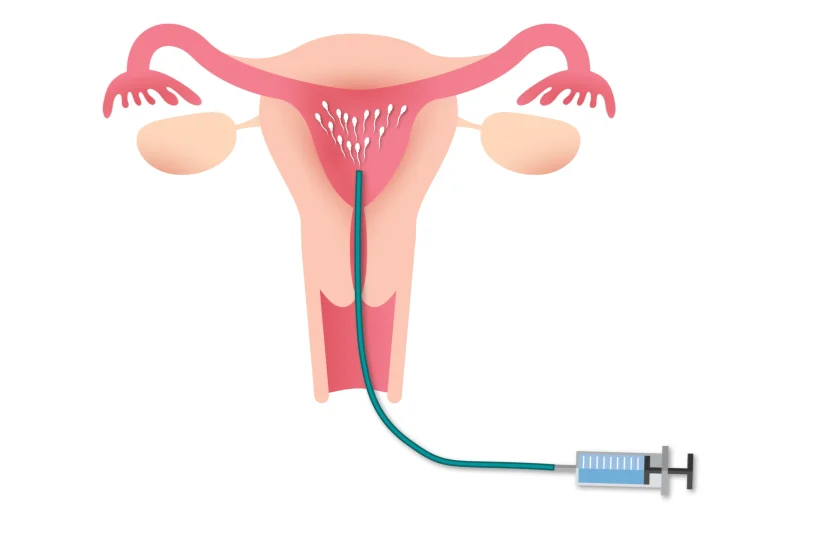
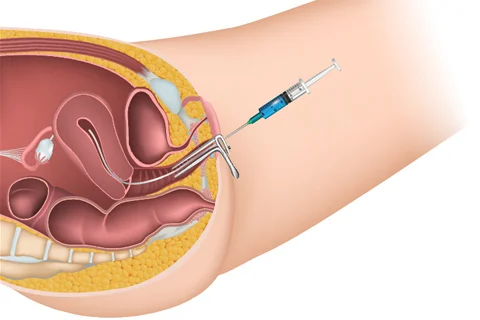
    Illustration of intrauterine insemination (IUI) procedure with syringe and catheter in the uterus.

    The Emotional Impact on Surrogate Mothers: Traditional vs. Gestational Surrogacy

    For many women, the experience of carrying a child and giving birth is a significant part of their identity as a mother. Surrogate mothers may struggle with feelings of loss and not being able to experience this aspect of motherhood. They may also feel a sense of guilt for not being able to provide a biological connection for the child.

    On the other hand, some surrogate mothers may also feel a sense of fulfillment and pride in knowing that they have helped someone achieve their dream of parenthood. This duality of emotions can make the emotional impact of surrogacy even more complex.

    In addition to the impact on motherhood, surrogacy can also have an emotional impact on the surrogate mother’s view of parenthood. Many surrogate mothers may already be mothers themselves, and they may have to navigate the challenges of balancing their own children’s needs while carrying a child for someone else.

    The Role of Fertility Treatments

    Fertility treatments are often a critical part of the surrogacy process, and they can also have an emotional impact on the surrogate mother. These treatments can be physically and emotionally demanding, and they may not always be successful. This can be a source of disappointment and frustration for the surrogate mother, who may feel guilty for not being able to carry a child to term.

    Furthermore, fertility treatments can also add financial strain to the surrogacy process, as they can be expensive. This can be a significant source of stress for the surrogate mother, who may feel pressure to become pregnant quickly to avoid additional costs.

    Support for Surrogate Mothers

    Given the emotional complexities of both traditional and gestational surrogacy, it is essential for surrogate mothers to have a strong support system in place. This can include their family and friends, as well as professional support from therapists or support groups specifically for surrogate mothers.

    Intended parents also play a crucial role in supporting the surrogate mother throughout the process. They should be sensitive to the surrogate mother’s feelings and provide emotional support whenever needed. Open and honest communication is key to ensuring that everyone’s emotional needs are being met.

    In conclusion, surrogacy is a journey that involves many emotions for both the intended parents and the surrogate mother. While traditional surrogacy may have a more complex emotional impact due to the genetic connection between the surrogate mother and the child, gestational surrogacy also has its own set of emotional challenges. It is important to recognize and support the emotional well-being of surrogate mothers, as they play an essential role in helping others achieve their dream of parenthood.

    Summary:

    Surrogacy is a selfless act of carrying a child for another individual or couple, and there are two main types: traditional and gestational. Traditional surrogacy involves the use of the surrogate mother’s egg, while gestational surrogacy uses a donor egg. Both types have a significant emotional impact on the surrogate mother, but traditional surrogacy can be more complex due to the genetic connection to the child. Surrogate mothers may experience a range of emotions, including attachment to the child, guilt, and grief. The lack of genetic connection in gestational surrogacy may make it easier for the surrogate mother to emotionally detach from the child. However, she may still experience emotions and challenges throughout the process. Surrogacy can also impact a woman’s identity as a mother and her views on parenthood. The use of fertility treatments can also add to the emotional strain of surrogacy. It is crucial for surrogate mothers to have a strong support system in place, including the intended parents and professional support. Open and honest communication is essential in ensuring the emotional well-being of everyone involved in the surrogacy process.

  • The Journey to Parenthood: Traditional vs. Gestational Surrogacy

    The Journey to Parenthood: Traditional vs. Gestational Surrogacy

    Becoming a parent is a journey that is filled with excitement, joy, and love. For some, this journey may come with challenges and obstacles, especially when it comes to fertility and conception. In recent years, surrogacy has become a popular option for individuals and couples who are unable to conceive naturally. However, there are two types of surrogacy – traditional and gestational – each with its own set of unique processes and considerations. In this blog post, we will explore the differences between traditional and gestational surrogacy, as well as the pros and cons of each, to help you understand the journey to parenthood through surrogacy.

    Traditional Surrogacy

    Traditional surrogacy, also known as genetic or partial surrogacy, is a method where the surrogate mother uses her own egg to conceive the child. This egg is fertilized with the sperm of the intended father or a sperm donor through artificial insemination. As a result, the surrogate mother is genetically related to the child and carries the pregnancy to term for the intended parents.

    One of the main advantages of traditional surrogacy is that it is a less expensive option compared to gestational surrogacy. This is because the intended parents do not have to go through the costly process of in vitro fertilization (IVF). Additionally, traditional surrogacy may also be a faster process as there is no need to wait for an egg donor or undergo IVF treatment. This may be beneficial for couples who are older or have a limited amount of time to conceive a child.

    However, there are also some challenges and risks associated with traditional surrogacy. As the surrogate mother is genetically related to the child, she may develop a stronger emotional attachment to the baby. This can lead to legal and emotional complications, especially if the surrogate mother decides to keep the baby after birth. Furthermore, traditional surrogacy also raises ethical concerns, as the surrogate mother may face pressure to give up the child due to her genetic connection.

    Gestational Surrogacy

    Gestational surrogacy, also known as full surrogacy, involves using a gestational carrier who carries the pregnancy for the intended parents. In this method, the egg and sperm of the intended parents or donors are fertilized through IVF and then transferred to the surrogate mother’s uterus. As a result, the surrogate mother has no genetic relation to the child, and the intended parents are recognized as the legal parents.

    illustration of intrauterine insemination procedure with a syringe and catheter in the uterus.

    The Journey to Parenthood: Traditional vs. Gestational Surrogacy

    One of the main benefits of gestational surrogacy is that it provides a more secure and legally binding process for both the surrogate mother and the intended parents. Since the surrogate mother has no genetic connection to the child, there is less risk of emotional attachment or legal complications. Additionally, gestational surrogacy allows for more control over the pregnancy, as the intended parents can choose the genetics of the child by selecting the egg and sperm donors.

    However, gestational surrogacy also comes with its own set of challenges and considerations. The process can be more expensive as it involves multiple medical procedures, such as IVF and embryo transfer. There is also a longer waiting period, as the intended parents may have to wait for a suitable surrogate and undergo the necessary medical procedures. Furthermore, there may be legal challenges in some countries or states, where surrogacy is not legally recognized or permitted.

    Choosing the Right Path to Parenthood

    The decision to pursue surrogacy as a means to become parents is a significant one that requires careful consideration. Both traditional and gestational surrogacy have their own unique set of pros and cons, and it is essential to weigh them carefully before making a decision. Some factors to consider may include financial capability, time constraints, and personal preferences.

    It is also crucial to have a thorough understanding of the legalities surrounding surrogacy in your country or state. In some places, surrogacy contracts are not legally enforceable, which can lead to complications and disputes down the line. It is best to seek legal advice and ensure that all parties involved are aware of their rights and responsibilities.

    Furthermore, it is crucial to have open and honest communication with the surrogate mother throughout the entire process. This includes discussing expectations, boundaries, and any potential risks or challenges that may arise. Building a strong and trusting relationship with the surrogate mother can help ensure a smoother journey to parenthood for all parties involved.

    In the end, the journey to parenthood through surrogacy is a personal and unique experience for every individual or couple. It is essential to carefully consider all options and make a decision that feels right for you and your family. Whether you choose traditional or gestational surrogacy, the end goal remains the same – to bring a child into the world and create a loving and nurturing family.

    In summary, the journey to parenthood through surrogacy is a complex and emotional process. While traditional surrogacy offers a less expensive and faster option, it comes with risks such as legal and emotional complications. On the other hand, gestational surrogacy provides a more secure and legally binding process, but it can be more expensive and time-consuming. Ultimately, the decision should be based on individual circumstances and preferences, with careful consideration of the legal and emotional aspects of surrogacy.

  • Comparing Costs: Traditional Surrogacy vs. Gestational Surrogacy

    Blog Post Title: Comparing Costs: Traditional Surrogacy vs. Gestational Surrogacy

    Summary:

    The journey of parenthood can be a challenging one, especially for those who are unable to carry a child themselves. In such situations, surrogacy becomes an option for couples or individuals who wish to have a biological child. However, surrogacy can be a costly process, and it’s essential to understand the different types and their associated costs before making a decision. In this blog post, we will compare the costs of traditional surrogacy and gestational surrogacy, two popular methods of surrogacy.

    Traditional Surrogacy:

    Traditional surrogacy, also known as genetic surrogacy, is a process where the surrogate mother is biologically related to the child she carries. This is because her egg is used for fertilization, either through artificial insemination or in vitro fertilization (IVF). This process is generally less expensive than gestational surrogacy, as it involves fewer medical procedures.

    The costs associated with traditional surrogacy can vary greatly, depending on the agreement between the intended parents and the surrogate. In most cases, the intended parents are responsible for covering all medical expenses related to the pregnancy, including prenatal care, delivery, and postnatal care. They may also have to pay for the surrogate’s legal fees, compensation for her time and effort, and any other related expenses. On average, traditional surrogacy can cost anywhere from $60,000 to $120,000.

    Gestational Surrogacy:

    Gestational surrogacy, also known as host surrogacy, is a process where the surrogate mother has no genetic relationship with the child she carries. In this method, the intended parents’ sperm and egg are used for fertilization, and the embryo is then transferred to the surrogate’s uterus. This process involves more medical procedures, making it a more expensive option.

    The costs associated with gestational surrogacy can vary depending on several factors, including the chosen fertility clinic, the surrogate’s location, and the legal fees involved. On average, gestational surrogacy can cost between $100,000 to $150,000. This includes the surrogate’s compensation, medical expenses, legal fees, and agency fees.

    Comparison of IUI and IVF treatments with diagrams of reproductive anatomy.

    Comparing Costs: Traditional Surrogacy vs. Gestational Surrogacy

    Factors Affecting Surrogacy Costs:

    Apart from the type of surrogacy, there are other factors that can affect the overall cost of the process. These include:

    1. Location: The location of the surrogate can significantly impact the costs, as the surrogacy laws and regulations vary from state to state. Some states have more favorable surrogacy laws, making the process more affordable, while others have stricter regulations, leading to higher costs.

    2. Agency Fees: Many intended parents choose to work with surrogacy agencies to help them find a suitable surrogate. These agencies charge a fee for their services, which can range from $10,000 to $30,000.

    3. Legal Fees: Surrogacy involves a lot of legal procedures, including drafting contracts and obtaining parental rights. These legal fees can significantly add to the overall cost of the process.

    4. Medical Expenses: As mentioned earlier, traditional surrogacy involves fewer medical procedures, making it a more affordable option. On the other hand, gestational surrogacy involves various medical procedures, such as IVF, medical screenings, and prenatal care, which can significantly increase the costs.

    Which One is More Cost-Effective?

    When it comes to comparing the costs of traditional surrogacy and gestational surrogacy, it’s clear that traditional surrogacy is the more affordable option. However, it’s essential to consider the legal and emotional aspects of both methods before making a decision.

    Traditional surrogacy may be less costly, but it can also be more complex legally and emotionally. The surrogate mother may have a genetic connection to the child, which can lead to complicated legal issues and emotional attachments. On the other hand, gestational surrogacy may be more expensive, but it eliminates the potential legal and emotional complexities of traditional surrogacy.

    In conclusion, the costs of surrogacy can vary greatly depending on various factors. While traditional surrogacy may be more affordable, it’s crucial to weigh all the pros and cons before making a decision. Ultimately, the most important factor is finding a reputable and reliable surrogacy agency or fertility clinic to guide you through the process.

  • Medical Fertility Testing: An Essential Step in Your Journey to Parenthood

    Summary:

    The journey to parenthood can be a challenging and emotional one for many couples. While some may be able to conceive naturally, others may face difficulties and need to seek medical assistance. This is where medical fertility testing comes into play. It is an essential step in the journey to parenthood as it helps identify any underlying issues that may be preventing conception and allows for proper treatment and family planning.

    In this blog post, we will discuss the importance of medical fertility testing, the different types of testing available, and how to prepare for these tests.

    First and foremost, understanding the importance of medical fertility testing is crucial. It is estimated that one in eight couples struggle with infertility, and in about one-third of cases, the issue is due to a problem with the male partner, one-third due to a problem with the female partner, and the remaining cases are a combination of both partners or unknown causes. With this in mind, it is essential for both partners to undergo medical fertility testing to determine the root cause of the fertility issues.

    There are various types of medical fertility testing available, and the type of test recommended will depend on the individual’s medical history, age, and other factors. The most common tests for women include blood tests to check hormone levels, ultrasound to examine the uterus and ovaries, and a hysterosalpingogram to evaluate the fallopian tubes. For men, the most common tests include a semen analysis to check sperm count and quality, blood tests to check hormone levels, and a physical examination to look for any structural abnormalities.

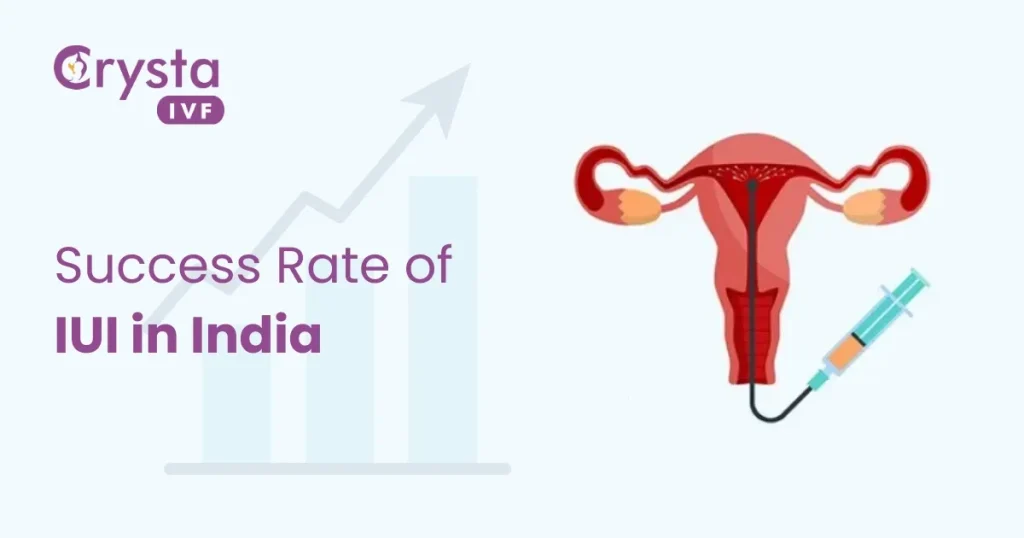
    success rate of IUI in India with a graphic of a uterus and syringe alongside a rising graph

    Medical Fertility Testing: An Essential Step in Your Journey to Parenthood

    It is essential to prepare for these tests to ensure accurate results. This includes abstaining from sexual intercourse for a certain period before the tests to obtain a proper semen sample for men and to avoid any potential pregnancy for women. Additionally, it is crucial to discuss any medications or supplements being taken with the doctor beforehand, as they may affect the test results.

    In some cases, medical fertility testing may reveal underlying issues that can be treated to improve fertility. For women, this may include hormone imbalances, polycystic ovary syndrome (PCOS), blocked fallopian tubes, or endometriosis. For men, common treatable issues include hormonal imbalances, varicoceles, or infections. With proper treatment, some couples may be able to conceive naturally, while others may need assisted reproductive technologies such as in vitro fertilization (IVF).

    For those who receive a diagnosis of infertility, it is essential to remember that there are various options available to help achieve a successful pregnancy. These may include IVF, intrauterine insemination (IUI), or the use of donor eggs or sperm. It is essential to discuss all available options with a fertility specialist to determine the best course of action.

    In addition to diagnosing and treating underlying fertility issues, medical fertility testing also plays a crucial role in family planning. Knowing about any potential fertility issues can help couples make informed decisions about when to start trying to conceive, whether to pursue fertility treatment, or if adoption or other options may be the best path to parenthood.

    In conclusion, medical fertility testing is an essential step in the journey to parenthood. It helps identify any underlying fertility issues and allows for proper treatment and family planning. It is crucial for both partners to undergo testing, and with the variety of tests available, there is a high chance of identifying the root cause of infertility and finding a suitable treatment plan. Remember, if you are struggling with fertility, you are not alone, and there is help available. Do not hesitate to reach out to a fertility specialist for support and guidance on your journey to parenthood.

  • Navigating the World of Fertility Testing: At-Home vs Medical

    Blog Post:

    Fertility testing is a crucial step for individuals and couples who are trying to conceive. However, navigating the world of fertility testing can be overwhelming and confusing. There are two main options for fertility testing: at-home testing and medical testing. In this blog post, we will discuss the differences between these two options, the pros and cons of each, and how to decide which one is right for you.

    At-Home Fertility Testing:

    At-home fertility testing has become increasingly popular in recent years. These tests allow individuals to collect their own samples (usually urine or saliva) and send them to a lab for analysis. The results are then delivered to the individual through a secure online platform.

    Pros:

    1. Convenience: One of the biggest advantages of at-home fertility testing is convenience. These tests can be done in the comfort of your own home, without the need to schedule appointments or visit a doctor’s office.

    2. Affordability: At-home fertility tests are generally more affordable than medical testing. This makes them a more accessible option for those who may not have insurance coverage for fertility treatments.

    3. Privacy: For some individuals, the idea of discussing their fertility with a doctor can be uncomfortable. At-home testing allows for privacy and discretion, as there is no need to share personal information with a medical professional.

    Cons:

    1. Limited accuracy: At-home fertility tests may not be as accurate as medical testing. This is because they rely on self-collected samples, which can be affected by user error and may not provide a complete picture of an individual’s fertility.

    2. Limited testing options: At-home fertility tests typically only measure a few key hormones, such as luteinizing hormone (LH) and follicle-stimulating hormone (FSH). This means that they may not detect other factors that could be impacting fertility, such as thyroid function or ovarian reserve.

    Medical Fertility Testing:

    Medical fertility testing involves visiting a doctor or fertility specialist for testing. This may include blood work, imaging tests, and other procedures to assess an individual’s reproductive health.

    Pros:

    Comparison of IUI and IVF treatments with diagrams of reproductive anatomy.

    Navigating the World of Fertility Testing: At-Home vs Medical

    1. Comprehensive testing: Medical fertility testing offers a more comprehensive assessment of an individual’s fertility. Doctors can conduct a range of tests to determine the underlying factors that may be affecting fertility.

    2. Higher accuracy: Medical testing is generally considered to be more accurate than at-home testing. This is because the samples are collected under medical supervision and analyzed in a lab.

    3. Personalized treatment plans: With medical testing, doctors can create personalized treatment plans based on the individual’s specific fertility issues. This can lead to more effective and targeted treatment options.

    Cons:

    1. Cost: Medical fertility testing can be expensive, especially for those who do not have insurance coverage. It may also involve multiple appointments and procedures, which can add to the overall cost.

    2. Time-consuming: Unlike at-home testing, medical fertility testing requires multiple appointments and waiting for results. This can be time-consuming and may delay the start of fertility treatments.

    3. Emotional toll: For some individuals, visiting a doctor for fertility testing can be emotionally challenging. The process may bring up feelings of stress, anxiety, and disappointment.

    Deciding Between At-Home and Medical Fertility Testing:

    When it comes to deciding between at-home and medical fertility testing, there is no right or wrong answer. It ultimately depends on your personal preferences, budget, and fertility goals. If you are looking for a more affordable and convenient option, at-home testing may be the way to go. However, if you want a comprehensive and accurate assessment of your fertility, medical testing may be the better choice.

    It’s also important to consider your individual fertility journey. For example, if you and your partner have been trying to conceive for a while with no success, it may be best to seek medical testing to identify any underlying issues. On the other hand, if you are just starting your fertility journey and want to get a general idea of your fertility status, at-home testing may be a good place to start.

    In some cases, a combination of both at-home and medical testing may be the best approach. For example, you may want to do at-home testing to get a general idea of your fertility status and then follow up with medical testing for a more comprehensive assessment.

    In conclusion, both at-home and medical fertility testing have their own set of pros and cons. It’s important to carefully consider your options and choose the one that best fits your needs and goals. Whether you decide to go with at-home or medical testing, remember that fertility testing is just the first step in your journey towards parenthood. Stay positive and stay informed, and you’ll be on your way to building the family of your dreams.

    Summary:

    Fertility testing is a crucial step for individuals and couples trying to conceive. There are two main options for fertility testing: at-home and medical. At-home testing offers convenience and affordability, while medical testing offers comprehensive and accurate results. The decision between the two depends on personal preferences, budget, and fertility goals. A combination of both may also be a good approach. Ultimately, fertility testing is just the first step towards parenthood and should be approached with positivity and informed decision-making.

  • Breaking Down the Costs: At-Home Fertility Testing vs Medical Testing

    Blog Post Title: Breaking Down the Costs: At-Home Fertility Testing vs Medical Testing

    Summary:

    The journey towards parenthood can be an emotional and financial rollercoaster for many couples. One of the first steps in this journey is often fertility testing, which can help determine if there are any underlying issues that may be preventing conception. In recent years, there has been a rise in the availability of at-home fertility testing kits, which claim to provide accurate and convenient results at a fraction of the cost of traditional medical testing.

    In this blog post, we will be exploring the differences between at-home fertility testing and medical testing, and breaking down the costs associated with each option. We will also discuss the pros and cons of each method, as well as factors to consider when deciding which route to take.

    At-Home Fertility Testing:

    At-home fertility testing kits can be purchased online or in stores and typically range from $30 to $200. These kits usually require a urine or saliva sample, which is then sent to a lab for analysis. The results are usually available within a few days, and many companies also offer the option of speaking with a healthcare professional for further guidance.

    Pros:

    1. Cost-effective: The main advantage of at-home fertility testing is its affordability. As mentioned earlier, these kits can cost significantly less than medical testing, making it a more accessible option for those on a budget.

    2. Convenience: At-home fertility testing can be done in the comfort of your own home, eliminating the need for multiple appointments and visits to a clinic or lab.

    3. Privacy: Some individuals may feel more comfortable taking the test at home rather than in a clinical setting, allowing for more privacy and discretion.

    Cons:

    1. Limited information: At-home fertility testing may not provide a comprehensive analysis of your fertility health. These tests only measure a few key hormones and may not detect other underlying issues that could be affecting your fertility.

    2. Potential for error: While at-home fertility testing kits claim to be accurate, there is always a chance for human error when taking the test or interpreting the results.

    diagram of a uterus with a syringe for intrauterine insemination procedure

    Breaking Down the Costs: At-Home Fertility Testing vs Medical Testing

    3. Lack of follow-up care: If the results of your at-home fertility test indicate an issue, you may still need to seek medical testing for further evaluation. This could lead to additional costs and may delay the process of getting a proper diagnosis and treatment.

    Medical Fertility Testing:

    Medical fertility testing is typically conducted by a healthcare professional, such as a gynecologist or a reproductive endocrinologist, and involves a series of tests and procedures to evaluate both male and female fertility. The cost of medical testing can vary greatly depending on the specific tests and procedures recommended by the healthcare provider, but it can range from a few hundred to several thousand dollars.

    Pros:

    1. Comprehensive evaluation: Medical fertility testing provides a thorough assessment of your fertility health, including blood tests, ultrasounds, and other diagnostic procedures. This can help identify any underlying issues that may be preventing conception and allow for targeted treatment.

    2. Personalized care: With medical testing, you have the guidance and support of a healthcare professional who can provide personalized care and answer any questions or concerns you may have.

    3. Follow-up care: In the case of abnormal results, medical testing allows for follow-up care and further evaluation to determine the best course of action for treatment.

    Cons:

    1. Cost: The biggest disadvantage of medical fertility testing is its cost. As mentioned earlier, it can be significantly more expensive than at-home testing, and it may not be feasible for those on a tight budget.

    2. Time-consuming: Medical testing often requires multiple appointments and procedures, which can be time-consuming and may disrupt daily routines.

    3. Emotional toll: For some individuals, undergoing medical testing can be emotionally draining, especially if the results indicate issues with fertility. This can add to the stress and anxiety of trying to conceive.

    Factors to Consider:

    When deciding between at-home fertility testing and medical testing, it is essential to consider your individual needs and circumstances. Factors such as budget, convenience, and personal preferences should all be taken into account. It is also crucial to consult with a healthcare professional if you have any concerns about your fertility health.

    In conclusion, both at-home fertility testing and medical testing have their own set of pros and cons, and the decision ultimately depends on what works best for each individual or couple. While at-home testing may be a more cost-effective and convenient option, it may not provide a comprehensive evaluation of fertility health. On the other hand, medical testing may be more thorough but can be expensive and time-consuming. Ultimately, the most important thing is to seek guidance from a healthcare professional and make an informed decision that is best for you.

  • The Surrogacy vs Adoption Debate: What the Experts Say

    The decision to start a family is a significant one that often involves many factors, such as financial stability, emotional readiness, and personal beliefs. For some individuals or couples, the option of having a biological child may not be possible due to various reasons, leading them to consider other alternatives such as surrogacy or adoption. Both surrogacy and adoption have their own set of pros and cons, and there has been an ongoing debate on which option is better. In this blog post, we will delve into the surrogacy vs adoption debate and explore what experts have to say about these two methods of creating a family.

    Surrogacy is a method of assisted reproduction where a woman, known as a surrogate, carries a child for another individual or couple. The surrogate may either be genetically related to the child or carry a child created through in vitro fertilization (IVF) using the intended parents’ sperm and egg. On the other hand, adoption is the legal process of taking a child into one’s family and creating a permanent parent-child relationship. It involves the transfer of parental rights from the biological parents to the adoptive parents. Let us now take a closer look at the arguments for and against surrogacy and adoption.

    The Case for Surrogacy
    One of the main arguments for surrogacy is that it allows intended parents to have a biological connection to their child. For individuals or couples who are unable to conceive naturally, this can be a crucial factor in deciding to pursue surrogacy. It also allows parents to have a deeper understanding of their child’s genetic background, which can be beneficial for medical reasons. Additionally, surrogacy can be a less invasive option compared to other assisted reproduction methods, such as IVF.

    Moreover, surrogacy allows for a more personalized experience, as the intended parents can be involved in every step of the process, from choosing the surrogate to being present at the birth of their child. This can create a special bond between all parties involved, and the surrogate may even become a part of the child’s life as they grow up.

    The Case for Adoption
    On the other hand, adoption advocates argue that it is a more ethical and compassionate choice as it provides a loving home for a child in need. There are millions of children worldwide who are in need of a loving family, and adoption allows individuals or couples to fulfill their desire to become parents while also making a positive impact on a child’s life. Additionally, adoption can be a more affordable option compared to surrogacy, which can be financially burdensome for many.

    Furthermore, adoption experts argue that it is a more stable and secure option as the child becomes a legal member of the family through the adoption process. This eliminates any potential legal issues or disputes that may arise in surrogacy arrangements. It also provides the child with a sense of belonging and permanency, which can be crucial for their emotional well-being.

    The Concerns with Surrogacy
    One of the main concerns with surrogacy is the potential exploitation of the surrogate. Critics argue that surrogacy can be a form of commodification of women’s bodies, as they are being paid to carry a child. This can lead to issues such as coercion, exploitation, and lack of informed consent. There have also been cases of surrogates being mistreated or not receiving proper medical care during and after the pregnancy.

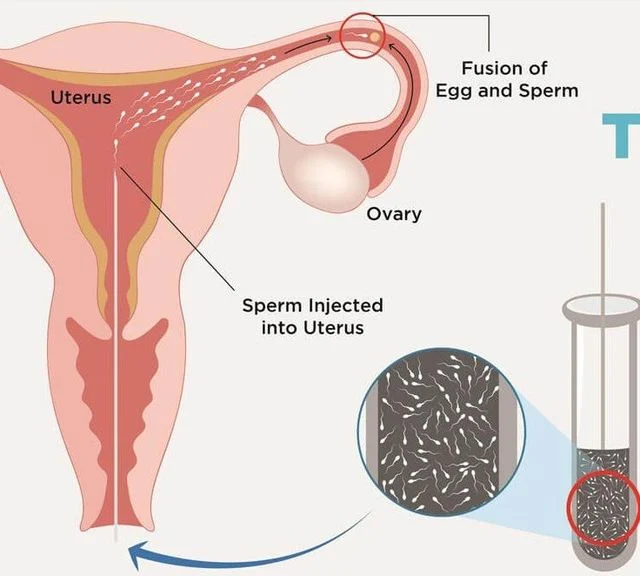
    Diagram illustrating the IUI process, showing sperm injection into the uterus and egg fertilization.

    The Surrogacy vs Adoption Debate: What the Experts Say

    Another concern is the lack of regulations and laws surrounding surrogacy in many countries. This can lead to legal issues and disputes between the intended parents and the surrogate, as well as the possibility of the child being stateless or without citizenship.

    The Concerns with Adoption
    In contrast, adoption can also present its own set of concerns. One of the main issues is the potential for adoption fraud and unethical practices by adoption agencies or facilitators. This can result in the separation of a child from their biological family without their consent or proper understanding of the adoption process.

    Additionally, the adoption process can be lengthy and emotionally draining, as it involves background checks, home studies, and waiting periods. This can be frustrating for individuals or couples who are eager to start their family.

    Expert Opinions
    When it comes to surrogacy vs adoption, experts have varying opinions on which option is better. Some argue that both methods have their own set of benefits and concerns, and the decision ultimately depends on the individual’s or couple’s personal circumstances and preferences.

    The American Society for Reproductive Medicine (ASRM) states that both surrogacy and adoption can be viable options for creating a family, and the decision should be based on what is best for the child. The organization also stresses the importance of ethical practices and regulations in both surrogacy and adoption.

    On the other hand, the United Nations Committee on the Rights of the Child has expressed concerns about the commercialization of surrogacy and the potential for exploitation of women and children. They have called for a global ban on commercial surrogacy, advocating for alternative forms of family building, such as adoption.

    In conclusion, the surrogacy vs adoption debate is a complex one with valid arguments on both sides. While surrogacy may offer the chance for a biological connection to the child, adoption provides a loving home for a child in need. Ultimately, the decision should be made with careful consideration and ethical practices in mind, with the best interests of the child at the forefront.

    Summary:
    The decision to start a family can involve considering various factors, including surrogacy and adoption. Surrogacy is a method of assisted reproduction where a woman carries a child for another individual or couple, while adoption is the legal process of taking a child into one’s family. The arguments for surrogacy include a biological connection to the child and a more personalized experience, while adoption offers a more ethical and compassionate choice and a more stable and secure option. Concerns with surrogacy include the potential exploitation of the surrogate and lack of regulations, while adoption may present issues such as fraud and a lengthy process. Experts have varying opinions on surrogacy vs adoption, with some advocating for ethical practices and regulations in both methods. Ultimately, the decision depends on the individual’s or couple’s circumstances and preferences, with the best interests of the child being the top priority.

  • Understanding the Surrogacy vs Adoption Process

    Blog Post: Understanding the Surrogacy vs Adoption Process

    The decision to start a family is one of the biggest and most life-changing choices a person can make. For some, the traditional path of pregnancy and childbirth may not be an option for various reasons. This is where alternative options such as surrogacy and adoption come into play. Both processes involve bringing a child into a loving and caring home, but the methods and legalities behind them can be vastly different. In this blog post, we will delve into the surrogacy vs adoption process to help you gain a better understanding of each and make an informed decision on which may be the right path for you.

    Surrogacy is a process where a woman carries and gives birth to a child for another individual or couple, also known as the intended parents. There are two main types of surrogacy: traditional surrogacy and gestational surrogacy. Traditional surrogacy involves the surrogate mother using her own egg and being artificially inseminated with the intended father’s sperm or a donor’s sperm. This means that the surrogate is biologically related to the child she carries. On the other hand, gestational surrogacy involves the use of in vitro fertilization (IVF) to create an embryo using the intended parents’ or donors’ genetic material. The embryo is then transferred to the surrogate’s uterus, and she carries the pregnancy to term. In this case, the surrogate has no genetic relation to the child.

    One of the main advantages of surrogacy is that the intended parents have control over the genetic makeup of the child. This is especially important for couples struggling with infertility or same-sex couples who want to have a biological connection to their child. Surrogacy also allows for a more personalized experience, as the intended parents can choose the surrogate they feel most comfortable with and be involved in the pregnancy journey.

    However, surrogacy can also come with its own set of challenges and complexities. One of the biggest concerns is the legal aspect. Laws and regulations surrounding surrogacy vary from state to state and even country to country, making the process an intricate web of legal procedures and agreements. It is crucial to consult with a lawyer who specializes in surrogacy to ensure that all parties’ rights and responsibilities are protected. Surrogacy can also be a costly process, with expenses such as medical procedures, compensation for the surrogate, and legal fees adding up quickly.

    illustration of a uterus with a syringe, representing intrauterine insemination procedure

    Understanding the Surrogacy vs Adoption Process

    Adoption, on the other hand, is the legal process of assuming the responsibility of raising a child who is not biologically related to the adoptive parents. There are different types of adoption, including domestic, international, and foster care adoption. Domestic adoption is when the adoptive parents and the child are from the same country, while international adoption involves adopting a child from a different country. Foster care adoption is when a child in the foster care system is placed in a permanent home with adoptive parents.

    One of the significant benefits of adoption is that it provides a loving home for a child who may not have had one otherwise. It also allows individuals or couples to experience the joys of parenthood without having to go through pregnancy and childbirth. Adoption can also be a more affordable option compared to surrogacy, with some organizations offering financial assistance to adoptive parents.

    However, the adoption process can be lengthy and emotionally taxing. It involves a thorough background check, home study, and approval process, and the adoptive parents must meet all the requirements set by the adoption agency or state. It is also essential to consider the child’s well-being, as adoption can bring with it a range of emotions for the child, including feelings of abandonment and loss. Adoptive parents must be prepared to provide the necessary love, support, and resources to help the child adjust to their new family.

    In conclusion, both surrogacy and adoption offer a path to parenthood for individuals and couples who are unable to conceive or carry a child. Surrogacy provides the opportunity for a biological connection to the child, while adoption offers a chance to provide a loving home for a child in need. However, both processes come with their own set of challenges and considerations, making it crucial to thoroughly research and consult with professionals before making a decision.

    Summary: In this blog post, we explored the surrogacy vs adoption process to help individuals and couples gain a better understanding of each option. Surrogacy involves a woman carrying a child for the intended parents, while adoption is the legal process of assuming responsibility for raising a child. Both processes have their advantages and challenges, and it is crucial to thoroughly research and consult with professionals before making a decision.

  • Surrogacy vs Adoption: A Financial Breakdown

    Blog Post Title: Surrogacy vs Adoption: A Financial Breakdown

    Introduction:

    Parenthood is a beautiful journey that many people dream of, but it can often come with a hefty price tag. For those who are unable to conceive naturally, the options of surrogacy and adoption are available. However, these two processes involve significant financial investments that can be overwhelming for many. In this blog post, we will compare the costs of surrogacy and adoption and provide a thorough financial breakdown to help prospective parents make an informed decision.

    What is Surrogacy?

    Surrogacy is a process where a woman carries and gives birth to a child for another individual or couple. There are two types of surrogacy – traditional surrogacy and gestational surrogacy. In traditional surrogacy, the surrogate mother’s egg is used, while in gestational surrogacy, an embryo created using the intended parents’ or donor’s sperm and egg is transferred to the surrogate’s uterus.

    Cost Breakdown of Surrogacy:

    1. Agency Fees: The first step for surrogacy is to find a reliable surrogacy agency. These agencies handle all the legal and medical aspects of surrogacy and charge a fee for their services. The average cost of agency fees can range from $20,000 to $50,000.

    2. Surrogate Mother Compensation: The surrogate mother’s compensation varies depending on the agency, state, and type of surrogacy. On average, the surrogate mother’s compensation is around $35,000 to $50,000.

    3. Medical Expenses: Surrogacy involves several medical procedures, such as IVF, prenatal care, and delivery. These medical expenses can range from $75,000 to $100,000.

    4. Legal Fees: Legal fees are an essential aspect of surrogacy. These fees include drafting a contract, surrogate’s attorney fees, and the intended parents’ attorney fees. The total cost of legal fees can range from $10,000 to $15,000.

    5. Surrogate Mother’s Insurance: The intended parents are responsible for covering the surrogate mother’s medical insurance during the pregnancy. The cost of insurance can range from $10,000 to $25,000.

    Total Cost of Surrogacy: The total cost of surrogacy can range from $120,000 to $200,000, depending on various factors such as the type of surrogacy, location, and agency fees.

    What is Adoption?

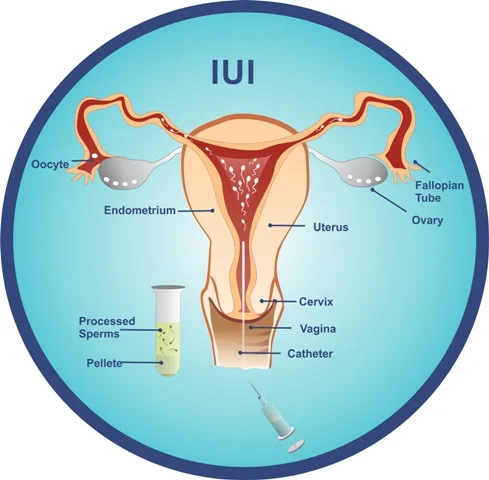
    diagram illustrating intrauterine insemination (IUI) with labeled reproductive anatomy and procedures

    Surrogacy vs Adoption: A Financial Breakdown

    Adoption is a process where a child is legally placed with a family other than their birth parents. There are three types of adoption – domestic, international, and foster care adoption. Domestic adoption refers to adopting a child within the same country, while international adoption is adopting a child from another country. Foster care adoption is when a child from foster care is legally adopted.

    Cost Breakdown of Adoption:

    1. Agency Fees: The first step of adoption is to find a reputable adoption agency. These agencies handle the legal and administrative processes and charge a fee for their services. The average cost of agency fees can range from $20,000 to $40,000.

    2. Home Study Fees: A home study is an essential part of the adoption process, where a social worker evaluates the prospective parents’ home and lifestyle to ensure they can provide a safe and stable environment for the child. The cost of a home study can range from $1,000 to $3,000.

    3. Legal Fees: Legal fees are an essential aspect of adoption. These fees include drafting a contract, attorney fees, and court fees. The total cost of legal fees can range from $5,000 to $10,000.

    4. Travel Expenses: In the case of international adoption, travel expenses can add up quickly. The cost of travel expenses varies depending on the country and can range from $5,000 to $15,000.

    Total Cost of Adoption: The total cost of adoption can range from $30,000 to $70,000, depending on various factors such as the type of adoption, location, and agency fees.

    Factors to Consider:

    1. Success Rates: While both surrogacy and adoption have their success rates, surrogacy has a higher success rate than adoption. With surrogacy, the intended parents have a greater chance of having a biological child.

    2. Timeframe: Surrogacy can take anywhere from 12 to 18 months, while adoption can take up to 2-3 years. However, the time frame for both processes can vary depending on the individual circumstances.

    3. Emotional and Physical Toll: Both surrogacy and adoption can be emotionally and physically draining. However, surrogacy involves a more intimate relationship with the surrogate mother, while adoption can be emotionally taxing due to the uncertainty of the process.

    Conclusion:

    Both surrogacy and adoption are viable options for those who want to become parents. While surrogacy can be a more expensive option, it offers a higher success rate and the opportunity to have a biological child. Adoption, on the other hand, can be a more affordable option, but the process can be lengthy and emotionally challenging. Ultimately, the decision between surrogacy and adoption comes down to personal preferences and financial capabilities.

    In summary, surrogacy and adoption both come with significant financial investments. Surrogacy can cost anywhere from $120,000 to $200,000, while adoption can cost from $30,000 to $70,000. The success rates, timeframe, and emotional and physical toll are essential factors to consider when choosing between surrogacy and adoption.

  • Surrogacy vs Adoption: A Single Parent’s Journey

    Surrogacy and adoption are both viable options for single individuals who wish to become parents. However, the journey of choosing between these two paths can be overwhelming and emotional. There are many factors to consider, including financial, legal, and emotional implications. In this blog post, we will explore the pros and cons of surrogacy and adoption for single parents, and how each option can impact their journey towards parenthood.

    Surrogacy is a process in which a woman carries a child for another individual or couple, known as the intended parent(s). This can be achieved through traditional surrogacy, where the surrogate’s own egg is fertilized with the intended father’s sperm, or gestational surrogacy, where the surrogate carries an embryo created with the intended parent(s)’ genetic material. Adoption, on the other hand, is the legal process of permanently transferring parental rights and responsibilities from the birth parents to the adoptive parents.

    One of the biggest advantages of surrogacy for single parents is the biological connection to the child. For some individuals, this may be an important factor in their decision to pursue surrogacy. By using their own genetic material, they can have a child who is biologically related to them, which can help create a strong bond and sense of connection. Additionally, surrogacy allows single parents to experience pregnancy and childbirth, which can be a meaningful and fulfilling experience for many.

    However, surrogacy can also be a costly and complex process. It involves numerous medical procedures, legal contracts, and financial agreements. The cost of surrogacy can range from $80,000 to $120,000, making it a significant financial investment. Single parents may also face additional challenges in finding a surrogate who is willing to carry a child for a single individual. This can lead to longer waiting periods and higher costs.

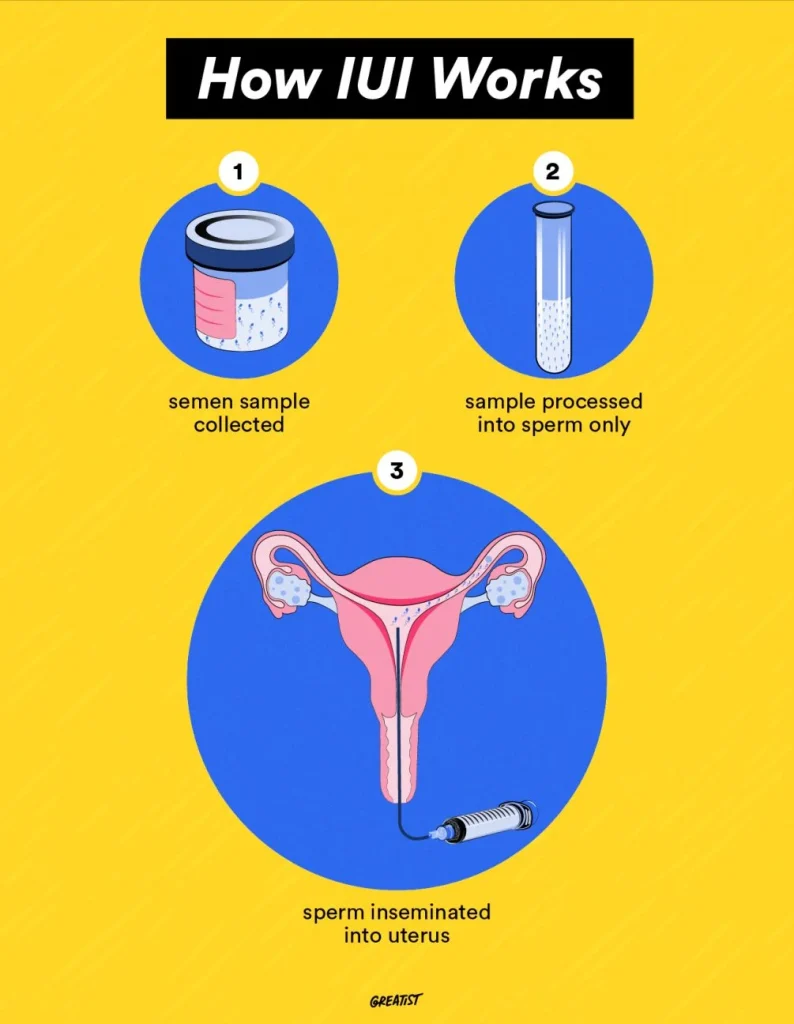
    illustration explaining the steps of intrauterine insemination (IUI) process on a bright yellow background

    Surrogacy vs Adoption: A Single Parent's Journey

    On the other hand, adoption can be a more affordable option for single parents. Many adoption agencies offer financial assistance and support for single individuals who wish to adopt. This can help alleviate some of the financial burden and make the process more accessible. Adoption also provides the opportunity to give a child in need a loving and stable home. It can be a rewarding experience for both the child and the parent.

    However, adoption also comes with its own set of challenges. The process can be lengthy and unpredictable, and there is no guarantee of being matched with a child. This can be emotionally draining for single parents who may have already been on a long journey towards parenthood. Additionally, adoption may require the parent to navigate a complex legal system and deal with potential birth parent involvement, which can be overwhelming and stressful.

    Another important factor to consider when choosing between surrogacy and adoption is the legal aspect. In surrogacy, the intended parent(s) must go through a legal process to establish their parental rights, as the surrogate is the legal mother of the child until a court order is obtained. This can involve complicated contracts and agreements between the parties involved. On the other hand, adoption involves a legal process where the birth parents voluntarily relinquish their parental rights and the adoptive parents are granted full legal custody of the child. This can provide a more secure and stable legal foundation for the parent-child relationship.

    Emotionally, both surrogacy and adoption can be challenging for single parents. For those who choose surrogacy, there may be feelings of guilt or sadness about not being able to carry the child themselves. They may also face judgment from society for choosing to become a single parent through surrogacy. For those who choose adoption, there may be concerns about bonding with the child and the potential challenges of raising a child who may have experienced trauma or loss.

    In summary, surrogacy and adoption are both valid options for single individuals who wish to become parents. Each option has its own set of advantages and challenges, and the decision ultimately depends on the individual’s personal circumstances and preferences. Surrogacy offers the opportunity for a biological connection and the experience of pregnancy, but it can be a costly and complex process. Adoption can provide a more affordable and meaningful way to become a parent, but it also comes with its own set of challenges. Ultimately, the most important factor is the love and commitment a parent has for their child, regardless of how they came into their life.