The decision to start a family is a significant one that often involves many factors, such as financial stability, emotional readiness, and personal beliefs. For some individuals or couples, the option of having a biological child may not be possible due to various reasons, leading them to consider other alternatives such as surrogacy or adoption. Both surrogacy and adoption have their own set of pros and cons, and there has been an ongoing debate on which option is better. In this blog post, we will delve into the surrogacy vs adoption debate and explore what experts have to say about these two methods of creating a family.
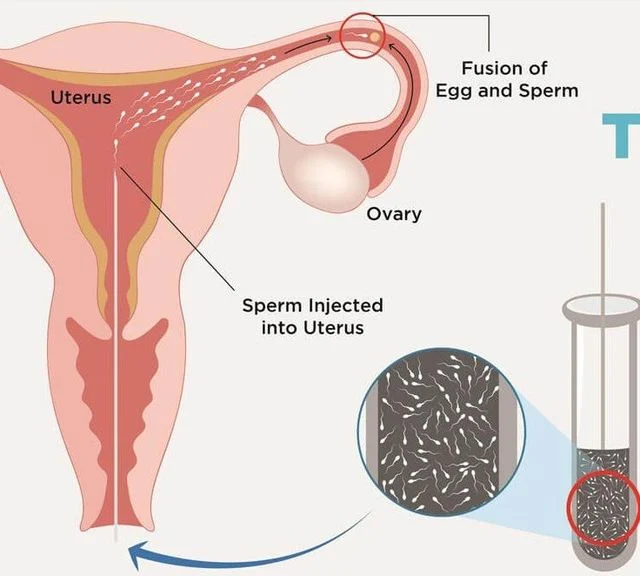
Surrogacy is a method of assisted reproduction where a woman, known as a surrogate, carries a child for another individual or couple. The surrogate may either be genetically related to the child or carry a child created through in vitro fertilization (IVF) using the intended parents’ sperm and egg. On the other hand, adoption is the legal process of taking a child into one’s family and creating a permanent parent-child relationship. It involves the transfer of parental rights from the biological parents to the adoptive parents. Let us now take a closer look at the arguments for and against surrogacy and adoption.
The Case for Surrogacy
One of the main arguments for surrogacy is that it allows intended parents to have a biological connection to their child. For individuals or couples who are unable to conceive naturally, this can be a crucial factor in deciding to pursue surrogacy. It also allows parents to have a deeper understanding of their child’s genetic background, which can be beneficial for medical reasons. Additionally, surrogacy can be a less invasive option compared to other assisted reproduction methods, such as IVF.
Moreover, surrogacy allows for a more personalized experience, as the intended parents can be involved in every step of the process, from choosing the surrogate to being present at the birth of their child. This can create a special bond between all parties involved, and the surrogate may even become a part of the child’s life as they grow up.
The Case for Adoption
On the other hand, adoption advocates argue that it is a more ethical and compassionate choice as it provides a loving home for a child in need. There are millions of children worldwide who are in need of a loving family, and adoption allows individuals or couples to fulfill their desire to become parents while also making a positive impact on a child’s life. Additionally, adoption can be a more affordable option compared to surrogacy, which can be financially burdensome for many.
Furthermore, adoption experts argue that it is a more stable and secure option as the child becomes a legal member of the family through the adoption process. This eliminates any potential legal issues or disputes that may arise in surrogacy arrangements. It also provides the child with a sense of belonging and permanency, which can be crucial for their emotional well-being.
The Concerns with Surrogacy
One of the main concerns with surrogacy is the potential exploitation of the surrogate. Critics argue that surrogacy can be a form of commodification of women’s bodies, as they are being paid to carry a child. This can lead to issues such as coercion, exploitation, and lack of informed consent. There have also been cases of surrogates being mistreated or not receiving proper medical care during and after the pregnancy.
The Surrogacy vs Adoption Debate: What the Experts Say
Another concern is the lack of regulations and laws surrounding surrogacy in many countries. This can lead to legal issues and disputes between the intended parents and the surrogate, as well as the possibility of the child being stateless or without citizenship.
The Concerns with Adoption
In contrast, adoption can also present its own set of concerns. One of the main issues is the potential for adoption fraud and unethical practices by adoption agencies or facilitators. This can result in the separation of a child from their biological family without their consent or proper understanding of the adoption process.
Additionally, the adoption process can be lengthy and emotionally draining, as it involves background checks, home studies, and waiting periods. This can be frustrating for individuals or couples who are eager to start their family.
Expert Opinions
When it comes to surrogacy vs adoption, experts have varying opinions on which option is better. Some argue that both methods have their own set of benefits and concerns, and the decision ultimately depends on the individual’s or couple’s personal circumstances and preferences.
The American Society for Reproductive Medicine (ASRM) states that both surrogacy and adoption can be viable options for creating a family, and the decision should be based on what is best for the child. The organization also stresses the importance of ethical practices and regulations in both surrogacy and adoption.
On the other hand, the United Nations Committee on the Rights of the Child has expressed concerns about the commercialization of surrogacy and the potential for exploitation of women and children. They have called for a global ban on commercial surrogacy, advocating for alternative forms of family building, such as adoption.
In conclusion, the surrogacy vs adoption debate is a complex one with valid arguments on both sides. While surrogacy may offer the chance for a biological connection to the child, adoption provides a loving home for a child in need. Ultimately, the decision should be made with careful consideration and ethical practices in mind, with the best interests of the child at the forefront.
Summary:
The decision to start a family can involve considering various factors, including surrogacy and adoption. Surrogacy is a method of assisted reproduction where a woman carries a child for another individual or couple, while adoption is the legal process of taking a child into one’s family. The arguments for surrogacy include a biological connection to the child and a more personalized experience, while adoption offers a more ethical and compassionate choice and a more stable and secure option. Concerns with surrogacy include the potential exploitation of the surrogate and lack of regulations, while adoption may present issues such as fraud and a lengthy process. Experts have varying opinions on surrogacy vs adoption, with some advocating for ethical practices and regulations in both methods. Ultimately, the decision depends on the individual’s or couple’s circumstances and preferences, with the best interests of the child being the top priority.