Tag: Emotional Impact

  • Navigating the Social Stigma: The Realities of Sperm Donation and Co-Parenting

    Navigating the Social Stigma: The Realities of Sperm Donation and Co-Parenting

    When it comes to creating a family, there are a variety of options available to couples and individuals. One such option is sperm donation and co-parenting, which involves using donated sperm from a known or anonymous donor to conceive a child. While this may seem like a straightforward and practical solution for those struggling with fertility issues or single individuals wanting to have a child, the reality is that navigating the social stigma surrounding sperm donation and co-parenting can be a challenging and emotional journey.

    In this blog post, we will dive into the complexities of sperm donation and co-parenting, including the social stigma associated with these methods, the legal considerations, and the emotional impact on all parties involved. We will also explore the growing trend of alternative family structures and the importance of destigmatizing these unconventional paths to parenthood.

    The Social Stigma Surrounding Sperm Donation and Co-Parenting

    Despite the advancements in reproductive technology and the increasing acceptance of non-traditional families, there is still a significant social stigma surrounding sperm donation and co-parenting. This stigma is rooted in societal norms and traditional beliefs about family, parenthood, and genetic ties.

    One of the main sources of stigma is the belief that a child needs to have a biological connection to both parents to have a stable and healthy upbringing. This notion is often perpetuated by media and societal expectations, leading to the belief that a child conceived through sperm donation or co-parenting will not have a “normal” or “complete” family. This can lead to feelings of shame and inadequacy for those considering these methods of conception.

    Moreover, there is a misconception that sperm donation and co-parenting are only utilized by the LGBTQ+ community or single individuals, further contributing to the stigma. This narrow-minded view ignores the fact that these methods are also used by heterosexual couples struggling with fertility issues or those who have chosen not to have a romantic relationship but still want to have a child together.

    Legal Considerations for Sperm Donation and Co-Parenting

    Another significant aspect of navigating sperm donation and co-parenting is understanding the legal implications involved. While these methods may seem straightforward, there are various legal considerations that must be taken into account to ensure the rights and responsibilities of all parties involved are protected.

    For instance, if a couple decides to use a known donor, it is essential to have a written agreement outlining the roles and expectations of each party, such as custody, financial support, and involvement in the child’s life. In the case of anonymous donors, there are strict laws in place to protect their anonymity and limit their involvement in the child’s life.

    Additionally, co-parenting arrangements can also raise legal concerns, especially if the couple is not in a romantic relationship. In these cases, it is crucial to have a legally binding co-parenting agreement in place to protect the rights of each parent and the best interests of the child.
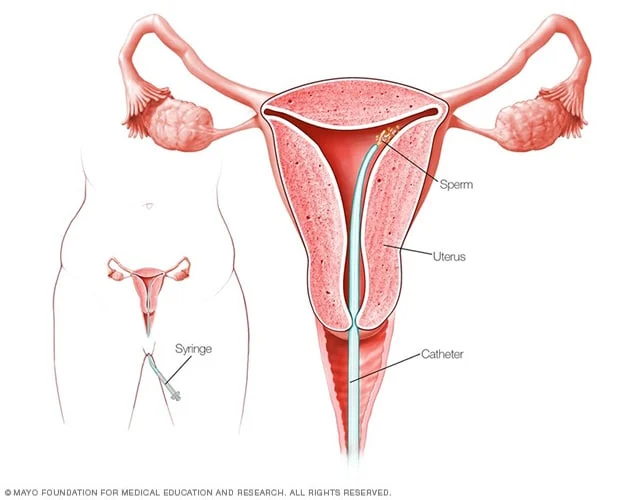
    diagram illustrating intrauterine insemination (IUI) procedure with uterus, sperm, and catheter labeled

    Navigating the Social Stigma: The Realities of Sperm Donation and Co-Parenting

    The Emotional Impact on All Parties Involved

    Aside from the legal considerations, sperm donation and co-parenting can also have a significant emotional impact on all parties involved. For the donor, there may be feelings of detachment or a sense of responsibility towards the child, especially if they are a known donor. They may also struggle with the societal stigma surrounding their decision to donate sperm.

    For the parents, the emotional impact can be just as intense. Those struggling with fertility issues may experience feelings of inadequacy or guilt, while those in a co-parenting arrangement may have to navigate the complexities of maintaining a platonic relationship while raising a child together. Moreover, the child may also experience conflicting emotions as they grow up, such as curiosity about their genetic background and feelings of not belonging to a traditional family structure.

    The Growing Trend of Alternative Family Structures

    Despite the social stigma and legal complexities, there has been a growing trend towards alternative family structures, including sperm donation and co-parenting. This shift can be attributed to several factors, such as advancements in reproductive technology, changing societal norms, and the increasing acceptance of non-traditional families.

    Moreover, the rise of the LGBTQ+ community has also played a significant role in the growing acceptance of alternative family structures. With same-sex marriage now legal in many countries, more LGBTQ+ couples are choosing to start a family through sperm donation or co-parenting, challenging the traditional notions of family and parenthood.

    Destigmatizing Sperm Donation and Co-Parenting

    As society continues to evolve and embrace diversity, it is essential to destigmatize sperm donation and co-parenting. These methods of conception offer viable solutions for individuals and couples who want to start a family but may face fertility issues or do not fit into traditional family structures.

    Education and open conversation are key to breaking down the social stigma surrounding sperm donation and co-parenting. By sharing personal stories and experiences, we can help normalize these alternative paths to parenthood and create a more inclusive and accepting society for all types of families.

    In conclusion, navigating the social stigma surrounding sperm donation and co-parenting can be a challenging and emotional journey. It is crucial to understand the legal considerations involved and the potential emotional impact on all parties, including the donor, parents, and child. However, as society continues to evolve and embrace diversity, it is essential to destigmatize these methods and recognize the growing trend towards alternative family structures.

    Summary:

    Sperm donation and co-parenting are alternative methods of starting a family that can be met with social stigma. This stigma is rooted in societal norms and traditional beliefs about family and parenthood. It can also be perpetuated by media and the misconception that these methods are only used by the LGBTQ+ community or single individuals. Legal considerations, such as written agreements and co-parenting arrangements, must be taken into account to protect the rights and responsibilities of all parties involved. The emotional impact of sperm donation and co-parenting can also be significant, for the donor, parents, and child. However, as society becomes more accepting of diverse family structures, it is crucial to destigmatize these methods and recognize their growing trend.
  • The Emotional Impact of Choosing a Sperm Donor vs Co-Parenting

    BLOG POST:

    When it comes to starting a family, there are many different options available to individuals and couples. One of the most common ways to conceive a child is through traditional methods with a partner. However, for those who are single, same-sex couples, or struggling with fertility issues, there are alternative routes such as choosing a sperm donor or co-parenting. While both options result in parenthood, they each have their own emotional impacts and considerations.

    Choosing a sperm donor involves selecting a donor through a sperm bank or fertility clinic to fertilize an egg through artificial insemination. On the other hand, co-parenting involves two or more individuals coming together to raise a child together, without being in a romantic relationship. Both options require careful consideration and can have a significant emotional impact on all parties involved.

    In this blog post, we will explore the emotional impact of choosing a sperm donor versus co-parenting, including the benefits and challenges of each option.

    Emotional Impact of Choosing a Sperm Donor
    For individuals or couples who choose to use a sperm donor, there can be a range of emotions involved in the process. One of the most significant challenges is the loss of genetic connection to the child. For many, the idea of not being biologically related to their child can be difficult to come to terms with. This can lead to feelings of grief and loss, as well as a sense of disconnect from the child.

    Furthermore, choosing a sperm donor can also bring up feelings of insecurity and uncertainty. It can be challenging to trust that the donor will be a good match and have desirable traits. This can lead to doubts and fears about the child’s future and their relationship with the donor.

    On the other hand, there are also many positive emotional impacts that come with choosing a sperm donor. For single individuals or same-sex couples, it can be a fulfilling experience to have a child and create a family on their own terms. It can also be a sense of empowerment to have control over the selection process and choose a donor who aligns with their desired qualities and values.

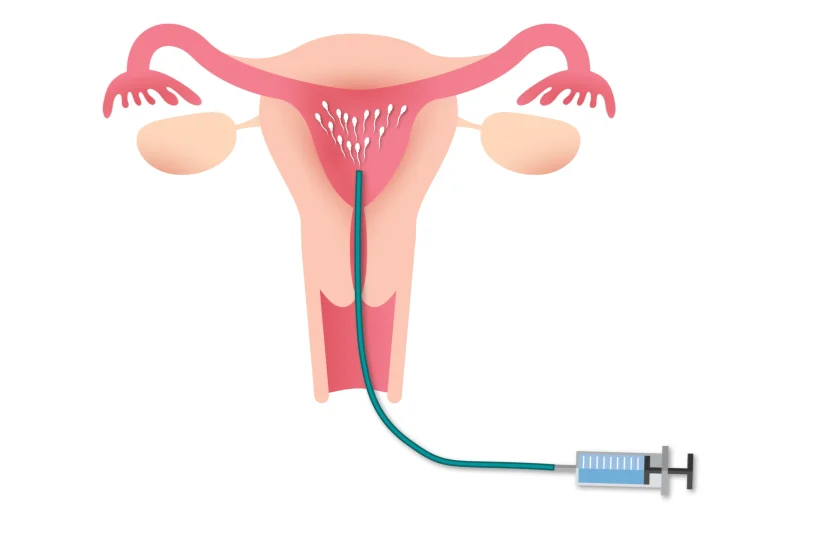
    diagram of a uterus with a syringe for intrauterine insemination procedure

    The Emotional Impact of Choosing a Sperm Donor vs Co-Parenting

    Additionally, for couples struggling with fertility issues, using a sperm donor can bring a sense of hope and excitement to the process. It allows them to experience the joys of parenthood and start a family despite their fertility challenges.

    Overall, the emotional impact of choosing a sperm donor can be a mix of both positive and negative feelings, and it is essential to acknowledge and address these emotions throughout the process.

    Emotional Impact of Co-Parenting
    Co-parenting, on the other hand, involves a different set of emotions and considerations. One of the most significant benefits of co-parenting is the opportunity for the child to have a relationship with both biological parents. This can be especially important for children who may have grown up without a father or mother figure in their life.

    However, co-parenting also comes with its own set of challenges and potential emotional impacts. For starters, it requires a strong and healthy relationship between the co-parents. If there is any conflict or tension between them, it can negatively impact the child’s well-being and upbringing.

    Furthermore, co-parenting can also bring up feelings of jealousy or resentment towards the other co-parent. This can be especially true if one parent feels like they are not getting enough time or attention with the child. It is crucial for co-parents to communicate openly and set boundaries to avoid any potential conflicts.

    Another emotional impact of co-parenting is the lack of traditional family structure. While society has become more accepting of non-traditional families, there may still be stigma and challenges that co-parents and their child may face. It is essential for co-parents to be prepared for these potential challenges and have a strong support system in place.

    Summary
    In conclusion, both choosing a sperm donor and co-parenting have their own emotional impacts and considerations. While choosing a sperm donor can bring up feelings of loss or insecurity, it also allows for a sense of control and empowerment. Co-parenting, on the other hand, can provide a child with a relationship with both biological parents, but it also requires a strong and healthy relationship between the co-parents. It is crucial for individuals and couples to carefully consider and discuss their options, as well as their emotional readiness, before making a decision.

  • The Financial Burden: Dealing with the Cost of Artificial Insemination and IVF

    The Financial Burden: Dealing with the Cost of Artificial Insemination and IVF

    For many couples struggling with infertility, artificial insemination and in vitro fertilization (IVF) are often seen as the last resort for starting a family. However, while these treatments offer hope for parenthood, they also come with a hefty price tag. The financial burden of artificial insemination and IVF can be overwhelming and can take a toll on both emotional and mental well-being. In this blog post, we will explore the costs associated with these fertility treatments and discuss ways to cope with the financial burden.

    Understanding the Cost of Artificial Insemination and IVF
    Before delving into the financial aspect, it is important to understand the basics of artificial insemination and IVF. Artificial insemination, also known as intrauterine insemination (IUI), involves placing sperm directly into a woman’s uterus to increase the chances of fertilization. IVF, on the other hand, is a more complex procedure where a woman’s eggs are retrieved and fertilized in a lab before being transferred back into her uterus. Both of these procedures can range from $300 to $5,000 per cycle, with IVF being the more expensive option.

    Factors Affecting the Cost
    The cost of artificial insemination and IVF can vary depending on several factors, such as the clinic, location, and individual circumstances. The type of fertility medication used and the number of cycles required can also significantly impact the cost. In addition, diagnostic tests, consultations, and other related expenses can quickly add up, making these treatments even more expensive.

    Financial Options for Covering the Cost
    Given the high cost of artificial insemination and IVF, many couples may feel overwhelmed and unsure of how to cover the expenses. Fortunately, there are various financial options available to help ease the burden. Some insurance plans may cover a portion of the cost, but this varies greatly from state to state and policy to policy. It is essential to check with your insurance provider to understand what is covered.

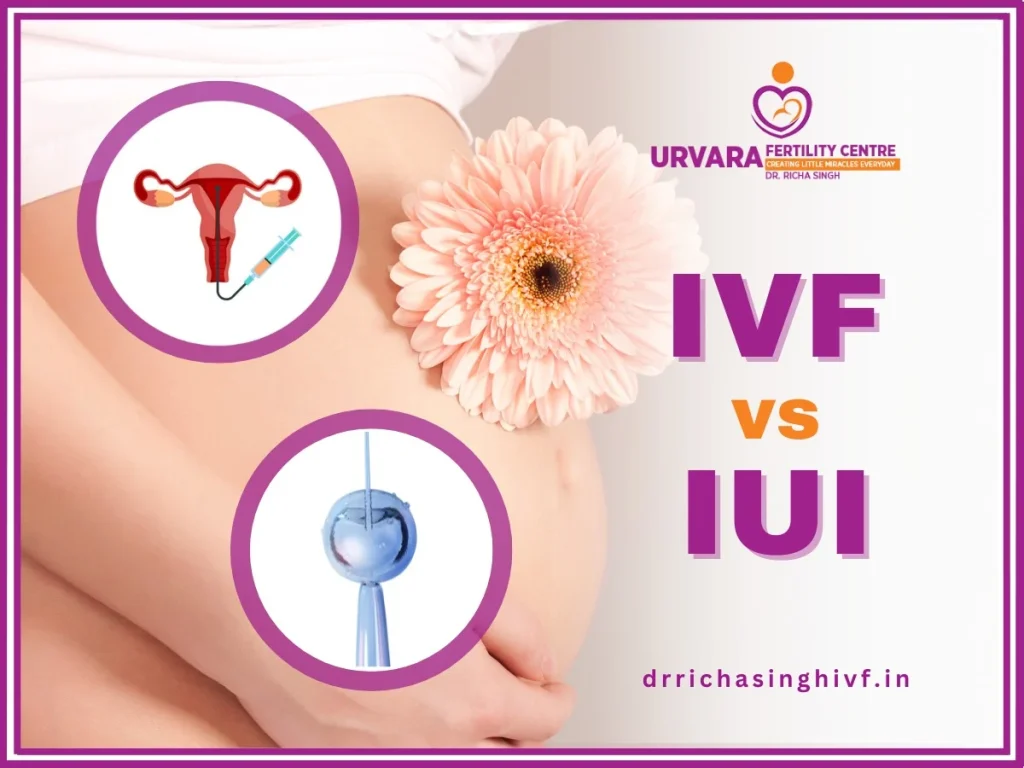
    IVF vs IUI comparison with illustrations of reproductive processes and a flower on a pregnant belly.

    The Financial Burden: Dealing with the Cost of Artificial Insemination and IVF

    Another option is to explore grants and financial assistance programs specifically for fertility treatments. These programs can provide financial aid to those who meet certain criteria, such as income level or medical diagnosis. Additionally, some fertility clinics offer payment plans or financing options to help make the cost more manageable.

    Dealing with the Emotional Impact
    The financial burden of artificial insemination and IVF can take a toll on a couple’s emotional well-being. It is not uncommon for couples to feel anxious, stressed, or even guilty about the cost of these treatments. It is essential to communicate openly with your partner and seek support from family and friends. Joining support groups or seeking counseling can also be beneficial in managing the emotional impact of the financial burden.

    Coping Strategies
    To cope with the financial burden of artificial insemination and IVF, it is crucial to have a plan in place. Start by setting a budget and researching the costs associated with the treatments. Be sure to explore all financial options and consider seeking advice from a financial advisor. It is also essential to prioritize your expenses and cut back on unnecessary expenses to save for the treatments.

    Additionally, consider alternatives to traditional IVF, such as mini-IVF or natural cycle IVF, which may be less expensive but still offer a chance of success. It is also important to have realistic expectations and understand that success rates may vary.

    In conclusion, the financial burden of artificial insemination and IVF can be overwhelming, but it is not impossible to manage. By understanding the costs, exploring financial options, and seeking emotional support, couples can navigate the financial burden and continue their journey towards parenthood.

    Summary:
    Infertility can be a challenging journey, and the cost of fertility treatments such as artificial insemination and IVF can add to the stress and emotional toll. In this blog post, we discussed the basics of these treatments, factors affecting the cost, and different financial options available. We also explored ways to cope with the financial burden and manage the emotional impact. By having a plan in place and seeking support, couples can navigate the financial burden and continue their pursuit of parenthood.

  • Making a Decision: Factors to Consider When Choosing Between Artificial Insemination and IVF

    Making a Decision: Factors to Consider When Choosing Between Artificial Insemination and IVF

    When a couple is struggling to conceive a child, they may turn to assisted reproductive technologies (ART) for help. Two common options for ART are artificial insemination (AI) and in vitro fertilization (IVF). While both methods aim to help couples achieve pregnancy, they have distinct differences and should be carefully considered before making a decision. In this blog post, we will explore the factors that should be taken into account when choosing between artificial insemination and IVF.

    The Basics of Artificial Insemination and IVF

    Artificial insemination, also known as intrauterine insemination (IUI), involves the placement of sperm directly into the woman’s uterus during ovulation. This method is commonly used for couples with male fertility issues, such as low sperm count or mobility. It is a relatively simple and non-invasive procedure that can be done at a fertility clinic or at home with the help of a physician.

    On the other hand, in vitro fertilization involves the fertilization of an egg outside of the body, in a laboratory. The process starts with the woman undergoing hormonal stimulation to produce multiple eggs. These eggs are then retrieved and fertilized with sperm in a lab. The resulting embryos are then transferred into the woman’s uterus. IVF is often recommended for couples with more complex fertility issues, such as blocked fallopian tubes or advanced maternal age.

    Factors to Consider When Choosing Between Artificial Insemination and IVF

    1. Underlying Fertility Issues

    One of the first factors to consider when choosing between AI and IVF is the underlying fertility issue. As mentioned earlier, AI is generally recommended for male infertility, while IVF is suitable for a variety of fertility issues. It is essential to undergo thorough testing to determine the root cause of the fertility problem and consult with a fertility specialist before making a decision.

    2. Success Rates

    Another critical factor to consider is the success rates of each method. While success rates can vary depending on individual factors, IVF generally has a higher success rate compared to AI. According to the American Society for Reproductive Medicine, the live birth rate for IVF is around 30%, while the live birth rate for AI is approximately 10-20%. However, it is essential to note that AI is a more affordable option, so couples may choose to try it multiple times before moving on to IVF.

    Illustration of the IUI process, showing a syringe and catheter in the reproductive system.

    Making a Decision: Factors to Consider When Choosing Between Artificial Insemination and IVF

    3. Cost

    The cost of AI and IVF can also play a significant role in decision-making. AI is a more affordable option, with an average cost of $300-$1000 per cycle. On the other hand, IVF can cost anywhere from $12,000 to $15,000 per cycle, making it a significant financial commitment. It is essential to consider not only the cost of the procedure but also the additional expenses, such as medications, testing, and follow-up appointments.

    4. Emotional and Physical Impact

    Going through fertility treatments can be emotionally and physically taxing for couples. AI is a relatively simple and non-invasive procedure, while IVF involves more steps and may require more time off work for appointments. It is crucial to consider how each method may affect your emotional and physical well-being and choose the option that feels right for you.

    5. Multiple Pregnancy Risk

    One of the potential risks of ART is multiple pregnancies. With AI, there is a higher chance of conceiving twins or triplets, whereas IVF allows doctors to control the number of embryos transferred. Couples should discuss the risks and potential complications associated with multiple pregnancies with their doctor and consider their options carefully.

    6. Personal Preferences

    Ultimately, the decision between AI and IVF should also consider personal preferences. Some couples may prefer to start with a less invasive option like AI and then move on to IVF if necessary. Others may feel more comfortable with IVF and its higher success rates. It is essential to discuss personal preferences and concerns with a fertility specialist who can provide guidance and support.

    In conclusion, choosing between artificial insemination and IVF is a decision that should be carefully considered, taking into account factors such as underlying fertility issues, success rates, cost, emotional and physical impact, multiple pregnancy risks, and personal preferences. Consulting with a fertility specialist and discussing all options thoroughly can help couples make an informed decision that is best for them.

    Summary:

    When couples are struggling to conceive, they may turn to assisted reproductive technologies (ART) such as artificial insemination (AI) and in vitro fertilization (IVF). AI involves placing sperm directly into the uterus, while IVF involves fertilizing an egg outside the body. Factors to consider when choosing between AI and IVF include underlying fertility issues, success rates, cost, emotional and physical impact, multiple pregnancy risks, and personal preferences. Consulting with a fertility specialist is crucial to make an informed decision.

  • The Impact of Age on Natural Conception vs Assisted Reproduction

    Blog Post:

    When it comes to starting a family, many factors can impact the ability to conceive naturally. One of the most significant factors is age. As women age, their fertility decreases, making it more challenging to conceive naturally. This has led to an increase in the use of assisted reproductive technologies (ART) such as in vitro fertilization (IVF). In this blog post, we will explore the impact of age on natural conception and the use of assisted reproduction.

    Natural Conception:

    Natural conception, also known as spontaneous conception, occurs when a couple becomes pregnant without any medical intervention. This typically happens through sexual intercourse, where the sperm fertilizes the egg in the woman’s fallopian tube. However, the chances of natural conception decrease as a woman ages.

    A woman’s fertility is at its peak in her 20s, with the chances of conceiving in each menstrual cycle being around 20%. As she enters her 30s, the fertility rate decreases to about 15%, and by the age of 40, it drops to 5%. This decline in fertility is due to a decrease in the number and quality of a woman’s eggs as she ages. As a woman gets older, her eggs are more likely to have chromosomal abnormalities, making it more challenging to conceive and increasing the risk of miscarriage.

    Assisted Reproduction:

    Assisted reproduction technologies (ART) refer to medical procedures used to help couples conceive when they are unable to do so naturally. One of the most common ART procedures is in vitro fertilization (IVF). This involves retrieving eggs from a woman’s ovaries and fertilizing them with sperm in a laboratory. The resulting embryos are then transferred to the woman’s uterus, where they can implant and develop into a pregnancy.

    The use of ART has become more widespread in recent years, with an estimated 1.9% of all live births in the United States resulting from ART procedures. This increase can be attributed to several factors, including the decline in natural conception rates due to age and advancements in medical technology.

    The Impact of Age on Assisted Reproduction:

    While assisted reproduction can help couples overcome age-related fertility challenges, it is not a guarantee of success. The success rates of ART procedures, such as IVF, are influenced by a woman’s age. According to the Centers for Disease Control and Prevention (CDC), the live birth rate for IVF is around 30% for women under 35, but it decreases to 6% for women over 42.

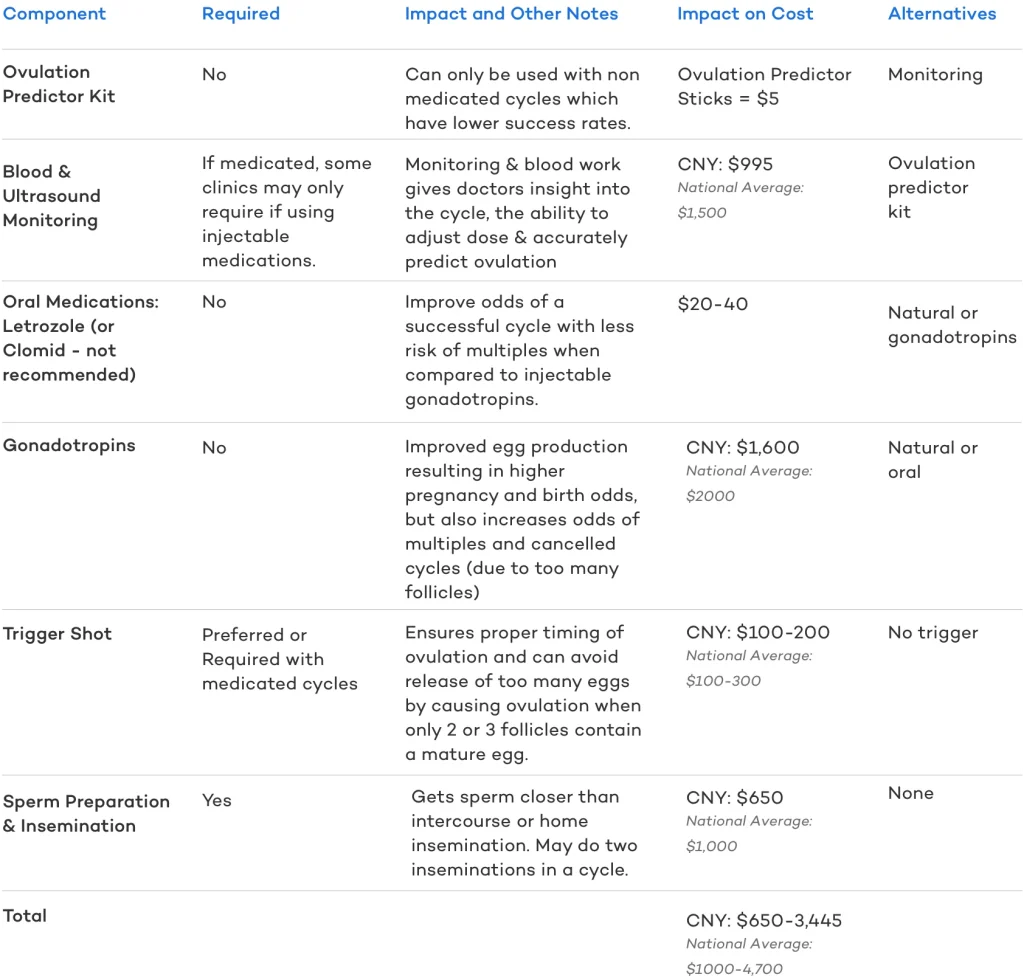
    Cost breakdown for IUI components, including requirements, impacts, and alternatives.

    The Impact of Age on Natural Conception vs Assisted Reproduction

    The age of the male partner can also impact the success of assisted reproduction. As men age, their sperm count and quality may decrease, making it more challenging to achieve a successful pregnancy through ART. However, the impact of male age on assisted reproduction is not as significant as female age.

    The Role of Egg Freezing:

    As women become more aware of the impact of age on fertility, many are turning to egg freezing as a way to preserve their fertility. Egg freezing involves retrieving a woman’s eggs, freezing them, and storing them for future use. This offers women the opportunity to delay starting a family until they are ready, without worrying about the decline in fertility due to age.

    Egg freezing has become more popular in recent years, with an increase of 10% in cycles between 2016 and 2017. This trend is expected to continue as more women become aware of this option and advancements in the technology make it more accessible.

    The Emotional Impact:

    The decision to start a family is a significant one, and the impact of age on natural conception and assisted reproduction can take an emotional toll on couples. For women who are struggling to conceive naturally or through ART, the pressure to start a family before their fertility declines can be overwhelming. This can lead to feelings of anxiety, stress, and even depression.

    Moreover, the process of ART can be physically and emotionally demanding, with multiple doctor’s appointments, hormone injections, and the uncertainty of success. The emotional toll of fertility struggles can also put a strain on a couple’s relationship, adding to the already challenging journey towards parenthood.

    Summary:

    The impact of age on natural conception and assisted reproduction is significant. As a woman ages, her chances of conceiving naturally decrease, and the success rates of ART procedures also decline. However, advancements in medical technology, such as egg freezing, offer women the opportunity to preserve their fertility and delay starting a family until they are ready. Despite this, the emotional toll of fertility struggles and the pressure to conceive before age impacts fertility can be challenging for couples.

    In conclusion, age plays a crucial role in natural conception and assisted reproduction. As women age, their fertility declines, making it more challenging to conceive naturally. The use of assisted reproduction technologies, such as IVF, has become more prevalent, but success rates are influenced by a woman’s age. Advancements in medical technology, such as egg freezing, offer women the option to preserve their fertility, but the emotional toll of fertility struggles cannot be ignored.

  • Navigating the Journey: The Emotional Side of Natural Conception vs Assisted Reproduction

    Navigating the Journey: The Emotional Side of Natural Conception vs Assisted Reproduction

    Conceiving a child is often seen as a natural and effortless process. However, for many couples struggling with infertility, the journey to parenthood can be filled with complex emotions and difficult decisions. The rise of assisted reproductive technologies, such as in-vitro fertilization (IVF), has provided hope for those facing fertility challenges, but it also brings with it a new set of emotional challenges. In this blog post, we will explore the emotional side of natural conception versus assisted reproduction and provide guidance for navigating this journey.

    The Emotional Rollercoaster of Infertility

    Infertility is a deeply personal experience that can take a toll on a couple’s emotional well-being. The constant disappointment of failed attempts at conception, the fear of never being able to have a child, and the pressure from society and family can create a rollercoaster of emotions. Couples may feel a sense of loss, grief, and even shame, as they struggle to fulfill their dream of having a child.

    In natural conception, the process of trying to conceive can be a bonding experience for couples. However, when faced with fertility challenges, the pressure to conceive can create tension and strain in the relationship. One partner may feel responsible for the inability to conceive, leading to feelings of guilt and inadequacy. The other partner may feel frustrated and helpless, unable to fix the problem. This can cause a strain on the relationship and lead to feelings of isolation and loneliness.

    The Emotional Impact of Assisted Reproduction

    Assisted reproductive technologies offer hope for couples struggling with infertility. However, the emotional impact of these treatments should not be underestimated. The process of assisted reproduction is physically and emotionally demanding, and it often involves invasive procedures, medications, and frequent doctor visits. This can be overwhelming for couples, both individually and as a couple.

    The financial burden of assisted reproduction can also be a significant source of stress. Many insurance plans do not cover fertility treatments, making it a costly investment for couples. The pressure of the financial investment can add to the already high levels of stress and anxiety.

    One of the biggest emotional challenges of assisted reproduction is the uncertainty. Unlike natural conception, where there is a chance of conception every month, assisted reproduction can involve multiple attempts before achieving a successful pregnancy. This uncertainty can lead to feelings of hopelessness, disappointment, and frustration.

    Coping Strategies for Navigating the Journey

    A person administering an injection into their abdomen with a yellow pen-like device.

    Navigating the Journey: The Emotional Side of Natural Conception vs Assisted Reproduction

    Coping with the emotional challenges of infertility and assisted reproduction can be a difficult task. However, there are some strategies that can help couples navigate this journey with more ease.

    1. Communication is Key: It is essential for couples to communicate openly and honestly about their feelings, fears, and expectations. This can help strengthen the relationship and provide much-needed support during this challenging time.

    2. Seek Support: Infertility can be a lonely and isolating experience. It is crucial for couples to seek support from family, friends, or a support group to talk about their feelings and find comfort in knowing they are not alone.

    3. Take Care of Yourself: The emotional toll of infertility and assisted reproduction can be exhausting. It is essential to prioritize self-care and take breaks when needed. This can include activities such as exercise, meditation, or therapy.

    4. Educate Yourself: Knowing what to expect from the fertility treatment process can help reduce anxiety and stress. Couples should educate themselves about the different treatment options, success rates, and potential side effects.

    5. Have Realistic Expectations: It is important for couples to have realistic expectations and understand that assisted reproduction is not a guarantee. This can help manage disappointment and reduce the emotional impact of failed attempts.

    The Decision to Pursue Assisted Reproduction

    Deciding to pursue assisted reproduction is a deeply personal one, and it is essential for couples to consider the emotional impact of this decision. It is crucial to have open and honest conversations with each other and seek professional counseling if needed. Every couple’s journey to parenthood is unique, and it is important to find the right path that works for you.

    In conclusion, the emotional side of natural conception versus assisted reproduction is a complex and challenging journey. It is essential for couples to communicate, seek support, take care of themselves, educate themselves, and have realistic expectations while navigating this journey. With the right support and coping strategies, couples can overcome the emotional challenges and find their way to parenthood.

    SEO Metadata: