Blog Post:
When it comes to starting a family, many factors can impact the ability to conceive naturally. One of the most significant factors is age. As women age, their fertility decreases, making it more challenging to conceive naturally. This has led to an increase in the use of assisted reproductive technologies (ART) such as in vitro fertilization (IVF). In this blog post, we will explore the impact of age on natural conception and the use of assisted reproduction.
Natural Conception:
Natural conception, also known as spontaneous conception, occurs when a couple becomes pregnant without any medical intervention. This typically happens through sexual intercourse, where the sperm fertilizes the egg in the woman’s fallopian tube. However, the chances of natural conception decrease as a woman ages.
A woman’s fertility is at its peak in her 20s, with the chances of conceiving in each menstrual cycle being around 20%. As she enters her 30s, the fertility rate decreases to about 15%, and by the age of 40, it drops to 5%. This decline in fertility is due to a decrease in the number and quality of a woman’s eggs as she ages. As a woman gets older, her eggs are more likely to have chromosomal abnormalities, making it more challenging to conceive and increasing the risk of miscarriage.
Assisted Reproduction:
Assisted reproduction technologies (ART) refer to medical procedures used to help couples conceive when they are unable to do so naturally. One of the most common ART procedures is in vitro fertilization (IVF). This involves retrieving eggs from a woman’s ovaries and fertilizing them with sperm in a laboratory. The resulting embryos are then transferred to the woman’s uterus, where they can implant and develop into a pregnancy.
The use of ART has become more widespread in recent years, with an estimated 1.9% of all live births in the United States resulting from ART procedures. This increase can be attributed to several factors, including the decline in natural conception rates due to age and advancements in medical technology.
The Impact of Age on Assisted Reproduction:
While assisted reproduction can help couples overcome age-related fertility challenges, it is not a guarantee of success. The success rates of ART procedures, such as IVF, are influenced by a woman’s age. According to the Centers for Disease Control and Prevention (CDC), the live birth rate for IVF is around 30% for women under 35, but it decreases to 6% for women over 42.
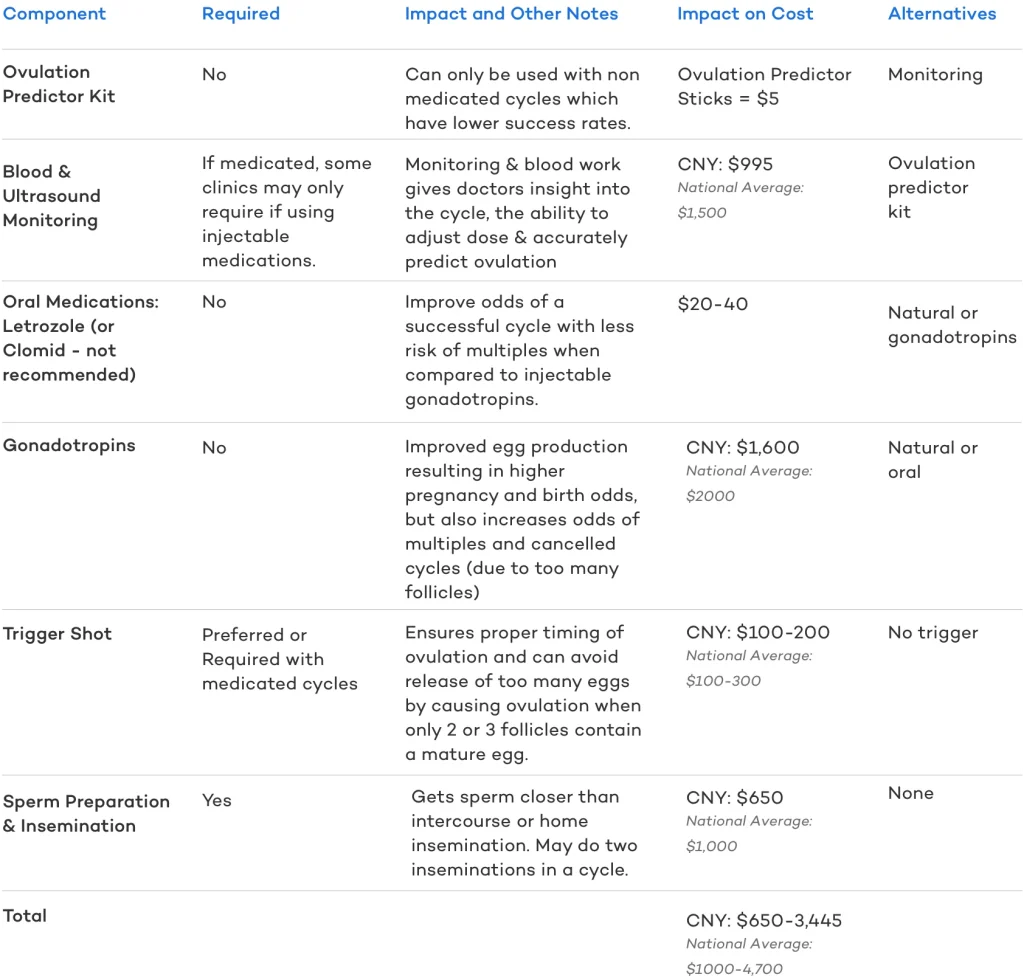
The Impact of Age on Natural Conception vs Assisted Reproduction
The age of the male partner can also impact the success of assisted reproduction. As men age, their sperm count and quality may decrease, making it more challenging to achieve a successful pregnancy through ART. However, the impact of male age on assisted reproduction is not as significant as female age.
The Role of Egg Freezing:
As women become more aware of the impact of age on fertility, many are turning to egg freezing as a way to preserve their fertility. Egg freezing involves retrieving a woman’s eggs, freezing them, and storing them for future use. This offers women the opportunity to delay starting a family until they are ready, without worrying about the decline in fertility due to age.
Egg freezing has become more popular in recent years, with an increase of 10% in cycles between 2016 and 2017. This trend is expected to continue as more women become aware of this option and advancements in the technology make it more accessible.
The Emotional Impact:
The decision to start a family is a significant one, and the impact of age on natural conception and assisted reproduction can take an emotional toll on couples. For women who are struggling to conceive naturally or through ART, the pressure to start a family before their fertility declines can be overwhelming. This can lead to feelings of anxiety, stress, and even depression.
Moreover, the process of ART can be physically and emotionally demanding, with multiple doctor’s appointments, hormone injections, and the uncertainty of success. The emotional toll of fertility struggles can also put a strain on a couple’s relationship, adding to the already challenging journey towards parenthood.
Summary:
The impact of age on natural conception and assisted reproduction is significant. As a woman ages, her chances of conceiving naturally decrease, and the success rates of ART procedures also decline. However, advancements in medical technology, such as egg freezing, offer women the opportunity to preserve their fertility and delay starting a family until they are ready. Despite this, the emotional toll of fertility struggles and the pressure to conceive before age impacts fertility can be challenging for couples.
In conclusion, age plays a crucial role in natural conception and assisted reproduction. As women age, their fertility declines, making it more challenging to conceive naturally. The use of assisted reproduction technologies, such as IVF, has become more prevalent, but success rates are influenced by a woman’s age. Advancements in medical technology, such as egg freezing, offer women the option to preserve their fertility, but the emotional toll of fertility struggles cannot be ignored.