Blog Post:
Fertility is a topic that affects both men and women, yet it is often overlooked until the desire to have children arises. However, the truth is that our lifestyle choices can have a significant impact on our fertility. From diet and exercise to stress and environmental factors, there are many lifestyle factors that can affect our reproductive health. In this blog post, we will delve into the link between lifestyle and fertility and what men and women need to know to optimize their chances of conceiving.
The Impact of Lifestyle on Fertility for Men and Women
Many studies have shown that our lifestyle choices can affect our fertility. For both men and women, our overall health and well-being play a crucial role in our reproductive health. Fertility is a complex issue that involves various factors, including hormone levels, ovulation, sperm production, and overall reproductive health. Therefore, it is essential to understand how our daily habits and lifestyle choices can impact these factors.
Diet and Fertility
Diet plays a significant role in our overall health and fertility. For women, maintaining a healthy weight is crucial for fertility. Being underweight or overweight can affect hormone levels, leading to irregular ovulation and menstrual cycles. Additionally, a poor diet lacking in essential nutrients can impair egg quality and sperm production in men. To optimize fertility, a well-balanced diet that includes plenty of fruits, vegetables, lean proteins, and healthy fats is essential.
Exercise and Fertility
Regular exercise has many benefits for our overall health, including fertility. For women, moderate exercise can help regulate hormone levels and improve ovulation. However, excessive exercise, such as intense training or endurance sports, can have the opposite effect and lead to irregular menstrual cycles. For men, regular exercise can improve sperm quality and quantity. However, like women, excessive exercise can lower testosterone levels, leading to fertility issues. Therefore, moderation is key when it comes to exercise and fertility.
Stress and Fertility
Stress is a common factor in our daily lives, but it can have a significant impact on our fertility. Chronic stress can lead to hormonal imbalances and disrupt ovulation and menstrual cycles in women. In men, stress can affect sperm production and quality. Therefore, finding healthy ways to manage stress, such as meditation, yoga, or therapy, can positively impact fertility.
Environmental Factors and Fertility
Our environment can also play a role in our fertility. Exposure to toxins, pollutants, and chemicals in our environment can affect reproductive health in both men and women. For example, BPA, a chemical commonly found in plastics, has been linked to hormonal imbalances and fertility issues. Avoiding exposure to harmful chemicals and pollutants, as well as opting for organic and natural products, can help improve fertility.
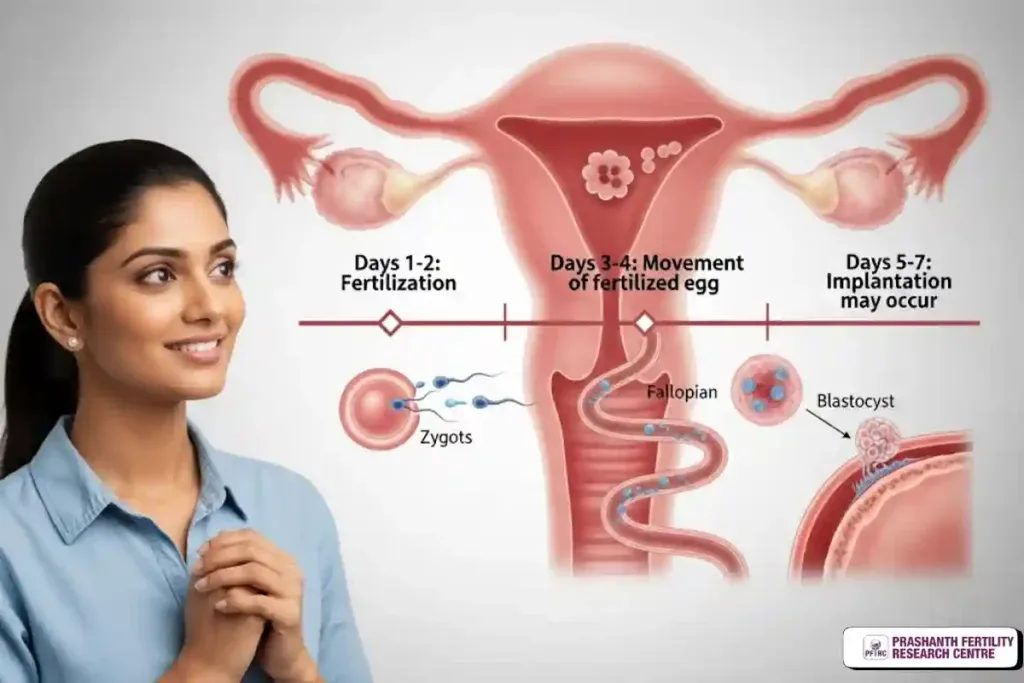
The Link Between Lifestyle and Fertility: What Men and Women Need to Know
Lifestyle Habits and Fertility
Unhealthy lifestyle habits, such as smoking and excessive alcohol consumption, can also impact fertility. In women, smoking can lead to reduced egg quality and quantity, while in men, it can affect sperm production and quality. Similarly, excessive alcohol consumption can lower testosterone levels in men and disrupt ovulation in women. To optimize fertility, it is essential to avoid these unhealthy habits.
How to Improve Lifestyle for Better Fertility
Making changes to our lifestyle can positively impact fertility. Here are some tips for improving lifestyle habits for better fertility:
1. Maintain a healthy diet: As mentioned earlier, a well-balanced diet is crucial for fertility. Including plenty of fruits, vegetables, lean proteins, and healthy fats in your diet can help improve fertility.
2. Exercise in moderation: Moderate exercise is beneficial for fertility, but it is essential to avoid excessive exercise that can disrupt hormone levels.
3. Manage stress: Finding healthy ways to manage stress, such as meditation, yoga, or therapy, can improve fertility.
4. Avoid harmful chemicals and pollutants: Avoiding exposure to harmful chemicals and pollutants in our environment can help improve fertility.
5. Quit smoking and limit alcohol consumption: Quitting smoking and limiting alcohol consumption can significantly improve fertility for both men and women.
In conclusion, our lifestyle choices play a significant role in our fertility. By making healthy choices and avoiding harmful habits, we can optimize our chances of conceiving. Remember to maintain a well-balanced diet, exercise in moderation, manage stress, and avoid harmful chemicals and pollutants. By taking care of our overall health and well-being, we can improve our reproductive health and increase our chances of conceiving.
Summary:
Fertility is a complex issue that involves various factors, including hormone levels, ovulation, sperm production, and overall reproductive health. Our lifestyle choices can have a significant impact on these factors, ultimately affecting our fertility. Diet, exercise, stress, environmental factors, and lifestyle habits such as smoking and alcohol consumption can all play a role in our fertility. Making healthy lifestyle choices, such as maintaining a well-balanced diet, exercising in moderation, managing stress, and avoiding harmful chemicals and pollutants, can help improve fertility for both men and women.
Metadata: