Tag: mental health

  • From Struggle to Success: How Fertility Counseling Can Change Your Perspective

    From Struggle to Success: How Fertility Counseling Can Change Your Perspective

    Struggling with fertility can be a difficult and emotional journey for individuals and couples. The desire to have a child and start a family is a natural and common one, but when faced with challenges in conceiving or carrying a pregnancy to term, it can feel like a devastating blow. This struggle can take a toll on one’s mental health and overall well-being. That’s where fertility counseling comes in – a specialized form of therapy that can help individuals and couples navigate the emotional complexities of infertility and find a path towards success.

    Infertility is defined as the inability to conceive after one year of trying for individuals under the age of 35, or after six months for those over 35. It affects approximately 10-15% of couples in the United States, and the cause can be attributed to a variety of factors such as medical conditions, hormonal imbalances, or lifestyle habits. Whatever the cause may be, the emotional impact can be significant. Many individuals and couples experience feelings of sadness, anger, frustration, and even shame. This can lead to a sense of isolation and strain in relationships, as well as a decrease in self-esteem and confidence.

    Fertility counseling offers a safe and non-judgmental space for individuals and couples to express their emotions and navigate the complex feelings that come with infertility. A fertility counselor is a trained professional who specializes in helping clients cope with the challenges of infertility and provides support and guidance towards finding a path forward. By addressing the emotional and psychological impacts of infertility, individuals and couples can gain a new perspective and approach their fertility journey with a renewed sense of hope and resilience.

    One of the main benefits of fertility counseling is the opportunity for individuals and couples to process their emotions in a healthy and productive way. The struggle with infertility can bring up many difficult feelings, and it’s essential to have a safe space to express and work through them. Fertility counselors can help clients understand and cope with these emotions, which can ultimately lead to improved mental health and well-being. This, in turn, can positively impact the overall fertility journey, as individuals and couples can approach it with a more positive and proactive mindset.
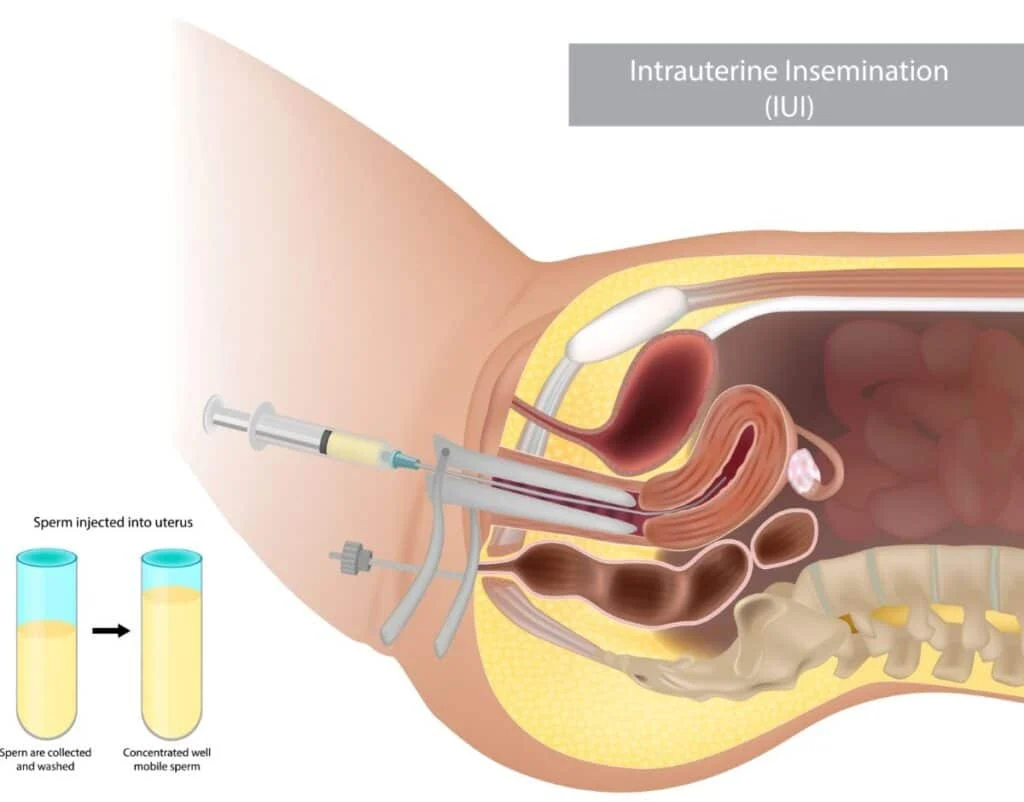
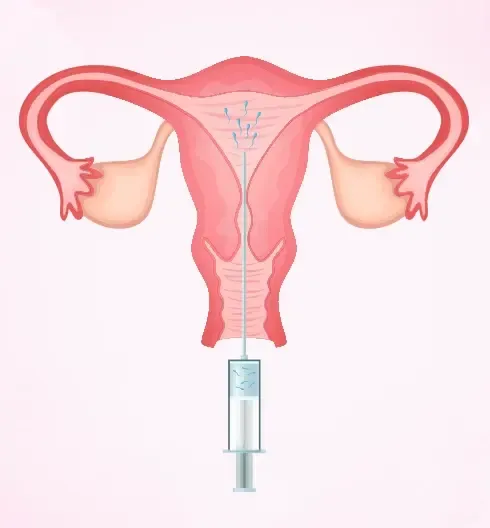
    Diagram illustrating intrauterine insemination (IUI) procedure with sperm injection into the uterus.

    From Struggle to Success: How Fertility Counseling Can Change Your Perspective

    Another significant aspect of fertility counseling is the opportunity to learn coping skills and strategies. Infertility can be a long and challenging journey, and it’s crucial to have effective ways to manage stress and anxiety. Fertility counselors can help clients develop coping mechanisms and tools to navigate the emotional rollercoaster that comes with infertility. These skills can also be applied to other areas of life, leading to overall improved emotional resilience.

    Fertility counseling can also provide a much-needed sense of support and connection. Struggling with infertility can feel isolating, as many individuals and couples may not feel comfortable discussing their struggles with friends and family. Fertility counselors offer a supportive and understanding environment where clients can feel heard and validated. Additionally, some fertility counselors may offer group therapy sessions, which can provide a sense of community and connection with others going through similar experiences.

    Ultimately, fertility counseling can change one’s perspective on infertility and the journey towards parenthood. Instead of viewing infertility as a defeat, counseling can help individuals and couples see it as a challenge to be overcome. Through the support and guidance of a fertility counselor, clients can gain a deeper understanding of themselves and their relationship, which can lead to more effective communication and a stronger bond. By addressing the emotional impact of infertility, individuals and couples can also find ways to make their journey more manageable and less overwhelming.

    In conclusion, struggling with infertility is a challenging and emotional experience. Fertility counseling offers a safe and supportive space for individuals and couples to process their emotions, learn coping skills, and gain a new perspective on their fertility journey. With the help of a fertility counselor, individuals and couples can overcome the emotional toll of infertility and find a path towards success and fulfillment.

    Summary:

    Infertility can be a difficult and emotional journey for individuals and couples. Fertility counseling offers a safe and non-judgmental space for clients to express their emotions and navigate the complex feelings that come with infertility. It provides an opportunity to process emotions, learn coping skills, and gain a new perspective on the fertility journey. Fertility counseling can also provide a sense of support and connection, ultimately leading to improved mental health and well-being. By addressing the emotional impact of infertility, individuals and couples can find a path towards success and fulfillment.
  • Healing Together: The Bond of Support Groups for Fertility

    Summary:

    Dealing with fertility issues can be a difficult and emotionally draining experience. The journey to parenthood is often filled with highs and lows, and it can be challenging to manage the emotions that come with fertility struggles. While medical treatments and therapies are essential, many people forget the importance of emotional support during this time. This is where support groups for fertility come into play. These groups provide a safe and understanding space for individuals and couples to share their experiences, seek advice, and find comfort in the company of others who are going through similar challenges.

    In this blog post, we will explore the bond of support groups for fertility and how they can help individuals and couples heal together.

    The Importance of Emotional Support in Fertility:

    Fertility struggles can take a toll on one’s mental health, causing stress, anxiety, and depression. It is crucial to acknowledge and address these emotions as they can have a significant impact on the overall well-being of individuals and couples. Support groups provide a safe and non-judgmental environment for individuals to express their feelings and learn coping mechanisms from others who have been through similar experiences.

    The Power of Community:

    One of the most significant benefits of support groups for fertility is the sense of community and belonging they provide. Many individuals and couples going through fertility issues often feel isolated and alone, as it is not something that is commonly talked about. Support groups offer a space for people to connect with others who understand their struggles, providing a sense of validation and comfort. The power of community can be incredibly healing, and it can make the journey to parenthood feel less overwhelming.

    Bonding and Sharing Experiences:

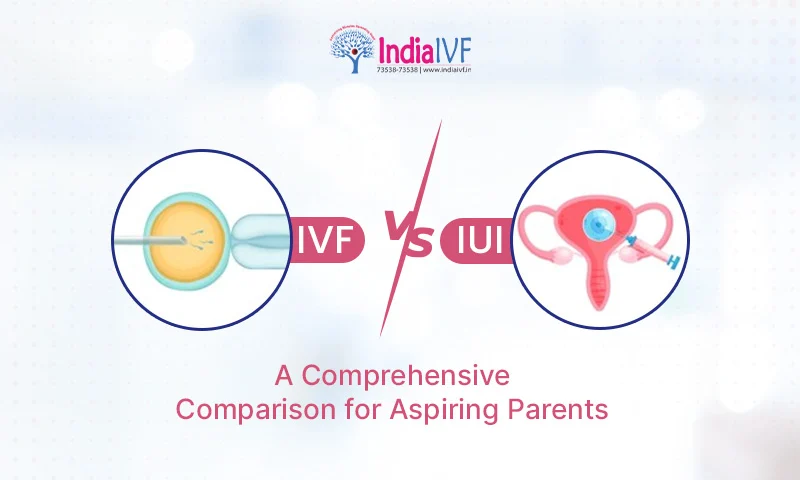
    IVF vs IUI comparison graphic highlighting reproductive methods for aspiring parents.

    Healing Together: The Bond of Support Groups for Fertility

    In support groups for fertility, individuals and couples can bond and share their experiences. This is especially important for couples, as fertility struggles can put a strain on their relationship. By attending support groups together, they can communicate openly about their feelings, understand each other’s perspectives, and strengthen their bond. It also allows them to learn from other couples’ experiences and find new ways to support each other during this challenging time.

    Seeking Advice and Resources:

    Support groups for fertility are also an excellent resource for seeking advice and information. Individuals and couples can share their knowledge and resources, such as recommended doctors, clinics, and alternative treatments. It can be overwhelming to navigate the world of fertility treatments, and having a supportive community to turn to can make a significant difference.

    Coping Mechanisms and Self-Care:

    Support groups for fertility also offer coping mechanisms and self-care techniques for individuals and couples to manage their emotions. These groups often have trained professionals who lead discussions and provide guidance on how to cope with stress, anxiety, and other challenging emotions. Learning and implementing self-care practices can also improve overall mental health and well-being.

    Healing Together:

    The bond formed in support groups for fertility can be incredibly healing for individuals and couples. The sense of belonging, understanding, and support can make a world of difference in their fertility journey. It allows them to share their highs and lows, celebrate successes, and find comfort in times of disappointment. Being a part of a supportive community can also give individuals and couples the strength and resilience to keep going and never lose hope.

    In conclusion, support groups for fertility provide a safe and understanding space for individuals and couples to heal together. They offer a sense of community, bonding, resources, coping mechanisms, and self-care techniques. These groups play a crucial role in addressing the emotional aspect of fertility struggles and can have a significant impact on overall mental health and well-being. If you or someone you know is going through fertility issues, consider joining a support group for a sense of belonging and healing.

  • Breaking the Stigma: Why Fertility Counseling is Important

    Breaking the Stigma: Why Fertility Counseling is Important

    Fertility is a sensitive and often taboo topic in our society. Many individuals and couples struggle with fertility issues, yet the topic is rarely openly discussed. This silence and stigma surrounding fertility can lead to feelings of shame, isolation, and hopelessness. However, seeking fertility counseling can be a crucial step in breaking this stigma and providing much-needed support and guidance for those struggling with fertility.

    One of the main reasons why fertility counseling is so important is because infertility can have a significant impact on one’s mental health. The emotional toll of struggling to conceive, undergoing fertility treatments, and experiencing recurrent pregnancy loss can be overwhelming. Fertility counseling provides a safe and non-judgmental space for individuals and couples to work through their feelings and develop coping mechanisms. It can also help individuals navigate the complex emotions that come with fertility, such as grief, guilt, and anxiety.

    Moreover, fertility counseling can also improve the chances of successful fertility treatment. The stress and emotional burden of fertility struggles can have a negative impact on the body, making it more difficult to conceive. By addressing and managing these emotions through counseling, individuals and couples may experience improved physical and emotional well-being, which can increase their chances of conceiving.

    Another crucial aspect of fertility counseling is the opportunity for education and information. Many individuals and couples may feel lost and overwhelmed with the amount of information and options available when it comes to fertility treatments. Fertility counselors are trained to provide accurate and up-to-date information on various treatments, success rates, and potential risks. This can help individuals make informed decisions about their fertility journey.

    test tube with sperm in blue liquid, promoting IUI success rate and factors influencing fertility.

    Breaking the Stigma: Why Fertility Counseling is Important

    In addition, fertility counseling can also help improve communication and strengthen relationships. Struggling with fertility can be a challenging and isolating experience, and it can strain even the strongest of relationships. Fertility counseling provides a safe space for couples to express their feelings, improve communication, and work through any conflicts that may arise during this difficult time. It can also help individuals and couples navigate the complex decisions that come with fertility treatments, such as whether or not to pursue alternative options like adoption or surrogacy.

    Furthermore, fertility counseling can also provide support for individuals and couples who have experienced pregnancy loss. Pregnancy loss can be a traumatic and devastating experience, and it can be difficult to process and move forward without support. Fertility counselors can help individuals and couples grieve and heal from their loss, while also providing guidance on how to cope with future pregnancies or fertility treatments.

    In addition to individual and couples counseling, support groups for fertility can also be beneficial. These groups provide a sense of community and understanding, as they bring together individuals and couples who are going through similar experiences. Support groups can also offer a platform for individuals to share their feelings and stories, as well as receive support and advice from others who have been through similar struggles.

    In conclusion, fertility counseling is a crucial aspect of fertility care that should not be overlooked or stigmatized. It provides a safe and supportive space for individuals and couples to work through their emotions, make informed decisions, and receive valuable education and support. By breaking the stigma surrounding fertility and seeking counseling, individuals and couples can find the support and guidance they need to navigate their fertility journey with strength and resilience.

    Summary: Fertility struggles can have a significant impact on one’s mental health and relationships. Seeking fertility counseling can provide support, education, and guidance for individuals and couples struggling with fertility. It can also improve the chances of successful fertility treatment and help individuals cope with pregnancy loss. By breaking the stigma surrounding fertility and seeking counseling, individuals and couples can find the support they need to navigate their fertility journey.

  • Fertility Counseling vs Support Groups: Which is Right for You?

    Summary:

    Fertility struggles can be emotionally and mentally draining for individuals and couples trying to conceive. Many turn to fertility counseling and support groups for help and guidance during this challenging journey. While both options offer valuable support, it is important to understand the differences between them to determine which may be the right fit for you.

    Fertility counseling involves working one-on-one with a trained therapist or counselor to address the emotional and psychological aspects of fertility struggles. This can include coping with stress, managing relationship dynamics, and processing feelings of grief or loss. Counseling can also help individuals and couples explore their options and make informed decisions about fertility treatments.

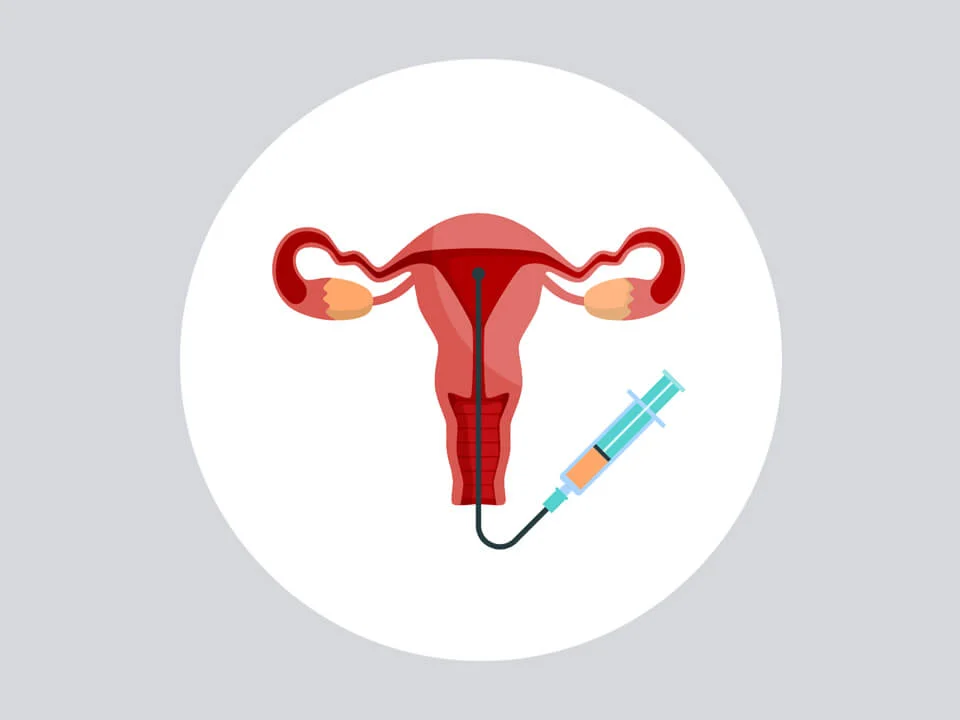
    Illustration of a uterus with a syringe indicating an intrauterine insemination procedure.

    Fertility Counseling vs Support Groups: Which is Right for You?

    On the other hand, support groups provide a safe and supportive space for individuals and couples to connect with others who are going through similar experiences. These groups are often led by a mental health professional and offer a sense of community, shared understanding, and validation. Support groups can also provide practical advice and resources, as well as a sense of hope and encouragement.

    So which option is right for you? It ultimately depends on your individual needs and preferences. Fertility counseling may be more beneficial if you are struggling with specific emotional or psychological challenges related to fertility, such as anxiety or depression. Additionally, counseling can provide a personalized approach to addressing your unique concerns and goals.

    On the other hand, if you are seeking a sense of community and support from others who understand your struggles, a fertility support group may be a better fit. Being part of a group can also help you feel less isolated and alone in your journey. You may also benefit from hearing others’ perspectives and experiences, as well as gaining practical tips and resources.

    Ultimately, both fertility counseling and support groups can offer valuable support and guidance during the difficult experience of trying to conceive. It is important to consider your individual needs and preferences and explore both options to determine which may be the best fit for you. Remember, seeking help and support is a sign of strength and can greatly benefit your mental and emotional well-being during this challenging time.

  • The Importance of Self-Care During Home Insemination and IVF for Same-Sex Couples

    Blog Post:

    For same-sex couples, the journey to starting a family can be an exciting and emotional one. With advancements in technology and medical procedures, many same-sex couples are now able to conceive through home insemination or In Vitro Fertilization (IVF). However, while these methods can offer hope and a chance at parenthood, they can also be physically and emotionally taxing. That’s why self-care is crucial for same-sex couples during home insemination and IVF.

    Self-care is defined as any intentional action taken to improve one’s physical, mental, and emotional well-being. It involves prioritizing self-nurturing habits and activities that promote a healthy and balanced lifestyle. For same-sex couples going through the process of home insemination or IVF, self-care is not just a luxury but a necessity.

    Here are some reasons why self-care is essential for same-sex couples during home insemination and IVF:

    1. Managing Stress and Anxiety: Trying to conceive through home insemination or IVF can be a stressful and anxiety-inducing experience. There are many unknowns, and the process can be overwhelming, both physically and emotionally. Self-care practices such as deep breathing, meditation, and yoga can help alleviate stress and anxiety. They can also provide a sense of calm and help couples stay grounded during this journey.

    2. Improving Physical Health: Home insemination and IVF require the body to undergo many changes and procedures. These can include hormone injections, egg retrieval, and embryo transfer. These processes can take a toll on the body, and it’s essential to prioritize physical health during this time. Engaging in regular exercise, eating a balanced diet, and getting enough rest can help the body cope with the demands of home insemination and IVF.

    3. Enhancing Mental Health: Along with the physical changes, home insemination and IVF can also take a toll on one’s mental health. The constant monitoring, waiting, and uncertainty can lead to feelings of sadness, frustration, and even depression. Practicing self-care techniques such as journaling, talking to a therapist, or joining a support group can help couples process their emotions and cope with any mental health challenges.

    4. Strengthening the Relationship: Going through home insemination or IVF can put a strain on a couple’s relationship. It’s essential to communicate openly and support each other during this time. Engaging in self-care activities together, such as taking walks, cooking a healthy meal, or having a movie night, can help strengthen the bond between partners and create a sense of normalcy amidst the chaos.

    5. Coping with Potential Setbacks: Unfortunately, home insemination and IVF do not always result in a successful pregnancy. Dealing with failed attempts or miscarriages can be devastating for same-sex couples. Engaging in self-care activities can help couples cope with these setbacks and provide a sense of comfort and healing during a difficult time.

    In addition to these reasons, self-care is also crucial in helping same-sex couples maintain a positive mindset during their journey towards parenthood. It allows them to focus on their well-being, which can ultimately have a positive impact on their overall fertility and chances of success.

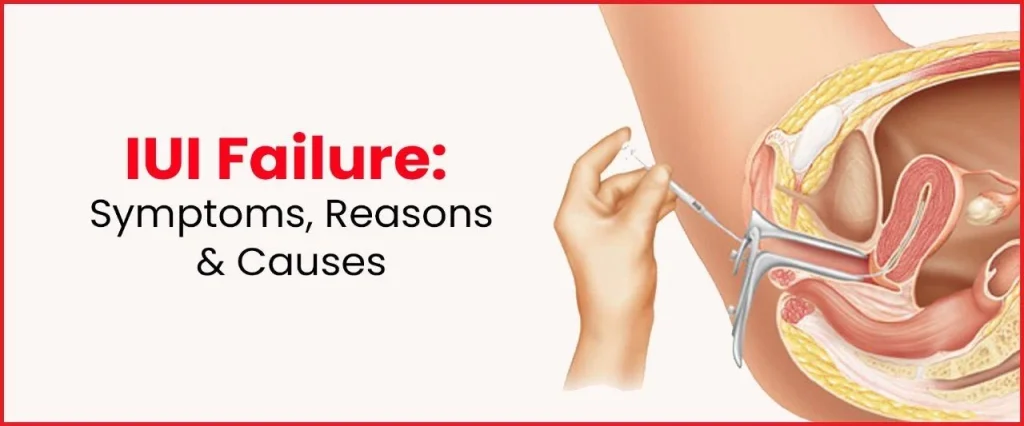
    illustration of IUI procedure with text on symptoms, reasons, and causes of IUI failure

    The Importance of Self-Care During Home Insemination and IVF for Same-Sex Couples

    Here are some self-care practices that same-sex couples can incorporate into their routine during home insemination and IVF:

    1. Prioritize Rest and Sleep: It’s essential to get enough rest and sleep during home insemination and IVF. Rest is crucial for the body to heal and recharge, and getting enough sleep can promote hormone balance and overall well-being.

    2. Practice Mindful Eating: Eating a healthy and balanced diet can help support the body during the home insemination and IVF process. Mindful eating involves paying attention to the body’s hunger and fullness cues and choosing nutritious and nourishing foods.

    3. Engage in Relaxation Techniques: Deep breathing, meditation, and yoga can help reduce stress and promote relaxation. These techniques can also help couples stay present and centered during the home insemination and IVF process.

    4. Communicate Openly: It’s essential for same-sex couples to communicate openly and support each other throughout their journey. This can include sharing their fears, hopes, and concerns and offering each other emotional support.

    5. Take Breaks: It’s okay to take breaks from thinking and talking about home insemination and IVF. Engage in activities that bring joy and provide a sense of normalcy, such as spending time with friends and family, reading a book, or watching a movie.

    In conclusion, self-care is crucial for same-sex couples during home insemination and IVF. It helps manage stress and anxiety, promotes physical and mental health, strengthens relationships, and aids in coping with potential setbacks. By prioritizing self-care, same-sex couples can support each other and maintain a positive mindset during their journey towards parenthood.

    Summary:

    For same-sex couples going through the process of home insemination or IVF, self-care is not just a luxury but a necessity. It helps manage stress and anxiety, promotes physical and mental health, strengthens relationships, and aids in coping with potential setbacks. By prioritizing self-care, same-sex couples can support each other and maintain a positive mindset during their journey towards parenthood.

    SEO metadata:

  • The Emotional Rollercoaster of Fertility Treatment: Coping Strategies

    Title: The Emotional Rollercoaster of Fertility Treatment: Coping Strategies

    Fertility treatment is often a long and difficult journey for couples who are struggling to conceive. It can bring a rollercoaster of emotions, from hope and excitement to disappointment and sadness. The physical and emotional toll of fertility treatment can be overwhelming, leaving couples feeling drained and exhausted. In this blog post, we will explore the emotional rollercoaster of fertility treatment and provide some coping strategies to help couples navigate this challenging journey.

    The Emotional Impact of Fertility Treatment:

    The journey of fertility treatment is often filled with a mix of emotions. For couples who have been trying to conceive for a long time, the news of infertility can be devastating. It can bring feelings of failure, inadequacy, and even guilt. The thought of not being able to have a child of their own can be heartbreaking for many couples.

    As couples begin fertility treatment, there is a sense of hope and excitement. They believe that this is the solution to their fertility struggles and that they will soon have a baby of their own. However, as the treatment progresses, there can also be feelings of anxiety and fear. The fear of failure, the fear of the unknown, and the fear of the financial burden can all add to the emotional rollercoaster.

    The constant ups and downs of emotions can take a toll on the mental health of couples. Many may experience depression, anxiety, and even anger throughout the process. It is important for couples to acknowledge and address these emotions in a healthy way to avoid feeling overwhelmed and burnt out.

    Coping Strategies for the Emotional Rollercoaster:

    1. Seek Support: Going through fertility treatment can feel isolating, but it is important to remember that you are not alone. Reach out to friends and family for support, or join a support group for couples going through similar experiences. Talking to others who understand what you are going through can provide a sense of comfort and validation.

    Illustration of a uterus with a syringe indicating an intrauterine insemination procedure.

    The Emotional Rollercoaster of Fertility Treatment: Coping Strategies

    2. Communicate with your Partner: It is crucial to maintain open and honest communication with your partner throughout the fertility treatment process. Share your feelings, fears, and hopes with each other. This will not only help strengthen your relationship but also provide a sense of understanding and support.

    3. Take Care of Yourself: It is easy to neglect self-care while going through fertility treatment, but it is crucial to prioritize your physical and emotional well-being. Make time for activities that bring you joy and relaxation, such as exercise, meditation, or spending time with loved ones. Taking care of yourself will help you cope with the emotional toll of fertility treatment.

    4. Educate Yourself: Knowledge is power, and educating yourself about the different stages of fertility treatment can help you feel more prepared and in control. Attend support groups, read books, or talk to your doctor to learn more about the process and what to expect. This can help alleviate some of the fear and anxiety you may be feeling.

    5. Practice Mindfulness: Mindfulness techniques, such as deep breathing or meditation, can help you stay present and calm during the emotional rollercoaster of fertility treatment. These practices can also help reduce stress and anxiety, allowing you to cope better with the ups and downs of the journey.

    6. Seek Professional Help: If you are struggling to cope with the emotional toll of fertility treatment, do not hesitate to seek professional help. A therapist or counselor can provide you with the support and guidance you need to navigate this challenging journey.

    Final Thoughts:

    Fertility treatment is a difficult and emotional journey, but it is important to remember that it is worth it in the end. While there will be ups and downs, it is crucial to find healthy ways to cope with the emotional rollercoaster. With the right support and coping strategies, couples can navigate through this challenging time and come out stronger on the other side.

    In summary, fertility treatment can bring a rollercoaster of emotions, from hope and excitement to disappointment and sadness. The constant ups and downs can take a toll on the mental health of couples, but there are coping strategies that can help. Seeking support, communicating with your partner, taking care of yourself, educating yourself, practicing mindfulness, and seeking professional help are all ways to cope with the emotional toll of fertility treatment. By acknowledging and addressing these emotions, couples can navigate through this journey and come out stronger on the other side.

  • Fertility and Mental Health: The Connection and How to Improve Both

    Blog Post:

    Fertility and mental health are two crucial aspects of overall well-being, yet they are often overlooked and not given the attention they deserve. In recent years, there has been increasing awareness about the connection between fertility and mental health, highlighting the importance of addressing both issues together. This blog post will explore the link between fertility and mental health, the impact of mental health on fertility, and how to improve and support both for better overall health and happiness.

    The Connection Between Fertility and Mental Health

    Fertility and mental health are intertwined in a complex relationship. Research has shown that individuals struggling with fertility issues are more likely to experience mental health problems such as anxiety, depression, and stress. On the other hand, individuals with pre-existing mental health conditions may also face challenges with fertility.

    One possible explanation for this connection is the impact of stress on reproductive hormones. When a person experiences chronic stress, their body produces high levels of the stress hormone cortisol, which can disrupt the balance of reproductive hormones and affect fertility. Additionally, stress can also lead to unhealthy coping mechanisms such as smoking, alcohol consumption, and poor diet, all of which can impact fertility.

    Moreover, the emotional toll of fertility struggles can also take a toll on mental health. The constant disappointment, uncertainty, and financial burden can lead to feelings of hopelessness, guilt, and low self-esteem. This can lead to a vicious cycle of negative thoughts and emotions, further impacting fertility.

    The Impact of Mental Health on Fertility

    As mentioned earlier, mental health can have a significant impact on fertility. Studies have shown that women with depression and anxiety are more likely to have irregular menstrual cycles and longer time to conceive. Similarly, men with mental health issues may experience lower sperm quality and quantity.

    Additionally, certain mental health conditions can also affect fertility treatments. For example, individuals with eating disorders may have irregular or absent menstrual cycles, making it difficult to track ovulation and time fertility treatments. Similarly, individuals with substance abuse disorders may have difficulty following through with fertility treatments and may have lower success rates.

    Illustration of a uterus with a syringe, representing intrauterine insemination (IUI) procedure.

    Fertility and Mental Health: The Connection and How to Improve Both

    Improving Mental Health for Better Fertility

    The first step in improving fertility and mental health is seeking help and support. It is essential to recognize the signs and symptoms of mental health issues and seek professional help when needed. A therapist can help individuals cope with the emotional toll of fertility struggles and develop healthy coping mechanisms. Additionally, couples struggling with fertility can also benefit from couples therapy to improve communication and support each other through the process.

    In addition to seeking professional help, there are also several self-care practices that can improve mental health and, in turn, fertility. These include regular exercise, a healthy diet, and stress management techniques such as meditation, yoga, or journaling. It is also crucial to maintain a strong support system of friends and family who can provide emotional support and understanding.

    Supporting Fertility for Better Mental Health

    On the other hand, supporting fertility can also have a positive impact on mental health. The journey of trying to conceive can be emotionally and physically draining, so it is crucial to prioritize self-care and take breaks when needed. Taking time to rest and recharge can help reduce stress and improve overall well-being.

    Additionally, it is crucial to have open and honest communication with your partner throughout the fertility process. This can help alleviate feelings of isolation and strengthen the relationship. Seeking support from others who have gone through similar experiences, whether through support groups or online communities, can also provide comfort and understanding.

    Conclusion

    Fertility and mental health are two important aspects of overall health that are deeply connected. Struggling with fertility can take a toll on mental health, and pre-existing mental health conditions can impact fertility. Therefore, it is crucial to address both issues together and seek support when needed. By prioritizing self-care, seeking professional help, and maintaining open communication, it is possible to improve both fertility and mental health for a happier and healthier life.

    Summary:

    Fertility and mental health are closely linked, with individuals struggling with fertility issues being more likely to experience mental health problems, and those with pre-existing mental health conditions having challenges with fertility. This connection can be attributed to the impact of stress on reproductive hormones and the emotional toll of fertility struggles. Mental health can also affect fertility, with conditions such as depression and anxiety impacting the ability to conceive and complete fertility treatments. To improve both fertility and mental health, it is essential to seek support, practice self-care, and maintain open communication with partners and loved ones.

  • The Importance of Self-Care: Intrauterine Insemination vs In Vitro Fertilization

    Summary:

    Becoming a parent is a dream for many couples, but for those struggling with infertility, the journey can be emotionally and physically draining. Intrauterine insemination (IUI) and in vitro fertilization (IVF) are two common fertility treatments that offer hope to couples trying to conceive. While the focus is often on the medical procedures involved, it’s important to recognize the impact that these treatments can have on a person’s mental and emotional well-being. In this blog post, we will discuss the importance of self-care during fertility treatments, specifically comparing IUI and IVF, and how it can improve the overall experience and outcome.

    The first step in understanding the importance of self-care during fertility treatments is to acknowledge the stress and emotional toll that comes with the process. Both IUI and IVF involve multiple doctor appointments, hormone injections, and invasive procedures. This can lead to feelings of anxiety, depression, and grief. By practicing self-care techniques, individuals can manage these emotions and reduce the negative impact on their mental health.

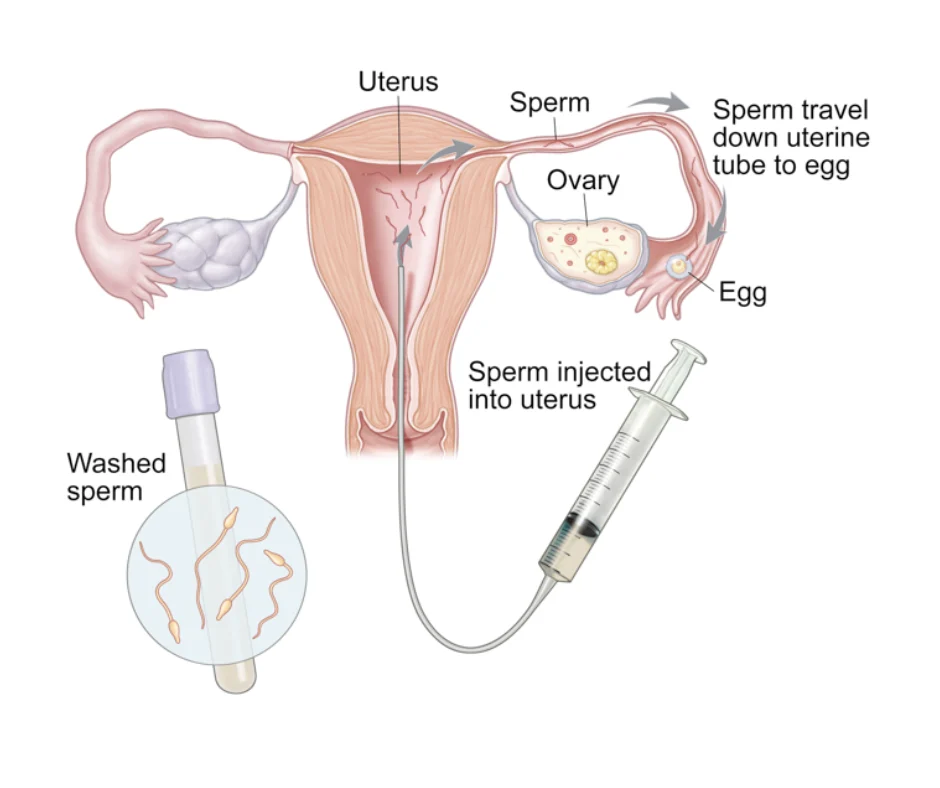
    One of the main differences between IUI and IVF is the level of involvement required from the individual. IUI is a less invasive procedure that involves placing washed and concentrated sperm directly into the uterus, while IVF involves retrieving eggs, fertilizing them in a lab, and then implanting the embryos into the uterus. As a result, IVF requires a higher level of commitment and emotional investment from the individual. This makes self-care even more crucial for those undergoing this treatment.

    Illustration of the IUI process, showing a syringe and catheter in the reproductive system.

    The Importance of Self-Care: Intrauterine Insemination vs In Vitro Fertilization

    One aspect of self-care that can greatly benefit those undergoing fertility treatments is stress management. Studies have shown that high levels of stress can negatively impact fertility and increase the chances of IVF failure. By incorporating relaxation techniques such as meditation, yoga, or mindfulness into their routine, individuals can reduce stress levels and improve their chances of success.

    Another important aspect of self-care is addressing the physical toll that fertility treatments can have on the body. Hormone injections and medications can cause side effects such as bloating, mood swings, and fatigue. By prioritizing self-care, individuals can take care of their physical well-being by getting enough rest, eating a healthy diet, and engaging in gentle exercises like walking or swimming.

    In addition to managing stress and taking care of the physical body, self-care also includes addressing the emotional impact of fertility treatments. Many individuals may experience feelings of isolation and shame, as well as a strain on their relationships. It’s important to seek support from friends, family, or a therapist, and to communicate openly with your partner throughout the process. Additionally, engaging in activities that bring joy and relaxation, such as hobbies or spending time in nature, can help improve mood and mental well-being.

    While both IUI and IVF have their own challenges, it’s important to note that there is no one-size-fits-all approach to self-care during fertility treatments. What works for one person may not work for another, and it’s essential to find what feels right for you. Some individuals may find comfort in talking to others who have gone through similar experiences, while others may prefer to focus on self-care activities that they enjoy. The key is to prioritize self-care and make it a part of your daily routine.

    In conclusion, self-care is crucial for anyone undergoing fertility treatments, regardless of the method chosen. By managing stress, taking care of the physical body, and addressing the emotional impact, individuals can improve their overall experience and increase the chances of a successful outcome. It’s important to remember that while fertility treatments can be emotionally and physically demanding, practicing self-care can help individuals navigate the journey with more ease and well-being.

  • The Role of Counseling in Traditional and Gestational Surrogacy

    Surrogacy has become an increasingly popular option for couples and individuals struggling with infertility or other medical conditions that prevent them from conceiving a child. It involves a woman carrying a pregnancy for someone else, either genetically related or not, and then giving birth to the child for the intended parents. There are two types of surrogacy: traditional and gestational. In traditional surrogacy, the surrogate mother’s egg is fertilized with the intended father’s sperm through artificial insemination, making her the biological mother of the child. In gestational surrogacy, the surrogate carries a pregnancy using either the intended parents’ genetic material or donated genetic material, making her the gestational carrier but not the biological mother of the child.

    While surrogacy can bring joy and fulfillment to many families, it is a complex process that involves legal, medical, and emotional considerations. One crucial aspect of surrogacy that often goes overlooked is the role of counseling. In this blog post, we will explore the role of counseling in both traditional and gestational surrogacy and discuss its importance for all parties involved.

    Counseling in Traditional Surrogacy

    Traditional surrogacy can be a challenging process both emotionally and legally. The surrogate mother has a biological connection to the child, and this can lead to complex emotions and relationships within the arrangement. Counseling can play a crucial role in helping the surrogate mother navigate the emotional journey of carrying a child for someone else.

    One of the key roles of counseling in traditional surrogacy is to provide emotional support to the surrogate mother. The process of carrying a child for nine months and then giving it up can be emotionally taxing. The surrogate mother may experience feelings of attachment to the child, even though she knows it is not hers biologically. Counseling can help her process these emotions and provide a safe space to express her feelings.

    Counseling can also help the surrogate mother set boundaries and manage expectations within the surrogacy arrangement. It is essential to establish clear communication and boundaries between the surrogate and intended parents to avoid any misunderstandings or conflicts. Counseling can help the surrogate mother communicate her needs and expectations and ensure that they are met throughout the process.

    Another crucial aspect of counseling in traditional surrogacy is addressing any potential legal issues. Surrogacy laws vary from state to state, and it is essential to understand the legal implications of the arrangement. Counseling can help the surrogate mother understand her rights and responsibilities and ensure that she is protected legally.

    Counseling in Gestational Surrogacy

    Gestational surrogacy, while less emotionally complicated than traditional surrogacy, still requires counseling for all parties involved. In gestational surrogacy, the surrogate mother is not biologically related to the child, but she still carries the pregnancy and gives birth. This can bring about its unique set of emotions and challenges.

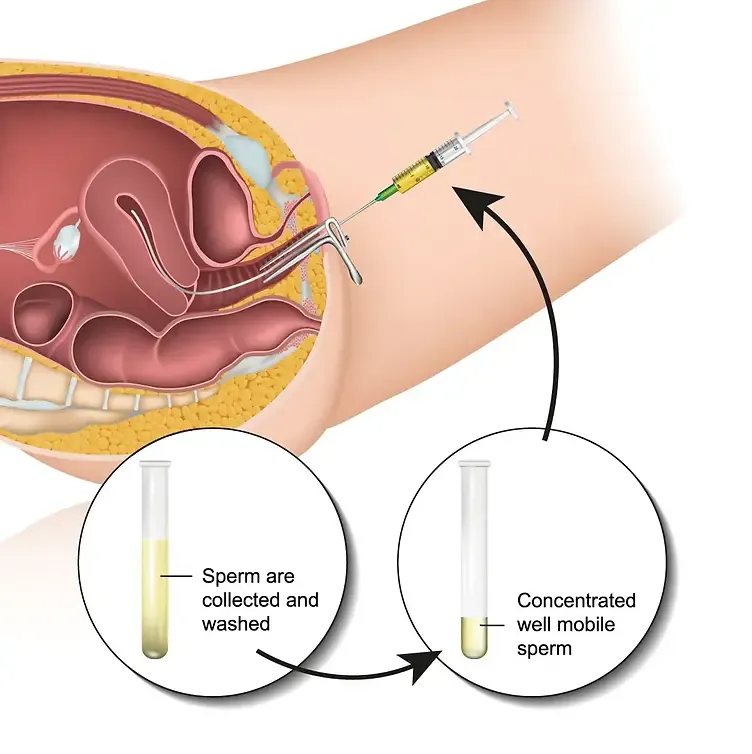
    Illustration of intrauterine insemination process, showing sperm collection and injection into the uterus.

    The Role of Counseling in Traditional and Gestational Surrogacy

    For the intended parents, counseling can provide emotional support and help them navigate the process of building their family through surrogacy. It can also help them understand and manage their expectations of the surrogate mother and the pregnancy.

    Counseling for the surrogate mother in gestational surrogacy can help her process any emotions that may arise during the pregnancy. While she may not have a biological connection to the child, she is still carrying it and may experience feelings of attachment or identity confusion. Counseling can provide a safe space for her to explore and address these emotions.

    Counseling can also play a crucial role in managing the relationship between the surrogate mother and the intended parents. The surrogate may have a close relationship with the intended parents, or they may prefer to have a more professional arrangement. Counseling can help establish healthy boundaries and facilitate communication between the parties involved.

    Importance of Counseling in Surrogacy

    Counseling is a vital aspect of surrogacy, regardless of the type. It provides emotional support and helps all parties involved navigate the complexities of the arrangement. It can also help address any potential legal issues and ensure that everyone’s needs and expectations are met.

    Furthermore, surrogacy can be a long and challenging journey, and counseling can help mitigate any potential risks or challenges that may arise. It can also provide a safe space for all parties to express their feelings and concerns without judgment.

    In addition to emotional support, counseling can also provide education and resources for all parties involved in the surrogacy process. It can help them understand the legal and ethical implications of surrogacy and ensure that the arrangement is carried out in a responsible and ethical manner.

    Conclusion

    Surrogacy can be a beautiful and fulfilling experience for all involved, but it also comes with its unique set of challenges. Counseling plays a crucial role in providing emotional support, managing expectations and boundaries, and addressing any legal issues that may arise. It is an essential component of the surrogacy process and should not be overlooked.

    In summary, counseling is essential in both traditional and gestational surrogacy to provide emotional support, manage expectations and boundaries, and address any legal issues. It plays a vital role in ensuring a healthy and successful surrogacy journey for all parties involved.

  • The Role of Patience in Fertility Testing: How to Stay Positive During the Process

    The Role of Patience in Fertility Testing: How to Stay Positive During the Process

    Fertility testing can be a stressful and emotionally-charged journey for couples who are trying to conceive. It involves a series of medical procedures and tests that can take a toll on both physical and mental well-being. While the process can be overwhelming, it is important to remember that patience plays a crucial role in fertility testing. In this blog post, we will discuss the importance of patience in fertility testing and provide tips on how to stay positive during the process.

    Patience is Key in Fertility Testing

    The first step in fertility testing is to understand that it is a process, and it takes time. Many couples expect to get pregnant right away, but the reality is that it can take months or even years of trying. According to the American Pregnancy Association, about 85% of couples will conceive within the first year of trying, but for the remaining 15%, it may take longer. It is essential to have patience during this time and not get discouraged if the results are not immediate.

    Patience is also crucial when it comes to the actual testing procedures. Fertility testing can involve multiple appointments, blood tests, ultrasounds, and other procedures. It can be physically and emotionally draining, but it is essential to remain patient and trust in the process. It takes time for doctors to gather all the necessary information and make an accurate diagnosis, so it is important to be patient and let the process unfold.

    Staying Positive During Fertility Testing

    diagram illustrating intrauterine insemination process, showing sperm injection into the uterus and egg fertilization pathway

    The Role of Patience in Fertility Testing: How to Stay Positive During the Process

    It is natural to feel anxious and stressed during fertility testing, but it is crucial to stay positive and keep a healthy mindset. Here are some tips to help you stay positive during the process:

    1. Take Care of Your Mental Health
    Fertility testing can be emotionally taxing, and it is essential to prioritize your mental health. It is okay to feel overwhelmed, sad, or frustrated, but it is important to acknowledge these emotions and find ways to cope with them. You can talk to a therapist, join a support group, or practice relaxation techniques like meditation or yoga. Taking care of your mental health can help you stay positive and resilient during fertility testing.

    2. Communicate with Your Partner
    Couples going through fertility testing may experience strain in their relationship due to the stress and pressure of the process. It is crucial to communicate openly with your partner and share your feelings and concerns. This can help strengthen your relationship and provide much-needed support during this challenging time.

    3. Stay Informed But Avoid Dr. Google
    It is essential to educate yourself about the fertility testing process and understand what to expect. However, it is important to avoid relying too much on information from the internet, as it can often be unreliable and cause unnecessary stress. Instead, trust your doctor and ask them any questions or concerns you may have.

    4. Practice Self-Care
    Fertility testing can be physically and emotionally demanding, so it is important to take care of yourself. Make time for activities that bring you joy and relaxation, such as reading, taking a walk, or spending time with loved ones. Taking care of yourself can help you stay positive and cope with the stress of fertility testing.

    5. Lean on Your Support System
    Do not be afraid to lean on your support system during fertility testing. Whether it is your partner, family, or friends, having a strong support system can make a significant difference in your mental and emotional well-being. They can provide a listening ear, offer words of encouragement, and help you stay positive during the process.

    In conclusion, patience is an essential ingredient in the fertility testing process. It takes time to understand and diagnose fertility issues, and it is important to trust in the process and remain patient. Additionally, staying positive and taking care of your mental and emotional well-being can help you cope with the stress and uncertainty of fertility testing. Remember, you are not alone, and there is always hope for a positive outcome.