Tag: donor insemination

  • Breaking the Stigma: Donor Insemination vs Partner Insemination

    Breaking the Stigma: Donor Insemination vs Partner Insemination

    In today’s society, the idea of starting a family through alternative methods such as donor insemination or partner insemination can still carry a certain stigma. Many people still hold onto traditional beliefs that conception should only happen through natural means, and anything else is seen as abnormal or unnatural. However, with advancements in technology and changing societal norms, these methods have become more common and accepted. In this blog post, we will take a closer look at donor insemination and partner insemination, breaking down the stigma surrounding these methods and highlighting their similarities and differences.

    What is Donor Insemination?

    Donor insemination, also known as artificial insemination by donor (AID), is a method of conception where sperm from a donor is used to fertilize a woman’s egg. This can be done in a clinical setting or at home through self-insemination. The donor can either be anonymous or known to the recipient, and the sperm is typically screened for any genetic or infectious diseases. Donor insemination is often used by single women, same-sex female couples, or heterosexual couples where the male partner is infertile or has a genetic disorder.

    Breaking the Stigma: Myths and Misconceptions

    One of the biggest myths surrounding donor insemination is the idea that it is only used by desperate or infertile women. This is simply not true as many women, regardless of their fertility status, may choose this method for various reasons. Some may prefer to have a child without a male partner, while others may have a history of genetic disorders and want to avoid passing them onto their child. Additionally, some women may have a male partner but prefer to use donor insemination due to the male partner’s infertility or other personal reasons.

    Another misconception is that children born through donor insemination will not have a connection to their biological father. While it is true that the donor is not involved in the child’s life, many donors choose to participate in open donation, where they are open to future contact with the child when they reach a certain age. This allows the child to have access to information about their biological father if they choose to seek it out.

    What is Partner Insemination?

    Partner insemination, also known as artificial insemination by partner (AIP), is a method of conception where sperm from a woman’s partner is used to fertilize her egg. This can also be done in a clinical setting or at home, and the sperm is typically not screened as it comes from the recipient’s partner. Partner insemination is often used by same-sex male couples, single men, or heterosexual couples where the male partner has a low sperm count or other fertility issues.
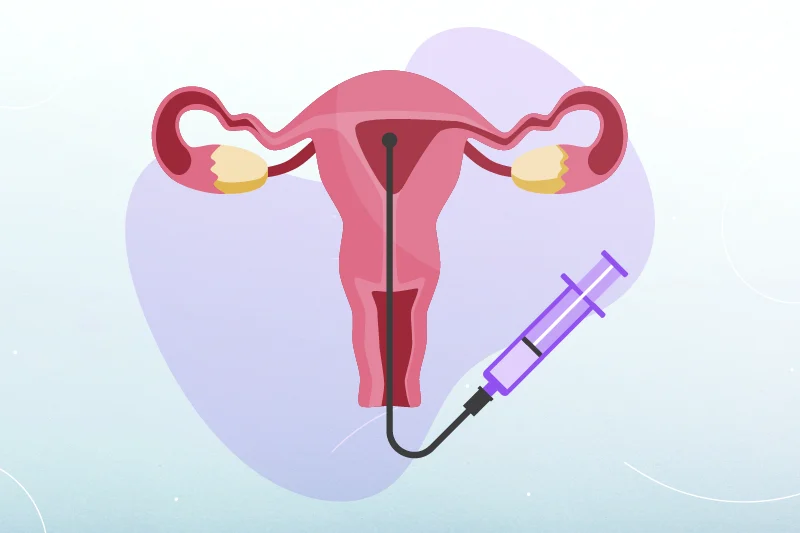
    Illustration of the uterus with a syringe, depicting the intrauterine insemination procedure.

    Breaking the Stigma: Donor Insemination vs Partner Insemination

    Breaking the Stigma: Myths and Misconceptions

    One of the main myths surrounding partner insemination is that it is only used by same-sex male couples or single men. This is not true as heterosexual couples may also choose this method if the male partner has fertility issues. Additionally, partner insemination is not just limited to couples in committed relationships, as some single individuals may choose this method as well.

    Another misconception is that children born through partner insemination will not have a connection to their biological mother. This is not true as the egg used in the insemination process comes from the recipient, and therefore, the child will have a genetic connection to their biological mother.

    Similarities and Differences

    While donor insemination and partner insemination may have some differences, they also have many similarities. Both methods allow individuals and couples to start a family without traditional heterosexual intercourse, and both involve using assisted reproductive technology (ART). Additionally, both methods provide a way for individuals and couples to have a genetic connection to their child, which may be important to them.

    One of the main differences between these two methods is the source of the sperm used for fertilization. In donor insemination, the sperm comes from a donor, while in partner insemination, the sperm comes from the recipient’s partner. This can also affect the legal implications of the process, as different laws may apply to donor-conceived children versus children conceived through partner insemination.

    Breaking the Stigma: Why It’s Important

    Breaking the stigma surrounding donor insemination and partner insemination is crucial for individuals and couples who choose these methods to start a family. The stigma can create unnecessary shame and judgment, making it difficult for those who have gone through the process to openly talk about their experiences. It also perpetuates harmful myths and misconceptions, leading to misunderstandings and discrimination against those who choose these methods.

    By breaking the stigma, we can create a more inclusive and accepting society where individuals and couples are free to make decisions about their family-building without fear of judgment or discrimination. We can also educate others about the realities of donor insemination and partner insemination, dispelling myths and misconceptions, and promoting awareness and understanding.

    In conclusion, donor insemination and partner insemination are two methods of conception that have been stigmatized in society. However, by breaking down the myths and misconceptions surrounding these methods, we can promote acceptance and understanding. Both methods provide individuals and couples with the opportunity to start a family and have a genetic connection to their child, and it’s time to break the stigma and celebrate these alternative paths to parenthood.
  • Donor Insemination vs Partner Insemination: Which is Right for You?

    Donor Insemination vs Partner Insemination: Which is Right for You?

    Deciding to start a family is a major decision for any couple, and for those who are unable to conceive naturally, there are several options available to help them achieve their dream of parenthood. Two popular methods for achieving pregnancy are donor insemination and partner insemination. While they may sound similar, there are some key differences between the two. In this blog post, we will explore the differences between donor insemination and partner insemination and help you determine which option may be right for you.

    What is Donor Insemination?

    Donor insemination, also known as artificial insemination, involves using donor sperm to fertilize the woman’s egg. This can be done either at a fertility clinic or at home with a donor insemination kit. The donor sperm can come from a sperm bank or from a known donor, such as a friend or family member.

    Pros of Donor Insemination:

    1. Access to diverse gene pool: One of the main advantages of donor insemination is the ability to choose from a wide range of donors. This allows for a diverse gene pool and the opportunity to select a donor with desired physical and genetic characteristics.

    2. Control over timing: Donor insemination allows for more control over the timing of insemination, as it can be done at a fertility clinic or at home with a donor insemination kit.

    3. No need for a male partner: Donor insemination is an ideal option for single women or same-sex female couples who do not have a male partner.

    4. Lower cost: Donor insemination is often less expensive than other fertility treatments, such as in vitro fertilization (IVF).

    Cons of Donor Insemination:

    1. Lack of genetic connection: For some couples, the lack of a genetic connection to one partner can be a significant drawback to donor insemination.

    2. Limited information about the donor: While sperm banks provide some information about donors, it is often limited to basic physical characteristics and medical history. This may not be enough for couples who are looking for more detailed information about the donor’s personality, interests, and background.

    3. Legal and emotional complexities: Using a known donor can lead to legal and emotional complexities, especially if the donor wants to play a role in the child’s life.

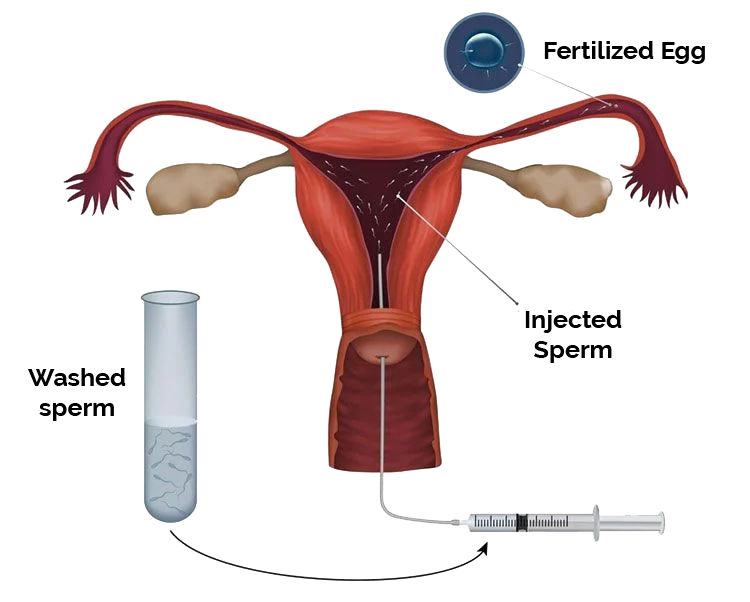
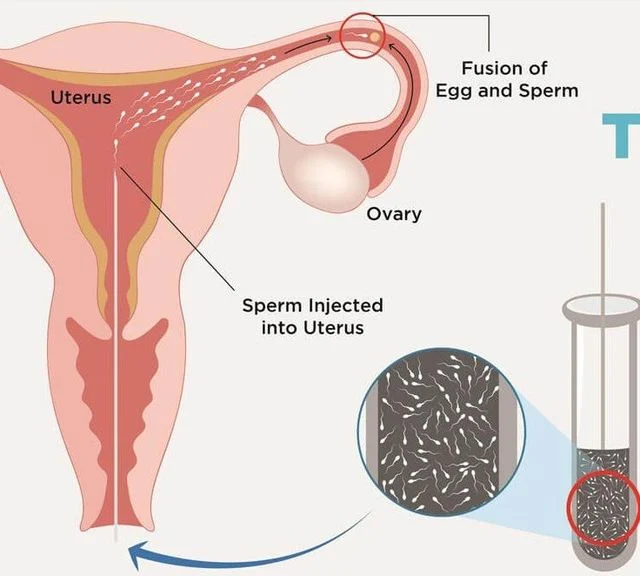
    Diagram illustrating the IUI process, showing sperm injection into the uterus and egg fertilization.

    Donor Insemination vs Partner Insemination: Which is Right for You?

    What is Partner Insemination?

    Partner insemination, also known as intrauterine insemination (IUI), involves placing sperm directly into the woman’s uterus in order to increase the chances of fertilization. This can be done using sperm from the woman’s male partner or from a donor.

    Pros of Partner Insemination:

    1. Genetic connection: Partner insemination allows for a genetic connection to both partners, which can be important for some couples.

    2. More information about the donor: When using donor sperm, couples have the opportunity to learn more about the donor, including their physical characteristics, medical history, and sometimes even their personality and interests.

    3. Legal and emotional clarity: Partner insemination eliminates the legal and emotional complexities that can arise when using a known donor.

    Cons of Partner Insemination:

    1. Need for a male partner: Partner insemination is not an option for single women or same-sex female couples who do not have a male partner.

    2. Higher cost: Partner insemination can be more expensive than donor insemination, as it involves additional medical procedures and monitoring.

    3. Less control over timing: Partner insemination relies on the woman’s natural cycle, so there is less control over the timing of insemination compared to donor insemination.

    Which is Right for You?

    Choosing between donor insemination and partner insemination ultimately depends on your individual circumstances and preferences. If you are a single woman or a same-sex female couple, donor insemination may be the best option for you. However, if you are a heterosexual couple looking to conceive using the male partner’s sperm, partner insemination may be the better choice.

    It’s important to consider the pros and cons of each method and discuss them with your partner and healthcare provider before making a decision. Both options have high success rates, so it’s important to choose the one that feels right for you.

    In summary, donor insemination and partner insemination are two different methods for achieving pregnancy using donor sperm. Donor insemination allows for a wider gene pool and more control over timing, while partner insemination offers a genetic connection to both partners and more information about the donor. Ultimately, the decision between the two methods will depend on your personal circumstances and preferences.

  • The Cost Comparison: Donor Insemination vs Partner Insemination

    The Cost Comparison: Donor Insemination vs Partner Insemination

    In today’s world, there are many different ways for individuals or couples to start a family. One of the options that has become increasingly popular is using assisted reproductive technology, such as donor insemination or partner insemination. Both of these methods involve the use of donor sperm to fertilize an egg, but there are significant differences in the process and, ultimately, the cost. In this blog post, we will dive into the cost comparison between donor insemination and partner insemination, so you can make an informed decision about which option is right for you.

    What is Donor Insemination?

    Donor insemination, also known as artificial insemination, is a process where a donor’s sperm is used to fertilize a woman’s egg. This can be done through intrauterine insemination (IUI) or in vitro fertilization (IVF). In IUI, the sperm is placed directly into the woman’s uterus, while in IVF, the sperm and egg are combined in a lab before being transferred to the uterus. Donor insemination is commonly used by single women or same-sex couples who want to have a child but do not have a male partner to provide sperm.

    The Cost of Donor Insemination

    The total cost of donor insemination can vary greatly depending on several factors, such as the method used, the fertility clinic, and any additional procedures or medications needed. On average, the cost of one cycle of IUI can range from $300-$1000, while IVF can cost anywhere from $12,000-$20,000. This does not include the cost of donor sperm, which can range from $500-$1000 per vial. It is important to note that multiple cycles may be needed for successful pregnancy, further increasing the overall cost.

    Additional factors that can impact the cost of donor insemination include fertility testing, which can cost around $1000, and any necessary medications, which can range from $200-$600 per cycle. Some insurance plans may cover a portion of these costs, but it is not guaranteed, and many plans do not cover the cost of donor sperm. Overall, the total cost of donor insemination can easily add up to tens of thousands of dollars.

    What is Partner Insemination?

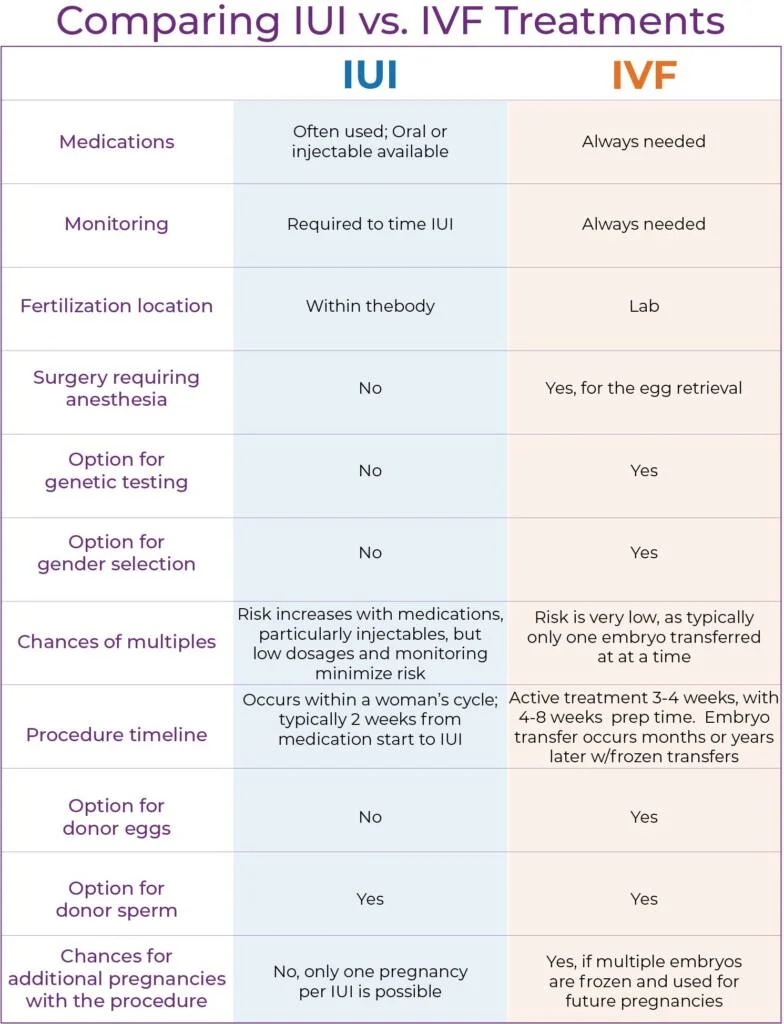
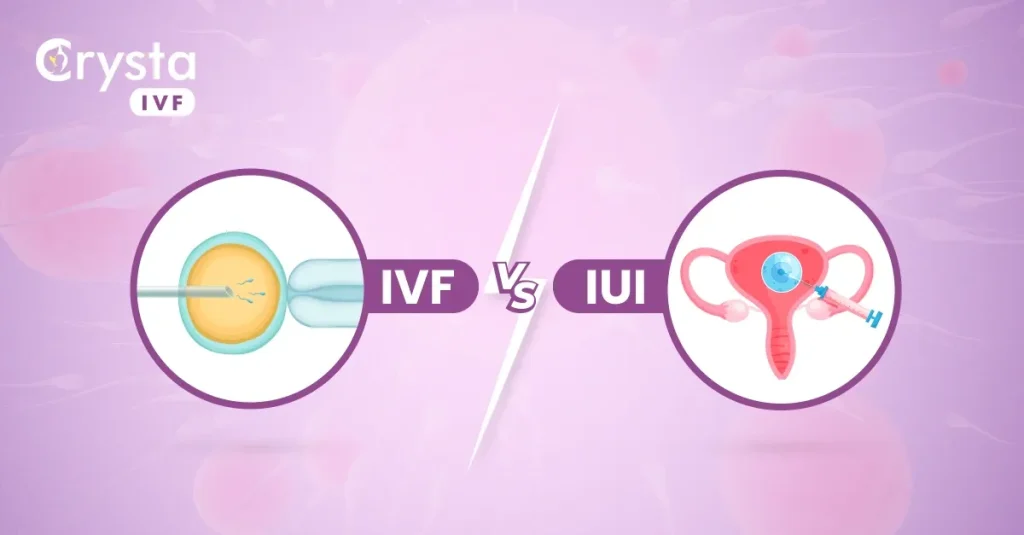
    Comparison of IVF and IUI procedures with illustrations of each method.

    The Cost Comparison: Donor Insemination vs Partner Insemination

    Partner insemination, also known as at-home insemination or self-insemination, is a process where a woman’s partner or known donor provides sperm for fertilization. This method is typically used by heterosexual couples who have been trying to conceive naturally but have not been successful. Partner insemination can be done using a syringe or a special device called a “soft cup” and is often done in the comfort of the couple’s own home.

    The Cost of Partner Insemination

    Compared to donor insemination, partner insemination is significantly less expensive. The only costs involved are the price of the syringe or soft cup and any necessary fertility testing or medications. A syringe can cost anywhere from $5-$20, while a soft cup can cost around $10. Fertility testing and medications are the same as in donor insemination and can range from $1000-$600 per cycle. Overall, the total cost of partner insemination can be as low as a few hundred dollars.

    Factors to Consider

    When choosing between donor insemination and partner insemination, there are several factors to consider besides cost. Donor insemination can offer a higher success rate, especially if IVF is used. Additionally, the use of donor sperm can offer a wider selection of genetic traits and characteristics. On the other hand, partner insemination can be a more intimate and personal experience for the couple. It also allows for the use of the partner’s or known donor’s sperm, which can be important for some couples. It is important to discuss these factors with your partner and healthcare provider to determine which option is best for you.

    In conclusion, the cost of donor insemination and partner insemination can vary greatly, with donor insemination being significantly more expensive than partner insemination. However, there are other important factors to consider when choosing between these two options. It is crucial to weigh the financial cost alongside other factors such as success rates and personal preferences to make the best decision for your individual situation.

    Summary:

    Donor insemination and partner insemination are two options used to assist individuals or couples in starting a family. Donor insemination involves using donor sperm to fertilize an egg, while partner insemination uses the partner’s or known donor’s sperm. The total cost of donor insemination can range from several thousand to tens of thousands of dollars, while partner insemination is significantly less expensive. However, other factors such as success rates and personal preferences should also be considered when choosing between these options.

  • A Closer Look at Donor Insemination and Partner Insemination Procedures

    Blog Post Title: A Closer Look at Donor Insemination and Partner Insemination Procedures

    Donor insemination and partner insemination are two commonly used fertility treatments for individuals or couples who are struggling to conceive. These procedures involve the use of donor sperm to help achieve pregnancy. While they may seem similar, there are some key differences between the two that are important to understand. In this blog post, we will take a closer look at donor insemination and partner insemination procedures, their process, success rates, and other important factors to consider.

    Donor Insemination Procedure

    Donor insemination, also known as artificial insemination, is a fertility treatment where donated sperm is used to fertilize a woman’s egg. The process involves collecting sperm from a donor, either through a sperm bank or a known donor, and inserting it into the woman’s uterus or cervix during ovulation. The goal is for the sperm to travel to the fallopian tubes and fertilize the egg, resulting in pregnancy.

    The process of donor insemination starts with choosing a donor. Sperm donors can be anonymous or known, and they must undergo strict medical and genetic testing to ensure the safety and quality of their sperm. Once a donor is selected, the sperm is either shipped to a fertility clinic or brought in by the donor. The sperm is then washed and prepared for insemination.

    The insemination itself is a relatively simple and painless procedure. It can be done at a fertility clinic, doctor’s office, or even at home with the help of a fertility kit. The sperm is inserted into the woman’s reproductive tract using a thin catheter, which can be done through the vagina or directly into the uterus. The entire process takes only a few minutes, and the woman can resume her normal activities immediately.

    Partner Insemination Procedure

    Partner insemination, also known as intrauterine insemination (IUI), is a fertility treatment where sperm from a male partner is inserted directly into the woman’s uterus. This procedure is typically used for couples who are struggling with male factor infertility, such as low sperm count or motility. It can also be used for women with cervical issues or same-sex female couples.

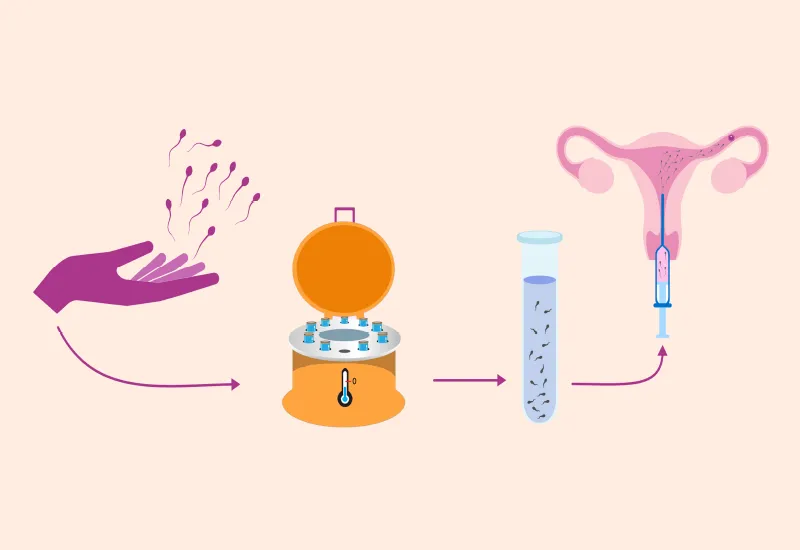
    illustration of the IUI process, showing sperm collection, preparation, and insertion into the uterus

    A Closer Look at Donor Insemination and Partner Insemination Procedures

    The process of partner insemination is similar to donor insemination, but instead of using donated sperm, the sperm is from the male partner. The sperm is collected through ejaculation and then washed and prepared for insemination. The insemination process is the same as donor insemination, where the sperm is inserted directly into the woman’s uterus.

    Success Rates

    The success rates of both donor insemination and partner insemination vary depending on several factors, such as the age of the woman, the quality of the sperm, and the underlying cause of infertility. Generally, the success rates for donor insemination are slightly higher than partner insemination. According to the American Pregnancy Association, the success rate for donor insemination ranges from 10-20% per cycle, while the success rate for partner insemination ranges from 5-10% per cycle.

    It is also important to note that both procedures may require multiple cycles before achieving a successful pregnancy. However, with advancements in technology and techniques, the success rates of both procedures have significantly improved in recent years.

    Other Considerations

    There are a few other important factors to consider when deciding between donor insemination and partner insemination. One major difference between the two is the level of involvement of the male partner. In donor insemination, the sperm is from an unknown donor, and the male partner is not genetically related to the child. In partner insemination, the sperm is from the male partner, making him the biological father.

    Another consideration is the cost. Donor insemination can be more expensive than partner insemination, as it involves the use of donated sperm. However, partner insemination may require additional fertility treatments, such as ovulation induction, which can increase the overall cost.

    Summary:

    Donor insemination and partner insemination are two fertility treatments that involve the use of donor sperm to help achieve pregnancy. Donor insemination is the process of using donated sperm to fertilize a woman’s egg, while partner insemination is the process of using the sperm from a male partner. Both procedures have similar processes, but partner insemination may have lower success rates and require more involvement from the male partner. It is important to consider factors such as success rates, cost, and level of involvement when deciding between the two.

  • Donor Insemination vs Partner Insemination: Legal and Ethical Considerations

    Donor Insemination vs Partner Insemination: Legal and Ethical Considerations

    Donor insemination and partner insemination are two commonly used methods for individuals and couples to conceive a child. While both methods involve the use of a sperm donor, there are key differences in the legal and ethical considerations surrounding each option. In this blog post, we will explore the similarities and differences between donor insemination and partner insemination, as well as the legal and ethical considerations that individuals and couples should keep in mind when considering these options.

    Donor Insemination

    Donor insemination, also known as artificial insemination by donor (AID), is a process where a sperm donor’s semen is inserted into a woman’s reproductive system in order to achieve pregnancy. This method is often used by single women, same-sex female couples, and heterosexual couples where the male partner is unable to produce viable sperm.

    One of the main legal considerations of donor insemination is the need for a legal agreement between the donor and the recipient(s). This agreement outlines the rights and responsibilities of the donor, as well as any financial agreements or expectations. It is important for both parties to have a clear understanding of their legal rights and obligations in order to avoid any potential disputes in the future.

    Another important legal consideration is the use of a licensed sperm bank or fertility clinic for the procurement and screening of the sperm donor. This ensures that the donor has undergone proper health screenings and genetic testing, and that all legal agreements are in place. Using an unlicensed donor or obtaining sperm outside of a licensed facility can lead to legal issues and potential health risks for the recipient and child.

    Ethically, donor insemination raises questions about the identity of the donor and the potential impact on the child. Donors may have varying levels of involvement in the child’s life, and some may choose to remain anonymous. This can lead to ethical concerns about the child’s right to know their biological background and medical history. In addition, there may be ethical considerations surrounding the compensation or payment of the donor, as it can be seen as “selling” genetic material.

    Partner Insemination

    A person administering an injection into their abdomen with a yellow pen-like device.

    Donor Insemination vs Partner Insemination: Legal and Ethical Considerations

    Partner insemination, also known as artificial insemination by partner (AIP), is a process where a sperm donor’s semen is inserted into the reproductive system of a woman’s female partner in order to achieve pregnancy. This method is commonly used by same-sex male couples and heterosexual couples who are unable to conceive through traditional methods.

    One of the main legal considerations of partner insemination is the need for a legal agreement between the partners. This agreement outlines the rights and responsibilities of each partner in regards to the child, as well as any financial agreements or expectations. It is important for both partners to have a clear understanding of their legal rights and obligations in order to avoid any potential disputes in the future.

    Ethically, partner insemination raises similar concerns as donor insemination in regards to the child’s right to know their biological background and medical history. In some cases, the donor may be known to the couple and may have a role in the child’s life. This can lead to ethical considerations about the potential impact on the child and the dynamics of the family.

    Legal and Ethical Considerations

    There are several legal and ethical considerations that individuals and couples should keep in mind when considering donor insemination or partner insemination. Firstly, it is important to understand the laws and regulations surrounding these methods in your specific location. Laws and regulations can vary between countries and even within states or provinces.

    Secondly, it is crucial to have a clear understanding of the legal agreements and responsibilities involved in using a sperm donor. This includes the rights and obligations of the donor, as well as the recipient(s) and any potential involvement or financial arrangements.

    Another important consideration is the emotional and psychological impact on all parties involved. Donor insemination and partner insemination can have a profound impact on the child and the family dynamic. It is important to seek counseling and support to navigate through any potential challenges or questions that may arise.

    Summary

    In summary, donor insemination and partner insemination are two methods for individuals and couples to conceive a child using a sperm donor. While both methods involve similar legal and ethical considerations, there are key differences that individuals and couples should be aware of. These include the need for legal agreements, the use of licensed facilities, and the potential impact on the child and family dynamics. It is important to thoroughly research and understand the legal and ethical implications of donor insemination and partner insemination before making a decision.

  • Sharing the Experience: Donor Insemination vs Partner Insemination

    Sharing the Experience: Donor Insemination vs Partner Insemination

    When it comes to starting a family, there are many different paths that individuals and couples can take. For same-sex couples or individuals who are unable to conceive naturally, donor insemination and partner insemination are two options that are often considered. While both methods involve using donated sperm to achieve pregnancy, there are some significant differences between them. In this blog post, we will explore the experiences of those who have undergone both donor insemination and partner insemination, and discuss the pros and cons of each.

    Donor insemination, also known as artificial insemination using donor sperm (AID), involves using sperm from a donor to fertilize an individual’s or a couple’s eggs. This method is most commonly used by single women or lesbian couples who want to have a child. The process typically involves selecting a sperm donor from a sperm bank, undergoing fertility testing, and then using the donor sperm for insemination. Donor insemination can be done at home or in a fertility clinic.

    On the other hand, partner insemination, also known as artificial insemination using partner sperm (AIH), involves using sperm from the individual’s partner or a known donor to fertilize their eggs. This method is often used by same-sex male couples or heterosexual couples who are struggling with male factor infertility. Partner insemination can also be done at home or in a fertility clinic, but in some cases, couples may choose to use a known donor and perform the insemination at home.

    One of the most significant differences between donor insemination and partner insemination is the involvement of a third party. With donor insemination, the donor is usually anonymous, and there is no ongoing relationship between the donor and the individual or couple. This can provide a sense of privacy and control for those undergoing the process. However, it can also lead to questions and concerns about the medical history and genetic makeup of the donor.

    In contrast, partner insemination involves using sperm from a known donor, which can be the individual’s partner or a close friend. This can provide a sense of comfort and familiarity, as well as the opportunity for the child to have a relationship with their biological father. However, it can also bring up issues of legal and parental rights, especially if the donor is not the individual’s partner.

    Comparison chart of IUI and IVF treatments, detailing medications, monitoring, procedures, and success rates.

    Sharing the Experience: Donor Insemination vs Partner Insemination

    Another significant difference between the two methods is the level of involvement and control over the insemination process. With donor insemination, the individual or couple has little control over the sperm donor’s health and fertility, and the success of the insemination can be unpredictable. In contrast, partner insemination allows for more control and involvement in the process, as the individual or couple is familiar with the donor’s health and fertility.

    In terms of cost, partner insemination can be less expensive than donor insemination, as there is no need to pay for a sperm donor. However, this can also mean that there may be limited options for sperm donors, and the process may take longer. In contrast, donor insemination can be more expensive, as the individual or couple must pay for the donor sperm and any associated fertility testing and procedures.

    When it comes to the emotional aspect of the insemination process, both donor insemination and partner insemination can bring about a range of feelings and experiences. For those undergoing donor insemination, there may be a sense of detachment from the donor, as well as concerns about the child’s genetic makeup and potential lack of connection to the donor. In contrast, partner insemination can bring up issues of jealousy and insecurities, especially if the donor is not the individual’s partner.

    In terms of success rates, both donor insemination and partner insemination have similar rates of success. However, success rates can vary depending on factors such as the age and health of the individual or couple, the quality of the sperm, and the timing of the insemination.

    In the end, the decision to choose between donor insemination and partner insemination is a personal one that should be based on individual circumstances and preferences. Both methods have their own unique set of advantages and disadvantages, and it is essential to carefully consider all aspects before making a decision.

    In summary, while both donor insemination and partner insemination involve using donated sperm to achieve pregnancy, there are significant differences between the two methods. Donor insemination provides a sense of privacy and control, while partner insemination allows for a closer relationship with the donor and more involvement in the process. Ultimately, the decision between the two methods should be based on individual needs and preferences.

  • Factors to Consider: Donor Insemination vs Partner Insemination

    Blog Post Title: Factors to Consider: Donor Insemination vs Partner Insemination

    Introduction:
    When a couple or individual is struggling with infertility, they may consider alternative methods to conceive a child. Two options that are commonly used are donor insemination and partner insemination. These methods involve the use of donated sperm to fertilize an egg, but there are important differences between the two that should be carefully considered before making a decision. In this blog post, we will explore the factors that should be taken into account when deciding between donor insemination and partner insemination.

    The Role of a Donor:
    The most significant difference between donor insemination and partner insemination is the involvement of a sperm donor. In donor insemination, the sperm is obtained from a donor who is not the intended parent, whereas in partner insemination, the sperm is provided by the intended parent. This means that in donor insemination, the child will have a genetic connection to the donor, while in partner insemination, the child will have a genetic connection to the intended parent. This is an important factor to consider as it may impact the child’s sense of identity and family structure.

    Legal Considerations:
    Another important factor to consider is the legal implications of using a sperm donor. In donor insemination, the donor gives up all parental rights and responsibilities, and the intended parent(s) become the legal parents of the child. However, in partner insemination, the donor may have legal rights and responsibilities towards the child, depending on the laws in the particular jurisdiction. This can lead to potential complications in the future, such as custody battles or financial obligations. It is crucial to understand the legal implications of both methods before making a decision.

    Cost:
    Cost is another significant factor to consider when deciding between donor insemination and partner insemination. In general, donor insemination is more expensive than partner insemination. This is because donor sperm needs to be purchased from a sperm bank, and there may also be additional costs for fertility treatments. On the other hand, partner insemination may only involve the cost of fertility treatments, as the sperm is provided by the intended parent. It is essential to consider the financial aspect and your budget when making a decision between the two methods.

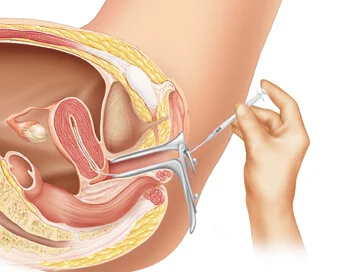
    illustration of intrauterine insemination procedure with a hand holding a speculum and syringe near the uterus

    Factors to Consider: Donor Insemination vs Partner Insemination

    Medical Considerations:
    Both donor insemination and partner insemination involve fertility treatments, which can have physical and emotional impacts. In donor insemination, the donor’s medical history and genetic background are carefully screened to ensure the safety and health of the child. On the other hand, in partner insemination, the intended parent(s)’ medical history is taken into account. It is crucial to consider any potential hereditary conditions or risks when choosing between the two methods.

    Emotional Considerations:
    The emotional aspect of using a sperm donor is another crucial factor to consider. In donor insemination, the child will not have a relationship with the donor, and the donor’s identity may be kept confidential. This can lead to questions and curiosity from the child in the future. In partner insemination, the child will have a relationship with the intended parent, but there may also be complex emotions involved, such as feelings of inadequacy or jealousy, especially if the partner is unable to conceive. It is essential to prepare for these potential emotional challenges and have open communication with your partner before making a decision.

    Support System:
    Having a strong support system is vital when going through fertility treatments. In donor insemination, the support system may include the donor, especially if they are known to the intended parent(s). In partner insemination, the support system may consist of family and friends, as well as the partner. It is essential to have a support system in place to provide emotional and practical support throughout the process.

    Summary:
    When deciding between donor insemination and partner insemination, there are several critical factors to consider. These include the role of the donor, legal implications, cost, medical considerations, emotional considerations, and support system. Each of these factors can have a significant impact on the child’s future and the overall experience of using alternative methods to conceive. It is essential to carefully evaluate each factor and have open and honest communication with your partner before making a decision.

    In conclusion, choosing between donor insemination and partner insemination is a personal and complex decision that should not be taken lightly. It is crucial to consider all the factors discussed in this blog post and consult with a medical professional and legal advisor before making a decision. Ultimately, the most important factor to consider is what is best for you and your future family.

  • The Impact of Technology: Donor Insemination vs Partner Insemination

    The Impact of Technology: Donor Insemination vs Partner Insemination

    In today’s world, technology has greatly revolutionized many aspects of our lives, including the way we approach fertility and reproduction. With the advancements in medical technology, couples and individuals now have a variety of options when it comes to starting a family. Two of the most common methods used are donor insemination and partner insemination. Both of these techniques involve the introduction of sperm into the reproductive system to facilitate pregnancy, but they differ significantly in terms of the source of the sperm. In this blog post, we will explore the impact of technology on these two methods and how it has changed the landscape of reproductive healthcare.

    Donor insemination, also known as artificial insemination by donor (AID), involves using sperm from a donor to fertilize a woman’s egg. This method has been in use for over a century, but it wasn’t until the 1970s that technology allowed for the freezing and storage of sperm, making it more widely accessible. Donor insemination is often used by heterosexual couples experiencing male factor infertility, single women who want to have a child without a partner, and same-sex female couples. The process involves the selection of a sperm donor, who can be either anonymous or known, and the insemination of the sperm into the woman’s reproductive tract, either through intrauterine insemination (IUI) or intracervical insemination (ICI).

    Partner insemination, also known as artificial insemination by partner (AIP), on the other hand, involves using the sperm of the woman’s male partner to achieve pregnancy. This method is often used by heterosexual couples who are experiencing difficulty conceiving naturally, or in cases where the male partner has a low sperm count or poor sperm quality. The process involves collecting the sperm directly from the male partner and then injecting it into the woman’s reproductive tract, similar to donor insemination.

    One of the most significant impacts of technology on donor and partner insemination is the increase in success rates. In the past, these methods had relatively low success rates, with only about 10-20% of women becoming pregnant after each insemination attempt. However, with the advancements in reproductive technology, success rates have significantly improved. According to the American Society for Reproductive Medicine, the success rates for donor insemination range from 15-20% per cycle, while for partner insemination, it can be as high as 30-40% per cycle. This increase in success rates can be attributed to various technological advancements, such as improved sperm selection techniques, better timing of insemination, and the use of fertility drugs to stimulate ovulation.

    Illustration of the uterus with a syringe, depicting the intrauterine insemination procedure.

    The Impact of Technology: Donor Insemination vs Partner Insemination

    Another significant impact of technology on these methods is the ability to screen and select donors more thoroughly. In the past, donor insemination relied solely on physical characteristics and family medical history, which may not have been accurate. However, with the use of genetic testing and DNA analysis, donors can now be screened for specific genetic disorders and diseases, reducing the risk of passing on hereditary conditions to the child. This has also led to the rise of open-identity donors, where the child can have access to the donor’s identity once they reach a certain age, providing them with a better understanding of their genetic makeup.

    Technology has also made the process of insemination more convenient and less invasive. In the past, donor and partner insemination required the sperm to be inserted directly into the uterus, which could be uncomfortable and potentially risky. However, with the invention of ICI, which involves placing the sperm in the cervix, the process has become less invasive and more comfortable for the woman. Additionally, the use of fertility drugs to stimulate ovulation has also made the process more efficient, as it increases the chances of a successful pregnancy.

    The impact of technology on donor and partner insemination has also extended to the legal and ethical aspects of these methods. With the rise of assisted reproductive technologies, such as in vitro fertilization (IVF), there has been a growing concern over the regulation and oversight of these practices. In many countries, including the United States, there are no federal laws governing donor insemination, leading to varying regulations and standards among clinics. This lack of regulation has raised ethical concerns, such as the potential exploitation of donors and the potential for inaccurate or incomplete medical information being passed on to the child.

    In conclusion, technology has greatly impacted the landscape of reproductive healthcare, specifically in the methods of donor and partner insemination. With the advancements in medical technology, these methods have become more accessible, convenient, and successful. However, there are also ethical concerns that need to be addressed, and regulations must be put in place to ensure the safety and well-being of everyone involved.

    In summary, technology has significantly impacted the methods of donor and partner insemination, leading to more successful pregnancies, better screening and selection of donors, and a more convenient and less invasive process. However, there are also ethical considerations that must be addressed, and regulations must be put in place to ensure the safety and well-being of all involved parties. With the continuous advancements in technology, it is essential to strike a balance between utilizing these techniques to their full potential while also maintaining ethical standards and regulations.

  • The Emotional Journey: Donor Insemination vs Partner Insemination

    The Emotional Journey: Donor Insemination vs Partner Insemination

    Navigating the world of fertility treatments can be an emotional rollercoaster for anyone, but for those who are considering donor insemination or partner insemination, the journey can be even more complex. These two methods of conceiving a child involve different levels of involvement from a third party, and each comes with its own unique set of emotional challenges and considerations. In this blog post, we will explore the emotional journey that individuals and couples may experience with donor insemination and partner insemination, and offer some advice for coping with the ups and downs along the way.

    Donor insemination, also known as donor sperm insemination, involves using sperm from a donor to fertilize a woman’s egg, typically through intrauterine insemination (IUI) or in vitro fertilization (IVF). This method can be used by single women, same-sex female couples, and heterosexual couples where the male partner has fertility issues. Partner insemination, on the other hand, involves using sperm from a known or anonymous donor, but the insemination is performed by the woman’s male partner, either through sexual intercourse or manual insemination.

    Both donor insemination and partner insemination have their own unique emotional journeys, which can vary depending on individual circumstances and relationships. However, there are some common themes and challenges that individuals and couples may face when considering these methods of conceiving a child.

    First and foremost, the decision to use donor insemination or partner insemination can be a difficult one. For many people, the idea of using a donor can bring up feelings of loss and grief, as it means giving up the idea of conceiving a child with their own genetic material. This can be particularly challenging for women who have always dreamed of carrying a child and experiencing pregnancy. It can also be a difficult decision for couples who may have always envisioned having a child that shares both of their DNA.

    In addition to the emotional impact of using a donor, there may also be practical considerations to take into account. Finding a suitable donor, whether known or anonymous, can be a time-consuming and often expensive process. Couples may also need to consider legal issues and potential challenges around parental rights and responsibilities. All of these factors can add to the stress and emotional weight of the decision to use donor insemination or partner insemination.

    diagram of the female reproductive system with an IUI syringe and test tube for artificial insemination

    The Emotional Journey: Donor Insemination vs Partner Insemination

    Once the decision has been made to move forward with insemination, the emotional journey continues as individuals and couples navigate the process of fertility treatments. This can involve numerous medical procedures, appointments, and medications, which can be physically and emotionally taxing. For many, it can also be a time of hope and excitement as they see their dream of starting a family come closer to reality.

    However, there may also be feelings of disappointment and frustration if the insemination does not result in a pregnancy. This can be particularly difficult for those who have struggled with infertility for some time, as each failed attempt can feel like a personal loss. The emotional toll of this journey can also take a toll on relationships, as individuals and couples may struggle to cope with the stress and uncertainty of the process.

    For those using donor insemination, there may also be concerns around the involvement of the donor in the child’s life. Some donors may choose to have ongoing contact with the child, while others may prefer to remain anonymous. This can bring up a range of emotions for all parties involved, and it is important for individuals and couples to have open and honest communication about their expectations and boundaries.

    On the other hand, partner insemination may also bring its own set of challenges. For same-sex couples, there may be additional stress and pressure to choose the “right” donor, as they may feel that the child’s genetic makeup is the only connection they have to their family. For heterosexual couples, there may be concerns around the role of the male partner in the insemination process and the potential impact on their relationship.

    No matter which method is chosen, it is important for individuals and couples to take care of their emotional well-being throughout the journey. This may involve seeking support from friends and family, joining a support group, or seeking professional counseling. It is also crucial to communicate openly and honestly with each other, and to be understanding and supportive of each other’s emotions and needs.

    In conclusion, the emotional journey of donor insemination and partner insemination can be a complex and challenging one, but it is also a journey filled with hope, love, and the potential for starting a family. It is important for individuals and couples to be aware of the emotional impact of these methods and to take care of themselves and each other throughout the process. With support, communication, and a positive mindset, it is possible to navigate this journey and come out stronger on the other side.

  • Breaking Down the Myths: Donor Insemination vs Partner Insemination

    Breaking Down the Myths: Donor Insemination vs Partner Insemination

    When it comes to starting a family, there are many different paths that individuals or couples can take. For same-sex couples or individuals who are unable to conceive naturally, donor insemination and partner insemination are two common options. However, there are many myths and misconceptions surrounding these methods, causing confusion and hesitation for those considering them. In this blog post, we will break down these myths and provide a clearer understanding of donor insemination and partner insemination.

    Myth #1: Donor insemination is only for same-sex couples or single individuals.

    One of the biggest myths surrounding donor insemination is that it is only for same-sex couples or single individuals. While it is a popular option for these individuals, donor insemination is also a viable option for heterosexual couples who are struggling with fertility issues. In fact, it is estimated that about 12% of all donor insemination procedures are performed for heterosexual couples. Donor insemination involves the use of sperm from a donor, which can be from a known or anonymous donor, to fertilize the egg of the recipient. This method can be used for a variety of fertility issues, including low sperm count or quality, genetic disorders, or unexplained infertility.

    Myth #2: Partner insemination is not as effective as donor insemination.

    Another myth surrounding insemination is that partner insemination, where the sperm is provided by the partner, is not as effective as donor insemination. However, this is not necessarily true. The success rates for partner insemination are comparable to those of donor insemination, with both methods having a success rate of around 15-20% per cycle. Of course, the success rate can vary depending on factors such as age, health, and fertility of the individuals involved. Partner insemination can be a great option for couples who want to use the sperm of the partner but are not able to conceive naturally.

    Myth #3: Donor insemination means you will never know the father.

    One of the biggest fears for individuals or couples considering donor insemination is that they will never know the father of their child. However, this is not necessarily the case. While anonymous donors are an option, many donor insemination procedures now offer the option to use a known donor. This can be a friend or family member who is willing to provide sperm for the procedure. With this option, the child will have the opportunity to know their biological father and potentially have a relationship with them. Additionally, some donor insemination procedures also offer the option for the child to contact the donor when they reach a certain age, if they choose to do so.

    Illustration of a uterus with a syringe, representing intrauterine insemination (IUI) procedure.

    Breaking Down the Myths: Donor Insemination vs Partner Insemination

    Myth #4: Insemination is only for heterosexual couples who cannot conceive naturally.

    There is a common misconception that insemination is only for heterosexual couples who are unable to conceive naturally. However, as mentioned earlier, both donor insemination and partner insemination can be used for a variety of fertility issues, including those affecting same-sex couples or single individuals. In fact, same-sex couples may have additional options available to them, such as reciprocal IVF, where one partner provides the egg and the other carries the pregnancy. Insemination is a versatile option that is not limited to any specific group of individuals.

    Myth #5: Insemination is a painful and invasive procedure.

    Many people also believe that insemination is a painful and invasive procedure. However, this is not necessarily the case. Insemination is a non-surgical procedure that involves the insertion of sperm into the cervix or uterus using a thin catheter. The procedure itself is relatively quick and painless, and most individuals experience little to no discomfort. Additionally, there is no significant recovery time needed, and individuals can resume their normal activities soon after the procedure.

    Myth #6: Insemination guarantees pregnancy.

    One of the biggest misconceptions about insemination is that it guarantees pregnancy. While it can increase the chances of conceiving, there is no guarantee of pregnancy with insemination. As with any fertility treatment, there are various factors that can affect the success rate, and it may take multiple cycles before a pregnancy is achieved. It is essential to have realistic expectations and not solely rely on insemination as a guaranteed solution for fertility issues.

    In conclusion, donor insemination and partner insemination are two viable and effective options for individuals or couples looking to start a family. These methods have been surrounded by many myths and misconceptions, causing confusion and hesitation for those considering them. However, it is essential to have a clear understanding of these methods and debunk these myths to make informed decisions about the best path for starting a family. Whether it is through donor insemination or partner insemination, individuals and couples have the opportunity to fulfill their dreams of becoming parents and creating a loving family.

    Summary:

    -Donor insemination is not only for same-sex couples or single individuals, but also a viable option for heterosexual couples.
    -The success rates for partner insemination are comparable to those of donor insemination.
    -Donor insemination does not necessarily mean the child will never know their biological father.
    -Insemination is not limited to heterosexual couples and can be used for a variety of fertility issues.
    -Insemination is a relatively painless and non-invasive procedure.
    -There is no guarantee of pregnancy with insemination, and it may take multiple cycles for success.