Tag: female infertility

  • From Pills to Procedures: Understanding Male and Female Infertility Treatments

    Title: From Pills to Procedures: Understanding Male and Female Infertility Treatments

    Infertility affects millions of couples worldwide, with approximately 1 in 8 couples struggling to conceive. While there are many causes of infertility, both male and female, advancements in medical technology have led to a variety of treatments that can help couples achieve their dream of starting a family. From pills to procedures, there are various options available to assist with male and female infertility. In this blog post, we will explore the different treatments for male and female infertility, how they work, and the success rates associated with each method.

    Understanding Male Infertility Treatments:

    Male infertility is often caused by low sperm count, poor sperm quality, or blockages in the reproductive system. One of the most common treatments for male infertility is the use of fertility drugs. These drugs work by stimulating the production of hormones that help to increase sperm production. While this method can be effective in some cases, it does not address problems with sperm quality or blockages in the reproductive system.

    Another option for male infertility treatment is intrauterine insemination (IUI). This involves placing washed and concentrated sperm directly into the woman’s uterus, increasing the chances of fertilization. IUI is often used in combination with fertility drugs to enhance its effectiveness.

    For more severe cases of male infertility, in vitro fertilization (IVF) may be recommended. This procedure involves fertilizing the woman’s eggs with the man’s sperm in a laboratory and then transferring the resulting embryo back into the woman’s uterus. IVF has a higher success rate compared to IUI and fertility drugs alone, but it can be a costly and invasive procedure.

    In cases where there are severe blockages in the reproductive system, surgical procedures may be recommended. These procedures, such as varicocelectomy or vasectomy reversal, aim to repair or remove any blockages, allowing for the normal flow of sperm.

    Understanding Female Infertility Treatments:

    Female infertility is often caused by issues with ovulation, blockages in the fallopian tubes, or conditions such as endometriosis. Fertility drugs are also commonly used to treat female infertility by stimulating ovulation. These drugs work by regulating the hormones involved in the ovulation process.
    success rate of IUI in India with a graphic of a uterus and syringe alongside a rising graph

    From Pills to Procedures: Understanding Male and Female Infertility Treatments

    If fertility drugs are not effective, a more advanced treatment option for female infertility is intrauterine insemination (IUI), as mentioned earlier. This method can also be used to bypass blocked fallopian tubes, increasing the chances of fertilization.

    In vitro fertilization (IVF) is also a commonly used treatment for female infertility. This method involves extracting the woman’s eggs and fertilizing them with the man’s sperm in a laboratory. The resulting embryo is then transferred back into the woman’s uterus. IVF has a higher success rate compared to other methods, but it can be a physically and emotionally demanding process.

    For women with severe cases of endometriosis, surgery may be recommended to remove any scar tissue or blockages that may be affecting fertility. In cases of blocked fallopian tubes, surgery may also be an option to remove the blockage and improve the chances of conception.

    Success Rates of Infertility Treatments:

    The success rates of infertility treatments vary depending on various factors such as age, cause of infertility, and the type of treatment. Fertility drugs and IUI have a success rate of around 10-20% per cycle, while IVF has a success rate of 30-40% per cycle. However, it is important to note that these success rates can vary significantly and may also depend on the expertise of the medical team and the clinic’s quality.

    It is also crucial for couples to understand that infertility treatments can be emotionally and financially taxing. It is essential to have realistic expectations and to seek support from loved ones and professionals throughout the process.

    In conclusion, from pills to procedures, there are various options available to treat male and female infertility. While fertility drugs and IUI can be effective for some couples, more advanced treatments such as IVF and surgical procedures may be necessary for others. It is crucial for couples to seek guidance from medical professionals to determine the best course of action for their specific situation.

    Summary:

    Infertility affects millions of couples worldwide, and there are various causes for both male and female infertility. Fortunately, advancements in medical technology have led to a variety of treatments to help couples achieve their dream of starting a family. From fertility drugs and intrauterine insemination to in vitro fertilization and surgical procedures, there are options available for both male and female infertility. However, it is important to have realistic expectations and seek support throughout the process, as these treatments can be emotionally and financially taxing.
  • The Cost of Conception: Exploring the Differences in Male and Female Infertility Treatments

    Summary:

    Infertility is a common issue that affects millions of couples around the world. While both men and women can experience difficulties in conceiving, the treatments for male and female infertility differ significantly. In this blog post, we will explore the cost of conception and delve into the differences in male and female infertility treatments.

    We will begin by discussing the various causes of male and female infertility, including medical conditions, lifestyle factors, and age. It is essential to understand the root cause of infertility before seeking treatment, as it can impact the success rate and cost of treatment.

    Next, we will examine the different treatment options available for male and female infertility. For men, the most common treatment is assisted reproductive technology (ART), which includes procedures such as intrauterine insemination (IUI) and in-vitro fertilization (IVF). These treatments can be costly, with the average cost of IVF ranging from $10,000 to $15,000 per cycle.

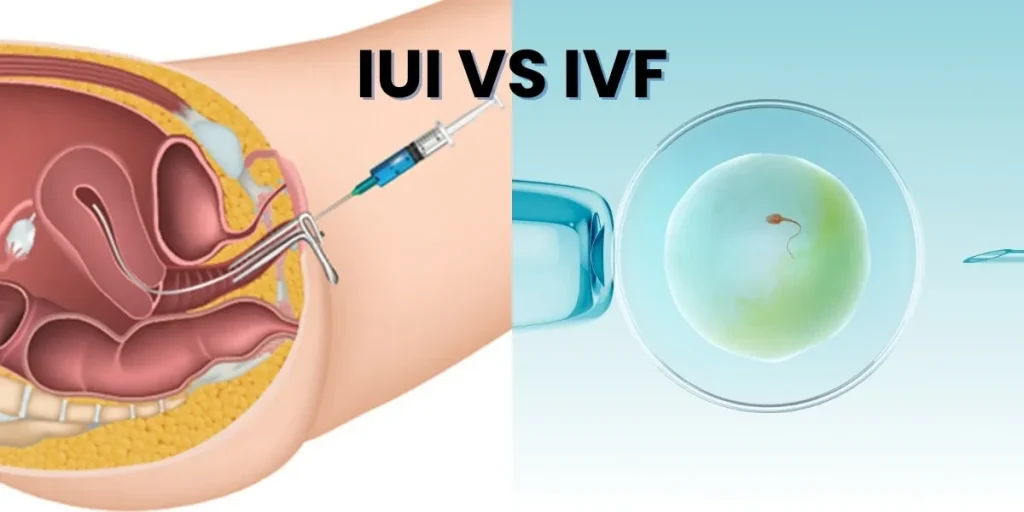
    comparison of IUI and IVF fertility treatments with illustrations of procedures and a petri dish with an egg and sperm

    The Cost of Conception: Exploring the Differences in Male and Female Infertility Treatments

    On the other hand, women have a wider range of treatment options, including medication, surgery, and ART. Medications such as Clomid and Gonadotropins can help stimulate ovulation in women, while surgery can be used to correct structural issues in the reproductive organs. The cost of these treatments can vary greatly, with medication costing a few hundred dollars per cycle and surgery costing thousands of dollars.

    In addition to traditional treatments, alternative therapies such as acupuncture and herbal remedies have gained popularity in recent years for both men and women. These treatments can be more affordable but may not have the same success rates as medical treatments.

    We will also discuss the emotional and psychological toll that infertility can take on couples, as well as the impact of these treatments on their mental health. The cost of infertility treatments can add an extra layer of stress and strain on relationships, and it is crucial for couples to seek support during this challenging time.

    Finally, we will touch on the importance of insurance coverage for infertility treatments. While some insurance plans may cover certain aspects of infertility treatment, many do not cover the full cost. This can be a significant barrier for couples seeking treatment, especially for those with limited financial resources.

    In conclusion, the cost of conception can be a significant burden for couples struggling with infertility. The treatments for male and female infertility differ in terms of options and costs, making it essential for couples to research and understand their options fully. It is also crucial to seek support and prioritize mental health during this challenging journey.

  • The Battle of the Sexes: Comparing Male and Female Infertility Treatments

    The Battle of the Sexes: Comparing Male and Female Infertility Treatments

    Infertility affects millions of couples worldwide, and it can be a challenging and emotional journey for those trying to conceive. While both men and women can experience fertility issues, the treatments available for each gender can differ significantly. In this blog post, we will explore the differences between male and female infertility treatments, and how these treatments have evolved over the years.

    Understanding Male and Female Infertility

    Before delving into the treatments, it is essential to understand the causes of male and female infertility. Female infertility is typically caused by issues such as hormonal imbalances, ovulation problems, or structural abnormalities in the reproductive system. On the other hand, male infertility can be caused by low sperm count, poor sperm motility, or structural problems in the male reproductive system.

    Male Infertility Treatments

    One of the most common treatments for male infertility is intrauterine insemination (IUI). This procedure involves inserting washed and concentrated sperm directly into the uterus during the woman’s ovulation period, increasing the chances of conception. It is a relatively simple and non-invasive procedure, making it a popular choice for couples struggling with male infertility.

    In cases where the male partner has extremely low sperm count or poor sperm motility, in vitro fertilization (IVF) may be recommended. This treatment involves retrieving sperm directly from the testicles and fertilizing the egg in a laboratory setting. The fertilized embryo is then transferred into the woman’s uterus, increasing the chances of conception.

    Another option for male infertility is intracytoplasmic sperm injection (ICSI), which is often used in conjunction with IVF. This procedure involves injecting a single sperm directly into the egg, bypassing any potential issues with sperm motility or low count. ICSI has been a game-changer for couples struggling with male infertility, as it significantly increases the chances of fertilization.

    Female Infertility Treatments

    The most common treatment for female infertility is ovulation induction, which involves taking medication to stimulate the ovaries to produce more eggs. This treatment is often used in conjunction with IUI to increase the chances of conception. Ovulation induction is a relatively simple and non-invasive treatment, but it does carry a risk of multiple pregnancies.

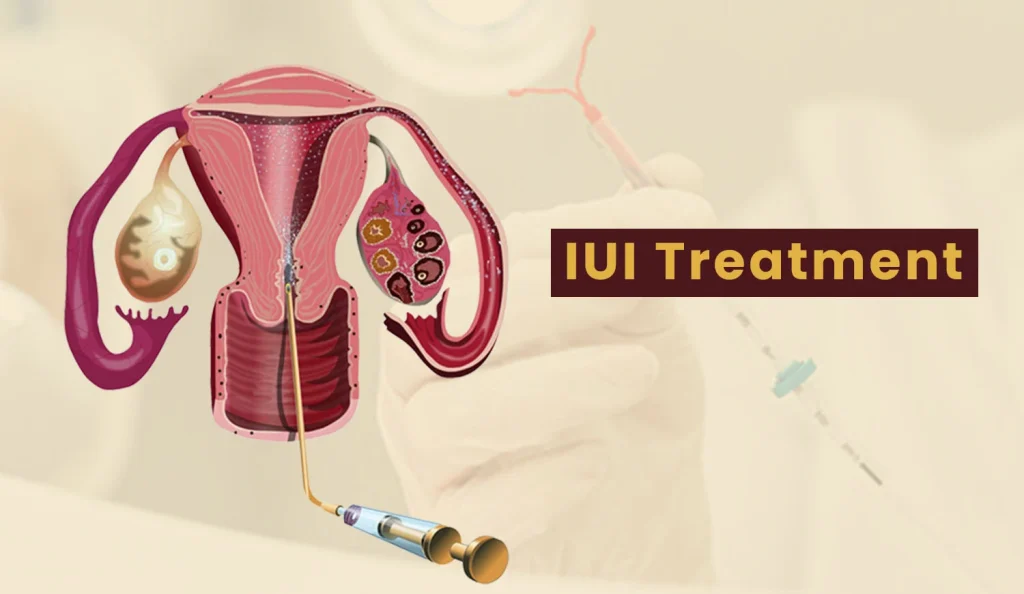
    illustration of the uterus and ovaries with a syringe, labeled "IUI Treatment" in the background

    The Battle of the Sexes: Comparing Male and Female Infertility Treatments

    In cases where ovulation induction is not successful, or if the cause of infertility is due to structural issues in the reproductive system, IVF may be recommended. This treatment involves retrieving eggs directly from the ovaries, fertilizing them with sperm in a laboratory, and then transferring the resulting embryo into the uterus. IVF has a higher success rate than other treatments, making it a popular choice for couples struggling with female infertility.

    In some cases, the cause of female infertility may be due to a blocked or damaged fallopian tube. In such cases, a surgical procedure called laparoscopy may be recommended. This minimally invasive surgery involves using a small camera to examine the reproductive organs and potentially remove any blockages or scar tissue.

    The Evolution of Infertility Treatments

    Over the years, advancements in medical technology have led to significant improvements in infertility treatments for both men and women. For instance, the development of ICSI has greatly improved the chances of fertilization for couples struggling with male infertility. Similarly, the use of ovulation induction and IVF has become more refined and effective for treating female infertility.

    In recent years, there has also been a growing interest in complementary and alternative treatments for infertility. These treatments, such as acupuncture and herbal supplements, aim to improve overall health and well-being, which can potentially enhance fertility. While there is limited scientific evidence to support the effectiveness of these treatments, many couples have reported success with their use.

    The Emotional Impact of Infertility Treatments

    Infertility can take a toll on a couple’s emotional and mental well-being, and the treatments can also be emotionally taxing. The uncertainty and disappointment that often accompany failed attempts at conception can lead to feelings of frustration, sadness, and even depression. It is essential for couples to seek emotional support and counseling throughout their fertility journey to cope with these challenges.

    In Conclusion

    Infertility treatments for both men and women have come a long way, offering hope to couples struggling to conceive. While there are differences in the treatments available for each gender, they all aim to help couples achieve their dream of starting a family. With advancements in technology and a better understanding of the causes of infertility, the battle of the sexes in the realm of fertility is gradually being won, with more and more couples successfully overcoming their fertility challenges.

    Summary:

    Infertility is a widespread issue that affects both men and women. However, the treatments available for male and female infertility can differ significantly. Male infertility treatments include intrauterine insemination, in vitro fertilization, and intracytoplasmic sperm injection. On the other hand, female infertility treatments include ovulation induction, in vitro fertilization, and laparoscopy. With advancements in technology and a better understanding of the causes of infertility, these treatments have become more refined and effective. Additionally, there has been a growing interest in complementary and alternative treatments for infertility. The emotional impact of infertility and its treatments can be significant, and it is essential for couples to seek emotional support throughout their fertility journey.

  • At-Home Testing for Female Infertility: A Comprehensive Guide

    At-Home Testing for Female Infertility: A Comprehensive Guide

    Infertility affects millions of couples worldwide and can be a difficult and emotionally taxing journey. In many cases, the cause of infertility can be linked to female factors, such as ovulation issues, hormone imbalances, or structural problems with the reproductive organs. However, the traditional process of diagnosing female infertility can be time-consuming, invasive, and expensive. Fortunately, with advancements in technology, at-home testing for female infertility has become a viable and convenient option for many women.

    In this comprehensive guide, we will explore everything you need to know about at-home testing for female infertility, including the various types of tests available, their accuracy, and how to prepare for them.

    Types of At-Home Tests for Female Infertility

    1. Ovulation Predictor Kits (OPKs)

    OPKs are one of the most common types of at-home tests used by women trying to conceive. These kits detect the surge of luteinizing hormone (LH), which triggers ovulation. OPKs come in various forms, such as urine strips, digital tests, and saliva tests. They are easy to use and can help pinpoint the most fertile days in a woman’s cycle, increasing the chances of conception.

    2. Basal Body Temperature (BBT) Charting

    Another popular at-home method for tracking ovulation is BBT charting. This method involves taking your temperature every morning before getting out of bed and recording it on a chart. A slight rise in BBT indicates that ovulation has occurred. BBT charting can be used in conjunction with OPKs to confirm ovulation and help determine the best time to try to conceive.

    3. Hormone Level Testing

    Hormone imbalances can contribute to female infertility, and at-home hormone level testing kits can help identify any issues. These tests usually involve collecting a sample of saliva or blood and sending it to a lab for analysis. Results will indicate the levels of hormones such as estrogen, progesterone, and thyroid hormones, which can affect ovulation and fertility.

    4. Fertility Monitors

    Fertility monitors are handheld devices that track changes in hormone levels in urine or saliva to predict ovulation. These monitors can be more expensive than other at-home tests, but they offer a more comprehensive and accurate picture of a woman’s fertility. They can also track changes in other fertility indicators, such as cervical mucus and BBT.

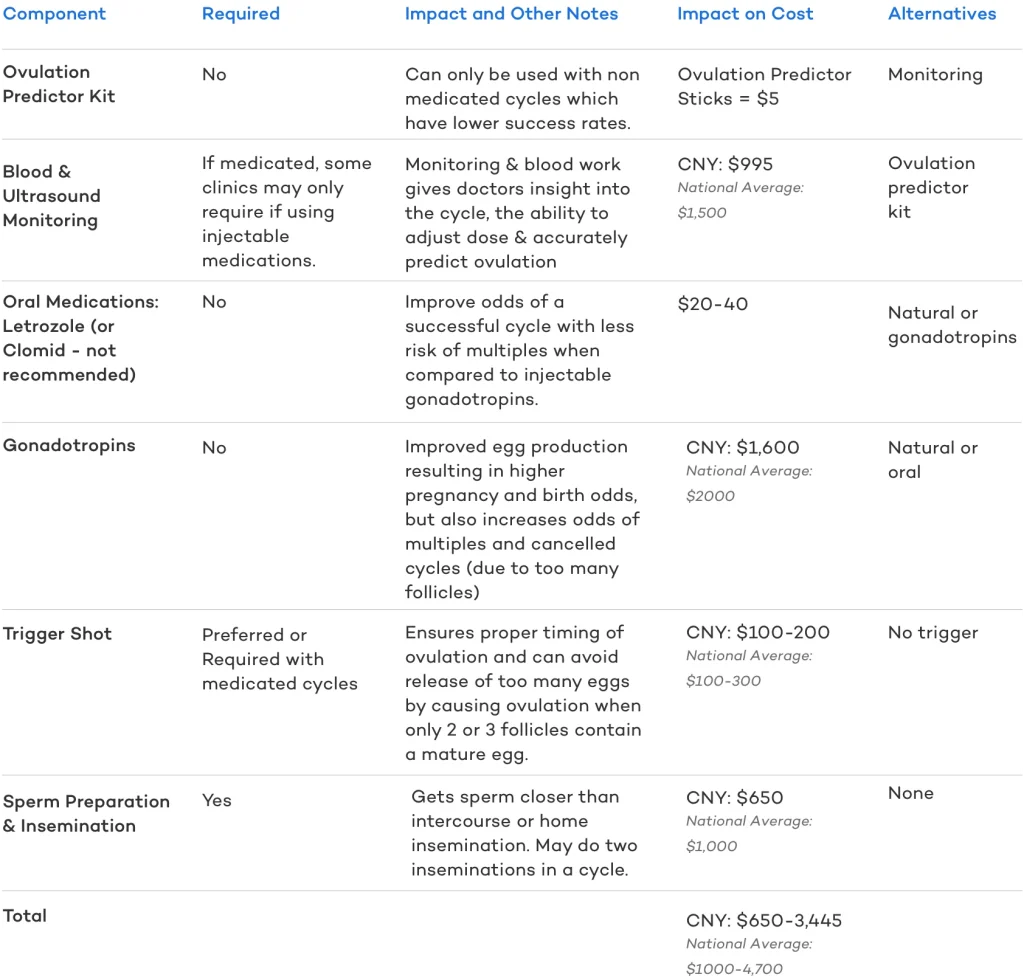
    Cost breakdown for IUI components, including requirements, impacts, and alternatives.

    At-Home Testing for Female Infertility: A Comprehensive Guide

    5. Home Fertility Tests

    Many companies now offer at-home fertility tests that can provide a general assessment of a woman’s fertility levels. These tests usually involve collecting a urine or saliva sample and sending it to a lab for analysis. They can measure the levels of various hormones and provide an overall fertility score, giving women a better understanding of their reproductive health.

    Accuracy of At-Home Tests for Female Infertility

    The accuracy of at-home tests for female infertility varies depending on the type of test used and how it is performed. For example, OPKs are generally reliable, with a 99% accuracy rate, but they can produce false positives in some cases. BBT charting can also be reliable, but it requires consistency and careful tracking to be accurate.

    Hormone level testing and fertility monitors can provide more precise results, but they can also be affected by external factors such as medication or stress. It’s essential to follow the instructions carefully and consult with a healthcare professional if you have concerns about the accuracy of your results.

    Preparing for At-Home Tests

    Before using any at-home tests for female infertility, it’s crucial to prepare adequately to ensure accurate results. Here are some tips to help you prepare:

    1. Familiarize yourself with the instructions: Make sure to read and understand the instructions for each test before using it. Following the instructions carefully can help ensure accurate results.

    2. Track your menstrual cycle: It’s essential to track your menstrual cycle using a calendar or fertility tracking app. This will help you determine the best time to take the tests and increase your chances of getting accurate results.

    3. Avoid medications and stress: Certain medications and stress can affect hormone levels and fertility. If possible, try to avoid stress and medications that may interfere with your results before taking the tests.

    4. Consult with a healthcare professional: It’s always a good idea to consult with your doctor or a fertility specialist before using at-home tests for female infertility. They can provide guidance and advice on which tests are best for you and interpret your results accurately.

    In conclusion, at-home testing for female infertility offers a convenient and less invasive option for women trying to conceive. However, it’s essential to understand the limitations and accuracy of these tests and prepare adequately before using them. Consult with a healthcare professional if you have any concerns about your results or are having trouble conceiving. With the right information and tools, you can take control of your reproductive health and increase your chances of achieving your dream of starting a family.