Tag: pregnancy

  • Exploring Your Options: Intrauterine Insemination vs In Vitro Fertilization

    Exploring Your Options: Intrauterine Insemination vs In Vitro Fertilization

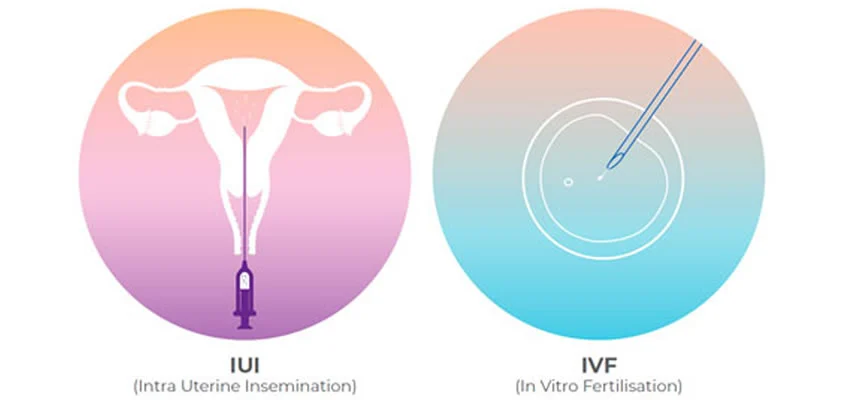
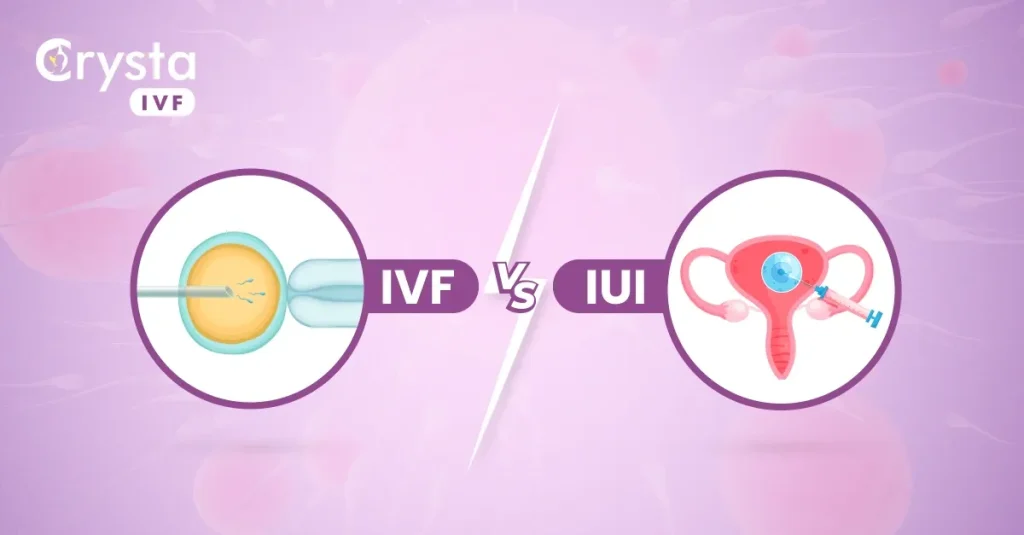
    For couples struggling with infertility, the journey to starting a family can be overwhelming and full of difficult decisions. Two common fertility treatments that are often considered are intrauterine insemination (IUI) and in vitro fertilization (IVF). While both treatments have the same goal of helping couples conceive, they differ in their procedures, success rates, and costs. In this blog post, we will explore the differences between IUI and IVF, and help you decide which option may be best for you and your partner.

    Intrauterine Insemination (IUI)

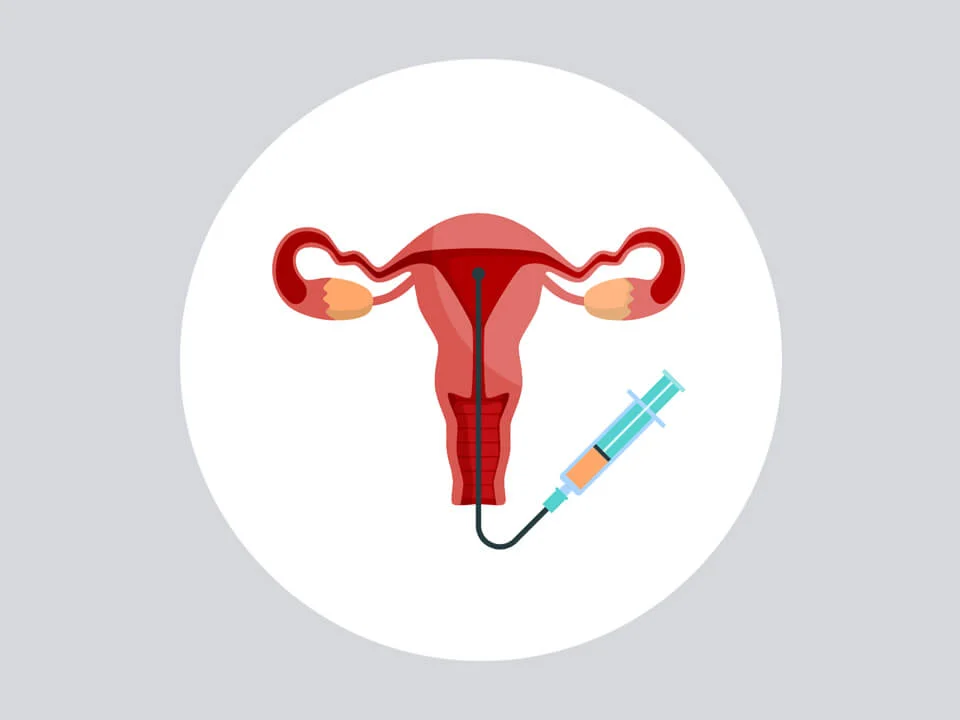
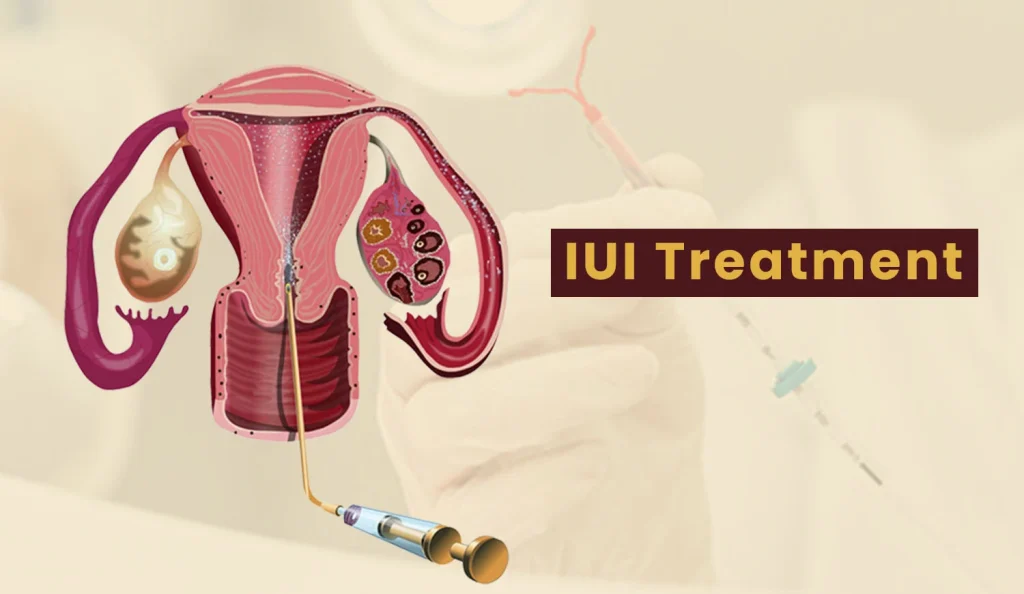
    IUI is a relatively simple and non-invasive fertility treatment that involves placing sperm directly into a woman’s uterus to increase the chances of fertilization. This procedure is typically recommended for couples with unexplained infertility, mild male factor infertility, or cervical issues. It can also be used for same-sex couples or single women who are using donor sperm.

    The IUI process begins with monitoring the woman’s ovulation cycle to determine the best time for insemination. The male partner’s sperm is then washed and prepared in a laboratory to increase the concentration of healthy sperm. The prepared sperm is then inserted into the uterus using a thin catheter, which is a painless procedure that takes only a few minutes. After the procedure, the woman may experience mild cramping and is advised to rest for a short period.

    One of the main advantages of IUI is its affordability compared to other fertility treatments. The cost of IUI can range from $300 to $1000 per cycle, depending on factors such as the type of medications used and the clinic’s location. However, the success rates for IUI are relatively low, with only a 10-20% chance of pregnancy per cycle. This means that multiple cycles may be needed to achieve a successful pregnancy.

    In Vitro Fertilization (IVF)
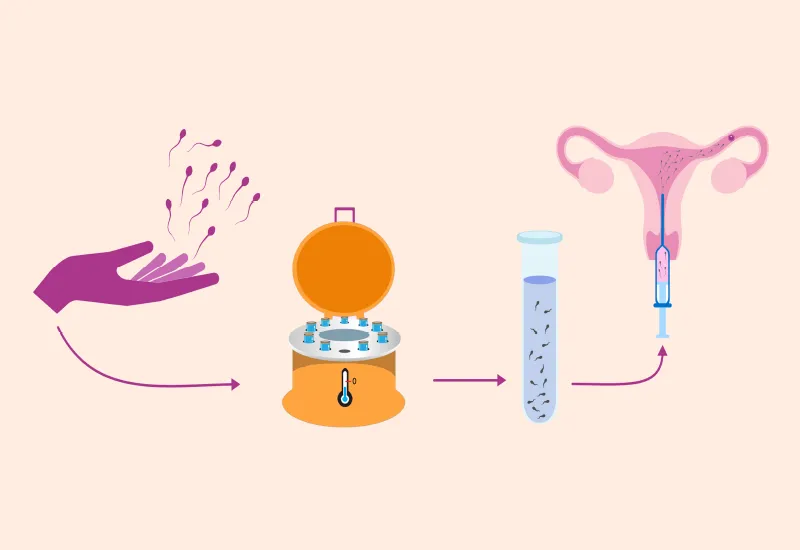
    illustration of the IUI process, showing sperm collection, preparation, and insertion into the uterus

    Exploring Your Options: Intrauterine Insemination vs In Vitro Fertilization

    IVF is a more complex and invasive fertility treatment that involves retrieving eggs from the woman’s ovaries, fertilizing them with sperm in a laboratory, and then transferring the resulting embryo(s) back into the woman’s uterus. This treatment is typically recommended for couples with more severe fertility issues, such as blocked fallopian tubes, advanced maternal age, or severe male factor infertility.

    The IVF process begins with ovarian stimulation, where the woman takes medications to stimulate the ovaries to produce multiple eggs. These eggs are then retrieved through a minor surgical procedure and combined with sperm in a laboratory. After fertilization, the resulting embryos are monitored for a few days before being transferred into the woman’s uterus. Any remaining embryos can be frozen for future use.

    The success rates for IVF are significantly higher than IUI, with a 40-50% chance of pregnancy per cycle. However, this higher success rate comes at a higher cost, with the average cost of a single IVF cycle ranging from $12,000 to $15,000. Additional costs may include medications, genetic testing, and embryo freezing. Furthermore, IVF can be physically and emotionally demanding, with frequent doctor’s appointments, hormone injections, and potential side effects from medications.

    Which Option is Right for You?

    Choosing between IUI and IVF can be a difficult decision, and it is essential to consult with your doctor to determine the best course of action for your specific fertility issues. Generally, IUI is a good option for couples with less severe fertility issues and a limited budget, while IVF is more suitable for couples with more complex fertility problems and a higher budget.

    It is also essential to consider the potential risks and side effects of each treatment option. IUI has a lower risk of multiple pregnancies, as only one or two eggs may be released during ovulation. However, there is a risk of infection or damage to the uterus during the procedure. On the other hand, IVF has a higher risk of multiple pregnancies due to the possibility of transferring multiple embryos. There is also a risk of ovarian hyperstimulation syndrome (OHSS) and potential complications from the egg retrieval procedure.

    In summary, both IUI and IVF can be effective options for couples struggling with infertility. While IUI is a more affordable and less invasive treatment, IVF has higher success rates but comes at a higher cost and potential risks. It is crucial to weigh your options carefully and consult with your doctor to determine the best treatment plan for you and your partner.

  • Traditional Surrogacy vs. Gestational Surrogacy: Differences in the Medical Process

    Traditional Surrogacy vs. Gestational Surrogacy: Differences in the Medical Process

    Surrogacy has become a popular option for couples or individuals who are unable to conceive a child on their own. It involves a woman carrying a pregnancy for another person or couple, with the intention of giving the child to them after birth. There are two types of surrogacy: traditional surrogacy and gestational surrogacy. While both involve a surrogate carrying a pregnancy for someone else, there are significant differences in the medical process between the two. In this blog post, we will dive into the medical procedures involved in traditional and gestational surrogacy and explore the key differences between them.

    Traditional Surrogacy

    Traditional surrogacy, also known as genetic or partial surrogacy, is the process in which the surrogate’s own eggs are used to conceive the child. This means that the child will be biologically related to the surrogate, making her not just the carrier but also the biological mother. In this process, the surrogate is artificially inseminated with the intended father’s sperm or donor sperm. The insemination is usually done through intrauterine insemination (IUI) or in vitro fertilization (IVF) techniques.

    The Medical Process of Traditional Surrogacy

    The medical process of traditional surrogacy starts with the evaluation of the surrogate’s health and fertility. The surrogate will undergo a series of tests, including blood tests, a pelvic exam, and an ultrasound, to ensure she is physically fit to carry a pregnancy. Once the surrogate has been cleared, the intended father’s sperm or donor sperm will be collected and prepared for insemination. The sperm is then injected into the surrogate’s uterus, where fertilization will hopefully occur.

    If the traditional surrogacy is achieved through IVF, the surrogate will take fertility medications to stimulate the production of multiple eggs. These eggs will then be retrieved and fertilized in a laboratory with the intended father’s sperm or donor sperm. The resulting embryo(s) will then be transferred into the surrogate’s uterus, where they will hopefully implant and develop into a pregnancy.

    The Differences in the Medical Process of Traditional Surrogacy

    One of the main differences between traditional and gestational surrogacy is the use of the surrogate’s eggs. In traditional surrogacy, the surrogate is the biological mother of the child, and the intended father or donor is the biological father. This can lead to legal and emotional complications, as the surrogate may have a strong bond with the child she carries, even if she has no legal rights to the child.

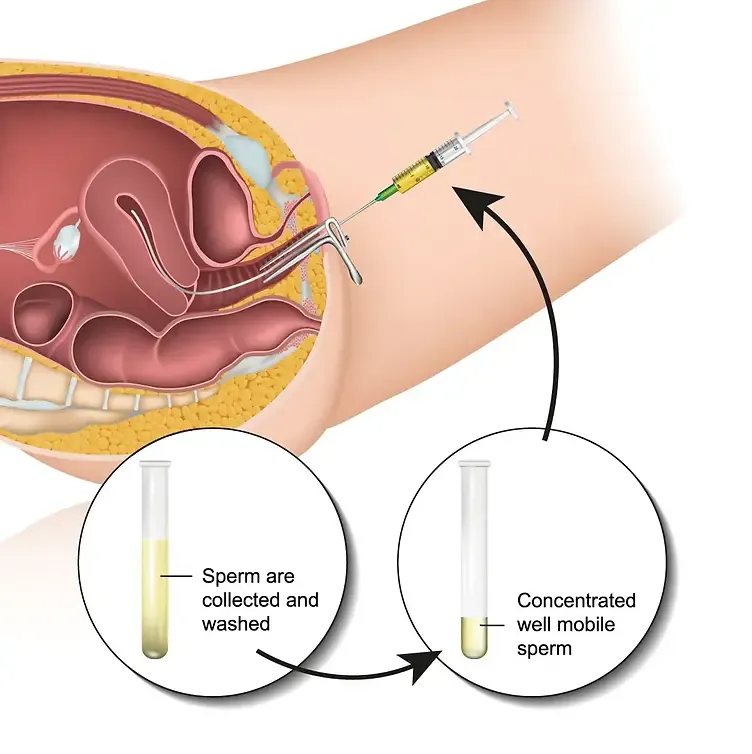
    illustration of a uterus with a syringe, representing intrauterine insemination procedure

    Traditional Surrogacy vs. Gestational Surrogacy: Differences in the Medical Process

    Another difference is the lower success rates of traditional surrogacy compared to gestational surrogacy. This is often due to the age and fertility of the surrogate, as well as the fact that the surrogate’s eggs are used. The use of fertility medications in traditional surrogacy can also increase the risk of multiple pregnancies, which can be complicated for both the surrogate and the intended parents.

    Gestational Surrogacy

    Gestational surrogacy, also known as full surrogacy, is the process in which the surrogate carries a pregnancy conceived with the intended parents’ or donors’ sperm and eggs through IVF. This means that the surrogate is not biologically related to the child she carries, making her just the carrier.

    The Medical Process of Gestational Surrogacy

    The medical process of gestational surrogacy starts with the evaluation of the surrogate’s health and fertility, just like in traditional surrogacy. However, in this process, the surrogate will undergo IVF using the eggs and sperm of the intended parents or donors. The resulting embryos will then be transferred into the surrogate’s uterus, where they will hopefully implant and develop into a pregnancy.

    The Differences in the Medical Process of Gestational Surrogacy

    The main difference between gestational and traditional surrogacy is the use of the surrogate’s eggs. In gestational surrogacy, the surrogate has no biological connection to the child she carries, which can eliminate any legal or emotional complications. This also makes the intended parents the biological parents of the child, which may be an important factor for some individuals or couples.

    Another difference is the higher success rates of gestational surrogacy compared to traditional surrogacy. This is because the surrogate is usually younger and healthier, and the use of IVF allows for the selection of the healthiest embryos to be transferred. The risk of multiple pregnancies is also lower in gestational surrogacy, as only one or two embryos are usually transferred.

    Summary

    In summary, traditional surrogacy involves the surrogate using her own eggs to conceive the child, making her the biological mother. The medical process includes artificial insemination or IVF using fertility medications. On the other hand, gestational surrogacy involves the surrogate carrying a pregnancy conceived through IVF using the intended parents’ or donors’ eggs and sperm, making her just the carrier. This eliminates any legal or emotional complications and usually results in higher success rates. Both types of surrogacy have their own unique medical processes and considerations, and it is important for intended parents to understand these differences when considering surrogacy as an option.

  • Navigating the Surrogacy Journey: Traditional vs. Gestational

    Blog Post Title: Navigating the Surrogacy Journey: Traditional vs. Gestational

    Surrogacy has become a popular option for couples who are struggling with infertility or for those who are unable to carry a pregnancy to term. It is a process where a woman carries and gives birth to a child for another individual or couple, known as the intended parents. There are two main types of surrogacy: traditional and gestational. While both types involve a surrogate carrying the pregnancy, they differ in terms of the biological relationship between the surrogate and the child. In this blog post, we will explore the differences between traditional and gestational surrogacy and the considerations one should take when navigating the surrogacy journey.

    Traditional Surrogacy:

    Traditional surrogacy, also known as genetic or partial surrogacy, involves the surrogate using her own eggs to become pregnant. This means that the surrogate is also the biological mother of the child. The process usually involves the intended father’s sperm being inseminated into the surrogate’s uterus through artificial insemination. This method is typically less expensive than gestational surrogacy as it does not require the use of fertility treatments.

    One of the benefits of traditional surrogacy is that it allows for a genetic connection between the surrogate and the child. This can be appealing for couples who are looking for a more personal connection with the surrogate and want to have a child who is biologically related to them. Another benefit is that the process can often be completed without the use of fertility drugs, making it a more natural option for both the surrogate and the intended mother.

    However, there are also potential drawbacks to traditional surrogacy. Since the surrogate is using her own eggs, there is a higher risk of the surrogate becoming emotionally attached to the child. This can lead to legal complications if the surrogate decides to keep the child after birth. Additionally, there may be concerns about the surrogate’s health and lifestyle choices during the pregnancy, as these factors can affect the health of the child.

    Gestational Surrogacy:

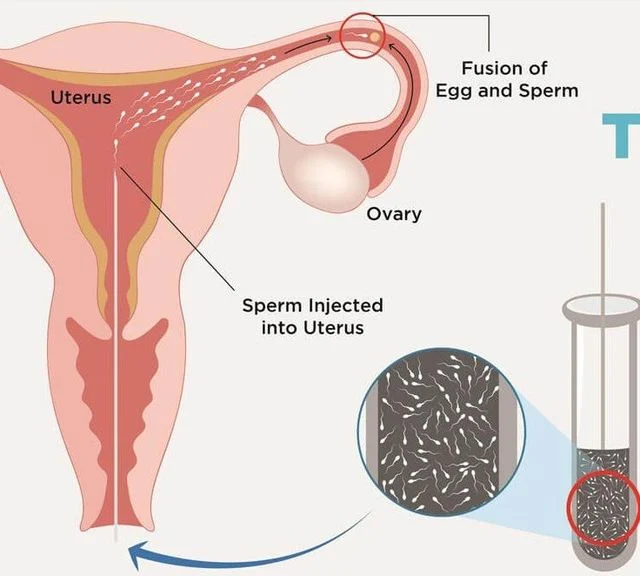
    Diagram illustrating the IUI process, showing sperm injection into the uterus and egg fertilization.

    Navigating the Surrogacy Journey: Traditional vs. Gestational

    Gestational surrogacy, also known as full surrogacy, involves the use of in vitro fertilization (IVF) to create an embryo with the intended parents’ genetic material. The embryo is then transferred to the surrogate’s uterus, who carries the pregnancy to term. In this type of surrogacy, the surrogate has no genetic connection to the child, making it a more straightforward legal process.

    One of the main benefits of gestational surrogacy is that it allows for a greater level of control over the pregnancy. Since the intended parents’ genetic material is used, they can ensure that the child is biologically related to them. This also eliminates the risk of the surrogate developing an emotional attachment to the child. Additionally, gestational surrogacy allows for the use of fertility treatments, making it a viable option for individuals or couples struggling with infertility.

    However, there are also potential drawbacks to gestational surrogacy. The process can be more expensive due to the use of fertility treatments and the legal fees involved. It also requires more medical intervention and monitoring, which can be physically and emotionally taxing for both the surrogate and the intended mother. There may also be concerns about the legal rights of the surrogate and the intended parents, especially in cases where the surrogate is carrying multiple embryos.

    Considerations for Navigating the Surrogacy Journey:

    Before embarking on the surrogacy journey, it is essential to carefully consider the type of surrogacy that is best suited for you and your partner. It is crucial to have open and honest communication with your partner and the surrogate about expectations, boundaries, and potential risks. Seeking guidance from a surrogacy agency or a legal professional can also help navigate the process and ensure all parties are aware of their rights and responsibilities.

    It is also essential to carefully screen and choose a surrogate, regardless of the type of surrogacy. A surrogate should undergo medical and psychological evaluations to ensure they are physically and mentally prepared for the journey. It is also vital to establish a strong relationship and open communication between the surrogate and the intended parents to ensure a smooth and positive experience for all involved.

    Summary:

    Surrogacy is a viable option for couples struggling with infertility or those unable to carry a pregnancy to term. There are two main types of surrogacy: traditional and gestational. Traditional surrogacy involves the surrogate using her own eggs, while gestational surrogacy uses IVF to create an embryo with the intended parents’ genetic material. Both types have their benefits and drawbacks, and it is essential to carefully consider which option is best for you and your partner. Careful screening and open communication are critical in navigating the surrogacy journey successfully.

  • The Cost-Effectiveness of At-Home Fertility Testing: A Comparison with Medical Testing

    In recent years, there has been a growing trend towards at-home fertility testing kits as an alternative to traditional medical testing. These kits claim to offer a convenient and cost-effective way for individuals and couples to assess their reproductive health and fertility potential. But are they really a reliable option? In this blog post, we will compare the cost-effectiveness of at-home fertility testing with medical testing and examine the pros and cons of each option.

    What is At-Home Fertility Testing?

    At-home fertility testing kits are designed to provide individuals with information about their reproductive health and fertility potential. They typically involve collecting a small sample of urine or saliva and sending it to a laboratory for analysis. The results are then provided to the individual through an online portal or mobile app.

    Pros of At-Home Fertility Testing:

    1. Convenience: One of the biggest advantages of at-home fertility testing is the convenience it offers. Individuals can take the test in the comfort of their own home, without having to schedule an appointment with a doctor or visit a clinic.

    2. Affordability: At-home fertility testing kits are generally more affordable than medical testing. They can range from $50 to $200, depending on the type of test and the company offering it. This makes it a more accessible option for those on a budget.

    3. Privacy: Many people may feel more comfortable with the privacy that at-home fertility testing offers. They may be hesitant to share their reproductive health concerns with a doctor or clinic, and at-home testing allows them to keep the results confidential.

    4. Early detection: At-home fertility testing kits claim to be able to detect potential fertility issues at an early stage, giving individuals more time to seek medical assistance if needed.

    Cons of At-Home Fertility Testing:

    1. Limited accuracy: While at-home fertility testing kits claim to be accurate, there is still a chance of error. The results may be affected by factors such as improper sample collection, shipping delays, or lab errors.

    2. Lack of professional guidance: Unlike medical testing, at-home fertility testing does not involve a healthcare professional who can provide guidance and interpretation of the results. This can lead to confusion or misinterpretation of the results.

    3. Limited testing options: At-home fertility testing usually only provides a basic assessment of fertility potential, whereas medical testing can offer a more comprehensive evaluation, including hormonal levels, ovarian reserve, and sperm analysis.

    4. No treatment options: At-home fertility testing does not offer any treatment options for individuals who may have fertility issues. It only provides information and recommendations based on the results.

    What is Medical Testing?

    Illustration of a uterus with a syringe, representing intrauterine insemination (IUI) procedure.

    The Cost-Effectiveness of At-Home Fertility Testing: A Comparison with Medical Testing

    Medical testing for fertility involves a visit to a doctor or fertility specialist, where a thorough evaluation is conducted to assess reproductive health and fertility potential. This can include blood tests, ultrasound scans, and other diagnostic procedures.

    Pros of Medical Testing:

    1. Accuracy: Medical testing is considered to be more accurate than at-home fertility testing. The results are interpreted by a healthcare professional, reducing the chances of error.

    2. Comprehensive evaluation: As mentioned earlier, medical testing offers a more comprehensive evaluation of reproductive health and fertility potential, providing a more detailed understanding of any potential issues.

    3. Professional guidance: Medical testing involves a healthcare professional who can provide guidance, answer any questions, and offer treatment options if needed.

    4. Personalized treatment: If any fertility issues are detected, medical testing offers personalized treatment options tailored to an individual’s specific needs.

    Cons of Medical Testing:

    1. Cost: Medical testing can be expensive, with the cost ranging from hundreds to thousands of dollars, depending on the tests and treatments required.

    2. Time-consuming: Medical testing often involves multiple appointments, which can be time-consuming and may require taking time off work.

    3. Inconvenience: Unlike at-home fertility testing, medical testing requires individuals to visit a doctor or clinic, which may not be easily accessible for some.

    The Bottom Line: Which Option is More Cost-Effective?

    While at-home fertility testing may seem like a more affordable option, it is important to consider the potential limitations and drawbacks. Medical testing, although more expensive, offers a more accurate and comprehensive evaluation and personalized treatment options. It also provides the guidance of a healthcare professional, which is crucial in understanding and addressing any fertility issues.

    In conclusion, both at-home fertility testing and medical testing have their pros and cons. It ultimately depends on an individual’s personal preference, budget, and fertility concerns. However, when it comes to accuracy and effectiveness, medical testing is the recommended option for those seeking a thorough evaluation of their reproductive health and fertility potential.

    In summary, at-home fertility testing offers convenience and affordability, while medical testing provides accuracy, comprehensive evaluation, and personalized treatment options. Ultimately, individuals should carefully consider their options and consult with a healthcare professional to determine the best course of action for their reproductive health.

  • Medical Fertility Testing: What to Expect and How to Prepare

    Medical Fertility Testing: What to Expect and How to Prepare

    For couples who are trying to conceive, understanding their fertility can be a crucial step in their journey to starting a family. This is where medical fertility testing comes into play. By undergoing fertility testing, individuals can gain valuable insights into their reproductive health and determine the best course of action for achieving pregnancy. In this blog post, we will discuss what medical fertility testing entails, what to expect during the process, and how you can prepare for it.

    What is Medical Fertility Testing?

    Medical fertility testing involves a series of tests and procedures that are conducted to evaluate an individual’s reproductive health. These tests are typically recommended for couples who have been trying to conceive for a year or more without success, or for individuals who have a history of reproductive issues.

    The purpose of fertility testing is to identify any underlying issues that may be hindering pregnancy and to determine the appropriate treatment or intervention. It can also help assess the chances of conceiving naturally or with the help of assisted reproductive technologies (ART).

    Types of Fertility Tests

    There are various types of fertility tests that can be conducted, depending on the individual’s specific situation. These tests can be categorized into male fertility tests and female fertility tests.

    Male fertility tests include semen analysis, which evaluates the quantity and quality of sperm, and blood tests to check hormone levels and genetic disorders.

    On the other hand, female fertility tests may include a physical exam, blood tests to check hormone levels, and imaging tests such as ultrasound to evaluate the ovaries and uterus. In some cases, a hysterosalpingogram (HSG) may also be performed to check the condition of the fallopian tubes.

    What to Expect During the Testing Process

    The first step in the fertility testing process is to schedule an appointment with a fertility specialist. During the initial consultation, the doctor will review the individual’s medical history and discuss any concerns or symptoms.

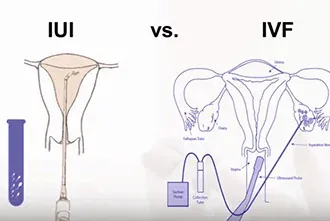
    comparison of IUI and IVF procedures illustrated with simple graphics and labels

    Medical Fertility Testing: What to Expect and How to Prepare

    After the initial consultation, the doctor will recommend the appropriate tests based on the individual’s situation. Depending on the type of test, the process may involve collecting a blood or urine sample, undergoing a physical exam, or providing a semen sample.

    For semen analysis, the individual will be asked to collect a semen sample through masturbation. The sample will then be analyzed in a laboratory to determine the sperm count, motility, and morphology.

    For female fertility tests, the process may involve taking blood samples at different times of the menstrual cycle to check hormone levels. An ultrasound may also be performed to evaluate the ovaries and uterus, and an HSG may be conducted to check the fallopian tubes.

    How to Prepare for Fertility Testing

    To ensure accurate results, it is essential to prepare for fertility testing beforehand. Here are a few tips to help you prepare for the testing process:

    1. Keep track of your menstrual cycle: If you are undergoing female fertility tests, it is crucial to keep track of your menstrual cycle. This will help your doctor determine the best time for certain tests, such as blood tests to check hormone levels.

    2. Avoid alcohol and smoking: Alcohol and smoking can have a negative impact on fertility, so it is best to avoid them before and during the testing process.

    3. Stay hydrated: For semen analysis, it is essential to provide a fresh sample. Staying hydrated can help improve the quality of the sample.

    4. Be honest with your doctor: It is crucial to be honest with your doctor about your medical history, any medications you are taking, and any symptoms you may be experiencing. This will help them make an accurate diagnosis and recommend the best course of action.

    5. Be prepared for emotional ups and downs: The fertility testing process can be emotionally challenging, so it is essential to prepare yourself for any possible outcomes. It is also crucial to seek support from your partner, family, or a therapist if needed.

    In summary, medical fertility testing is a crucial step for couples who are trying to conceive. By undergoing these tests, individuals can gain valuable insights into their reproductive health and determine the best course of action for achieving pregnancy. It is essential to be prepared for the testing process and to seek support from loved ones for any emotional challenges that may arise.

  • Medical Fertility Testing: The Key to Understanding Your Reproductive Health

    Blog Post:

    Fertility is an essential aspect of reproductive health, yet it is often overlooked or misunderstood. For many individuals and couples, trying to conceive can be a rollercoaster of emotions and frustrations. However, with advancements in medical technology, fertility testing has become an important tool in understanding reproductive health and increasing the chances of successful conception.

    In this blog post, we will delve into the world of medical fertility testing, exploring what it is, why it is important, and what to expect during the process. By the end, you will have a better understanding of your reproductive health and how fertility testing can help you on your journey to parenthood.

    What is Medical Fertility Testing?

    Medical fertility testing involves a series of exams and procedures that are used to assess an individual’s reproductive health. It is typically recommended for individuals or couples who have been trying to conceive for over a year without success. The tests aim to identify any underlying issues or obstacles that may be preventing pregnancy.

    Why is it Important?

    Fertility testing is crucial for understanding reproductive health because it provides valuable information about the body’s ability to conceive and carry a pregnancy. It can also help identify any potential fertility problems that may require medical intervention. By identifying these issues early on, individuals and couples can take the necessary steps to improve their chances of successful conception.

    Types of Fertility Tests

    There are various types of fertility tests, each with its own purpose and method. These include:

    1. Ovulation Testing: This involves tracking ovulation through changes in body temperature, cervical mucus, and hormone levels.

    2. Semen Analysis: This test is used to assess the quality and quantity of sperm in a semen sample.

    3. Ultrasound: Ultrasound imaging is used to examine the reproductive organs and identify any structural abnormalities or cysts.

    4. Blood Tests: These tests measure hormone levels, such as estrogen and progesterone, which are crucial for ovulation and pregnancy.

    5. Hysterosalpingogram (HSG): This is a special X-ray that checks for any blockages or abnormalities in the fallopian tubes.

    Comparison chart of IUI and IVF treatments, detailing medications, monitoring, procedures, and success rates.

    Medical Fertility Testing: The Key to Understanding Your Reproductive Health

    6. Genetic Testing: Genetic testing can identify any inherited conditions that may affect fertility or pregnancy.

    What to Expect During Fertility Testing?

    The process of fertility testing can be overwhelming and emotional, but it is essential to stay informed and prepared. Here are some things to expect during fertility testing:

    1. Initial Consultation: The first step is usually a consultation with a fertility specialist to discuss medical history, lifestyle factors, and any concerns.

    2. Physical Exam: A physical exam may be conducted to check for any abnormalities in the reproductive organs.

    3. Testing Schedule: The specialist will create a testing schedule based on the individual’s specific needs and concerns.

    4. Multiple Appointments: Fertility testing may require multiple appointments, including blood tests, ultrasounds, and other exams.

    5. Emotional Support: Going through fertility testing can be emotionally taxing, and it is crucial to have a support system in place.

    What to Do with the Results?

    Once the fertility testing is complete, the specialist will review the results and discuss the next steps. If any issues are identified, the specialist may recommend further testing or treatment options. If everything appears normal, the individual or couple may continue trying to conceive, armed with a better understanding of their reproductive health.

    Conclusion

    In conclusion, medical fertility testing is a crucial tool in understanding reproductive health and increasing the chances of successful conception. It can help identify any underlying issues and provide valuable information for individuals and couples trying to conceive. By being proactive and seeking fertility testing, individuals can take control of their reproductive health and make informed decisions about their journey to parenthood.

    Summary:

    Fertility testing is a vital tool for understanding reproductive health and increasing the chances of successful conception. It involves various exams and procedures that help identify any underlying issues or obstacles that may be preventing pregnancy. The process may be emotional and require multiple appointments, but it can provide valuable information for individuals and couples trying to conceive. By being proactive and seeking fertility testing, individuals can take control of their reproductive health and make informed decisions about their journey to parenthood.

  • Egg Donation vs Egg Freezing: A Look at Success Rates

    Blog Post Title: Egg Donation vs Egg Freezing: A Look at Success Rates

    Egg donation and egg freezing are two popular options for women who are looking to preserve their fertility or help others achieve their dream of having a child. While both procedures involve the retrieval of a woman’s eggs, they serve different purposes and have different success rates. In this blog post, we will take a closer look at the success rates of egg donation and egg freezing, and the factors that can affect their outcomes.

    Egg Donation: A Brief Overview

    Egg donation is a process where a woman (known as the donor) donates her eggs to another woman (known as the recipient) who is unable to produce her own eggs or has poor egg quality. The donor’s eggs are retrieved and fertilized with the recipient’s partner’s sperm, or with donor sperm, in a laboratory. The resulting embryos are then transferred to the recipient’s uterus for implantation.

    Success Rates of Egg Donation

    The success rates of egg donation can vary depending on various factors such as the age of the donor, the quality of the eggs, and the experience of the fertility clinic. According to the Society for Assisted Reproductive Technology (SART), the success rates for egg donation in 2018 were as follows:

    – For women under 35, the live birth success rate per cycle was 56.5%
    – For women aged 35-37, the live birth success rate per cycle was 46.9%
    – For women aged 38-40, the live birth success rate per cycle was 36.8%
    – For women aged 41-42, the live birth success rate per cycle was 27.7%
    – For women over 42, the live birth success rate per cycle was 15.3%

    As the statistics show, age is a significant factor in the success of egg donation. Women under 35 have a higher chance of success compared to older women. This is because a woman’s egg quality decreases with age, making it more challenging to achieve a successful pregnancy.

    Factors That Can Affect the Success of Egg Donation

    Apart from age, there are other factors that can affect the success of egg donation. These include:

    – The quality of the eggs: The quality of the eggs retrieved from the donor is crucial for the success of egg donation. If the eggs are of poor quality, the chances of a successful pregnancy may decrease.
    – The recipient’s uterus: The condition of the recipient’s uterus plays a significant role in the success of egg donation. If the uterus is not suitable for implantation, the chances of a successful pregnancy may decrease.
    – The experience of the fertility clinic: The experience and expertise of the fertility clinic can also impact the success rates of egg donation. It is essential to choose a reputable clinic with a high success rate to increase the chances of a successful pregnancy.

    Comparison of IVF and IUI procedures with illustrations of each method.

    Egg Donation vs Egg Freezing: A Look at Success Rates

    Egg Freezing: A Brief Overview

    Egg freezing, also known as oocyte cryopreservation, is a process where a woman’s eggs are retrieved and frozen for future use. This allows women to preserve their fertility for later use, especially if they are not ready to start a family yet or are facing medical treatments that may affect their fertility.

    Success Rates of Egg Freezing

    The success rates of egg freezing can also vary depending on various factors, including the age of the woman, the quality of the eggs, and the technique used for freezing. According to the American Society for Reproductive Medicine (ASRM), the success rates for egg freezing are as follows:

    – For women under 35, the live birth success rate per egg thawed is 61-82%
    – For women aged 35-37, the live birth success rate per egg thawed is 55-79%
    – For women aged 38-40, the live birth success rate per egg thawed is 44-66%
    – For women aged 41-42, the live birth success rate per egg thawed is 23-42%
    – For women over 42, the live birth success rate per egg thawed is 13-25%

    As with egg donation, age is a significant factor in the success of egg freezing. Women under 35 have a higher chance of success compared to older women.

    Factors That Can Affect the Success of Egg Freezing

    Apart from age, there are other factors that can affect the success of egg freezing. These include:

    – The quality of the eggs: The quality of the eggs retrieved and frozen is crucial for the success of egg freezing. If the eggs are of poor quality, the chances of a successful pregnancy may decrease.
    – The technique used for freezing: The method used to freeze the eggs can also impact the success rates of egg freezing. The most common technique is vitrification, which has higher success rates compared to slow freezing.
    – The number of eggs frozen: The more eggs a woman has frozen, the higher the chances of success. It is recommended to freeze at least 15-20 eggs for a good chance of pregnancy.

    Conclusion

    Both egg donation and egg freezing are viable options for women looking to preserve their fertility or help others achieve their dream of having a child. However, as shown by the success rates, there are several factors that can affect the outcomes of these procedures. Age, egg quality, and the experience of the fertility clinic are some of the crucial factors that can impact the success rates of egg donation and egg freezing.

    In summary, while both egg donation and egg freezing have their own set of risks and benefits, they have proven to be effective options for women in different stages of their lives. It is essential to consult with a fertility specialist to determine the best option for your specific situation, and to choose a reputable clinic with a high success rate for the best chances of success.

  • Egg Donation vs Egg Freezing: How to Prepare Yourself

    Egg Donation vs Egg Freezing: How to Prepare Yourself

    Egg donation and egg freezing are two popular fertility options for women who are looking to preserve their fertility or help others achieve their dream of having a child. While they are both viable options, they differ in their purpose and procedure. Egg donation involves retrieving a woman’s eggs and donating them to another person or couple for fertilization and pregnancy. On the other hand, egg freezing is the process of preserving a woman’s eggs for future use, either for her own fertility or for donation. In this blog post, we will discuss the differences between egg donation and egg freezing, and how to prepare yourself for either procedure.

    Egg Donation: What to Expect

    Egg donation is a selfless act that allows women to help others who are struggling with infertility. It involves retrieving eggs from a woman’s ovaries and donating them to be fertilized and implanted into another person’s uterus. This process is typically done through in vitro fertilization (IVF), where the donated eggs are combined with sperm in a lab to create embryos, which are then transferred to the recipient’s uterus for pregnancy.

    Before undergoing egg donation, there are some important steps to take to ensure that you are prepared both physically and emotionally. First, it is essential to find a reputable fertility clinic or agency that specializes in egg donation. Make sure to research their success rates, patient reviews, and any potential risks involved. It is also important to meet with a fertility specialist to discuss any potential medical risks or complications that may arise from the procedure.

    Another important aspect of egg donation is the legal aspect. It is crucial to have a clear understanding of the legal implications of egg donation, including your rights and responsibilities as a donor. This may include signing a legal contract with the recipient and discussing any potential financial compensation for your time and efforts.

    Once you have chosen a fertility clinic and have a clear understanding of the legalities involved, the next step is to undergo a series of medical tests. These tests are necessary to ensure that you are physically and mentally prepared for the egg retrieval process. They may include blood work, ultrasounds, and a psychological evaluation to assess your overall health and well-being.

    Preparing yourself for egg donation also means taking care of your body leading up to the procedure. This includes maintaining a healthy diet, getting enough sleep, and avoiding alcohol, smoking, and drugs. These lifestyle factors can affect your fertility and the quality of your eggs, so it is essential to prioritize your health during this time.

    illustration of the uterus and ovaries with a syringe, labeled "IUI Treatment" in the background

    Egg Donation vs Egg Freezing: How to Prepare Yourself

    Egg Freezing: What to Expect

    Egg freezing, also known as oocyte cryopreservation, is a procedure that allows women to preserve their fertility for future use. This may be for personal reasons, such as wanting to delay starting a family, or for medical reasons, such as undergoing cancer treatment that may affect fertility. The process involves retrieving a woman’s eggs and freezing them for later use.

    Before undergoing egg freezing, it is important to meet with a fertility specialist to discuss your options and determine if this is the right choice for you. Similar to egg donation, you will also need to undergo medical tests to ensure that you are physically and mentally prepared for the procedure.

    One of the most critical steps in preparing for egg freezing is determining the best time to freeze your eggs. This is typically done during your reproductive prime, which is in your 20s or early 30s, when your eggs are of the highest quality. However, it is also possible to freeze eggs at a later age, although the success rates may vary.

    Another important consideration is the cost of egg freezing. This is not usually covered by insurance, so it is essential to budget and plan accordingly. Some fertility clinics offer financing options, and there are also grants and other financial assistance programs available.

    Preparing yourself for egg freezing may also involve making lifestyle changes leading up to the procedure. This can include following a healthy diet, exercising regularly, and avoiding substances that can affect fertility. It is also important to mentally prepare yourself for the potential emotional challenges that may come with the process, such as feelings of sadness or disappointment if the eggs do not result in a successful pregnancy.

    Summarizing the Blog Post

    In summary, egg donation and egg freezing are two viable options for women looking to preserve their fertility or help others achieve their dream of having a child. Egg donation involves donating eggs to another person or couple for fertilization and pregnancy, while egg freezing involves preserving a woman’s eggs for future use. To prepare for either procedure, it is essential to find a reputable fertility clinic, undergo necessary medical tests, understand the legal implications, and take care of your physical and mental well-being. It is also important to consider factors such as timing, cost, and potential lifestyle changes. By being well-informed and prepared, women can make the best decision for their fertility journey.

  • Hormone Injections vs Natural Fertility Boosters: Which is More Sustainable?

    Blog Post Title: Hormone Injections vs Natural Fertility Boosters: Which is More Sustainable?

    Summary:

    When it comes to fertility, many couples face challenges in conceiving naturally. This often leads them to explore different options, such as hormone injections and natural fertility boosters. While both methods aim to increase fertility and help couples conceive, they differ in their approaches and sustainability. In this blog post, we will take a closer look at hormone injections and natural fertility boosters, comparing their effectiveness, potential side effects, and long-term sustainability. By the end, you will have a better understanding of which option may be more suitable for your fertility journey.

    Introduction:

    The journey to parenthood can be a rollercoaster of emotions, especially when facing fertility challenges. Hormone injections and natural fertility boosters are two popular methods that couples turn to in their quest to conceive. Hormone injections, also known as assisted reproductive technology (ART), involve injecting hormones into the body to stimulate ovulation or increase sperm count. On the other hand, natural fertility boosters include lifestyle changes, dietary modifications, and herbal supplements that aim to improve fertility. But which one is more sustainable in the long run? Let’s find out.

    Effectiveness:

    One of the primary concerns for couples seeking fertility treatments is the effectiveness of the method. Hormone injections have been proven to be highly effective in stimulating ovulation and increasing sperm count. In fact, according to a study by the National Center for Biotechnology Information, ART has a success rate of 40-50% per cycle in achieving pregnancy. On the other hand, natural fertility boosters may take longer to show results and may not be as effective for those with severe fertility issues. However, for couples with mild fertility issues, making lifestyle changes and taking natural supplements have shown promising results in improving fertility and increasing the chances of conception.

    Comparison of IUI and IVF treatments with diagrams of reproductive anatomy.

    Hormone Injections vs Natural Fertility Boosters: Which is More Sustainable?

    Potential Side Effects:

    Hormone injections come with a list of potential side effects that can range from mild to severe. These include mood swings, headaches, bloating, and ovarian hyperstimulation syndrome (OHSS). OHSS is a potentially life-threatening condition that causes the ovaries to become swollen and painful, and in rare cases, it may lead to blood clots or kidney failure. On the other hand, natural fertility boosters are considered safe and have little to no side effects. However, it is crucial to consult with a healthcare professional before taking any supplements to avoid any potential interactions with medication or underlying health conditions.

    Long-Term Sustainability:

    While hormone injections may be more effective in the short term, they are not a sustainable long-term solution. The treatment can be costly, ranging from $10,000 to $15,000 per cycle, and may require multiple cycles before achieving pregnancy. The hormonal changes caused by injections may also have long-term effects on the body, such as an increased risk of breast and ovarian cancer. On the other hand, natural fertility boosters aim to address the root cause of fertility issues and promote overall health and well-being. By making lifestyle changes and incorporating natural supplements into their routine, couples can improve their fertility and maintain it in the long run.

    Eco-Friendliness:

    In addition to their impact on the body, it is essential to consider the environmental impact of these fertility treatments. Hormone injections involve the use of synthetic hormones that are produced in a laboratory and may have an adverse effect on the environment. On the other hand, natural fertility boosters are made from organic and natural ingredients, making them a more environmentally friendly option.

    Conclusion:

    In conclusion, both hormone injections and natural fertility boosters have their pros and cons. While hormone injections may be more effective in the short term, they come with potential side effects and are not a sustainable long-term solution. On the other hand, natural fertility boosters may take longer to show results, but they are considered safe, have little to no side effects, and promote overall health and well-being. Additionally, they are also more eco-friendly, making them a more sustainable option in the long run. It is essential to consult with a healthcare professional and consider all factors before choosing a fertility treatment that is right for you.

  • Hormone Injections vs Natural Fertility Boosters: A Personal Story of Success

    Title: Hormone Injections vs Natural Fertility Boosters: My Journey to Conceiving

    As a woman in her late 30s, the pressure to start a family was mounting. Every time I saw a pregnancy announcement on social media or a baby shower invitation from a friend, I couldn’t help but feel a pang of envy and disappointment. My husband and I had been trying to conceive for over a year, but to no avail. After several visits to the doctor and numerous tests, we were faced with the difficult decision of whether to pursue hormone injections or try natural fertility boosters.

    We were initially hesitant about hormone injections, as we had heard about potential side effects and the high cost of the treatment. However, our doctor assured us that it was a safe and effective option, especially for couples struggling with fertility issues. The injections would stimulate ovulation and increase the chances of conceiving. Feeling desperate and eager to start a family, we decided to give it a try.

    The process of hormone injections was not easy. I had to undergo daily injections and frequent monitoring appointments to track my progress. The injections themselves were quite painful, and the side effects were unpleasant. I experienced mood swings, bloating, and headaches, which made me feel like a rollercoaster of emotions. My husband also had to administer the injections, which put a strain on our relationship as it felt more like a medical procedure rather than an intimate act.

    After a few months of hormone injections, we were thrilled to find out that we were pregnant. However, our excitement was short-lived as we soon discovered that it was an ectopic pregnancy, which meant that the fertilized egg had implanted outside the uterus. We were devastated and had to undergo emergency surgery to terminate the pregnancy. It was a traumatic experience that left us emotionally and physically drained.

    Illustration of intrauterine insemination process, showing sperm collection and injection into the uterus.

    Hormone Injections vs Natural Fertility Boosters: A Personal Story of Success

    After the ectopic pregnancy, we were advised to take a break from trying to conceive and let my body recover from the hormonal changes. During this time, we decided to explore natural fertility boosters, such as acupuncture, herbal supplements, and lifestyle changes. I was initially skeptical about these methods, but I was willing to try anything that could help us conceive without the use of medication.

    Acupuncture was a game-changer for me. Not only did it help me relax and reduce stress, but it also improved my menstrual cycle and increased blood flow to my reproductive organs. I also started taking herbal supplements, such as maca root and evening primrose oil, which are known to support fertility. Additionally, I made some lifestyle changes, such as incorporating more whole foods into my diet and cutting back on caffeine and alcohol.

    To our surprise, after just a few months of trying natural fertility boosters, we found out that we were pregnant again. This time, the pregnancy was healthy and progressed smoothly. We were overjoyed and grateful for this miracle. Throughout my pregnancy, I continued with acupuncture and taking herbal supplements, which helped me have a smooth and healthy pregnancy. Our daughter was born in the summer, and we couldn’t be happier.

    Looking back on our journey to conceiving, I can’t help but wonder if we had chosen natural fertility boosters from the beginning, would we have avoided the traumatic experience of the ectopic pregnancy? Would we have saved ourselves from the physical and emotional toll of hormone injections? While I can’t say for sure, what I do know is that natural fertility boosters played a significant role in helping us conceive and have a healthy pregnancy.

    In summary, the decision to pursue hormone injections or natural fertility boosters is a personal one and should be made after careful consideration and consultation with a doctor. While hormone injections may be effective for some couples, they may come with side effects and risks. On the other hand, natural fertility boosters, although not guaranteed, can be a more gentle and cost-effective option. It’s essential to explore all options and choose what feels right for you and your partner.

    In the end, our daughter is proof that sometimes, the most natural and gentle approach can lead to success. And for that, we will forever be grateful.