In recent years, there has been a growing trend towards at-home fertility testing kits as an alternative to traditional medical testing. These kits claim to offer a convenient and cost-effective way for individuals and couples to assess their reproductive health and fertility potential. But are they really a reliable option? In this blog post, we will compare the cost-effectiveness of at-home fertility testing with medical testing and examine the pros and cons of each option.
What is At-Home Fertility Testing?
At-home fertility testing kits are designed to provide individuals with information about their reproductive health and fertility potential. They typically involve collecting a small sample of urine or saliva and sending it to a laboratory for analysis. The results are then provided to the individual through an online portal or mobile app.
Pros of At-Home Fertility Testing:
1. Convenience: One of the biggest advantages of at-home fertility testing is the convenience it offers. Individuals can take the test in the comfort of their own home, without having to schedule an appointment with a doctor or visit a clinic.
2. Affordability: At-home fertility testing kits are generally more affordable than medical testing. They can range from $50 to $200, depending on the type of test and the company offering it. This makes it a more accessible option for those on a budget.
3. Privacy: Many people may feel more comfortable with the privacy that at-home fertility testing offers. They may be hesitant to share their reproductive health concerns with a doctor or clinic, and at-home testing allows them to keep the results confidential.
4. Early detection: At-home fertility testing kits claim to be able to detect potential fertility issues at an early stage, giving individuals more time to seek medical assistance if needed.
Cons of At-Home Fertility Testing:
1. Limited accuracy: While at-home fertility testing kits claim to be accurate, there is still a chance of error. The results may be affected by factors such as improper sample collection, shipping delays, or lab errors.
2. Lack of professional guidance: Unlike medical testing, at-home fertility testing does not involve a healthcare professional who can provide guidance and interpretation of the results. This can lead to confusion or misinterpretation of the results.
3. Limited testing options: At-home fertility testing usually only provides a basic assessment of fertility potential, whereas medical testing can offer a more comprehensive evaluation, including hormonal levels, ovarian reserve, and sperm analysis.
4. No treatment options: At-home fertility testing does not offer any treatment options for individuals who may have fertility issues. It only provides information and recommendations based on the results.
What is Medical Testing?
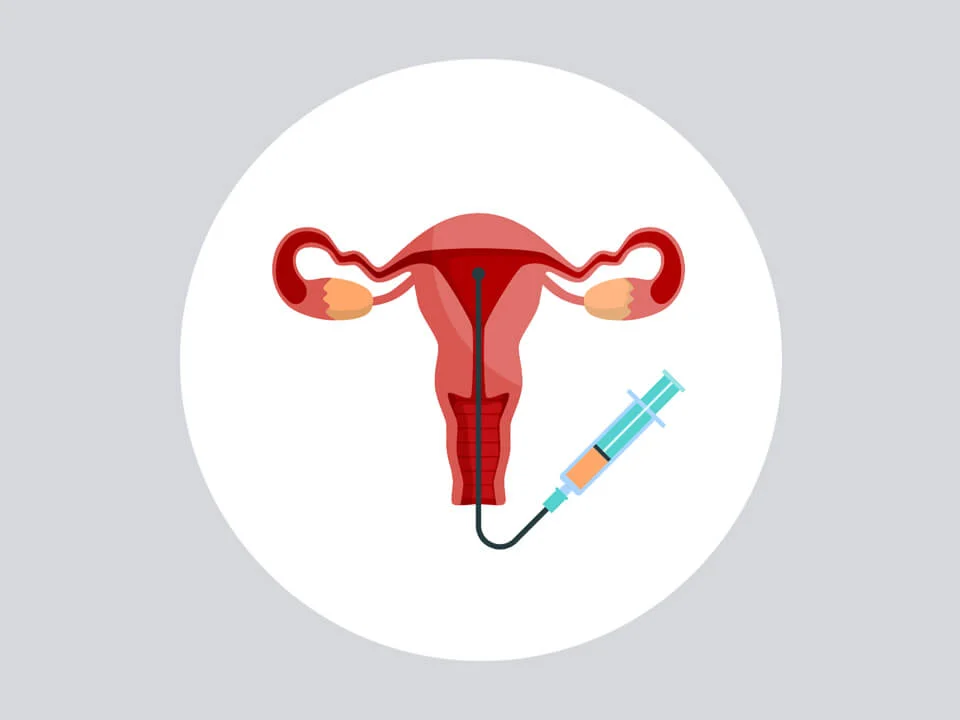
The Cost-Effectiveness of At-Home Fertility Testing: A Comparison with Medical Testing
Medical testing for fertility involves a visit to a doctor or fertility specialist, where a thorough evaluation is conducted to assess reproductive health and fertility potential. This can include blood tests, ultrasound scans, and other diagnostic procedures.
Pros of Medical Testing:
1. Accuracy: Medical testing is considered to be more accurate than at-home fertility testing. The results are interpreted by a healthcare professional, reducing the chances of error.
2. Comprehensive evaluation: As mentioned earlier, medical testing offers a more comprehensive evaluation of reproductive health and fertility potential, providing a more detailed understanding of any potential issues.
3. Professional guidance: Medical testing involves a healthcare professional who can provide guidance, answer any questions, and offer treatment options if needed.
4. Personalized treatment: If any fertility issues are detected, medical testing offers personalized treatment options tailored to an individual’s specific needs.
Cons of Medical Testing:
1. Cost: Medical testing can be expensive, with the cost ranging from hundreds to thousands of dollars, depending on the tests and treatments required.
2. Time-consuming: Medical testing often involves multiple appointments, which can be time-consuming and may require taking time off work.
3. Inconvenience: Unlike at-home fertility testing, medical testing requires individuals to visit a doctor or clinic, which may not be easily accessible for some.
The Bottom Line: Which Option is More Cost-Effective?
While at-home fertility testing may seem like a more affordable option, it is important to consider the potential limitations and drawbacks. Medical testing, although more expensive, offers a more accurate and comprehensive evaluation and personalized treatment options. It also provides the guidance of a healthcare professional, which is crucial in understanding and addressing any fertility issues.
In conclusion, both at-home fertility testing and medical testing have their pros and cons. It ultimately depends on an individual’s personal preference, budget, and fertility concerns. However, when it comes to accuracy and effectiveness, medical testing is the recommended option for those seeking a thorough evaluation of their reproductive health and fertility potential.
In summary, at-home fertility testing offers convenience and affordability, while medical testing provides accuracy, comprehensive evaluation, and personalized treatment options. Ultimately, individuals should carefully consider their options and consult with a healthcare professional to determine the best course of action for their reproductive health.