Blog Post Title: Egg Donation vs Egg Freezing: Breaking Down the Myths
Egg donation and egg freezing are two fertility treatments that are often confused with one another. While both involve eggs, they serve different purposes and have different processes. Unfortunately, there are many myths surrounding these two procedures that can cause confusion and misunderstandings. In this blog post, we will break down the myths and provide a clear understanding of the differences between egg donation and egg freezing.
Myth 1: Egg donation and egg freezing are the same thing.
Fact: Egg donation and egg freezing are two distinct fertility treatments. Egg donation is a process where a woman donates her eggs to another individual or couple who are unable to conceive naturally. These donated eggs are then fertilized with sperm and transferred to the intended mother’s uterus. On the other hand, egg freezing is a process where a woman’s eggs are retrieved, frozen, and stored for future use when she is ready to conceive.
Myth 2: Egg donation and egg freezing are only for older women.
Fact: While both egg donation and egg freezing can benefit older women, they are not limited to this age group. Egg donation is often used by women who have premature ovarian failure or other fertility issues that prevent them from producing healthy eggs. On the other hand, egg freezing is recommended for women who are in their 20s or early 30s and want to preserve their fertility for future use.
Myth 3: Egg donation and egg freezing are only for women who are infertile.
Fact: While egg donation can help women who are unable to conceive naturally, it is also used for same-sex couples or single individuals who want to have a child. Egg freezing, on the other hand, can be used by anyone who wants to preserve their fertility for the future, regardless of their current fertility status.
Myth 4: Egg donation and egg freezing are risky procedures.
Fact: Both egg donation and egg freezing are safe procedures that are performed under the supervision of a fertility specialist. While there are potential risks involved, such as ovarian hyperstimulation syndrome, these are rare and can be managed with proper medical care.
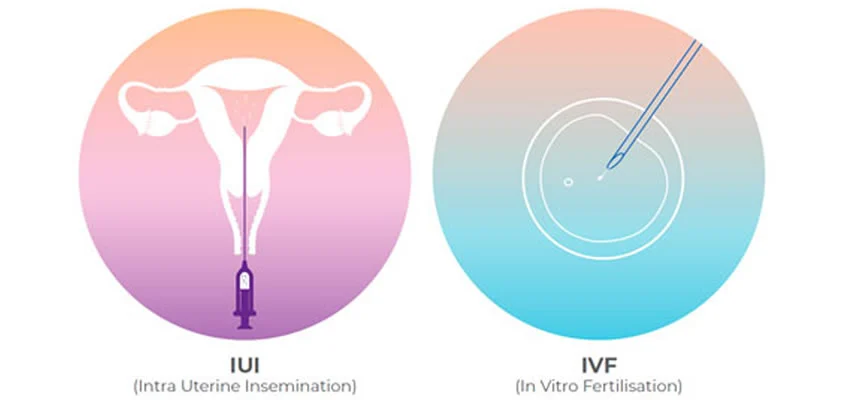
Egg Donation vs Egg Freezing: Breaking Down the Myths
Myth 5: Egg donation and egg freezing are only for wealthy individuals.
Fact: While both procedures can be costly, there are options available for financial assistance, such as insurance coverage and financing plans. Additionally, many fertility clinics offer discounted or free services for those who qualify. It is essential to discuss the financial aspect of these procedures with a fertility specialist to find the best option for you.
Myth 6: The process for egg donation and egg freezing is the same.
Fact: The process for egg donation and egg freezing differ significantly. Egg donation involves a more involved process, including fertility medications, egg retrieval, and embryo transfer. On the other hand, egg freezing only requires fertility medications and egg retrieval. Additionally, the timeline for egg donation is much more time-sensitive, while egg freezing allows for more flexibility in timing.
Myth 7: The genetic child of an egg donor will not be related to the intended mother.
Fact: While the egg donor provides the genetic material, the embryo is transferred to the intended mother’s uterus, and she carries the pregnancy. This means that the genetic child will be biologically related to the intended mother and will share her genes.
Myth 8: Egg donation and egg freezing are not regulated.
Fact: Both egg donation and egg freezing are heavily regulated by the FDA and the American Society for Reproductive Medicine. These regulations ensure that the procedures are safe and ethical for all parties involved.
In conclusion, there are many myths surrounding egg donation and egg freezing that can cause confusion and misunderstandings. It is essential to educate oneself and seek guidance from a fertility specialist to understand the differences between these two procedures and determine which one is the best option for you. With advancements in technology and medical science, more individuals and couples are now able to fulfill their dreams of parenthood through egg donation and egg freezing.
Summary:
Egg donation and egg freezing are two distinct fertility treatments that are often confused with one another. While egg donation involves a woman donating her eggs to another individual or couple for fertilization, egg freezing is a process where a woman’s eggs are retrieved, frozen, and stored for future use. There are many myths surrounding these procedures, including their purpose, risks, and accessibility. However, with proper education and guidance from a fertility specialist, individuals and couples can have a clear understanding of the differences between egg donation and egg freezing and determine which option is best for their unique situation.