Tag: Surrogacy

  • The Surrogacy vs Adoption Debate: Finding Common Ground

    The Surrogacy vs Adoption Debate: Finding Common Ground

    The decision to start a family is a life-changing and deeply personal one. For many couples and individuals, the traditional path to parenthood is not always feasible. This has led to an ongoing debate between surrogacy and adoption as alternative means of building a family. Both options have their own benefits and challenges, and the debate between the two can often be divisive. However, it is important to find common ground and have a deeper understanding of both surrogacy and adoption in order to make an informed decision. In this blog post, we will explore the surrogacy vs adoption debate and the potential for finding common ground between the two options.

    Understanding Surrogacy

    Surrogacy is the process of using a third party, known as a surrogate, to carry and give birth to a child for a couple or individual who is unable to conceive or carry a child themselves. There are two types of surrogacy: traditional surrogacy, where the surrogate’s egg is used, and gestational surrogacy, where the intended parent’s sperm and egg are used. Surrogacy is a complex and expensive process, involving legal contracts, medical procedures, and emotional considerations. However, for many people, it offers a chance to have a biological child and experience pregnancy and childbirth.

    Pros of Surrogacy

    One of the main benefits of surrogacy is the ability to have a biological child. For couples or individuals who are unable to conceive or carry a child themselves, surrogacy provides a way to have a child who shares their DNA. This can be a major factor in the decision-making process for those considering surrogacy. Additionally, surrogacy allows intended parents to be involved in the pregnancy and childbirth process, which can be a deeply meaningful experience for many.

    Cons of Surrogacy

    Surrogacy also has its challenges and drawbacks. The cost of surrogacy can be a major barrier for many, with the average cost in the United States ranging from $80,000 to $120,000. This high cost can make surrogacy inaccessible for many people, especially those who are already facing financial challenges due to infertility or other factors. Additionally, the legal and emotional complexities of surrogacy can be overwhelming for both the intended parents and the surrogate, and there is always a risk of legal disputes or emotional strains arising during the process.

    Understanding Adoption

    Adoption is the process of legally assuming the parental rights and responsibilities for a child who is not biologically related to the adoptive parents. There are several types of adoption, including domestic, international, and foster care adoption. Adoption offers a way for individuals and couples to become parents and provide a loving home for a child in need. However, it also comes with its own set of challenges and considerations.

    Pros of Adoption

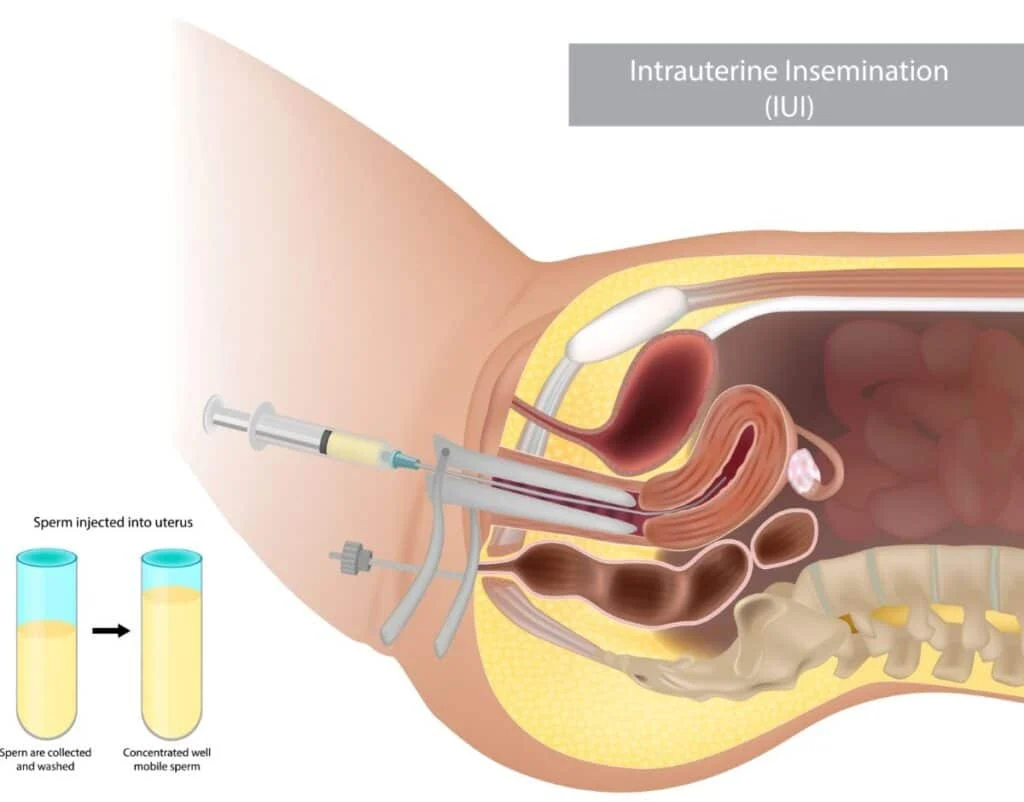
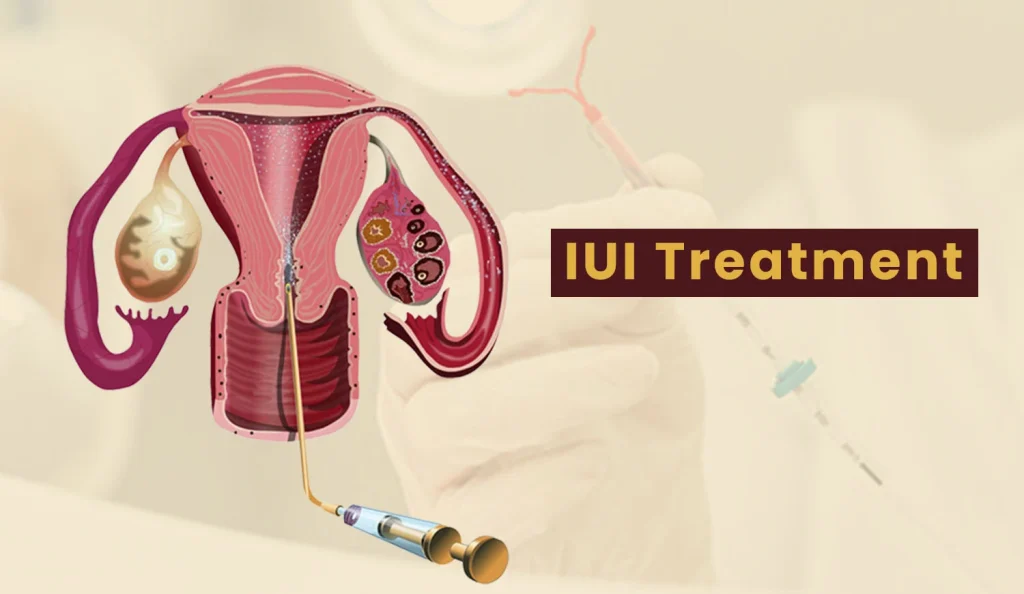
    diagram illustrating intrauterine insemination (IUI) procedure with uterus, sperm, and catheter labeled

    The Surrogacy vs Adoption Debate: Finding Common Ground

    One of the main benefits of adoption is the ability to provide a child with a loving and stable home. Adoption offers a chance for children who may not have a permanent family to have a sense of belonging and security. Additionally, adoption can be a more affordable option compared to surrogacy, with the average cost in the United States ranging from $20,000 to $40,000. This can make adoption a more accessible option for many people.

    Cons of Adoption

    Adoption also has its challenges and limitations. One of the main drawbacks is the lack of genetic connection between the child and the adoptive parents. This can be a significant factor for those who are considering adoption, as it may impact the bonding and attachment process. Additionally, the adoption process can be lengthy and emotionally taxing, as it involves navigating legal and bureaucratic procedures and often requires prospective parents to go through extensive screening and background checks.

    Finding Common Ground

    The surrogacy vs adoption debate often pits these two options against each other, with each side arguing for their own merits. However, it is important to recognize that both surrogacy and adoption offer unique benefits and challenges, and there is potential to find common ground between the two.

    For couples or individuals who are considering surrogacy, it is important to acknowledge the challenges and complexities of the process and be prepared to address them. This includes having open and honest communication with the surrogate and understanding the legal and financial implications of surrogacy. Additionally, it is important to consider the potential emotional impact on all parties involved and have a support system in place.

    On the other hand, for those considering adoption, it is important to recognize the importance of genetic connection and the potential challenges of bonding with a child who is not biologically related. It is also crucial to have a realistic understanding of the adoption process and be prepared for the emotional rollercoaster it may entail. Having a support system and seeking guidance from experienced adoptive parents can also be helpful in navigating the process.

    Ultimately, the decision between surrogacy and adoption should not be a competition, but rather a personal and informed choice that takes into consideration individual circumstances and preferences. It is important to have a deeper understanding of both options and to seek guidance and support from professionals and those who have gone through similar experiences.

    In conclusion, the surrogacy vs adoption debate is a complex and emotional one, but there is potential to find common ground and have a deeper understanding of both options. Whether it is surrogacy or adoption, the ultimate goal is to provide a loving and stable home for a child and to fulfill the desire to become a parent. By recognizing the benefits and challenges of both options, individuals and couples can make an informed decision that is best for them and their future family.

    Summary:

    The debate between surrogacy and adoption as alternative means of building a family can often be divisive. However, it is important to find common ground and have a deeper understanding of both options in order to make an informed decision. Surrogacy offers the ability to have a biological child, while adoption allows for providing a loving home for a child in need. Both options have their own benefits and challenges, and it is crucial to acknowledge and prepare for them. Ultimately, the decision between surrogacy and adoption should not be a competition, but rather a personal and informed choice that takes into consideration individual circumstances and preferences.

  • Surrogacy vs Adoption: A Cultural Comparison

    Blog Post: Surrogacy vs Adoption: A Cultural Comparison

    Surrogacy and adoption are two methods of building a family that have become increasingly popular in today’s society. With advancements in technology and changing social norms, couples and individuals now have more options to fulfill their desire for parenthood. However, both surrogacy and adoption have their own unique set of cultural implications that can greatly influence one’s decision-making. In this blog post, we will take a closer look at the cultural aspects of surrogacy and adoption and how they differ in various parts of the world.

    Surrogacy is the process of using a surrogate mother to carry and give birth to a child for another person or couple. This method of having a child has gained popularity in recent years, especially with the rise of international surrogacy. Many countries, such as India and Ukraine, have become popular destinations for surrogacy due to their relatively low costs and less restrictive laws. However, the practice of surrogacy has also faced criticism and controversy, particularly in the United States where it is often seen as a commercial transaction.

    On the other hand, adoption involves legally taking on the responsibility of raising a child who is not biologically related to the adoptive parents. Adoption has been around for centuries and has been widely accepted as a way of creating a family. However, the process of adoption can be lengthy and complicated, with strict regulations and criteria that must be met by the adoptive parents.

    One of the main cultural differences between surrogacy and adoption lies in the role of genetics and biology. In surrogacy, the intended parents can have a biological connection to the child, as the embryo used for the surrogacy can be created using their own genetic material. This is often seen as a crucial factor for many couples who want to have a child that is genetically related to them. On the other hand, adoption involves no biological connection to the child, and the adoptive parents must come to terms with this fact and embrace the child as their own.

    Another cultural difference is the involvement of the birth mother. In surrogacy, the surrogate mother is often seen as a “carrier” of the child, and the intended parents are seen as the true parents. This can result in a complicated relationship between the surrogate and the intended parents, as well as the child. In contrast, adoption involves a relinquishing of parental rights by the birth mother, and the adoptive parents are seen as the sole parents of the child. This can create a more straightforward and stable family dynamic.

    test tube with sperm in blue liquid, promoting IUI success rate and factors influencing fertility.

    Surrogacy vs Adoption: A Cultural Comparison

    Moreover, surrogacy and adoption have different cultural implications when it comes to the legal and social status of the child. In surrogacy, the child is often born into a legal grey area, as laws and regulations around surrogacy can vary greatly from country to country. This can result in complex legal battles and uncertainty for the child’s future. In contrast, adoption is a more established and regulated process, and the child’s legal and social status is clear from the outset.

    Cultural attitudes towards surrogacy and adoption also differ significantly. In many parts of the world, adoption is seen as a noble act of giving a child a loving home, while surrogacy is often viewed with skepticism and moral judgement. In some cultures, surrogacy is even considered to be taboo, and those who utilize it may face social stigma and discrimination. This can make it challenging for intended parents to openly talk about their decision to pursue surrogacy.

    In terms of cost, surrogacy can be a more expensive option compared to adoption. In addition to medical fees, intended parents may also need to cover the cost of travel and accommodation in the surrogate’s home country. On the other hand, adoption costs can vary greatly depending on the agency and country, but it is generally considered to be a more economical option.

    In conclusion, surrogacy and adoption are two methods of family building that have their own unique cultural implications. While surrogacy offers a biological connection to the child, it can also involve complex legal and social issues. Adoption, on the other hand, provides a more established and regulated process, but can also involve challenges such as lengthy waiting periods and high costs. Ultimately, the decision between surrogacy and adoption is a personal one, and it is essential to consider the cultural aspects and implications before making a choice.

    Summary:

    Surrogacy and adoption are two methods of building a family that have gained popularity in today’s society. Surrogacy involves using a surrogate mother to carry and give birth to a child for another person or couple, while adoption is the process of legally taking on the responsibility of raising a child who is not biologically related to the adoptive parents. These methods have their own unique cultural implications, such as the role of genetics and biology, the involvement of the birth mother, legal and social status of the child, cultural attitudes, and cost. Ultimately, the decision between surrogacy and adoption is a personal one that should consider these cultural factors.

  • The Impact on Extended Family: Surrogacy vs Adoption

    Blog Post Title: The Impact on Extended Family: Surrogacy vs Adoption

    Family is the cornerstone of society, and having children is often seen as a natural part of life. However, for some couples, conceiving a child may not be possible due to various reasons such as infertility, medical conditions, or personal choice. In such cases, they may turn to alternative options like surrogacy or adoption. Both surrogacy and adoption have their own set of benefits and challenges, and one aspect that often gets overlooked is the impact on extended family. In this blog post, we will explore the impact of surrogacy and adoption on extended family members.

    Surrogacy is a process in which a woman carries a child for another individual or couple, who will become the child’s legal parents. On the other hand, adoption is the legal process of permanently transferring parental rights and responsibilities from one person or couple to another. While both processes result in the addition of a child to a family, their impact on extended family members can differ significantly.

    Impact of Surrogacy on Extended Family:

    1. Emotional Support: Surrogacy can be an emotionally challenging journey for intended parents, and they often turn to their extended family for support. In most cases, the extended family is happy and excited about the news of a new family member. They may also play a significant role in helping the intended parents prepare for the arrival of the child.

    2. Financial Support: Surrogacy can be an expensive process, and the intended parents may need financial support from their extended family. This support can come in the form of monetary contributions towards medical expenses, legal fees, or even emotional counseling.

    3. Involvement in the Child’s Life: In traditional surrogacy, the surrogate mother is usually a family member or a close friend. This can lead to extended family members feeling a strong connection to the child and wanting to be involved in the child’s life. In such cases, the extended family members may play a significant role in the child’s upbringing and provide support to the intended parents.

    4. Legal Issues: Surrogacy involves a complex legal process, and it is essential to have the support of extended family members during this time. They can provide assistance in understanding legal documents and offer guidance on important decisions that need to be made.

    model of the female reproductive system with a hand demonstrating intrauterine insemination technique

    The Impact on Extended Family: Surrogacy vs Adoption

    5. Potential Challenges: Despite the emotional and financial support extended family members can provide, there may be challenges that arise during the surrogacy process. For example, some family members may not understand or accept the idea of surrogacy, which can cause tension and strain in relationships.

    Impact of Adoption on Extended Family:

    1. Involvement in the Adoption Process: In most cases, adoption involves a lengthy and rigorous process, and extended family members can play a crucial role in supporting the adoptive parents. They may offer practical help, such as babysitting, or emotional support through the ups and downs of the adoption journey.

    2. Role in the Child’s Life: In open adoptions, extended family members may have the opportunity to maintain a relationship with the birth parents and the adopted child. This can be a positive experience for all involved and can create a sense of extended family for the child.

    3. Adjustment to the New Family Member: When a child is adopted, it can be a significant adjustment for the extended family as well. They may need to adapt to the new dynamics and may also struggle with their own emotions and feelings towards the adopted child.

    4. Potential Challenges: Adoption can also bring challenges for the extended family, such as dealing with the birth family’s involvement or navigating cultural differences if the child is from a different background. These challenges can create tension and strain in relationships if not handled properly.

    The decision to choose surrogacy or adoption is a personal and complex one, and it is essential to consider the impact on extended family members. While both options have their own set of benefits and challenges, the most crucial factor is the well-being and happiness of the child and the family as a whole.

    In summary, surrogacy and adoption can have a significant impact on extended family members. They can provide emotional and financial support, play a role in the child’s life, and help navigate the legal and practical aspects of the process. However, there may also be challenges and tensions that arise. Ultimately, the most important thing is to make a decision that is best for the child and the family.

  • Surrogacy vs Adoption: A Medical Comparison

    Surrogacy vs Adoption: A Medical Comparison

    When it comes to starting a family, there are various options available for couples and individuals. Two of the most common methods are surrogacy and adoption. While both can help individuals and couples achieve their dream of becoming parents, they have significant differences in terms of the medical processes involved. In this blog post, we will explore the medical aspects of surrogacy and adoption and compare them to help you understand which option may be the best for you.

    Surrogacy is a process in which a woman carries a pregnancy for another individual or couple, known as the intended parents. There are two types of surrogacy – traditional and gestational. In traditional surrogacy, the surrogate’s own egg is fertilized with the intended father’s sperm, making her the biological mother of the child. On the other hand, gestational surrogacy involves the use of in vitro fertilization (IVF) to create an embryo using the intended parents’ genetic material, which is then implanted into the surrogate’s womb.

    The medical process of surrogacy involves several steps. First, the intended parents undergo fertility testing to determine their ability to produce healthy sperm and eggs. If there are any issues, alternative options such as using donor eggs or sperm may be considered. Once the intended parents have been cleared, the surrogate also undergoes fertility testing to ensure her ability to carry a pregnancy. If all goes well, the next step is the embryo transfer, where the fertilized embryo is implanted into the surrogate’s uterus. The surrogate then carries the pregnancy to term and delivers the baby, who is then legally handed over to the intended parents.

    Adoption, on the other hand, is the legal process of becoming the parents of a child who is not biologically related to them. There are various types of adoption, including domestic, international, and foster care adoption. Domestic adoption involves adopting a child within the country, while international adoption is the process of adopting a child from another country. Foster care adoption involves adopting a child who is in the foster care system.

    The medical process of adoption is not as complex as surrogacy. However, it does involve some medical procedures. First, the adoptive parents undergo a medical examination to ensure they are healthy and able to care for a child. They may also undergo psychological evaluations to determine their readiness to become parents. Once they are approved, the adoption agency will match them with a child based on their preferences and the child’s needs. The adoptive parents then go through a legal process to finalize the adoption.

    illustration of intrauterine insemination procedure with a syringe and catheter in the uterus.

    Surrogacy vs Adoption: A Medical Comparison

    One significant difference between surrogacy and adoption is the involvement of genetics. In surrogacy, the intended parents’ genetic material is used to create the embryo, making them the biological parents of the child. On the other hand, in adoption, the child is not biologically related to the adoptive parents. This may be an important factor for some individuals or couples to consider when choosing between surrogacy and adoption.

    Another difference is the level of control and involvement in the pregnancy and birth process. In surrogacy, the intended parents have more control over the pregnancy, as they are involved in the embryo creation and transfer process. They can also be present for the birth of their child if they choose to do so. In contrast, adoptive parents have less control over the pregnancy and birth process, as they are not biologically related to the child and may not be present for the birth.

    In terms of costs, surrogacy is generally more expensive than adoption. The medical procedures involved in surrogacy, such as IVF, can be costly, and the intended parents are also responsible for the surrogate’s medical expenses. In contrast, adoption costs may vary, but they are generally lower than surrogacy. However, with adoption, there may be additional fees such as legal fees, home studies, and travel expenses for international adoption.

    Both surrogacy and adoption have their own set of risks and challenges. One potential risk of surrogacy is the emotional attachment that may develop between the surrogate and the baby, which could make it difficult for her to give up the child after birth. In adoption, there may be challenges such as the child’s birth parents changing their minds or the child having a difficult time adjusting to the new family.

    In conclusion, surrogacy and adoption are two different options for individuals and couples looking to start a family. Surrogacy involves a more complex medical process and offers the opportunity for the intended parents to have a genetic connection to the child. Adoption, on the other hand, is a more straightforward medical process and provides the opportunity to give a home to a child in need. Ultimately, the decision between surrogacy and adoption is a personal one that should be made after considering all factors and consulting with medical professionals.

    Summary:

    Surrogacy and adoption are two popular options for individuals and couples looking to start a family. Surrogacy involves a complex medical process, while adoption is a more straightforward process. Surrogacy allows for a genetic connection to the child, while adoption does not. Surrogacy is generally more expensive than adoption, and both have their own set of risks and challenges. Ultimately, the decision between surrogacy and adoption should be made after considering all factors and consulting with medical professionals.

  • The Role of Openness: Surrogacy vs Adoption

    Blog Post Title: The Role of Openness: Surrogacy vs Adoption

    Openness is a concept that has become increasingly important in the world of surrogacy and adoption. Both of these processes involve the creation of a family, but they differ greatly in terms of how that family is formed and the level of openness that is involved. In this blog post, we will delve into the role of openness in surrogacy and adoption, and explore the benefits and challenges of each option.

    Surrogacy, also known as gestational surrogacy, is a process in which a woman carries a child for another individual or couple. This can be done either through traditional surrogacy, where the surrogate’s own egg is used, or through gestational surrogacy, where the surrogate carries a child conceived through in vitro fertilization (IVF) using the intended parents’ egg and sperm. In both cases, the surrogate has no genetic relationship to the child.

    On the other hand, adoption is the legal process of becoming the parent of a child who is not biologically related to you. This can be through private adoption, where the adoptive parents work directly with the birth parents, or through agency adoption, where a licensed agency facilitates the adoption process.

    One of the main differences between surrogacy and adoption is the level of openness. Surrogacy arrangements are typically more closed, with limited contact or communication between the surrogate and the intended parents. This is due to the fact that the surrogate has no genetic connection to the child and may not want to be involved in the child’s life after the birth. In contrast, adoption can involve varying levels of openness, from closed adoptions where there is no contact between the birth parents and adoptive parents, to fully open adoptions where there is ongoing communication and even visits between the two families.

    The Role of Openness in Surrogacy

    Surrogacy has traditionally been seen as a more private and secretive process, with the surrogate often being anonymous. This is partly due to the fact that the surrogate is not genetically related to the child and may not want to be involved in the child’s life after the birth. However, there has been a shift in recent years towards more openness in surrogacy arrangements.

    One of the main reasons for this shift is the growing importance of the surrogate’s role in the process. Surrogates are now seen as valuable members of the family-building team, and their emotional and physical well-being is given more consideration. As a result, many intended parents and surrogates are choosing to have more open and honest communication throughout the process.

    Openness in surrogacy can take many forms. It can involve regular communication between the intended parents and the surrogate, including updates on the pregnancy and the child’s development. It can also include the involvement of the surrogate in the child’s life after the birth, such as attending special events or maintaining a relationship with the child.

    Benefits and Challenges of Openness in Surrogacy

    One of the main benefits of openness in surrogacy is the opportunity for the child to have a relationship with the surrogate. This can provide the child with a sense of identity and connection to their biological roots. It can also help to demystify the surrogacy process and allow the child to understand their unique family dynamic.

    Comparison of IVF and IUI procedures with illustrations of each method.

    The Role of Openness: Surrogacy vs Adoption

    Moreover, openness in surrogacy can also be beneficial for the surrogate. It can provide her with a sense of closure and fulfillment, knowing that she has helped create a family. It also allows for a more positive and supportive relationship between the surrogate and the intended parents, which can make the process smoother and more enjoyable for everyone involved.

    However, openness in surrogacy also comes with its challenges. One of the main concerns is the potential for confusion or conflicting emotions for the child. The child may struggle with understanding their relationship with the surrogate, and may also have difficulty navigating the dynamics between their birth and intended families.

    The Role of Openness in Adoption

    Openness in adoption has become more prevalent in recent years, with many adoptive parents and birth parents choosing to have ongoing contact and communication. This has been seen as a positive shift, as it allows for a more transparent and honest approach to adoption.

    Openness in adoption can take many forms, depending on the preferences of the birth and adoptive parents. It can include sharing identifying information, such as names and contact details, or it can involve more limited communication, such as letters and photos. In some cases, there may also be in-person visits or the birth parents may have a role in the child’s life.

    Benefits and Challenges of Openness in Adoption

    One of the main benefits of openness in adoption is the opportunity for the child to have a relationship with their birth family. This can provide the child with a sense of connection and understanding of their identity. It can also help to reduce the stigma often associated with adoption and create a more positive and supportive family dynamic.

    Openness in adoption can also be beneficial for the birth parents. It allows them to maintain a connection to their child and see how they are thriving in their new family. It can also provide them with a sense of closure and peace of mind, knowing that their child is loved and cared for.

    However, there are also challenges that come with openness in adoption. One of the main concerns is the potential for conflicting emotions and boundaries between the birth and adoptive families. It may also be difficult for the child to navigate the relationships with their birth and adoptive families, and they may struggle with feelings of loyalty or confusion.

    In Summary

    In conclusion, the role of openness in surrogacy and adoption is a complex and evolving concept. While surrogacy arrangements tend to be more closed, there has been a shift towards more openness in recent years. On the other hand, adoption can involve varying levels of openness, depending on the preferences of the birth and adoptive families. Both options have their own benefits and challenges, and the decision of whether to pursue surrogacy or adoption should be based on what is best for the child and the families involved.

  • Surrogacy vs Adoption: A Comparison of Waiting Times

    Blog Post:

    Surrogacy and adoption are two popular options for couples and individuals looking to start or expand their families. Both methods have their own unique set of benefits and challenges, but one aspect that often comes into consideration is the waiting time. How long does it take to find a surrogate or adopt a child? In this blog post, we will delve into the comparison of waiting times between surrogacy and adoption.

    Surrogacy is the process of using a gestational carrier, also known as a surrogate, to carry and give birth to a child for someone else. This method allows individuals or couples who are unable to carry a child themselves to still have a biological connection to their child. On the other hand, adoption involves legally taking on the responsibility of raising a child who is not biologically related to the adoptive parents. Let’s take a closer look at the waiting times for each of these options.

    Surrogacy Waiting Time:

    The waiting time for surrogacy can vary depending on the type of surrogacy chosen. Traditional surrogacy, where the surrogate’s own egg is used, is less common and can take longer as it involves finding a suitable surrogate and going through the insemination process. In contrast, gestational surrogacy, where the surrogate carries an embryo created through in vitro fertilization (IVF), is more common and has a shorter waiting time.

    Finding a surrogate can take anywhere from a few months to a year or more. This process involves finding a surrogate who is medically and psychologically screened, and whose values and expectations align with those of the intended parents. Once a match is found, the IVF process can take around 3-6 months, including the time for embryo creation, transfer, and pregnancy confirmation. Therefore, the total waiting time for surrogacy can range from 9 months to 1.5 years.

    Adoption Waiting Time:

    Adoption waiting times can also vary depending on the type of adoption chosen. Domestic adoption, where a child is adopted within the same country, generally has a shorter waiting time compared to international adoption, where a child is adopted from another country. The waiting time for domestic adoption can range from a few months to a couple of years, while international adoption can take 2-5 years or more.

    The waiting time for adoption also depends on the age of the child being adopted. Infants and young children tend to have longer waiting times as they are in high demand. On the other hand, older children, especially those with special needs, may have shorter waiting times as they are often overlooked by potential adoptive parents.

    Diagram illustrating intrauterine insemination (IUI) procedure with sperm injection into the uterus.

    Surrogacy vs Adoption: A Comparison of Waiting Times

    Factors Affecting Waiting Times:

    Several factors can affect the waiting times for both surrogacy and adoption. For surrogacy, the availability of surrogates, their location, and the IVF process can all impact the waiting time. In adoption, the availability of children, the adoptive parents’ preferences, and the adoption agency’s procedures can influence the waiting time.

    Another factor that can affect waiting times is the legal process involved in both surrogacy and adoption. Both processes require the involvement of lawyers and the completion of various legal documents, which can add to the overall waiting time.

    Additional Considerations:

    Apart from the waiting time, there are other important factors to consider when deciding between surrogacy and adoption. Surrogacy can be a more expensive option, with the costs of medical procedures, surrogate compensation, and legal fees. Adoption, on the other hand, can be more affordable, especially if adopting through the foster care system.

    Furthermore, surrogacy allows for a biological connection to the child, while adoption provides a loving home for a child in need. It is essential to carefully consider all these factors and make the decision that best suits your individual situation.

    Summary:

    In conclusion, the waiting times for surrogacy and adoption can vary depending on several factors. Surrogacy can take anywhere from 9 months to 1.5 years, while adoption can take a few months to several years. Various factors such as the type of surrogacy or adoption, the availability of surrogates or children, and the legal process can all impact the waiting time. It is crucial to carefully consider these factors and make an informed decision when choosing between surrogacy and adoption.

    SEO Metadata:

  • The Surrogacy vs Adoption Decision: A Couple’s Journey

    Becoming parents is a dream shared by many couples. However, for some, the journey to parenthood may not be as straightforward as they had hoped. Infertility, medical conditions, or personal reasons may make it difficult or impossible for a couple to conceive a child naturally. In such situations, couples may consider two options: surrogacy or adoption. Both options have their own unique set of challenges and rewards, and the decision can be a difficult one to make. In this blog post, we will dive into the surrogacy vs adoption decision and explore the journey of a couple as they navigate this important choice.

    First, let’s define surrogacy and adoption. Surrogacy is the process of using a surrogate, a woman who carries and gives birth to a child for another couple or individual. There are two types of surrogacy: traditional and gestational. Traditional surrogacy involves using the surrogate’s own egg, while gestational surrogacy uses the intended mother’s or a donor’s egg. On the other hand, adoption is the legal process of becoming the parent of a child who is not biologically related to you. It involves taking on the responsibility of raising and caring for a child as your own.

    Now, let’s meet the couple at the center of this decision – Sarah and John. Sarah and John have been married for 5 years and have always dreamed of having a family. However, after trying to conceive for a few years, they were told by their doctor that Sarah has a medical condition that makes it difficult for her to carry a pregnancy to full term. Devastated by this news, Sarah and John were faced with the difficult decision of choosing between surrogacy and adoption.

    Like many couples in their situation, Sarah and John were overwhelmed with emotions and faced with many questions. They wondered about the cost, the legal aspects, and the emotional impact of both options. They also had concerns about how they would bond with a child who was not biologically related to them. The couple spent many sleepless nights discussing and researching both options, trying to find the best path for them.

    After much contemplation, Sarah and John decided to explore surrogacy first. They were drawn to the idea of having a biological connection to their child and the ability to be involved in the pregnancy and birth. However, as they delved deeper into the process, they realized the high cost of surrogacy and the potential legal complications involved. They also had concerns about the relationship and boundaries with the surrogate, and how to explain the process to their child in the future.

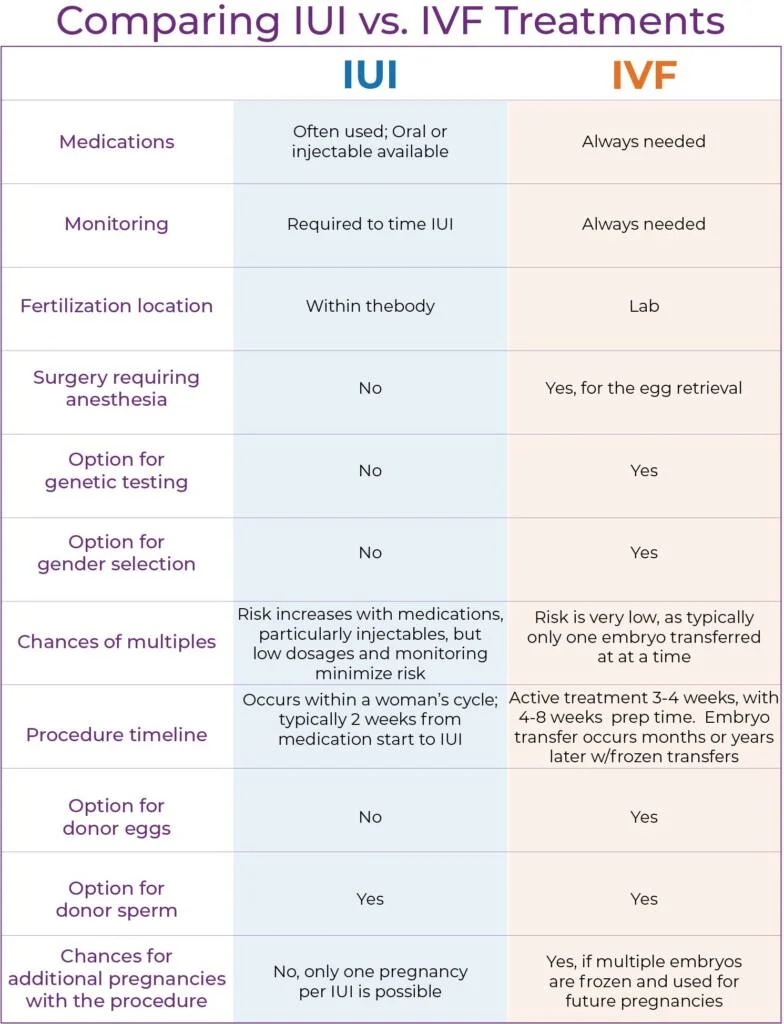
    Comparison chart of IUI and IVF treatments, detailing medications, monitoring, procedures, and success rates.

    The Surrogacy vs Adoption Decision: A Couple's Journey

    Feeling overwhelmed and unsure, Sarah and John decided to take a step back and consider adoption. They attended an information session at a local adoption agency and were surprised to learn about the different types of adoption – domestic, international, and foster care. They were also relieved to discover that there were financial and emotional support available for adoptive families. After much research and reflection, Sarah and John decided to pursue domestic adoption.

    Their journey towards adoption was not without its challenges. They went through a thorough screening process and had to wait for several months before they were matched with a birth mother. During this time, they also had to deal with the emotions of potential matches falling through and the fear of not being chosen by a birth mother. However, when they finally received the call that a birth mother had chosen them, they were overwhelmed with joy and gratitude.

    As Sarah and John welcomed their daughter into their family, they realized that the love they had for her was just as strong as if she were biologically related to them. They also found that the adoption process had brought them closer as a couple and they were grateful for the support and guidance they received from their agency throughout the process.

    In the end, Sarah and John’s journey to parenthood was not an easy one, but it was worth it. They had explored both surrogacy and adoption and found that each option had its own set of challenges and rewards. Their decision to pursue adoption had led them to their beautiful daughter, and they were grateful for the opportunity to become parents.

    In summary, the surrogacy vs adoption decision is a complex and personal one. There is no right or wrong answer, and each couple must weigh their options carefully to find the best fit for their family. Both surrogacy and adoption have their own unique challenges and rewards, and it’s important for couples to do their research and seek guidance before making a decision. For Sarah and John, their journey towards parenthood through adoption was a challenging but ultimately rewarding experience, and they couldn’t be happier with their decision.

    In conclusion, the decision between surrogacy and adoption is a deeply personal one for couples facing infertility or other challenges in starting a family. By exploring the pros and cons of each option, doing thorough research, and seeking support, couples can make an informed decision that is best for them and their future family.

  • Surrogacy vs Adoption: A Parent’s Perspective

    Surrogacy and adoption are two options available to couples or individuals who want to become parents but are unable to do so naturally. Both processes involve having someone else carry and give birth to a child, but there are significant differences between the two. In this blog post, we will explore surrogacy and adoption from a parent’s perspective, discussing the pros and cons of each option.

    Surrogacy is a process where a woman agrees to carry and give birth to a child for someone else. There are two types of surrogacy: traditional and gestational. In traditional surrogacy, the surrogate is also the biological mother of the child, as her own egg is used for fertilization. In gestational surrogacy, the embryo is created using the intended parents’ sperm and egg, or a donor’s sperm or egg, and then transferred to the surrogate’s uterus. Surrogacy is a costly process, with average fees ranging from $80,000 to $120,000. It involves legal contracts and medical procedures, and there is no guarantee of success.

    On the other hand, adoption is the process of legally becoming the parent of a child who is not biologically related to you. There are different types of adoption, including domestic adoption, international adoption, and foster care adoption. Adoption can be a lengthy and expensive process, with average fees ranging from $25,000 to $50,000. There is also a rigorous screening and evaluation process for prospective adoptive parents.

    Now, let’s look at surrogacy and adoption from a parent’s perspective, weighing the pros and cons of each option.

    1. Biological Connection
    For many parents, having a biological connection with their child is essential. Surrogacy allows the intended parents to have a genetic link to their child. They can choose to use their own sperm and egg or a donor’s sperm or egg. This can be a significant advantage for couples struggling with infertility or for same-sex couples. However, with adoption, there is no biological connection between the child and the adoptive parents.

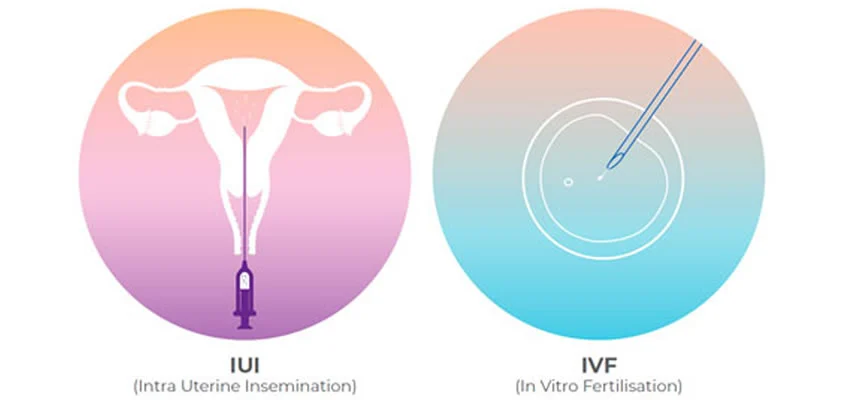
    comparison of IUI and IVF procedures illustrated with simple graphics and labels

    Surrogacy vs Adoption: A Parent's Perspective

    2. Cost
    Surrogacy is a significantly more expensive option compared to adoption. The high cost of surrogacy can be a barrier for many couples who want to become parents. On the other hand, adoption can be more affordable, especially if the parents opt for foster care adoption or adopt a child from the foster care system. However, there are still costs involved, such as legal fees and home study fees.

    3. Legal Rights
    One of the most significant concerns for parents considering surrogacy is the legal rights of the child. In many states, the surrogate has the legal right to keep the child if she changes her mind after giving birth. This can be a devastating situation for the intended parents who have invested a considerable amount of time, money, and emotion into the surrogacy process. In contrast, adoption is a legally binding process, and once the adoption is finalized, the adoptive parents have all the legal rights and responsibilities of biological parents.

    4. Emotional Connection
    Surrogacy can be emotionally challenging for the intended parents, as they have to rely on someone else to carry their child. There is also the possibility of a failed surrogacy, where the pregnancy does not result in a live birth. This can be a traumatic experience for the intended parents who have already formed an emotional bond with the child. With adoption, the child is already born, and the adoptive parents can start forming an emotional connection with the child from the very beginning.

    5. Waiting Time
    The waiting time for surrogacy can range from 12 to 24 months, depending on various factors such as finding the right surrogate and undergoing medical procedures. In contrast, the waiting time for adoption can be longer, especially for international adoption. However, with foster care adoption, the waiting time can be significantly shorter as there are many children in need of loving homes.

    In summary, surrogacy and adoption are two options available for couples or individuals who want to become parents. Surrogacy offers the opportunity for a biological connection with the child, but it is a costly and complex process with no guarantee of success. Adoption, on the other hand, may not have a biological connection, but it can be a more affordable and legally binding option for becoming a parent. Ultimately, the decision between surrogacy and adoption will depend on the individual circumstances and preferences of the intended parents.

  • The Emotional Rollercoaster: Surrogacy vs Adoption

    The journey to parenthood is often filled with unexpected twists and turns, and for many couples, the decision to have children comes with its own unique set of challenges. For some, the path to starting a family may involve surrogacy or adoption, both of which can be emotional rollercoasters. In this blog post, we will delve into the complexities of surrogacy and adoption, exploring the emotional aspects of each journey and the important factors to consider when making such a life-changing decision.

    Surrogacy is a process in which a woman carries and gives birth to a child for another individual or couple. This can be done through traditional surrogacy, where the surrogate uses her own egg and is artificially inseminated with the intended father’s sperm, or through gestational surrogacy, where the surrogate carries a child created with the intended parents’ egg and sperm or through a donor egg and sperm. In both cases, the surrogate has no genetic connection to the child she carries.

    Adoption, on the other hand, is the legal process by which an individual or couple becomes the legal parent(s) of a child who is not biologically their own. This can be done through domestic adoption, where a child is adopted within the same country, or through international adoption, where a child is adopted from another country.

    Both surrogacy and adoption offer the opportunity to become parents, but the emotional journey and implications of each decision can be vastly different. Let’s explore the emotional rollercoaster of surrogacy and adoption and the factors that may influence a couple’s decision.

    The Desire to Have a Biological Connection

    For many individuals or couples, the desire to have a biological connection to their child is a significant factor in their decision to pursue surrogacy or adoption. Surrogacy allows for a genetic connection to the child, as the intended parents can use their own genetic material or that of a donor. This can be a comforting thought for those who want a child that is biologically related to them.

    On the other hand, adoption may not offer this biological connection, as the child may have a different genetic makeup and background. This can be a source of grief for some couples and may lead them to consider surrogacy as an option.

    The Emotional Journey of Surrogacy

    The process of surrogacy can be an emotional rollercoaster for all parties involved. For the intended parents, there may be feelings of excitement, hope, and anxiety as they embark on this journey to parenthood. They may also experience fear and uncertainty as they navigate the legal and medical aspects of the process.

    For the surrogate, there may be a mix of emotions as well. While she is helping someone else achieve their dream of becoming a parent, she may also experience a sense of loss as she carries a child that is not biologically her own. This can be especially difficult in cases of traditional surrogacy, where the surrogate has a genetic connection to the child she carries.

    During the pregnancy, both the intended parents and the surrogate may experience a range of emotions as they anticipate the birth of the child. For the intended parents, there may be a sense of joy and anticipation as they prepare to meet their child. However, there may also be feelings of guilt and worry as they rely on someone else to carry their child.

    illustration of the uterus and ovaries with a syringe, labeled "IUI Treatment" in the background

    The Emotional Rollercoaster: Surrogacy vs Adoption

    The Emotional Journey of Adoption

    Adoption can also be an emotional rollercoaster for all parties involved. For the adoptive parents, there may be feelings of excitement and joy as they welcome a child into their family. However, there may also be feelings of anxiety and uncertainty as they navigate the adoption process, which can be lengthy and complex.

    For the birth parents, the decision to place their child for adoption can be a difficult and emotional one. They may experience a sense of loss and grief as they say goodbye to their child. This can be especially challenging for birth mothers, who may have a physical and emotional bond with the child they carry.

    During the adoption process, there may also be a range of emotions for both the adoptive and birth parents. For the adoptive parents, there may be a sense of excitement and anticipation as they prepare to welcome their child into their home. However, there may also be feelings of worry and anxiety as they wait for the legal process to be finalized.

    For the birth parents, there may be a mix of emotions as well. They may feel a sense of relief knowing their child will be cared for and loved by the adoptive parents, but they may also experience feelings of sadness and loss as they say goodbye.

    Factors to Consider

    When deciding between surrogacy and adoption, there are several important factors to consider. These include the emotional journey, cost, legal implications, and the potential impact on the child.

    The emotional journey of surrogacy and adoption can be challenging, but it is important to consider how each process may affect you and your family. It is also important to assess the financial costs and legal implications of both options, as they can vary greatly.

    Additionally, the potential impact on the child should be carefully considered. In surrogacy, the child may have questions about their genetic background and may have to navigate complex family dynamics. In adoption, the child may have to process feelings of grief and loss, and may also face questions about their birth family.

    Summary:

    The decision to start a family is often filled with unexpected challenges, and for many couples, this may involve surrogacy or adoption. While both options offer the opportunity to become parents, they also come with their own emotional journey. Surrogacy allows for a genetic connection to the child, but may also involve complex family dynamics, while adoption may not offer a biological connection but can bring up feelings of loss and grief. When considering surrogacy or adoption, it is important to take into account the emotional journey, cost, legal implications, and potential impact on the child.

  • Surrogacy vs Adoption: The Impact on Society

    Surrogacy and adoption are two methods of building a family that have become increasingly popular in modern society. Both options offer individuals and couples the opportunity to become parents, but they have different processes and implications for society. In this blog post, we will explore the impact of surrogacy and adoption on society, including the benefits and challenges of each, as well as the ethical and legal considerations.

    Surrogacy is a process where a woman carries and gives birth to a child for another individual or couple. There are two types of surrogacy: traditional and gestational. In traditional surrogacy, the surrogate uses her own eggs and is genetically related to the child, while in gestational surrogacy, the surrogate carries a fertilized embryo created through in vitro fertilization (IVF) and is not biologically related to the child.

    One of the main benefits of surrogacy is that it allows individuals or couples who are unable to conceive or carry a child to still have a biological connection to their child. This can be particularly important for same-sex couples or individuals who want to have a genetic link to their child. Surrogacy also offers a higher success rate compared to other fertility treatments, such as IVF, making it an attractive option for those struggling with infertility.

    However, surrogacy also comes with its own set of challenges and controversies. The main concern surrounding surrogacy is the potential exploitation of the surrogate. Critics argue that the surrogate may be financially motivated and may not have full autonomy over her body and pregnancy, leading to issues of commodification and exploitation. Additionally, there have been cases of surrogacy arrangements gone wrong, with the surrogate refusing to give up the child after birth or the intended parents backing out of the agreement. These situations can lead to legal battles and emotional turmoil for all parties involved.

    Another concern is the cost of surrogacy, which can be prohibitively expensive for many individuals and couples. The cost can vary greatly depending on the country and agency used, but it can easily reach tens of thousands of dollars. This high cost can perpetuate social and economic inequalities, as only those with financial means can afford to pursue surrogacy.

    On the other hand, adoption is the legal process of permanently placing a child with a parent or parents who are not the child’s biological parents. Adoption can be either domestic or international, and it can involve infants, older children, or children with special needs. The main goal of adoption is to provide a loving and stable home for a child in need.

    One of the biggest benefits of adoption is its potential to provide a home for children who may not have one otherwise. Adoption can give a child a chance at a better life and a loving family. It also allows individuals and couples to become parents without the physical and emotional challenges of pregnancy and childbirth. Adoption is also typically a more affordable option compared to surrogacy, with costs ranging from a few thousand dollars to around $40,000 for international adoptions.

    Illustration of intrauterine insemination (IUI) procedure with syringe and catheter in the uterus.

    Surrogacy vs Adoption: The Impact on Society

    However, adoption also has its own set of complexities and challenges. The process can be lengthy and emotionally draining, with potential roadblocks such as birth parents changing their minds or the child having a difficult time adjusting to their new family. Additionally, there is a stigma surrounding adoption, with some people viewing adopted children as “less than” or not truly part of the family. This can lead to issues of identity and self-worth for adopted children.

    Moreover, adoption can also have a significant impact on birth parents. In some cases, birth parents may struggle with feelings of guilt and loss, and may also face challenges in their future relationships and in society. This highlights the need for proper support and resources for all parties involved in the adoption process.

    In terms of the impact on society, both surrogacy and adoption have their own implications. Surrogacy challenges traditional notions of pregnancy and motherhood, as well as the concept of the nuclear family. It also brings up questions about the commodification of women’s bodies and the ethics of paying someone to carry a child. On the other hand, adoption challenges societal views of family and parenthood, as well as the importance placed on biological ties. It also raises issues of race and cultural identity, especially in transracial adoptions.

    Both surrogacy and adoption also have legal considerations that vary from country to country. In some places, surrogacy is completely banned, while in others it is highly regulated. Adoption laws also differ, with some countries having strict regulations and others having more lenient processes. These legal considerations can also impact the accessibility and cost of surrogacy and adoption.

    In conclusion, both surrogacy and adoption have their own benefits and challenges, and their impact on society is complex and multifaceted. While surrogacy allows individuals and couples to have a biological connection to their child, it also raises concerns about exploitation and the commodification of women’s bodies. Adoption, on the other hand, provides a home for children in need, but it also challenges societal views of family and can have a lasting impact on all parties involved. It is important for society to have open and ongoing discussions about these methods of building a family and to ensure that proper support and resources are available for all involved.

    Summary:

    Surrogacy and adoption are two methods of building a family that have become increasingly popular, but they have different processes and implications for society. Surrogacy allows a biological connection to the child, but raises concerns about exploitation and cost. Adoption provides a home for children in need, but can be emotionally complex and stigmatized. Both challenge societal norms and have legal considerations that vary. It is important for society to openly discuss and support these methods of family building.