Tag: male fertility

  • The Science of Sperm: Understanding Male Fertility in Insemination

    Blog Post:

    When it comes to the process of insemination, one of the key factors for success is the quality and quantity of sperm. Sperm, also known as spermatozoa, are the male reproductive cells that are responsible for fertilizing the female egg. Understanding the science behind sperm is crucial for couples who are trying to conceive through insemination. In this blog post, we will delve into the science of sperm and how it affects male fertility in insemination.

    Sperm Production and Development

    Sperm production begins during puberty and continues throughout a man’s life. The process of sperm development, also known as spermatogenesis, takes place in the testes. The testes contain seminiferous tubules, which are responsible for producing sperm cells. These tubules are lined with special cells called Sertoli cells, which provide nourishment and support to the developing sperm cells.

    The production of mature sperm cells takes around 64 days. Sperm cells go through several stages of development before they are fully matured and ready for fertilization. The first stage is the production of spermatogonia, which are the precursor cells of sperm. These cells then go through the process of mitosis, where they divide and produce primary spermatocytes. These primary spermatocytes then go through meiosis, which is a specialized form of cell division that results in the production of four haploid cells. These haploid cells are then transformed into spermatids, which are the immature sperm cells. Finally, the spermatids undergo a process called spermiogenesis, where they develop into mature sperm cells.

    Sperm Structure and Function

    A mature sperm cell is a tiny, sleek structure with a head and a tail. The head contains genetic material, including DNA, and is covered by a cap-like structure called the acrosome. The acrosome contains enzymes that help the sperm penetrate the egg during fertilization. The tail, also known as the flagellum, is responsible for the sperm’s movement. It propels the sperm forward, allowing it to swim towards the egg.

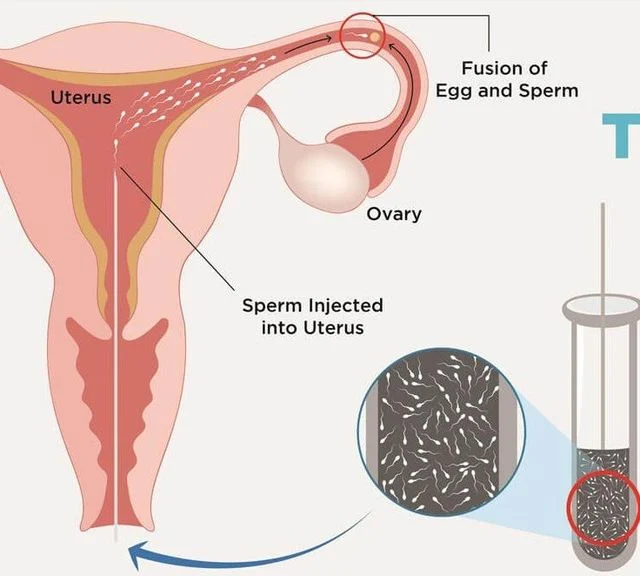
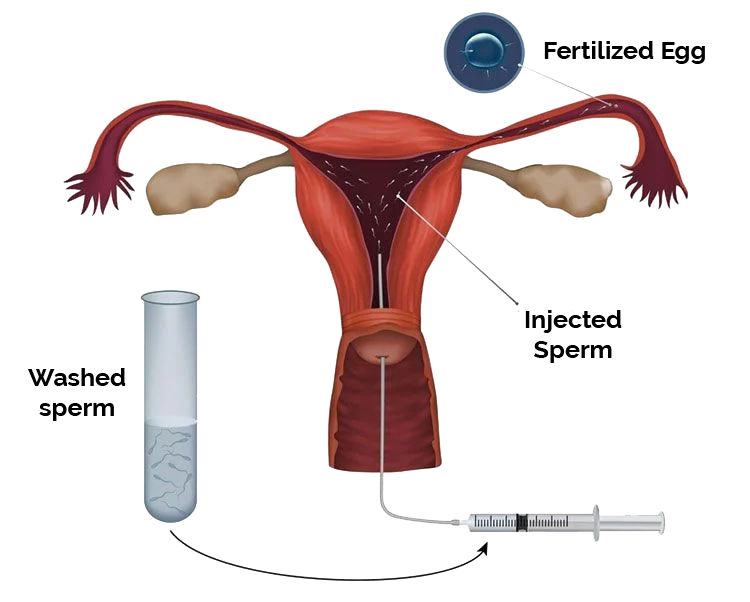
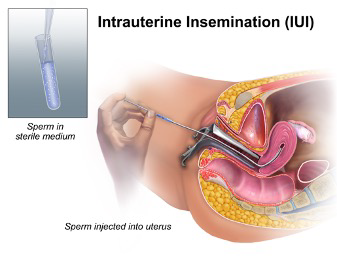
    The main function of sperm is to fertilize the female egg. However, sperm also plays a crucial role in the process of insemination. Insemination is the introduction of sperm into the female reproductive tract in hopes of fertilizing an egg. In this process, sperm must travel through the female reproductive tract and reach the fallopian tubes, where fertilization takes place.

    Factors Affecting Sperm Quality and Quantity

    Several factors can affect the quality and quantity of sperm, which in turn, can impact male fertility in insemination. Some of the most common factors include:
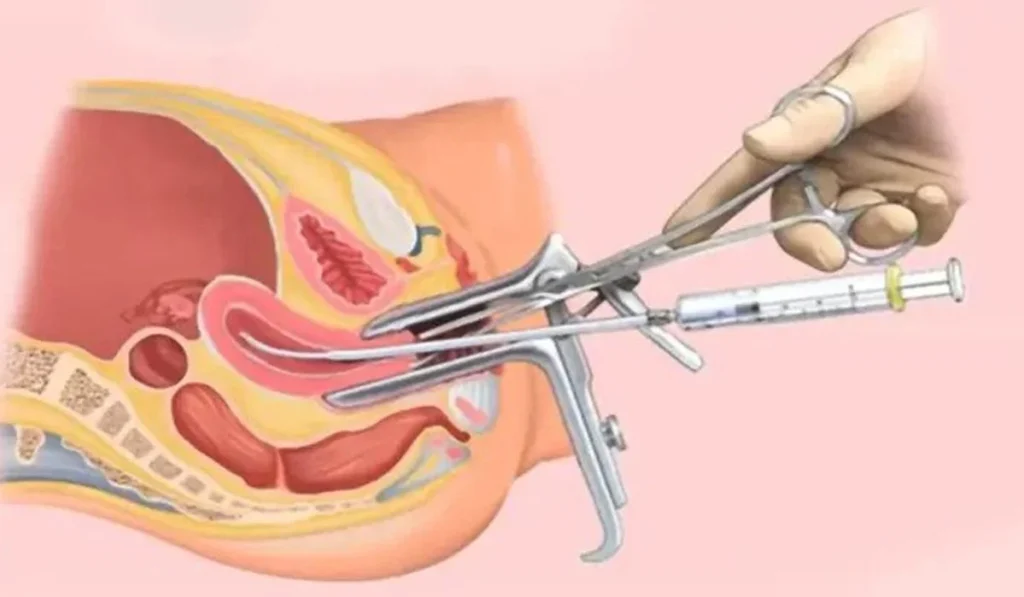
    illustration of an intrauterine insemination procedure with medical instruments and anatomical details

    The Science of Sperm: Understanding Male Fertility in Insemination

    1. Age: As men get older, their sperm quality and quantity may decrease. This is because the process of spermatogenesis becomes less efficient with age.

    2. Lifestyle habits: Certain lifestyle habits like smoking, excessive alcohol consumption, and drug use can have a negative impact on sperm quality and quantity.

    3. Health conditions: Health conditions like diabetes, high blood pressure, and sexually transmitted infections can affect sperm production and function.

    4. Hormonal imbalances: Hormonal imbalances can disrupt the process of spermatogenesis and affect sperm production.

    5. Environmental factors: Exposure to environmental toxins, such as pesticides, radiation, and chemicals, can damage sperm cells and affect male fertility.

    Importance of Sperm Analysis in Insemination

    Before undergoing any insemination procedure, it is crucial for men to have their sperm analyzed. A sperm analysis, also known as a semen analysis, is a test that evaluates the quantity and quality of sperm in a man’s semen. This test can help identify any potential issues with sperm production or function that may affect fertility. It can also determine the best course of action for couples trying to conceive through insemination.

    During a sperm analysis, a sample of semen is collected and examined under a microscope. The sample is evaluated for several factors, including sperm count, motility (movement), and morphology (shape and size). A sperm analysis can also detect any abnormalities in sperm, such as a low sperm count or abnormal shape, which may indicate underlying health issues.

    Conclusion

    Understanding the science of sperm is crucial for couples trying to conceive through insemination. Sperm production, structure, and function play a vital role in male fertility and the success of insemination procedures. Factors such as age, lifestyle habits, health conditions, hormonal imbalances, and environmental toxins can affect sperm quality and quantity. Therefore, it is important for men to have their sperm analyzed before undergoing any insemination procedures.

    In summary, the science of sperm is complex and fascinating. Sperm production and development, structure and function, and factors affecting sperm quality and quantity all play a crucial role in male fertility and the process of insemination. Couples who are trying to conceive through insemination should be aware of these factors and ensure that they have a thorough understanding of the science of sperm to increase their chances of success.
  • The Role of Male Fertility in Deciding Between Medications and Surgery

    The Role of Male Fertility in Deciding Between Medications and Surgery

    For many men, the thought of fertility and reproduction may not cross their minds until they are ready to start a family. However, for men who are struggling with fertility issues, it becomes a constant concern that can impact every aspect of their lives, including their healthcare decisions. When it comes to treating reproductive health issues in men, there are often two options: medications or surgery. But how does male fertility play a role in deciding between the two? In this blog post, we will explore the impact of male fertility on the decision-making process and why it is crucial to consider when choosing between medications and surgery.

    Understanding Male Fertility

    Before delving into the relationship between male fertility and treatment options, it is essential to understand what male fertility is and how it can be affected. Male fertility is the ability of a man to impregnate a woman. This relies on the production, movement, and function of sperm. A healthy sperm count, shape, and motility are all essential for successful fertilization. However, several factors can affect male fertility, including age, lifestyle choices, and underlying medical conditions.

    Medications vs. Surgery: What’s the Difference?

    When it comes to treating reproductive health issues in men, there are two main options: medications and surgery. Medications are often the first line of treatment and are typically used to address hormonal imbalances, infections, and other underlying issues that may be affecting male fertility. On the other hand, surgery is usually reserved for more severe cases, such as blockages, varicoceles, or other structural abnormalities that cannot be addressed with medication.

    The Impact of Medications on Male Fertility

    While medications can be effective in addressing certain fertility issues, they may also have a negative impact on male fertility. Some medications, such as steroids and antidepressants, can lower sperm count and affect sperm quality, making it more difficult for men to impregnate their partners. In some cases, these effects may be reversible once the medication is stopped, but in others, the damage may be permanent. It is crucial for men to discuss any potential side effects on fertility with their doctor before starting any medication.

    diagram of the female reproductive system with an IUI syringe and test tube for artificial insemination

    The Role of Male Fertility in Deciding Between Medications and Surgery

    The Role of Surgery in Male Fertility

    Surgery, on the other hand, can have a more significant and long-lasting impact on male fertility. While surgery may be necessary to correct certain underlying issues, it can also have unintended consequences. For example, varicocele surgery, which involves repairing enlarged veins in the scrotum, can result in reduced sperm production and quality. In some cases, surgery may also cause blockages or scarring, which can affect sperm movement and fertilization.

    The Importance of Considering Male Fertility in Treatment Decisions

    When it comes to deciding between medications and surgery for treating male fertility issues, it is crucial to consider the impact on fertility carefully. While medications may seem like a less invasive option, they can have long-term consequences on fertility. On the other hand, surgery may be necessary for addressing certain issues, but it can also have unintended effects on male fertility. Therefore, it is essential for men to have a thorough discussion with their doctor about the potential impact of treatment options on their fertility and how it may affect their future reproductive goals.

    Alternative Treatment Options

    In some cases, alternative treatment options may be available for men who are concerned about the impact of medications or surgery on their fertility. For example, lifestyle changes, such as quitting smoking, reducing alcohol consumption, and maintaining a healthy weight, can have a positive impact on male fertility. Alternative therapies, such as acupuncture and herbal remedies, may also be beneficial in improving sperm quality and count. It is crucial to discuss these options with a healthcare professional to determine the best course of treatment for individual cases.

    In Conclusion

    When it comes to male fertility, it is essential to consider all factors, including potential treatment options, before making any decisions. While medications and surgery may be necessary for addressing certain reproductive health issues, they can also have unintended consequences on male fertility. It is crucial for men to have open and honest discussions with their doctor about their fertility concerns and goals to determine the best course of treatment that will not only address their current issues but also consider their future reproductive goals.

    In summary, male fertility plays a crucial role in the decision-making process between medications and surgery for treating reproductive health issues in men. While medications may have a negative impact on fertility, surgery can also have unintended consequences. It is crucial for men to discuss all potential treatment options with their doctor and consider the long-term effects on their fertility before making any decisions.

  • Holistic Approaches to Boosting Sperm Count and Quality

    Blog Post: Holistic Approaches to Boosting Sperm Count and Quality

    Infertility is a common issue among couples trying to conceive, with one in six couples facing difficulties in getting pregnant. While there are multiple factors that can contribute to infertility, male factor infertility is responsible for about 30% of cases. One of the key factors in male infertility is low sperm count and poor sperm quality. This can make it difficult for sperm to reach and fertilize the egg, resulting in unsuccessful attempts at conception. However, there are various holistic approaches that can help boost sperm count and improve sperm quality. In this blog post, we will explore some of the most effective holistic methods for improving male fertility and increasing the chances of conception.

    1. Maintain a Healthy Diet

    A healthy and balanced diet is crucial for overall health and wellness, and it also plays a significant role in male fertility. Studies have shown that men who follow a healthy diet have better sperm count and quality compared to those who have poor dietary habits. A diet rich in antioxidants, vitamins, and minerals is particularly beneficial for sperm health. Foods such as leafy greens, fruits, nuts, and seeds are excellent sources of antioxidants that can help protect sperm from damage and improve their quality. Additionally, reducing intake of processed foods, alcohol, and caffeine can also have a positive impact on sperm count and quality.

    2. Exercise Regularly

    Regular exercise not only helps in maintaining a healthy weight but also has a positive effect on male fertility. Studies have shown that men who engage in moderate exercise have higher sperm count and better sperm quality compared to those who lead sedentary lifestyles. Exercise helps in improving blood flow to the reproductive organs, which can have a positive impact on sperm production. However, excessive exercise can have the opposite effect, so it’s essential to find a balance and avoid over-exercising.

    3. Try Acupuncture

    Acupuncture is an ancient Chinese practice that involves the insertion of thin needles into specific points in the body to stimulate energy flow. It has been used for centuries to treat various health conditions, including male infertility. Studies have shown that acupuncture can help improve sperm count, motility, and morphology. It is believed that acupuncture can help balance the body’s energy and improve blood flow to the reproductive organs, promoting sperm production and quality.

    4. Take Supplements

    Certain supplements have been found to be beneficial in improving male fertility. Coenzyme Q10, also known as CoQ10, is an antioxidant that helps protect sperm from damage and improve their quality. Another supplement, L-carnitine, has been shown to increase sperm count and motility. Additionally, taking a daily multivitamin that contains essential vitamins and minerals can also help boost sperm health.

    5. Reduce Stress

    Illustration of intrauterine insemination (IUI) procedure, showing sperm injection into the uterus.

    Holistic Approaches to Boosting Sperm Count and Quality

    Stress can have a detrimental effect on overall health, including male fertility. Chronic stress can lead to hormonal imbalances, which can affect sperm production and quality. It is essential to find ways to manage stress, such as practicing relaxation techniques like meditation or yoga, getting enough sleep, and engaging in activities that bring joy and relaxation.

    6. Avoid Exposure to Toxins

    Exposure to toxins, both environmental and occupational, can have a negative impact on sperm health. Chemicals found in pesticides, plastics, and other industrial products can disrupt the hormonal balance in the body and affect sperm production. It is essential to limit exposure to these toxins as much as possible and take necessary precautions if working in industries that involve exposure to such substances.

    7. Quit Smoking and Limit Alcohol Intake

    Smoking and excessive alcohol consumption have been linked to poor sperm quality and low sperm count. Studies have shown that smoking can affect sperm production and increase the risk of sperm DNA damage. Similarly, excessive alcohol intake can also have a negative impact on sperm health. It is advisable to quit smoking and limit alcohol intake to improve sperm quality and increase the chances of conception.

    8. Practice Mindfulness

    Mindfulness practices, such as meditation and yoga, have been found to be beneficial in improving male fertility. Mindfulness can help reduce stress levels, improve hormonal balance, and promote overall well-being. It is also an effective way to cope with the emotional challenges of infertility, allowing men to better manage their thoughts and emotions and improve their mental health.

    9. Consider Herbal Remedies

    There are various herbal remedies that have been used for centuries to improve male fertility. Herbs like ashwagandha, maca root, and ginseng have been found to have a positive impact on sperm count and quality. However, it is essential to consult a healthcare professional before trying any herbal remedies to ensure they are safe and suitable for individual needs.

    10. Seek Support

    Infertility can be a challenging and emotionally draining experience for couples. It is essential to seek support from loved ones, join support groups, or seek professional counseling to cope with the emotional challenges and stress of trying to conceive. Support can also come in the form of talking openly with one’s partner about the struggles and finding ways to navigate the journey together.

    In summary, male factor infertility is a common issue, and low sperm count and poor sperm quality are key factors in this. However, there are various holistic approaches that can help men improve their sperm health and increase the chances of conception. Maintaining a healthy diet, exercising regularly, trying acupuncture, taking supplements, reducing stress, avoiding exposure to toxins, quitting smoking and limiting alcohol intake, practicing mindfulness, considering herbal remedies, and seeking support are all effective ways to boost sperm count and quality. By incorporating these holistic methods into one’s lifestyle, men can improve their overall health and increase their chances of successfully conceiving with their partner.

  • A Holistic Guide to Addressing Male Factor Infertility

    Blog Post: A Holistic Guide to Addressing Male Factor Infertility

    Infertility is a common struggle for many couples, affecting approximately 1 in 6 couples worldwide. While there are various factors that can contribute to infertility, male factor infertility is responsible for about 40% of all cases. This can be a challenging and emotional experience for both partners, but with the right approach and mindset, it is possible to overcome male factor infertility. In this blog post, we will explore a holistic guide to addressing male factor infertility, covering everything from understanding the causes to exploring natural and medical treatment options.

    Understanding Male Factor Infertility

    Before we dive into addressing male factor infertility, it’s important to understand what it is and what causes it. Male factor infertility refers to any issue that affects a man’s ability to impregnate a woman. This can include low sperm count, poor sperm motility, or abnormal sperm shape. There are various reasons why a man may experience male factor infertility, including hormonal imbalances, genetic disorders, infections, and lifestyle factors such as smoking, excessive alcohol consumption, and drug use.

    One of the most common causes of male factor infertility is a condition called varicocele, which is the enlargement of veins in the scrotum. This can lead to a decrease in sperm production and quality. Other contributing factors may include a sedentary lifestyle, poor diet, and stress.

    The Holistic Approach to Addressing Male Factor Infertility

    A holistic approach to addressing male factor infertility means taking a comprehensive and integrated approach to improve overall health and well-being, rather than just focusing on treating the symptoms. This approach recognizes that fertility is affected by various factors, including physical, emotional, and environmental factors.

    1. Improve Your Diet and Lifestyle

    The first step in addressing male factor infertility is to make lifestyle changes that support overall health and fertility. This includes following a healthy and balanced diet, rich in fruits, vegetables, whole grains, lean proteins, and healthy fats. Avoiding processed and sugary foods, as well as limiting alcohol and caffeine consumption, can also have a positive impact on fertility.

    In addition to diet, regular exercise is essential for improving sperm quality and count. Exercise can also help reduce stress and improve overall well-being. Aim for at least 30 minutes of moderate exercise, such as brisk walking, cycling, or swimming, a few times a week.

    2. Reduce Stress and Practice Mindfulness

    Stress can have a significant impact on fertility, as it can disrupt hormone levels and affect sperm production. Finding ways to reduce stress and promote relaxation can be beneficial for addressing male factor infertility. This can include practicing mindfulness techniques such as meditation, yoga, or deep breathing exercises.

    Illustration of the IUI process, showing a syringe and catheter in the reproductive system.

    A Holistic Guide to Addressing Male Factor Infertility

    3. Explore Natural Supplements and Remedies

    There are various natural supplements and remedies that may help improve male fertility. These include:

    – Coenzyme Q10 (CoQ10): This antioxidant has been shown to improve sperm quality and motility.
    – L-carnitine: This amino acid can help increase sperm count and motility.
    – Zinc: This mineral is essential for sperm production and may help improve sperm quality.
    – Maca root: This herb has been used to improve male fertility and libido.
    – Acupuncture: This traditional Chinese therapy may help improve sperm quality and motility.

    It’s important to consult with a healthcare professional before taking any supplements, as they may interact with other medications or have potential side effects.

    4. Consider Medical Treatments

    In some cases, medical treatments may be necessary to address male factor infertility. These may include:

    – Varicocele repair: Surgery to correct varicocele may improve sperm production and quality.
    – Medications: Certain medications may be prescribed to treat hormonal imbalances or infections that can affect fertility.
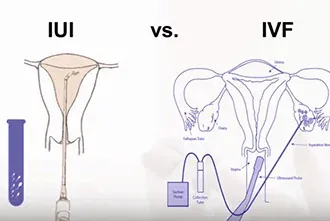
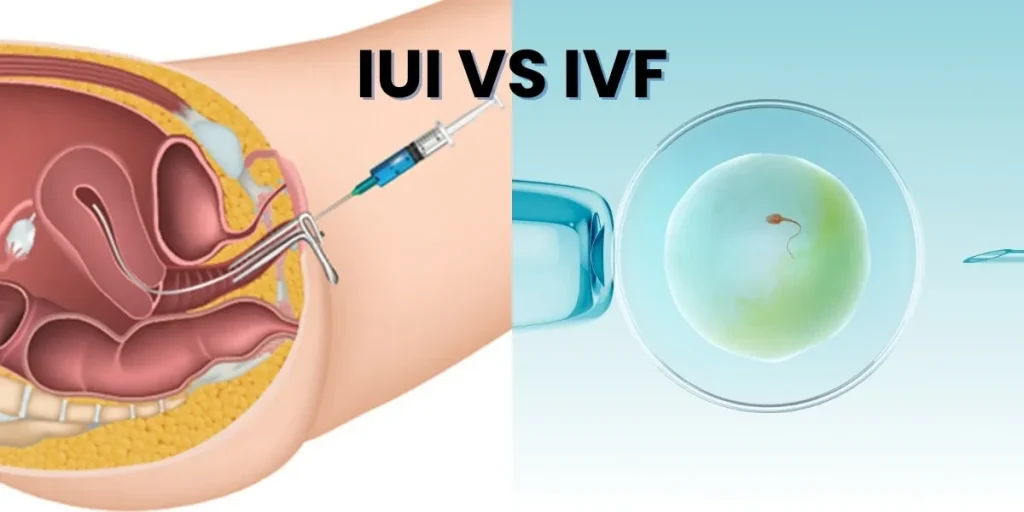
    – Assisted reproductive technologies (ART): These include treatments such as intrauterine insemination (IUI) and in vitro fertilization (IVF), which can help overcome male factor infertility.

    It’s important to discuss all available options with a healthcare professional to determine the best course of treatment for your specific situation.

    The Emotional Aspect of Male Factor Infertility

    Male factor infertility can take a toll on a man’s emotional well-being, as well as his relationship with his partner. It’s essential to address and acknowledge these emotions and seek support when needed. This can include talking to a therapist or joining a support group with other couples going through a similar experience.

    In addition, open communication with your partner is crucial during this challenging time. It’s essential to support each other and work together as a team to overcome male factor infertility.

    In Summary

    Male factor infertility is a common issue that affects many couples, but with a holistic approach, it is possible to address and improve fertility. By making lifestyle changes, exploring natural remedies, and seeking medical treatments when necessary, couples can increase their chances of conception. It’s also essential to address the emotional aspect of male factor infertility and seek support when needed. With patience, perseverance, and a positive mindset, couples can overcome male factor infertility and achieve their dream of starting a family.

  • A Holistic Guide to Boosting Male Fertility

    Summary:

    Male fertility is a crucial aspect of overall reproductive health and is often overlooked or ignored. However, there are many factors that can affect male fertility, and taking a holistic approach to boosting it can have significant benefits.

    This blog post will provide a comprehensive guide to boosting male fertility holistically. We will cover the various factors that can affect male fertility, such as diet, exercise, stress, environmental toxins, and more. We will also discuss the importance of a healthy lifestyle, including proper nutrition, exercise, and stress management, in improving male fertility. Additionally, we will explore natural remedies and supplements that can help improve male fertility, as well as the role of traditional medicine and assisted reproductive techniques. By the end of this blog post, you will have a better understanding of how to boost male fertility holistically and be equipped with the knowledge to take proactive steps towards improving your reproductive health.

    Introduction:

    Male fertility is the ability to produce healthy sperm that can fertilize a woman’s egg, resulting in a successful pregnancy. It is a crucial aspect of reproductive health and is often taken for granted. However, many factors can affect male fertility, and it is essential to address them to ensure optimal reproductive health.

    Factors Affecting Male Fertility:

    There are various factors that can affect male fertility, including:

    1. Diet: A healthy and balanced diet is crucial for maintaining good reproductive health. Diets high in processed foods, trans fats, and sugar can negatively impact male fertility. On the other hand, a diet rich in fruits, vegetables, whole grains, and healthy fats can improve sperm quality and count.

    2. Exercise: Regular exercise can help maintain a healthy weight, which is essential for male fertility. It also helps reduce stress and improve blood circulation, which can positively impact reproductive health.

    3. Stress: Chronic stress can affect hormones that play a crucial role in sperm production. High levels of stress can also lead to a decrease in sexual desire and erectile dysfunction. Therefore, managing stress is crucial for maintaining good reproductive health.

    4. Environmental Toxins: Exposure to environmental toxins, such as pesticides, chemicals, and pollutants, can have a detrimental effect on male fertility. These toxins can disrupt hormonal balance and sperm production, leading to decreased fertility.

    doctor discussing treatment with a patient in a medical office, featuring an ultrasound machine in the background

    A Holistic Guide to Boosting Male Fertility

    5. Age: As men age, their sperm quality and quantity may decrease, making it more challenging to conceive. While this is a natural process, maintaining a healthy lifestyle can help slow down this decline.

    Holistic Approaches to Boosting Male Fertility:

    Taking a holistic approach to boosting male fertility means addressing all the factors mentioned above and making positive lifestyle changes. Here are some ways to improve male fertility holistically:

    1. Eat a Healthy Diet: A diet rich in fruits, vegetables, whole grains, and healthy fats can improve sperm quality and count. Including foods high in antioxidants, such as berries, nuts, and leafy greens, can also have a positive impact on male fertility.

    2. Exercise Regularly: Regular exercise can improve blood circulation, reduce stress, and maintain a healthy weight, all of which are crucial for male fertility. Aim for at least 30 minutes of moderate exercise, such as walking, jogging, or cycling, five days a week.

    3. Manage Stress: High levels of stress can have a significant impact on male fertility. Incorporating stress-management techniques such as yoga, meditation, or deep breathing can help reduce stress levels and improve reproductive health.

    4. Avoid Exposure to Environmental Toxins: Limiting exposure to environmental toxins can help protect sperm quality and quantity. If you work in an environment with potential toxins, make sure to take precautions, such as wearing protective gear.

    5. Consider Natural Remedies and Supplements: Some natural remedies and supplements have shown promise in improving male fertility. These include herbs like ashwagandha and maca, as well as supplements like CoQ10 and vitamin D. However, it is crucial to consult with a healthcare professional before taking any supplements.

    The Role of Traditional Medicine and Assisted Reproductive Techniques:

    While taking a holistic approach is essential, it is also essential to seek professional help if you are struggling with male fertility. Traditional medicine, such as acupuncture and herbal medicine, can help improve sperm quality and quantity. Additionally, assisted reproductive techniques, such as intrauterine insemination (IUI) and in-vitro fertilization (IVF), can also help couples struggling with fertility.

    Conclusion:

    Male fertility is a crucial aspect of reproductive health and should not be overlooked or ignored. By taking a holistic approach to boosting male fertility, individuals can address the various factors that can affect their reproductive health and make positive lifestyle changes. Additionally, seeking professional help and considering traditional medicine and assisted reproductive techniques can also be beneficial. With the right approach, individuals can improve their male fertility and increase their chances of starting a family.

  • Fertility Acupuncture for Men: Can It Improve Sperm Count and Quality?

    Blog Post:

    Fertility issues are often associated with women, but men can also face challenges when trying to conceive. Factors such as low sperm count and poor sperm quality can greatly impact a couple’s chances of getting pregnant. While there are many conventional treatments available, some couples are turning to alternative methods such as acupuncture to improve male fertility. In this blog post, we will explore the use of fertility acupuncture for men and whether it can actually improve sperm count and quality.

    What is Fertility Acupuncture?

    Acupuncture is a traditional Chinese medicine practice that involves inserting thin needles into specific points on the body to stimulate energy flow. Fertility acupuncture, also known as reproductive acupuncture, is a specialized form of acupuncture that focuses on treating issues related to fertility. The goal of fertility acupuncture is to balance the body’s energy and hormones, improve reproductive function, and increase the chances of conception.

    How Does Acupuncture Affect Male Fertility?

    Research has shown that acupuncture can have a positive impact on male fertility by improving sperm count and quality. Studies have found that acupuncture can increase the number of healthy sperm, improve sperm motility (movement), and reduce sperm DNA damage. It is believed that acupuncture can achieve these results by regulating hormones, reducing inflammation, and improving blood flow to the reproductive organs.

    One study published in the Journal of Fertility and Sterility found that men who received acupuncture twice a week for five weeks showed a significant increase in sperm count and motility compared to those who did not receive acupuncture. Another study published in Fertility and Sterility showed that men who received acupuncture had a higher percentage of normal sperm compared to those who did not receive acupuncture.

    Can Acupuncture Help with Specific Fertility Issues?

    Acupuncture has been found to be beneficial for various fertility issues that can affect men, including:

    1. Low Sperm Count
    Low sperm count, also known as oligospermia, is a common cause of male infertility. Acupuncture can help increase sperm production by balancing hormones and improving blood flow to the testicles.

    Diagram illustrating the IUI process, showing sperm injection into the uterus and egg fertilization.

    Fertility Acupuncture for Men: Can It Improve Sperm Count and Quality?

    2. Poor Sperm Quality
    Acupuncture can improve sperm quality by reducing oxidative stress and inflammation, both of which can damage sperm DNA and affect its quality.

    3. Erectile Dysfunction
    Erectile dysfunction can be a symptom of underlying health issues that can affect fertility. Acupuncture can help improve blood flow to the penis, which can help with erectile dysfunction and increase sexual function.

    4. Varicocele
    Varicocele is a condition where the veins in the scrotum become enlarged, leading to decreased sperm production and quality. Acupuncture can help reduce the swelling and improve blood flow to the testicles, thus improving sperm production and quality.

    5. Stress and Anxiety
    Stress and anxiety can have a significant impact on male fertility. Acupuncture can help reduce stress and promote relaxation, which can improve sperm quality and motility.

    Is Fertility Acupuncture Safe?

    Fertility acupuncture is generally considered safe when performed by a licensed and trained acupuncturist. The needles used are sterile and disposable, and the treatment is non-invasive. However, it is essential to choose a qualified acupuncturist who specializes in fertility to ensure the best results.

    In Summary, Can Fertility Acupuncture Improve Male Fertility?

    While there is no guarantee that acupuncture will improve male fertility, research and anecdotal evidence have shown promising results. Acupuncture can help address specific fertility issues, such as low sperm count and poor sperm quality, by balancing hormones, reducing inflammation, and improving blood flow to the reproductive organs. However, it is essential to remember that fertility acupuncture is not a standalone treatment and should be used in conjunction with other fertility treatments or lifestyle changes for the best results.

    In conclusion, fertility acupuncture for men can be a safe and effective way to address male fertility issues. It is a natural and non-invasive treatment option that can potentially improve sperm count and quality. If you and your partner are struggling with fertility issues, consider adding acupuncture to your treatment plan and consult with a qualified acupuncturist to determine the best course of action for your specific needs.

    SEO metadata:

  • The Role of Fertility Acupuncture in Male Fertility

    Blog Post Title: The Role of Fertility Acupuncture in Male Fertility

    Infertility is a common issue that affects many couples worldwide. While it is often perceived as a female problem, the truth is that male infertility accounts for almost half of all infertility cases. In recent years, there has been a growing interest in alternative and complementary treatments for male infertility, one of which is fertility acupuncture. This ancient Chinese practice is gaining popularity as a natural and holistic way to improve male fertility. In this blog post, we will delve into the role of fertility acupuncture in male fertility and how it can help men struggling with infertility.

    Understanding Male Infertility

    Before we discuss the role of fertility acupuncture, it is important to understand what male infertility is and what causes it. Male infertility refers to a man’s inability to impregnate a woman after trying for a year or more. It is usually caused by problems with the quantity or quality of sperm. Some common causes of male infertility include hormonal imbalances, genetic disorders, varicocele (enlarged veins in the testicles), infections, and lifestyle factors such as smoking and excessive alcohol consumption.

    How Fertility Acupuncture Works

    Acupuncture is a traditional Chinese medicine practice that involves the insertion of thin needles into specific points on the body to stimulate energy flow and promote healing. In the case of male infertility, fertility acupuncture aims to improve sperm quality and quantity by increasing blood flow to the reproductive organs, balancing hormones, and reducing stress.

    According to Traditional Chinese Medicine (TCM), male infertility is often caused by a lack of balance and harmony in the body’s energy flow. Acupuncture helps to restore this balance by targeting specific points on the body that correspond to the reproductive organs. By stimulating these points, acupuncture can help to improve sperm production, motility, and morphology.

    Benefits of Fertility Acupuncture for Male Fertility

    1. Increases Sperm Quality and Quantity

    Several studies have shown that acupuncture can be beneficial in improving sperm quality and quantity. One study published in the Journal of Fertility and Sterility found that men who received acupuncture treatments had a significant increase in sperm motility compared to those who did not receive acupuncture. Another study published in the Journal of Andrology showed that acupuncture can improve sperm concentration and motility in men with low sperm count.

    2. Balances Hormones

    Hormonal imbalances can often contribute to male infertility. Acupuncture can help to regulate hormone levels by stimulating the endocrine system. This can be particularly beneficial for men with conditions such as low testosterone, which can affect sperm production.

    Comparison of IUI and IVF treatments with diagrams of reproductive anatomy.

    The Role of Fertility Acupuncture in Male Fertility

    3. Reduces Stress

    Stress can have a significant impact on male fertility by affecting hormone levels and sperm quality. Acupuncture has been shown to reduce stress and promote relaxation, which can be beneficial for men struggling with infertility.

    4. Improves Blood Flow

    Acupuncture can improve blood flow to the reproductive organs, which can help to nourish them and improve sperm production. This is particularly important for men with varicocele, a condition that can affect blood flow to the testicles and decrease sperm quality.

    5. Addresses Underlying Health Issues

    TCM takes a holistic approach to health, which means that acupuncture can address not just the symptoms of male infertility but also the underlying health issues that may be contributing to it. Acupuncture can help to improve overall health and well-being, which can have a positive impact on fertility.

    Is Fertility Acupuncture Right for You?

    Fertility acupuncture can be a safe and effective treatment option for men struggling with infertility. However, it is important to consult with a licensed and experienced acupuncturist to determine if it is the right treatment for you. They will assess your health and fertility history and create a personalized treatment plan to address your specific needs.

    In addition to acupuncture, your acupuncturist may also recommend lifestyle changes, herbal remedies, and dietary changes to support your fertility journey. It is important to follow their recommendations and stay consistent with your treatments to see the best results.

    In conclusion, fertility acupuncture can play a significant role in improving male fertility. It can help to increase sperm quality and quantity, balance hormones, reduce stress, improve blood flow, and address underlying health issues. If you and your partner are struggling with infertility, consider incorporating fertility acupuncture into your treatment plan for a natural and holistic approach to improving your chances of conception.

    Summary:

    Male infertility affects almost half of all couples struggling with infertility and can be caused by various factors such as hormonal imbalances, genetic disorders, and lifestyle choices. Fertility acupuncture, an ancient Chinese practice, is gaining popularity as a natural and holistic way to improve male fertility. This blog post delves into the role of fertility acupuncture in male fertility and how it can help men struggling with infertility. Fertility acupuncture can increase sperm quality and quantity, balance hormones, reduce stress, improve blood flow, and address underlying health issues. However, it is important to consult with a licensed and experienced acupuncturist to determine if it is the right treatment for you and to follow their recommendations for the best results.

  • Understanding the Science behind Fertility Acupuncture

    Blog Post: Understanding the Science behind Fertility Acupuncture

    When it comes to trying to conceive, couples often turn to various methods to increase their chances of success. One alternative method that has gained popularity in recent years is fertility acupuncture. This ancient practice has been used for centuries in traditional Chinese medicine to treat a variety of health issues, including infertility. But what exactly is fertility acupuncture, and how does it work? In this blog post, we will delve into the science behind fertility acupuncture to help you better understand this holistic approach to improving fertility.

    What is fertility acupuncture?

    Acupuncture is a form of traditional Chinese medicine that involves the insertion of thin needles into specific points on the body to promote healing and balance. Fertility acupuncture, in particular, focuses on treating infertility and other reproductive issues. According to traditional Chinese medicine, the body has a flow of energy, known as qi, which travels through channels or meridians. When this energy is blocked or imbalanced, it can lead to various health problems, including infertility. Fertility acupuncture aims to restore the flow of qi and bring the body back into balance, thereby improving fertility.

    The science behind fertility acupuncture

    While traditional Chinese medicine has been using acupuncture for centuries, it is only in recent years that Western medicine has started to investigate and understand the science behind it. Studies have shown that acupuncture can help regulate the endocrine system, which is responsible for the production of hormones that play a crucial role in fertility. Acupuncture has been found to regulate the levels of follicle-stimulating hormone (FSH), luteinizing hormone (LH), and estrogen in women, which are all essential for ovulation and pregnancy.

    Acupuncture has also been found to increase blood flow to the ovaries and uterus, which can improve the quality of the eggs and the thickness of the uterine lining, making it more conducive for implantation. Additionally, acupuncture can help reduce stress and anxiety, which can have a significant impact on fertility. Stress can disrupt the endocrine system and interfere with ovulation, making it harder to conceive. Acupuncture can help calm the mind and body, promoting relaxation and reducing stress levels.

    The role of acupuncture in male fertility

    illustration of intrauterine insemination procedure with a syringe and catheter in the uterus.

    Understanding the Science behind Fertility Acupuncture

    While fertility acupuncture is often associated with women, it can also be beneficial for men struggling with infertility. Studies have shown that acupuncture can improve sperm quality and increase sperm count, making it a viable treatment option for male factor infertility. Acupuncture can also help reduce inflammation in the reproductive organs, which can improve sperm motility and overall fertility. Additionally, acupuncture can help reduce stress and anxiety, which can have a negative impact on sperm production and quality.

    Combining acupuncture with other fertility treatments

    Many couples undergoing fertility treatments such as in vitro fertilization (IVF) or intrauterine insemination (IUI) often turn to acupuncture to improve their chances of success. Acupuncture can help prepare the body for these treatments by improving blood flow to the reproductive organs and reducing stress levels. It can also help reduce the side effects of these treatments, such as bloating and nausea, and improve the chances of embryo implantation.

    Choosing a qualified acupuncturist

    When considering fertility acupuncture, it is crucial to choose a qualified and experienced acupuncturist who specializes in treating infertility. Look for someone who has a background in traditional Chinese medicine and has received specialized training in fertility acupuncture. It is also essential to communicate openly with your acupuncturist and your fertility doctor to ensure that your treatments are coordinated and complement each other.

    In conclusion, fertility acupuncture is a holistic approach to improving fertility that has shown promising results. While more research is needed to fully understand the science behind it, acupuncture has been found to regulate hormones, improve blood flow, and reduce stress, all of which can contribute to better fertility outcomes. If you are struggling with infertility, consider incorporating acupuncture into your treatment plan and consult with your doctor to determine the best course of action for your specific situation.

    Summary:

    Fertility acupuncture is a form of traditional Chinese medicine that aims to improve fertility by restoring the flow of energy in the body. It has gained popularity in recent years, and studies have shown that it can regulate hormones, improve blood flow, and reduce stress, all of which can impact fertility. Acupuncture can also be beneficial for male fertility and can be combined with other fertility treatments like IVF or IUI. It is essential to choose a qualified acupuncturist and communicate with your fertility doctor to ensure coordinated and effective treatment.

  • Fertility Preservation for Men with Chronic Health Conditions: Ensuring Future Options

    Fertility Preservation for Men with Chronic Health Conditions: Ensuring Future Options

    Fertility is a fundamental part of human existence, and for many men, the ability to have children is a crucial aspect of their lives. However, for men living with chronic health conditions, the possibility of infertility can be a significant concern. Chronic health conditions can affect a man’s reproductive health in various ways, including causing hormonal imbalances, impairing sperm production, and affecting sexual function. These conditions can also have a significant impact on a man’s mental and emotional well-being, as the fear of losing their ability to have children can be overwhelming. In such cases, fertility preservation can provide a glimmer of hope by offering options for men to have biological children in the future. In this blog post, we will explore the concept of fertility preservation for men with chronic health conditions and how it can help ensure future options for fatherhood.

    Understanding Fertility Preservation

    Fertility preservation is the process of saving reproductive cells, such as sperm or eggs, or reproductive tissue, such as testicular or ovarian tissue, for later use. It is a way to protect fertility in individuals who are at risk of losing their ability to have children due to medical treatments, genetic conditions, or other reasons. Fertility preservation has been primarily associated with women, but it is equally important for men, especially those with chronic health conditions that may affect their fertility.

    Types of Chronic Health Conditions That Can Affect Male Fertility

    There are various chronic health conditions that can affect male fertility. These conditions can be present at birth, developed during childhood, or acquired later in life. Some of the most common chronic health conditions that can impact male fertility include:

    1. Diabetes: Diabetes is a chronic health condition that affects the body’s ability to produce or use insulin, which regulates blood sugar levels. High blood sugar levels can damage blood vessels and nerves, leading to erectile dysfunction and reduced sperm quality.

    2. Hypertension: High blood pressure is another common chronic health condition that can affect male fertility. It can cause damage to blood vessels, leading to reduced blood flow to the reproductive organs and impairing sperm production.

    3. Cancer: Certain types of cancer, such as testicular cancer, can directly affect the reproductive organs and impair sperm production. Additionally, cancer treatments like chemotherapy and radiation can also damage sperm cells and impact fertility.

    4. Autoimmune disorders: Autoimmune disorders, such as lupus and rheumatoid arthritis, can cause inflammation and damage to the reproductive organs, leading to infertility.

    5. Kidney disease: Chronic kidney disease can affect reproductive hormones, leading to hormonal imbalances that can impair sperm production and cause erectile dysfunction.

    Fertility Preservation Options for Men with Chronic Health Conditions

    Illustration of intrauterine insemination (IUI) procedure, showing sperm injection into the uterus.

    Fertility Preservation for Men with Chronic Health Conditions: Ensuring Future Options

    For men with chronic health conditions who are concerned about their fertility, there are several options for preserving their reproductive cells or tissue. These include:

    1. Sperm cryopreservation: Sperm cryopreservation, also known as sperm freezing, is the most common and widely available method of fertility preservation for men. It involves collecting and freezing a man’s sperm, which can then be used for assisted reproductive techniques in the future.

    2. Testicular sperm extraction (TESE): TESE is a surgical procedure in which a small tissue sample is taken from the testicles and examined for the presence of viable sperm. If sperm is found, it can be used for in vitro fertilization (IVF) or intracytoplasmic sperm injection (ICSI).

    3. Testicular tissue cryopreservation: This method involves removing and freezing a small piece of testicular tissue, which contains sperm-producing cells. This tissue can be used in the future for sperm extraction or transplanted back into the body.

    4. Hormone therapy: In some cases, hormone therapy may be used to stimulate sperm production in men with hormonal imbalances caused by chronic health conditions.

    Benefits of Fertility Preservation for Men with Chronic Health Conditions

    The primary benefit of fertility preservation for men with chronic health conditions is the opportunity to have biological children in the future. For many men, the thought of losing their ability to have children can be devastating, and fertility preservation provides a sense of control and hope for the future. It also allows men to focus on their health without worrying about their fertility being affected by their treatments or conditions. Additionally, fertility preservation can prevent the need for donor sperm or adoption, which may not be feasible or desirable for some men.

    Challenges and Considerations

    Despite its numerous benefits, fertility preservation for men with chronic health conditions also poses some challenges and considerations. One of the main challenges is the cost, as fertility preservation procedures can be expensive and may not be covered by insurance. Additionally, some procedures, such as TESE, may require invasive surgeries, which can pose a risk for individuals with certain health conditions. It is essential to discuss all potential risks and costs with a healthcare provider and a fertility specialist before making a decision about fertility preservation.

    Final Thoughts

    Fertility preservation is a crucial option for men with chronic health conditions who wish to have children in the future. It is a way to safeguard their reproductive potential and provide hope for fatherhood. However, it is essential to understand that fertility preservation is not a guarantee of future fertility, and success rates may vary depending on the individual’s health and other factors. Therefore, it is crucial to have open and honest discussions with healthcare providers and fertility specialists to determine the best course of action for each individual.

    In conclusion, for men with chronic health conditions, fertility preservation offers a ray of hope for their future family planning. By understanding the options available and considering all factors, men can make informed decisions about their fertility and ensure future options for fatherhood.

  • Fertility Preservation Options for Men: Beyond Freezing Sperm

    Fertility preservation is a topic that is often associated with women, but it is just as important for men to consider their options when it comes to preserving their fertility. While sperm freezing is a common and effective method for preserving male fertility, there are other options available for men to consider. In this blog post, we will discuss some of the other fertility preservation options for men beyond just freezing sperm.

    One alternative to sperm freezing is testicular tissue freezing. This involves removing a small piece of testicular tissue and freezing it for later use. This method is often used for men who have a medical condition that may affect their fertility, such as cancer or genetic disorders. The tissue can later be thawed and used for in vitro fertilization (IVF) or other fertility treatments.

    Another option for men is cryopreservation of testicular tissue. This involves removing a sample of testicular tissue and freezing it without any further processing. This tissue can then be used for research purposes or for future fertility treatments. While this option may not directly preserve a man’s fertility, it can provide valuable information for future fertility treatments and research.

    In addition to freezing testicular tissue, there are also options for preserving sperm in a more natural way. One such option is testicular sperm extraction (TESE). This involves extracting sperm directly from the testicles through a small biopsy. The sperm can then be used for IVF or other fertility treatments. This method is often used for men who have a blockage in their reproductive system, making it difficult for sperm to reach the ejaculate.

    comparison of IUI and IVF fertility treatments with illustrations of procedures and a petri dish with an egg and sperm

    Fertility Preservation Options for Men: Beyond Freezing Sperm

    For men who want to preserve their fertility but are not ready to have children yet, there is also the option of sperm banking. This involves collecting and freezing multiple samples of sperm over a period of time. The frozen sperm can then be used for future fertility treatments when the man is ready to start a family. This option is often used by men who are about to undergo medical treatments that may affect their fertility, such as chemotherapy.

    Aside from preserving sperm or testicular tissue, there are also lifestyle changes that men can make to improve their overall fertility. These include maintaining a healthy weight, reducing alcohol and tobacco consumption, and managing stress levels. Engaging in regular exercise and eating a well-balanced diet can also have a positive impact on male fertility.

    It is important for men to be proactive in considering their fertility preservation options, especially if they have a medical condition that may affect their fertility. Consulting with a reproductive specialist can help determine which option is best for an individual’s specific situation.

    In summary, fertility preservation is not just a concern for women, but also for men. Beyond the common method of sperm freezing, there are other options available for men to preserve their fertility, such as testicular tissue freezing, cryopreservation of testicular tissue, testicular sperm extraction, and sperm banking. Making lifestyle changes can also improve overall fertility. It is important for men to educate themselves on these options and consult with a specialist to determine the best course of action for preserving their fertility.