Tag: Support Groups

  • The Power of Community: Fertility Support Groups for 30+ Women

    The Power of Community: Fertility Support Groups for 30+ Women

    For many women, reaching their 30s means entering a new phase of life, often filled with career advancements, financial stability, and personal growth. However, for some women, this time can also bring on the pressure to start a family. As women age, their fertility declines, making it more challenging to conceive. This can be a source of great stress and heartache for those who are struggling with infertility. Fortunately, there is a powerful tool that can provide much-needed support and guidance during this difficult time – fertility support groups for 30+ women.

    Fertility support groups are a form of community where women can come together to share their experiences, struggles, and triumphs on their journey to starting a family. These groups offer a safe and non-judgmental space for women to connect with others who understand what they are going through. This sense of community can be a powerful source of comfort, validation, and hope for women who may otherwise feel isolated and alone in their fertility struggles.

    One of the most significant benefits of fertility support groups is the validation and understanding that comes from being in a community of women who are going through similar experiences. It can be challenging for those who are struggling with infertility to find others who truly understand what they are going through. Family and friends may mean well but may not fully comprehend the emotional toll that infertility can take. In a support group, women can openly share their thoughts and feelings without fear of judgment or misunderstanding. This sense of validation can be incredibly empowering and help women feel less alone in their struggles.

    A person administering an injection into their abdomen with a yellow pen-like device.

    The Power of Community: Fertility Support Groups for 30+ Women

    Moreover, fertility support groups can provide a wealth of knowledge and resources for women to navigate their fertility journey. With advancements in technology and medicine, there are various treatment options available for women struggling with infertility. However, these options can be overwhelming and confusing to navigate alone. In a support group, women can learn from each other’s experiences and gain valuable insights into different treatment options. They can also share tips and advice on how to cope with the physical and emotional challenges that come with fertility treatments. This exchange of information can be incredibly empowering and help women make more informed decisions about their fertility journey.

    In addition to the emotional and informational support, fertility support groups can also provide a sense of hope for women who may be feeling discouraged or defeated. It can be easy for those struggling with infertility to feel like they are the only ones facing this challenge. However, being part of a support group can help women see that they are not alone in their struggles and that there is still hope for them to achieve their dream of starting a family. Seeing other women who have successfully overcome infertility can be a source of inspiration and motivation for those still on their journey.

    Furthermore, fertility support groups can also offer a sense of community and belonging that many women may be missing in their daily lives. As women get older, their social circles may shift, and they may find themselves surrounded by friends and family who are all starting families of their own. This can make it challenging to relate to others and share the unique challenges of trying to conceive at a later age. In a support group, women can connect with others who are in a similar stage of life and build meaningful relationships and friendships. This sense of community can be especially beneficial for women who may not have a strong support system in their personal lives.

    It is essential to note that fertility support groups are not a replacement for medical treatment or professional therapy. Still, they can be a valuable supplement to the overall fertility journey. These groups are typically led by a trained facilitator who can provide guidance and ensure that the discussions remain supportive and productive. Additionally, being part of a support group does not mean that women have to share their personal struggles if they are not comfortable doing so. It is entirely up to each individual how much they want to participate and share in the group.

    In conclusion, the power of community cannot be underestimated, especially for women in their 30s struggling with fertility issues. Fertility support groups can provide a safe and supportive space for women to connect, validate, and empower each other on their journey towards starting a family. These groups offer emotional support, informational resources, a sense of hope, and a sense of community that can be invaluable for women facing the challenges of infertility. If you are a woman in your 30s struggling with fertility, know that you are not alone, and there is a community out there ready to support you through this journey.
  • The Role of Support Groups in the At-Home Insemination Process

    Blog Post:

    At-home insemination is a popular method for couples or individuals who are trying to conceive but are facing fertility challenges. This process involves using a donor’s sperm to fertilize an egg at home, without the assistance of a medical professional. While it may seem like a straightforward process, at-home insemination can be emotionally and physically challenging. This is where support groups play a crucial role. In this blog post, we will discuss the importance of support groups in the at-home insemination process and how they can provide guidance, emotional support, and valuable resources to those who are undergoing this journey.

    What is At-Home Insemination?

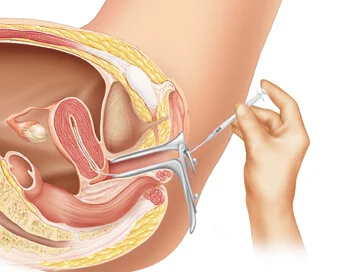
    At-home insemination, also known as self-insemination or home insemination, is a method of conception that involves using a donor’s sperm to fertilize an egg at home. This process is often used by same-sex couples, single women, or couples facing fertility challenges. The process involves tracking ovulation, collecting and preparing the sperm, and using either a syringe or a specialized insemination kit to place the sperm near the cervix. While it may sound simple, there are many factors that can affect the success of at-home insemination, such as timing, sperm quality, and emotional stress.

    The Emotional Challenges of At-Home Insemination

    Conceiving a child through at-home insemination can be a rollercoaster of emotions. For many, it is a deeply personal and intimate process that comes with high hopes and expectations. However, when the process does not result in a pregnancy, it can lead to feelings of disappointment, frustration, and even guilt. Additionally, the emotional stress of trying to conceive can take a toll on a person’s mental well-being. This is where having a support group can make a significant difference.

    The Importance of Support Groups

    Support groups are a vital resource for individuals or couples going through the at-home insemination process. These groups provide a safe and non-judgmental space for people to share their experiences, ask questions, and receive support from others who are going through a similar journey. Here are some of the ways in which support groups can assist in the at-home insemination process:

    1. Guidance and Education

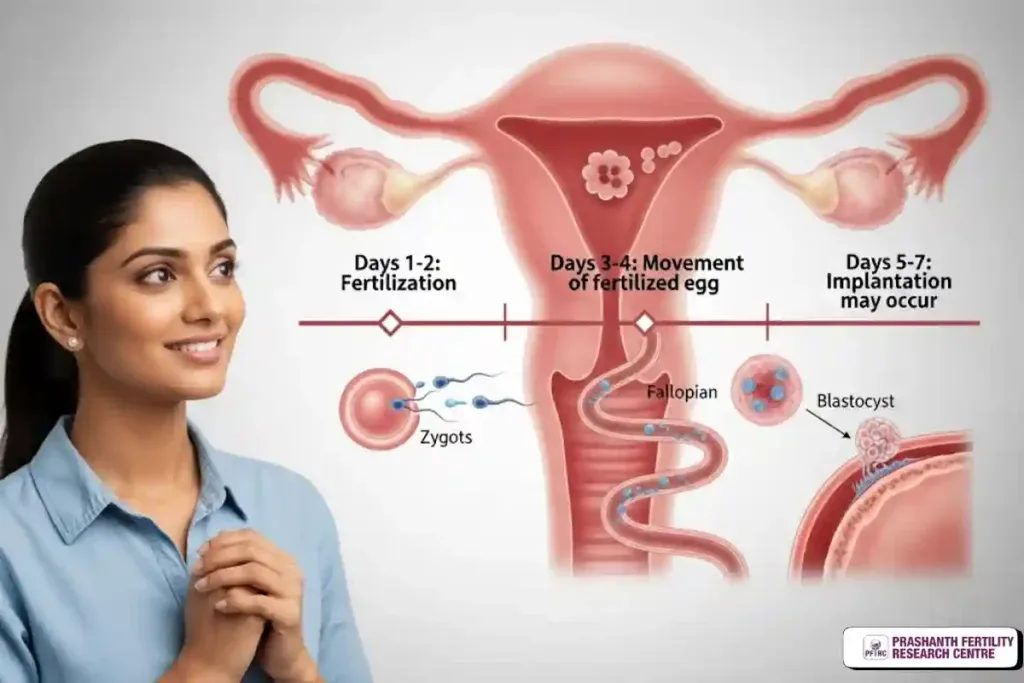
    Illustration showing fertilization and implantation timeline with a woman looking hopeful.

    The Role of Support Groups in the At-Home Insemination Process

    Support groups can provide valuable guidance and education on the at-home insemination process. They can offer information on tracking ovulation, choosing a donor, and preparing for the insemination. Support groups can also provide tips and tricks to increase the chances of success and help individuals understand the various factors that can affect their fertility.

    2. Emotional Support

    Dealing with fertility challenges and trying to conceive can be emotionally draining. Support groups offer a safe space for individuals to express their feelings and receive emotional support from others who understand what they are going through. This can be particularly helpful for those who do not have a strong support system in their personal lives.

    3. Resources and Recommendations

    Support groups are an excellent source of information and resources for at-home insemination. Members can share their experiences with different products, such as ovulation tracking kits, sperm donors, and insemination kits. They can also recommend trusted websites, books, or articles that can provide further guidance and support.

    4. Community and Connection

    At-home insemination can feel like a lonely and isolating process, especially for those who do not have a partner to share the journey with. Support groups provide a sense of community and connection, where individuals can find others who are going through a similar experience. This can help reduce feelings of isolation and provide a sense of belonging.

    5. Coping with Challenges and Setbacks

    No matter how prepared someone may be, at-home insemination can come with its fair share of challenges and setbacks. Support groups can offer a safe space for individuals to share their struggles and receive advice on how to cope with these challenges. This can be particularly helpful for those who may not have anyone else to turn to for support.

    In summary, at-home insemination is a complex and emotionally challenging process that can benefit greatly from the support of others. Support groups provide guidance, education, emotional support, resources, and a sense of community for individuals or couples going through the at-home insemination journey. If you are considering at-home insemination, we highly recommend seeking out a support group to aid you in this journey.

  • The Power of Support Groups: Connecting with Others Going Through Infertility Treatments

    Blog Post:

    Infertility can be a challenging and isolating experience for those going through it. The physical, emotional, and financial toll of fertility treatments can be overwhelming, and it can feel like no one else truly understands what you are going through. However, there is a powerful resource available for those struggling with infertility: support groups. These groups provide a safe and understanding environment for individuals to connect with others who are also going through the ups and downs of fertility treatments. In this blog post, we will explore the power of support groups and how they can make a difference in the journey of infertility.

    Support groups are typically made up of individuals who are facing similar challenges and experiences. This common ground creates a strong sense of connection and understanding among group members. For those undergoing fertility treatments, this can be incredibly valuable as they navigate the physical and emotional aspects of their journey. Support groups provide a space for individuals to share their experiences, vent their frustrations, and celebrate their victories with others who truly understand.

    One of the most significant benefits of support groups is the sense of validation they provide. Infertility can be a lonely experience, and it is not uncommon for individuals to feel like they are the only ones going through it. However, being part of a group of people who are facing similar struggles can make a world of difference. It helps to know that you are not alone and that your feelings and experiences are valid. This validation can be incredibly comforting and can help individuals feel less isolated and more connected.

    Support groups also offer a wealth of information and resources. Members often share tips, advice, and recommendations for doctors, treatments, and coping mechanisms. This information can be invaluable, especially for those who are just starting their fertility journey. Support groups can also provide a safe space for individuals to ask questions and learn from the experiences of others. This knowledge sharing can empower individuals to make informed decisions about their treatments and feel more in control of their journey.

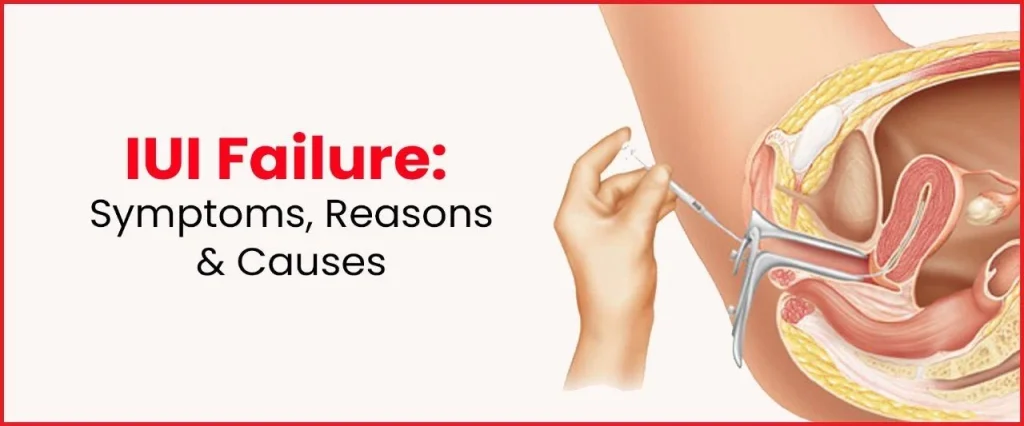
    illustration of IUI procedure with text on symptoms, reasons, and causes of IUI failure

    The Power of Support Groups: Connecting with Others Going Through Infertility Treatments

    Furthermore, the emotional support provided by these groups cannot be overlooked. Fertility treatments can take a toll on one’s mental health, and having a support system can be crucial in managing these challenges. Support group members can offer a listening ear, a shoulder to cry on, or words of encouragement when needed. They can also provide a space to express fears, doubts, and anxieties without judgment. This emotional support can be incredibly uplifting and can help individuals cope with the emotional rollercoaster of infertility treatments.

    In addition to the support and understanding of other group members, support groups also offer access to mental health professionals. Many support groups have therapists or counselors who specialize in fertility-related issues, providing members with a safe and supportive environment to address their emotional well-being. These professionals can offer guidance, coping strategies, and tools to manage the stress and emotions that come with infertility treatments.

    Another significant benefit of support groups is the sense of community and friendship that they foster. For many individuals, their support group becomes their tribe, a group of people who they can rely on and turn to throughout their journey. These friendships can extend beyond the support group meetings and provide a network of support in their day-to-day lives. The bonds formed in these groups can be long-lasting and can offer a sense of belonging and understanding that is hard to find elsewhere.

    Moreover, support groups can also help individuals and couples strengthen their relationship. Infertility can put a strain on even the strongest relationships, and having a support system in place can help couples navigate these challenges together. Support groups can provide a platform for couples to communicate openly about their feelings and experiences and support each other through the ups and downs of fertility treatments. They can also offer tools and techniques to manage stress and improve communication within the relationship.

    In summary, support groups are a powerful resource for individuals going through infertility treatments. They provide a safe and understanding space for individuals to connect with others, share their experiences, and access valuable information and resources. Support groups offer emotional support and validation, foster a sense of community and friendship, and can even help strengthen relationships. For those struggling with infertility, joining a support group can make a significant difference in their journey.

  • Hope and Healing: Success Stories of Male and Female Infertility Treatments

    Blog Post:

    Infertility is a common struggle for many couples around the world. It can be a heartbreaking and emotionally draining experience, as couples struggle with the possibility of not being able to conceive a child. However, thanks to advancements in modern medicine and technology, there is hope and healing for couples facing infertility.

    In this blog post, we will share success stories of male and female infertility treatments, highlighting the journey of couples who overcame their struggles and achieved their dream of having a family.

    Male Infertility Treatments:

    Male infertility is a common issue that affects approximately one in every 20 men. It can be caused by a variety of factors, such as low sperm count, poor sperm motility, or structural issues within the reproductive organs. However, with the help of modern medical treatments, many couples have successfully overcome male infertility.

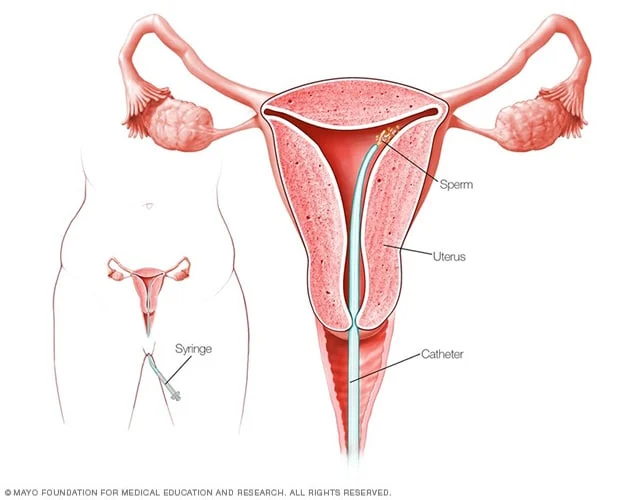
    One such success story is that of John and Sarah. After trying to conceive for two years, they were faced with the harsh reality of male infertility. John’s sperm count was significantly low, making it difficult for them to conceive naturally. However, after consulting with a fertility specialist, they were recommended to undergo a procedure called intrauterine insemination (IUI). This involves placing washed and concentrated sperm directly into the uterus during the woman’s ovulation period. After two rounds of IUI, Sarah became pregnant, and they welcomed a healthy baby boy into their lives.

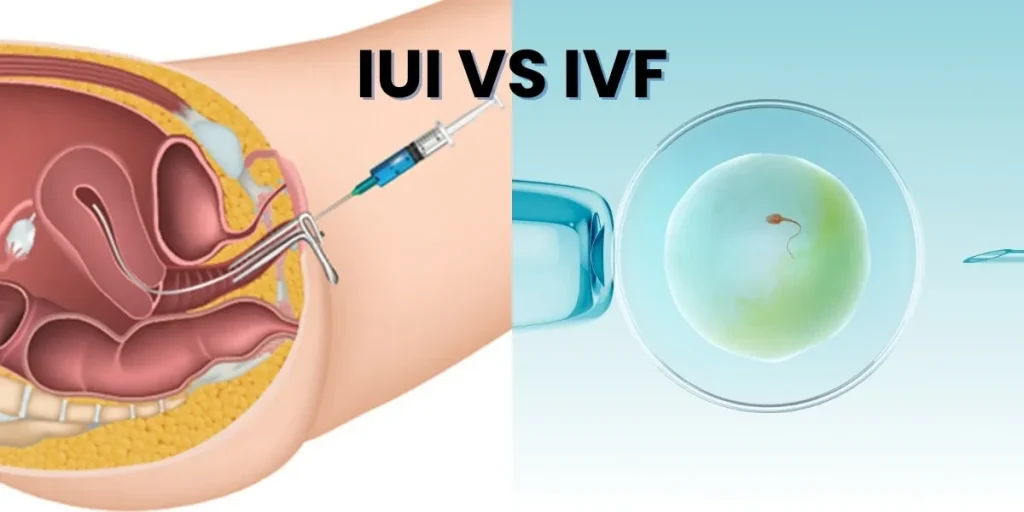
    Another couple, Mark and Emily, struggled with male infertility due to Mark’s low sperm motility. They were advised to try in vitro fertilization (IVF), which involves fertilizing the woman’s eggs with sperm in a laboratory and then transferring the resulting embryo into the woman’s uterus. After two unsuccessful attempts, they were about to give up when they decided to try one last time. To their surprise, this time, Emily became pregnant, and they now have a beautiful daughter.

    Female Infertility Treatments:

    Female infertility can be caused by a variety of factors, such as hormonal imbalances, structural issues, or conditions like endometriosis. However, with the help of fertility treatments, many women have been able to overcome these challenges and conceive a child.

    diagram illustrating intrauterine insemination (IUI) procedure with uterus, sperm, and catheter labeled

    Hope and Healing: Success Stories of Male and Female Infertility Treatments

    One success story is that of Maria and David. After trying to conceive for five years, they were diagnosed with unexplained infertility. They were advised to try IVF, but after two unsuccessful attempts, they were devastated. However, they didn’t give up and decided to try one last time using a procedure called intracytoplasmic sperm injection (ICSI). This involves injecting a single sperm directly into an egg, and then transferring the resulting embryo into the woman’s uterus. To their joy, this time, Maria became pregnant, and they now have a healthy baby girl.

    Another couple, Rachel and Mike, struggled with female infertility due to Rachel’s hormonal imbalances. After multiple failed attempts at IUI and IVF, they decided to try a procedure called frozen embryo transfer (FET). This involves freezing embryos from a previous IVF cycle and transferring them into the woman’s uterus at a later time. To their delight, this procedure was successful, and they are now proud parents of twin boys.

    The Importance of Support and Mental Health:

    Dealing with infertility can take a toll on a couple’s mental health and overall well-being. It’s essential to have a strong support system and to take care of one’s mental health during this challenging time. Seeking counseling and therapy can be beneficial for couples dealing with infertility, as it can help them cope with the emotional stress and anxiety that comes with it.

    One couple, Alex and Samantha, struggled with infertility for six years. They went through multiple failed treatments and were on the brink of giving up when they decided to seek counseling. It helped them deal with their emotional struggles and brought them closer as a couple. They also found a support group for couples dealing with infertility, which provided them with a safe space to share their experiences and receive support from others going through a similar journey. A year later, they successfully conceived through IVF and now have a beautiful baby girl.

    Summary:

    Infertility can be a challenging and emotional journey for couples, but with the help of modern medical treatments, many success stories have emerged. From male infertility treatments like IUI and IVF to female infertility treatments like ICSI and FET, couples have been able to overcome their struggles and conceive a child.

    It’s essential to have a strong support system and take care of one’s mental health during this challenging time. Seeking counseling and joining support groups can provide couples with the emotional support they need to navigate through their infertility journey.

    In the end, every couple’s journey is unique, and there is no one-size-fits-all solution for infertility. However, with hope and perseverance, many couples have been able to achieve their dream of having a family.

  • The Role of Mindfulness: How Fertility Support Groups Can Help You Stay Present

    Blog Post: The Role of Mindfulness: How Fertility Support Groups Can Help You Stay Present

    Trying to conceive can be an emotionally and physically challenging journey for many couples. The stress, anxiety, and feelings of isolation that often come with infertility can take a toll on one’s mental well-being. That is why it is essential to have a support system in place, especially for those struggling with fertility issues. Fertility support groups provide a safe and understanding space for individuals or couples to share their experiences, emotions, and coping strategies. But beyond the emotional support, these groups also offer a valuable tool for managing the rollercoaster of emotions that come with fertility struggles – mindfulness.

    Mindfulness is the practice of being fully present and aware of one’s thoughts, feelings, and surroundings in the present moment. It involves paying attention to one’s thoughts and emotions without judgment. In the context of fertility, mindfulness can help individuals cope with the stress and anxiety that comes with trying to conceive. By staying present and accepting their emotions, individuals can better manage the challenges of infertility and improve their overall well-being.

    Here are some of the ways that fertility support groups can help individuals stay present through the practice of mindfulness:

    1. Creating a Sense of Community and Connection

    One of the most significant benefits of fertility support groups is the sense of community and connection they provide. Dealing with infertility can be an isolating experience, and many individuals and couples struggle to find people who understand what they are going through. Being part of a support group allows individuals to connect with others who are facing similar challenges and share their thoughts and feelings. This sense of belonging can help individuals feel less alone in their struggles and improve their mental well-being.

    2. Encouraging Mindful Communication

    In fertility support groups, individuals are encouraged to communicate openly and honestly about their experiences and emotions. This type of communication can help individuals become more mindful of their thoughts and feelings by acknowledging and accepting them without judgment. As a result, individuals can learn to communicate more effectively and positively with their partners, family, and friends about their fertility journey.

    illustration of intrauterine insemination procedure with a hand holding a speculum and syringe near the uterus

    The Role of Mindfulness: How Fertility Support Groups Can Help You Stay Present

    3. Providing Coping Strategies

    Fertility support groups often offer coping strategies and techniques to help individuals manage the stress and anxiety that comes with infertility. One of these strategies is mindfulness. By staying present, individuals can learn to observe and understand their thoughts and emotions, rather than being overwhelmed by them. This practice can help individuals cope with difficult emotions and reduce stress levels, leading to improved mental and emotional well-being.

    4. Reducing Negative Self-Talk

    Infertility can take a toll on one’s self-esteem and self-worth. Many individuals struggling with fertility issues may experience negative self-talk and feelings of shame or inadequacy. In a supportive and non-judgmental environment like a fertility support group, individuals can learn to be more mindful of their thoughts and challenge any negative self-talk. This practice can help individuals improve their self-esteem and cultivate a more positive mindset.

    5. Promoting Self-Care

    The journey of trying to conceive can be physically and emotionally draining. Fertility support groups often emphasize the importance of self-care and encourage individuals to prioritize their well-being. Mindfulness can play a significant role in self-care as it allows individuals to tune into their bodies and emotions and address any physical or emotional needs. By practicing mindfulness, individuals can learn to be more present and in tune with their bodies, leading to improved self-care and overall well-being.

    In summary, fertility support groups offer a sense of community, promote mindful communication, provide coping strategies, reduce negative self-talk, and encourage self-care. All of these factors contribute to helping individuals stay present through the practice of mindfulness. By being more present and aware of their thoughts and emotions, individuals can better manage the challenges of infertility and improve their overall well-being.

    In conclusion, fertility support groups can be a valuable resource for individuals or couples struggling with infertility. Through the practice of mindfulness, these groups offer a way for individuals to stay present and cope with the emotional rollercoaster of trying to conceive. By providing a safe and understanding space, fertility support groups can help individuals feel less alone and more empowered in their fertility journey.

  • The Mental Toll of Unexplained Infertility: How Counseling and Support Groups Can Help

    Infertility is a deeply personal and often overwhelming experience for many couples. When faced with the inability to conceive, feelings of frustration, disappointment, and sadness can take a toll on one’s mental health. While infertility itself can be a challenging journey, it becomes even more complex when it is unexplained. Unexplained infertility refers to the inability to conceive despite undergoing a series of medical tests that show no apparent cause. This lack of explanation can lead to increased stress, anxiety, and even depression for couples struggling to conceive. In this blog post, we will explore the mental toll of unexplained infertility and how counseling and support groups can help individuals and couples cope with this difficult journey.

    The Emotional Strain of Unexplained Infertility
    Infertility can be an emotionally taxing experience, and the added uncertainty of unexplained infertility can make it even more challenging. The constant questioning of “why?” and the lack of answers can lead to feelings of hopelessness, guilt, and self-doubt. Couples may also experience a sense of isolation, as they may feel that they are the only ones going through this struggle. This emotional strain can take a toll on one’s mental health, leading to increased levels of stress, anxiety, and even depression.

    Counseling for Unexplained Infertility
    Counseling can provide a safe and supportive space for individuals and couples struggling with unexplained infertility. A trained therapist can help individuals process their emotions and cope with the challenges of infertility. They can also assist in identifying and addressing any underlying issues that may be contributing to the mental toll of unexplained infertility. Counseling can also help couples navigate difficult decisions, such as whether to continue fertility treatments or explore other options.

    Therapists can also provide coping strategies and tools to manage stress and anxiety, which are often heightened during the journey of unexplained infertility. They can also guide individuals in setting realistic expectations and finding ways to maintain a positive outlook during this challenging time. Additionally, couples can benefit from learning communication skills to navigate the emotional challenges of infertility and strengthen their relationship.

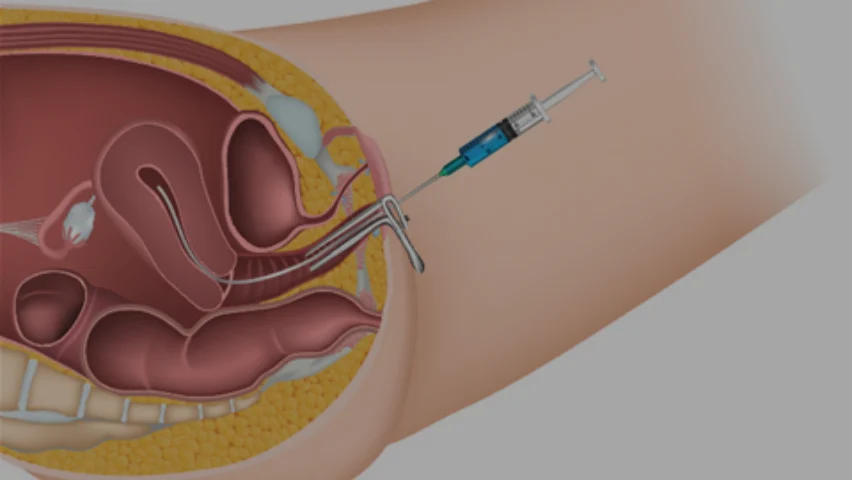
    Illustration of intrauterine insemination (IUI) procedure with syringe and catheter in the uterus.

    The Mental Toll of Unexplained Infertility: How Counseling and Support Groups Can Help

    Support Groups for Unexplained Infertility
    In addition to counseling, support groups can be a valuable resource for individuals and couples struggling with unexplained infertility. These groups provide a sense of community and allow individuals to connect with others who are going through a similar experience. Sharing stories and experiences with others who understand can provide much-needed emotional support and validation.

    Support groups also offer a safe space to express feelings and fears without judgment. In these groups, individuals can find comfort in knowing that they are not alone in their struggles. They can also learn from others’ experiences and gain valuable insight into coping strategies and resources.

    The Importance of Self-Care
    As with any challenging experience, self-care is crucial for individuals and couples dealing with unexplained infertility. It is essential to prioritize physical and emotional well-being during this time. This can include engaging in activities that bring joy, practicing relaxation techniques, and seeking out support from friends and family. Taking care of oneself can help individuals better cope with the emotional strains of unexplained infertility and maintain a positive mindset.

    In conclusion, unexplained infertility can take a significant toll on one’s mental health. The constant questioning, uncertainty, and feelings of isolation can lead to increased stress, anxiety, and depression. However, seeking support through counseling and support groups can provide individuals and couples with valuable tools to cope with this challenging journey. Additionally, practicing self-care can help maintain a positive outlook and improve overall well-being. If you or a loved one is struggling with unexplained infertility, do not hesitate to seek out professional support and connect with others going through a similar experience.

  • Fertility and Self-Care: Balancing Counseling and Support Group Sessions

    Blog Post Summary:

    Fertility and self-care are two important aspects of life that can often be overlooked, especially when dealing with the emotional and physical challenges of trying to conceive. For many individuals and couples, counseling and support group sessions can be beneficial in navigating this journey. However, finding a balance between these two forms of support is crucial for overall well-being. In this blog post, we will explore the importance of self-care in the context of fertility and how it can be balanced with counseling and support group sessions.

    The journey towards parenthood can be filled with a rollercoaster of emotions, from hope and excitement to disappointment and frustration. It is important to acknowledge and honor these emotions, and this is where counseling can be helpful. A trained therapist can provide a safe and non-judgmental space for individuals and couples to express their thoughts and feelings, and help them develop coping strategies to manage the challenges of fertility.

    However, while counseling can be a valuable resource, it is equally important to prioritize self-care during this time. Self-care refers to any intentional actions taken to promote one’s physical, mental, and emotional well-being. It is not a luxury, but a necessity for maintaining overall health and managing stress. In the context of fertility, self-care can involve activities such as exercise, mindfulness practices, and seeking out social support from loved ones.

    One way to incorporate self-care into the fertility journey is by attending support group sessions. These gatherings provide a sense of community and understanding, as individuals and couples can connect with others who are going through similar experiences. Support groups can also offer valuable insights and resources, as well as a sense of hope and empowerment.

    comparison of IUI and IVF fertility treatments with illustrations of procedures and a petri dish with an egg and sperm

    Fertility and Self-Care: Balancing Counseling and Support Group Sessions

    While both counseling and support groups can be beneficial, it is important to find a balance between the two. Over-reliance on either form of support can lead to neglecting one’s own needs. This can be especially true for those who are undergoing fertility treatments, as they may feel pressure to constantly focus on their fertility journey and neglect other aspects of their life.

    One way to balance counseling and support group sessions is by setting boundaries and prioritizing self-care activities. This can involve scheduling regular breaks from fertility-related discussions and appointments, and dedicating time to engage in self-care practices. It is also important to communicate with therapists and support group facilitators about one’s needs and boundaries.

    Another way to balance these forms of support is by finding a therapist or support group that specifically focuses on fertility. These professionals will have a better understanding of the unique challenges and emotions that come with trying to conceive, and can provide tailored support and resources. Additionally, they can work together to ensure that the individual or couple’s needs are being met and that they are receiving well-rounded support.

    It is also important to keep in mind that self-care looks different for everyone and can change over time. What may have been a helpful self-care practice in the past may not be as effective in the present. It is important to regularly reassess and adjust self-care routines to fit one’s current needs and circumstances.

    In conclusion, the journey towards parenthood can be emotionally and physically taxing, and it is important to prioritize self-care in the midst of counseling and support group sessions. Finding a balance between these forms of support is crucial for overall well-being, and can help individuals and couples navigate the challenges of fertility with more resilience and self-compassion. By setting boundaries, communicating with professionals, and regularly reassessing self-care practices, individuals and couples can find a balance that works for them and supports their journey towards parenthood.

  • Empathy and Understanding: The Key Components of Fertility Support Groups

    Empathy and Understanding: The Key Components of Fertility Support Groups

    Fertility struggles can be a difficult and isolating experience for many individuals and couples. The journey towards parenthood can be filled with physical, emotional, and financial challenges, leaving those going through it feeling overwhelmed and alone. This is where fertility support groups can play a crucial role in providing much-needed empathy and understanding to those on the fertility journey.

    Fertility support groups are a safe and supportive space for individuals and couples to share their experiences, emotions, and challenges related to fertility. These groups can be in-person or online and are often facilitated by a trained professional or led by individuals who have gone through fertility struggles themselves. While each support group may have a different focus or approach, there are two key components that are essential to their success – empathy and understanding.

    Empathy refers to the ability to understand and share the feelings of others. In the context of fertility support groups, this means being able to put yourself in the shoes of someone going through similar struggles and truly understanding their emotions, fears, and challenges. Empathy is crucial because it allows individuals to feel seen and heard, which can provide a sense of validation and comfort.

    In fertility support groups, empathy can be expressed through active listening and validation. Active listening involves being fully present and engaged in what the other person is saying, without judgment or distractions. It also involves reflecting back what the person has shared, showing that you have understood and heard them. Validation, on the other hand, involves acknowledging and accepting the emotions and experiences of others. This can be incredibly powerful for those going through fertility struggles, as it can help them feel less alone and more understood.

    Understanding, on the other hand, refers to the ability to comprehend and relate to someone’s experiences and perspectives. In fertility support groups, understanding is essential because it allows individuals to connect with others who are going through similar struggles. It also helps break down feelings of isolation and shame that often come with fertility challenges. When individuals feel understood, they are more likely to open up and share their experiences, which can lead to deeper connections and a sense of belonging.

    Illustration of intrauterine insemination (IUI) procedure with syringe and catheter in the uterus.

    Empathy and Understanding: The Key Components of Fertility Support Groups

    One way that understanding is fostered in fertility support groups is through the sharing of personal experiences. When individuals share their stories and struggles, it allows others to see that they are not alone and that their experiences are valid. This can be incredibly comforting and empowering for those going through fertility struggles, as it helps them feel heard and understood. Additionally, understanding can also be fostered through education and information sharing. Support group leaders or professionals may provide valuable information and resources related to fertility, which can help individuals better understand their own experiences and navigate the complexities of fertility treatments.

    Apart from empathy and understanding, there are several other benefits of participating in fertility support groups. These include:

    1. Building a sense of community: Fertility support groups provide a safe and welcoming space for individuals and couples to connect with others who are on a similar journey. This sense of community can provide much-needed support and encouragement, especially during difficult times.

    2. Coping with emotions: Fertility struggles can bring up a wide range of emotions, from grief and sadness to anger and frustration. Support groups can provide a safe outlet for individuals to express and process these emotions, which can be crucial for their overall well-being.

    3. Learning coping strategies: Support groups can also provide individuals with practical coping strategies to help them manage the emotional and physical challenges of fertility treatments. This can include techniques such as mindfulness, relaxation exercises, and self-care practices.

    4. Reducing stigma and shame: Fertility struggles are often surrounded by stigma and shame, which can make individuals feel isolated and misunderstood. Support groups provide a non-judgmental space where individuals can share their experiences without fear of stigma or shame.

    In summary, empathy and understanding are the key components of fertility support groups. These groups provide a safe and supportive space for individuals and couples to share their experiences, emotions, and challenges related to fertility. By fostering empathy and understanding, support groups can help individuals feel seen, heard, and understood, reducing the sense of isolation and shame that often comes with fertility struggles. Additionally, support groups offer a sense of community, coping strategies, and a reduction of stigma and shame, making them a valuable resource for those on the fertility journey.

  • The Power of Positivity: How Fertility Support Groups Can Boost Your Mental Health

    Blog Post:

    In today’s fast-paced and stressful world, it’s easy to get overwhelmed and feel like we’re constantly struggling to keep our heads above water. This is especially true for individuals or couples who are struggling with fertility issues. The emotional and physical toll of trying to conceive can be draining and can take a toll on one’s mental health. However, there is a powerful tool that can help boost mental health and provide much-needed support during this difficult journey – fertility support groups.

    Fertility support groups are safe and welcoming spaces for individuals or couples who are trying to conceive, have experienced pregnancy loss, or are going through fertility treatments. These groups provide a platform for people to share their experiences, emotions, and struggles with others who understand and can relate to what they are going through. While the primary goal of these groups is to provide support and information related to fertility, they also have a powerful impact on one’s mental health and overall well-being. Let’s explore the power of positivity that fertility support groups can bring into your life.

    1. A Sense of Community and Belonging

    One of the most significant benefits of participating in a fertility support group is the sense of community and belonging it provides. Going through fertility struggles can be isolating and can make individuals feel like they are the only ones facing these challenges. However, in a support group, one can meet others who are going through similar experiences and understand the struggles and emotions involved. This sense of community can help individuals feel less alone and provide a sense of belonging, which can have a positive impact on mental health.

    2. Validation and Understanding

    Fertility support groups offer a safe space for individuals to share their experiences and emotions without fear of judgment. This validation and understanding from others who are going through similar challenges can be incredibly comforting and therapeutic. It can help individuals feel heard and understood, which can alleviate feelings of isolation and loneliness. This can be particularly helpful for those who may not have a strong support system in their personal lives.

    3. Coping Strategies and Resources

    Fertility support groups are not just about sharing experiences and emotions; they also provide valuable information and resources. Many groups have professionals, such as therapists or fertility specialists, who provide guidance and coping strategies to help individuals manage their emotions and navigate their fertility journey. These resources can be invaluable in helping individuals cope with the stress and anxiety that often accompany fertility struggles.

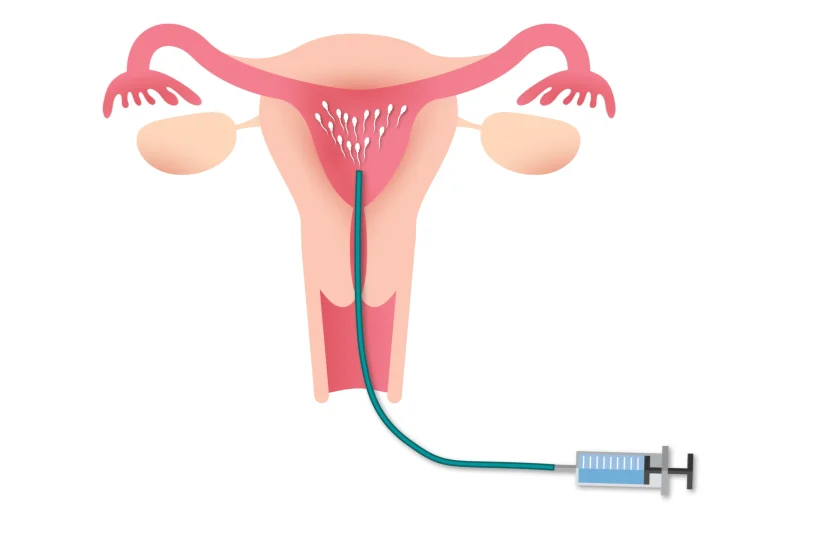
    diagram of a uterus with a syringe for intrauterine insemination procedure

    The Power of Positivity: How Fertility Support Groups Can Boost Your Mental Health

    4. Hope and Positivity

    One of the most significant benefits of participating in a fertility support group is the sense of hope and positivity it can bring. Seeing others who have gone through similar challenges and have successfully conceived or are on their way to becoming parents can provide a much-needed ray of hope. It can also serve as a reminder that one is not alone in their struggles and that there is light at the end of the tunnel. This positivity can be a powerful tool in boosting mental health and helping individuals stay motivated and resilient on their journey to parenthood.

    5. A Safe Place to Grieve

    For individuals or couples who have experienced pregnancy loss or failed fertility treatments, a support group can be a safe place to grieve. It is a space where they can openly express their emotions and receive support and understanding from others who have gone through similar experiences. This can be incredibly healing and therapeutic, as bottling up emotions and grief can have a negative impact on mental health.

    6. Bonding and Friendships

    Fertility support groups not only provide support and information, but they also offer the opportunity to form meaningful connections and friendships. Going through a challenging journey with others can create a strong bond, and many individuals in these groups form lasting friendships. These friendships can provide a source of support and understanding long after the fertility journey is over, making a positive impact on overall mental health.

    7. A Sense of Empowerment

    Participating in a fertility support group can also provide a sense of empowerment to individuals. It helps them take control of their journey and make informed decisions about their fertility treatment. It also allows them to advocate for their needs and rights, which can be particularly helpful when dealing with healthcare professionals. This sense of empowerment can boost self-esteem and confidence, which are essential aspects of mental health.

    In summary, fertility support groups can have a powerful impact on one’s mental health and well-being. They provide a sense of community, validation, coping strategies, hope, and positivity. They also serve as a safe place to grieve, bond, and form friendships, and can empower individuals to take control of their fertility journey. If you are struggling with fertility issues, consider joining a support group and experience the power of positivity for yourself.

  • The Cost of Infertility: How Counseling and Support Groups Can Provide Financial Guidance

    Blog Post:

    Infertility is a complex and emotionally challenging issue that affects millions of couples worldwide. It can take a toll on a person’s mental and emotional well-being, as well as their financial stability. Many couples struggling with infertility face significant financial burdens, from the cost of fertility treatments to the expenses associated with adoption or surrogacy. This financial strain can add an extra layer of stress and anxiety to an already difficult situation.

    In the United States, the average cost of one cycle of in vitro fertilization (IVF) is around $12,000, and that does not include additional expenses such as medications, diagnostic tests, and other procedures. These costs can quickly add up, and for many couples, it can be difficult to afford multiple cycles of IVF. In addition, many insurance companies do not cover fertility treatments, leaving couples to bear the full financial burden on their own.

    The Cost of Counseling for Infertility

    Counseling and support groups can provide much-needed guidance and support for couples struggling with infertility. However, many people may be hesitant to seek out these resources due to the added expense. While it is understandable to be concerned about the cost of counseling, it is essential to consider the potential long-term benefits that can outweigh the short-term costs.

    Counseling can help individuals and couples navigate the complex emotions that come with infertility. It can provide a safe space to process feelings of grief, anger, and frustration. Infertility can also strain a couple’s relationship, and counseling can help improve communication and strengthen their bond. By addressing these emotional challenges, couples may find that they are better equipped to handle the financial strain of infertility.

    Counseling can also provide guidance on managing financial stress and making informed decisions about fertility treatments. A counselor can help couples explore all their options and develop a plan that is both financially and emotionally sustainable. They can also provide resources for financial assistance and help couples create a budget to manage the costs of fertility treatments.

    The Value of Support Groups

    Support groups are another valuable resource for couples facing infertility. These groups provide a sense of community and understanding that can be difficult to find elsewhere. They allow individuals to connect with others who are going through a similar experience, providing a sense of validation and support.

    Support groups can also be a valuable source of information and advice on managing the financial aspects of infertility. Members can share their experiences with different treatments and offer tips on how to minimize costs. They can also provide emotional support and help individuals and couples navigate the ups and downs of the fertility journey.

    A person administering an injection into their abdomen with a yellow pen-like device.

    The Cost of Infertility: How Counseling and Support Groups Can Provide Financial Guidance

    Cost-Efficient Counseling and Support Options

    While the cost of individual counseling sessions can add up, there are also more cost-efficient options available. Many therapists offer sliding scale fees based on income, making counseling more affordable for those on a tight budget. In addition, some insurance plans may cover a portion of counseling costs, so it is worth checking with your provider to see if this is an option.

    Online support groups and counseling are also becoming increasingly popular and can be a more cost-effective alternative. These virtual platforms allow individuals to connect with others from the comfort of their own home, eliminating the need for travel expenses. Online counseling sessions may also be more affordable than traditional in-person sessions.

    Finding Financial Support for Infertility

    In addition to counseling and support groups, there are also financial resources available for couples struggling with infertility. Many fertility clinics offer financing options, such as payment plans or loans, to help make treatments more affordable. Some clinics also offer discounted rates for multiple cycles or have programs in place to assist low-income individuals and couples.

    There are also grants and scholarships available specifically for fertility treatments. These grants can help cover the cost of IVF, medications, and other related expenses. It is worth researching and applying for these grants, as they can provide much-needed financial assistance for couples facing infertility.

    Summary:

    Infertility can be emotionally and financially draining for couples. The cost of fertility treatments, coupled with the added expenses of counseling and support, can make it challenging to pursue the dream of starting a family. However, seeking out counseling and support can provide valuable guidance and emotional support to help couples navigate the challenges of infertility.

    Counseling can provide a safe space to process emotions, improve relationships, and make informed decisions about fertility treatments. Support groups can offer a sense of community and valuable information on managing the financial aspects of fertility. These resources, along with cost-efficient options and financial assistance, can help alleviate the financial strain of infertility and make the journey more manageable.

    By seeking out counseling and support, couples can not only improve their mental and emotional well-being but also receive valuable financial guidance to help them achieve their dream of starting a family.