Blog Post:
At-home insemination is a popular method for couples or individuals who are trying to conceive but are facing fertility challenges. This process involves using a donor’s sperm to fertilize an egg at home, without the assistance of a medical professional. While it may seem like a straightforward process, at-home insemination can be emotionally and physically challenging. This is where support groups play a crucial role. In this blog post, we will discuss the importance of support groups in the at-home insemination process and how they can provide guidance, emotional support, and valuable resources to those who are undergoing this journey.
What is At-Home Insemination?
At-home insemination, also known as self-insemination or home insemination, is a method of conception that involves using a donor’s sperm to fertilize an egg at home. This process is often used by same-sex couples, single women, or couples facing fertility challenges. The process involves tracking ovulation, collecting and preparing the sperm, and using either a syringe or a specialized insemination kit to place the sperm near the cervix. While it may sound simple, there are many factors that can affect the success of at-home insemination, such as timing, sperm quality, and emotional stress.
The Emotional Challenges of At-Home Insemination
Conceiving a child through at-home insemination can be a rollercoaster of emotions. For many, it is a deeply personal and intimate process that comes with high hopes and expectations. However, when the process does not result in a pregnancy, it can lead to feelings of disappointment, frustration, and even guilt. Additionally, the emotional stress of trying to conceive can take a toll on a person’s mental well-being. This is where having a support group can make a significant difference.
The Importance of Support Groups
Support groups are a vital resource for individuals or couples going through the at-home insemination process. These groups provide a safe and non-judgmental space for people to share their experiences, ask questions, and receive support from others who are going through a similar journey. Here are some of the ways in which support groups can assist in the at-home insemination process:
1. Guidance and Education
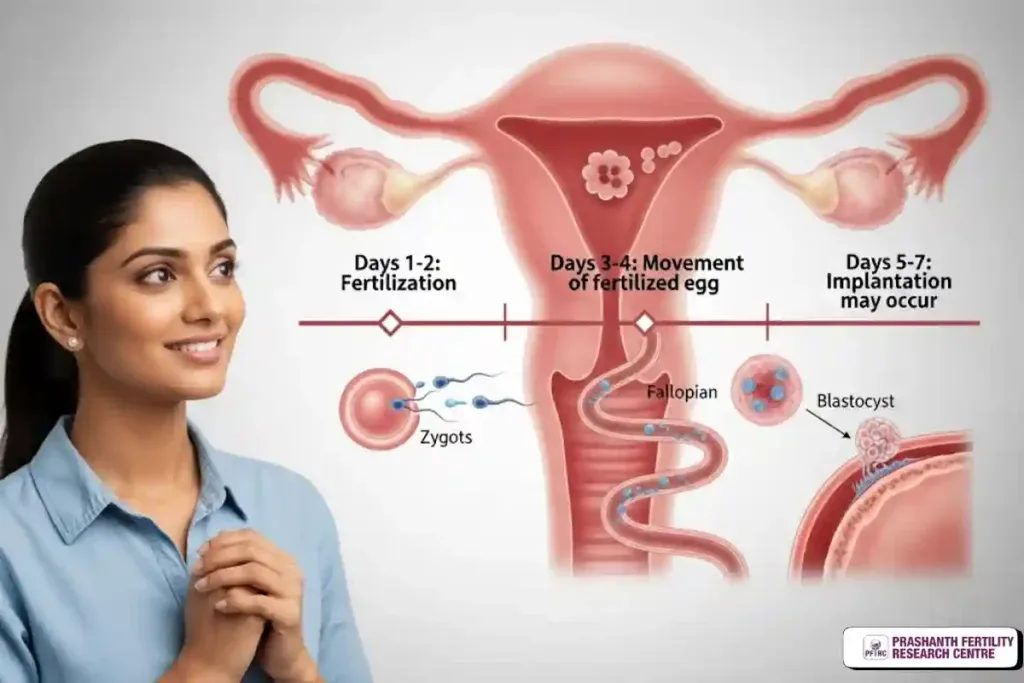
The Role of Support Groups in the At-Home Insemination Process
Support groups can provide valuable guidance and education on the at-home insemination process. They can offer information on tracking ovulation, choosing a donor, and preparing for the insemination. Support groups can also provide tips and tricks to increase the chances of success and help individuals understand the various factors that can affect their fertility.
2. Emotional Support
Dealing with fertility challenges and trying to conceive can be emotionally draining. Support groups offer a safe space for individuals to express their feelings and receive emotional support from others who understand what they are going through. This can be particularly helpful for those who do not have a strong support system in their personal lives.
3. Resources and Recommendations
Support groups are an excellent source of information and resources for at-home insemination. Members can share their experiences with different products, such as ovulation tracking kits, sperm donors, and insemination kits. They can also recommend trusted websites, books, or articles that can provide further guidance and support.
4. Community and Connection
At-home insemination can feel like a lonely and isolating process, especially for those who do not have a partner to share the journey with. Support groups provide a sense of community and connection, where individuals can find others who are going through a similar experience. This can help reduce feelings of isolation and provide a sense of belonging.
5. Coping with Challenges and Setbacks
No matter how prepared someone may be, at-home insemination can come with its fair share of challenges and setbacks. Support groups can offer a safe space for individuals to share their struggles and receive advice on how to cope with these challenges. This can be particularly helpful for those who may not have anyone else to turn to for support.
In summary, at-home insemination is a complex and emotionally challenging process that can benefit greatly from the support of others. Support groups provide guidance, education, emotional support, resources, and a sense of community for individuals or couples going through the at-home insemination journey. If you are considering at-home insemination, we highly recommend seeking out a support group to aid you in this journey.