Tag: tracking

  • Is Technology the Future of Fertility Tracking? A Comparison of Devices and Methods

    Fertility tracking has been used for centuries as a way for women to understand their reproductive cycle and increase their chances of conception. Traditionally, this involved tracking physical symptoms such as basal body temperature, cervical mucus, and menstrual cycles. However, with the rise of technology, there have been numerous advancements in fertility tracking devices and methods. In this blog post, we will explore if technology is the future of fertility tracking by comparing various devices and methods.

    First, let’s take a look at the traditional methods of fertility tracking. The most common method is tracking basal body temperature (BBT). This involves taking your temperature every morning before getting out of bed and recording it on a chart. A rise in BBT indicates ovulation has occurred. Another method is tracking cervical mucus, which involves observing changes in the consistency and color of vaginal discharge. This method is based on the fact that cervical mucus changes throughout the menstrual cycle, becoming thinner and clearer around ovulation. Lastly, tracking menstrual cycles involves keeping track of the length of your cycles and the first day of your period. This method assumes that ovulation occurs around day 14 of a 28-day cycle.

    While these traditional methods have been used for a long time, they are not foolproof. BBT tracking can be affected by factors such as illness, lack of sleep, or alcohol consumption, making it less accurate. Cervical mucus tracking requires a bit of skill and can be subjective. And tracking menstrual cycles assumes a regular 28-day cycle, which is not the case for all women. This is where technology comes in to provide more accurate and efficient fertility tracking.

    One of the most popular fertility tracking devices is the fertility monitor. These devices use a combination of BBT, cervical mucus, and menstrual cycle tracking to predict ovulation and fertile days. They also come with an app that stores your data and provides insights into your cycle. Some popular fertility monitors include the Clearblue Advanced Fertility Monitor and the Daysy Fertility Tracker. These devices claim to be over 99% accurate in predicting fertile days and have been praised for their convenience and ease of use.

    Another technology-based method of fertility tracking is the use of ovulation predictor kits (OPKs). These kits work by detecting the surge of luteinizing hormone (LH) in your urine, which occurs 24-48 hours before ovulation. The most popular brand of OPKs is Clearblue, which offers both traditional stick tests and digital tests with a smiley face indicating a positive result. While OPKs can be helpful in pinpointing ovulation, they can also be expensive if used every month and may not be accurate for women with irregular cycles.
    Comparison of IUI and IVF treatments with diagrams of reproductive anatomy.

    Is Technology the Future of Fertility Tracking? A Comparison of Devices and Methods

    In recent years, there has been a surge in the popularity of fertility tracking apps. These are mobile applications that allow women to track their menstrual cycles, BBT, and other fertility signs. Some popular apps include Clue, Flo, and Glow. These apps use algorithms and artificial intelligence (AI) to predict fertile days and ovulation based on the data provided by the user. They also offer additional features such as tracking moods, symptoms, and sexual activity. While apps can be convenient and easy to use, they rely heavily on user input and may not be as accurate as other methods.

    One of the most revolutionary advancements in fertility tracking technology is the wearable device. These devices are worn on the body and can track various fertility signs such as BBT, heart rate, and skin temperature. The most well-known wearable device is the Ava Bracelet, which claims to be able to predict five fertile days per cycle with 89% accuracy. Other popular wearable devices include Tempdrop and OvuSense. While these devices may be more accurate than traditional methods, they can also be expensive and may not be accessible to everyone.

    Now, let’s address the question of whether technology is the future of fertility tracking. While technology has certainly made fertility tracking more convenient and accurate, it may not be the future for everyone. Traditional methods are still widely used and can be effective for some women. Additionally, not all women have access to or can afford these technological advancements. It’s important to acknowledge that fertility tracking is not a one-size-fits-all approach and what works for one woman may not work for another.

    In conclusion, technology has certainly changed the landscape of fertility tracking. With the use of devices, apps, and wearables, women now have more options for tracking their fertility and increasing their chances of conception. However, it’s important to consider the limitations and accessibility of these technologies. Ultimately, the future of fertility tracking may not solely rely on technology, but rather a combination of traditional methods and technological advancements.

    In summary, technology has revolutionized the way women can track their fertility. From traditional methods to advanced devices and apps, there are now numerous options for women to understand their reproductive cycle and increase their chances of conception. However, it’s important to consider the limitations and accessibility of these technologies and acknowledge that traditional methods may still be effective for some women. The future of fertility tracking may not solely rely on technology, but rather a combination of methods and advancements.
  • The Evolution of Fertility Tracking: From Traditional Methods to Smart Devices

    Title: The Evolution of Fertility Tracking: From Traditional Methods to Smart Devices

    Introduction:
    Fertility tracking has been used for centuries by women to understand their menstrual cycles and increase their chances of conception. Over the years, this practice has evolved from traditional methods such as tracking basal body temperature and cervical mucus to using smart devices that can accurately predict ovulation and fertility. In this blog post, we will take a closer look at the evolution of fertility tracking and how technology has revolutionized this process.

    Traditional Methods of Fertility Tracking:
    Before the advent of modern technology, women relied on traditional methods to track their fertility. One of the most widely used methods was tracking basal body temperature (BBT), which involves taking your temperature every morning and recording it on a chart. This method is based on the fact that a woman’s body temperature rises slightly after ovulation, indicating the most fertile days of her cycle. However, this method can be unreliable as external factors such as illness and lack of sleep can affect BBT.

    Another traditional method is tracking cervical mucus, which involves monitoring the changes in vaginal discharge throughout the menstrual cycle. As a woman approaches ovulation, her cervical mucus becomes thinner and clearer, resembling the consistency of egg whites. This method is more accurate than BBT tracking, but it also requires close observation and recording of changes in mucus.

    Other traditional methods include using ovulation predictor kits (OPKs) that detect the surge of luteinizing hormone (LH) in urine, which occurs 12-36 hours before ovulation. While these methods have been used for many years, they can be time-consuming, unreliable, and require a lot of effort from the user.

    The Rise of Smart Devices:
    With the advancement of technology, fertility tracking has become more accessible and accurate than ever before. Smart devices such as fertility monitors and wearable trackers have become popular among women who are trying to conceive or simply want to understand their menstrual cycles better.

    Fertility monitors, also known as ovulation trackers, use a combination of methods such as BBT tracking, LH testing, and other fertility indicators to predict ovulation. These devices often come with a mobile app that allows users to input data and track their cycles. Some monitors also use artificial intelligence to learn a woman’s unique cycle patterns and provide personalized predictions.

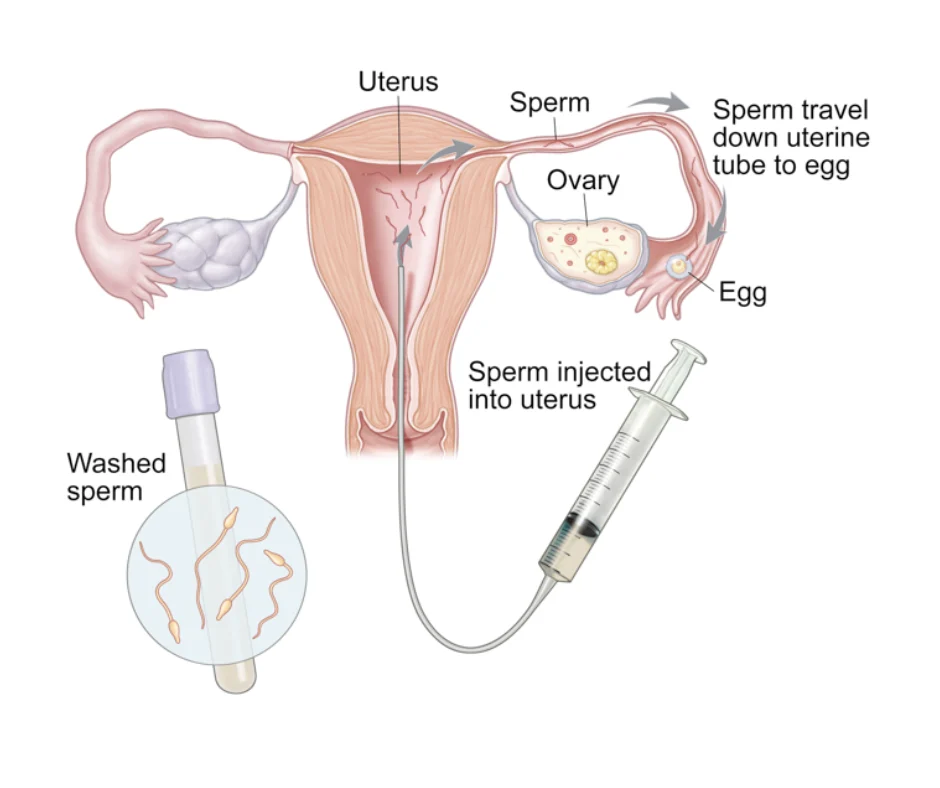
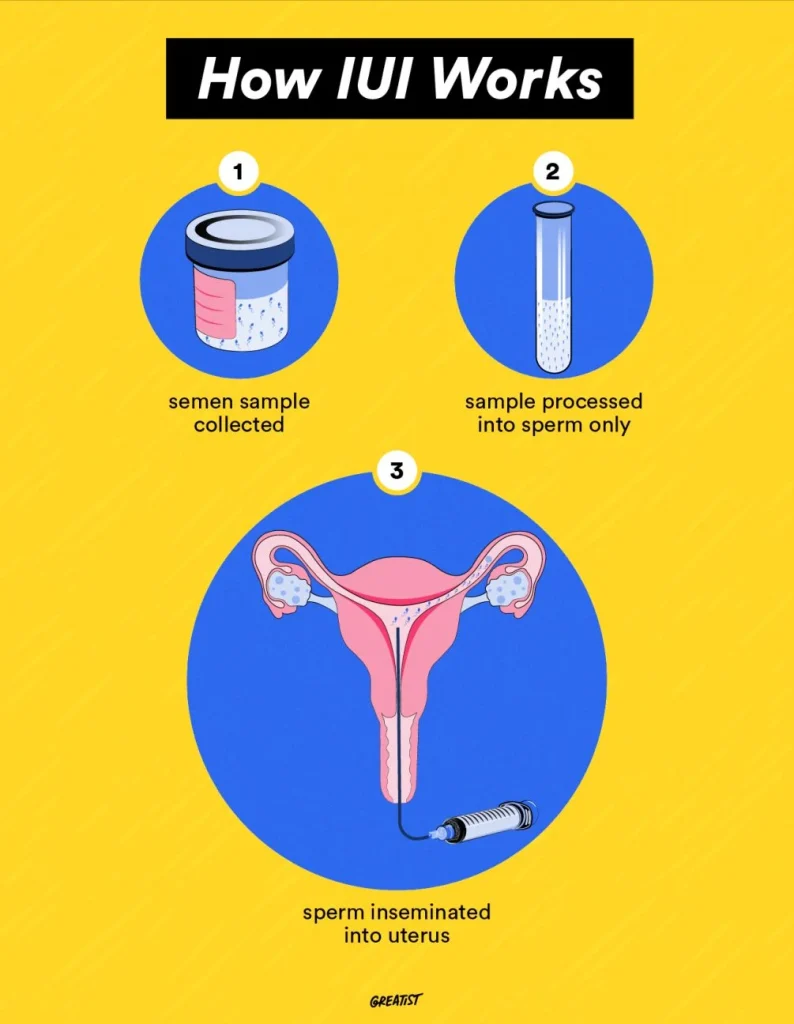
    illustration explaining the steps of intrauterine insemination (IUI) process on a bright yellow background

    The Evolution of Fertility Tracking: From Traditional Methods to Smart Devices

    Wearable fertility trackers, on the other hand, are worn on the body and collect data such as temperature, heart rate, and movement to determine the fertile window. These devices can also sync with a mobile app for a more comprehensive analysis of a woman’s cycle.

    Benefits of Using Smart Devices:
    One of the main advantages of using smart devices for fertility tracking is the convenience they offer. Unlike traditional methods, these devices require minimal effort from the user and provide more accurate predictions. They also eliminate the need for manual tracking and recording, making the process less stressful.

    Moreover, smart devices can provide a more comprehensive analysis of a woman’s cycle by tracking multiple fertility indicators. This can be especially helpful for women with irregular cycles or those who have been unsuccessful in using traditional methods.

    The Future of Fertility Tracking:
    As technology continues to advance, the future of fertility tracking looks promising. Some companies are currently developing devices that use saliva or urine samples to detect hormone levels and predict ovulation. These devices are expected to be more accurate and user-friendly, making fertility tracking even more accessible for women.

    Furthermore, there is a growing trend of using artificial intelligence and machine learning in fertility tracking devices. This will allow for more personalized predictions and better understanding of a woman’s unique cycle patterns. In the future, we can expect to see more advanced and sophisticated smart devices that will revolutionize the way women track their fertility.

    Conclusion:
    From traditional methods to smart devices, fertility tracking has come a long way. While traditional methods have been used for centuries, they can be unreliable and require a lot of effort from the user. Smart devices, on the other hand, offer convenience, accuracy, and a more comprehensive analysis of a woman’s cycle. As technology continues to evolve, we can only expect further advancements in fertility tracking, making it easier for women to understand their bodies and achieve their fertility goals.

    Summary:
    Fertility tracking has evolved from traditional methods such as BBT tracking and cervical mucus monitoring to using smart devices that offer convenience and accuracy. Smart devices such as fertility monitors and wearable trackers use a combination of methods and have apps that allow for easy tracking and analysis. The future of fertility tracking looks promising with the development of devices that use saliva or urine samples and the use of artificial intelligence and machine learning. These advancements will make fertility tracking even more accessible and personalized for women.

  • The Decision-Making Process: How to Choose the Right Fertility Tracking Method for You

    Summary:

    The decision to start trying for a baby can be both exciting and overwhelming. Along with the emotions and anticipation, there are also many considerations to take into account, one of which is choosing the right fertility tracking method. With so many options available, it can be challenging to determine which method will work best for you. In this blog post, we will discuss the decision-making process for choosing the right fertility tracking method and provide an overview of the different methods available.

    First, it is essential to understand the purpose of fertility tracking. Fertility tracking is a way to monitor and track a woman’s menstrual cycle to identify the most fertile days for conception. By knowing when ovulation occurs, couples can time intercourse for a higher chance of pregnancy. There are various methods of fertility tracking, and each has its pros and cons. The key is to find the one that aligns with your lifestyle, preferences, and needs.

    The first step in the decision-making process is to assess your goals and preferences. Are you looking for a natural and non-invasive method? Or do you prefer a more high-tech and accurate approach? Some methods require daily tracking, while others are more hands-off. It is essential to consider these factors before diving into the specifics of each method.

    The most commonly used fertility tracking methods include the calendar method, basal body temperature (BBT) tracking, cervical mucus monitoring, ovulation predictor kits (OPKs), and fertility tracking apps. The calendar method involves tracking your period and using a prediction formula to determine your fertile window. BBT tracking involves taking your temperature every morning at the same time to detect a slight increase after ovulation. Cervical mucus monitoring involves tracking changes in vaginal discharge to determine when ovulation is likely to occur. OPKs are urine tests that detect the luteinizing hormone, which surges right before ovulation. Fertility tracking apps use various data inputs, such as BBT, ovulation test results, and menstrual cycle information, to predict fertile days.

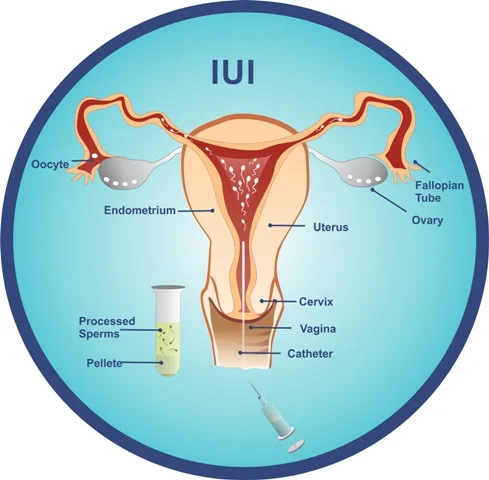
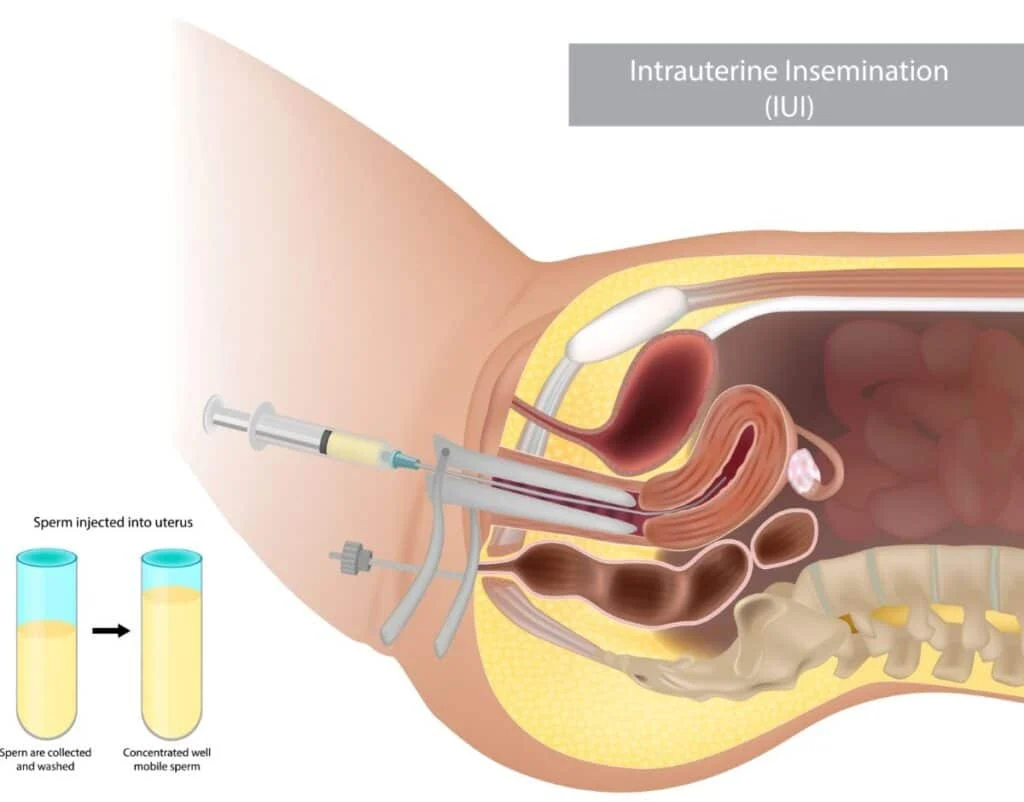
    Diagram illustrating intrauterine insemination (IUI) procedure with sperm injection into the uterus.

    The Decision-Making Process: How to Choose the Right Fertility Tracking Method for You

    Each method has its advantages and disadvantages. For example, the calendar method is easy and inexpensive, but it may not be accurate for women with irregular periods. BBT tracking is a reliable method, but it requires daily tracking and can be affected by factors such as illness or poor sleep. Cervical mucus monitoring is a natural and straightforward method, but it may not be as precise as other methods. OPKs are highly accurate but can be expensive if used every cycle. Fertility tracking apps are convenient and provide a comprehensive overview of your cycle, but they may not be accurate for women with irregular periods or conditions like polycystic ovary syndrome (PCOS).

    Besides these methods, there are also more advanced options like fertility monitors and wearable devices. Fertility monitors, such as the Clearblue Fertility Monitor, use urine tests and other data inputs to track hormone levels and identify the fertile window. Wearable devices, like the Ava bracelet, track various physiological parameters, such as skin temperature and heart rate, to predict ovulation.

    Once you have familiarized yourself with the different methods, the next step is to consider any potential obstacles that may affect your ability to track your fertility accurately. For example, if you have an irregular sleep schedule or travel frequently, BBT tracking may not be the best option for you. Similarly, if you have a history of urinary tract infections or are on certain medications, OPKs may not be as reliable. It is essential to speak with your healthcare provider about any concerns or factors that may affect your fertility tracking method.

    Another crucial factor to consider is your budget. Some methods, like the calendar method and cervical mucus monitoring, are relatively inexpensive, while others, like fertility monitors and wearable devices, may require a more significant investment. It is essential to weigh the cost against the potential benefits and decide what is feasible for you.

    Finally, it is crucial to remember that no single method is foolproof, and combining different methods may provide a more accurate picture of your fertile window. For example, using BBT tracking in conjunction with OPKs or a fertility tracking app can provide a more comprehensive overview of your cycle.

    In conclusion, choosing the right fertility tracking method requires careful consideration of your goals, preferences, and potential obstacles. Familiarizing yourself with the different methods, consulting with your healthcare provider, and assessing your budget can help you make an informed decision. Remember that no method is 100% accurate, and combining different methods may provide the best results. By taking the time to choose the right fertility tracking method for you, you can increase your chances of conceiving and embark on the exciting journey of starting a family.

  • Fertility Tracking for Every Cycle: The Versatility of Apps and Traditional Methods

    Blog Post Title: Fertility Tracking for Every Cycle: The Versatility of Apps and Traditional Methods

    Summary:

    Fertility tracking has become a popular way for individuals and couples to understand their reproductive health and plan for pregnancy. With the advancements in technology, there are now numerous apps and traditional methods available to help track and monitor a person’s fertility. In this blog post, we will explore the versatility of these methods and how they can be used for every cycle.

    First, let’s take a look at the different types of fertility tracking methods. Traditional methods include tracking basal body temperature, monitoring cervical mucus, and using ovulation predictor kits. These methods have been used for decades and rely on a person’s body signals to determine their fertile window.

    On the other hand, fertility tracking apps use technology to help individuals track their cycles and identify their most fertile days. These apps use various methods such as tracking periods, monitoring symptoms, and using algorithms to predict ovulation. They also offer additional features like personalized insights and reminders for ovulation and fertility window.

    One of the main benefits of using fertility tracking apps is convenience. With just a few taps on a smartphone, individuals can easily track their cycles and access personalized insights. This makes it easier for busy individuals to stay on top of their fertility and plan accordingly.

    diagram illustrating intrauterine insemination process, showing sperm injection into the uterus and egg fertilization pathway

    Fertility Tracking for Every Cycle: The Versatility of Apps and Traditional Methods

    Moreover, apps offer a more comprehensive approach to fertility tracking. They not only track periods and ovulation but also monitor other factors that can affect fertility, such as stress levels, diet, and exercise. This can provide a more holistic view of a person’s reproductive health and help them make necessary changes to improve their chances of conception.

    Another advantage of fertility tracking apps is the ability to share data with healthcare providers. This can be especially helpful for individuals who are struggling with fertility issues. By having access to detailed data, doctors can better understand the individual’s cycle and make recommendations for treatment or further testing.

    However, traditional methods also have their advantages. They are low-cost and do not require any technology, making them accessible to everyone. They also rely on a person’s body signals, which can be more accurate for some individuals compared to algorithms used in apps.

    Additionally, traditional methods can be used alongside fertility tracking apps for more accurate results. For example, combining ovulation predictor kits with an app can help pinpoint the most fertile days more accurately.

    It is important to note that both apps and traditional methods have their limitations. Fertility tracking apps may not be as accurate for individuals with irregular cycles or those with certain medical conditions. Traditional methods, on the other hand, require a person to be diligent in tracking their body signals, which can be challenging for some.

    So, which method is the best for fertility tracking? The answer is, it depends on the individual. Some may find that apps suit their lifestyle and needs better, while others may prefer the simplicity and reliability of traditional methods. It is essential to find the method that works best for you and your body.

    In conclusion, fertility tracking has come a long way with the advancements in technology. Apps and traditional methods both offer unique benefits and can be used together for more accurate results. The key is to find the method that works best for you and your body. With proper tracking and understanding of your fertility, you can take charge of your reproductive health and plan for every cycle.

  • Fertility Tracking Apps: Empowering Women to Take Control of Their Reproductive Health

    Blog Post:

    Fertility tracking apps have become an essential tool for women who want to take control of their reproductive health. With the ability to track menstrual cycles, ovulation, and fertility, these apps empower women to understand their bodies and make informed decisions about their reproductive health. In this blog post, we will explore the benefits of fertility tracking apps and how they are revolutionizing the way women approach their fertility.

    What are Fertility Tracking Apps?

    Fertility tracking apps are mobile applications that help women track their menstrual cycles, ovulation, and fertility. These apps use various methods such as basal body temperature, cervical mucus consistency, and hormone levels to predict when a woman is most fertile. Some apps also allow women to input additional data, such as symptoms and lifestyle factors, to provide more accurate predictions.

    Benefits of Fertility Tracking Apps

    1. Empowering Women

    Fertility tracking apps give women the power to understand their bodies and take control of their reproductive health. By tracking their menstrual cycles and fertility, women can better understand their unique patterns and make informed decisions about their fertility. This knowledge can also help women advocate for their reproductive health with healthcare providers.

    2. Natural Birth Control

    One of the most significant benefits of fertility tracking apps is that they can be used as a natural form of birth control. By tracking ovulation and fertility, women can avoid intercourse during their fertile window, reducing their chances of getting pregnant. This method, also known as the fertility awareness method, has been found to be as effective as traditional methods of birth control when used correctly.

    3. Fertility Treatment Assistance

    For women who are trying to conceive, fertility tracking apps can be a helpful tool. By accurately tracking ovulation and fertility, these apps can help women identify the best time to try to conceive. They can also provide insights into any potential fertility issues, allowing women to seek treatment sooner.

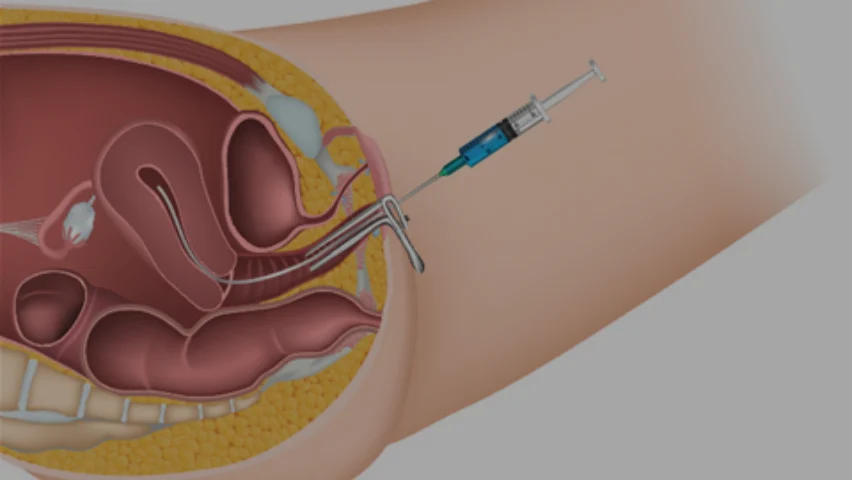
    Illustration of a uterus with a syringe, representing intrauterine insemination (IUI) procedure.

    Fertility Tracking Apps: Empowering Women to Take Control of Their Reproductive Health

    4. Personalized Insights

    Fertility tracking apps are not a one-size-fits-all solution. They allow women to input additional data, such as symptoms and lifestyle factors, to provide more personalized insights. This data can help women identify patterns and potential issues that may affect their fertility. It also allows women to take a more proactive approach to their reproductive health.

    5. Convenient and User-Friendly

    Fertility tracking apps are incredibly convenient and easy to use. These apps can be downloaded on a mobile device, making them accessible anywhere and anytime. They also have user-friendly interfaces that make tracking and interpreting data simple, even for those who are not tech-savvy.

    6. Cost-Effective

    Compared to other forms of birth control or fertility treatments, fertility tracking apps are a cost-effective option. Most apps are free or have a low-cost subscription, making them accessible to women of all income levels. This affordability makes it easier for women to take control of their reproductive health without breaking the bank.

    7. Promotes Overall Health

    Fertility tracking apps not only track menstrual cycles and fertility but also allow women to input other health data. By tracking symptoms and lifestyle factors, women can gain insights into their overall health and well-being. This information can also be shared with healthcare providers to assist in diagnosing and treating any potential health issues.

    The Future of Fertility Tracking Apps

    As technology continues to advance, fertility tracking apps are becoming more sophisticated and accurate. Some apps now use artificial intelligence to analyze data and provide even more personalized insights. These advancements will undoubtedly lead to more women using these apps and taking control of their reproductive health.

    Summary:

    Fertility tracking apps have become a powerful tool for women to take control of their reproductive health. These mobile applications allow women to track their menstrual cycles, ovulation, and fertility, providing personalized insights and promoting overall health. From natural birth control to fertility treatment assistance, these apps empower women to understand their bodies and make informed decisions about their reproductive health. With advancements in technology, the future of fertility tracking apps looks even brighter.

  • Fertility Tracking Apps: From Ovulation to Pregnancy, They’ve Got You Covered

    Summary:

    Fertility tracking apps have revolutionized the way women track their menstrual cycles, ovulation, and fertility. These apps offer a convenient and user-friendly way to monitor and understand one’s reproductive health. From predicting ovulation and fertile days to tracking symptoms and pregnancy progress, these apps have got you covered. In this blog post, we will explore the different types of fertility tracking apps available, their features and benefits, and how they can help you on your journey to parenthood.

    Introduction:

    For many women, understanding their menstrual cycles, ovulation, and fertility can be a daunting task. However, with the rise of fertility tracking apps, this process has become much easier and more accessible. These apps use algorithms and data input by the user to predict ovulation, fertile days, and even pregnancy progress. With the help of these apps, women can better understand their bodies and plan for pregnancy or avoid it, depending on their goals. Let’s dive into the world of fertility tracking apps and see how they can be beneficial for women of all ages.

    Types of Fertility Tracking Apps:

    There are several types of fertility tracking apps available in the market today. Some use the basal body temperature method, while others rely on the calendar method or cervical mucus tracking. Some apps combine multiple methods and use advanced algorithms to provide accurate predictions. The type of app you choose will depend on your needs and preferences. It is essential to research and read reviews before selecting an app to ensure its accuracy and reliability.

    Features and Benefits:

    Fertility tracking apps offer various features that can be beneficial for women trying to conceive or avoid pregnancy. These features include:

    1. Ovulation Prediction: By tracking your menstrual cycle, these apps can predict your ovulation date and fertile days. This information can be helpful for couples trying to conceive or individuals who want to avoid pregnancy.

    2. Symptom Tracking: Many apps allow users to track symptoms such as cramps, mood changes, and headaches, which can help identify patterns and understand the body’s natural cycle.

    Cost breakdown for IUI components, including requirements, impacts, and alternatives.

    Fertility Tracking Apps: From Ovulation to Pregnancy, They've Got You Covered

    3. Reminder Alerts: These apps can send reminders to take birth control pills, track cervical mucus, or record other important data, making it easier to stay on top of your reproductive health.

    4. Pregnancy Tracking: Once you become pregnant, fertility tracking apps can help you track your pregnancy progress, including baby’s size, weight, and development, and provide helpful tips and information for each stage.

    How Fertility Tracking Apps Work:

    Fertility tracking apps use various methods to predict ovulation and fertile days. Some apps rely on data input by the user, such as menstrual cycle length, period start and end dates, and symptoms. Other apps require the user to input basal body temperature or cervical mucus data to provide accurate predictions. Some apps use advanced algorithms to combine multiple tracking methods for more accurate results. It is essential to choose an app that aligns with your preferred tracking method and provides reliable data.

    Accuracy and Effectiveness:

    The accuracy and effectiveness of fertility tracking apps depend on various factors, such as the tracking method used, user input, and the app’s algorithms. Some apps claim to be up to 99% accurate in predicting ovulation and fertile days, but this can vary from person to person. It is important to remember that these apps are meant to be used as a tool and should not be relied on as a sole method of birth control or conception. It is always best to consult with a healthcare professional for personalized advice and guidance.

    Privacy and Security:

    Privacy and security are crucial when using fertility tracking apps. These apps collect sensitive personal information, including menstrual cycle data and pregnancy progress. It is essential to choose an app that prioritizes privacy and has strict security measures in place to protect your data. Many apps offer password protection and encryption to ensure your information remains confidential.

    Conclusion:

    Fertility tracking apps have revolutionized the way women understand and track their reproductive health. These apps offer a convenient and user-friendly way to predict ovulation, fertile days, and monitor pregnancy progress. With their various features and tracking methods, these apps can be beneficial for individuals trying to conceive or avoid pregnancy. However, it is important to choose a reliable and accurate app and always consult with a healthcare professional for personalized advice.

  • The Benefits of Fertility Tracking: Why Both Apps and Traditional Methods Are Important

    Blog Post:

    Fertility tracking is the process of monitoring a woman’s menstrual cycle and identifying the most fertile days for conception. It has been used for centuries as a natural method of family planning and has recently gained popularity through the use of modern technology such as fertility tracking apps. While these apps offer convenience and advanced features, traditional fertility tracking methods also have their own unique benefits. In this blog post, we will explore the benefits of both apps and traditional methods of fertility tracking and why it is important to consider both in order to maximize the chances of conception.

    Benefits of Fertility Tracking Apps:

    1. Convenience and Accessibility:
    One of the main benefits of fertility tracking apps is their convenience and accessibility. These apps can be easily downloaded on a smartphone, allowing women to track their menstrual cycle anywhere, anytime. This eliminates the need to carry around a physical fertility chart or calendar, making it more discreet and private.

    2. Advanced Features:
    Fertility tracking apps offer a variety of advanced features that can help women track their cycle more accurately. These include reminders for taking fertility tests, tracking basal body temperature and cervical mucus, and predicting ovulation and fertile days. Some apps even allow women to input additional data such as mood, sleep patterns, and exercise, providing a more comprehensive overview of their reproductive health.

    3. Data Analysis:
    Another benefit of fertility tracking apps is the ability to analyze data and identify patterns in a woman’s menstrual cycle. This can be especially helpful for women who have irregular periods or are trying to conceive. By tracking their cycle over a period of time, women can identify their most fertile days and increase their chances of conception.

    4. Partner Involvement:
    Many fertility tracking apps also allow partners to be involved in the process. This can be beneficial for couples trying to conceive as it allows for better communication and understanding of the woman’s cycle. Partners can receive notifications about fertile days and can also input their own data, providing a more collaborative approach to fertility tracking.

    Benefits of Traditional Fertility Tracking Methods:

    1. Cost-Effective:
    Traditional fertility tracking methods, such as the calendar method, are cost-effective and do not require any additional technology. This makes it accessible to women who may not have access to smartphones or the internet. It also eliminates the need for monthly subscription fees that come with fertility tracking apps.

    diagram illustrating intrauterine insemination (IUI) with labeled reproductive anatomy and procedures

    The Benefits of Fertility Tracking: Why Both Apps and Traditional Methods Are Important

    2. Natural and Non-Invasive:
    Traditional fertility tracking methods are completely natural and non-invasive. Unlike fertility tracking apps, they do not rely on technology or require women to input personal data. This can be appealing to women who are concerned about privacy or who prefer a more natural approach to family planning.

    3. Understanding of One’s Body:
    By using traditional fertility tracking methods, women can gain a better understanding of their own body and reproductive cycle. This can be empowering and can help women make informed decisions about their reproductive health. It also allows them to identify any irregularities or potential fertility issues, which can then be addressed with a healthcare professional.

    4. Cultural and Religious Beliefs:
    For some women, traditional fertility tracking methods align with their cultural or religious beliefs. These methods have been used for centuries by women around the world and are deeply ingrained in certain cultures. By using these methods, women can feel more connected to their heritage and beliefs.

    Why Both Apps and Traditional Methods are Important:

    While fertility tracking apps offer many advanced features and conveniences, traditional methods should not be overlooked. In fact, combining both approaches can provide a more comprehensive and accurate understanding of a woman’s menstrual cycle. For example, apps can be used to track daily data and identify patterns, while traditional methods can be used as a backup method for confirmation.

    Additionally, relying solely on fertility tracking apps can be risky as they are not always 100% accurate. Factors such as technical glitches, user error, or irregular cycles can affect the data and result in inaccurate predictions. By using traditional methods as a backup, women can have a more reliable and holistic approach to fertility tracking.

    In conclusion, fertility tracking is an important tool for women who are trying to conceive or want to better understand their reproductive health. Both fertility tracking apps and traditional methods offer unique benefits and should be considered in combination for the most effective results. Whether you prefer the convenience of technology or the natural approach, fertility tracking can help you on your journey to starting a family.

    Summary:

    Fertility tracking involves monitoring a woman’s menstrual cycle to identify the most fertile days for conception. While fertility tracking apps offer advanced features and convenience, traditional methods have their own benefits such as being cost-effective, natural, and non-invasive. Combining both approaches can provide a more comprehensive understanding of a woman’s cycle and increase the chances of conception. It is important to consider both apps and traditional methods for a more reliable and holistic approach to fertility tracking.

  • The Controversy of Fertility Tracking Apps: Debunking Myths and Misconceptions

    Summary:

    Fertility tracking apps have gained popularity in recent years, with more women turning to technology to help them understand their reproductive cycle. However, with this rise in popularity, there has also been a rise in controversy surrounding these apps. Many myths and misconceptions have been spread about their effectiveness and reliability, causing confusion and skepticism among potential users. In this blog post, we will debunk some of the most common myths and misconceptions about fertility tracking apps and provide accurate information to help you make an informed decision about using these apps.

    Myth #1: Fertility tracking apps are not accurate.

    One of the biggest misconceptions about fertility tracking apps is that they are not accurate. While it is true that no method of fertility tracking is 100% accurate, the same can be said for traditional methods such as the calendar method or tracking basal body temperature. Fertility tracking apps use advanced algorithms and data analysis to predict ovulation based on various factors such as menstrual cycle length, basal body temperature, and cervical mucus. Studies have shown that these apps can be just as accurate as traditional methods, with some even outperforming them.

    Myth #2: Fertility tracking apps are only for women trying to get pregnant.

    Another common misconception about fertility tracking apps is that they are only useful for women trying to get pregnant. While these apps can certainly be helpful for women who are trying to conceive, they can also be used for other purposes such as natural birth control or simply understanding one’s reproductive cycle. In fact, many fertility tracking apps have features specifically for those not trying to get pregnant, such as tracking symptoms and predicting periods.

    Myth #3: Fertility tracking apps are not suitable for women with irregular cycles.

    Some people believe that fertility tracking apps are only suitable for women with regular menstrual cycles. However, these apps can be just as helpful for those with irregular cycles. In fact, some apps have features specifically designed for irregular cycles, such as tracking symptoms and predicting fertile days based on individual cycle patterns. It is important to note that fertility tracking apps should not be used as a replacement for medical advice, and women with irregular cycles should consult with their healthcare provider if they have concerns about their fertility.

    Illustration of intrauterine insemination (IUI) procedure with syringe and catheter in the uterus.

    The Controversy of Fertility Tracking Apps: Debunking Myths and Misconceptions

    Myth #4: Fertility tracking apps are complicated and time-consuming.

    Many people think that fertility tracking apps are complicated and time-consuming, but in reality, they are quite user-friendly and require minimal effort. Most apps have a simple interface that makes it easy to input data and track your cycle. Some apps even have features that allow you to connect with your partner, making it a collaborative effort. Additionally, fertility tracking apps can save you time and effort by helping you pinpoint your most fertile days, making it easier to plan for pregnancy or avoid it.

    Myth #5: Fertility tracking apps are not secure and may compromise your privacy.

    Some people are concerned about the security and privacy of their data when using fertility tracking apps. However, reputable apps have strict privacy policies and use secure servers to store your information. It is important to read the app’s terms and conditions and privacy policy before using it and to only use apps from trusted sources.

    Myth #6: Fertility tracking apps are expensive.

    Many people assume that fertility tracking apps are expensive, but the truth is that most apps are either free or have a low cost. Some apps may offer additional features for a fee, but the basic tracking and prediction features are typically free. Additionally, using a fertility tracking app can save you money in the long run by helping you avoid costly fertility treatments or unintended pregnancies.

    Myth #7: Fertility tracking apps are not reliable for predicting pregnancy.

    Finally, some people believe that fertility tracking apps are not reliable for predicting pregnancy. While no method of fertility tracking can guarantee pregnancy, these apps can be a helpful tool in understanding your fertile window and increasing your chances of conception. Studies have shown that using a fertility tracking app can increase the chances of pregnancy by up to 40%.

    In conclusion, fertility tracking apps are a useful and reliable tool for understanding your reproductive cycle, whether you are trying to conceive or not. Many of the myths and misconceptions surrounding these apps are unfounded, and it is important to do your research and consult with your healthcare provider before using any method of fertility tracking. With the advancement of technology, fertility tracking apps can provide accurate and personalized information to help you make informed decisions about your reproductive health.

  • Fertility Tracking Apps: A Modern Solution for Modern Families

    Fertility tracking has been around for centuries, with women using various methods to monitor their menstrual cycles and determine when they are most fertile. However, with the advancement of technology, fertility tracking apps have become a popular solution for modern families looking to plan or prevent pregnancy. These apps offer a convenient, accurate, and personalized approach to fertility tracking, making them an invaluable tool for couples trying to conceive or avoid pregnancy.

    In this blog post, we will delve into the world of fertility tracking apps and explore how they work, their benefits, and some of the best options on the market. We will also discuss how these apps have revolutionized the way modern families approach family planning and how they can be useful for various lifestyles and needs.

    How do fertility tracking apps work?

    Fertility tracking apps use data such as menstrual cycles, basal body temperature, cervical mucus, and other personal information to accurately predict a woman’s fertile window. These apps use algorithms and artificial intelligence to analyze and interpret the data, providing users with a detailed overview of their fertility status.

    One of the most popular methods used by fertility tracking apps is the fertility awareness method (FAM). FAM is a natural, hormone-free approach to family planning, which involves tracking ovulation and avoiding intercourse during the fertile window to prevent pregnancy. Fertility tracking apps use FAM principles to make this process easier and more accurate for users.

    Benefits of using fertility tracking apps

    1. Accurate prediction of fertile window: Fertility tracking apps use advanced algorithms to analyze data and provide users with accurate predictions of their fertile window. This information can be crucial for couples trying to conceive or avoiding pregnancy.

    2. Personalized approach: These apps take into account various factors such as age, cycle length, and previous menstrual history to provide personalized insights and predictions for each user. This makes the process more reliable and tailored to individual needs.

    3. Convenience: Fertility tracking apps are easily accessible on smartphones, making them a convenient option for busy individuals. Users can input data and receive updates on their fertility status anytime, anywhere.

    4. Cost-effective: Compared to other fertility tracking methods, such as ovulation kits or hormone-based birth control, fertility tracking apps are a more cost-effective option. Most apps offer free or affordable versions, making them accessible to a wider audience.

    5. Educational resources: Many fertility tracking apps offer educational resources and tips for users to better understand their cycles and fertility. This can be beneficial for individuals who are new to fertility tracking or want to learn more about their bodies.

    illustration of a uterus with a syringe, representing intrauterine insemination procedure

    Fertility Tracking Apps: A Modern Solution for Modern Families

    Top fertility tracking apps on the market

    1. Clue: With over 12 million downloads, Clue is one of the most popular fertility tracking apps on the market. It uses machine learning to analyze data and provides users with personalized insights and predictions. It also offers educational resources and connects users with a community of experts and peers.

    2. Flo: Flo is another popular fertility tracking app that uses AI to provide users with accurate predictions of their fertile window. It also offers features such as symptom tracking, medication reminders, and a period diary.

    3. Kindara: Kindara is a fertility tracking app that combines the FAM method with advanced technology to provide users with personalized insights and predictions. It also offers a community forum for users to connect with and learn from each other.

    4. Glow: With over 15 million downloads, Glow is a comprehensive fertility tracking app that offers features such as cycle tracking, ovulation prediction, and personalized health insights. It also has a community forum and connects users with fertility experts for personalized guidance.

    How fertility tracking apps are revolutionizing modern families

    Fertility tracking apps have revolutionized the way modern families approach family planning. These apps offer a convenient and reliable solution for couples who want to plan or prevent pregnancy. They have also made fertility tracking more accessible to a wider audience, regardless of their lifestyle or needs.

    For couples trying to conceive, fertility tracking apps can be a game-changer. They provide accurate predictions of the fertile window, making it easier to time intercourse and increase the chances of pregnancy. It also allows couples to track their fertility journey and identify any potential issues that may require medical attention.

    On the other hand, for couples who want to avoid pregnancy, fertility tracking apps offer a natural and effective alternative to hormonal birth control. These apps can also be useful for individuals who have experienced side effects from birth control or have religious or ethical reasons for avoiding it.

    Moreover, fertility tracking apps are also beneficial for LGBTQ+ couples and individuals who are looking to start a family. These apps can help track ovulation and provide insights for assisted reproductive technologies such as in vitro fertilization (IVF).

    Summary:

    Fertility tracking apps are a modern solution for modern families looking to plan or prevent pregnancy. These apps use advanced technology to analyze data and provide users with personalized insights and predictions of their fertile window. They offer convenience, accuracy, and cost-effectiveness compared to other fertility tracking methods. Some of the top fertility tracking apps on the market include Clue, Flo, Kindara, and Glow. These apps have revolutionized the way modern families approach family planning, making fertility tracking more accessible and convenient for all types of lifestyles and needs.

  • Fertility Tracking Apps: The Ultimate Tool for Tracking Your Cycle

    Fertility Tracking Apps: The Ultimate Tool for Tracking Your Cycle

    In today’s digital age, technology has made many aspects of our lives more convenient and efficient. This is especially true when it comes to women’s health and fertility tracking. Gone are the days of manually charting your menstrual cycle and trying to predict ovulation. With the rise of fertility tracking apps, women now have access to powerful tools that can help them better understand their bodies and make informed decisions about their reproductive health.

    What are Fertility Tracking Apps?

    Fertility tracking apps are mobile applications that use various methods to track a woman’s menstrual cycle, including the length of her period, ovulation, and fertility window. Some apps also allow users to input additional data such as basal body temperature, cervical mucus, and other fertility indicators.

    These apps use algorithms and data analysis to provide users with personalized information about their menstrual cycle, fertility, and ovulation. They can also offer insights into potential fertility issues, such as irregular periods or hormonal imbalances.

    The Benefits of Using Fertility Tracking Apps

    There are many benefits to using fertility tracking apps, making them a popular choice among women who are trying to conceive, avoid pregnancy, or simply better understand their bodies.

    1. Accurate and Personalized Tracking

    Fertility tracking apps use advanced algorithms and data analysis to provide users with accurate and personalized information about their menstrual cycle. This can be particularly helpful for women with irregular periods or those who have difficulty tracking their cycles manually.

    2. Increased Chance of Pregnancy

    For couples trying to conceive, fertility tracking apps can be a game-changer. By accurately predicting ovulation and fertility windows, these apps can increase the chance of pregnancy by helping couples time intercourse at the most fertile time.

    3. Natural Birth Control

    On the other hand, fertility tracking apps can also be used as a natural birth control method. By understanding their fertile window, women can avoid having intercourse during that time to prevent pregnancy without the use of hormonal birth control.

    4. Better Understanding of the Menstrual Cycle

    Fertility tracking apps provide users with valuable information about their menstrual cycle, such as the length of their period and the duration of their luteal phase. This can help women better understand their bodies and any potential issues with their cycle.

    A person administering an injection into their abdomen with a yellow pen-like device.

    Fertility Tracking Apps: The Ultimate Tool for Tracking Your Cycle

    5. Convenient and Private

    One of the biggest advantages of fertility tracking apps is their convenience and privacy. These apps can be easily downloaded on a smartphone, making it easy to track your cycle on the go. They also provide a discreet way to monitor your fertility and menstrual cycle without having to share this information with anyone else.

    The Best Fertility Tracking Apps

    With the increasing popularity of fertility tracking apps, there are now many options available on the market. Here are some of the best fertility tracking apps to consider:

    1. Clue

    Clue is a popular fertility tracking app that uses science and data to help women better understand their menstrual cycle. It offers a variety of tracking options, including period, fertility, ovulation, and PMS tracking. It also has a community feature where users can connect and share information with other women.

    2. Flo

    Flo is another top-rated fertility tracking app that uses artificial intelligence to provide personalized insights into a woman’s cycle. It also offers features such as pregnancy planning, birth control reminders, and a symptom tracker.

    3. Kindara

    Kindara is a fertility tracking app that focuses on fertility awareness and natural birth control methods. It includes features such as basal body temperature tracking, cervical mucus analysis, and period prediction.

    4. Ovia Fertility

    Ovia Fertility is a comprehensive fertility tracking app that offers personalized insights and tips based on a woman’s cycle and health data. It also has a pregnancy mode for women who are trying to conceive.

    5. Glow

    Glow is a fertility tracking app that uses data analysis to provide users with personalized fertility predictions and insights. It also offers resources and articles on fertility and reproductive health.

    In Conclusion

    Fertility tracking apps have revolutionized the way women track their menstrual cycle, ovulation, and fertility. These apps offer a convenient and accurate way to monitor reproductive health and make informed decisions about pregnancy or birth control. With a variety of options to choose from, women now have access to powerful tools that can help them better understand their bodies and take control of their fertility.