Blog Post:
Fertility tracking is the process of monitoring a woman’s menstrual cycle and identifying the most fertile days for conception. It has been used for centuries as a natural method of family planning and has recently gained popularity through the use of modern technology such as fertility tracking apps. While these apps offer convenience and advanced features, traditional fertility tracking methods also have their own unique benefits. In this blog post, we will explore the benefits of both apps and traditional methods of fertility tracking and why it is important to consider both in order to maximize the chances of conception.
Benefits of Fertility Tracking Apps:
1. Convenience and Accessibility:
One of the main benefits of fertility tracking apps is their convenience and accessibility. These apps can be easily downloaded on a smartphone, allowing women to track their menstrual cycle anywhere, anytime. This eliminates the need to carry around a physical fertility chart or calendar, making it more discreet and private.
2. Advanced Features:
Fertility tracking apps offer a variety of advanced features that can help women track their cycle more accurately. These include reminders for taking fertility tests, tracking basal body temperature and cervical mucus, and predicting ovulation and fertile days. Some apps even allow women to input additional data such as mood, sleep patterns, and exercise, providing a more comprehensive overview of their reproductive health.
3. Data Analysis:
Another benefit of fertility tracking apps is the ability to analyze data and identify patterns in a woman’s menstrual cycle. This can be especially helpful for women who have irregular periods or are trying to conceive. By tracking their cycle over a period of time, women can identify their most fertile days and increase their chances of conception.
4. Partner Involvement:
Many fertility tracking apps also allow partners to be involved in the process. This can be beneficial for couples trying to conceive as it allows for better communication and understanding of the woman’s cycle. Partners can receive notifications about fertile days and can also input their own data, providing a more collaborative approach to fertility tracking.
Benefits of Traditional Fertility Tracking Methods:
1. Cost-Effective:
Traditional fertility tracking methods, such as the calendar method, are cost-effective and do not require any additional technology. This makes it accessible to women who may not have access to smartphones or the internet. It also eliminates the need for monthly subscription fees that come with fertility tracking apps.
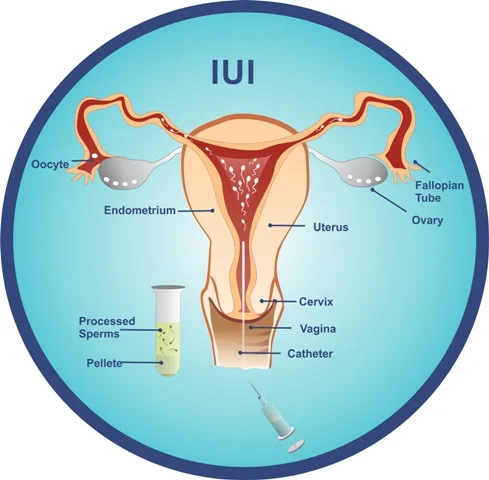
The Benefits of Fertility Tracking: Why Both Apps and Traditional Methods Are Important
2. Natural and Non-Invasive:
Traditional fertility tracking methods are completely natural and non-invasive. Unlike fertility tracking apps, they do not rely on technology or require women to input personal data. This can be appealing to women who are concerned about privacy or who prefer a more natural approach to family planning.
3. Understanding of One’s Body:
By using traditional fertility tracking methods, women can gain a better understanding of their own body and reproductive cycle. This can be empowering and can help women make informed decisions about their reproductive health. It also allows them to identify any irregularities or potential fertility issues, which can then be addressed with a healthcare professional.
4. Cultural and Religious Beliefs:
For some women, traditional fertility tracking methods align with their cultural or religious beliefs. These methods have been used for centuries by women around the world and are deeply ingrained in certain cultures. By using these methods, women can feel more connected to their heritage and beliefs.
Why Both Apps and Traditional Methods are Important:
While fertility tracking apps offer many advanced features and conveniences, traditional methods should not be overlooked. In fact, combining both approaches can provide a more comprehensive and accurate understanding of a woman’s menstrual cycle. For example, apps can be used to track daily data and identify patterns, while traditional methods can be used as a backup method for confirmation.
Additionally, relying solely on fertility tracking apps can be risky as they are not always 100% accurate. Factors such as technical glitches, user error, or irregular cycles can affect the data and result in inaccurate predictions. By using traditional methods as a backup, women can have a more reliable and holistic approach to fertility tracking.
In conclusion, fertility tracking is an important tool for women who are trying to conceive or want to better understand their reproductive health. Both fertility tracking apps and traditional methods offer unique benefits and should be considered in combination for the most effective results. Whether you prefer the convenience of technology or the natural approach, fertility tracking can help you on your journey to starting a family.
Summary:
Fertility tracking involves monitoring a woman’s menstrual cycle to identify the most fertile days for conception. While fertility tracking apps offer advanced features and convenience, traditional methods have their own benefits such as being cost-effective, natural, and non-invasive. Combining both approaches can provide a more comprehensive understanding of a woman’s cycle and increase the chances of conception. It is important to consider both apps and traditional methods for a more reliable and holistic approach to fertility tracking.
Leave a Reply