Blog Post:
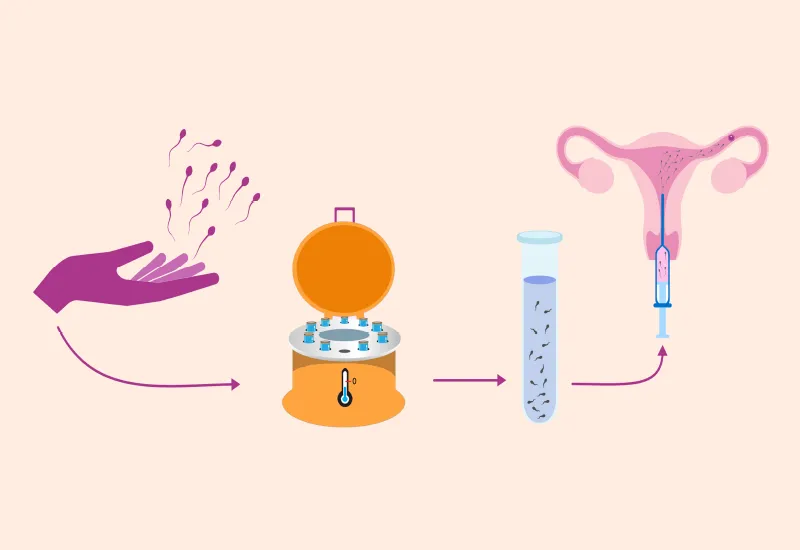
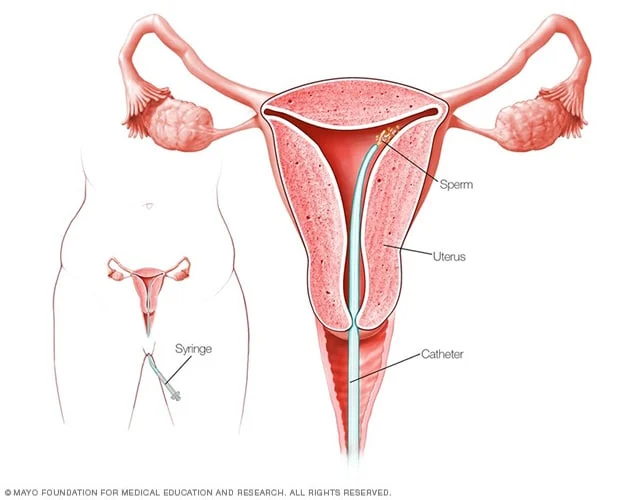
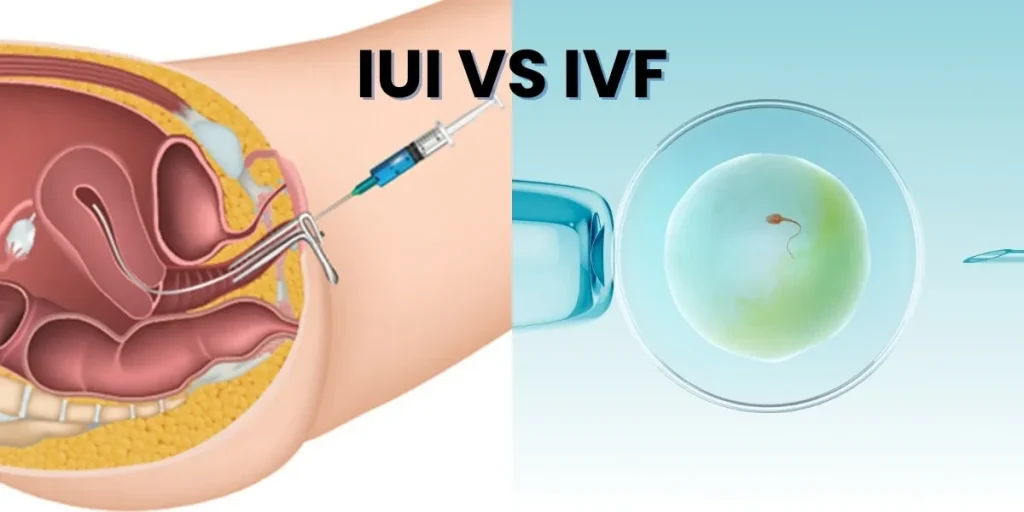
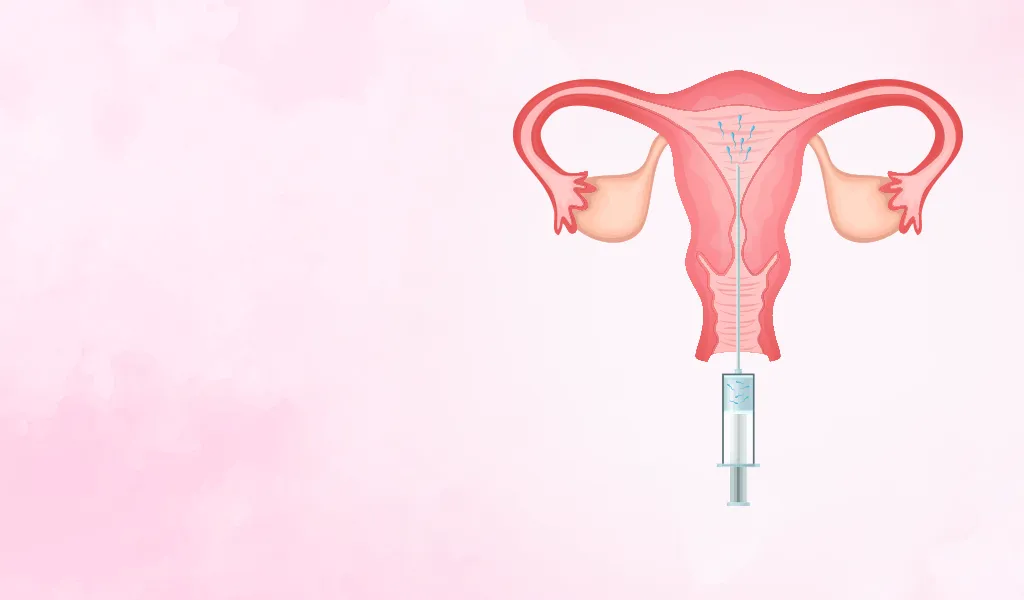
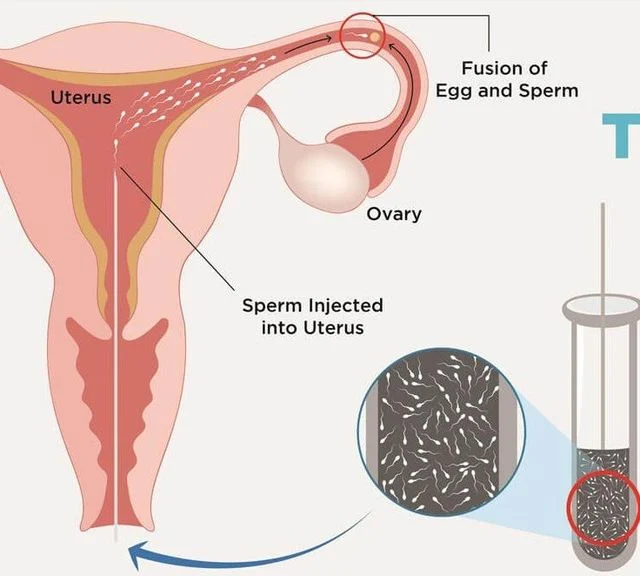
Insemination, also known as artificial insemination, is a method of assisted reproduction that involves placing sperm into a woman’s reproductive tract in order to achieve pregnancy. While it may seem like a simple and straightforward process, the journey towards insemination can be physically and emotionally taxing. This is where the role of self-care comes in.
Self-care refers to the intentional actions that an individual takes to maintain their physical, mental, and emotional well-being. In the context of insemination, self-care is crucial for both the person undergoing the procedure and their partner, if applicable. In this blog post, we will explore the importance of self-care in insemination and how it can make the process smoother and more successful.
1. Reducing Stress and Anxiety
The process of insemination can be stressful and anxiety-inducing. From the initial consultations with medical professionals to the actual procedure itself, there are many factors that can contribute to feelings of stress and anxiety. This is where self-care practices such as meditation, yoga, and deep breathing exercises can be helpful. These activities can help calm the mind and body, alleviate stress and anxiety, and promote relaxation.
2. Maintaining a Healthy Lifestyle
Self-care also involves taking care of one’s physical health. This is especially important for those undergoing insemination as being in good physical health can increase the chances of a successful pregnancy. Maintaining a healthy diet, getting regular exercise, and avoiding harmful substances like alcohol and tobacco can all contribute to a healthier body and increase the chances of a successful insemination.
3. Addressing Emotions and Feelings
Insemination can be an emotional rollercoaster for individuals and couples. It is important to acknowledge and address these emotions and feelings in a healthy way. This can involve seeking therapy or counseling, talking to a trusted friend or family member, or joining a support group for individuals going through similar experiences. Taking the time to process and express these emotions can help individuals and couples cope with the ups and downs of the insemination process.
4. Taking Breaks and Practicing Self-Compassion
The Role of Self-Care in Insemination
The journey towards insemination can be all-consuming, and it is important to take breaks and practice self-compassion. This can involve taking time off work, going on a vacation, or engaging in activities that bring joy and relaxation. It is also important to be kind to oneself and practice self-compassion, as the process can be physically and emotionally demanding.
5. Seeking Support from Loved Ones
In addition to taking care of oneself, it is also important to seek support from loved ones. This can include partners, family members, and friends. Having a supportive network can make a world of difference during the insemination process. Loved ones can provide emotional support, help with practical tasks, and be a source of comfort during difficult times.
6. Managing Expectations
Self-care also involves managing expectations. It is important to understand that the insemination process may not always go as planned, and there may be setbacks and challenges along the way. Managing expectations can help individuals and couples prepare for potential outcomes and cope with disappointments. It is also important to remember that everyone’s journey towards insemination is unique and not to compare oneself to others.
7. Prioritizing Mental and Emotional Well-being
Insemination can be physically and emotionally taxing, and it is important to prioritize mental and emotional well-being throughout the process. This can involve seeking therapy or counseling, practicing mindfulness and self-care activities, and taking breaks when needed. Prioritizing mental and emotional well-being can help individuals and couples stay resilient and cope with any challenges that may arise during the insemination process.
In conclusion, the role of self-care in insemination is crucial for the well-being of individuals and couples going through the process. By reducing stress and anxiety, maintaining a healthy lifestyle, addressing emotions and feelings, taking breaks, seeking support, managing expectations, and prioritizing mental and emotional well-being, individuals and couples can navigate the insemination journey with more ease and increase the chances of a successful pregnancy.
Summary:
Insemination, or artificial insemination, is a method of assisted reproduction that can be physically and emotionally taxing. Self-care, which refers to intentional actions taken to maintain well-being, plays a crucial role in the insemination process. By reducing stress and anxiety, maintaining a healthy lifestyle, addressing emotions and feelings, taking breaks, seeking support, managing expectations, and prioritizing mental and emotional well-being, individuals and couples can navigate the journey towards insemination with more ease and increase the chances of a successful pregnancy.