Tag: fertility treatment

  • Intrauterine Insemination vs Donor Insemination: A Comparative Analysis

    Blog Post Title: Intrauterine Insemination vs Donor Insemination: A Comparative Analysis

    In the world of assisted reproductive technology, there are various methods available for couples and individuals who are struggling with fertility issues. Two common methods are intrauterine insemination (IUI) and donor insemination (DI). Both of these techniques involve the introduction of sperm into the female reproductive tract, but they have significant differences in procedure and outcomes. In this blog post, we will delve deeper into the world of IUI and DI, providing a comparative analysis to help individuals make informed decisions about which method is best for them.

    What is Intrauterine Insemination (IUI)?

    Intrauterine insemination, also known as artificial insemination, is a fertility treatment that involves the placement of washed and concentrated sperm directly into the woman’s uterus during ovulation. This procedure is usually recommended for couples who have been trying to conceive for at least a year with no success, or for individuals with fertility issues such as low sperm count, endometriosis, or unexplained infertility.

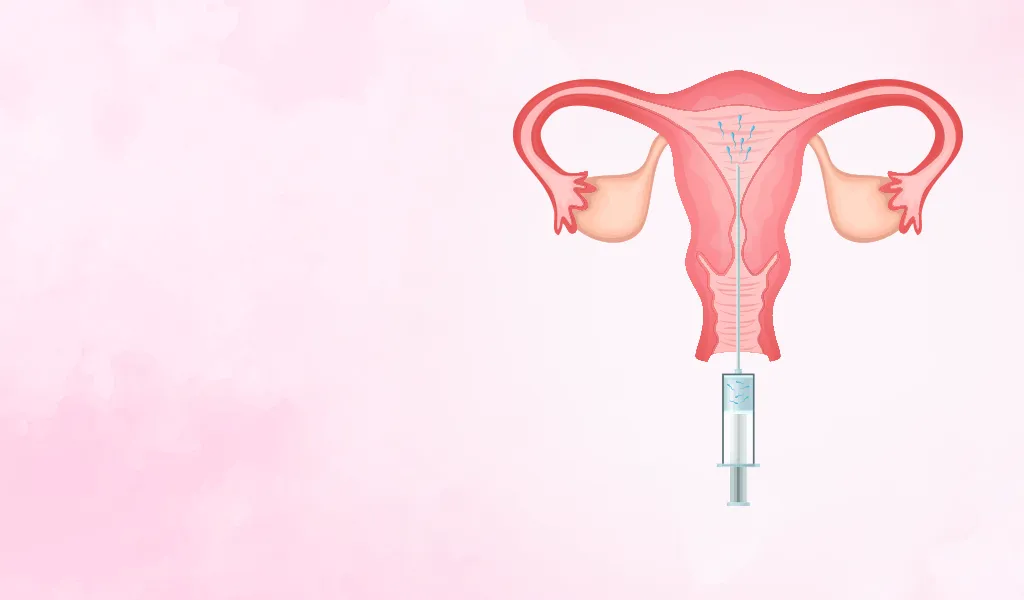
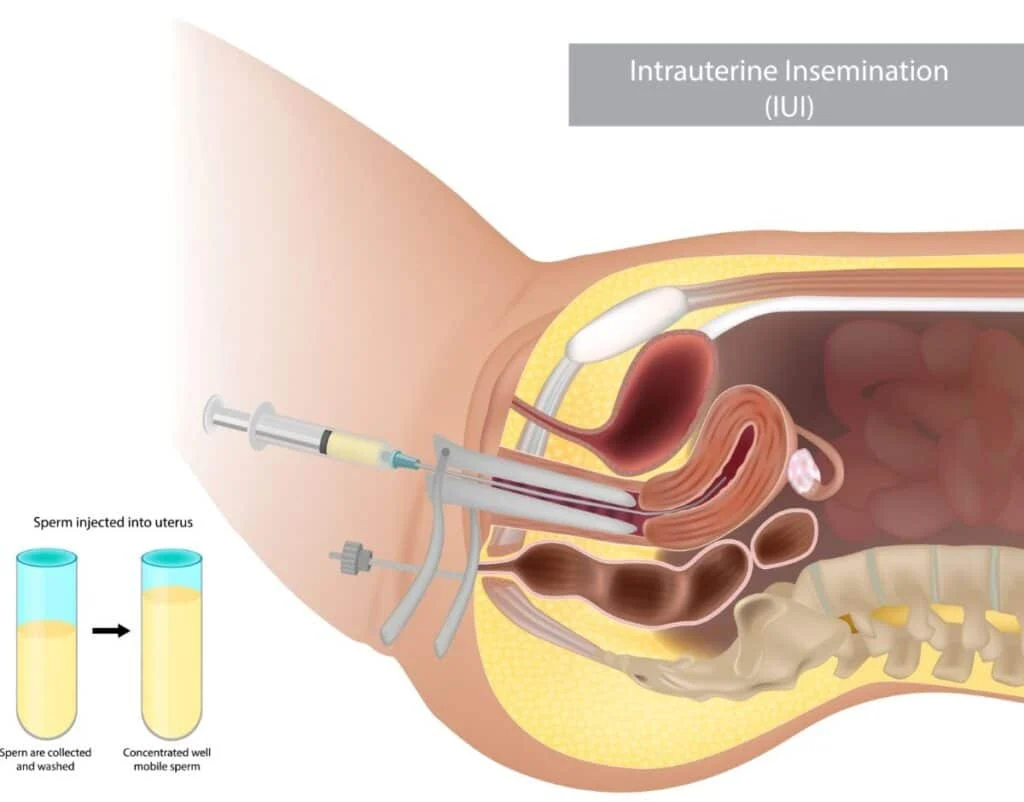
    The IUI procedure involves the collection of semen from the male partner or a sperm donor. The semen is then washed to remove prostaglandins, which can cause cramping and discomfort when introduced into the uterus. The washed sperm is then placed into a catheter and inserted into the woman’s uterus through the cervix. The procedure is usually painless and takes less than 10 minutes to complete.

    What is Donor Insemination (DI)?

    Donor insemination, also known as artificial insemination with donor sperm, is a fertility treatment that involves the use of donor sperm to fertilize the woman’s egg. This method is commonly used by single women, same-sex couples, or couples with male infertility issues. The process involves the selection of a sperm donor from a sperm bank or through a known donor.

    The sperm donor undergoes extensive medical and genetic screening to ensure that they are healthy and free from any hereditary diseases. The donor sperm is then introduced into the woman’s uterus through the same procedure as IUI.

    Comparative Analysis: IUI vs DI

    Now that we have a basic understanding of IUI and DI, let’s take a closer look at the differences between the two methods.

    1. Procedure and Cost

    A person administering an injection into their abdomen with a yellow pen-like device.

    Intrauterine Insemination vs Donor Insemination: A Comparative Analysis

    The procedures for IUI and DI are similar, but the costs involved are quite different. IUI is usually less expensive compared to DI, as it only involves the use of washed sperm from the male partner or a donor. On the other hand, DI requires the purchase of donor sperm, which can be costly, depending on the sperm bank and donor selection.

    2. Success Rates

    The success rates of IUI and DI vary depending on several factors such as age, overall health, and the underlying cause of infertility. Generally, IUI has a success rate of 10-20%, while DI has a success rate of 20-30%. However, these success rates can increase significantly with multiple cycles of treatment.

    3. Control and Privacy

    One of the main differences between IUI and DI is the level of control and privacy involved. With IUI, the couple has control over the selection of the sperm donor, and the procedure is usually done in a clinic setting. On the other hand, DI requires the use of donor sperm, and the identity of the donor is usually unknown to the couple. This can be a concern for some individuals who may prefer to have a known donor or have more control over the selection process.

    4. Legal Implications

    Another important factor to consider when choosing between IUI and DI is the legal implications. With IUI, the legal rights and responsibilities of the sperm donor are usually clear, as they are not considered the father of the child. However, with DI, the laws regarding parental rights can vary depending on the country or state. It is crucial to seek legal advice before proceeding with DI to ensure that all parties involved are aware of their rights and responsibilities.

    5. Emotional Considerations

    Undergoing fertility treatment can be emotionally draining for couples and individuals. With IUI, the couple is usually involved in the process together, and both partners can feel a sense of involvement and connection to the pregnancy. With DI, the non-biological parent may struggle with feelings of not being genetically connected to the child. This can cause emotional strain and should be carefully considered before choosing DI.

    Summary:

    In summary, both IUI and DI are effective fertility treatments that can help individuals and couples achieve their dream of having a child. The choice between the two methods will depend on various factors such as cost, success rates, control, legal implications, and emotional considerations. It is essential to consult with a fertility specialist to determine which method is best for your specific situation.
  • Exploring the Risks: Intrauterine Insemination vs Donor Insemination

    Exploring the Risks: Intrauterine Insemination vs Donor Insemination

    Intrauterine insemination (IUI) and donor insemination (DI) are two common methods used in assisted reproductive technology (ART) to help couples and individuals achieve pregnancy. While both procedures involve the use of sperm to fertilize an egg, there are distinct differences in the process and potential risks involved. In this blog post, we will explore the risks associated with IUI and DI, and what individuals and couples should consider when deciding between these two options.

    What is Intrauterine Insemination (IUI)?

    IUI is a fertility treatment where sperm is placed directly into the woman’s uterus during ovulation. This procedure is often recommended for couples who have been trying to conceive for at least a year with no success, or for individuals with certain fertility issues such as low sperm count or cervical mucus problems.

    The Risks of IUI

    While IUI is generally considered a safe and minimally invasive procedure, there are some potential risks to be aware of. One of the main risks is multiple pregnancies, which can occur if the woman releases more than one egg during ovulation or if the IUI procedure is performed with the use of fertility drugs. Multiple pregnancies can lead to complications for both the mother and the babies, such as preterm labor and low birth weight.

    Another risk of IUI is the potential for infection. Since the cervix is artificially opened during the procedure, there is a small chance of bacteria entering the uterus. This risk is minimized by following strict hygiene protocols and using sterile equipment, but it is still important for patients to be aware of.

    What is Donor Insemination (DI)?

    Diagram illustrating intrauterine insemination (IUI) procedure with sperm injection into the uterus.

    Exploring the Risks: Intrauterine Insemination vs Donor Insemination

    DI, also known as artificial insemination using donor sperm (AID), is a fertility treatment where sperm from a donor is used to fertilize the woman’s egg. This procedure is often recommended for couples or individuals who are unable to use their own sperm, such as same-sex couples and women with severe male factor infertility.

    The Risks of DI

    As with any medical procedure, there are potential risks associated with DI. One of the main risks is the transmission of genetic diseases from the donor to the recipient or the child. In order to minimize this risk, donors undergo extensive screening and testing before their sperm is used for insemination. However, there is still a small chance of inheriting a genetic disease from the donor.

    Another potential risk of DI is the psychological impact on the child. Children conceived through DI may have questions about their biological origins and may face challenges in understanding their identity. It is important for parents to be open and honest with their child about their conception and to seek professional help if needed.

    Choosing Between IUI and DI

    When deciding between IUI and DI, it is important for individuals and couples to consider their specific circumstances and preferences. IUI is generally recommended for couples who have male infertility issues, while DI is often recommended for same-sex couples and women with severe male factor infertility. It is also important to consider the potential risks and success rates of each procedure.

    In conclusion, IUI and DI are both viable options for couples and individuals struggling with infertility. While both procedures have potential risks, these can be minimized by following proper protocols and seeking professional help. It is important for individuals and couples to carefully consider their options and consult with a fertility specialist before making a decision.

    Summary:

    Intrauterine insemination (IUI) and donor insemination (DI) are two common methods used in assisted reproductive technology (ART) to help couples and individuals achieve pregnancy. IUI involves placing sperm directly into the uterus during ovulation, while DI involves using donor sperm to fertilize the egg. Both procedures have potential risks, including multiple pregnancies and the transmission of genetic diseases. When choosing between IUI and DI, it is important to consider individual circumstances and seek professional guidance.

  • The Role of the Donor: Intrauterine Insemination vs Donor Insemination

    Blog Post: The Role of the Donor: Intrauterine Insemination vs Donor Insemination

    In today’s world, there are many options available for couples struggling with infertility. One of these options is assisted reproductive technology, or ART, which involves using medical procedures to help a woman become pregnant. Two common types of ART are intrauterine insemination (IUI) and donor insemination (DI). Both involve the use of donor sperm, but there are some key differences between the two procedures. In this blog post, we will explore the role of the donor in IUI and DI and discuss the pros and cons of each method.

    What is Intrauterine Insemination?

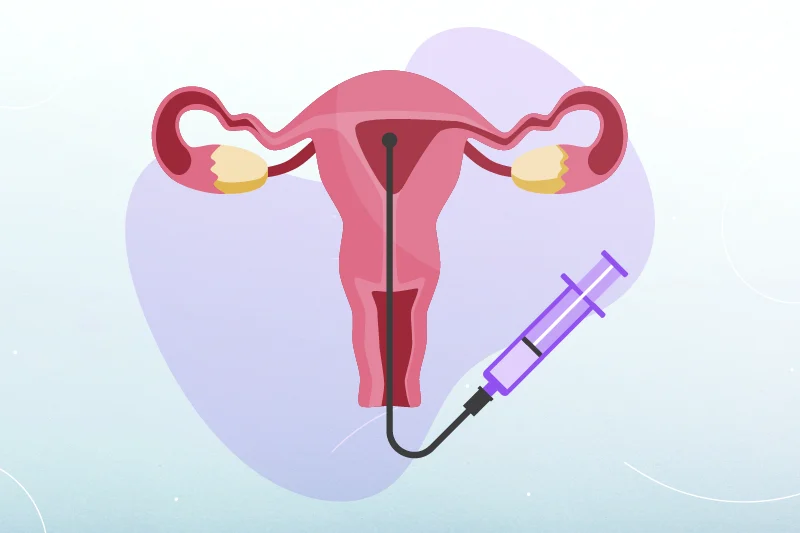
    Intrauterine insemination, also known as artificial insemination, is a fertility treatment in which sperm is placed directly into a woman’s uterus. The process involves preparing and washing the sperm sample to remove any impurities, then inserting it into the uterus using a thin, flexible tube. This procedure is typically done around the time of ovulation to increase the chances of conception.

    The Role of the Donor in Intrauterine Insemination

    In IUI, the role of the donor is to provide a sperm sample that will be used for insemination. The donor can be a known or anonymous individual, and the sperm is usually obtained through masturbation. The sperm is then tested and prepared for insemination, ensuring that only the healthiest and most motile sperm are used.

    Pros of Intrauterine Insemination

    One of the main advantages of IUI is that it is a less invasive and more affordable option compared to other ART procedures like in vitro fertilization (IVF). It also allows for the use of a known donor, which can be a more appealing option for some couples. Additionally, IUI can be a good option for couples with male factor infertility, where the male partner’s sperm may have difficulty reaching the egg.

    Cons of Intrauterine Insemination

    Although IUI has a higher success rate than natural conception, it still has a lower success rate compared to other ART procedures. This is because the sperm still needs to reach and fertilize the egg on its own, which may be difficult in some cases. There is also a risk of multiple pregnancies with IUI, as the procedure can result in the release of multiple eggs. This can lead to complications during pregnancy and delivery.

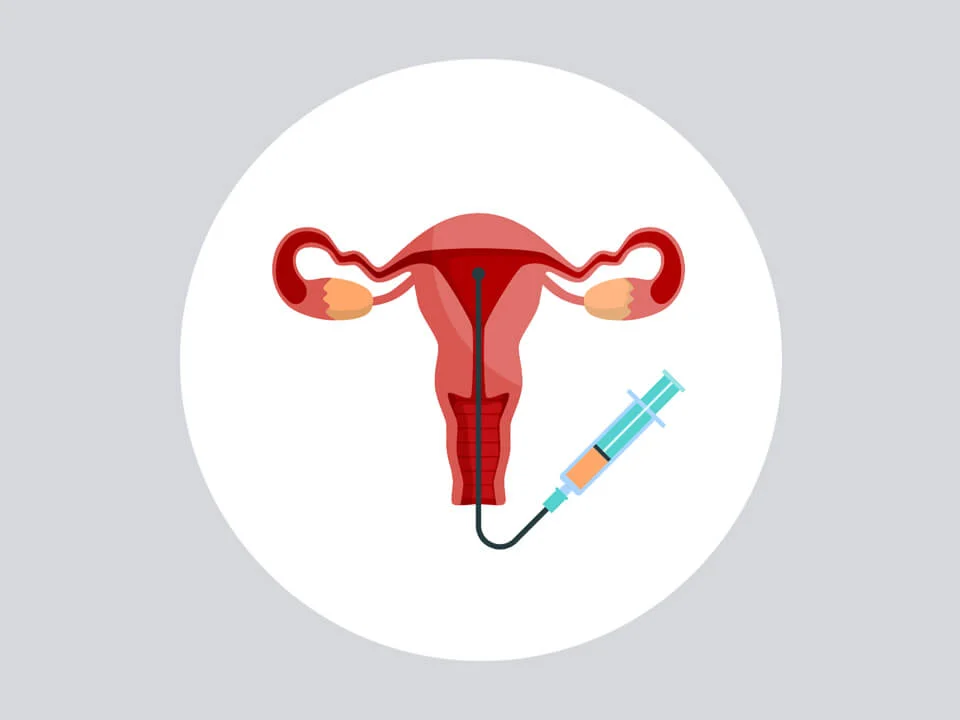
    Illustration of a uterus with a syringe, representing intrauterine insemination (IUI) procedure.

    The Role of the Donor: Intrauterine Insemination vs Donor Insemination

    What is Donor Insemination?

    Donor insemination, also known as donor sperm insemination, is a fertility treatment in which a donor’s sperm is used to fertilize a woman’s egg. Unlike IUI, the sperm is not placed directly into the uterus but is instead used to fertilize the egg outside of the woman’s body in a lab. This process is known as in vitro fertilization (IVF).

    The Role of the Donor in Donor Insemination

    In DI, the role of the donor is to provide a sperm sample that will be used to fertilize the egg. The donor can be known or anonymous, and the sperm is usually obtained through masturbation. The sperm is then tested and prepared for IVF, where it will be used to fertilize the woman’s egg in a controlled lab environment.

    Pros of Donor Insemination

    One of the main advantages of DI is that it has a higher success rate compared to IUI. This is because the sperm is directly used to fertilize the egg, increasing the chances of conception. DI is also a good option for couples with male factor infertility, as it eliminates the need for the sperm to reach the egg on its own.

    Cons of Donor Insemination

    One of the main drawbacks of DI is the cost. The IVF process is more expensive compared to IUI, making it a less affordable option for some couples. Additionally, DI may not be a suitable option for couples who prefer to use a known donor, as the sperm is usually obtained through a sperm bank. There is also a risk of multiple pregnancies with DI, as with IUI.

    Summary

    Intrauterine insemination and donor insemination are two common ART procedures that involve the use of donor sperm to help a woman become pregnant. In IUI, the sperm is placed directly into the uterus, while in DI, the sperm is used to fertilize the egg outside of the woman’s body. Both methods have their pros and cons, and the choice between the two will depend on various factors, including cost, success rates, and personal preferences.

  • Intrauterine Insemination vs Donor Insemination: What You Need to Know

    Intrauterine insemination (IUI) and donor insemination (DI) are two common fertility treatments that can help individuals and couples conceive a child. Both methods involve the insertion of sperm into the uterus, but there are distinct differences between the two. In this blog post, we will explore the key factors to consider when choosing between IUI and DI, including the process, success rates, costs, and ethical considerations.

    IUI involves the injection of washed and concentrated sperm directly into the uterus during the woman’s fertile window. It is usually paired with ovulation-inducing medication to increase the chances of conception. On the other hand, DI involves using sperm from a donor, either from a sperm bank or a known donor, and inserting it into the uterus. This method is typically recommended for individuals or couples with male factor infertility, same-sex couples, or single women.

    One of the main differences between IUI and DI is the source of the sperm. With IUI, the sperm is usually from the woman’s partner, while DI involves using sperm from a donor. This can be a significant factor for couples who prefer to use their own sperm. However, for those with male factor infertility or same-sex couples, DI may be the only option.

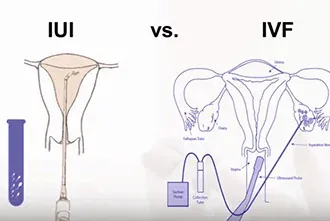
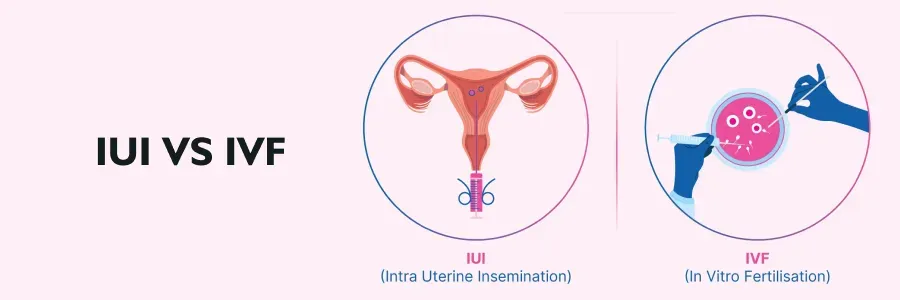
    Comparison of IUI and IVF treatments with diagrams of reproductive anatomy.

    Intrauterine Insemination vs Donor Insemination: What You Need to Know

    Another key consideration is the success rates of each method. Studies have shown that IUI has a success rate of around 10-20% per cycle, depending on factors such as age and sperm quality. On the other hand, DI has a success rate of around 15-20% per cycle, which is slightly higher than IUI. However, it is essential to note that the success rates for both methods can vary greatly depending on individual circumstances.

    Cost is another crucial factor to consider when deciding between IUI and DI. IUI is generally less expensive than DI, as it does not involve the additional cost of sperm from a donor. However, the costs can add up over multiple cycles, and DI may end up being more cost-effective in the long run for couples who require multiple attempts to conceive.

    Ethical considerations also play a significant role in the decision between IUI and DI. While IUI uses the couple’s own sperm, DI involves using sperm from a donor. This can raise questions about the child’s genetic background and the involvement of the donor in the child’s life. For couples using DI, it is crucial to discuss and consider these ethical concerns before proceeding with the treatment.

    In conclusion, IUI and DI are two fertility treatments that can help individuals and couples conceive a child. While both methods involve the insertion of sperm into the uterus, there are significant differences in the process, success rates, costs, and ethical considerations. It is essential to consult with a fertility specialist to determine the best treatment option for your individual situation.

  • Making the Decision: Intrauterine Insemination vs Donor Insemination

    Making the Decision: Intrauterine Insemination vs Donor Insemination

    When couples are struggling with infertility, they are often faced with the difficult decision of how to conceive a child. For many couples, the options of intrauterine insemination (IUI) and donor insemination (DI) are presented. Both methods have their own distinct advantages and disadvantages, and it is important for couples to carefully consider their individual needs and circumstances before making a decision.

    Intrauterine insemination, also known as artificial insemination, is a fertility treatment that involves placing sperm directly into the uterus during ovulation. This method is often recommended for couples with unexplained infertility, ovulation disorders, or mild male factor infertility. It is a relatively simple and non-invasive procedure that can be done in a doctor’s office.

    The first step in IUI is to stimulate ovulation using fertility drugs. This helps to increase the chances of conception by producing multiple eggs. Then, a semen sample is collected from the male partner or a donor and washed to remove any impurities. The sperm is then inserted into the uterus using a thin catheter. This process is timed to coincide with ovulation, increasing the chances of the sperm meeting the egg.

    One of the main advantages of IUI is that it is a less expensive and less invasive option compared to other fertility treatments such as in vitro fertilization (IVF). It also allows couples to use the male partner’s sperm, increasing the chances of a biological connection to the child. It is also a relatively quick procedure, and most women can resume their normal activities immediately afterward.

    However, IUI does have its limitations. It is not recommended for couples with severe male factor infertility or blocked fallopian tubes, as the sperm still needs to travel through the tubes to reach the egg. It also has a lower success rate compared to IVF, with an average success rate of around 10-20% per cycle. This means that multiple cycles may be needed, resulting in higher costs.

    On the other hand, donor insemination involves using sperm from a donor, either through a sperm bank or a known donor. This method is often recommended for couples with severe male factor infertility, same-sex couples, or single women who do not have a male partner. It is also a common option for couples with genetic disorders or diseases that they do not want to pass on to their child.

    illustration of a uterus with a syringe, representing intrauterine insemination procedure

    Making the Decision: Intrauterine Insemination vs Donor Insemination

    The process of DI is similar to IUI, with the main difference being the source of the sperm. The donor sperm is also screened for any genetic disorders or diseases to ensure the health of the future child. This method allows couples to still have a biological connection to their child while bypassing any fertility issues.

    One of the main advantages of DI is the higher success rates compared to IUI. The use of donor sperm allows for a higher chance of conception, especially for couples with severe male factor infertility. It also eliminates the need for fertility drugs, making it a more natural and less invasive option.

    However, DI also has its own set of challenges. It can be a more expensive option, as the cost of sperm can range from a few hundred to several thousand dollars per cycle. There is also the emotional aspect of using a donor, as some couples may struggle with the idea of not having a genetic connection to their child. It also requires careful consideration and legal agreements when using a known donor.

    When deciding between IUI and DI, it is important for couples to consider their individual needs and circumstances. Factors such as the cause of infertility, financial constraints, and emotional readiness should all be taken into account. It is also essential to have open and honest communication with your partner and healthcare provider to make an informed decision.

    In some cases, couples may even consider a combination of both methods. This could involve using IUI with donor sperm, which can increase the chances of conception while still maintaining a biological connection to the child.

    In the end, there is no right or wrong answer when it comes to choosing between IUI and DI. Every couple’s journey to parenthood is unique, and the decision should be based on what feels right for them. It is important to remember that there are other options available, such as adoption or surrogacy, if IUI or DI is not the right fit.

    In conclusion, making the decision between IUI and DI can be a challenging and emotional process for couples struggling with infertility. Both methods have their own pros and cons, and it is essential to carefully consider these factors before making a decision. Ultimately, the most important thing is for couples to choose the option that feels right for them and their journey towards parenthood.

  • Deciding on the Right Fertility Treatment: IUI vs DI

    Deciding on the Right Fertility Treatment: IUI vs DI

    Infertility can be a challenging and emotional journey for couples who are trying to conceive. Fortunately, there are various fertility treatments available that can help make the dream of parenthood a reality. Two popular options for couples with fertility issues are intrauterine insemination (IUI) and donor insemination (DI). While both procedures have the same end goal of helping couples conceive, they have significant differences that need to be considered when choosing the right treatment. In this blog post, we will discuss the pros and cons of IUI and DI, as well as factors to consider when making a decision.

    Understanding IUI and DI

    Intrauterine insemination (IUI) is a fertility treatment that involves placing washed and concentrated sperm directly into a woman’s uterus during ovulation. This procedure is often used for couples who have mild male factor infertility, unexplained infertility, or cervical issues. The goal of IUI is to bring the sperm closer to the egg, increasing the chances of fertilization.

    On the other hand, donor insemination (DI) involves using donated sperm from a sperm bank or a known donor. This is an option for couples who have severe male factor infertility, genetic disorders, or same-sex couples. The sperm is injected directly into the woman’s uterus or cervix, similar to IUI.

    Pros and Cons of IUI

    One of the main advantages of IUI is that it is a less invasive and less expensive fertility treatment compared to other options such as in vitro fertilization (IVF). It also has a higher success rate than natural conception and can be performed without anesthesia. However, IUI may not be suitable for couples with significant fertility issues, and success rates may vary depending on the cause of infertility.

    Another potential drawback of IUI is the risk of multiple pregnancies. Since IUI involves directly placing sperm into the uterus, there is a higher chance of multiple eggs being fertilized, resulting in twins or even triplets. This can increase the risk of complications during pregnancy and delivery.

    Pros and Cons of DI

    illustration of intrauterine insemination procedure with a syringe and catheter in the uterus.

    Deciding on the Right Fertility Treatment: IUI vs DI

    The main advantage of DI is that it allows couples to conceive when a male partner is unable to produce viable sperm. It can also be a more affordable option compared to other fertility treatments such as IVF. DI also allows couples to choose a donor who closely matches their physical and/or genetic characteristics.

    However, DI also has its drawbacks. One of the main concerns is the emotional aspect of using a donor’s sperm, especially for couples who have always envisioned having a child with their partner’s genetic material. There may also be legal and ethical issues to consider, especially if using a known donor.

    Factors to Consider When Choosing Between IUI and DI

    When deciding between IUI and DI, there are several factors that couples should consider. These include:

    1. The cause of infertility: If the male partner has a low sperm count or other fertility issues, IUI may be a better option. However, if the male partner is unable to produce viable sperm, DI may be necessary.

    2. Success rates: It is essential to research and compare the success rates of both IUI and DI before making a decision. This will give couples a better understanding of which treatment may be more effective for their specific situation.

    3. Emotional and ethical considerations: Couples should also take into account their emotional and ethical beliefs when deciding between IUI and DI. It is crucial to have open and honest discussions with each other and with a medical professional to address any concerns or reservations.

    4. Financial considerations: Fertility treatments can be expensive, and it is essential to consider the financial aspect when choosing between IUI and DI. Couples should research the cost of each treatment and their insurance coverage to make an informed decision.

    5. Personal preferences: Ultimately, the decision between IUI and DI should be based on what feels right for the couple. Each person’s feelings and preferences should be taken into account to make a decision that is best for both partners.

    In summary, deciding on the right fertility treatment can be a daunting task for couples struggling with infertility. While IUI and DI are both viable options, it is crucial to consider factors such as the cause of infertility, success rates, emotional and ethical considerations, finances, and personal preferences when making a decision. Consulting with a fertility specialist can also provide valuable insights and guidance in choosing the best treatment for each individual couple.

  • Exploring the Differences: Intrauterine Insemination vs Donor Insemination

    Exploring the Differences: Intrauterine Insemination vs Donor Insemination

    In today’s world, there are various options available for couples who are struggling with fertility and trying to conceive. Two popular methods that are often used are intrauterine insemination (IUI) and donor insemination (DI). Both of these methods involve assisted reproductive technology, but they differ in their approach and process. In this blog post, we will explore the differences between IUI and DI, including their procedures, success rates, and considerations for couples.

    What is Intrauterine Insemination?

    Intrauterine insemination, also known as artificial insemination, is a fertility treatment that involves placing sperm directly into a woman’s uterus to increase the chances of fertilization. This procedure can be done with the partner’s sperm or donor sperm.

    The IUI process begins with the woman taking fertility medications to stimulate her ovaries to produce multiple eggs. The doctor will then monitor the woman’s ovulation cycle and determine the best time for the IUI procedure. On the day of the procedure, the sperm is collected and washed to remove any potential impurities. Then, a thin, flexible catheter is inserted into the woman’s cervix and the prepared sperm is injected into the uterus. The woman may experience some discomfort during the procedure, but it is usually quick and relatively painless.

    What is Donor Insemination?

    Donor insemination, also known as donor sperm insemination, is a method of fertility treatment where donor sperm is used to fertilize a woman’s egg. This method is often used for single women, same-sex couples, or heterosexual couples with male infertility. The donor sperm can be obtained from a sperm bank, or the couple can use a known donor.

    The process of donor insemination is similar to IUI, except for the source of the sperm. The woman may still need to take fertility medications to stimulate ovulation, and the sperm is inserted into the uterus using a catheter. However, the success rate of donor insemination may be slightly lower than IUI because the sperm has to travel a longer distance to reach the egg.

    Illustration of the uterus with a syringe, depicting the intrauterine insemination procedure.

    Exploring the Differences: Intrauterine Insemination vs Donor Insemination

    Success Rates of IUI and DI

    The success rates of both IUI and DI vary and depend on various factors such as the woman’s age, overall health, and the cause of infertility. According to the American Pregnancy Association, the success rate for IUI is around 10-20% per cycle, while the success rate for DI can range from 10-30% per cycle.

    It is essential to note that the success rates of both methods can increase with multiple cycles. On average, it is recommended to undergo 3-6 cycles of IUI or DI before considering other fertility treatments.

    Considerations for Couples

    When deciding between IUI and DI, there are several factors that couples should consider. One crucial factor is the cause of infertility. For couples with male infertility issues, IUI may be a suitable option as it involves the partner’s sperm. On the other hand, couples with female infertility issues may benefit from DI as it bypasses any potential issues with the woman’s reproductive system.

    Another consideration is the cost. IUI tends to be less expensive than DI as it does not involve sperm donation. However, the cost of both methods can vary depending on the clinic and any additional treatments or medications needed.

    Couples should also consider the emotional and legal implications of both methods. With IUI, the child will be biologically related to both parents, while DI may involve a known or anonymous donor. It is crucial for couples to discuss their feelings and concerns with each other and their healthcare provider before deciding on a fertility treatment.

    In conclusion, both IUI and DI are viable options for couples struggling with fertility. They differ in their process, success rates, and considerations, and it is essential for couples to weigh these factors carefully before choosing a method that is best for them. Working closely with a healthcare provider and being open and honest with each other can help couples make an informed decision and increase their chances of a successful pregnancy.

  • The Future of Fertility Treatment: Innovations in Clinics and Hospitals

    Blog post title: The Future of Fertility Treatment: Innovations in Clinics and Hospitals

    Introduction:
    In the past few decades, fertility treatment has advanced significantly, giving hope to millions of couples struggling with infertility. From in vitro fertilization (IVF) to donor sperm and egg, these treatments have helped many individuals and families achieve their dream of having a child. However, as technology continues to advance, the future of fertility treatment looks even more promising. In this blog post, we will explore the latest innovations in clinics and hospitals that are shaping the future of fertility treatment.

    The Rise of Artificial Intelligence:
    Artificial intelligence (AI) is revolutionizing the way we approach fertility treatment. With the help of AI, doctors and scientists are able to analyze vast amounts of data to better understand how the human body works and how it responds to various treatments. This has led to the development of predictive models that can help identify the most effective treatment for each individual patient. AI is also being used to improve embryo selection, resulting in higher success rates for IVF.

    Miniature IVF:
    Traditional IVF involves stimulating a woman’s ovaries to produce multiple eggs, which are then retrieved and fertilized in a lab. However, this process can be physically and emotionally taxing for women. To address this, the concept of miniature IVF has emerged. In this approach, lower doses of medication are used to stimulate the ovaries, resulting in the production of fewer but healthier eggs. This not only reduces the risk of complications but also makes the process less invasive and more affordable.

    Genetic Testing:
    Genetic testing has been a part of fertility treatment for some time now, but advancements in technology have made it more precise and accessible. With preimplantation genetic testing (PGT), embryos created through IVF can be screened for genetic disorders before being transferred to the uterus. This helps reduce the chances of passing on genetic diseases to the child and increases the chances of a successful pregnancy.

    IVF vs IUI comparison with illustrations of reproductive processes and a flower on a pregnant belly.

    The Future of Fertility Treatment: Innovations in Clinics and Hospitals

    Innovations in Egg and Sperm Freezing:
    Egg and sperm freezing have become increasingly popular options for individuals who want to preserve their fertility for later in life. However, traditional methods of freezing can result in damage to the cells. To overcome this, new techniques such as vitrification have been developed. This method involves ultra-rapid freezing, which prevents the formation of ice crystals and results in a higher survival rate of eggs and sperm upon thawing.

    The Use of Stem Cells:
    Stem cell therapy has shown promising results in treating various medical conditions, and now it is being explored for fertility treatment as well. Research has shown that stem cells have the potential to regenerate damaged ovaries and sperm-producing cells. This could be a game-changer for individuals who are unable to conceive due to ovarian or testicular damage.

    Fertility Preservation for Cancer Patients:
    Cancer treatments such as chemotherapy and radiation can have a devastating effect on fertility. To address this, fertility preservation has become an essential part of cancer treatment. This involves freezing eggs, sperm, or embryos before undergoing cancer treatment, so that they can be used to start a family in the future. With advancements in technology, the success rates of fertility preservation have significantly increased, giving hope to cancer patients who wish to have children.

    The Role of Telemedicine:
    Telemedicine, or the use of technology to provide medical care remotely, has become increasingly popular in the healthcare industry. It has also been adopted by fertility clinics, making it easier for patients to access care from the comfort of their own homes. Through telemedicine, patients can consult with fertility specialists, receive test results, and even monitor their treatment progress without having to physically visit the clinic. This not only saves time and money but also makes fertility treatment more accessible for individuals who live in remote areas.

    Conclusion:
    The future of fertility treatment is full of exciting possibilities, thanks to advancements in technology and medical research. From AI to stem cells, these innovations are making fertility treatment more effective, less invasive, and more accessible. As we continue to explore and develop new techniques, more individuals and couples will be able to fulfill their dream of having a child.

    Summary:
    Fertility treatment has come a long way in the past few decades, and with advancements in technology, the future looks even brighter. The use of artificial intelligence, miniature IVF, genetic testing, and stem cells are just some of the innovations that are shaping the future of fertility treatment. Additionally, advancements in egg and sperm freezing, as well as the use of telemedicine, are making fertility treatment more accessible and effective. These innovations offer hope to millions of couples struggling with infertility, and as technology continues to advance, we can expect even more breakthroughs in the field of fertility treatment.

  • Fertility Clinics vs Hospitals: Which Has More Personalized Treatment Plans?

    Blog Post:

    Fertility issues can be a difficult and emotional journey for many individuals and couples. When seeking treatment, there are two main options available: fertility clinics and hospitals. Both offer a range of services and treatments, but which one provides more personalized treatment plans? In this blog post, we will explore the differences between fertility clinics and hospitals and discuss which one may offer a more individualized approach to fertility treatment.

    Fertility Clinics:

    Fertility clinics are specialized facilities that focus solely on treating fertility issues and helping individuals and couples conceive. These clinics are often run by fertility specialists who have received specialized training in the field of reproductive medicine. Fertility clinics offer a wide range of services, including diagnostic testing, fertility medications, artificial insemination, in vitro fertilization (IVF), and other assisted reproductive techniques.

    One of the main advantages of fertility clinics is their specialization in reproductive medicine. This means that the staff and doctors have a deep understanding of fertility issues and are equipped with the latest technology and techniques to help their patients. Additionally, fertility clinics tend to have a more intimate and comfortable atmosphere, making it easier for patients to discuss their concerns and ask questions.

    Personalized Treatment Plans:

    Fertility clinics are known for their personalized treatment plans. This is because they understand that every individual’s fertility journey is unique and requires a tailored approach. Fertility specialists will conduct a thorough evaluation of each patient’s medical history, lifestyle factors, and fertility test results to create a personalized treatment plan that addresses their specific needs. This individualized approach can increase the chances of success and reduce the risk of complications.

    Fertility clinics also offer a variety of treatment options, allowing patients to choose the one that best suits their needs and preferences. This includes options such as natural cycle IVF, which uses little to no medication, and mini-IVF, which involves lower doses of fertility drugs. These options may be more suitable for individuals who are sensitive to medications or have specific medical conditions.

    illustration of a uterus with a syringe, representing intrauterine insemination procedure

    Fertility Clinics vs Hospitals: Which Has More Personalized Treatment Plans?

    In addition to personalized treatment plans, fertility clinics also offer a range of support services such as counseling and support groups. These services can be crucial for individuals and couples going through fertility treatment, as it can be a stressful and emotional experience. Having access to emotional support can make a significant difference in a patient’s overall well-being and can contribute to a more positive treatment outcome.

    Hospitals:

    Hospitals, on the other hand, are institutions that provide a wide range of medical services, including fertility treatment. Unlike fertility clinics, hospitals are not specialized in reproductive medicine, and their focus is on providing general healthcare services. Hospitals may have a fertility department or work with fertility specialists to offer fertility treatments.

    While hospitals may have the advantage of having access to a variety of medical specialists, they may lack the same level of expertise and resources when it comes to fertility treatment. Fertility specialists may not be as readily available, and patients may have to go through multiple departments and doctors before receiving proper treatment. This can lead to a lack of continuity and consistency in care, which can affect the overall success of treatment.

    In terms of personalized treatment plans, hospitals may not offer the same level of individualized care as fertility clinics. This is because they may have a one-size-fits-all approach to fertility treatment, rather than tailoring treatment plans to each patient’s specific needs. This can result in patients receiving treatments that may not be the most suitable for their particular situation, potentially leading to a lower success rate.

    Summary:

    Fertility clinics and hospitals offer different approaches to fertility treatment. While hospitals may have the advantage of having access to a variety of medical specialists, they may lack the same level of expertise and resources when it comes to reproductive medicine. Fertility clinics, on the other hand, specialize in fertility treatment and offer personalized treatment plans tailored to each patient’s needs. This individualized approach can increase the chances of success and reduce the risk of complications. Additionally, fertility clinics provide a more intimate and comfortable atmosphere, along with support services that can greatly benefit patients going through fertility treatment.

    In conclusion, while both fertility clinics and hospitals offer fertility treatment, fertility clinics may provide a more personalized treatment plan due to their specialization and individualized approach. It is essential for individuals and couples to carefully consider their options and choose the one that best suits their needs and offers the highest chances of success.

  • Fertility Clinics vs Hospitals: Which Has a Better Staff-to-Patient Ratio?

    Blog Post:

    Fertility clinics and hospitals are two common options for individuals and couples seeking treatment for fertility issues. While both offer medical services and treatments for fertility, there are some key differences between the two types of facilities. One important aspect to consider when choosing between a fertility clinic and a hospital is the staff-to-patient ratio. In this blog post, we will explore the differences in staff-to-patient ratio between fertility clinics and hospitals, and discuss which option may have a better ratio for providing quality care.

    Fertility Clinics:

    Fertility clinics are specialized facilities that offer a range of treatments and services for individuals and couples struggling with fertility issues. These clinics typically have a smaller staff, consisting of fertility specialists, nurses, and support staff. The staff at fertility clinics are highly trained and experienced in the field of reproductive medicine, with a focus on helping patients achieve successful pregnancies.

    One of the advantages of fertility clinics is their smaller size, which allows for a more personalized and individualized approach to patient care. With a smaller staff-to-patient ratio, patients are able to receive more one-on-one attention and care from their medical team. This can be especially beneficial for patients who may have complex or unique fertility issues.

    Another benefit of fertility clinics is their specialized focus on fertility treatments. Unlike hospitals, where fertility treatments may be just one of many services offered, fertility clinics are solely dedicated to helping patients overcome fertility challenges. This focused approach can result in a higher level of expertise and success rates for patients seeking fertility treatment.

    Hospitals:

    Comparison of IUI and IVF with illustrations of each procedure.

    Fertility Clinics vs Hospitals: Which Has a Better Staff-to-Patient Ratio?

    On the other hand, hospitals are larger facilities that offer a range of medical services, including fertility treatments. These facilities have a larger staff, consisting of various medical professionals such as doctors, nurses, and specialists from different fields. While hospitals may have a dedicated fertility department, it is not their main focus and may not have the same level of expertise as a fertility clinic.

    One of the main drawbacks of hospitals is their larger size and patient volume. With a higher number of patients, the staff-to-patient ratio is often higher, which can result in less individualized care for fertility patients. This can also lead to longer wait times for appointments and procedures, which can be frustrating for individuals and couples who are eager to start their fertility journey.

    Additionally, hospitals may have a more generalized approach to fertility treatment, as they are focused on treating a wide range of medical conditions. This can result in less specialized care for fertility patients and potentially lower success rates.

    Which Has a Better Staff-to-Patient Ratio?

    When it comes to the staff-to-patient ratio, fertility clinics have a clear advantage over hospitals. With a smaller staff and patient volume, fertility clinics are able to provide more personalized and individualized care for their patients. This can lead to better communication, shorter wait times, and a higher quality of care overall.

    In comparison, hospitals may struggle to provide the same level of attention and care to fertility patients due to their larger patient volume and more diverse range of medical services. This can result in a lower staff-to-patient ratio and potentially less individualized care for fertility patients.

    Summary:

    Fertility clinics and hospitals are two options for individuals and couples seeking treatment for fertility issues. Fertility clinics have a smaller staff-to-patient ratio, which allows for more personalized and specialized care. On the other hand, hospitals have a larger staff-to-patient ratio due to their larger patient volume and diverse range of medical services. This can result in less individualized care for fertility patients. Overall, fertility clinics may have a better staff-to-patient ratio for providing quality care to patients seeking fertility treatment.