Tag: family planning

  • Choosing a Sperm Donor or Co-Parent: What to Consider When Making the Decision

    Blog Post:

    Deciding to start a family is a big decision, and for some individuals or couples, this may mean exploring alternative options such as using a sperm donor or finding a co-parent. Whether it’s due to infertility, same-sex relationships, or choosing to raise a child on your own, there are many reasons why people may turn to these methods of conception. However, choosing a sperm donor or co-parent is not a decision to be taken lightly. It requires careful consideration and research to ensure the best possible outcome for both the parent(s) and child. In this blog post, we will discuss the key factors to consider when choosing a sperm donor or co-parent.

    1. Personal and Family Medical History
    One of the most important things to consider when choosing a sperm donor or co-parent is their personal and family medical history. This includes any genetic conditions, diseases, or health issues that may be passed on to the child. It’s crucial to thoroughly review the medical history of potential donors or co-parents to ensure the health and well-being of the child. Some sperm banks and co-parenting websites have strict guidelines and screening processes in place to ensure the health of their donors or co-parents. It’s important to take advantage of these resources and ask for medical records and any relevant information before making a decision.

    2. Physical and Mental Characteristics
    Another crucial factor to consider when choosing a sperm donor or co-parent is their physical and mental characteristics. This may include physical appearance, height, weight, eye color, hair color, and other physical features. It’s essential to think about what traits you would like your child to have and find a donor or co-parent who possesses those traits. It’s also important to consider the mental and emotional characteristics of potential donors or co-parents. This may include their personality, values, beliefs, and any mental health issues. It’s essential to find someone who shares similar values and beliefs as you to ensure a positive co-parenting relationship.
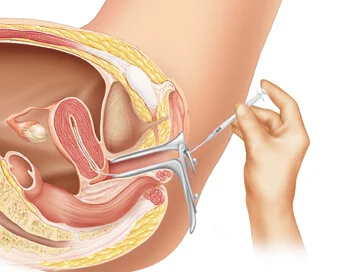
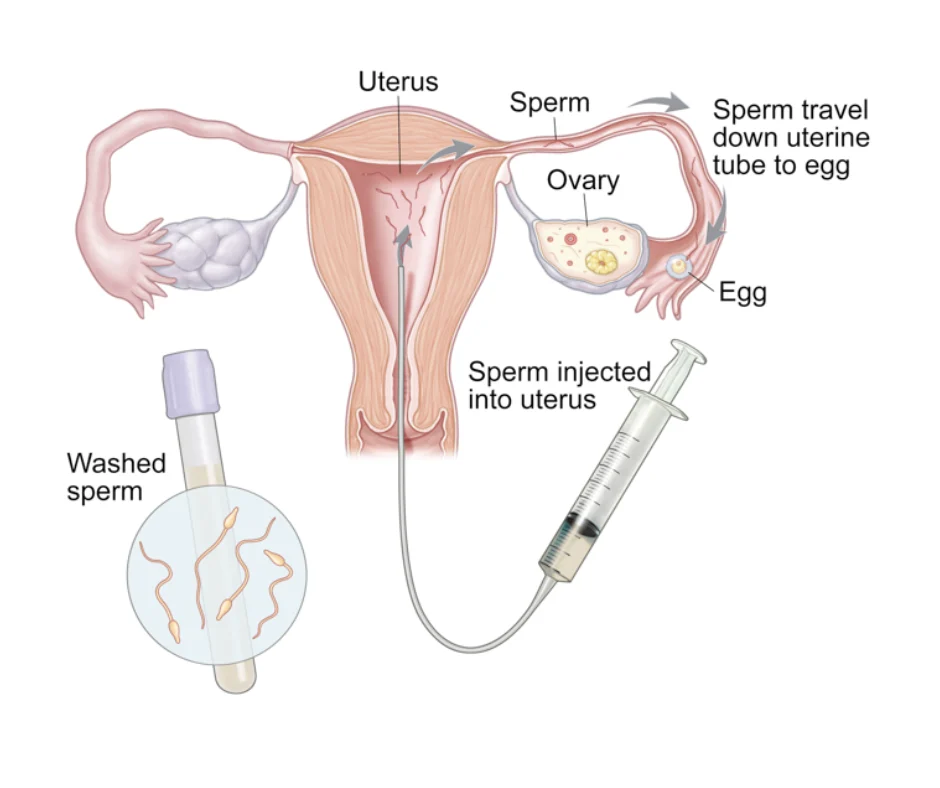
    illustration of intrauterine insemination procedure with a hand holding a speculum and syringe near the uterus

    Choosing a Sperm Donor or Co-Parent: What to Consider When Making the Decision

    3. Legal Considerations
    When choosing a sperm donor or co-parent, it’s crucial to consider the legal implications of your decision. In most cases, sperm donors have legal protections, and they are not considered legal parents of the child. However, the laws surrounding co-parenting can vary from state to state and country to country. It’s essential to research and understand the laws in your area and consult with a lawyer to ensure that everyone’s rights and responsibilities are protected. It’s also important to have a legally binding agreement in place to outline the roles and responsibilities of each parent to avoid any potential issues in the future.

    4. Compatibility and Communication
    Choosing a sperm donor or co-parent is a significant decision that will have a long-lasting impact on your life and the life of your child. It’s important to find someone who is compatible with you and who shares your values and beliefs. This will help to create a positive and healthy co-parenting relationship, which is essential for the well-being of the child. Open and honest communication is also crucial in any co-parenting relationship. It’s essential to discuss expectations, boundaries, and any potential conflicts that may arise and find ways to work through them together.

    5. Support System
    Raising a child is a challenging but rewarding experience, and it’s even more so when doing it as a single parent or with a co-parent. It’s crucial to have a strong support system in place, whether it’s family, friends, or a community of other single or co-parents. Having a support system can provide emotional, practical, and financial support when needed, and it’s essential to consider this when choosing a sperm donor or co-parent. It’s also important to have a support system in place for the child, such as other children from similar family structures or access to therapy if needed.

    6. Future Considerations
    When choosing a sperm donor or co-parent, it’s important to think about the future. This includes considering how the child will be told about their conception, the level of involvement the donor or co-parent will have in the child’s life, and any potential challenges that may arise. It’s crucial to have open and honest discussions about these considerations before making a decision to ensure that everyone is on the same page.

    In summary, choosing a sperm donor or co-parent is a significant decision that requires careful consideration and research. It’s important to review the potential donor or co-parent’s medical history, physical and mental characteristics, and legal implications. Compatibility, communication, and having a support system in place are also crucial factors to consider. It’s also essential to think about the future and how the child will be raised in a non-traditional family structure. By taking the time to thoroughly evaluate these factors, you can make an informed decision that will provide the best possible outcome for everyone involved.
  • Sperm Donation and Co-Parenting: A Look at the Financial Considerations

    Sperm donation and co-parenting are two options available for individuals and couples who are unable to conceive naturally or do not wish to have a traditional family structure. While both options have their own unique benefits and challenges, it is important for prospective donors and co-parents to carefully consider the financial implications of these decisions. In this blog post, we will take a closer look at the financial considerations of sperm donation and co-parenting, and how individuals and couples can plan and prepare for the expenses involved.

    Sperm donation is the process of donating sperm to help individuals or couples conceive a child. This can be done through a sperm bank or through a private arrangement with known recipients. On the other hand, co-parenting involves two or more individuals who come together to raise a child, without being in a romantic relationship. This can be done through various methods such as adoption, surrogacy, or in vitro fertilization (IVF). In both cases, the financial aspects can vary depending on individual circumstances and decisions made by the parties involved.

    One of the main financial considerations for sperm donation is the cost of fertility treatments. For couples or individuals using a sperm bank, there is a fee for the screening and processing of the donated sperm, as well as the cost of the actual insemination procedure. In some cases, insurance may cover a portion of these expenses, but it is important to check with the provider beforehand. For those using a private donor, there may be additional costs involved such as legal fees, medical expenses, and travel expenses if the donor is not local. It is essential to have a clear agreement in place to avoid any potential financial disputes in the future.

    Another financial aspect to consider is the potential for multiple attempts at conception. Fertility treatments can be unpredictable and there is no guarantee of success, which means multiple attempts may be necessary. This can quickly add up to a significant amount of money, especially if the donor is not local and travel expenses are involved. It is important for all parties to discuss and plan for these potential expenses beforehand, and to have a backup plan in case the first attempts are unsuccessful.

    test tube with sperm in blue liquid, promoting IUI success rate and factors influencing fertility.

    Sperm Donation and Co-Parenting: A Look at the Financial Considerations

    For co-parenting, the financial considerations can also be significant. For couples or individuals using assisted reproductive technology, there can be significant costs for the procedures involved, such as IVF or surrogacy. Adoption also involves various fees and expenses, including home studies, legal fees, and agency fees. It is important for prospective co-parents to carefully research and understand the financial obligations involved in the method they choose, and to have a clear understanding of how these costs will be shared between the parties involved.

    In addition to the direct expenses, there are also indirect financial implications to consider. Both sperm donation and co-parenting can result in the creation of a family, which comes with ongoing financial responsibilities. This includes providing for the child’s basic needs such as food, clothing, education, and healthcare. It is important for all parties involved to have a thorough discussion and agreement on how these expenses will be shared and managed.

    Another important factor to consider is the legal implications and potential costs involved. In the case of sperm donation, the donor may have limited or no legal rights or responsibilities towards the child. However, in the case of co-parenting, both parties may have equal legal rights and responsibilities towards the child. This can result in legal fees and expenses, especially if any disputes arise in the future. It is important for all parties to have a clear understanding of their legal rights and responsibilities, and to have a legally binding agreement in place to avoid any potential conflicts.

    Aside from the expenses involved in the actual conception and raising of the child, there may also be financial considerations for the donors or co-parents themselves. For donors, there may be costs associated with the initial screening and testing, and ongoing health check-ups to ensure their sperm is of high quality. For co-parents, there may be additional expenses such as childcare and legal fees if they choose to have a formal custody arrangement in place. It is essential for all parties to carefully consider these potential costs and to have a solid financial plan in place before embarking on the journey of sperm donation or co-parenting.

    In summary, sperm donation and co-parenting are two options available for individuals and couples who wish to have a child outside of a traditional family structure. While these options can be fulfilling and rewarding, it is important for prospective donors and co-parents to carefully consider the financial implications involved. This includes the costs of fertility treatments, potential multiple attempts at conception, ongoing expenses for raising a child, legal implications and costs, and personal expenses for the donors or co-parents themselves. By having open and honest discussions and careful planning, individuals and couples can navigate the financial considerations of sperm donation and co-parenting and make informed decisions that are best for their family planning needs.

  • Sperm Donor or Co-Parent? Navigating Your Options as a Single Parent

    Navigating the world of single parenthood can be challenging, especially when it comes to deciding on the best option for starting a family. For many single individuals, the decision to become a parent may involve choosing between using a sperm donor or finding a co-parent. Both of these options have their own unique benefits and considerations, making it important for single parents to carefully navigate and understand their choices before making a decision.

    Sperm donation involves using donor sperm to fertilize an egg, either through artificial insemination or in vitro fertilization (IVF). This option allows individuals to choose from a variety of sperm donors, typically through a sperm bank, based on characteristics such as physical appearance, education, and health history. Sperm donation also provides the opportunity for single individuals to have a biological connection to their child.

    On the other hand, co-parenting involves two individuals, often friends or acquaintances, coming together to raise a child. This option allows for both individuals to have an active role in parenting and for the child to have two parents involved in their life. Unlike sperm donation, co-parenting may not involve a biological connection to the child, but it does provide the opportunity for a child to have a more diverse family structure and potentially more emotional support.

    As a single parent, it is important to carefully consider both options and understand the potential benefits and challenges of each. Here are some important factors to keep in mind when navigating the decision between using a sperm donor or finding a co-parent.

    Financial Considerations
    When it comes to the financial aspect, sperm donation may be a more affordable option for single individuals. The cost of sperm donation varies depending on the specific clinic or sperm bank, but it is typically less expensive than the process of co-parenting, which may involve legal fees, counseling, and additional expenses related to raising a child with another person.

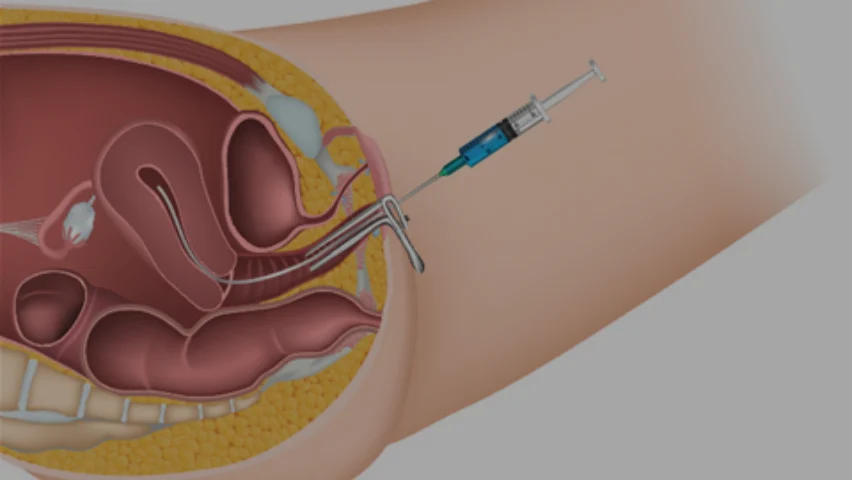
    Illustration of intrauterine insemination (IUI) procedure with syringe and catheter in the uterus.

    Sperm Donor or Co-Parent? Navigating Your Options as a Single Parent

    Legal Considerations
    One of the biggest differences between sperm donation and co-parenting is the legal aspect. With sperm donation, the donor typically waives any parental rights and responsibilities, making the single parent the sole legal parent of the child. However, with co-parenting, both individuals involved have legal rights and responsibilities towards the child, which may involve creating a co-parenting agreement to outline expectations and boundaries.

    Emotional Considerations
    Becoming a parent is an emotional journey, and it is important for single individuals to carefully consider their emotional readiness and support system when deciding between using a sperm donor or finding a co-parent. With sperm donation, the single parent may not have a co-parent to share the responsibilities and joys of parenthood with, while co-parenting may involve navigating a more complex relationship with another person.

    Genetic Considerations
    For some individuals, the desire to have a biological connection to their child may be a deciding factor between using a sperm donor or finding a co-parent. With sperm donation, the single parent has the opportunity to choose a donor based on genetic characteristics, while co-parenting may not involve a biological connection to the child.

    Relationship Considerations
    Another important factor to consider is the type of relationship you want to have with your child’s other parent. With sperm donation, there is typically no expectation for a relationship between the donor and the single parent or child. However, with co-parenting, the two individuals involved will have an ongoing relationship and must be willing to communicate and work together for the benefit of the child.

    Support System
    No matter which option you choose, having a strong support system is crucial for single parents. It is important to have a network of family and friends who can provide emotional, physical, and financial support as you navigate the challenges of parenthood. Additionally, single parents should also consider seeking out support groups or online communities for individuals in similar situations.

    In conclusion, choosing between using a sperm donor or finding a co-parent is a personal decision that should not be taken lightly. It is important for single individuals to carefully consider their financial, legal, emotional, genetic, and relationship considerations before making a decision. Ultimately, the most important factor is finding the option that feels right for you and your future family.

  • Sperm Donation vs Co-Parenting: Which is Right for You?

    Blog Post:

    In today’s society, there are many different paths to parenthood. With advancements in technology and shifting attitudes towards family structures, couples and individuals are no longer limited to traditional methods of conception. Two popular options that have emerged are sperm donation and co-parenting. Both have their own unique benefits and challenges, and it can be overwhelming to decide which route is best for you. In this blog post, we will explore the differences between sperm donation and co-parenting, and help you determine which may be the right choice for you and your future family.

    Sperm Donation:

    Sperm donation involves using donated sperm from a sperm bank or a known donor to conceive a child. This option is most commonly used by single individuals, same-sex couples, or heterosexual couples facing fertility issues. Sperm donors can be anonymous or known, and the process can be done through artificial insemination or in vitro fertilization (IVF).

    Advantages:

    One of the main advantages of sperm donation is the ability to have a child without being in a romantic relationship. This is especially beneficial for single individuals or same-sex couples who may not have a partner to conceive with. Additionally, sperm donation can be a more affordable option compared to other assisted reproductive techniques, such as IVF.

    Another advantage is the ability to choose the physical characteristics of the sperm donor, such as height, eye color, and education level. This can give parents a sense of control over their child’s genetic makeup and possibly provide a sense of reassurance about their child’s future.

    Challenges:

    One of the biggest challenges of sperm donation is the lack of a genetic connection between the donor and the child. This can be difficult for some parents to accept, and it may also be an issue for the child as they grow up and have questions about their biological father.

    Another challenge is the potential legal complexities involved with using a known donor. If the donor is not anonymous, there may be complications with parental rights and responsibilities, which could lead to legal battles in the future.

    Co-Parenting:

    Co-parenting involves two or more individuals, who are not in a romantic relationship, coming together to raise a child. This option is becoming increasingly popular, as it allows individuals to have a child while still maintaining their independence and potentially having a support system in place.

    Diagram illustrating the IUI process, showing sperm injection into the uterus and egg fertilization.

    Sperm Donation vs Co-Parenting: Which is Right for You?

    Advantages:

    The main advantage of co-parenting is the potential for a child to have multiple parental figures in their life. This can provide a sense of stability and a strong support network for the child. Co-parents can also share the financial and emotional responsibilities of raising a child, making it a more feasible option for individuals or couples who may not be able to afford raising a child on their own.

    Another advantage is the potential for a strong co-parenting relationship to evolve into a deeper friendship or even a romantic relationship. This can provide a unique and fulfilling dynamic for all parties involved.

    Challenges:

    The biggest challenge of co-parenting is finding the right co-parent(s) and establishing clear boundaries and expectations. It is crucial for co-parents to have open and honest communication and to be on the same page about parenting styles, financial responsibilities, and future plans for the child. Without this, conflicts and tensions can arise, which can ultimately affect the child’s well-being.

    Another challenge is the potential for a co-parent to back out of the arrangement, leaving the other parent(s) to raise the child alone. This can be emotionally and financially taxing, and it is important for all parties to have a solid legal agreement in place.

    Which is Right for You?

    Choosing between sperm donation and co-parenting ultimately depends on your personal preferences, values, and circumstances. It is important to carefully consider all aspects of each option and to communicate openly with your partner(s) or potential co-parent(s) before making a decision.

    If you prioritize having a genetic connection with your child, sperm donation may be the best choice for you. However, if you value having a strong support system and multiple parental figures in your child’s life, co-parenting may be the better option.

    It is also important to consider the financial, emotional, and legal implications of both options. Sperm donation may be more affordable and straightforward, but it may also involve potential legal complications. Co-parenting may provide a more well-rounded parenting experience, but it also requires a strong commitment and clear boundaries.

    In the end, there is no right or wrong answer. It is about finding what works best for you and your future family.

    Summary:

    Sperm donation and co-parenting are two popular options for individuals or couples looking to start a family. Sperm donation allows for a genetic connection with the child, while co-parenting provides a strong support system and potential for multiple parental figures. Both options have their own benefits and challenges, and the decision ultimately depends on personal preferences, values, and circumstances. It is important to carefully consider all aspects and to communicate openly with your partner(s) or potential co-parent(s) before making a decision.

  • Navigating the Complexities of Sperm Donation and Co-Parenting

    Navigating the Complexities of Sperm Donation and Co-Parenting

    Sperm donation and co-parenting are two options for individuals or couples who want to start a family but are unable to do so through traditional means. While these methods have become increasingly common, they also come with a unique set of complexities and challenges. In this blog post, we will explore the different aspects of sperm donation and co-parenting, and provide tips for navigating these complex processes.

    Understanding Sperm Donation

    Sperm donation is the process of obtaining sperm from a donor for the purpose of fertilizing an egg. This can be done through artificial insemination or in-vitro fertilization (IVF). Sperm donation is often the preferred method for single individuals or same-sex couples who want to have a child genetically related to one of the parents.

    The process of sperm donation involves finding a suitable donor, either through a sperm bank or through a known donor. Sperm banks have strict screening processes and the donors are usually anonymous. On the other hand, known donors are usually friends or acquaintances who are willing to donate their sperm. In either case, it is important to have a legal agreement in place to protect the rights and responsibilities of both the donor and the recipient.

    Challenges of Sperm Donation

    While sperm donation can be a blessing for those who want to start a family, it also comes with its own set of challenges. Firstly, the process of finding a suitable donor can be time-consuming and emotionally draining. In the case of known donors, there may also be concerns about maintaining a relationship with the donor and potential complications that can arise in the future.

    Another challenge is the cost of sperm donation. The process of artificial insemination or IVF can be expensive, and not all insurance plans cover these procedures. This can be a barrier for those who cannot afford to pay for these services.

    Navigating the Complexities of Co-Parenting

    Co-parenting is a form of parenting where two or more individuals share equal responsibility for raising a child. This can be done by friends, family members, or even strangers who have come together for the sole purpose of raising a child. Co-parenting can be an ideal option for those who do not want to go through the process of finding a sperm donor or going through fertility treatments.

    Illustration of intrauterine insemination process, showing sperm collection and injection into the uterus.

    Navigating the Complexities of Sperm Donation and Co-Parenting

    The key to successful co-parenting is effective communication and a clear understanding of each other’s roles and responsibilities. This involves discussing important topics such as parenting styles, financial arrangements, and decision-making processes. It is also crucial to have a legal agreement in place to outline the rights and responsibilities of each co-parent.

    Challenges of Co-Parenting

    Co-parenting can be a rewarding experience, but it also comes with its own unique challenges. The most common challenge is the lack of a romantic relationship between the co-parents. This can raise questions about how the child will be raised and what kind of family structure will be established. It is important for co-parents to have open and honest discussions about these issues to ensure that everyone is on the same page.

    Another challenge is the potential for conflict between co-parents. It is natural for disagreements to arise, but it is important to find ways to effectively communicate and resolve conflicts in a healthy manner. This can include seeking the help of a mediator or therapist if needed.

    Tips for Navigating Sperm Donation and Co-Parenting

    1. Have open and honest discussions: Whether you are going through sperm donation or co-parenting, open and honest communication is key. Be upfront about your expectations, concerns, and boundaries to avoid any misunderstandings in the future.

    2. Seek legal advice: It is important to have a legal agreement in place to protect the rights and responsibilities of all parties involved. Seek the advice of a lawyer who specializes in family law to ensure that all legal aspects are covered.

    3. Consider counseling: The process of sperm donation and co-parenting can be emotionally challenging. It can be helpful to seek the support of a therapist or counselor to navigate any difficult emotions that may arise.

    4. Be flexible: Parenthood comes with its own set of unexpected challenges. It is important to be flexible and willing to adapt as things may not always go according to plan.

    5. Prioritize the child’s well-being: In any parenting situation, the well-being of the child should always come first. It is important for all parties involved to have the child’s best interests at heart and work together towards creating a loving and stable environment for the child.

    In summary, sperm donation and co-parenting are complex processes that require careful consideration and planning. Effective communication, legal agreements, and a focus on the child’s well-being are crucial for navigating these complexities successfully. By understanding the challenges and being prepared, individuals and couples can make informed decisions and create fulfilling parenting experiences.

  • Bringing Home a Baby: The Outcome of Artificial Insemination and IVF

    Bringing Home a Baby: The Outcome of Artificial Insemination and IVF

    Bringing a baby into the world is one of the most exciting and rewarding experiences in life. However, for some couples, conceiving a child is not as simple as it may seem. In recent years, advancements in medical technology have made it possible for couples struggling with infertility to still have a child of their own, through the use of artificial insemination and in-vitro fertilization (IVF). These methods have become increasingly popular, but there are still many questions and misconceptions surrounding them. In this blog post, we will explore the outcomes of artificial insemination and IVF and the impact they have on families who have chosen to use them to bring a child into their lives.

    What is Artificial Insemination?
    Artificial insemination is a fertility treatment that involves placing sperm directly into a woman’s uterus or cervix to increase the chances of fertilization. This procedure is often used for couples who have been trying to conceive for a while with no success, as well as for single women and same-sex couples. There are two types of artificial insemination: intrauterine insemination (IUI) and intracervical insemination (ICI).

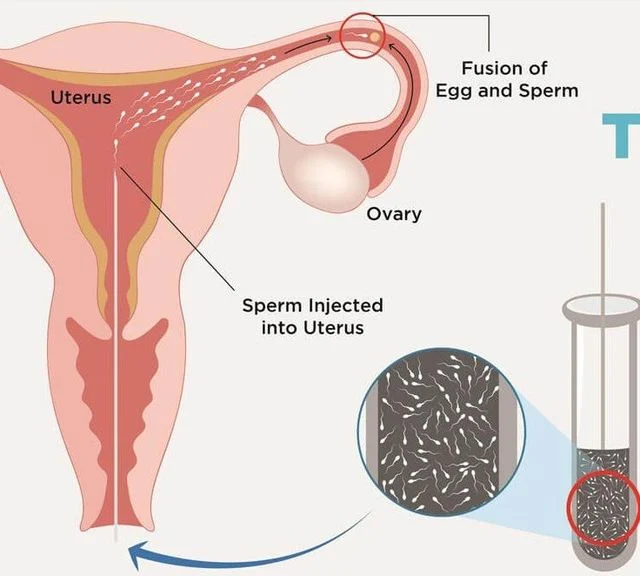
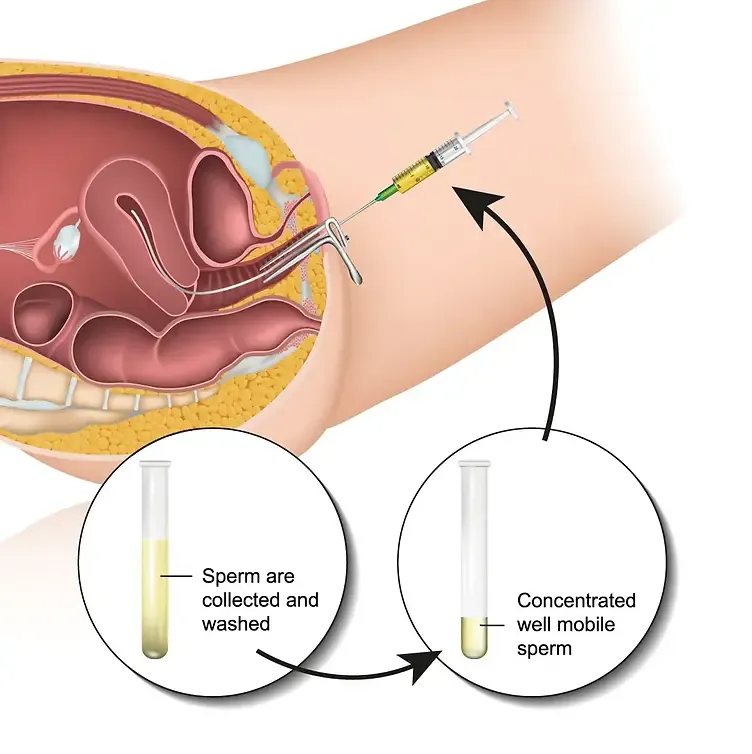
    During IUI, a doctor will insert washed and concentrated sperm directly into the uterus through a thin tube. This is typically done around the time of ovulation when the chances of conception are highest. IUI can be performed with a partner’s sperm or donor sperm, depending on the couple’s situation.

    With ICI, the sperm is placed in the cervix rather than the uterus. This method is less commonly used but is an option for those who cannot undergo IUI for medical reasons.

    What is IVF?
    In-vitro fertilization, or IVF, is a more complex form of fertility treatment that involves retrieving eggs from a woman’s ovaries and fertilizing them with sperm in a laboratory. This process is used when other fertility treatments have not been successful or when there are underlying medical conditions that make it difficult for a woman to conceive naturally.

    The first step in IVF is ovarian stimulation, where a woman takes medication to encourage her ovaries to produce multiple eggs. Once the eggs reach maturity, they are retrieved through a minor surgical procedure. The eggs are then fertilized with sperm in a laboratory, and the resulting embryos are monitored for a few days. The healthiest embryos are then transferred into the woman’s uterus, where they can hopefully implant and result in a pregnancy.

    The Outcomes of Artificial Insemination and IVF
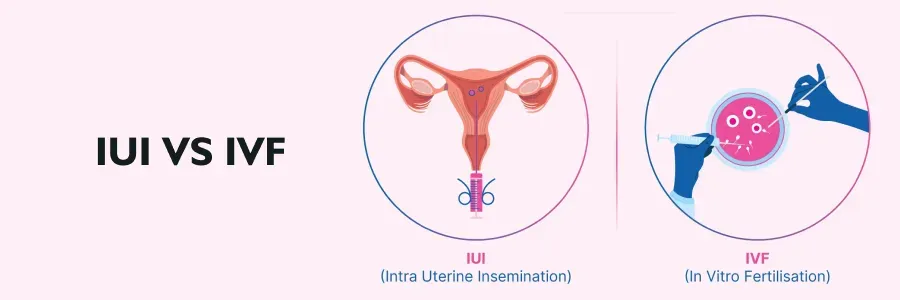
    The success rates of artificial insemination and IVF vary depending on various factors such as the age and health of the woman, the quality of the sperm and eggs, and the specific fertility clinic. Generally, the success rates for artificial insemination are lower than those of IVF, with IUI having a 10-20% success rate and IVF having a 40-60% success rate.

    However, both methods have helped countless couples and individuals achieve their dreams of starting a family. Many couples who have undergone artificial insemination or IVF have been able to conceive and give birth to healthy babies. These procedures have also allowed same-sex couples and single individuals to become parents, breaking down traditional societal norms of what a family should look like.

    Comparison of IUI and IVF with illustrations of each procedure.

    Bringing Home a Baby: The Outcome of Artificial Insemination and IVF

    The emotional impact of these procedures cannot be overlooked. For couples who have been struggling with infertility, artificial insemination and IVF offer a glimmer of hope and a chance for them to fulfill their desire to have a child. While the process can be physically and emotionally taxing, the end result of holding their baby in their arms makes it all worth it.

    Challenges and Considerations
    While artificial insemination and IVF have brought joy and happiness to many families, there are also challenges and considerations that come with these procedures. The cost of these treatments can be significant, with IVF being more expensive than artificial insemination due to the complexity of the process. Insurance coverage for fertility treatments also varies, making it inaccessible for some couples.

    Another consideration is the potential for multiple births with IVF. Because multiple embryos are often transferred to increase the chances of success, there is a higher likelihood of twins, triplets, or more. While this may seem like a blessing, it can also bring about financial, emotional, and physical challenges for the parents and the babies.

    Additionally, the success rates of these procedures decrease with age, making it more difficult for older couples to conceive through artificial insemination or IVF. It is essential for individuals and couples to discuss their options with a fertility specialist and understand the potential challenges and risks before embarking on these treatments.

    The Impact on Families
    The decision to undergo artificial insemination or IVF is a personal one and can have a profound impact on families. For couples struggling with infertility, these procedures offer a ray of hope and can bring them closer together as they navigate the process together. For same-sex couples and single individuals, it can provide an opportunity to fulfill their dreams of becoming parents and create a loving and supportive environment for their child.

    However, there can also be challenges that come with these procedures, such as the financial strain and emotional toll it can take on a couple. It is crucial for families to have a support system in place, whether it be through family and friends or a support group, to help them through the ups and downs of the fertility journey.

    In the end, the outcome of artificial insemination and IVF is a beautiful, healthy baby, and for many families, that is all that matters. These procedures have given hope and joy to countless couples and individuals and have allowed them to experience the miracle of bringing a child into the world.

    In conclusion, artificial insemination and IVF have revolutionized the world of fertility treatments and have helped countless families achieve their dreams of having a child. While there are challenges and considerations that come with these procedures, the positive impact they have had on families cannot be denied. Whether it is through artificial insemination or IVF, the outcome of bringing a baby home is a joyful and life-changing experience that brings love, happiness, and fulfillment to all involved.

    Summary: In this blog post, we explored the outcomes of artificial insemination and IVF and the impact they have on families who have chosen to use them to bring a child into their lives. We discussed the procedures and success rates of both methods, as well as the challenges and considerations that come with them. Ultimately, the decision to undergo these treatments is a personal one, but for many families, it has resulted in the beautiful outcome of bringing a healthy baby home.

  • The Future of Family Planning: Emerging Trends in Natural Conception and Assisted Reproduction

    Blog Post: The Future of Family Planning: Emerging Trends in Natural Conception and Assisted Reproduction

    Family planning has always been an important aspect of human life. It allows individuals and couples to make informed decisions about when to have children, how many to have, and how to prevent unwanted pregnancies. In the past, family planning methods were limited to natural contraception and traditional assisted reproductive technologies such as in vitro fertilization (IVF). However, with advances in technology and research, the future of family planning is evolving to include a wider range of options, both natural and assisted. In this blog post, we will explore the emerging trends in natural conception and assisted reproduction and how they are shaping the future of family planning.

    Natural Conception:

    Natural conception refers to the process of conceiving a child without the use of any artificial methods or technologies. This method has been used for centuries, and while it is still a popular choice for many, it has its limitations. One of the main drawbacks of natural conception is the lack of control over the timing of pregnancy. This can be challenging for couples who are trying to plan their family or for those who have fertility issues. However, recent developments in technology have led to the emergence of new natural conception methods that offer more control and accuracy.

    One such method is natural family planning (NFP), also known as fertility awareness-based methods. NFP involves tracking a woman’s menstrual cycle to determine the most fertile days and avoiding intercourse during that time to prevent pregnancy. This method has been proven to be highly effective, with a success rate of 76-88%. Additionally, NFP can also be used to achieve pregnancy by identifying the most fertile days for intercourse.

    Another emerging trend in natural conception is the use of fertility tracking devices and apps. These devices and apps use advanced algorithms and sensors to track a woman’s menstrual cycle, basal body temperature, and other fertility signs to determine the most fertile days. This allows couples to plan or prevent pregnancy with more accuracy and convenience. Some devices even offer personalized recommendations based on the user’s data, making them a popular choice among couples who are looking for natural and reliable family planning methods.

    Assisted Reproduction:

    Assisted reproduction refers to the use of medical treatments and technologies to achieve pregnancy. This method has been a game-changer for couples struggling with infertility issues. Traditional assisted reproductive technologies, such as IVF, involve fertilizing an egg with sperm in a laboratory and then transferring the resulting embryo into the woman’s uterus. While IVF has been successful for many couples, it can be a long and expensive process with no guarantee of success.

    illustration of the uterus and ovaries with a syringe, labeled "IUI Treatment" in the background

    The Future of Family Planning: Emerging Trends in Natural Conception and Assisted Reproduction

    However, the future of assisted reproduction is moving towards more advanced and efficient methods. One such method is in vitro maturation (IVM), which involves harvesting immature eggs from a woman’s ovaries and maturing them in a laboratory before fertilization. This process is less invasive and less expensive than IVF and has shown promising results in achieving pregnancy.

    Another emerging trend in assisted reproduction is the use of gene editing and manipulation technologies. This involves altering the genetic makeup of embryos to eliminate inherited diseases or improve certain traits. While this technology is still in its early stages and raises ethical concerns, it has the potential to revolutionize the way we think about reproduction and family planning in the future.

    The Role of Artificial Intelligence (AI):

    AI is playing an increasingly important role in the future of family planning. With the vast amount of data available from fertility tracking devices, apps, and other sources, AI can analyze this data to provide personalized recommendations and predictions for individuals and couples. This can help them understand their fertility patterns better and make more informed decisions about when to have children or seek medical assistance. Additionally, AI can also help improve the success rates of assisted reproductive technologies by identifying the most viable embryos for implantation.

    Challenges and Ethical Considerations:

    While the emerging trends in natural conception and assisted reproduction offer exciting possibilities for the future of family planning, there are also challenges and ethical considerations that must be addressed. Some of these technologies may not be accessible to everyone due to their high cost, and there is a risk of creating a divide between those who can afford it and those who cannot. Additionally, there are concerns about the long-term effects of these technologies on individuals and society as a whole. Therefore, it is crucial to carefully consider the ethical implications of these advancements and ensure that they are used responsibly and ethically.

    In conclusion, the future of family planning is rapidly evolving with the emergence of new technologies and trends in both natural conception and assisted reproduction. These advancements offer more options and control for individuals and couples, making it easier to plan or prevent pregnancies. However, it is vital to consider the ethical implications and ensure that these technologies are used responsibly to create a more inclusive and equitable future for family planning.

    Summary:

    The future of family planning is evolving with the emergence of new technologies and trends in both natural conception and assisted reproduction. Natural family planning, fertility tracking devices and apps, and in vitro maturation are some of the emerging trends in natural conception that offer more control and accuracy in planning pregnancies. Meanwhile, assisted reproduction is moving towards more advanced methods like in vitro maturation and gene editing technologies. Artificial intelligence (AI) is also playing an increasingly important role in family planning by analyzing data and providing personalized recommendations. However, there are challenges and ethical considerations that must be addressed to ensure responsible and equitable use of these technologies.

  • The Pros and Cons of Natural Conception vs Assisted Reproduction

    Blog Post: The Pros and Cons of Natural Conception vs Assisted Reproduction

    The decision to start a family is one of the biggest and most life-changing choices a person can make. For many couples, conception happens naturally, but for others, it may require the assistance of medical procedures. In recent years, assisted reproduction techniques, such as in vitro fertilization (IVF) and intrauterine insemination (IUI), have become more widely available and accepted. While these methods can help individuals and couples achieve their dream of having a child, they also come with their own set of pros and cons. In this blog post, we will explore the advantages and disadvantages of natural conception versus assisted reproduction.

    Natural Conception: The Pros

    1. The Emotional Connection
    Many couples who conceive naturally report feeling a strong emotional bond with their child from the very beginning. The process of trying to conceive and the anticipation of pregnancy can bring couples closer together, creating a strong emotional connection with their child even before they are born.

    2. No Medical Procedures
    Natural conception requires no medical procedures or interventions, making it a simpler and less invasive process. This can be a relief for couples who are uncomfortable with the idea of undergoing medical treatments or procedures.

    3. Less Expensive
    Compared to assisted reproduction techniques, natural conception is significantly less expensive. Couples do not have to pay for fertility treatments, medications, or doctor visits, which can add up to a significant amount of money.

    4. Higher Success Rates
    While it may take longer for some couples to conceive naturally, the success rates of natural conception are higher than assisted reproduction techniques. This is because natural conception involves the natural process of sperm meeting the egg, which is how our bodies are designed to reproduce.

    Natural Conception: The Cons

    1. Unpredictability
    One of the biggest drawbacks of natural conception is the unpredictability of the process. It can take months or even years for some couples to conceive, and there is no guarantee that it will happen at all. This uncertainty can be emotionally taxing and can cause stress and anxiety for couples.

    2. Age-Related Fertility Decline
    As women age, their fertility declines, which can make it more difficult to conceive naturally. After the age of 35, a woman’s chances of getting pregnant decrease significantly, and after 40, it becomes even more challenging. This can be a significant disadvantage for couples who decide to start a family later in life.

    diagram illustrating intrauterine insemination process, showing sperm injection into the uterus and egg fertilization pathway

    The Pros and Cons of Natural Conception vs Assisted Reproduction

    3. Health Issues
    Certain health issues can make it difficult for couples to conceive naturally. These include conditions such as endometriosis, uterine fibroids, and polycystic ovary syndrome (PCOS). In some cases, these health issues may require medical intervention to overcome, making natural conception impossible.

    Assisted Reproduction: The Pros

    1. Increased Chance of Conception
    For couples who have been struggling to conceive naturally, assisted reproduction techniques offer a higher chance of success. IVF and IUI can bypass any potential barriers to conception and increase the chances of fertilization and pregnancy.

    2. Can Help with Specific Fertility Issues
    Assisted reproduction techniques can be beneficial for couples who have specific fertility issues. For instance, IVF can help women with blocked fallopian tubes or men with low sperm count. These techniques can also help same-sex couples and single individuals who want to start a family.

    3. Allows for Genetic Testing
    With assisted reproduction, couples have the option to undergo genetic testing before conception. This can help identify any potential genetic disorders or abnormalities, giving couples the option to choose a healthy embryo for implantation.

    Assisted Reproduction: The Cons

    1. Expensive
    One of the most significant drawbacks of assisted reproduction techniques is the cost. IVF and IUI can be expensive, with an average cost of $12,000 per cycle. This can be a financial burden for many couples, especially if multiple cycles are needed.

    2. Emotional Toll
    The process of assisted reproduction can be emotionally taxing for couples. The constant monitoring, hormone injections, and waiting for the results can take a toll on a couple’s mental health. The possibility of failed cycles can also be devastating for couples who have put all their hopes and resources into the process.

    3. Risk of Multiple Births
    With assisted reproduction techniques, there is a higher risk of multiple births, such as twins or triplets. While this may seem like a positive outcome for some, multiple pregnancies come with their own set of challenges and complications.

    Summary:

    Natural conception and assisted reproduction techniques both have their pros and cons. Natural conception offers an emotional connection with the child, no medical procedures, and higher success rates, but it can also be unpredictable and affected by age and health issues. On the other hand, assisted reproduction techniques can increase the chances of conception and help with specific fertility issues, but they can be expensive, emotionally taxing, and carry a risk of multiple births. Ultimately, the decision between natural conception and assisted reproduction should be based on individual circumstances, preferences, and medical advice.